
Photography Booklets vs Flyers vs Premium Business Cards for Photographers


Three formats, three jobs, three very different prices. Each one does a different job for a photographer, fails somewhere different, and belongs at a different point in the buying order.
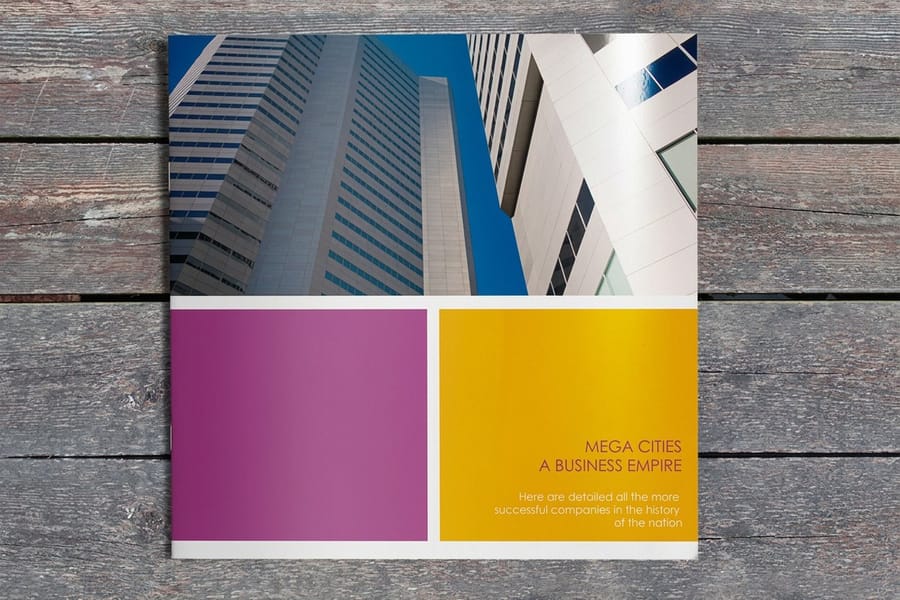
Print premium business cards first, flyers only when you have a dated offer, and a booklet once a client is already discussing price. At 4OVER4.COM cards start at $17.57, flyers at $39.54 and booklets at $240.55, which is the argument in three numbers. The booklet is the only format that shows a sequence of images at full size. The flyer is the only one that reaches strangers cheaply. The card is the only one you carry every day.
Quick answer
Same photographs, three different jobs
Cards are for the referral, flyers are for the deadline, booklets are for the close. A premium business card costs the least per piece and gets handed over most, so it goes first. A flyer buys local attention for a dated offer and does nothing without one. A booklet is the only one of the three that carries a sequence of images at full size, which is why it belongs in the hands of a client who has already asked what the package costs. Coating, not resolution, decides how the photographs look on all three.
Photography Booklets Are the Only Format That Shows a Sequence
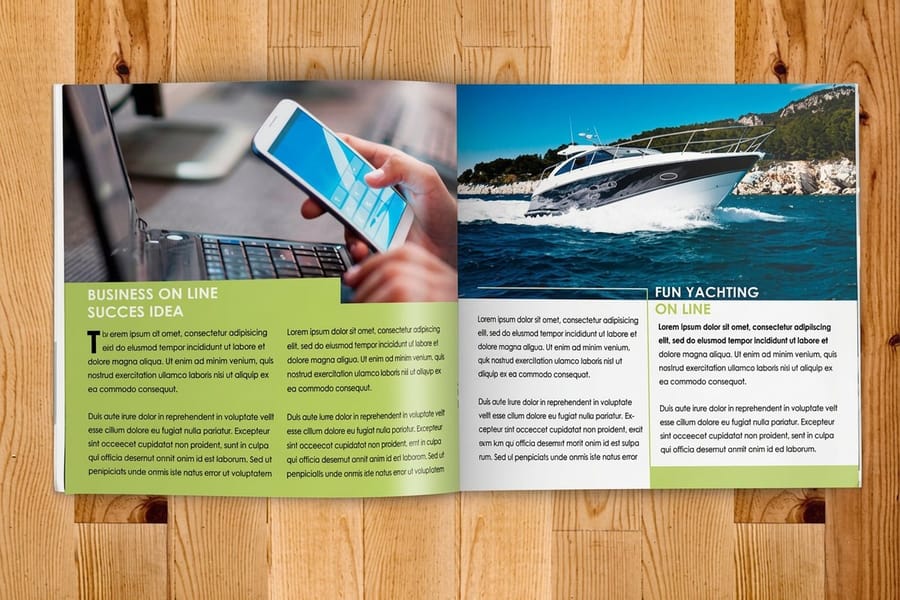
A single photograph proves you can take a photograph. A booklet proves you can carry a story from the first frame to the last, which is the thing a bride or an art buyer is actually paying for. Nothing else on this page can do that.
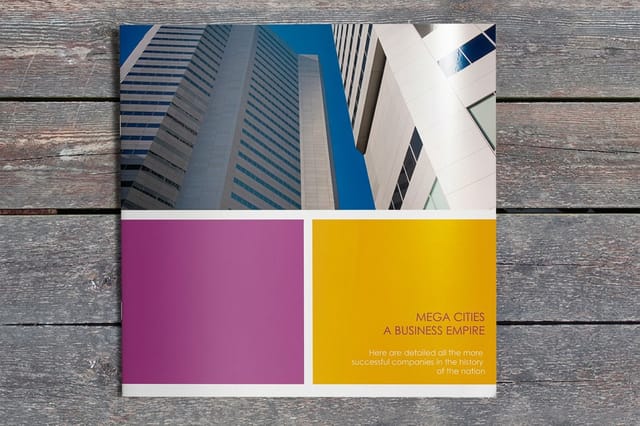
Standard booklets start at $240.55, and that number is the whole strategy. This is not something you leave in a stack by a door. It goes to a couple sitting across the table from you, to an art buyer who asked for a leave-behind, to a venue that wants to see how you shoot their room. Print thirty, not three hundred.
Saddle stitching folds sheets into groups of four, so your page count is always a multiple of four. Sixteen pages fits one wedding, start to finish. Twenty four to thirty two fits a portfolio spanning two or three genres with room to breathe. Push past forty on a heavy stock and creep starts to show: the inner folded pages sit slightly further out and get trimmed a fraction narrower, so a face that runs close to the edge loses a sliver. Keep anything you care about a quarter inch inside the trim on inner spreads and it stops being an issue. The page counts and creep guide has the arithmetic.
Stock matters more here than on either of the other two formats, because the ink coverage is heavy and continuous. Gloss book stock deepens blacks and holds saturation across a full bleed spread. Matte reads calmer and kills reflections under gallery lighting, at the cost of some apparent contrast. If you shoot moody, low key work, order both on a small run before you commit. The rest of the range sits in the booklets and catalogs collection.
Photography Flyers Work When They Carry a Date
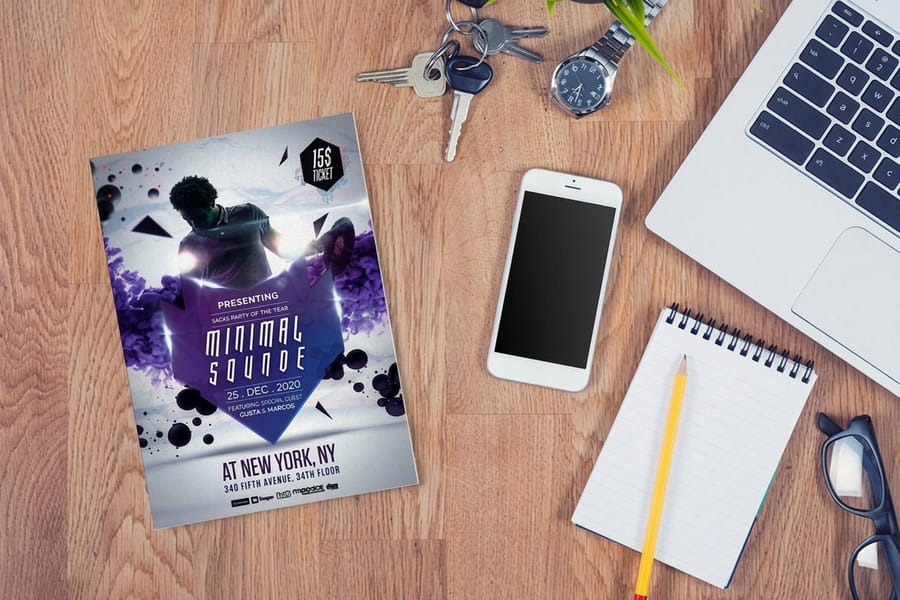
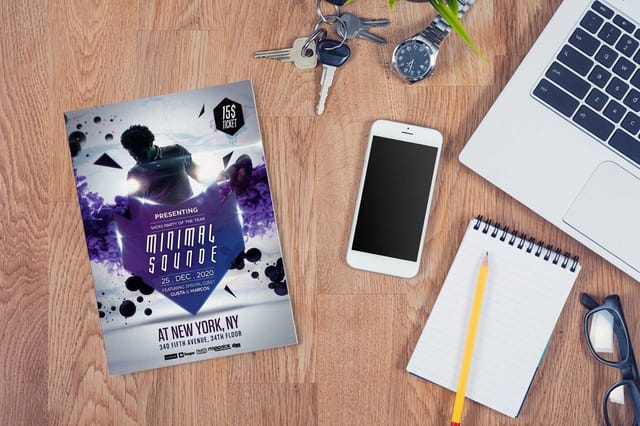
Flyers are the cheapest way a photographer buys local attention, and the easiest to waste. Standard flyers start at $39.54, so a failed run costs less than a lens filter. What decides the outcome is not the photograph. It is whether the flyer asks for something on a deadline.
Compare two versions of the same piece. One shows six images and the words professional photography with a phone number. The other shows one image and reads: mini sessions, three Saturdays in October, twenty minutes, fifteen edited files, booking link. The second one gets pinned to a fridge. The first one gets recycled at the counter it was left on.
The format fights you in one specific way. An 8.5 by 11 flyer is portrait, and most photographers shoot landscape. Cropping a wide frame into a tall page throws away roughly a third of the file, and that crop, not your camera, is what makes a flyer image look soft. Either shoot a vertical for the flyer deliberately, or design around a landscape image sitting in the top third with type underneath.
Stock is the other decision. 100lb gloss text is the standard flyer weight and it holds photographic detail well, but it is thin enough to feel disposable, which is fine if the piece is disposable. Step up to 14pt cover and the flyer survives a tote bag and a rainy walk home. Uncoated stock is the one to avoid for photography: it absorbs ink and drops contrast, and skin tones go flat. Our flyer paper weight guide gives the ranges, and the full range sits under flyer printing. If your plan is mailing rather than handing out, standard postcards at $16.48 are the cheaper and better behaved option.
Premium Business Cards Are the Piece You Actually Hand Over
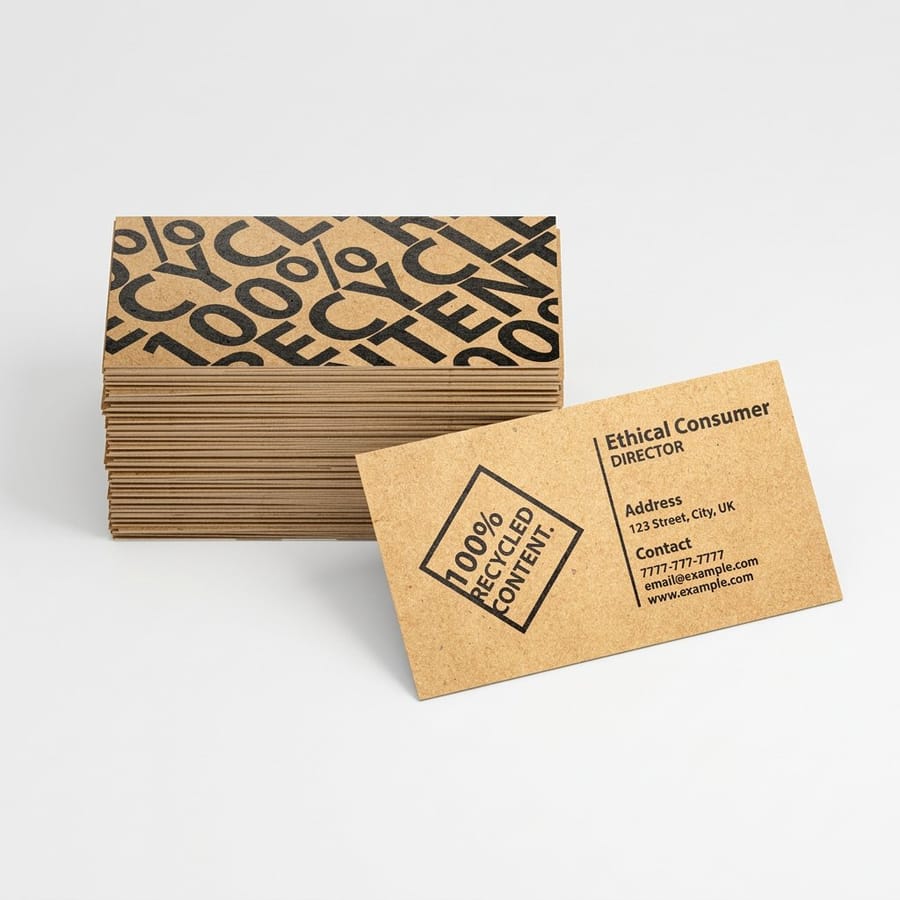
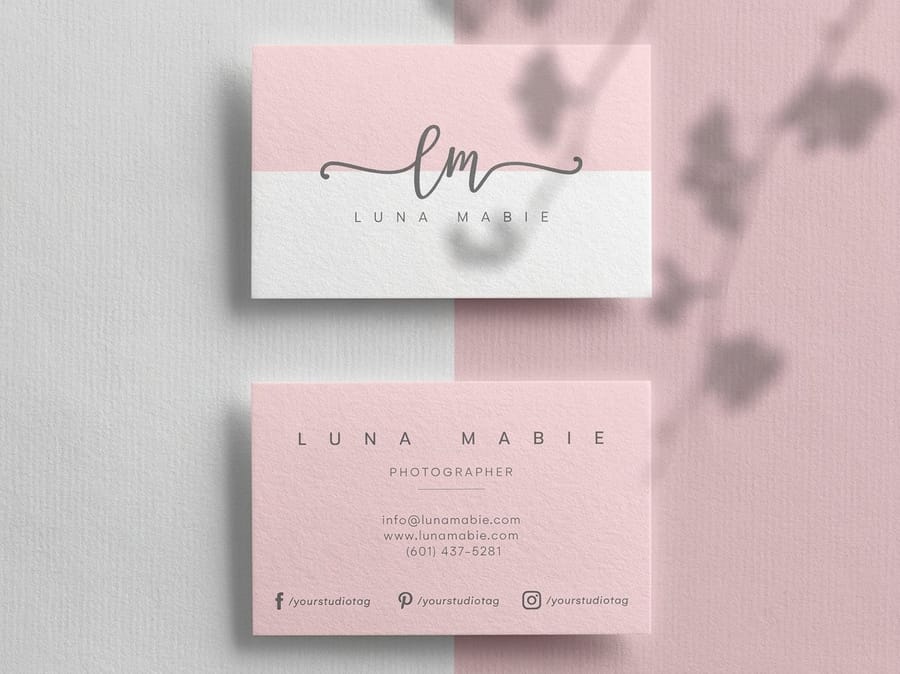
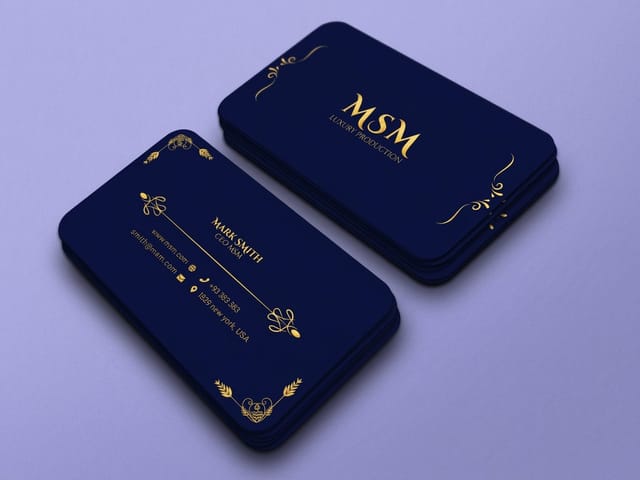
Most photography work comes from someone recommending you in a conversation you were not part of. The card is what survives that conversation. Premium business cards start at $17.57, which makes them the cheapest per piece and the highest frequency print you own.
Treat the back as a tiny print. One image, full bleed, your strongest frame, nothing else on it. At 3.5 by 2 inches you need about 1050 by 600 pixels at 300 dpi, so file size is never the constraint. The constraint is choice: a single image on the back tells people what you shoot. Newborn work on the back will not get you hired for architecture. If you cover two genres seriously, print two versions rather than compromising into a montage that reads as neither.
Coating changes the photograph more than the stock does. Gloss lifts saturation and deepens blacks, so an image on gloss reads closest to a photographic print, and it shows fingerprints. Matte holds the image steady in mixed light and reads calmer. Soft touch feels remarkable in the hand and visibly mutes contrast, which is a real cost when the back of the card is your work. The business card finish comparison shows how each behaves side by side, and the whole family lives under business card printing.
Two setup habits save reprints. Build to a 0.125 inch bleed and keep type 0.125 inch inside the trim, because a full bleed image with a name sitting too close to the edge is the most common card error we see. And leave your own face off it unless your market expects one: a headshot dates in two years and the card outlives it, which our guide on putting your photo on a business card works through. Start from a correctly sized layout in the blank template library and read bleed and trim explained before you export.
The Verdict, and What to Print in What Order
Compared straight across, the three formats are not competitors. They sit at different points of the same conversation, and the prices tell you where.
| Format | Starts at | What it does for a photographer | Where it fails |
|---|---|---|---|
| Premium business cards | $17.57 | Survives the referral conversation. One full bleed image on the back acts as a tiny print. | Room for one image, so it commits you to one genre. |
| Flyers | $39.54 | Buys local attention for a dated offer: mini sessions, market stalls, gallery nights. | Dead without a deadline. Portrait format fights landscape frames. |
| Booklets | $240.55 | Shows a full sequence at full size. The leave-behind for a client already discussing price. | Too expensive to hand out. Nobody keeps two of them. |
| Postcards | $16.48 | Mailable, image first, cheap enough to send a season of them to past clients. | Half a flyer of space, and no sequence at all. |
The order almost never changes. Cards first, because the cost of not having one is a lost referral. Postcards or flyers second, depending on whether you are mailing a list you already own or reaching strangers near a location you shoot. Booklets last, once your work is strong enough to hold twenty pages and a client has asked what the full package costs.
One caution worth repeating: photographs punish uncoated stock and reward coating on all three formats, and the gap between a screen and a printed page is real regardless of what you spend. Order a small run or a sample before a big one, and read why a printed proof looks duller so the first box does not surprise you.
Wally sorts the photographer's print budget
Card in the pocket, flyer on the counter, booklet on the table
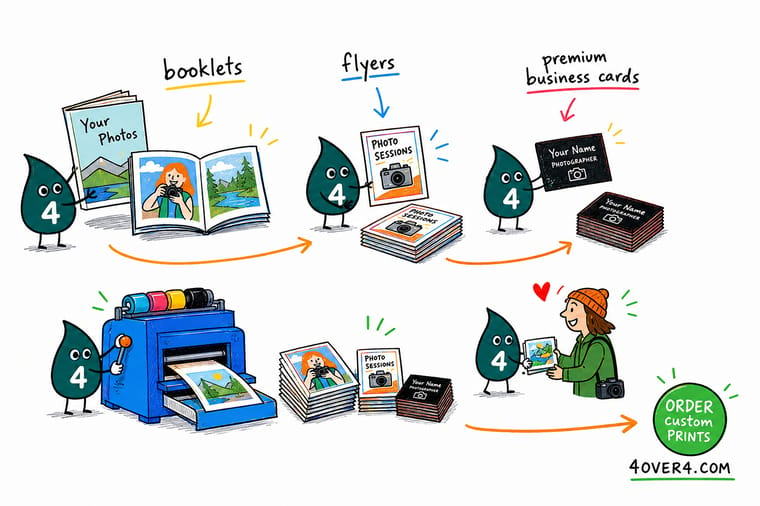
Wally puts the premium business card in his pocket because that is the one he hands over every day. He pins the flyer to a counter, but only after writing a date and an offer on it, because a flyer with neither is just a poster. The booklet stays on the table for the client who already asked the price, since it is the only piece that carries twenty pages of work at full size. Same photographs, three jobs, three very different prices.
Order premium business cards →Specs and pricing
Sizes, stocks and starting prices for all three
Configuration options and starting prices straight from the 4OVER4.COM configurator, so you can compare the three formats on the numbers rather than the pitch.

Print it
Print the piece your next client will actually keep
Explore more
Where to go next
By the numbers
Booklets, flyers and premium cards for photographers
Common Questions
Photographer print questions, answered
Which should a photographer print first, cards, flyers or a booklet?
Premium business cards. They start at $17.57, they cost the least per piece, and they are the only one of the three that you will carry every day. Referrals happen in conversation, and the card is what survives the conversation. Print flyers second, and only when you have something dated to put on them such as a mini session weekend or a holiday portrait deadline. Print a booklet last, once you have work worth sequencing and a client who has already asked what a full package costs.
What resolution do my images need for a photography booklet?
300 dpi at the size the image will print. A full 11 by 8.5 inch spread needs roughly 3300 by 2550 pixels, and a 24 megapixel frame at 6000 by 4000 pixels clears that with room to crop. Resolution is rarely the problem. Aspect ratio is: a landscape frame cropped hard into a portrait page throws away a third of the file, and that is where sharp work starts looking soft. Export at final size, convert to CMYK, and keep faces and horizons at least a quarter inch inside the trim on inner spreads.
Do photography flyers still work?
They work when they are local, dated and specific. A flyer that says mini sessions, three Saturdays in October, twenty minutes, fifteen edited images, booking link, works on a coffee shop counter near the park you shoot in. A flyer that says professional photography with a montage of six images does nothing. Track it with a code or a dedicated booking link rather than a feeling, because a flyer run that fails is cheap information at $39.54 and a flyer run you never measured is just an expense.
Should I put a photo of myself on my business card?
For most photographers, no. Client work belongs on the back, not your face. A single full bleed image of your strongest frame turns the card into a tiny print, which is the whole point of being a photographer with a card. The exception is real estate and wedding markets in some regions, where a headshot is an expected convention. The real cost is time: a headshot dates within a couple of years and the card outlives it. Our guide on whether to put your photo on your business card covers the regional exceptions.
Why do my prints look duller than they do on my screen?
Your screen emits light and paper reflects it, so a backlit black on a monitor beats the deepest black ink can lay down on paper. The gap is widest on uncoated stock, which absorbs ink and drops contrast noticeably. Gloss coating narrows it. Beyond that, sRGB files converted late to CMYK lose the most saturated blues and greens first, which is why skies and foliage take the biggest hit. Convert deliberately, soft proof, and order a printed sample before you commit to a long run.
How many pages should a photography booklet have?
A multiple of four, because saddle stitching folds a sheet into four pages. Sixteen pages suits a wedding sample or a single commercial project. Twenty four to thirty two suits a full portfolio across two or three genres. Past about forty pages on a thick stock, creep becomes visible: the folded inner pages push outward and get trimmed slightly narrower, so images that run to the edge lose a sliver. Keep anything critical a quarter inch inside the trim on inner spreads and the problem disappears.
Get Started
A 25 copy portfolio booklet costs $240.55
Pick the format that fits the conversation you are in, choose a coating that flatters your images, and we print it. Order a small run first if you want to see the stock before you commit.
Legal Disclaimer
Gold Standard guarantees apply to all standard orders placed through 4over4.com. Price match requires verifiable proof of a competitor's published price for an equivalent product with matching specifications and turnaround time. Satisfaction guarantee covers manufacturing defects and print quality issues. Contact support with order number and documentation. On-time delivery rate based on tracked orders 1999 to 2026. Individual results may vary based on shipping carrier performance.
