
How to Package What You Know Into a High-Ticket Offer That Sells


Knowledge does not become a premium price by itself. What you know becomes a named outcome, a bounded scope and a number a serious buyer can approve, and that narrowing costs you reach.
You package what you know into a high-ticket offer by selling one specific outcome to one narrow buyer on a bounded scope, priced against what that outcome is worth to them rather than the hours it takes you. The knowledge is the raw material, never the product. Three things lift the price: how expensive the problem is for that buyer, how few people can solve it, and how much of the result you take responsibility for instead of handing over instructions.

Quick answer
One outcome, one narrow buyer, one bounded scope
A high-ticket offer is a specific result sold to a specific buyer at a price set by what the result is worth. Name the after-state in a sentence you can finish. Narrow the buyer until the problem you remove costs them several times your fee. Write the scope, including what is excluded and how many revisions exist, before you write a word of the sales page. Then price between your cost floor and the value ceiling, and expect fewer buyers who ask harder questions.
Start With the Outcome, Not the Subject You Know
Expertise is the raw material. The product is the situation the buyer is in when you are finished, and until you can describe that situation in one sentence there is nothing to price.
The test takes ten seconds. Finish this line: "When we are done, you will have ___." If the blank fills with "a better understanding of" or "clarity around", you have a topic, and topics sell for the price of a book. If it fills with something countable, such as a hiring process running without you, a warehouse laid out and staffed, or forty pieces of content banked before the last session, you have the beginning of an offer.
This is where most people freeze, because naming a result feels like promising one you cannot control. You cannot control whether a market rewards the client. You can control the work and the deliverable, so guarantee those. "You will have a rewritten pricing model, a migration schedule and the objection scripts your sales team needs" is a promise you can keep in full, and it still describes an after-state rather than a subject.
Write that sentence before anything else. It becomes the headline, the first line of the proposal, and the one page you hand over at the end of a meeting. Our guide to building a marketing offer that creates new sales covers how the same sentence works on the demand side.
Narrow the Buyer Until the Problem Is Expensive

Price follows the cost of the problem, not the depth of your knowledge. If the thing you fix costs a business four thousand dollars a year, no amount of credentials will get fifteen thousand out of them, and the honest move is to change who you are talking to rather than to rewrite the sales page.
Narrowing is uncomfortable because it feels like turning away money. Go from "small businesses" to "dental groups running three to twenty locations" and three things happen at once. The problem gets more expensive, because a twelve-location group loses real money to the thing you fix. Your language gets sharper, because you start using their words for their systems. And the sales cycle gets shorter, because a buyer who hears their own situation described does not need to be convinced you can help.
The limit is reach, and it is a real one. A niche of two hundred companies in the country will never be served by an algorithm and a content calendar. You need a list, a phone, and a reason to show up more than once. That is why mail still works at this end of the market: a short named list is exactly the case where a physical piece lands on the right desk, and standard postcards start at $16.48. There are practical formats in our business postcard ideas guide, and the wider set sits in marketing materials.
Four Ways to Package the Same Knowledge

The same body of knowledge can be sold four ways, and they are not four rungs of one ladder. They load your calendar differently, they need different proof, and they fail for different reasons.
| Package | What the buyer gets | Your load per sale | Where it breaks |
|---|---|---|---|
| Self-serve course | Recorded lessons, templates, no access to you. | Near zero once it is built. | Needs an audience you already own. Completion is low, refunds follow, and the price ceiling is low. |
| Cohort program | Live sessions on a fixed calendar with a group. | Fixed per cohort, not per buyer. | A half-full cohort costs the same to deliver as a full one, so the margin lives or dies on enrollment. |
| One-to-one advisory | Your judgment applied to their specific situation. | Rises with every sale. | Your calendar. Past a certain number of clients the only lever left is the price. |
| Done-for-you | The finished thing, built and handed over. | Highest, and it needs other people. | Scope creep. A vague deliverable turns a profitable job into an unpaid retainer. |
Read the last column first. Most people should start at the bottom of that table and work upward, because you cannot write a credible curriculum until you have solved the problem in the wild several times and seen where clients actually get stuck. Those sticking points are the syllabus. A course built before them is a polished answer to a question nobody asked.
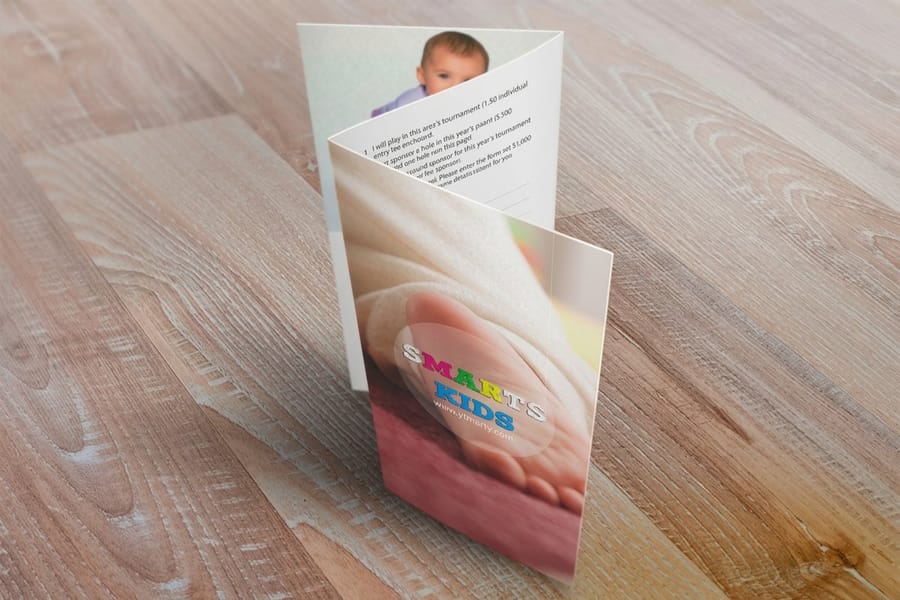
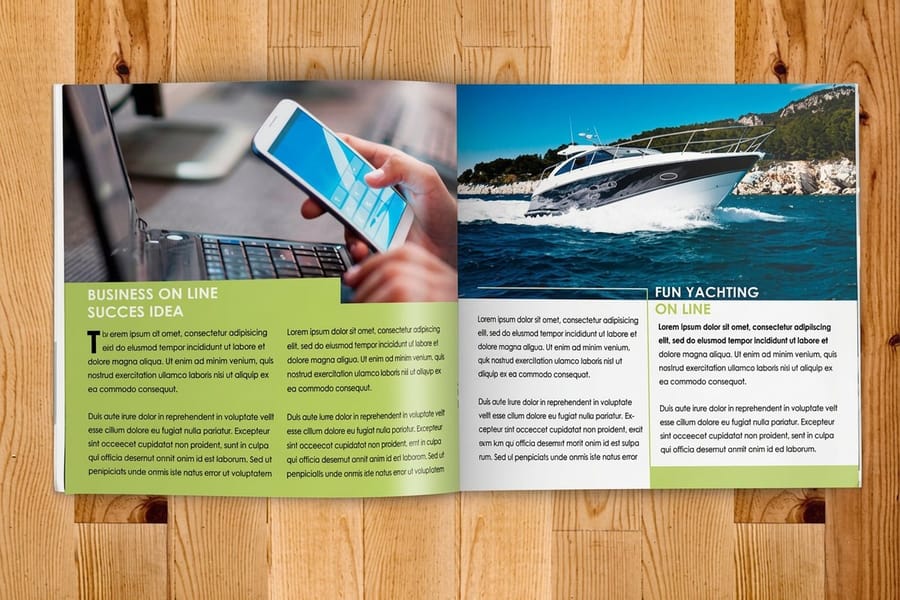
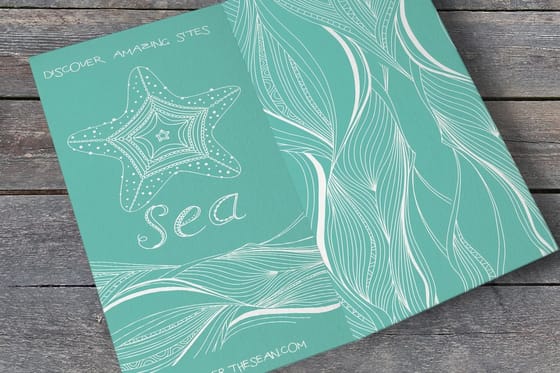
Whichever row you pick, the buyer meets the offer as a document at some point: a workbook in a cohort, a scope in an advisory deal, a specification in a done-for-you job. That is what standard booklets are for, from $240.55 for a saddle-stitched run. If you are still mapping how buyers arrive, our guide on marketing funnels covers the path in front of the sale.
Price Against the Result, Then Check Your Floor
Two numbers bracket every fee. The ceiling is what the outcome is worth to this buyer over a period you can both name, such as one year of recovered revenue or one hire they no longer have to make. The floor is what a year of your business genuinely costs divided by how many engagements you can deliver in that year without wrecking the quality. Your price sits between them, and almost everyone sets it too close to the floor.
When the floor lands above the ceiling, the offer is not underpriced. It is pointed at the wrong buyer, and no amount of copywriting fixes that. Change the buyer.
Then look at what the price does to the rest of your business. A hundred and twenty thousand dollar year takes 120 clients at a thousand dollars each, 20 at six thousand, or 10 at twelve thousand. Fewer buyers sounds like less work, and the finding is. The convincing is not. The ten will ask for references, a written scope, a named contact and sometimes an interview with someone who is not you, and if you cannot produce those, the price collapses in the last meeting rather than the first.
Hold the number when the discount question comes. A request to shave the fee at the close is usually doubt about the outcome wearing a costume, and cutting the price confirms the doubt. Cut scope instead: one location rather than five, phase one rather than the whole program. Pricing from a real cost base is worked through step by step in the first-time entrepreneur launchpad.
Write the Scope Before You Write the Sales Page
The sales page is a translation of the scope document. Written the other way round it produces promises the delivery cannot carry, and the first client to test them costs more than they paid.
A scope that protects the margin says all of this outright:
- The deliverable, named. Not "strategy support" but the specific artifacts that exist at the end, listed.
- What is excluded. The two or three adjacent things buyers always assume are included. Write them down as excluded and the assumption dies quietly.
- Revisions, counted. Two rounds. Unlimited revisions is not generosity, it is an open invoice you cannot send.
- Response time, both ways. Yours and theirs. This is the clause that saves the most money.
- What happens when the client goes quiet. A dormancy clause that pauses or closes the engagement after a set number of weeks.
- What they must supply. Access, data, a decision-maker who attends. Half of all late projects are late here.
Once that document exists, the sales page writes itself, because every claim on it has a matching line in the scope. Keep the language consistent across both. The wording rules for that are in brand messaging for small business, and the same phrasing should carry into the proposal you print.
What the Buyer Holds While They Decide
A high-ticket offer does not close in a shopping cart. It closes across a call, a proposal, and a gap of several days in which people discuss you in a room you are not in. What sits on that table decides more than most sellers expect.
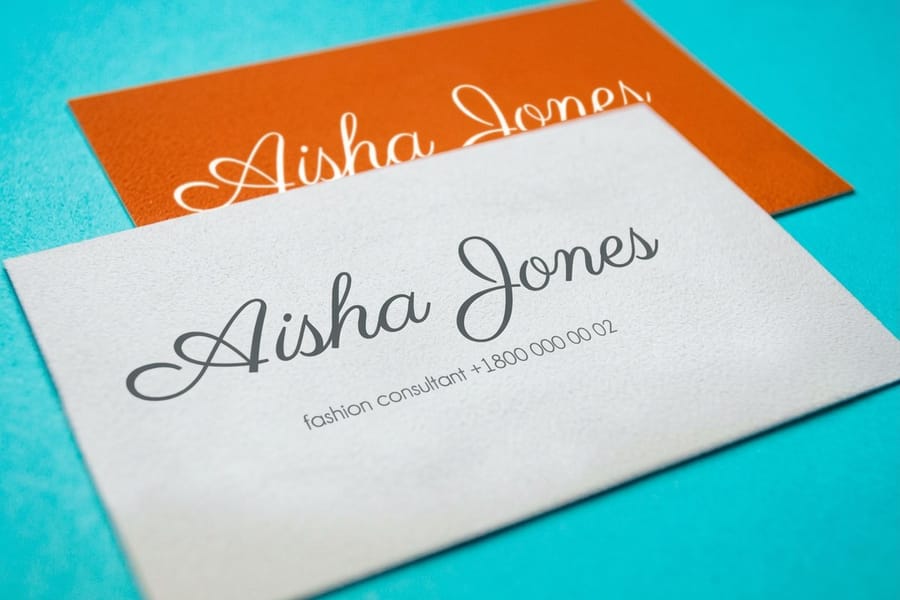
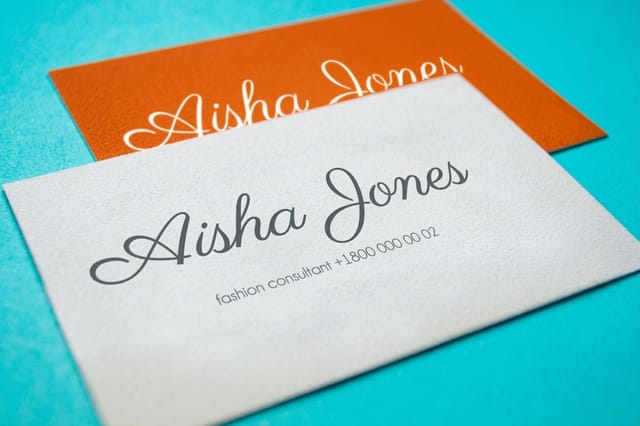
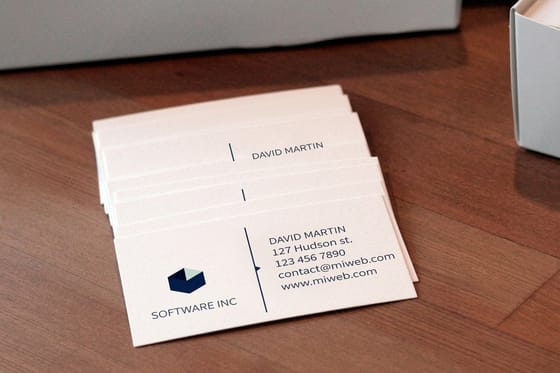
Three printed pieces earn their place, and none of them are decoration. The leave-behind is a folded sheet that states the outcome, the scope and the price, and it survives being forwarded to a finance director who never met you. Standard brochures start at $57.11, which is less than an hour of your billable time. The program document is for engagements with phases, a schedule and a method, and it reads as a plan rather than a pitch. The card matters only at the moment of handover, which is exactly when a heavier stock registers: suede business cards start at $87.15 against $17.57 for standard, and the difference is felt in the hand before it is read.
Now the limit, because it gets ignored. Print supports a close, it does not create demand. Ordering a booklet run before you have sold the offer once at full price is procrastination with a receipt, and you will reprint anyway when the scope changes after the first real client. Sell first, print second. When you get there, the format choice is covered in our guide to marketing brochures that drive sales, and the full range sits under brochure printing and booklets and catalogs.
Wally packages an offer
A pile of knowledge is not a product until it has an edge
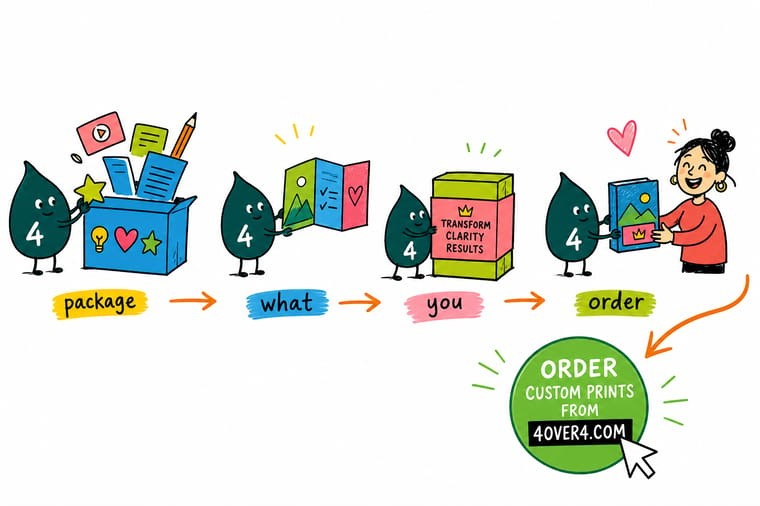
Wally starts with everything he knows, which is worth nothing on a shelf. He picks one result, decides exactly who needs it, draws a line around what is in and what is out, then puts a price on the result rather than on his afternoon. Now it is an offer. He prints one sheet that says all of it, because the person who signs the check is rarely the person he met.
Print your offer sheet →Specs and pricing
The three pieces a premium offer travels with
Sizes, stocks and starting prices for the leave-behind, the program document and the card, straight from the 4OVER4.COM configurator.


Print it
Put the offer on paper


Explore more
Where to go next



By the numbers
Printing that backs a serious offer
Common Questions
Your high-ticket offer questions, answered
What actually makes an offer high-ticket?
Not the price tag on its own. An offer earns a high price when the buyer can see a return that dwarfs the fee, when few other people can produce that result for them, and when you carry the responsibility for delivering it rather than handing over instructions. Two consultants can charge the same number for the same subject and only one of them holds a high-ticket offer, because only one of them named a result and took the risk of owning it.
Do I need case studies before I can charge a premium price?
You need evidence, and a case study is only one form of it. A named client who will take a phone call is stronger than a written testimonial. A sample of the actual deliverable, redacted, is stronger than either. If you have none of the three, sell a paid pilot at a reduced fee with a written agreement that you may describe the result, then use that engagement to build the proof. A free pilot rarely works, because clients do not staff the work they did not pay for.
How do I set the number without guessing?
Find two numbers first. The ceiling is what the outcome is worth to the buyer over a period you can both agree on, such as one year of recovered revenue or one avoided hire. The floor is what a year of your business costs divided by how many engagements you can genuinely deliver in that year. Price between them, closer to the ceiling than most people dare. If the floor sits above the ceiling, the offer is not underpriced, it is aimed at the wrong buyer.
Should I build a course or sell one-to-one work first?
One-to-one first, in almost every case. A course is a written record of a problem you have already solved many times, and you cannot write it credibly before those repetitions exist. Selling the work directly also tells you which parts clients struggle with, which is the curriculum. Building the course first usually produces a polished product for a buyer who was never asked what they needed.
What do I do when a buyer asks for a discount at the end?
Cut scope, never price. A discount request at the close usually means the outcome was not believed rather than that the number was too high, and shaving the fee confirms the doubt. Offer a smaller version instead: one location instead of five, one phase instead of three, a shorter term. The buyer keeps the price integrity of the offer and you keep the margin. If they walk anyway, the problem was upstream, in the outcome you named.
Do I really need printed materials to sell a high-ticket offer?
Not to start, and yes once the offer is proven. High-ticket decisions get made in rooms you are not in, so the piece that gets left behind does the arguing for you. A folded sales sheet costs less than an hour of your time, with standard brochures starting at $57.11, and a saddle-stitched program document starts at $240.55 in standard booklets. Order those after the offer has been sold at full price at least once, not before.
Get Started
Suede business cards run 250 for $87.15, or 35 cents each
Print the leave-behind that states the outcome, the scope and the price, so it still argues your case in the meeting you are not invited to.
Legal Disclaimer
Gold Standard guarantees apply to all standard orders placed through 4over4.com. Price match requires verifiable proof of a competitor's published price for an equivalent product with matching specifications and turnaround time. Satisfaction guarantee covers manufacturing defects and print quality issues. Contact support with order number and documentation. On-time delivery rate based on tracked orders 1999 to 2026. Individual results may vary based on shipping carrier performance.
