
How Kraft Sticker Printing Works and When Brown Stock Wins


Kraft is the paper, not a finish. Here is what the brown stock does to your ink, where the adhesive and the recycling claims stand, and how to set a file up so the first run is the only run.
A kraft sticker is an unbleached, uncoated brown paper facestock with adhesive on the back, and its brown comes from the pulp rather than from ink. Because printing ink is transparent, every color you print sits over that brown: solids darken and warm, pale tints disappear, and white does not print at all in a standard CMYK run. Design with dark solid ink and bare paper as the highlight, keep it away from water and oil, and claim recyclable facestock rather than compostable unless you hold the certificate.
Quick answer
The paper is the color, and the ink has to live with it
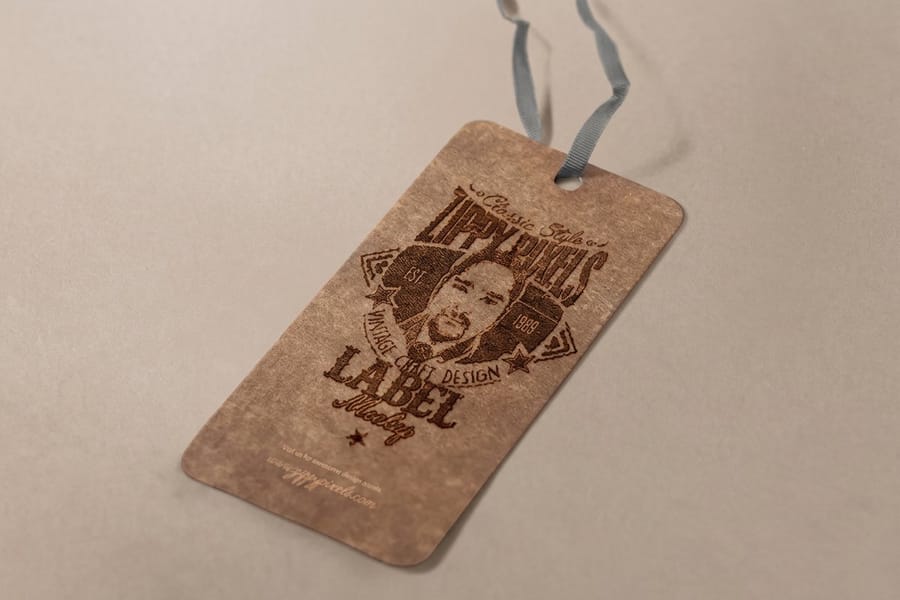
Kraft prints darker and warmer than the same file on white, and anything pale disappears. Ink filters light off the sheet instead of covering it, so a brown sheet changes every value in your artwork. Solid dark ink survives, mid tints muddy, light tints vanish, and a white shape stays brown unless the press adds opaque white in a separate pass. Treat the kraft as your lightest color, keep the piece dry, and the material does the work your design used to.
What Makes a Sticker a Kraft Sticker
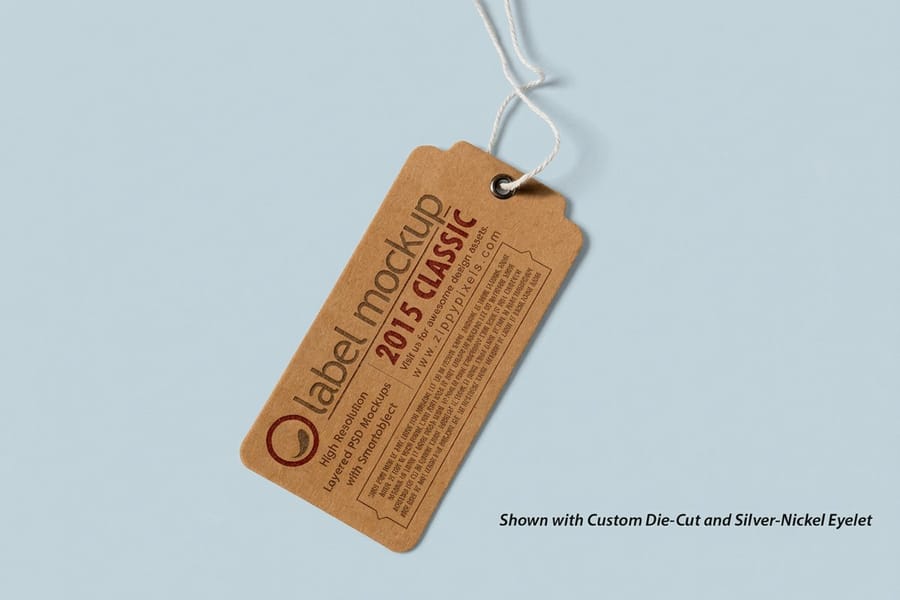
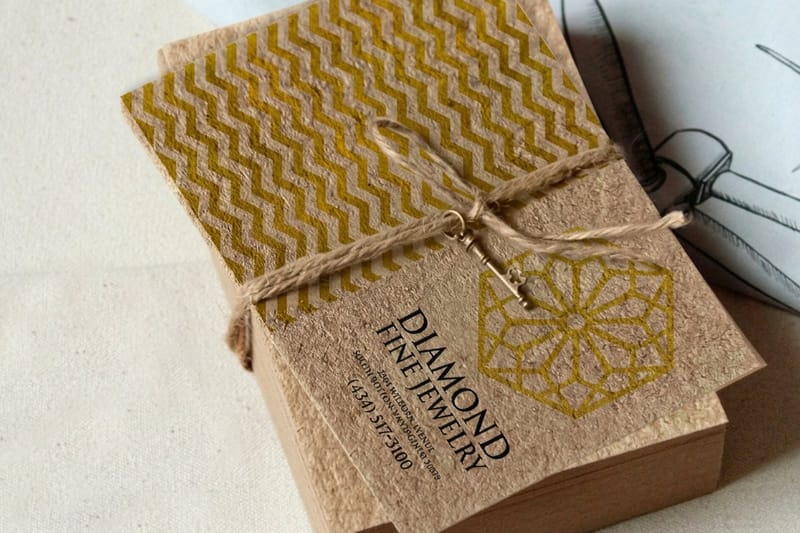
Kraft paper skips the bleaching stage. Wood pulp cooked in the kraft process keeps its lignin and its natural brown, and the mill sends it out uncoated, so what you get is a sheet that looks like a grocery bag and feels like one. Turn it into a sticker by laminating a permanent adhesive to the back and mounting it on a release liner.
That is the whole product. There is no kraft ink, no kraft filter and no kraft varnish. A designer who fills a white label with a brown rectangle gets close from a few feet away and loses the argument the moment somebody touches it, because the brown rectangle is smooth and slightly reflective while real kraft drags against a fingertip.
Two consequences follow from the paper being the color. Shade drifts between mill batches, so a reorder six months later can land a touch lighter or greyer than the first run. And the fiber shows, in flecks and the odd darker speck, which reads as character on a soap label and as a defect on a medical carton. Our paper stocks guide puts kraft next to matte, gloss and linen if you want the comparison by feel.
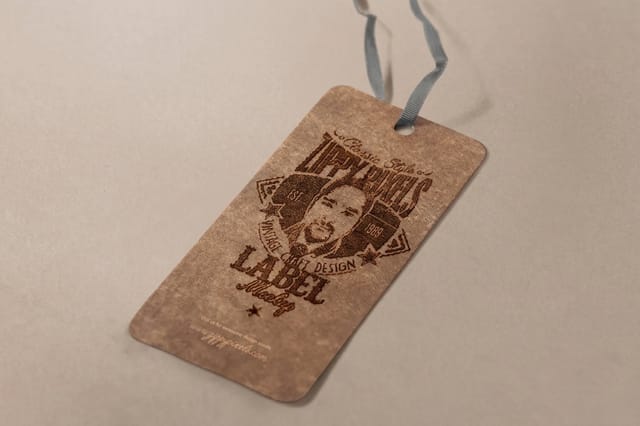
4OVER4.COM runs kraft across the kraft printing collection, from kraft hangtags at $57.96 to kraft business cards at $24.75, and the same rules about ink apply to every one of them.
The Look and the Feel, Described Honestly
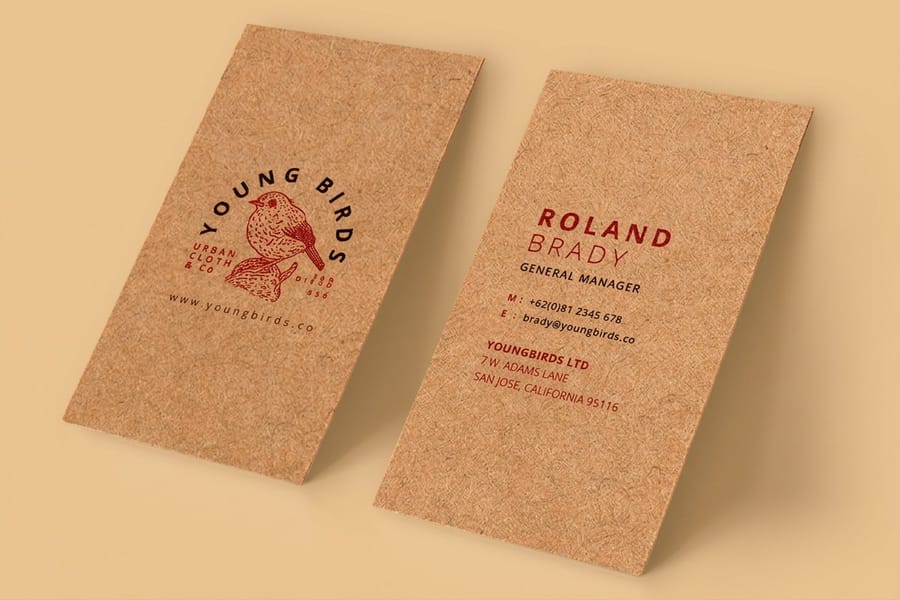
Hold a kraft sticker under a lamp and nothing bounces back. The surface is dead matte, so a printed area looks slightly darker and flatter than the same file on coated stock, and the tone of the sheet ranges from oat to a warm mid brown depending on the batch.
You can write on it with a ballpoint or a stamp pad, which coated labels resist. Small producers use that constantly, printing the brand and the ingredients and leaving a blank box for a batch number or a best before date added by hand. A gel pen skids and a permanent marker bleeds along the fiber, so test the pen before you buy a hundred of them.
The texture also changes how a die cut edge reads. A tight radius on coated paper looks crisp. The same radius on kraft shows a faint fuzz where the blade parted the fiber, which nobody notices on a rustic label and everybody notices on a sharp geometric mark. If your shape is intricate, read kiss cut versus die cut first and keep the corners generous.
How Ink Behaves on Brown Kraft
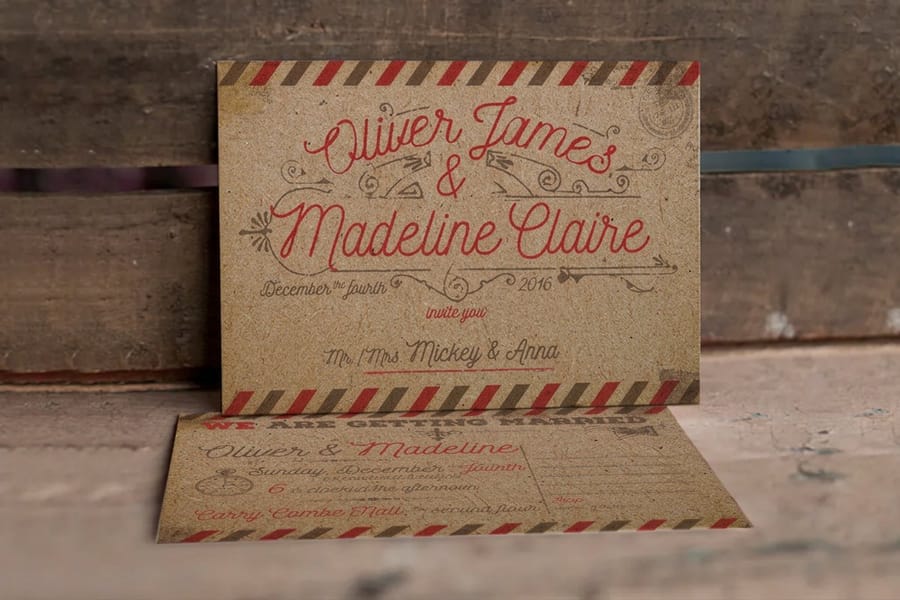
This is where kraft jobs go wrong, and the cause is simple. Printing ink is transparent. It filters the light bouncing off the paper rather than covering it, so on a white sheet you see the ink over white and on kraft you see the ink over brown.
Run the same file on both and the differences sort themselves into a pattern. Solids hold their shape but darken and warm. Mid tints turn muddy. Light tints below roughly a quarter strength stop being visible at all, because there is not enough pigment to shift a brown ground. Black behaves best of the four, which is why so much kraft packaging is printed in one dark ink and looks deliberate rather than cheap.
| Element | On white uncoated | On kraft | What to do |
|---|---|---|---|
| Solid dark ink | Clean and sharp | Slightly deeper, warmer, still crisp | Build the design around it |
| Pale tint | Soft and readable | Sinks into the brown, close to invisible | Replace with a knockout of bare kraft |
| Bright blue or cool grey | As proofed | Shifts toward slate and green | Pick a warm palette instead of fighting it |
| White logo or type | Unprinted paper reads as white | Stays brown unless opaque white is added | Reverse it out as a shape, or budget a white pass |
| Photograph | Full contrast range | Highlights collapse, skin tones go sallow | Use line art, or put the photo on a white label |
The practical fix is a change of mindset rather than a change of file. Stop treating the kraft as a background and start treating it as your lightest color. A two color design, dark ink plus bare paper, prints beautifully and costs the least. Set the file up like any other print job, in CMYK at full size with fonts outlined, and start from a correctly sized layout in the blank template library.
One habit saves the most money here: ask for a proof on the real stock, not a PDF and not a white paper proof. Screens are backlit and lie about brown.
Durability, Adhesive, and Where Kraft Fails
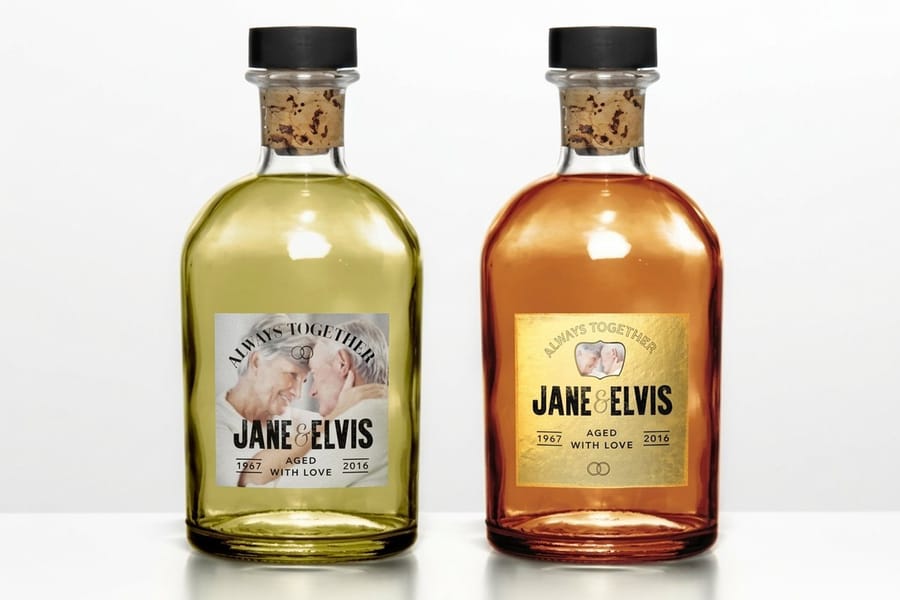
Kraft is an indoor, dry goods material. There is no coating between the ink and the world, so water swells the fiber, oil darkens it in patches, and a wet thumb across fresh print will smear it. That is not a manufacturing flaw. It is what uncoated paper does.
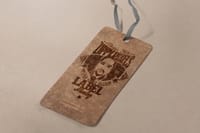
Jobs it suits: dry goods packaging, coffee bags, candle tins that stay on a shelf, gift wrap seals, tea and spice jars, bakery boxes, hangtags on clothing, and the seal on a shipping carton. Jobs it does not: anything chilled or condensating, bath and body products that leak, outdoor signage and window decals, car bumpers, and anything that gets scrubbed. For those, a film facestock is the honest choice, and the outdoor sticker material guide explains which film survives what.
The adhesive matters as much as the face. A permanent adhesive on a kraft face is close to unremovable once it has bonded to corrugated board for a day, because the paper tears before the glue lets go. That is exactly what you want for a tamper evident seal on a mailer and exactly what you do not want on a jar a customer reuses.
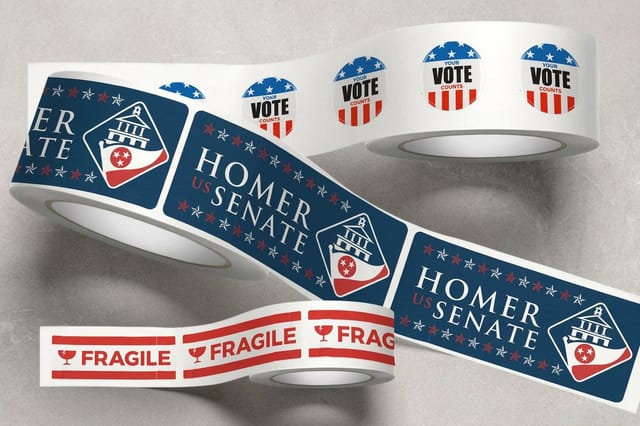
Plenty of brands split the difference. Print the shipping and packaging information on a durable packaging label, keep the kraft for the piece a customer actually handles, and wrap the box in printed kraft tape so the material story stays consistent from the outside in.
The Eco Claims That Hold Up, and the Ones That Do Not
Kraft earns its reputation on one clear point. A paper facestock belongs in a paper recycling stream, and a plastic film label stuck to a cardboard box does not. Take a vinyl label into a paper mill and it contaminates the pulp. Take a kraft label in and it goes with the box.
Three things temper the claim, and a buyer who knows them writes better packaging copy than a competitor who does not. First, the release liner. Most liners are silicone coated paper or film, both awkward for curbside recycling, so the material you throw away during application is usually the least recyclable part of the order. Second, adhesive. It survives pulping and gets screened out as a sticky contaminant, which is why mills prefer fewer and larger labels over many small ones. Third, the word compostable. It is a certification tied to a tested facestock and adhesive combination, not a synonym for paper, and printing it without the certificate is the sort of claim that gets a brand challenged.
What you can say with a straight face: unbleached, uncoated paper facestock, recyclable with paper, no plastic film laminate. That is accurate, it is more than most competitors can claim, and it does not depend on a certificate you do not hold. For the wider picture on print and sustainability, see what sustainable printing actually means and how to choose an eco friendly printing service.
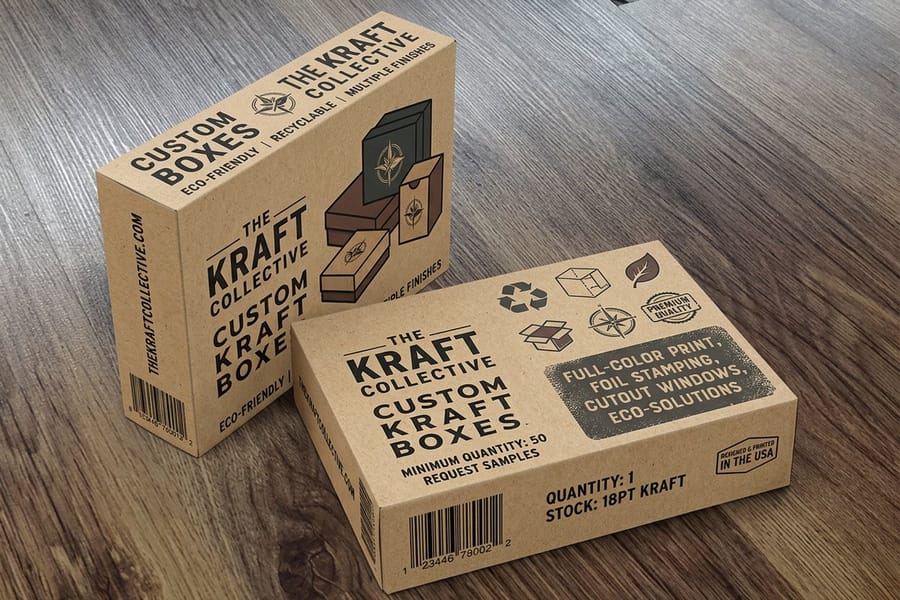
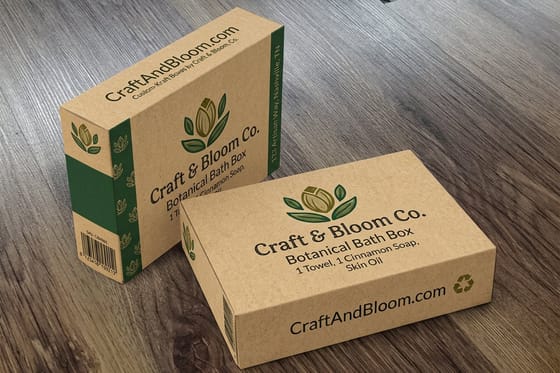
The strongest version of the story is material consistency across the whole parcel. Custom kraft boxes start at $711.78, and a kraft box sealed with kraft tape and tagged with a kraft label unboxes as one decision rather than three.
How to Order Kraft Stickers Without a Reprint
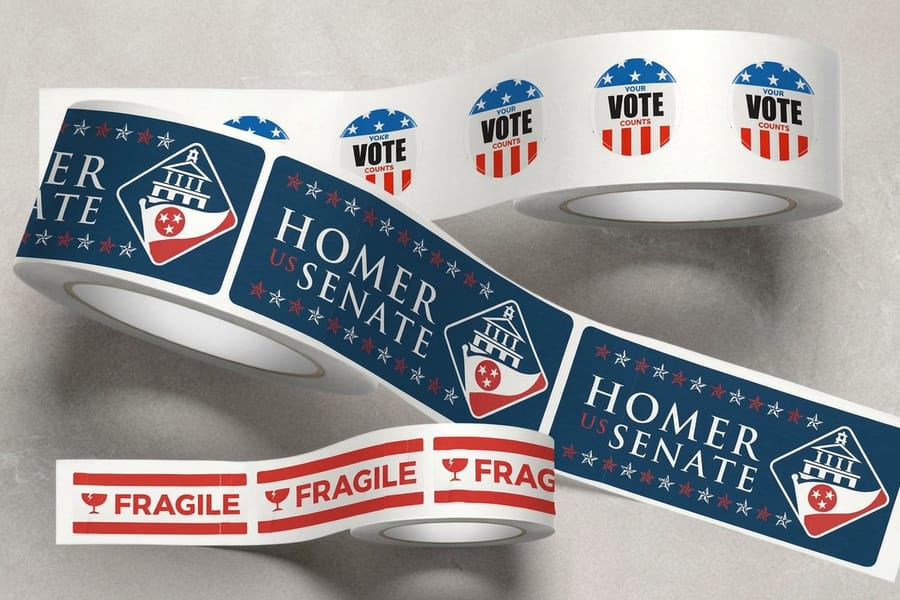
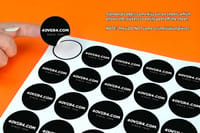
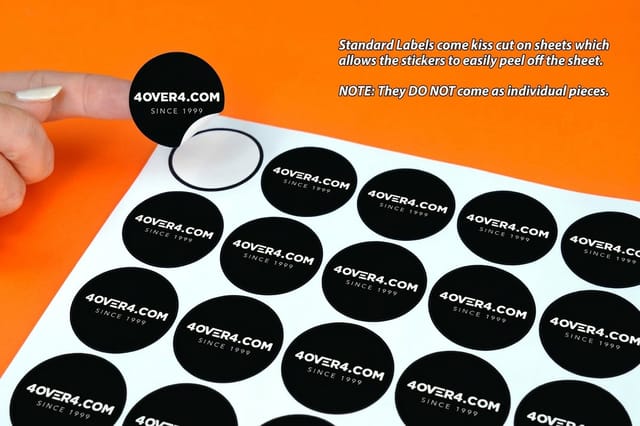
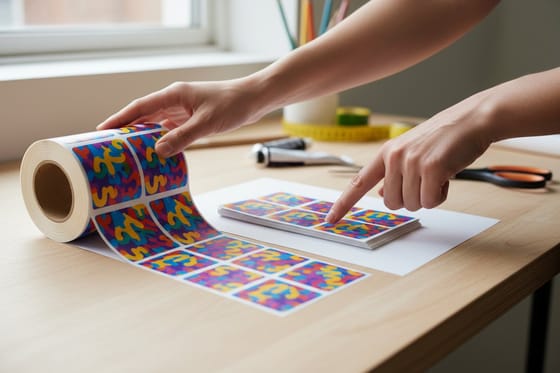
Start with the format, because it decides your quantity and your price break. Sheets suit hand application and short runs, die cut singles suit giveaways and laptop stickers, and rolls suit anything fed through a label applicator or peeled fast by hand at a packing bench. Standard stickers start at $23.88 and roll labels at $322.98, which reflects the much larger quantity a roll carries. Roll labels versus sheet labels walks through the crossover point.
Then size the label to the container rather than to the artwork. Measure the flat panel, subtract about an eighth of an inch on every side for the curve and for application drift, and only then lay out the type. A label sized to the design first is the most common reason a bottle order comes back wrong.
Before you approve anything, run a short checklist:
- Convert every font to outlines and supply artwork at final size.
- Delete pale tints and thin white rules, or convert them to knockouts of bare kraft.
- Keep the smallest type above 6 point, since uncoated fiber thickens fine strokes.
- Decide whether you need opaque white before you quote, not after.
- Ask for a printed proof on the actual kraft stock and judge it under daylight.
If the answers push you away from a paper face, take the earthy look and put it on a durable material instead. The sticker materials guide covers the trade, matte versus uncoated explains the closest paper substitute, and the full range of formats sits under label printing and sticker printing.
Wally explains kraft
Brown paper is your lightest color, so design from the dark end
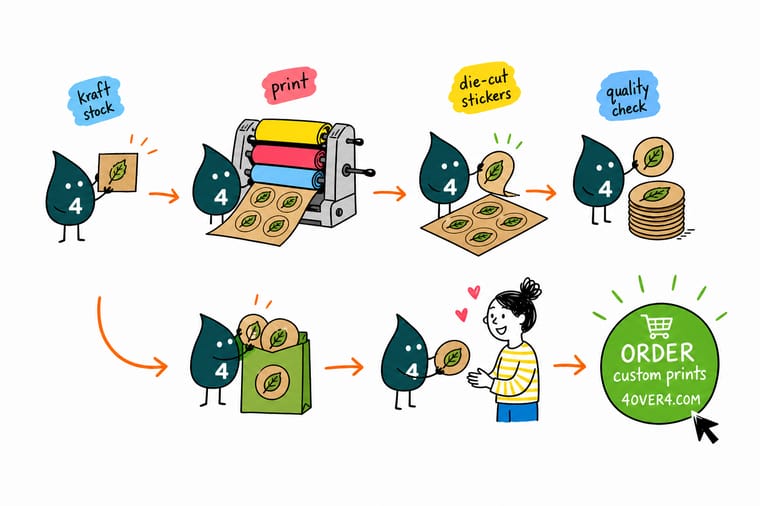
Wally prints the same label twice, once on white and once on kraft. The white one looks exactly like the screen. The kraft one comes out warmer, the pale blue has gone missing, and the white logo is now a brown logo. Nothing broke. Ink is see through, so the paper joins in. Give Wally solid dark ink, bold shapes and knockouts of bare kraft and the label looks intentional. Keep it off anything wet and it stays that way.
Shop the kraft printing collection →Specs and pricing
Sticker formats, sizes, and starting prices
Compare the sticker and kraft options side by side, with live configuration choices and starting prices straight from the 4OVER4.COM configurator.

Print it
Order the sticker your packaging actually needs
Explore more
Where to go next


By the numbers
Sticker and label printing you can count on at 4OVER4
Common Questions
Your kraft sticker questions, answered
What are kraft stickers made of?
The facestock is kraft paper, an unbleached pulp sheet that keeps its natural brown color instead of being whitened. It is uncoated, so the surface is matte, slightly rough, and often flecked with visible fiber. Behind it sits a permanent adhesive and a release liner you peel away. Nothing about the brown is printed. It is the paper, which is why the shade drifts a little between production batches and why two orders placed months apart rarely match perfectly.
Can you print white ink on kraft stickers?
Not in a standard four color run. A CMYK press has cyan, magenta, yellow and black, and white areas of your file are simply the parts left unprinted. On white stock that reads as white. On kraft it reads as brown. Printers who offer white on kraft add an opaque white unit or a screen printed underbase, which is a separate pass and a separate cost. The cheaper answer is to design for the brown: reverse your logo out as a knockout shape, or use one dark ink and let the paper carry the highlights.
Are kraft stickers waterproof?
No. Uncoated paper absorbs water and the ink goes with it. A drink label on a bottle that lives in a cooler will pucker within a day, and a soap label picks up oil from the bar itself. If the sticker has to survive moisture, print on a vinyl or BOPP facestock instead and get the earthy look from the design rather than the substrate. Our guide to choosing outdoor sticker materials covers which films handle sun and rain.
Are kraft stickers recyclable or compostable?
The paper facestock is recyclable with other paper, and that is a genuine advantage over a plastic film label that contaminates a paper stream. Two things complicate the claim. The adhesive stays on the sheet through pulping, and the silicone coated release liner is usually not accepted in curbside recycling. Compostable is a certified claim tied to a specific adhesive and facestock, so do not print the word on your packaging unless the material you bought carries the certification.
Do kraft stickers cost more than white stickers?
The stock itself is not a premium material, so the price sits close to a comparable white paper sticker. What adds cost is anything you bolt on to fight the brown, mainly opaque white ink or a heavier ink lay to hold color. For reference on the sticker side at 4OVER4.COM, standard stickers start at $23.88 and premium stickers at $29.16, while kraft hangtags start at $57.96 and kraft postcards at $28.49.
Will a photograph print well on kraft?
Rarely. A photograph relies on white paper showing through the highlights, and kraft has no white to give. Skin tones turn sallow, skies go grey green, and the whole image loses the top third of its contrast range. Illustrations, line art, single color logos and heavy display type all survive the move to brown. If a photo is essential, put it on a white label and use kraft for the box, the tag or the tape around it.
Get Started
Ready to put your brand on brown paper?
Pick your format, size the label to the container, and we print stickers and kraft pieces that look deliberate instead of accidental.
Legal Disclaimer
Gold Standard guarantees apply to all standard orders placed through 4over4.com. Price match requires verifiable proof of a competitor's published price for an equivalent product with matching specifications and turnaround time. Satisfaction guarantee covers manufacturing defects and print quality issues. Contact support with order number and documentation. On-time delivery rate based on tracked orders 1999 to 2026. Individual results may vary based on shipping carrier performance.
