
Roll Labels vs Sheet Labels, Which Should You Print?


Jordan is our labels, packaging and sustainability voice, built from the knowledge of our production team, with over 20 years in printing.
Same label, two different formats. One arrives wound on a roll, the other flat on a sheet, and the right pick follows how they go onto the product. An applicator only takes rolls, which settles it before price ever comes up.
Choose roll labels for volume and machine or fast hand application. Choose sheet labels for small runs, variety, and hand placement. Roll labels come on a core for bottles, jars, cans, and subscription products, and reward big quantities. Sheet labels come flat for prototypes, kits, and small batches, with the lowest entry price. The material and finish can be identical, so pick by how the label gets applied. 4OVER4 prints both.

The short answer
What is putting the label on
Print roll labels when you are running volume or applying with a machine, and print sheet labels when you need a small batch or want to place them by hand. Rolls suit bottles, jars, cans, and subscription products and reward high quantities. Sheets suit prototypes, variety packs, and short runs at the lowest entry price. A roll starts at 100 to 500 labels for $322.98 on a 3 inch core, and sheet labels start at 25 for $23.88. Because 4OVER4 offers the same stocks and finishes in both formats, you decide purely on quantity and application, never on quality.
Head to head
Roll labels vs sheet labels, side by side
The two formats line up on eight things that actually change your decision. Read down the column that matches your quantity and your application method. The two prices at the top sit on different runs, 100 to 500 roll labels against 25 sheet labels.
| Roll LabelsFrom $322.98 | Sheet LabelsFrom $23.88 | |
|---|---|---|
| Format | Wound on a 1 in or 3 in core, one label after another on a backing liner. | Printed several-up on flat letter-size sheets you peel by hand. |
| Best for | Bottles, jars, cans, cosmetics, subscription products, anything that runs down a line. | Small batches, prototypes, variety packs, kitting, office and event use. |
| Application | Peels fast by hand or feeds a semi- or fully-automatic applicator. | Peeled and placed one at a time by hand. |
| Typical order size | Hundreds to tens of thousands, priced to reward volume. | A dozen to a few hundred, priced for low minimums. |
| Equipment | Pairs with dispensers and applicators for real throughput. | None needed. |
| Shapes & die-cutting | Any shape with a consistent gap, ready to feed cleanly. | Any shape on the sheet, and you can mix multiple SKUs per page. |
| Starting price at 4OVER4 | From $322.98, built for volume runs. | From $23.88, order as few as you need. |
| Materials & finishes | Paper, BOPP, clear, foil, laminate, waterproof. | The same stocks and finishes, sheet-cut. |
| Configure roll labels | Configure sheet labels |
The 4OVER4 take: neither format is better, only better suited. Rolls win the line, sheets win the small run, and both print on the same premium materials here.
Print the format you need
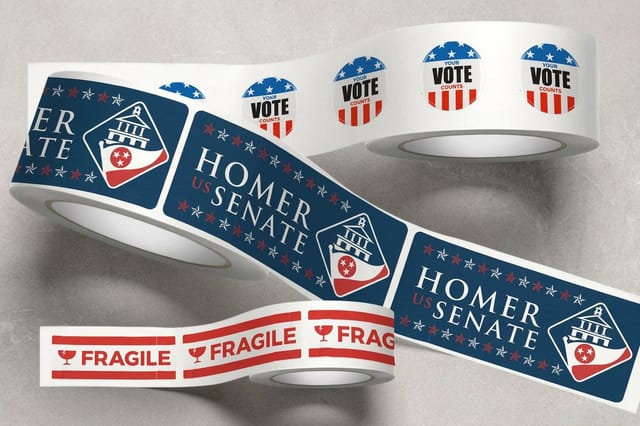
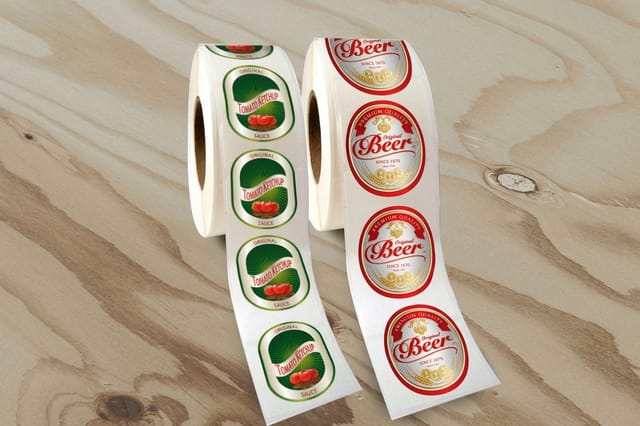
Roll labels for volume, built for the line
The flagship roll options at 4OVER4, wound to feed cleanly by hand or into an applicator. Upload finished art or design it in our online designer first. Roll labels come in 102 sizes from 0.25 x 1 in on a 3 in core, with gloss or matte lamination and square or 1/8 in rounded corners as options.

Sheet labels for small runs and variety
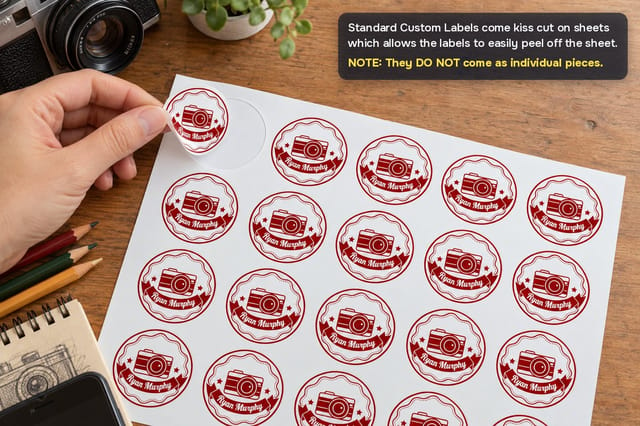
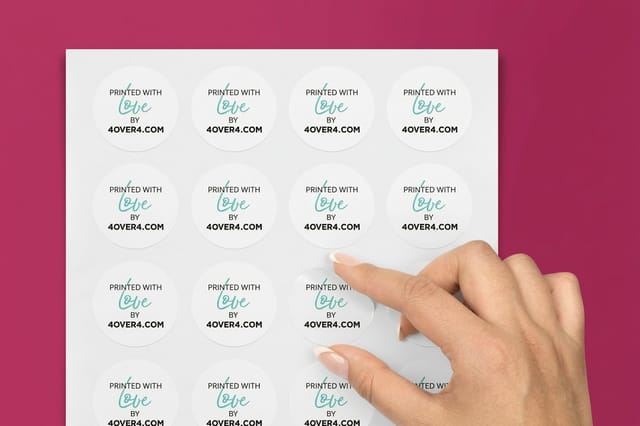
The cut-and-sheet options, priced for low minimums and easy hand application, with room to mix designs on one page. Standard labels start at 25 for $23.88, die-cut labels at 25 for $93.37, and sticker sheets carry 26 or more stickers on one 5 x 7 to 11 x 11 in sheet from 25 for $181.24.
What roll labels and sheet labels actually are

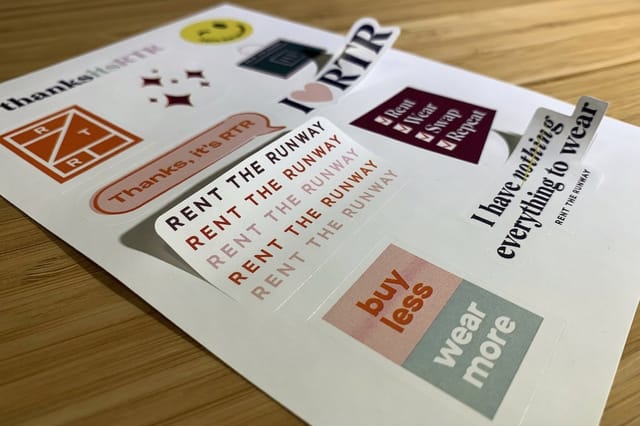
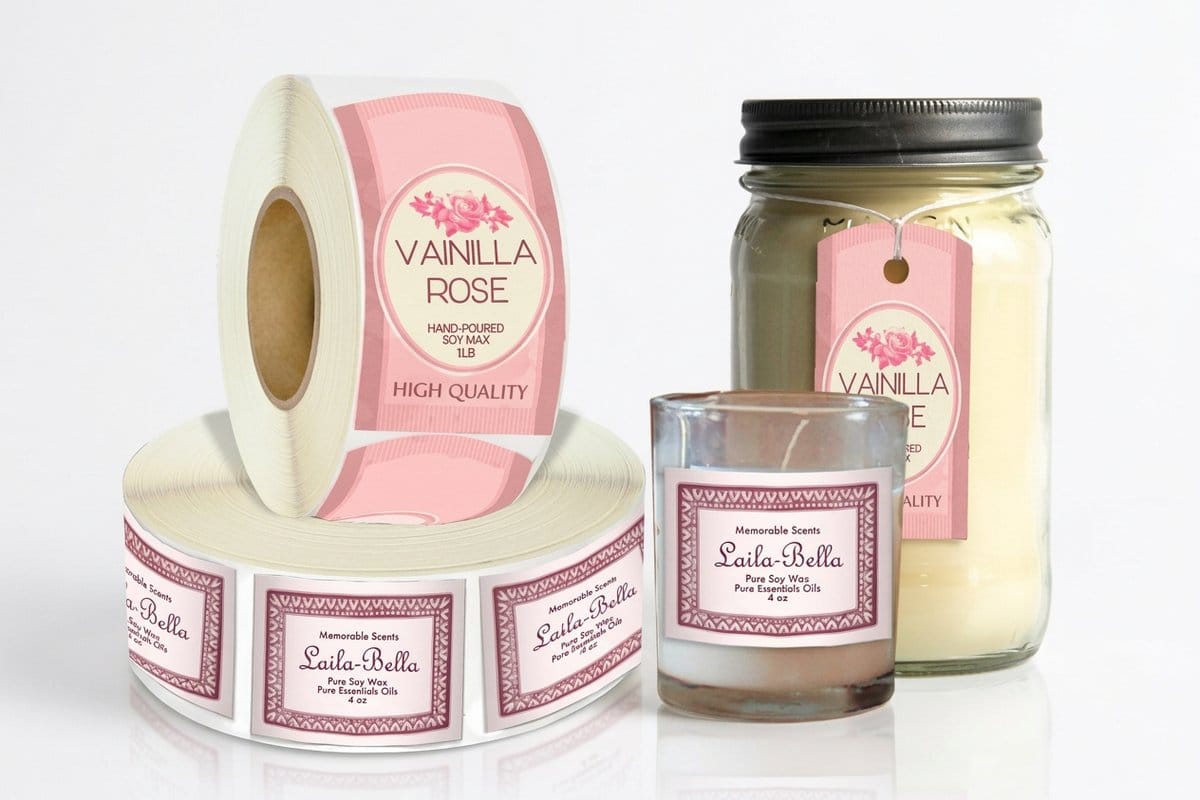
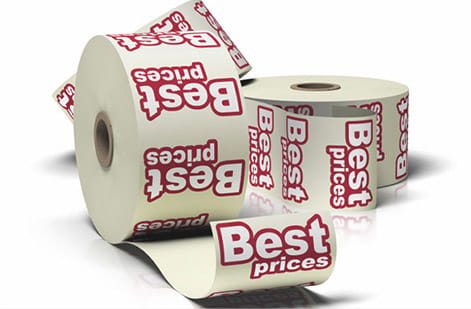
Strip away the marketing and the two formats are the same label delivered two different ways. A roll label is die-cut to shape and wound onto a cardboard core, so it comes off the roll in a continuous line with a small, even gap between each piece. A sheet label is printed several to a page on a flat backing sheet, and you lift each one off with your fingers.
Everything a buyer usually worries about, the paper or film, the ink, the finish, the die-cut shape, can be identical on both. A waterproof clear label looks and performs the same whether it arrives on a roll or on a sheet. So this is not really a quality question. It is a logistics question: how many are you printing, and how are they going onto the product?
If you are still deciding what a label even needs to be before you compare formats, our guide on how to choose the correct label size and the walkthrough on designing a product label with an art director are the right place to start.
When roll labels are the right call

Rolls are what you reach for the moment a label stops being a one-off and becomes part of a process. If the same design is going onto hundreds of bottles, wine bottles, jars, or cans, a roll keeps the line moving. Peel and stick straight off the core, or hand the roll to a semi- or fully-automatic applicator and let the machine do the placing.
That is why nearly every subscription box, craft beverage, candle line, and cosmetics brand runs on rolls. The registration stays consistent from the first label to the ten-thousandth, and the unit price keeps dropping as the quantity climbs: 1,000 roll labels cost $380.66, about 38 cents each, and 25,000 cost $1,758.48, about 7 cents each. The Roll Beverage Labels and Roll Candle Labels videos show roll labels on drink containers and candle jars. A food brand that switched to custom labels for exactly this reason is walked through in our shelf-impact case study.
When you upload art for a roll, you can build it in our online designer or start from a design template, then set the roll and core options and watch the price update live. Round containers in particular are happiest on rolls, which is why the oval and round shapes are some of the most ordered.
When sheet labels make more sense

Sheets are the honest choice for small numbers. If you need a dozen jar labels for a farmers-market batch, a run of prototypes to test on a shelf, or a variety pack with four flavors, a roll minimum is more than you want to buy. Standard custom labels on sheets start at $23.88, so you can order the exact quantity the moment calls for and nothing more.
Sheets are also the flexible option. Because you are placing every label by hand anyway, there is no reason they all have to match, so you can lay several SKUs out on one sheet and cut your setup down to a single order. That is a real advantage for kitting, sampling, and events. For multi-design pages specifically, sticker sheets and die-cut labels are purpose-built.
The trade-off is speed. Peeling one label at a time is fine at a desk and slow on a production line. Once you are consistently past a few hundred pieces of the same design, the math starts pointing back toward a roll. A smart middle move is to proof on a small sheet run first, confirm the material and color, then commit to the roll.
Application is the deciding factor, not the artwork
One question settles most of these debates: what is putting the label on the product? If the answer involves a machine, or a person doing it hundreds of times an hour, buy rolls. Applicators only accept rolls, and hand-peeling off a roll is far faster than chasing labels around a sheet. Set the unwind position when you order, top, bottom, left or right of the copy first, so the roll feeds the applicator the right way round.
If the answer is you, at a table, a few dozen at a time, buy sheets. There is nothing to load, nothing to calibrate, and no minimum that assumes a warehouse. The label material and finish can be exactly the same as the roll version, so you lose nothing on the shelf. You are simply matching the format to the motion.
Everything else, the stock, the coating, the waterproofing, is a separate decision that applies to both. Clear, waterproof and foil all come in roll and sheet form, so the application method and the material never have to fight each other.
Cost, minimums, and the point where the math flips

The prices tell the whole story if you read them the right way. Sheet labels start at $23.88 because you can order a tiny quantity. Roll labels start at $322.98 because a roll assumes volume, and that starting number buys a lot of labels. Neither is expensive for what it is. They are simply priced for different order sizes.
So the comparison is not about a lower sticker price, it is about your quantity. Below a few hundred pieces, sheets almost always cost less in total because you are not paying for volume you will not use. Above that, rolls pull ahead fast: the per-label cost keeps falling, and the time you save applying them off a core is real money on any line.
The clean way to decide is to price your actual quantity both ways in the configurator and let the live total settle it. Order free paper samples first if you want to feel the stock, then run your real numbers on the roll and sheet product pages side by side.
Materials and finishes are identical on both formats

One worry we hear often is that choosing sheets means giving up the premium look, or that rolls are somehow only for basic paper. Neither is true at 4OVER4. Both formats run on the same menu of stocks and finishes, so your material decision is genuinely independent of your format decision. On the roll side the configurator lists white gloss, white BOPP, clear BOPP, bright silver metallic foil and 70lb eggshell felt.
That means paper, white and clear BOPP film, foil, high-gloss and matte laminate, and fully waterproof options are all on the table either way. A clear no-label look for a glass bottle, a durable waterproof face for cold storage, or a metallic foil accent for a premium line all print on a roll or a sheet with the same result.
If you are unsure which material suits your product before you pick a format, the label design showcase shows real customer work across stocks, and our team can point you to the right face and adhesive for your surface and environment. Get the material right first, then the roll-versus-sheet choice is purely about how you apply it.
Wally weighs it up
Same label, two ways to hand it over
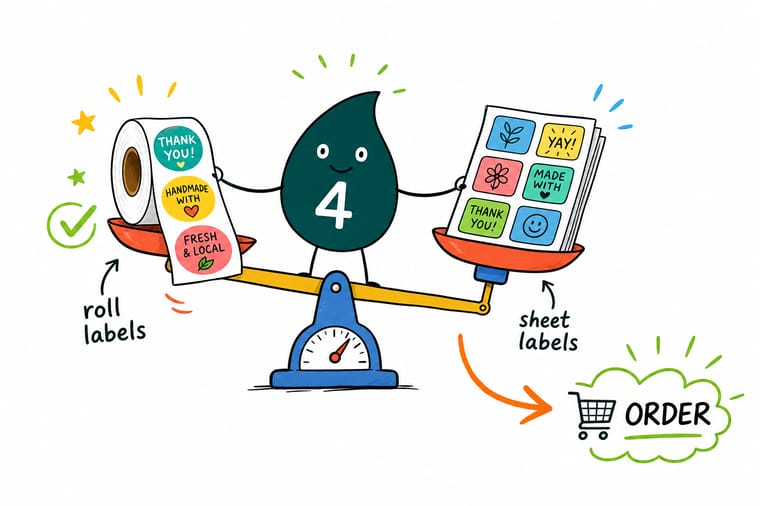
Wally puts a roll in one hand and a sheet in the other and asks two questions, not one: how many are you making, and what is putting them on? Big numbers and a machine or fast hands tip the scale to rolls. Small numbers and a kitchen table tip it to sheets. The material, the finish, the shape stay the same either way. Answer those two questions and 4OVER4 prints the format that fits.
Print your labels →Pros and cons
The upside and the trade-offs, format by format
Time belongs on both lists too: roll labels take 6 business days at standard turnaround and standard sheet labels take 3.
Roll labels
The upside
- Lowest cost per label once quantities climb
- Feeds hand-peeling and machine applicators without stalling
- Rock-steady registration across an entire run
- Compact to store, ship, and reorder
- The natural fit for round containers and bottling lines
The trade-offs
- Higher order minimum than a sheet run
- Overkill when you only need a dozen labels
- Usually assumes a run of several hundred or more
Sheet labels
The upside
- Order as few as you actually need
- No dispenser or applicator required
- Mix several designs or SKUs on one sheet
- The lowest entry price of any label format
- Easy to hand out, kit, or apply at a desk
The trade-offs
- Slower once you are into the thousands
- Hand application only, one label at a time
- Less efficient than a roll past a few hundred pieces

Specs and pricing
Roll label specs and live pricing
Roll labels run 100 for $322.98, which is $3.23 each, on White Gloss, White BOPP, Clear BOPP or Bright Shiny Silver Metallic Foil.

| Quantity | Price Per Unit | Total |
|---|---|---|
| 100 | $3.23 | $322.98 |
| 250 | $1.29 | $322.98 |
| 500 | 64.6¢ | $322.98 |
| 1,000 | 38.1¢ | $380.66 |
| 2,000 | 19.8¢ | $396.66 |
| 3,000 | 16.6¢ | $499.02 |
| 5,000 | 12.5¢ | $627.00 |
| 10,000 | 8.40¢ | $839.93 |
The verdict
So which should you print?
The 4OVER4 verdict
There is no wrong answer here, only the wrong format for your line. Printing hundreds or thousands, or applying with a machine? Roll labels earn their minimum back many times over. Printing a first batch, a variety pack, or a few dozen at a time? Sheet labels get you there for the price of lunch. Because 4OVER4 prints both on the same premium stocks and finishes, you choose by how the label gets applied, never by what the printer can make.
See it in use
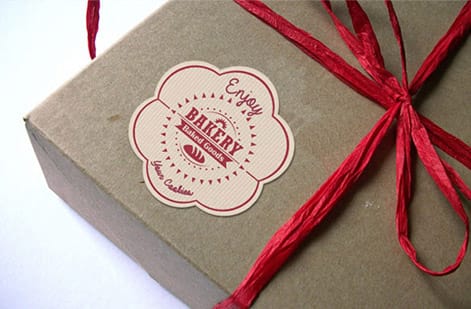
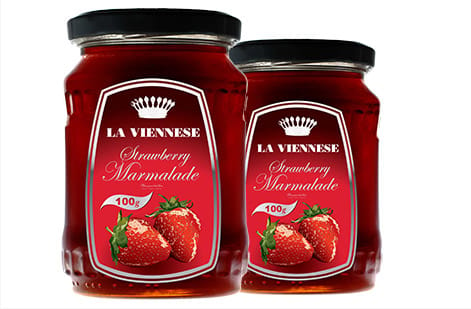
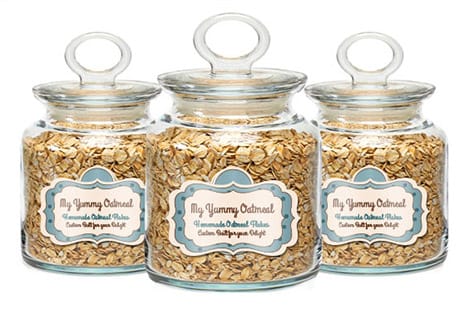
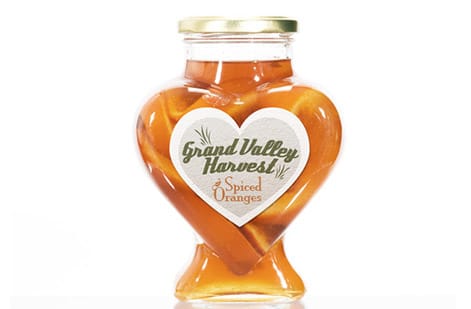
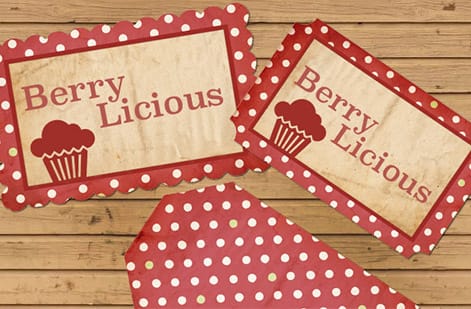
Labels we wound on rolls and cut on sheets


Explore more
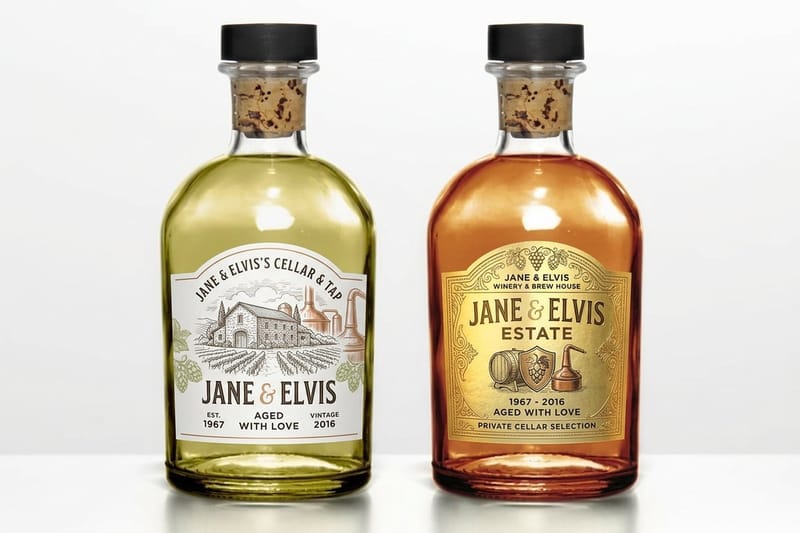
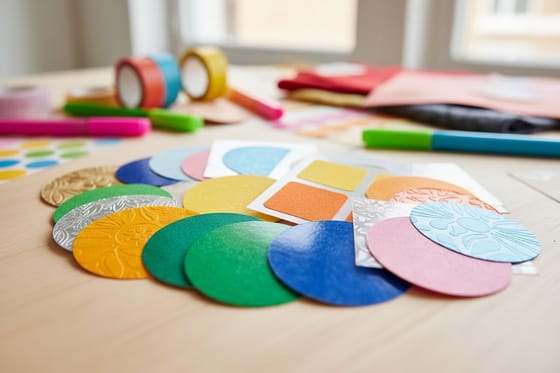
Where to go next




By the numbers
Roll or sheet, both draw on the same 60+ stock list
Common Questions
Common questions about roll and sheet labels
What is the difference between roll labels and sheet labels?
The difference is the delivery format, not the label itself. Roll labels are die-cut and wound onto a core so they come off in a continuous line, ideal for fast hand-peeling and machine applicators. Sheet labels are printed several to a flat page that you peel by hand. The material, ink, shape, and finish can be identical on both, so the choice comes down to how many you are printing and how you apply them.
Are roll labels or sheet labels cheaper?
It depends entirely on quantity. Sheet labels start at $23.88 at 4OVER4 because you can order a small number, so they are cheaper in total for low volumes. Roll labels start at $322.98, which sounds higher but buys a large quantity and drops the per-label cost as you scale. Below a few hundred pieces, sheets usually cost less overall. Above that, rolls pull ahead.
Do I need a machine to apply roll labels?
No. You can peel roll labels by hand straight off the core, which is already faster than working through a sheet. A machine only becomes worthwhile when you are applying labels in high volume, at which point a semi- or fully-automatic applicator, which only accepts rolls, saves serious time.
Can I get the same materials and finishes on both formats?
Yes. At 4OVER4, roll and sheet labels run on the same menu of stocks and finishes, including paper, white and clear BOPP film, foil, laminate, and waterproof options. Your material decision is independent of your format decision, so you never have to compromise on look or durability to get the format you want.
Which format is better for bottles and jars?
Roll labels, in almost every case. Round containers are easiest to label consistently off a roll, whether by hand or with an applicator, and bottles, jars, cans, candles, and cosmetics are the classic use case. Sheets work for a tiny first batch, but any real production of round-container labels belongs on a roll.
Can I order a sample before committing to a full run?
Yes, and it is the smart move. Order free paper samples to feel the stock, or print a small sheet run first to proof the material and color in your hands, then commit to the roll once you are confident. This lets you lock in the right material before you scale up the quantity.
Get Started
Roll or sheet, print it at 4OVER4.COM
Price your real quantity both ways in the configurator and let the live total settle it. Same premium stocks, same finishes, whichever format your line needs.
Legal Disclaimer
Gold Standard guarantees apply to all standard orders placed through 4over4.com. Price match requires verifiable proof of a competitor's published price for an equivalent product with matching specifications and turnaround time. Satisfaction guarantee covers manufacturing defects and print quality issues. Contact support with order number and documentation.
