
How to Roll Out a Rebrand in Three Phases Without Wasting Stock


A rollout plan with the print attached: what your team gets first, what your closest clients see next, and what has to be on the wall the morning you go public.
Roll a rebrand out in three phases: internal first, a soft launch to existing clients and partners, then a public reveal on one fixed date. Set that date, then order print backwards from it. Signage and folders go on order in phase 1 because install slots and proof rounds are the long poles, business cards are ordered last because names keep changing, and stationery is timed so the new box lands as the old one runs out.
Quick answer
One reveal date, three phases, and print ordered in reverse
The reveal date is the only fixed point in a rebrand rollout, and everything printed is scheduled backwards from it. Phase 1 gives your own team the files and the stationery, and quietly places the long lead orders for signage. Phase 2 shows the new identity to existing clients and partners, collects the corrections that are still cheap to make, and proofs the sales collateral. Phase 3 changes the website, the storefront and the mailer on a single morning. The failure mode is never the design. It is an item nobody owned, or a print run ordered a week too late.
How to Launch a Rebrand in the Right Order
Set the reveal date first. Every other decision on a rebrand rollout hangs off it, because the physical items have lead times you cannot argue with and the digital ones can be switched in an afternoon.
Then build the schedule backwards. Exterior signage sits furthest from the date, since a sign company needs a survey, sometimes a permit, fabrication time and an install slot that may be two weeks out. Sales collateral sits in the middle, because folders and inserts run in larger quantities and usually want a printed proof. Business cards sit closest to the date, which surprises people, but names and titles keep changing until launch week and reprinting a box twice is the avoidable waste.
Three phases give that schedule a shape everyone can follow. Phase 1 is internal, phase 2 is a soft launch to people who already know you, phase 3 is the public reveal. The value of the split is not ceremony. It is that each phase has a different failure mode: phase 1 fails when staff are surprised, phase 2 fails when a partner sees two identities at once, phase 3 fails when the door still carries the old mark on the morning of the announcement.
If you have not settled the identity itself yet, stop here and do that first. Our guide to the rebranding process covers the strategy and design decisions, and choosing a brand color palette covers the values you will need locked before anything goes to press.
The Brand Launch Checklist, With Lead Times Attached
A checklist without dates is a wish list. This is the same list with the two columns that decide the schedule: who owns the item, and how long it takes to arrive after the file is approved.
| Touchpoint | Phase | Typical lead time after approval | Watch out for |
|---|---|---|---|
| Exterior sign, window graphics | Ordered in phase 1 | Longest on the list, install slot dependent | Permits, landlord approval, weather on install day |
| Letterhead and envelopes | Phase 1 | Standard print turnaround | Existing stock in the supply closet |
| Presentation folders, sales inserts | Phase 2 | Longer, larger quantity, proof recommended | Solid color drift across a large flat area |
| Business cards | Phase 2 into phase 3 | Fast, but collect names once | New hires and title changes before launch |
| Banners, stands, event kit | Phase 3 | Standard, plus shipping to the venue | Booking the first event before the print lands |
| Announcement mailers, stickers | Phase 3 | Fast, timed to the reveal | Mail drop dates you cannot move once submitted |
Assign an owner per row, not per phase. The most common rollout failure is not a missed deadline, it is an item nobody owned: the parking sign, the delivery van, the invoice template, the sticker on the shop window that has been there since 2019.
Phase 1: The Internal Rollout
Phase 1 has one job: make it impossible for your own team to keep using the old identity. That means giving them replacements, not instructions.
Ship the asset pack on day one. Logo files in the formats people actually use, the color values written out for print and for screen, a deck template, an email signature block, and a one page note on what changed and what to say if a customer asks. Then remove the old files from the shared drive rather than leaving them alongside the new ones, because whichever version is easier to find is the one that gets used.
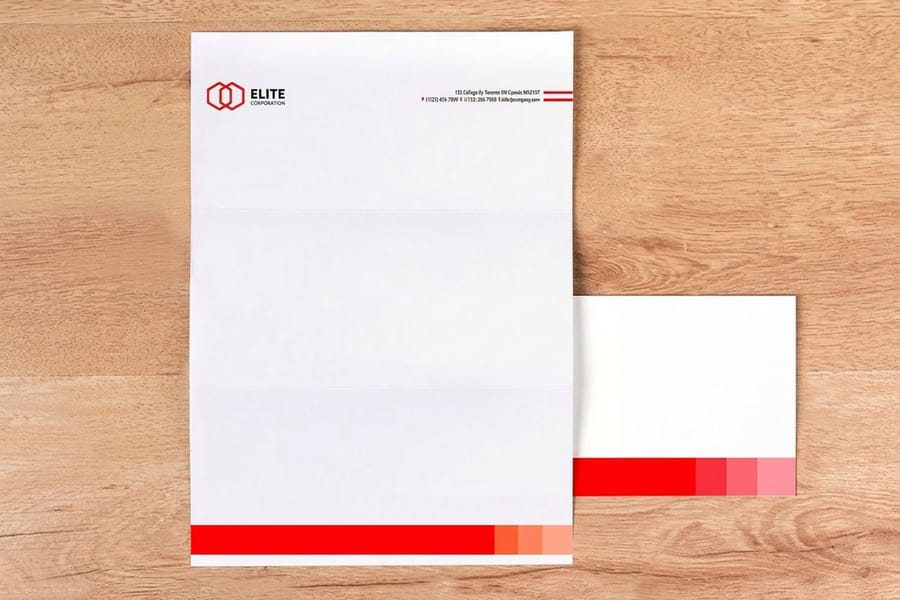
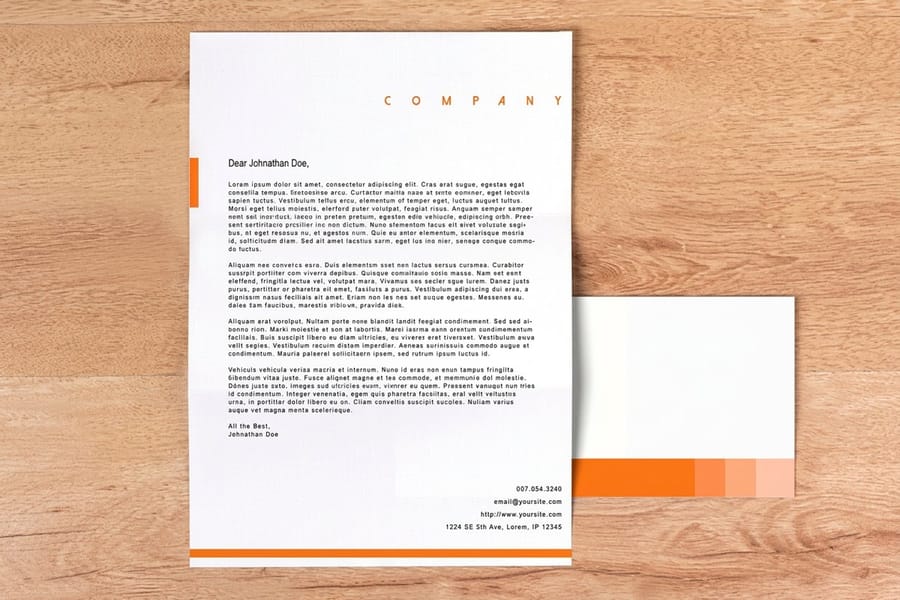
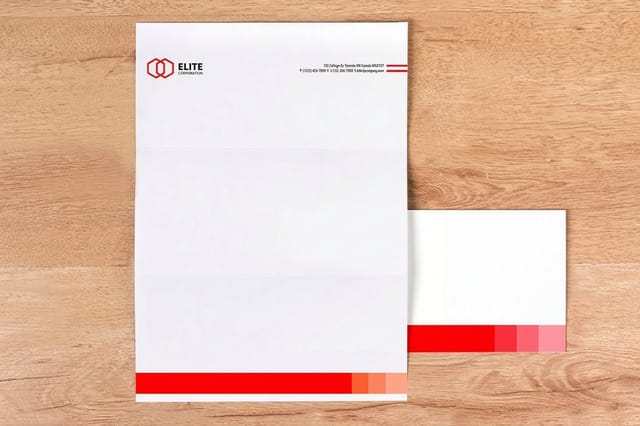
On the print side, phase 1 buys the internal stationery. Standard letterheads start at $99.95 and printed envelopes at $142.99, and both are worth reordering early because they carry the brand on every quote, invoice and contract that leaves the building. Count what you already have before you order. If there are four boxes of old envelopes on the shelf, time the new run to land as the last box opens rather than throwing the stock away.
This is also the phase where the long lead items get placed even though nobody outside will see them for weeks. Signage, vehicle graphics and anything that needs an installer goes on order now. The branded stationery set guide covers specifying the paper family so the letterhead, the envelope and the card all match rather than nearly matching.
Phase 2: The Soft Launch
The soft launch is a controlled test with an audience that will forgive a rough edge. Existing clients, partners, suppliers and anyone already in a live conversation with you get the new identity before the public does.
Two things come out of it. The first is feedback you can still act on, usually about legibility at small sizes or a color that reads differently in print than it did in the deck. The second is a list of every place the old brand is still hiding, because clients will tell you. Someone will forward the old PDF that is still linked from a partner site, or mention the invoice footer nobody thought about.
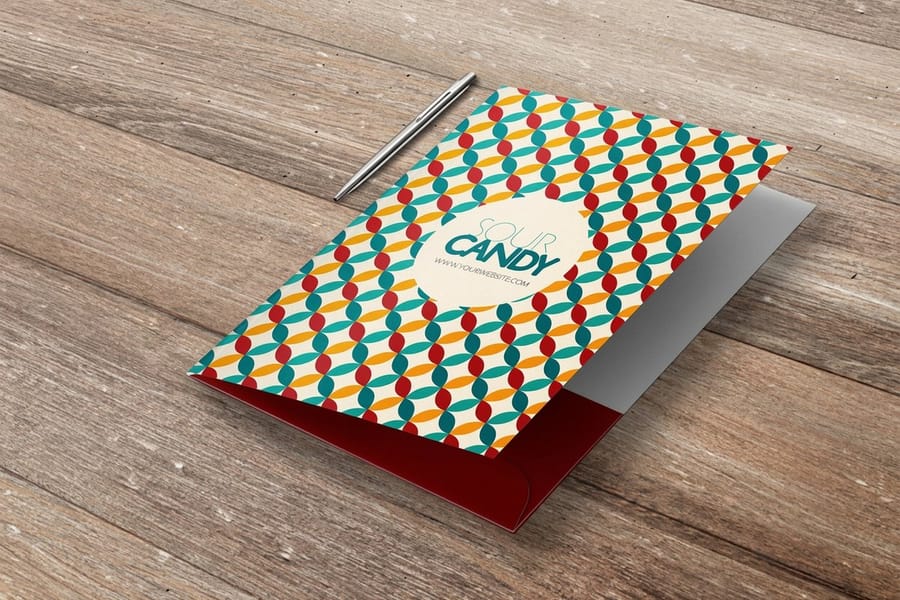
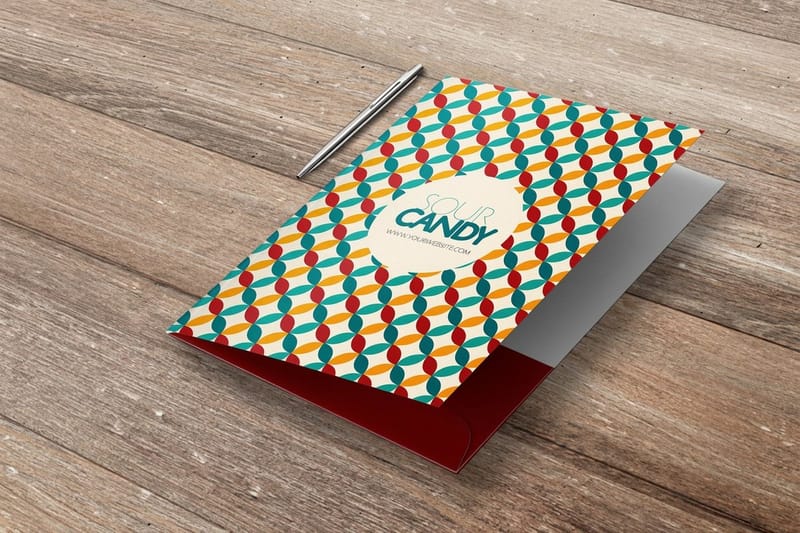
Print in this phase is sales collateral. Pocket folders start at $844.54 and are the piece most worth proofing, because a folder carries a large flat area of brand color and any drift between what you approved on screen and what the press lays down will be obvious there before it is obvious anywhere else. Order a free proof of the folder and the banner, approve the rest of the family against those two, and you avoid the reprint that eats a rollout budget.
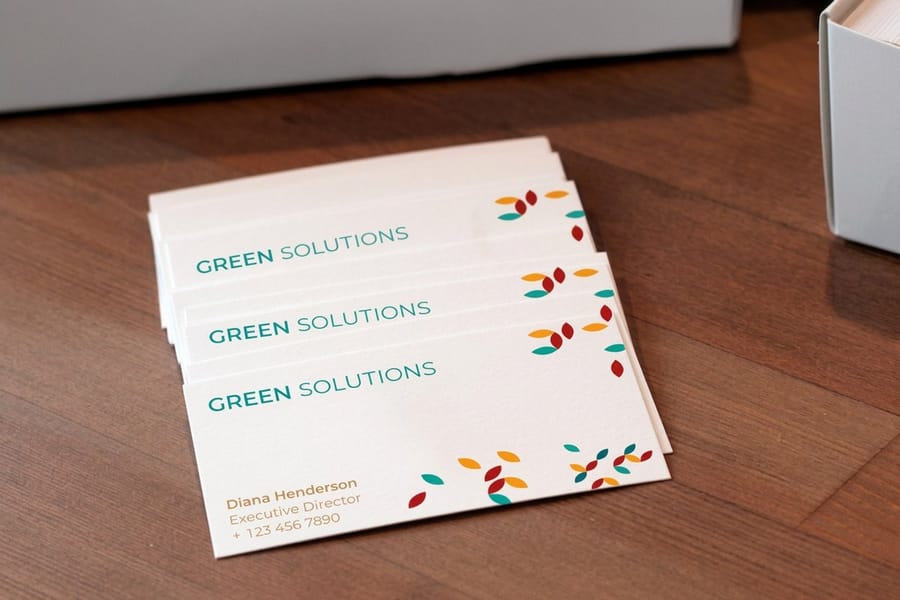
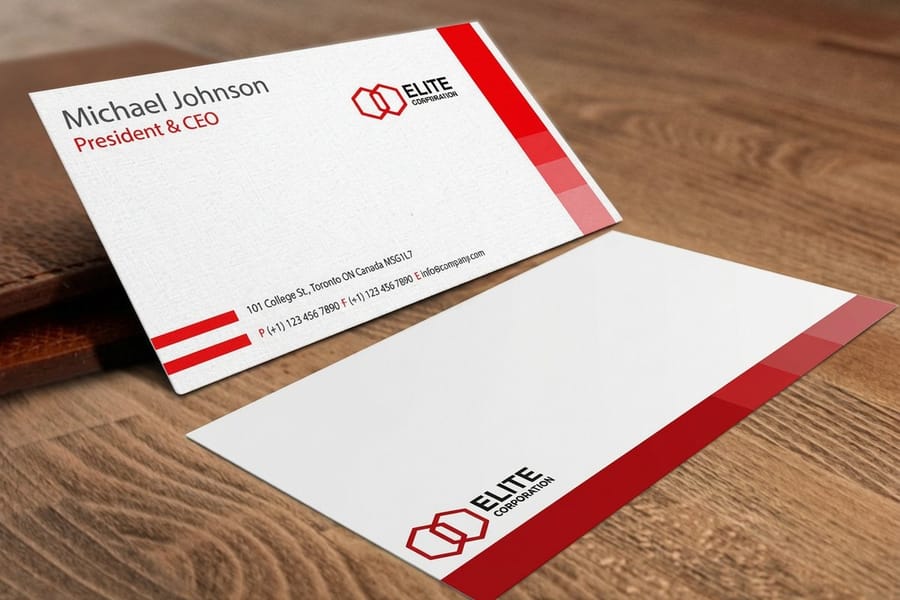
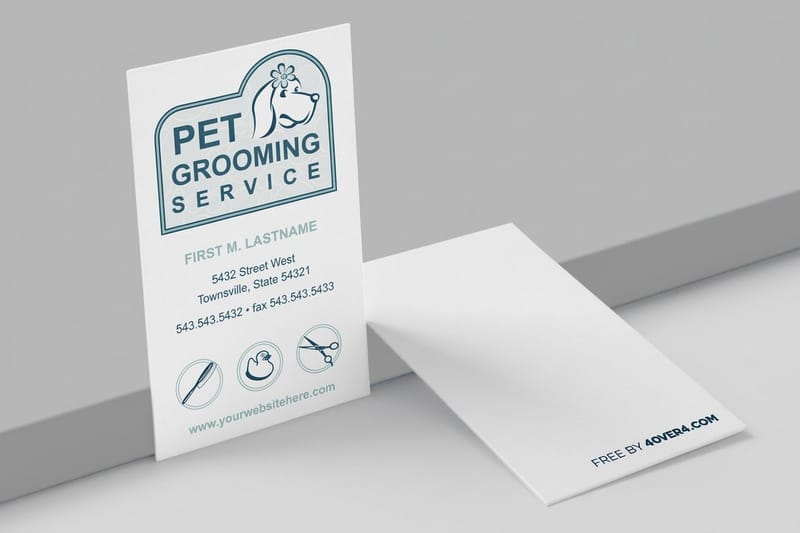
Business card orders start here too, and finish in phase 3. Collect final names and titles now, then hold the order until the list stops moving. Cards from our business card range start at $17.57, which makes them cheap to print once and expensive to print three times.
Phase 3: The Public Reveal
The reveal is a single day, not a season. Website, social profiles, storefront, signage, email footer and any live campaign switch together, because a rebrand that arrives in pieces reads as a mistake rather than a decision.
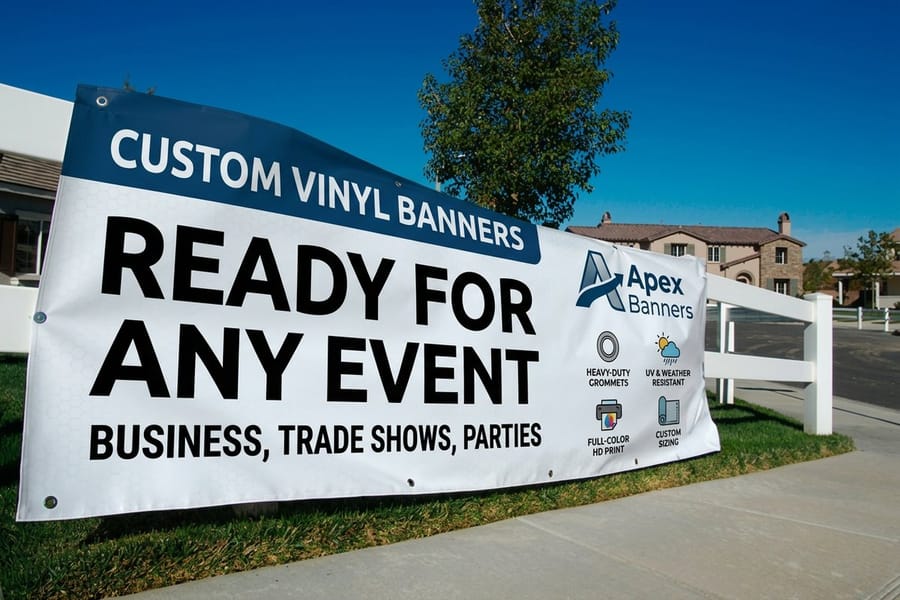
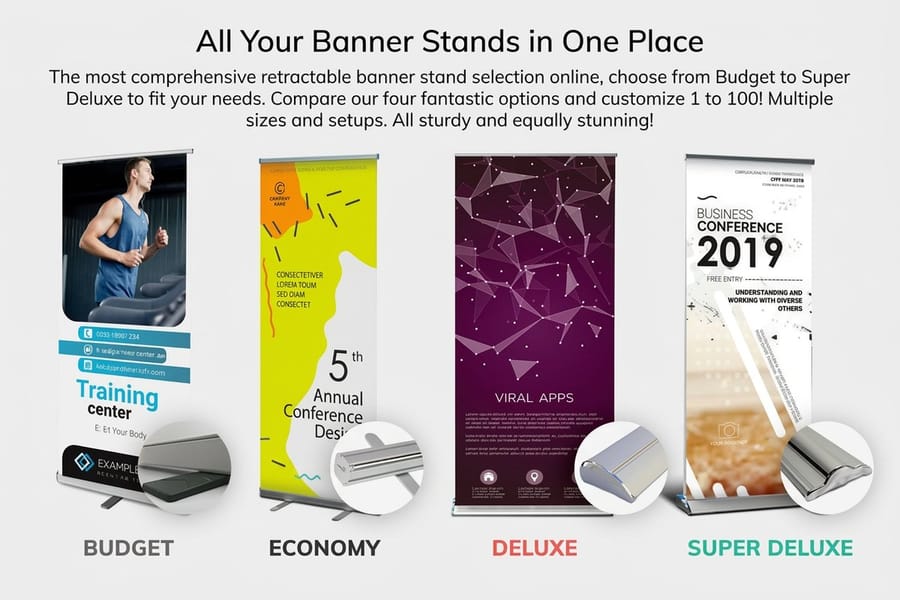
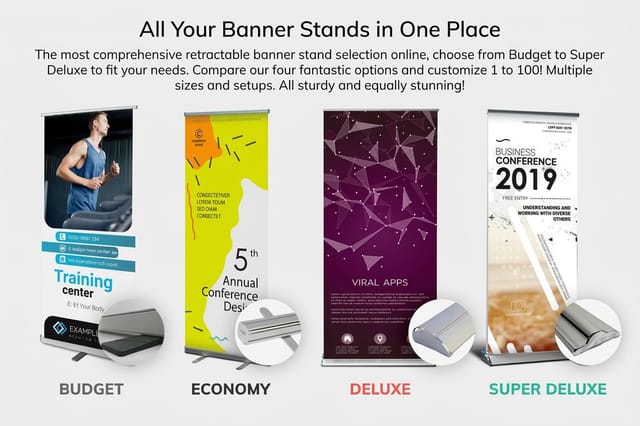
Have the physical pieces on site and unwrapped the day before. A vinyl banner at $79 across the shopfront, a retractable banner stand at $139 inside the door or at the first event, and the new window decals at $93.37 applied before opening. None of these should be arriving by courier on the morning itself.
Say why, briefly. Customers do not need a brand book, but they do want to know whether anything about the service, the ownership or the phone number has changed. One short paragraph on the site, one on the door, one in the mailer. If nothing changed except the look, say that plainly. It is the single most reassuring sentence you can publish on reveal day.
Then keep the old name findable for a while. Redirect old URLs, keep the previous name in the site footer for a season, and answer the phone with a line that mentions both for the first month. People searching for you have not read your announcement.
Reimagining the Brand’s Physical Touchpoints
Walk the customer journey with a notepad and write down every printed or physical thing a person touches, in the order they touch it. That walk finds the items no checklist template will.
Outside first: the sign, the window, the door decal, the parking marker, the vehicle, the sandwich board. Then the moment of arrival: the reception desk, the price list, the menu, the appointment card. Then the transaction: the receipt, the invoice, the folder that holds the paperwork. Then what leaves with them: the bag, the box, the label, the card in their pocket. Then what arrives afterwards: the mailer, the thank you card, the delivery packaging.
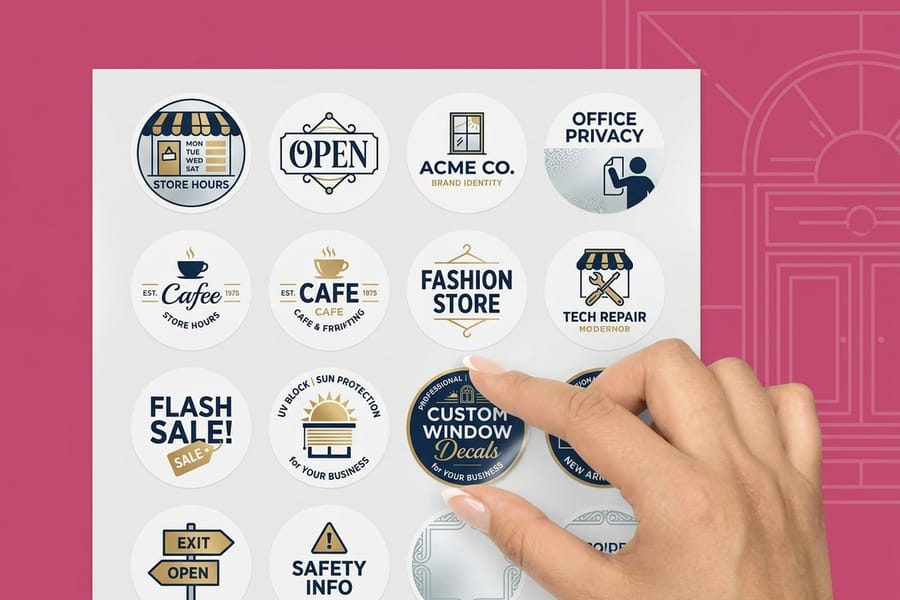
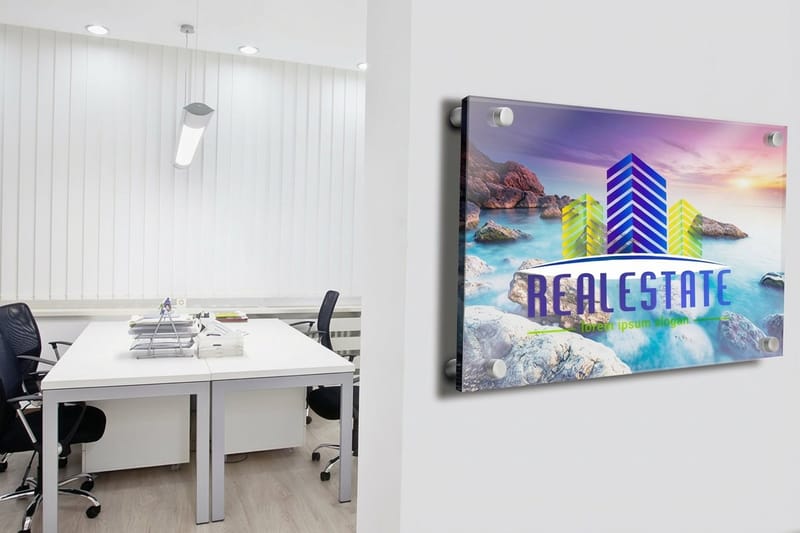
Rank that list by how many people see it, not by how much it costs. A window decal that a hundred people walk past every day matters more than a rarely used brochure, and it is the cheaper of the two. Our decal printing range and vinyl banner range cover the exterior work, and printed stickers handle the awkward middle, where existing packaging needs to carry the new mark until the reprint lands.
One honest limit: not every touchpoint is worth changing on day one. Unbranded shipping cartons, plain internal forms and anything the customer never sees can wait for the next natural reorder. Spending the budget on the front door and the sales folder beats spreading it thinly across everything.
The Print Materials to Reorder, and Where They Start
This is the shopping list, grouped by phase, with real starting prices so you can build a budget before you build a schedule. Quantities move these numbers, and larger runs drop the unit cost sharply.
| Item | Phase | Starts at | Why it sits there |
|---|---|---|---|
| Standard letterheads | 1 | $99.95 | On every quote and invoice, so it changes before customers see anything else |
| Printed envelopes | 1 | $142.99 | Pairs with the letterhead, and old stock runs down predictably |
| Pocket folders | 2 | $844.54 | Largest solid color area, so it gets the proof round |
| Standard business cards | 2 to 3 | $17.57 | Cheap, but the name list keeps changing until launch week |
| Vinyl banners | 3 | $79 | The reveal day statement piece, needs to be on site the night before |
| Standard postcards | 3 | $16.48 | The announcement to existing customers, timed to the reveal |
Two ordering habits save real money here. Run the phase items as one order where the schedule allows, because bulk discounts apply per order rather than per month. And set up the files once from a correctly sized layout in the blank template library or in the online design tool, so the same artwork feeds the card, the letterhead and the folder without being rebuilt each time.
Rebranding Explained, and When It Is Worth the Reprint
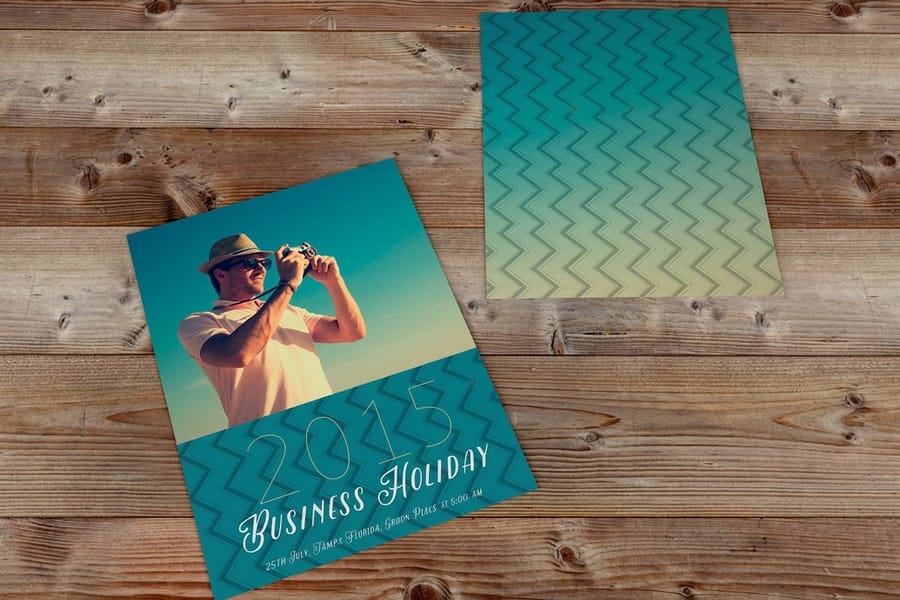
A rebrand is a deliberate change to how a business presents itself: the name, the mark, the colors, the voice, or some combination. A refresh keeps the equity and modernises the execution. A full rebrand breaks the link to what people already recognize, which is sometimes the point and sometimes an expensive accident.
The honest test is whether the current identity is costing you something specific. It is worth doing when the name no longer describes what you sell, when a merger leaves two identities in one building, when the mark is unreadable at the sizes you actually use it, or when the business has moved into a market where the old look reads wrong. It is not worth doing because the logo feels stale to the people who look at it every day. Customers see it for two seconds a month.
Count the reprint before you commit. Stationery, cards, folders, signage and packaging together are usually the largest line in a rebrand, larger than the design fee for a small business, and they are the part that cannot be undone with a file swap. Knowing that number early is what makes a phased rollout affordable rather than a scramble.
If you want a second opinion on the identity itself before any of this, talk to our team about how the artwork will behave in print, and read the principles of logo design for the small size and single color tests every mark should survive.
Wally explains a rebrand rollout
Pick the date, then order backwards
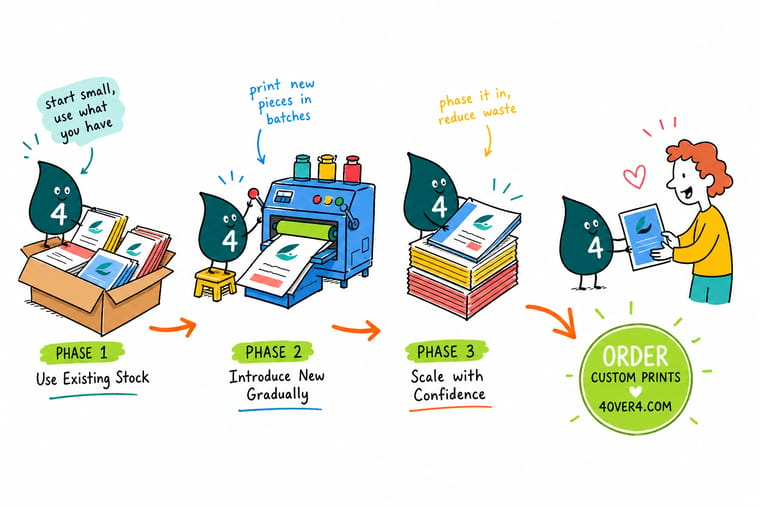
Wally marks reveal day on the calendar first. Then he works back: the sign and the window decals go on order straight away because an installer has to book a slot, the folders go next because they need a proof round, and the business cards go last because two people will change job title before launch week. On the morning, everything changes at once. Nothing arrives by courier while the doors are open.
Order standard business cards →Specs and pricing
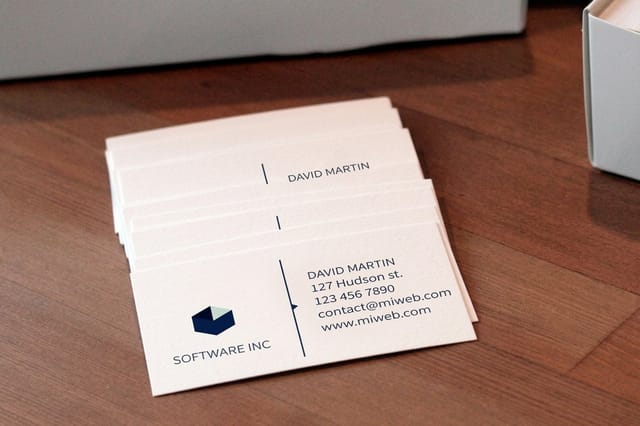
The three rollout staples, sized and priced
Cards for the team, stationery for everything that leaves the building, and a banner for reveal day. Live configuration options and starting prices from the 4OVER4.COM configurator.


Print it
Reorder the pieces your rebrand actually touches
Explore more
Where to go next



By the numbers
A print partner that can carry a whole rollout
Common Questions
Your rebrand rollout questions, answered
How long should a rebrand rollout take?
From approved artwork to public reveal, six to ten weeks is a realistic window for a small business with one location. The floor is set by the slowest physical item, which is almost always exterior signage, because it needs a survey, a permit in some cities, fabrication and an install slot. Printed collateral is quicker. If everything you own is paper, you can compress the whole rollout to three or four weeks and still leave room for a proof round.
Should we tell staff before customers?
Yes, and not on the same day. Phase 1 is internal for a practical reason as much as a cultural one: your team needs the new logo files, the new email signature, the new deck template and a box of cards before anyone asks them about it. Give them a week to swap their own materials over. A salesperson handing out an old card two weeks after the announcement undoes more than a press release fixes.
What do we do with the old printed stock?
Count it, then decide item by item. Anything customer facing that carries the old logo comes out of circulation on reveal day. Internal paper with no logo, plain shipping supplies and unbranded packing material keep working. For the awkward middle, a run of die-cut stickers at $93.37 covers old boxes and folders for a few weeks while the reprint arrives, which is cheaper than binning a pallet of packaging.
Do we have to reprint business cards for everyone at once?
You do, and it is the one item worth waiting on until the last moment. Cards are the cheapest thing on the list, starting at $17.57 for standard business cards, so the cost of reprinting is small next to the cost of half the team carrying two versions. Collect final names and titles in the soft launch phase, order once, and hand the boxes out the week of the reveal.
How do we keep the new brand consistent across print and screen?
Lock the color values before anything goes to press, and specify them separately for each medium. A hex value that looks right on a monitor is not the same as the CMYK build or the Pantone that a press matches, and a large flat area of brand color on a banner will show any drift immediately. Order a printed proof of the two pieces that carry the most solid color, usually the folder and the banner, and approve the rest against those.
Can we phase the print reorder to spread the cost?
Yes, and the phases in this guide are designed for exactly that. Phase 1 buys stationery and cards, which is the cheapest block. Phase 2 buys sales collateral like pocket folders, which start at $844.54 for the box quantity. Phase 3 buys signage and campaign print. If you are ordering several items across the phases, run them as one quantity where you can, since bulk discounts apply per order rather than per month.
Get Started
Phase the order: cards first, then 50 letterheads from $99.95
Start with the stationery and the cards, proof the folder, and have the banner on site before reveal day. One order, one set of files, one consistent brand.
Legal Disclaimer
Gold Standard guarantees apply to all standard orders placed through 4over4.com. Price match requires verifiable proof of a competitor's published price for an equivalent product with matching specifications and turnaround time. Satisfaction guarantee covers manufacturing defects and print quality issues. Contact support with order number and documentation. On-time delivery rate based on tracked orders 1999 to 2026. Individual results may vary based on shipping carrier performance.
