
How to Order Bulk Custom Boxes and Drop Your Per-Box Cost


Bulk box pricing is simple once you see what is fixed and what is variable. Here is where the per-box saving really comes from, how to size the run against your own shipping volume, and what a bigger order quietly costs you.
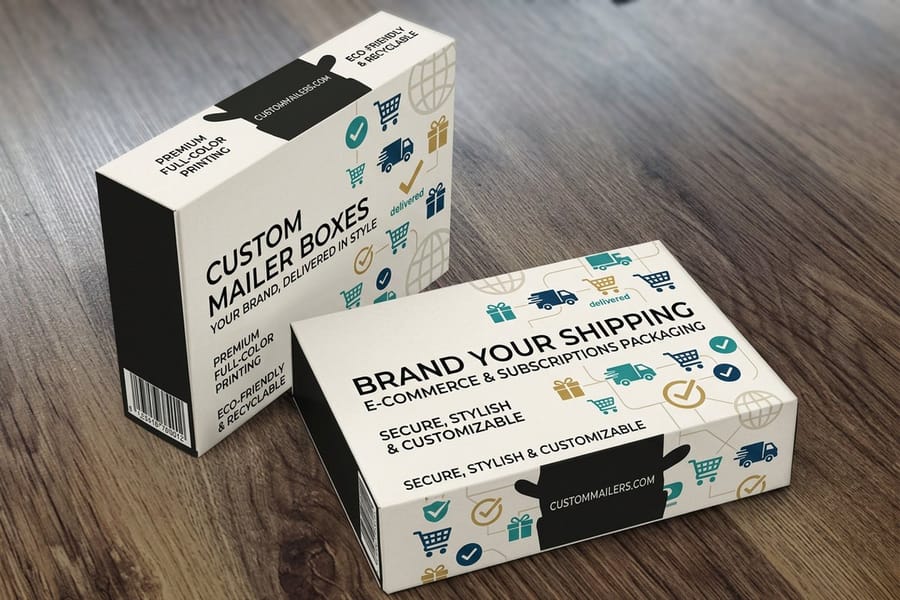
Order bulk custom boxes by settling the style, the internal size and the board first, then buying the quantity your real shipping volume consumes in six to twelve months. The per-box price falls because the die, the proof and the press makeready are fixed costs spread across the run, so most of the drop lands in the first few quantity steps and the curve flattens well before the largest break. Custom mailer boxes, retail boxes, shipping boxes and kraft boxes all start at $711.78 at 5" x 7" x 1.7", and cube boxes start at $213.09, each quoted as a full run rather than per box.
Quick answer
The saving is in the setup, and it runs out sooner than you think
A box run carries a fixed cost that does not care about quantity. The cutting die, the makeready and the proof cost the same at 250 boxes as at 5,000, so dividing them across more units is what pulls the per-box figure down. That drop is steep at the start and flat by the end, while storage, tied-up cash and the risk of artwork going out of date keep climbing. Size the run against the units you actually ship, add the reprint lead time, and buy the quantity that sits near the bottom of the combined curve rather than the one with the biggest headline discount.
Lock the Box Style and Size Before You Talk Quantity
Quantity is the last decision, not the first. Every dollar the bulk price saves you disappears the moment you discover the box is half an inch too shallow, because a die is cut for one set of dimensions and cannot be adjusted after the fact.
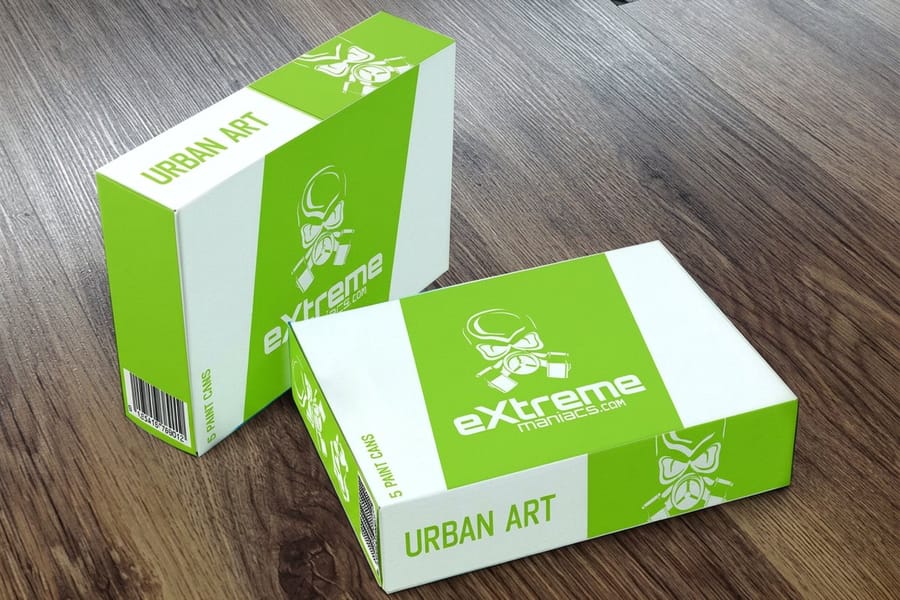
Start with the product in your hand. Measure it, decide how much room the void fill needs, and pick the style that matches how the box gets used. A roll end tuck top holds weight and opens like a gift, which suits retail and subscription work. A mailer folds from a single blank with locking wings and takes a courier belt better than a glued carton. A sleeve is the cheapest way to brand a plain box you already buy. The differences are structural, not cosmetic, and our guide to choosing a box style walks through them side by side.
Then fix the size properly. Internal dimensions are what your product sits in, external dimensions are what the carrier bills. Getting those two confused is the most common reason a run of boxes ends up costing more per shipment than it should, and measuring a box and calculating cubic inches is worth ten minutes before you commit. If you are still deciding between a retail-facing box and a pure shipper, mailer boxes against shipping boxes covers the trade-off.
Board comes next, because it changes both the price and the shipping weight. Kraft reads natural and hides scuffs; coated white board holds a photographic image and shows every mark. The materials comparison lays out what each one does. Only once style, size and board are settled does a quantity question have a real answer.
How Bulk Box Pricing Actually Works

A box run has two kinds of cost inside it, and they behave in opposite directions. The fixed side is the cutting die, the press makeready, the proof and the setup labor. That side costs the same for 250 boxes as for 5,000. The variable side is board, ink, finishing and freight, and it grows more or less in step with the quantity.
Spread the fixed side across more units and the per-box figure falls quickly at first. Keep going and it flattens, because you are left paying mostly for board, and board does not get dramatically cheaper the more of it you buy. That shape is the whole of bulk box pricing, and it is why the largest quantity break is rarely the smartest one.
The starting prices below are full runs at the smallest configuration, not single boxes. They are the floor you build from once you start moving the quantity slider.
| Product | Starting size | Starts at | What it suits |
|---|---|---|---|
| Custom mailer boxes | 5" x 7" x 1.7" | $711.78 | Ecommerce shipments where the customer opens the box themselves. |
| Shipping boxes | 5" x 7" x 1.7" | $711.78 | Volume fulfillment that has to survive a carrier network first. |
| Cube boxes | 2.75" x 2.75" x 2.75" | $213.09 | Small gifts, candles, samples and anything that ships in a tight cube. |
| Pillow boxes | 3.625" x 1.5" x 7.25" | $284.49 | Retail impulse items and favors where the shape does the selling. |
| Packaging sleeves | 5" x 5" sleeve | $438.25 | Branding a stock box without paying for a custom die. |
Read the last column before the price column. A sleeve at $438.25 wrapped around a plain box you already stock beats a printed box at $711.78 when the box itself does not need to change shape, and it lets you refresh a seasonal design without scrapping the shipper. That is the cheapest genuine saving on this page.
Forecasting the Quantity Without Overbuying
The quantity that gives the lowest print price per box is almost never the quantity that gives the lowest cost per box once the year is over. Storage, tied-up cash and artwork that goes stale all sit on the other side of the ledger, and they grow with the order.
Work it in four steps. Count the units you shipped in the last three months and turn that into a monthly rate. Multiply by the number of months you want covered, six to twelve for a stable product, closer to three for anything seasonal or new. Add the reprint lead time so you are ordering again before the shelf empties, not after. Only then look at the price ladder and see which step you land nearest.
Now check the other side. Ask what has to stay true for the whole run to get used: the address on the box, the ingredient panel, the logo, the URL, the SKU count. If any of those is under review, the bigger order is not a saving, it is a bet. Rebrands, packaging law changes and a discontinued size have all sent perfectly good boxes to the recycler.
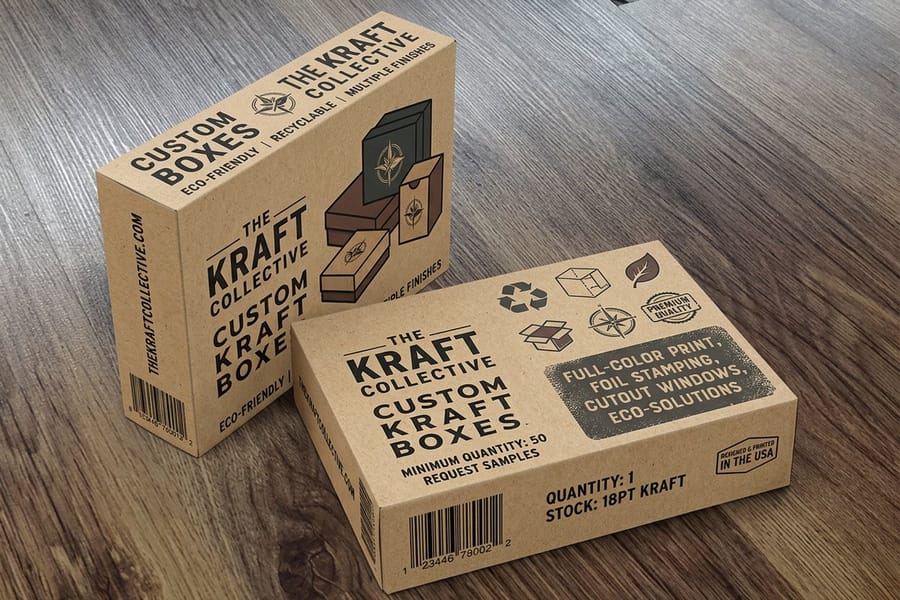
Storage is easier than people fear and still real. Boxes ship knocked down and flat, so a large quantity is a stack of bundles rather than a room of boxes, but board pulls moisture from the air. Keep bundles on a pallet, leave the wrap on until you need them, and keep them out of an unheated garage. Damp board bows at the edges and folds badly, and that is not a defect you notice until assembly day. If sustainability is part of the brief, eco friendly boxes use the same process and the same quantity math.
Proof It Once, Then Make Reorders Boring
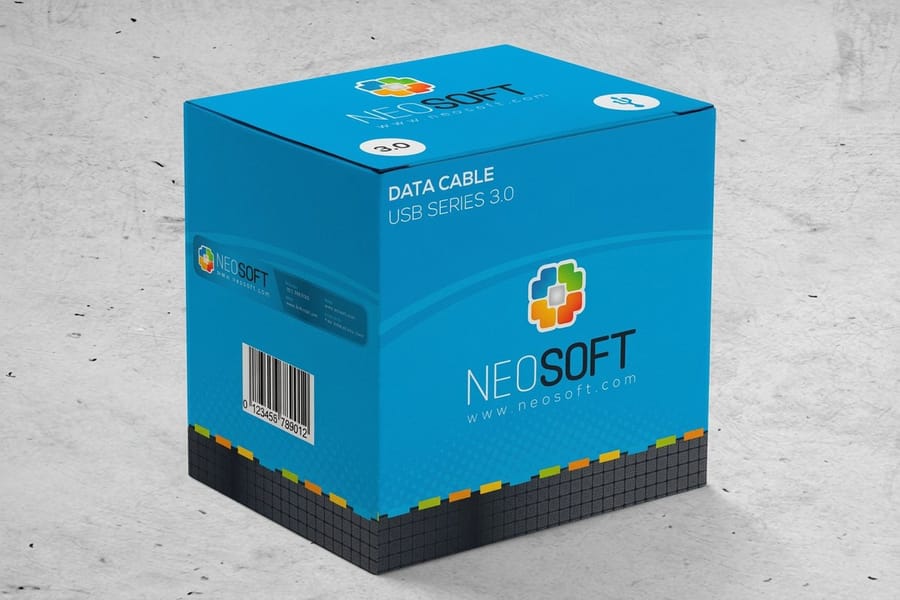
Every box product in the configurator carries proof options, and on a bulk run you take one. A proof costs a little time. Approving a file with a flipped panel, a bleed that stops short of the score, or a barcode that lands on a fold costs the entire run and the weeks it took to make. Check the proof against the flat die layout, not against your monitor, and confirm what happens at the score lines, where artwork is most likely to break.
Two things make the second order trivial. Keep the approved production file exactly as it was approved, and keep the job on the same die. Reordering against those two removes every structural question, so the box folds and fits identically. Start from a correctly sized layout in our blank template library if you are building the artwork fresh, and check the panel setup with the packaging proof checklist before you approve.
Color is the one thing a reorder cannot promise to repeat exactly. Board arrives in mill lots, and uncoated kraft in particular carries a base tone that varies enough to see when two batches sit next to each other. Coated white board is far more stable. If a customer will genuinely compare two batches on one shelf, order the whole season in one run and accept the storage. If the boxes go out one at a time to different people, the variation is invisible and splitting across two runs is the better use of cash.
Last, set the trigger before you need it. Pick a level of remaining stock that equals your reprint lead time plus a couple of weeks, and reorder when you hit it. That single habit is what keeps you buying at a sensible quantity instead of paying for a rush because the shelf ran empty. Browse the full range on custom box printing, or add printed packaging tape and packaging labels to brand stock cartons while a custom run is in production.
Wally explains bulk box quantities
The die is paid once, the storage is paid every month
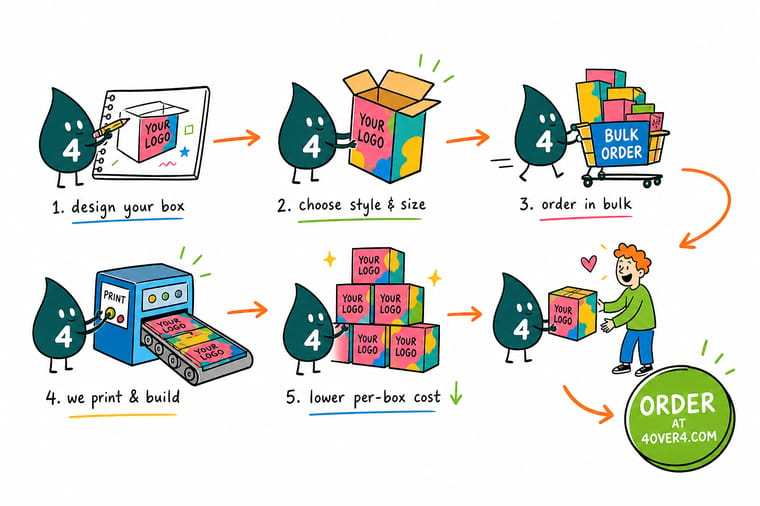
Wally makes the die, sets up the press and pulls a proof. All of that happens once, so every extra box splits the same fixed cost into smaller pieces and the per-box price drops fast at first. Then it flattens, because board and ink cost what they cost. Meanwhile the pallet in the corner keeps charging rent and your artwork keeps getting one month closer to a rebrand. Wally buys what he will ship in six to twelve months, sets a reorder trigger, and leaves the biggest break on the table.
Configure custom mailer boxes →Specs and pricing
Box styles, sizes, and starting run prices
Compare the box styles side by side, with the live configuration options and starting prices straight from the 4OVER4.COM configurator.

Print it
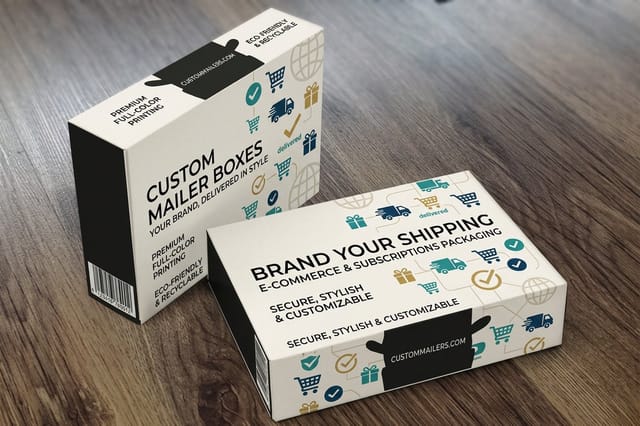
Start your bulk box run
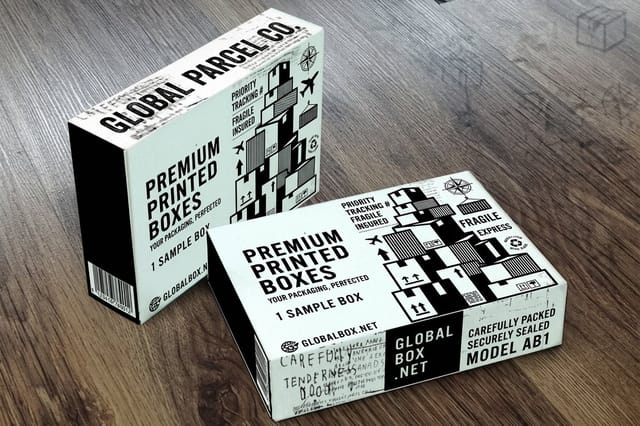
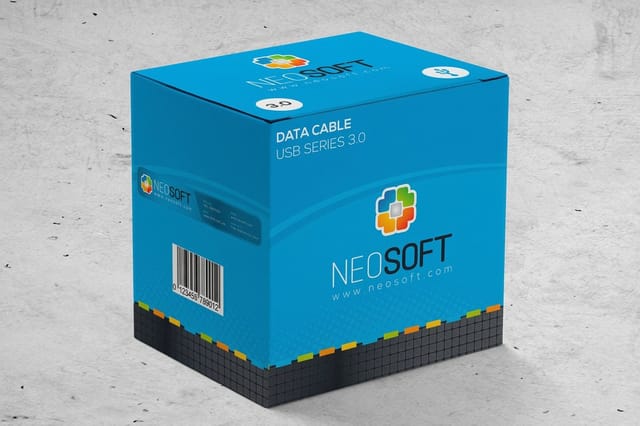
Explore more
Where to go next
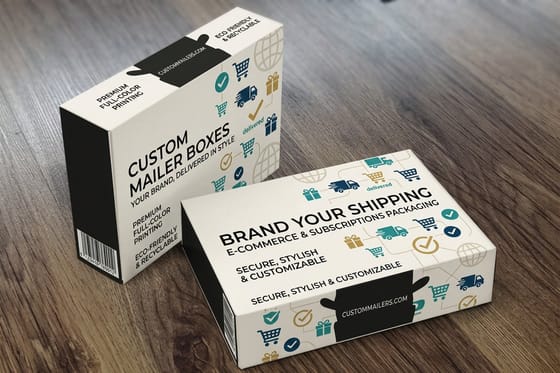
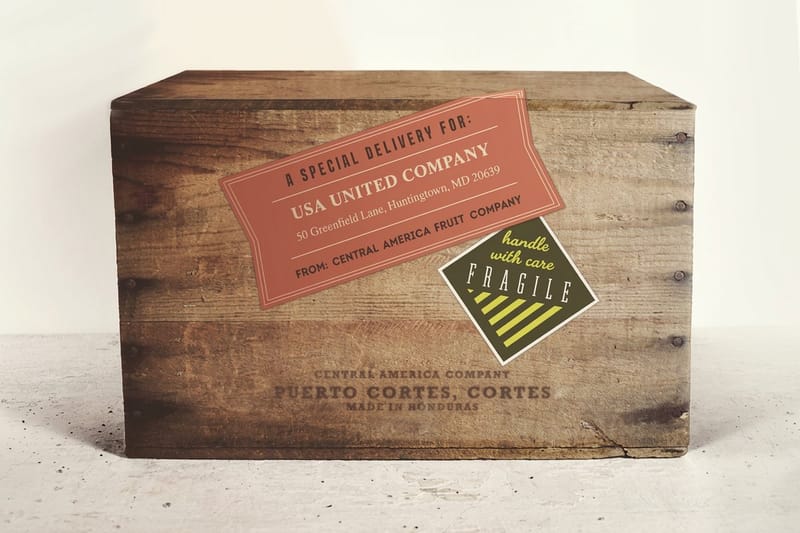
By the numbers
Packaging runs you can plan around at 4OVER4
Common Questions
Your bulk box questions, answered
What does a bulk custom box order actually cost?
It is quoted per run, and the run price depends on style, size, board and quantity. At 4OVER4.COM custom mailer boxes, retail boxes, shipping boxes and custom kraft boxes all start at $711.78 for the 5" x 7" x 1.7" size, cube boxes start at $213.09 at 2.75" x 2.75" x 2.75", pillow boxes start at $284.49, and packaging sleeves start at $438.25 at 5" x 5". Those starting figures are the smallest configuration we run, so the useful comparison is not the total but the total divided by quantity. Set the quantity in the configurator on each product page and watch the per-box number, because that is the one that changes your margin.
Why does the price per box drop so much at higher quantities?
Because a large part of the job happens once no matter how many boxes come out of it. The cutting die is made once, the press is made ready once, the proof is produced and approved once, and the setup labor is the same for a short run as for a long one. Those fixed costs get divided across the units, so the per-box figure falls fast over the first few quantity steps and then flattens. Past that flattening point you are mostly paying for board and ink, which do not get cheaper with scale, so the extra saving per box gets very small while the money you have committed keeps growing.
How many custom boxes should I order the first time?
Order what your real shipping volume consumes in six to twelve months, and treat the first order as a test rather than a stock-up. Count the units you shipped over the last three months, project that forward, then add a cushion for the reprint lead time so you do not run dry mid-season. On a first run there is a second reason to stay modest: you have not lived with the box yet. Fit, tape behavior, how it survives a carrier, whether the print looks right under warehouse light. Finding a problem on a short run costs a short run.
How should I store bulk boxes so they are still good in six months?
Keep them flat, wrapped, off the floor and away from damp. Custom boxes ship knocked down in bundles, which is why a large quantity takes less room than people expect, but board is hygroscopic and pulls moisture out of the air. A bundle sitting directly on a concrete floor in an unheated space will bow at the edges and the scores will fold untidily. A pallet, the original wrap left on until you need the bundle, and a dry room solve almost all of it.
Will a reorder match my first run exactly?
Close, and usually close enough, but not guaranteed to be identical. Reprinting from the same approved file and the same die removes every structural variable, so the box will fold and fit the same. Color is the variable that moves. Board from a different mill lot, especially uncoated kraft and natural board, carries a slightly different base tone, and ink laid on a different day sits within tolerance rather than on the exact same point. If a customer will see two batches side by side on the same shelf, order that whole season in one run.
Does a slightly bigger box cost more to ship even when it is light?
Yes, and this is where oversizing quietly gets expensive. Carriers bill on the greater of actual weight and dimensional weight, and dimensional weight is calculated from the outside measurements of the parcel. A box built with an inch of slack in every direction can push a light parcel into a higher billing band on every single shipment for the life of the run. Sizing the box tightly around the product, then adding only the void fill the product genuinely needs, is usually worth more over a year than any quantity break.
Get Started
Ready to price a real box run?
Pick the style, set your size and board, then move the quantity and watch the per-box figure. The number you are comparing is the run price divided by the boxes you will actually ship.
Legal Disclaimer
Gold Standard guarantees apply to all standard orders placed through 4over4.com. Price match requires verifiable proof of a competitor's published price for an equivalent product with matching specifications and turnaround time. Satisfaction guarantee covers manufacturing defects and print quality issues. Contact support with order number and documentation. On-time delivery rate based on tracked orders 1999 to 2026. Individual results may vary based on shipping carrier performance.
