
How to Franchise Your Business Without Losing Control of the Brand


The readiness tests, the disclosure document, the royalty math, and the brand kit a new owner opens on day one. Written for a founder deciding whether to franchise at all.
You franchise a business by licensing a documented operating system to an owner who pays you a one time fee at signing plus a royalty on gross sales, and in the United States you cannot sell a single unit until a Franchise Disclosure Document has been in the buyer's hands for 14 calendar days. Before the legal work is worth paying for, three things have to be true: your trademark is registered, your financials can be audited, and your way of operating is written down in enough detail that a stranger can follow it without calling you.

Quick answer
A documented system, a disclosure document, and three payments
Franchising sells a repeatable way of operating, not a location. The buyer pays an initial fee at signing and then a royalty and a brand fund contribution, both calculated on gross sales rather than profit, for the life of the agreement. In return they get your trademark, the operations manual, the training and a defined territory. The legal spine is the Franchise Disclosure Document, 23 items long, which has to be delivered 14 calendar days before anyone signs or pays. Everything else, including the brand kit each unit opens with, follows from those two facts.
When a Business Is Actually Ready to Franchise

Readiness is not a revenue number. It is whether a stranger can produce your result by following your instructions.
Three things have to be true before the legal work is worth paying for. Your trademark is registered, because you are about to license it to people you have not met. Your books are clean enough that an accountant can produce audited financial statements, which the disclosure document requires. And the way you operate exists in writing, in enough detail that a new owner does not have to phone you to find out how to open on a Monday.
The test most founders skip is the second location. One store proves you can run a store. A second store, in a different neighborhood, run by a manager who is not you, proves the system is the thing that works rather than your personal presence. It is also where you discover the parts of your process that were never written down, and finding those with your own money is far cheaper than finding them with a franchisee's.
Franchising is also not the only way to add locations, and it is the wrong answer more often than the seminars admit.
| Route | Who owns the unit | What you control | What it costs you |
|---|---|---|---|
| Franchise | The franchisee, with their own capital. | Standards, suppliers, territory, the brand. | Disclosure documents, registration, training and field support before the first royalty arrives. |
| Company owned | You. | Everything, including hiring. | Every dollar of buildout, and the management layer to run it from a distance. |
| Trademark license | The licensee, running their own business. | Use of the mark and little else. | Almost nothing to set up, and almost no control over how the mark is used. |
| Dealer or distributor | An independent business reselling your product. | Pricing rules, product presentation. | Channel conflict, and a partner who also sells your competitors. |
Read the last column before the first. Franchising moves the capital cost off your balance sheet and moves a compliance cost on to it. If what you want is more revenue from a product you already make, a dealer network gets you there faster and cheaper. If what you want is your name over doors in cities you will never visit, that is the franchise case.
The Franchise Disclosure Document Is the Real Gate
In the United States you may not offer or sell a franchise without first giving the buyer a Franchise Disclosure Document. The Federal Trade Commission sets the rule, and it has a hard clock: the FDD must be in the prospect's hands at least 14 calendar days before they sign any binding agreement or pay you any money.
The document runs to 23 numbered items, and a handful of them decide how your offer lands. Item 6 lists every fee a franchisee will ever owe you, which means you have to price the relationship completely before you sell it. Item 7 gives the estimated initial investment as a range, and a range that is too optimistic is the thing disgruntled owners quote back at you. Item 19 is the financial performance representation, and it is voluntary. Leave it out and your salespeople are legally forbidden from discussing earnings at all, which makes serious buyers walk. Put it in and every number has to be substantiated.
Registration is the second gate. About a dozen states, including New York and California, review a franchise filing before you may offer anything within their borders, and their review queues are not fast. Plan your first year of sales around the states where you are actually registered rather than the ones you hope to be.
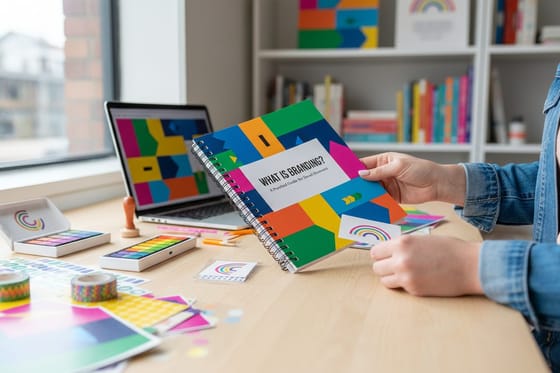
One practical note that saves arguments later: whatever you promise in the FDD about brand standards, you have to be able to supply. If Item 8 says approved sources, name them. Our practical guide to branding is a useful checklist for deciding which standards are worth enforcing and which are just preferences.
The Operations Manual Is the Thing You Are Selling
The franchise agreement is what the lawyers negotiate. The operations manual is what the franchisee actually uses, and it is the asset that determines whether unit five performs like unit one.
Write it as instructions, not as philosophy. A manual that says "maintain the highest standards of cleanliness" fails on the first Saturday. A manual that says which surfaces get wiped at which hour, by whom, with what, is followed. The sections that earn their pages:
- Opening and closing procedures, hour by hour, in the order they happen.
- The approved supplier list, with part numbers and reorder points.
- Recipes, service scripts or job specifications, whichever your business runs on.
- Hiring standards, the training schedule for a new employee, and what a first week looks like.
- Brand standards: logo use, color references, signage rules, and where to order approved print.
- Reporting, including which numbers get sent to you and on what day.
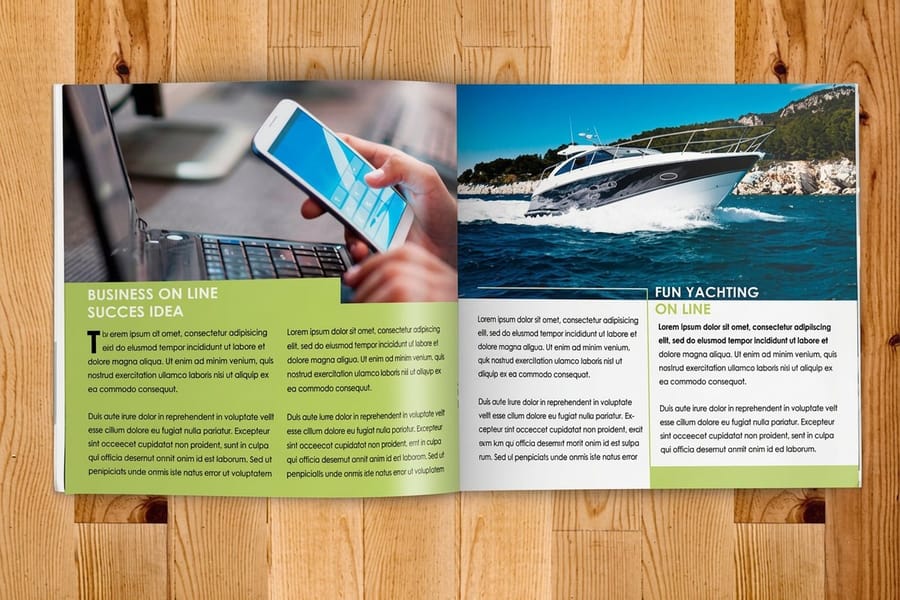
Keep it in two forms. A searchable digital copy is what people use at their desk, and a bound printed copy is what sits behind the counter and gets opened during a shift when nobody is going to log into a portal. Standard booklets start at $240.55 and are the format most franchisors use for the physical edition, because a saddle stitched or perfect bound manual survives a back office in a way a stack of loose pages does not.
Version it properly. Every printed manual carries a revision date on the cover, and every update to a procedure means a reprint of that section, not a verbal instruction on a call. When a dispute arises about whether a franchisee followed the system, the dated manual is the record.
Franchise Fee, Royalty and Brand Fund: How the Money Works
Three payments flow from the unit to you, and mixing them up is the most common mistake in a first franchise agreement.
The initial franchise fee is paid once, at signing. It is not profit. It should cover what it actually costs you to bring a new owner online: the training week, the site review, the launch support and the first set of brand assets. Price it below that cost and every new unit makes your cash position worse.
The royalty is a percentage of gross sales, charged every month for the life of the agreement. Gross, not net. This is the number franchisees misunderstand most often, and the honest thing to do is say it out loud during discovery: in a month where the unit loses money, the royalty is still owed. That single sentence, said early, prevents a class of resentment that otherwise surfaces in year two.
The brand fund is a second percentage of gross sales, pooled across the system and spent on the system. It is not the franchisee's local advertising budget, and your agreement should say so in a sentence a non lawyer can read. The fund buys the campaign artwork, the national media and the master templates. The flyers, door hangers and grand opening banners for one specific location are that owner's own required local spend on top of it.
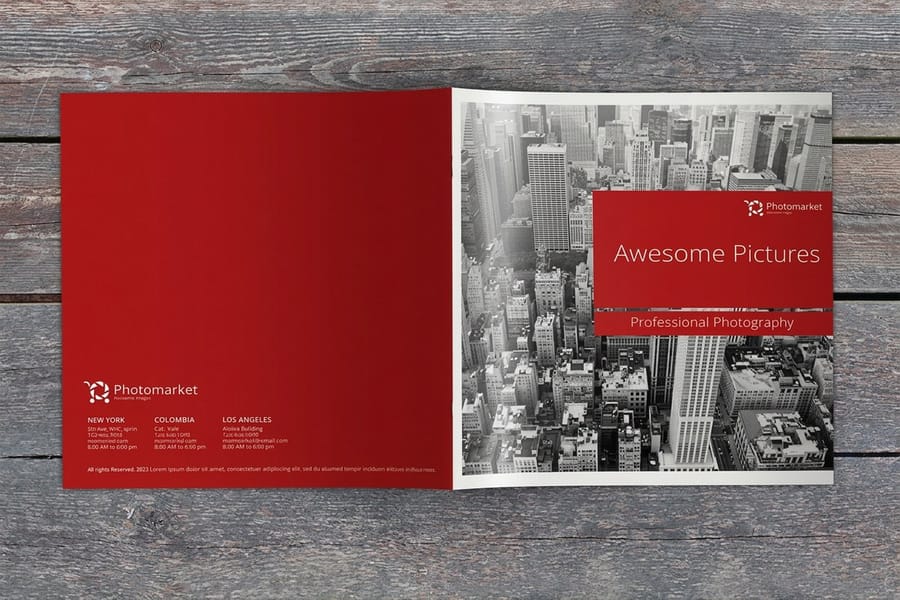
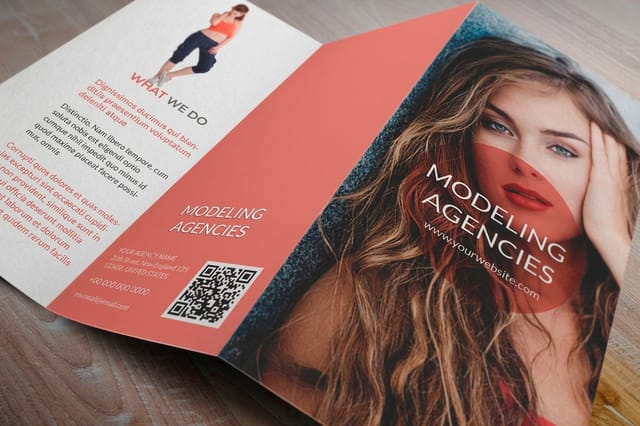
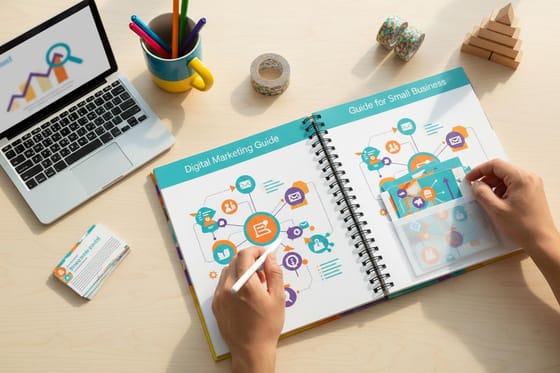
Your recruitment pack has to explain all three without ambiguity, because a prospect who misreads the fee stack becomes a franchisee who disputes it. Most franchisors put the fee table in a printed pack handed over at discovery day rather than leaving it to a slide deck. Standard brochures start at $57.11 and are the usual format. A written marketing plan for a single unit, included in the same pack, is what turns a curious buyer into one who can picture the first ninety days.
The Day One Kit Every New Unit Opens
Brand consistency across locations is not won with a memo. It is won by making the correct item easier to get than the incorrect one, which means deciding in advance exactly what a new owner receives and where they reorder it.
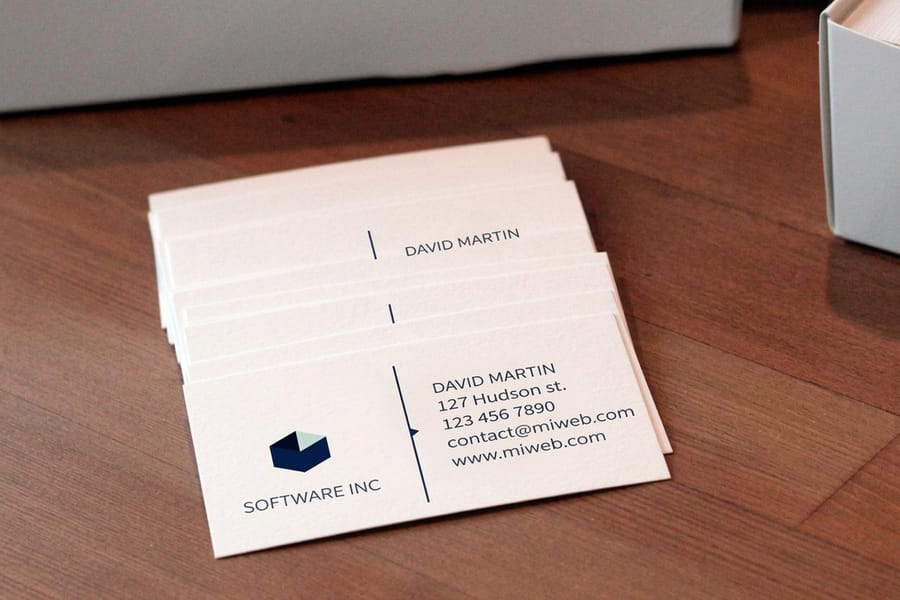
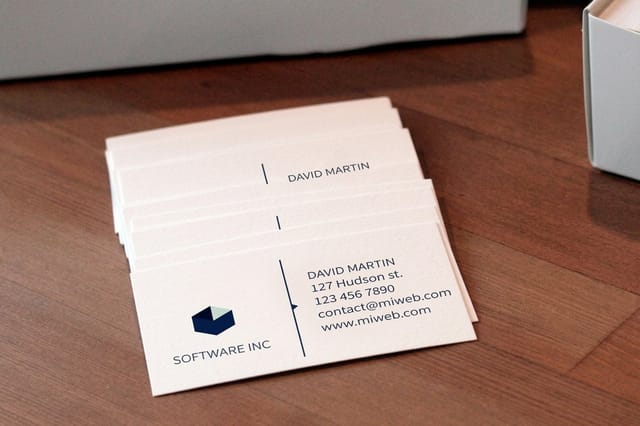
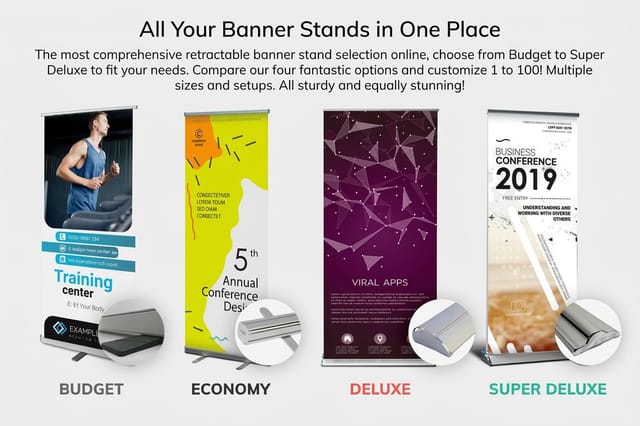
The practical minimum for an opening unit is small and repeatable. Standard business cards from $17.57 for the owner and the manager, carrying the system's layout with only the name and phone number changed. Brochures from $57.11 that explain the offer in the customer's language rather than the franchisor's. Retractable banner stands from $139 for local events and the trade shows where new units meet their community. Yard signs from $25 for the opening week, which are the cheapest local awareness a service or retail unit can buy.
Lock the artwork centrally and let the unit change only the variable fields. That is the whole discipline. A franchisee who has to design a flyer will design one, and it will not look like yours. A franchisee who has a correct layout waiting, needing only their address dropped in, will use it. Our blank template library gives each location a correctly sized starting file, and the grand opening toolkit lists the full print run a new location orders before its first day of trading.
The limit worth naming: centralised print costs more per unit than letting twenty owners find their own local shop, and it is still the cheaper option. Rebuilding brand recognition after five locations have each drifted their own way costs more than the difference ever did. The grand opening printing collection holds the signage and handout formats that a launch actually consumes, and the brand identity guide covers writing the standards those items have to follow.
Wally explains franchising
Write it down, then hand it over
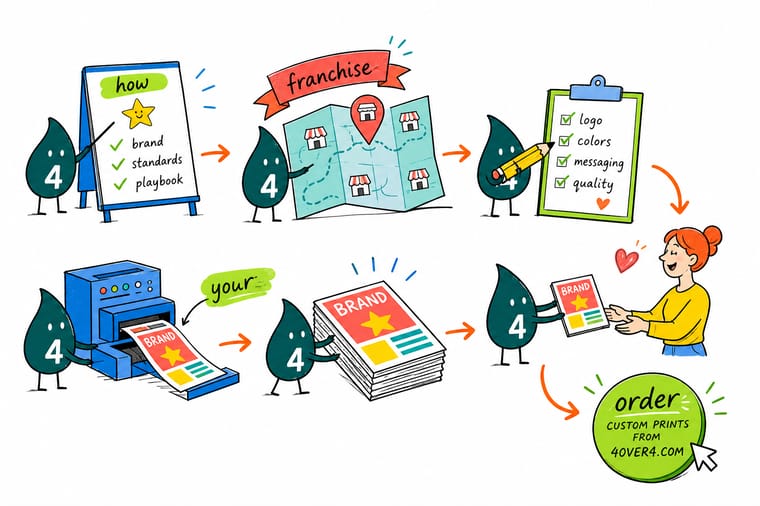
Wally does not sell his shop. He sells the way he runs it. Everything he does gets written into a manual, printed and dated, so a new owner can open on a Monday without phoning him. The buyer pays once at signing and then a slice of gross sales every month, which is owed whether the month was good or bad. Wally's part of the bargain is the mark, the training and the print kit that keeps location nine looking exactly like location one.
Print your franchise operations manual →Specs and pricing
The franchise print set, sizes and starting prices
The manual, the recruitment pack and the owner's cards, with live configuration choices and starting prices straight from the 4OVER4.COM configurator.



Print it
Kit out a new location before it opens
Explore more
Where to go next




By the numbers
Twenty five years of print, 150,000 plus businesses served
Common Questions
Your franchising questions, answered
What does it cost to franchise your business?
The spend concentrates in four places and none of them is optional. First, the Franchise Disclosure Document, drafted by a franchise attorney, which is the single largest line and is genuine legal work rather than a form purchase. Second, state registration or filing fees in the states that require them. Third, writing and producing the operations manual and the training program. Fourth, the brand assets a new owner needs on opening day, which is the one line you can price today: standard business cards start at $17.57, brochures at $57.11, and a bound operations manual printed as a booklet starts at $240.55 at 4OVER4.COM. Budget the legal work first and the marketing second, not the other way around.
How long does it take to franchise a business?
Drafting the FDD takes weeks, because your attorney has to document your real fee structure, your territory rules, your suppliers and your litigation history. The bigger variable is registration. About a dozen states, New York and California among them, review a franchise filing before you may offer a franchise there, and their queues move at their own pace. The practical answer is that a founder who has clean financials, a trademark already registered and a written manual moves through this far faster than one who starts all three at the same time.
Do you need more than one location before you franchise?
The law does not require a second location. Buyers do. A single successful store proves you can run a store; a second one, opened away from your original neighborhood and run by someone who is not you, proves the system travels. That second unit is also where you find out which parts of your process were never written down. Most founders who skip it end up rewriting their operations manual after their first franchisee opens, which is the expensive way to learn it.
What is the difference between a franchise and a license?
In the United States the Federal Trade Commission treats an arrangement as a franchise when three elements are present together: use of your trademark, significant control over or assistance with the other party's method of operation, and a required payment. Strip out the control and assistance and you have a trademark license, which carries none of the disclosure burden. That is a real alternative for a product brand with dealers, but it is not a way around the rule. Calling a franchise a license does not change what it is, and regulators look at how the relationship actually works.
Who pays for a franchisee's printed marketing?
It depends on which pocket it comes out of, and your agreement should say so in exact words. The brand fund is pooled money spent on the system as a whole, so it typically covers campaign artwork, national media and the master templates. Local marketing, meaning the flyers, door hangers, yard signs and grand opening banners for one specific unit, is normally the franchisee's own required spend on top of the fund. Disputes almost always come from agreements that never drew that line.
Can you franchise a service business with no storefront?
Yes, and mobile service franchises are one of the fastest ways to add units because there is no lease to negotiate and the buyer's startup cost is mostly a vehicle and equipment. The catch is supervision. When your operators are scattered across a metro area in their own vans, quality control has to be built into the scheduling software, the checklists and the mystery shopping rather than into a manager standing on the floor. Vehicle graphics, uniform apparel and printed leave behinds do more brand work in a service franchise than in a retail one, because the van and the door hanger are the storefront.
Get Started
Order 100 business cards from $17.57 per unit
Print the operations manual, the recruitment pack and the opening kit from one place, so location nine looks exactly like location one.
Legal Disclaimer
Gold Standard guarantees apply to all standard orders placed through 4over4.com. Price match requires verifiable proof of a competitor's published price for an equivalent product with matching specifications and turnaround time. Satisfaction guarantee covers manufacturing defects and print quality issues. Contact support with order number and documentation. On-time delivery rate based on tracked orders 1999 to 2026. Individual results may vary based on shipping carrier performance.
