
How to Design Custom Perfume Packaging That Fits, Ships, and Sells


Fragrance packaging is a fit problem before it is a design problem. Here is how to size the carton off the bottle, draw the dieline, pick a finish that survives handling, and keep the legal copy from wrecking the back panel.
Start by measuring the bottle at its widest point with the cap on, add about 2 mm of clearance per wall plus the thickness of the insert, and those figures become the inside dimensions of the carton. Draw the dieline next, keep critical artwork 3 mm clear of every crease, and design the panels on the flat. Then choose one foil element and at most one gloss element, hold the ingredient block flat and unfoiled on the back, and plan a fitted insert plus an outer shipper because glass and a sprayer stem break from movement, not from lack of padding.

Quick answer
The carton is drawn from the glass outward
Sizing comes first and it comes from the bottle. Width, depth and height at the widest points, plus about 2 mm of clearance per wall, plus the insert thickness, gives you the inside dimensions. Board caliper then pushes the outside dimensions a few millimetres larger, which is why a carton drawn to the exact bottle size arrives too tight to close. Once the structure is settled, the panels are easy: front for the mark, sides for the shelf-facing repeat, back for the legal block, base for the batch code.
Measure the Bottle Before You Open a Design File
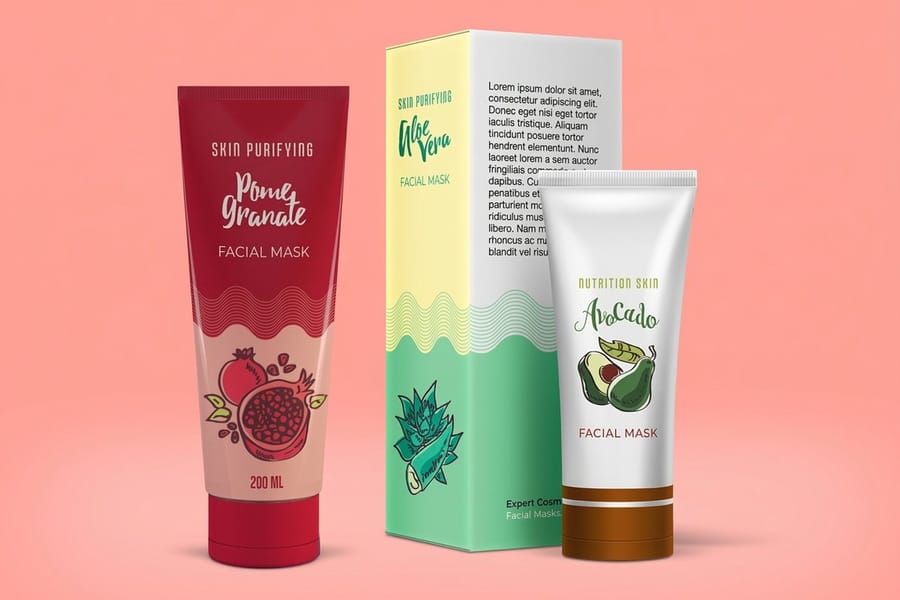
Every carton that comes back wrong was drawn from a render instead of a bottle. Put calipers on the real glass and take three numbers: width at the widest point, depth at the widest point, and height with the cap seated.
Watch the places that catch you out. A sprayer collar is often wider than the shoulder of the bottle, so the widest point sits near the top rather than the base. A weighted cap adds height that a technical drawing rounds off. A square bottle with softened corners measures wider on the diagonal than on the face, and if the insert holds it at an angle, that diagonal is the number that matters.
Add roughly 2 mm of clearance per wall to those three figures. Under about 1.5 mm the tuck flap has to bend around the glass and the front panel buckles. Over about 3 mm the bottle moves, the insert stops holding it, and the carton creases from the inside. Then add the thickness of the insert itself, because a 1.5 mm board fitment on both sides is another 3 mm of cavity.
Say the words inside dimensions when you send those numbers over. Board caliper means the outside of the same box is a few millimetres larger, and a quote built on the wrong set arrives too small to close. If you want the full sizing logic across box styles before you commit, the custom perfume box guide works through the standard formats.
Build the Dieline First, Then Design on the Panels
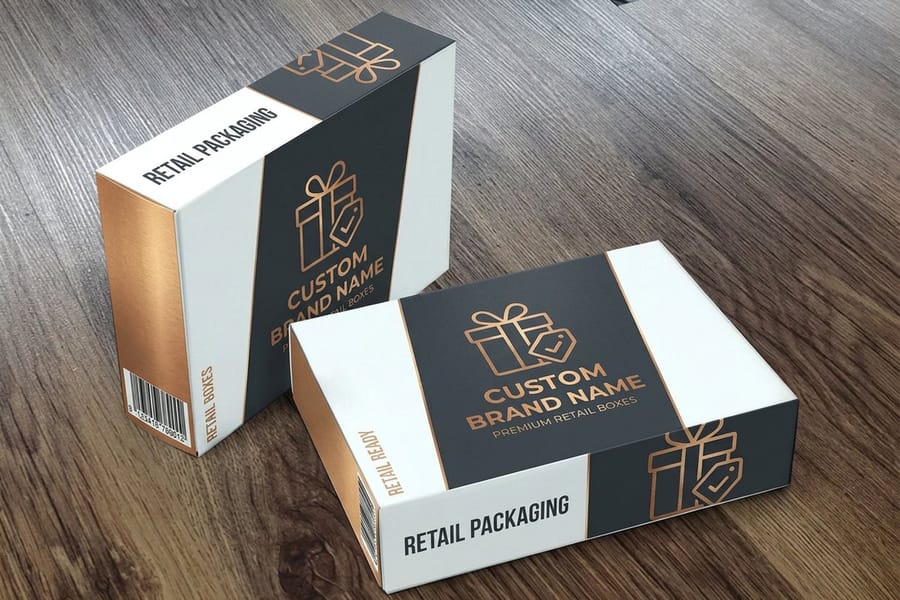
A dieline is the flat map of the carton: solid lines get cut, dashed lines get creased, and the panels sit in a fixed order. For a straight tuck end carton, that order is glue tab, back, side, front, side, with dust flaps hinging off the side panels and both tuck flaps hinging off the front. Design on the flat and the folded result stops surprising you.
Four rules keep artwork out of trouble on a tuck end box. Bleed everything 0.125 inch past the cut so a shifted sheet does not show white at a fold. Hold critical type and logos at least 3 mm off every crease, because a crease pulls ink and no press folds to the exact micron. Never place a design element that has to read continuously across a fold on the glue tab side, since that flap is covered by the back panel once it is glued. And leave the glue tab unprinted or lightly printed, as heavy ink coverage and adhesive fight each other.
Panel roles fall out of that naturally. The front carries the mark and the name. The back carries the ingredient declaration, the net contents and the barcode. The narrow sides take the shelf-facing repeat of the logo, because a fragrance box is nearly always stood on a shelf shoulder to shoulder with its neighbours and a side panel is the only thing a shopper sees. The base panel takes the batch code and the country of origin.
Build the file the way any print job is built: fonts outlined, artwork at 100 percent, CMYK with foil and gloss areas on their own named spot layers so the finishing department can separate them. Our guide to crop marks and bleed covers the mechanics, and you can pull a correctly proportioned starting file from the blank template library rather than drawing panels by hand.
Choosing a Finish, and Where Each One Fails
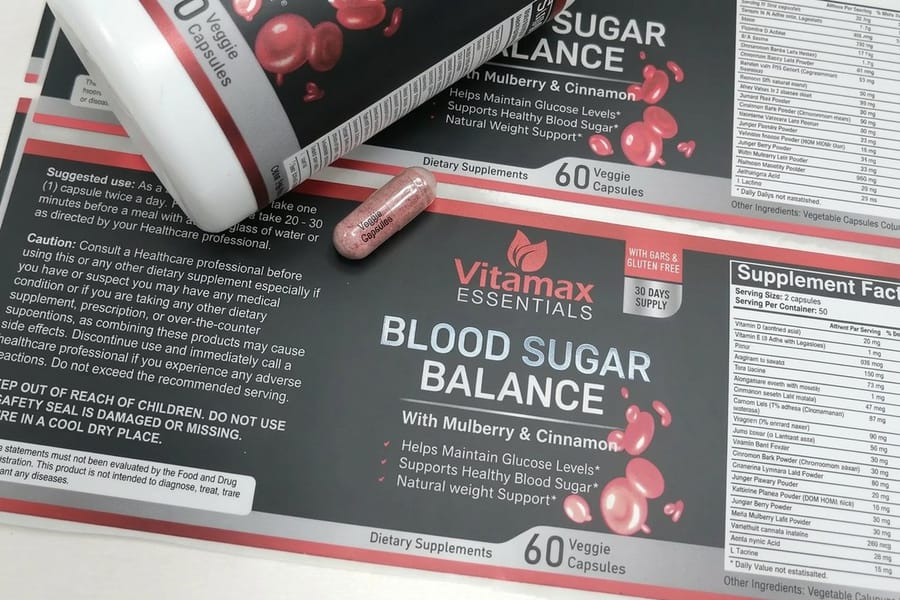
Fragrance is sold by touch and reflection, so the finish does more work here than on almost any other package. Each option has a specific failure mode, and the failure is usually what decides the choice.
| Finish | What it gives you | Where it fails | Best used on |
|---|---|---|---|
| Foil stamping | True mirror reflectivity from a metallized film pressed by a heated die. | Drops strokes below roughly half a point and blurs on textured uncoated board. | A bold logo, a rule, a monogram, a border. |
| Metallic ink | Metal-look coverage that holds fine detail and gradients at ink cost. | Reads noticeably flatter than foil the moment the two sit side by side. | Large areas, delicate type, secondary artwork. |
| Soft touch laminate | A velvet hand that makes a mid-weight board feel expensive. | Shows fingerprints and scuffs on dark solids, and it is the first thing to mark in transit. | Mid and light tones, boxes that ship inside a shipper. |
| Spot gloss | Sharp contrast against a matte field, visible only at an angle. | Vanishes entirely over a light or busy background, so the effect is wasted. | Dark, flat panels where the shape can catch light. |
The pairing that works most reliably on fragrance is a matte laminate across the whole carton with one foil element and one spot gloss element, nothing more. Three competing finishes on one panel cancel each other out and the box reads busy rather than expensive. If you are weighing a stamped foil against a raised effect, foil stamping versus raised foil lays out how the two behave under a fingertip.
There is a cheaper route worth naming.
The Insert, the Sleeve, and What Actually Stops Breakage
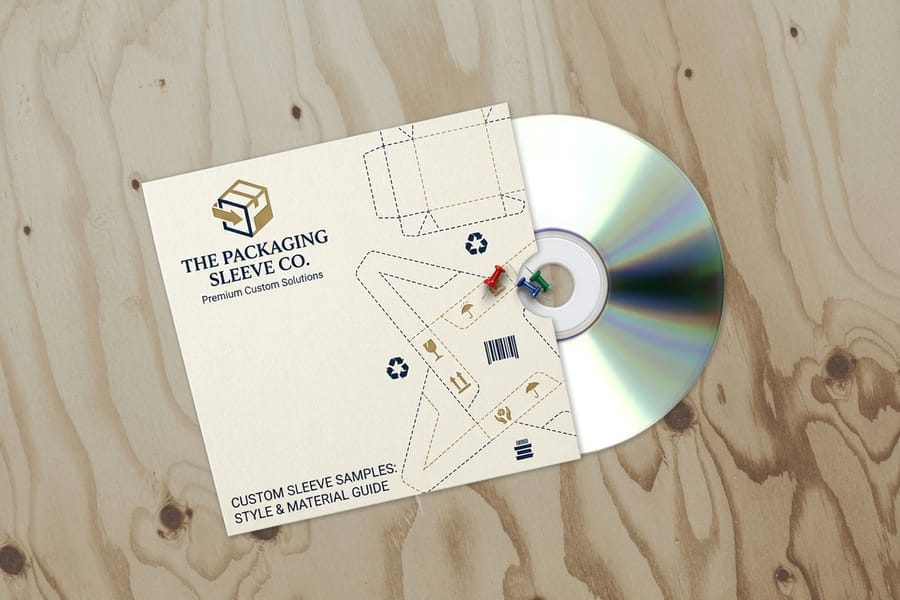
Perfume is glass with a spring-loaded pump on top, and it fails in two ways: the bottle cracks, or the sprayer snaps off inside an intact box. Both come from movement, so the insert is a shipping decision before it is a presentation one.
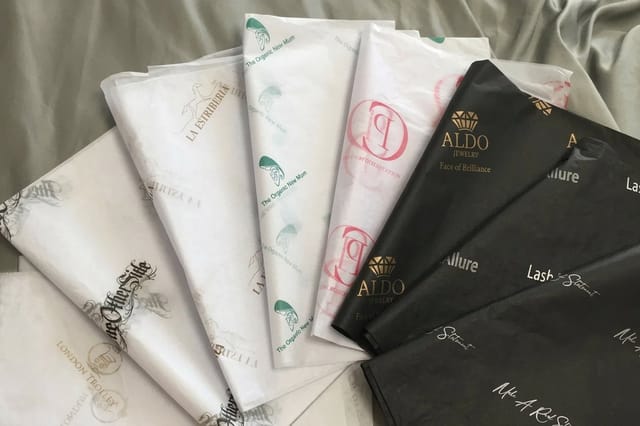
A fitted paperboard insert holds the bottle off all four walls and off the base, which spreads a drop across the whole carton instead of into one point of glass. It also stops the bottle rotating, which is what shears a sprayer stem. Loose fill dropped around a bottle looks like protection and is not, because it compacts on the first impact and leaves the bottle free to travel. Where a fitment is out of budget, printed tissue paper at $126.32 wrapped tightly adds friction and takes up slack, and it doubles as the unboxing moment.
Sleeves solve a different problem. A printed band around a plain carton gives you seasonal editions, gift sets and market variants without paying for a new cutting die each time, and it is the fastest way to test artwork before committing a full print run. Packaging sleeves start at $438.25. For sample vials and travel sizes, the carton itself can shrink to a pillow box from $284.49, which needs no insert because the curved walls grip a small bottle on their own.
The retail carton is never the shipper. Put it inside a second box with 40 to 50 mm of cushioning on every face, because couriers drop on corners and a folding carton has no corner strength. The guide to boxes with inserts goes deeper on fitment styles, and the whole set of structures sits under custom box printing.
Back Panel Copy, Labels and the Rules That Change the Design
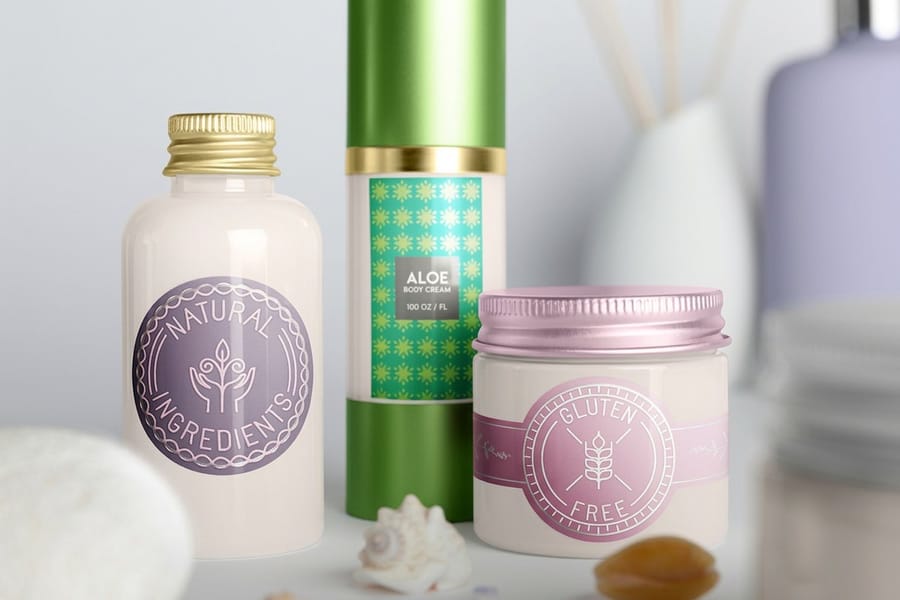
The back panel is where a beautiful design usually gets ruined, because the legal copy arrives after the artwork is approved and has to be crammed somewhere. Draft it first as a block, then design around it.
United States cosmetic labelling asks for the net quantity of contents on the principal display panel and an ingredient declaration on the package, with the scent blend allowed to appear simply as fragrance instead of a full breakdown. Add the responsible party name and address, the batch code and any warning statements your formulation calls for. The EU and the UK ask for more, including a responsible person and a period-after-opening mark, so a single artwork intended for several markets needs the largest requirement designed in from the start. Have a regulatory reviewer read the copy before the die is cut, not after.
Practically, that means reserving a clear rectangle on the back panel with no foil, no spot gloss and no dark tint under small type. Foil over 6 point text is unreadable and a laminate over an ingredient list reflects straight into a shopper's eyes under store lighting. Keep that block flat CMYK on a light ground.
Some of it belongs on the bottle rather than the carton, since a bottle that leaves its box still has to identify itself. Premium health and beauty labels start at $29.16 and print on stocks that tolerate the alcohol and skin oils a fragrance bottle meets daily. Browse the full range under packaging labels, and run the flat through the checks in checking a packaging proof before you approve anything.
Wally explains perfume packaging
Calipers first, artwork second
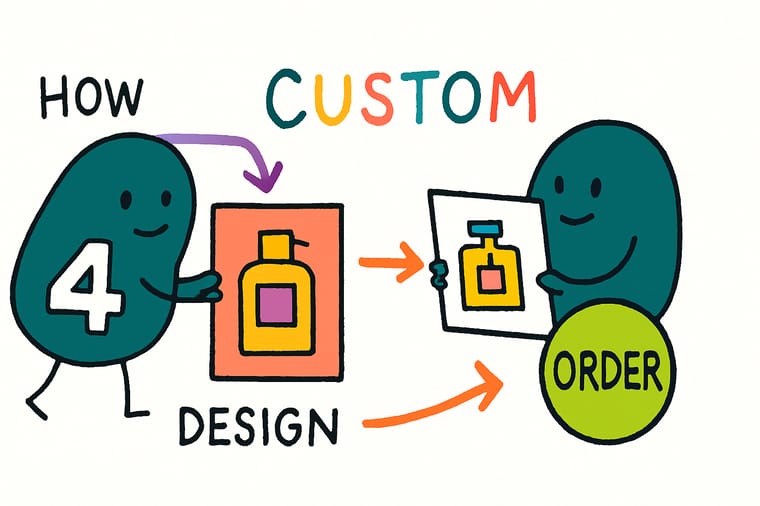
Wally puts the calipers on the bottle at its widest point, cap and all, then adds a couple of millimetres per wall and the thickness of the insert. That number becomes the inside of the carton. Only then does he draw the dieline, keep the type 3 mm off every crease, put one foil hit on the front and leave the back panel flat for the ingredient block. Skip the measuring and the prettiest box in the world still will not close.
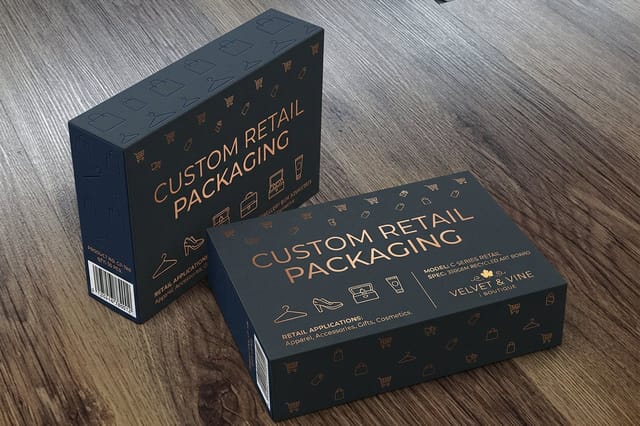
Price custom retail boxes →Specs and pricing
Cartons, sleeves and labels with live starting prices
Configure the three pieces a fragrance launch actually needs, with sizes, stocks and starting prices straight from the 4OVER4.COM configurator.


Print it
Order the packaging your fragrance ships in
Explore more
Where to go next

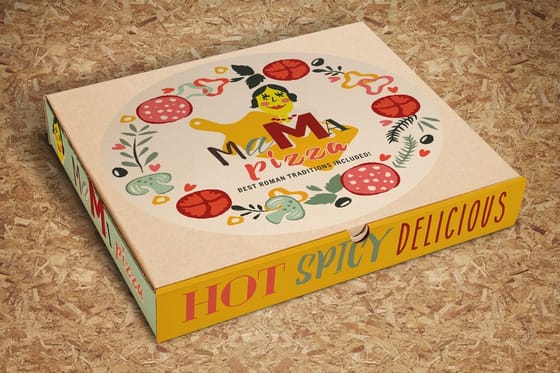
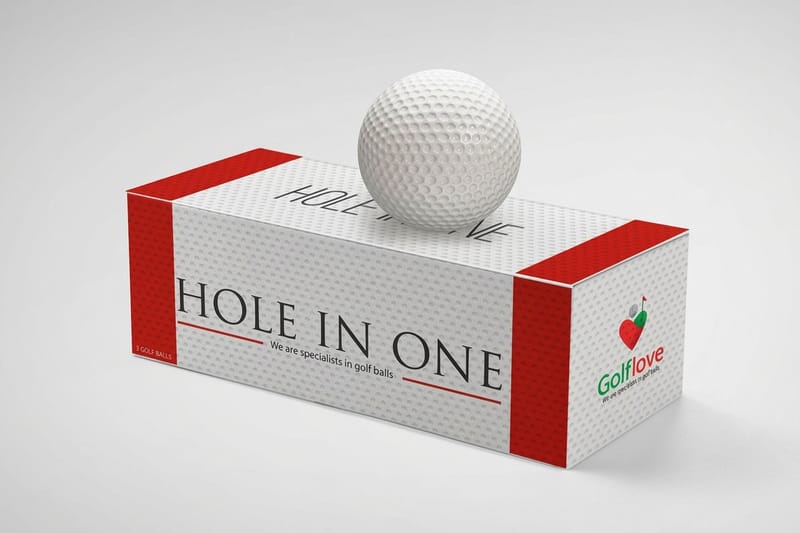
By the numbers
Packaging printing you can count on at 4OVER4
Common Questions
Your perfume packaging questions, answered
What size should a custom perfume box be?
Take three measurements off the bottle: width at the widest point, depth at the widest point, and height with the cap on. Add roughly 2 mm to each so the bottle drops in without a fight, and add the thickness of whatever insert sits between the glass and the wall. Those numbers are the inside dimensions. A 50 ml bottle that measures 55 by 32 by 95 mm with the cap usually lands in a carton around 60 by 37 by 100 mm inside, before any insert. Quote inside dimensions to your printer and say so explicitly, because outside dimensions on the same box are a few millimetres larger once board caliper is counted.
What material works best for perfume packaging?
Folding carton board is the standard for the retail box, in the 14pt to 18pt range for bottles up to about 100 ml, and heavier or rigid board above that. Thin board on a heavy bottle bows at the panel centres and the tuck stops seating after a few opens. Corrugated belongs on the outer shipper, not the retail box, because the flute texture shows through printing and kills a foil hit. If you want the closest thing to a rigid feel without rigid cost, order the carton on heavier board and wrap it in a printed sleeve.
Should perfume packaging use foil stamping or metallic ink?
Foil if the mark is bold and you want a mirror. Metallic ink if the artwork has fine detail, a gradient, or covers a large area. Foil is a hot die pressing a metallized film into the board, so it has real reflectivity that ink cannot copy, but it drops fine strokes below about half a point and needs a smooth, coated surface to hold an edge. Metallic ink prints like any other ink, holds detail, costs less per unit, and looks noticeably flatter next to real foil. A common compromise is foil on the logo and metallic ink on the secondary elements.
How do I keep perfume bottles from breaking in transit?
Stop the bottle from touching a wall and stop it from moving. A fitted paperboard insert does both, which is why it beats loose fill. Then ship the retail carton inside a second box with at least 40 to 50 mm of cushioning on every side, because a courier drop lands on a corner and the retail carton is not a shipper. Tissue wrap adds friction and stops the bottle sliding inside a slightly generous cavity, and it costs less than replacing one broken unit.
Does perfume packaging need an ingredient list?
Cosmetic labelling rules in the United States require the net quantity of contents on the principal display panel and an ingredient declaration on the package, with the scent blend permitted to appear as fragrance rather than a full breakdown. The declaration usually sits on the carton back panel or on a bottle label, not on the front. Rules differ by market, so if you are selling into the EU or the UK, have the copy checked before the artwork is locked. Leave a clear, unfoiled block on the back panel for it in the first draft rather than squeezing it in later.
How many perfume boxes do I need to order to make it worth printing?
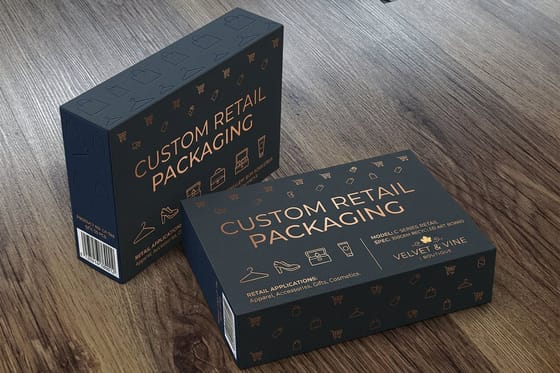
Custom cartons are a tooled product: a cutting die is made for your dieline, so the first unit carries the setup and the hundredth does not. That is why per unit cost falls steeply across the first few hundred and then flattens. Retail boxes start at $711.78 at 4OVER4.COM, and the useful question is not the total but the cost per box at the quantity you can actually sell in a year. If the launch is genuinely small, print labels and a sleeve over a stock box first and move to a custom carton once the volume is real.
Get Started
Ready to put your fragrance in a box that fits?
Send us the bottle dimensions, pick your board and finish, and we print cartons, sleeves and labels that hold the glass steady from our press to your customer's hands.
Legal Disclaimer
Gold Standard guarantees apply to all standard orders placed through 4over4.com. Price match requires verifiable proof of a competitor's published price for an equivalent product with matching specifications and turnaround time. Satisfaction guarantee covers manufacturing defects and print quality issues. Contact support with order number and documentation. On-time delivery rate based on tracked orders 1999 to 2026. Individual results may vary based on shipping carrier performance.
