
How to Choose Custom Shipper Boxes That Survive the Carrier


Five decisions, in the order a printer would make them: board grade, box style, size, print coverage, and how to get the run through without a reprint.
Choose a custom shipper box by packed weight first, then size, then print. Weight sets the board: E or B flute under 20 lb, C flute up to 65 lb, BC double wall above that. Size sets what the carrier bills you, because domestic retail rates charge dimensional weight at length by width by height divided by 139. Print coverage is the only one of the three you can cut without weakening the box, so it is where a tight budget should give first.
Quick answer
Weight picks the board, size picks the bill, print picks the budget
Start with the packed weight of the shipment, not the weight of the product. That number decides the corrugated grade, and the grade is stamped on the box maker’s certificate along with the maximum gross weight a carrier will honour in a damage claim. Size comes second, because dimensional weight bills volume whether the box is full or half empty. Print coverage comes last, since it is the only choice on the list that changes the invoice without changing how the box performs.
Step One, Match the Board to the Packed Weight
Weigh the packed box, not the product. A 3 lb candle sitting in a rigid insert with void fill around it is a 5 lb shipment, and 5 lb is roughly where the thinnest corrugated grade stops being a sensible choice.
Corrugated board is rated two ways, and quotes use both. The older Mullen burst test measures how hard you can push through a flat panel, which predicts puncture resistance. The Edge Crush Test measures how much force the board takes standing on its edge, which predicts what happens when boxes are stacked on a pallet. Every certified carton carries a round box maker’s certificate printed on one flap, stamped with the grade, the maximum gross weight, and the maximum outside size in inches. That stamp is not decoration. If it reads 32 ECT and 65 lb and you ship 80 lb in it, a damage claim gets denied.
| Packed weight | Board | Typical grade | What it is built as |
|---|---|---|---|
| Under 5 lb | E flute, about 1/16 in | 26 ECT | Printed mailer box. Thinnest liner, so it holds the sharpest artwork. |
| 5 to 20 lb | B flute, about 1/8 in | 32 ECT | Mailer box or a light taped carton. The workhorse for e-commerce. |
| 20 to 65 lb | C flute, about 3/16 in | 32 ECT, 200 lb burst | Regular slotted shipping carton, taped top and bottom. |
| 65 to 95 lb | C flute, heavier liners | 44 ECT, 275 lb burst | Same carton, upgraded liners, larger size allowance on the stamp. |
| 95 lb and up | BC double wall, about 5/16 in | 48 ECT | Two fluted layers. Heavy, expensive, and the coarsest print surface. |
Two things trip people up here. Thicker board is not automatically better: fine artwork on C flute picks up a faint washboard texture from the fluting under the liner, while the same file on E flute stays crisp, so over-specifying board costs money and softens the print. And double wall is not a repair for a badly sized box. A product that slides around inside will still arrive damaged, only in stronger board. If you are still deciding between corrugated and a folding carton, our cardstock versus corrugated comparison draws the line, and our custom shipping boxes page lists the sizes and board options we run.
Step Two, Shipper Carton or Mailer Box
The two builds behave differently in the warehouse and in the customer’s hands, so pick by which of those matters more for the shipment in question.
A regular slotted carton is the box everyone pictures. Four flaps meet in the middle top and bottom, both seams get taped, and it arrives flat to be assembled. It carries the most weight for the money, stacks cleanly on a pallet, and takes a strapping band without complaint. What it gives up is presentation: the tape seam runs straight across the top panel, the flaps leave a visible gap down the centre, and assembly takes a tape gun rather than ten seconds of folding.
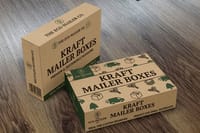
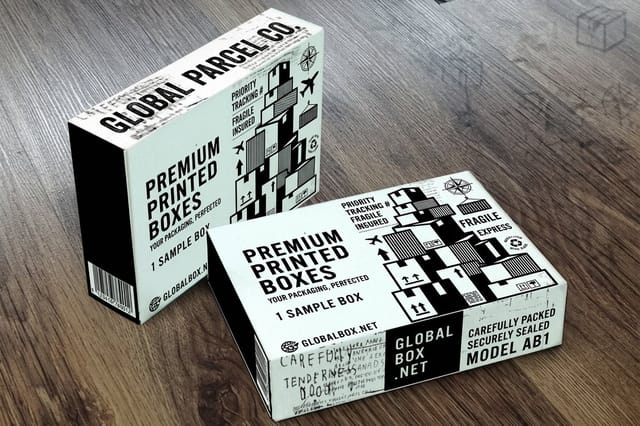
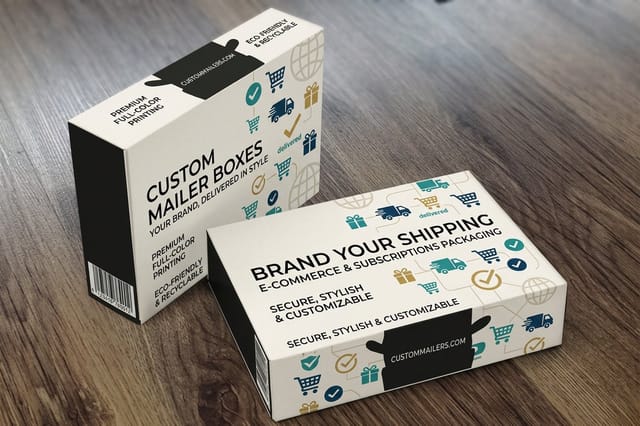
A custom mailer box is a roll end tuck top. One piece of board, no tape, side walls that fold in and a lid that tucks. It prints edge to edge with nothing running across the artwork, holds an insert firmly because the double side walls are already there, and opens like a lid rather than needing a knife. The limits are real: on E or B flute it tops out around 20 lb of packed weight, and the tuck flap can work loose under a strapped pallet, which is why bulk shipments still go in cartons.
Liner colour is the other decision that gets made too late. Unbleached kraft hides the scuff marks conveyor rollers leave on every parcel, which is why kraft mailer boxes look presentable on a doorstep after four handoffs. A white liner reproduces photographic colour accurately and shows every one of those marks. Pick kraft with one or two strong solid inks, pick white when the artwork depends on subtle colour. The full range of styles sits in custom box printing, and the mailer versus shipping box guide goes deeper on the structural differences.
Step Three, Size the Box Before You Print It
An oversized box charges you twice, once on every order. Carriers bill the greater of actual weight and dimensional weight, and domestic retail rates calculate dimensional weight by multiplying length, width and height in inches and dividing by 139. A 12 by 12 by 12 carton bills at 12.4 lb whether it holds a laptop or a folded sweater. Shave that to 10 by 10 by 6 and the same shipment bills at 4.3 lb.
Custom boxes are quoted on inside dimensions, which is the measurement that has to fit your product. Say them in the order length, width, depth, and say them in inches. For a sturdy product with a snug fit, about a quarter of an inch of clearance in each direction is enough. For anything fragile, work to two inches of cushioning on every face, lid included, because a product that touches the wall transmits every impact straight through the board.
Check the third number as well as the first two. Carriers apply a size limit based on length plus girth, and an unusually long box can cross into an oversize surcharge while still weighing almost nothing. Our girth measurement walkthrough shows the calculation, how to measure a box for shipping covers inside versus outside dimensions, and carrier size and weight limits lists the cutoffs that trigger the surcharges.
One practical habit saves a whole reprint: pack a sample of the real product into a plain carton at the size you are considering, tape it up, and lift it before you approve a dieline. Sizing errors are almost always caught in five seconds of handling and almost never caught on screen.
Step Four, Decide How Much Print You Actually Need
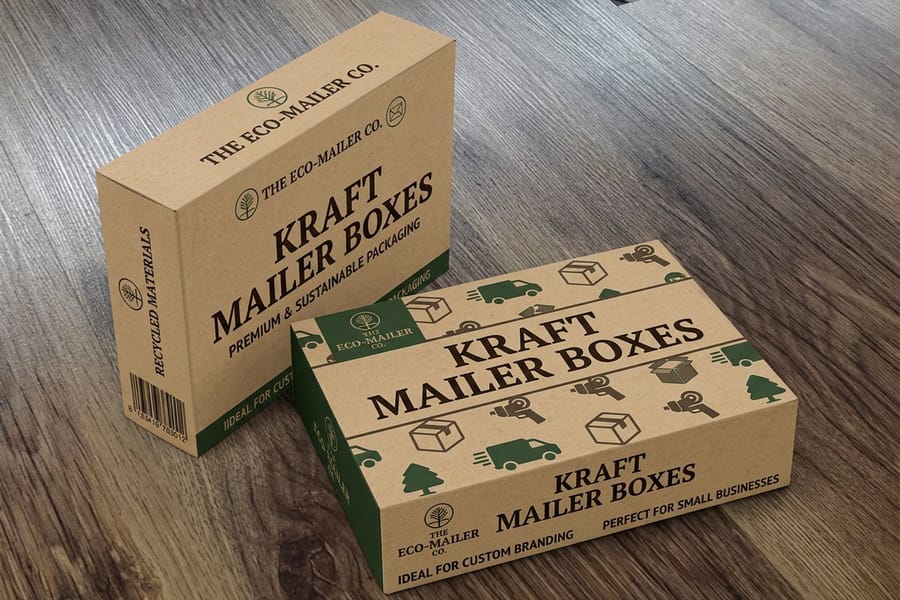
Print coverage is the biggest lever on the quote, and it is the one thing on a shipper box that can be scaled back without weakening anything.
A single colour logo on the top panel and the side wall reads as a branded shipment from three feet away and costs the least. Full flood coverage across every panel changes the box into a piece of marketing and prices accordingly. Interior print adds another pass on top of that, so it is the most expensive choice per box, and the reveal lasts about as long as it takes to lift the lid. That moment is genuinely worth paying for on gifts, subscription boxes, and anything customers photograph. On replenishment orders opened with a knife in a stockroom, the same money buys a better insert or a heavier board, which the customer will notice for longer.
Watch what the liner does to your colours. Ink sits on top of unbleached kraft rather than on a white base, so bright colours go warm and muddy and light tints all but disappear. Design for kraft with solid, saturated shapes and reversed white knockouts, or move to a white liner if the artwork depends on photographic accuracy. Our guide to preparing files for packaging covers dielines, bleed and safe zones, and the blank template library gives you a correctly built starting file.
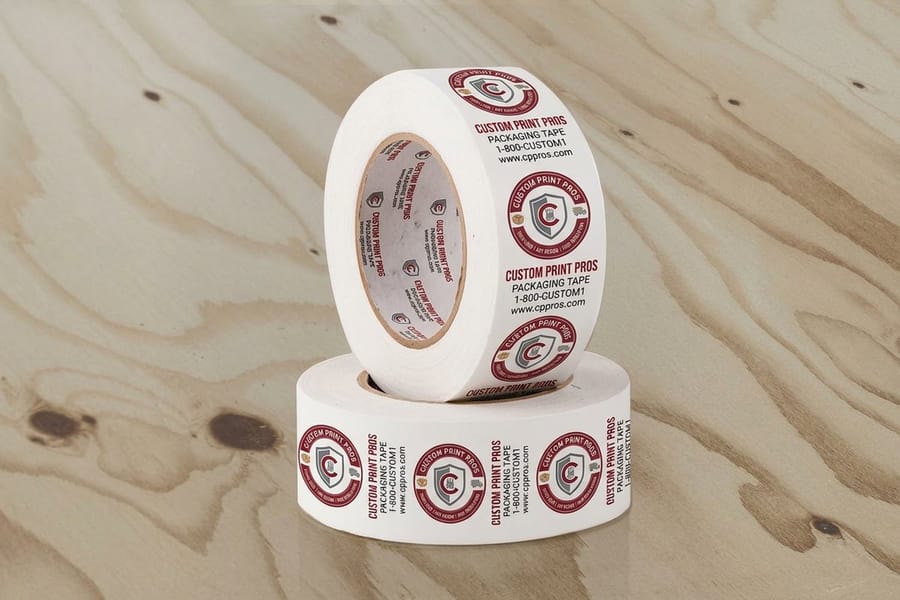
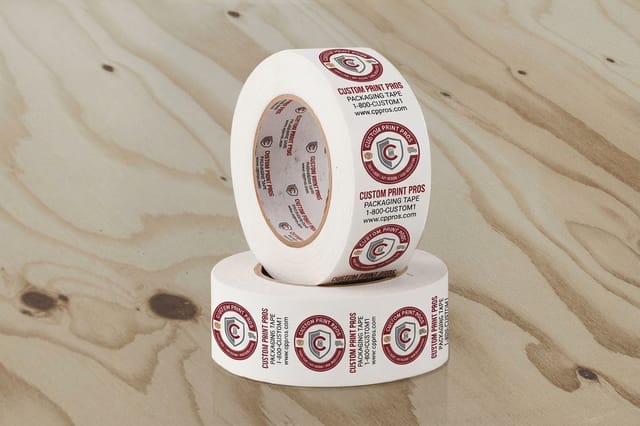
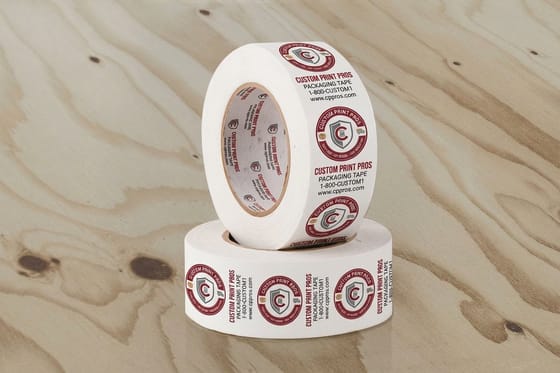
If the volume is not there yet, brand the outside of a plain stock carton instead. Printed packaging tape starts at $347.11 and covers the exact seam a customer looks at first, and custom shipping labels start at $25, which is the cheapest way to put a logo on a parcel at any volume. Plenty of brands run that combination for a year and switch to printed boxes when the order count justifies it.
Step Five, Order the Run Without Surprises
Custom corrugated is a volume product. Runs start at $711.78 because there is tooling, a dieline and a setup behind every job, and that cost spreads across the quantity rather than the unit. Ordering three months of boxes rather than one month is usually the single largest saving available on the whole project.
Order from a dieline, never from a sketch. The dieline is the flat outline with fold lines, glue tabs and bleed marked, and it is generated from the inside dimensions you specify, so artwork drawn without one almost always lands with the logo across a fold. Supply artwork at full size with fonts outlined and bleed carried past every cut line, and place anything you need to stay readable at least a quarter of an inch inside the fold.
Two more checks before you approve. Confirm the board grade on the quote matches the packed weight you measured in step one, since a quote can quietly come back on a lighter grade to hit a price. And confirm the flat printed proof against the fold layout, because a panel that looks right flat can end up upside down on the assembled box. If any term on the quote is unfamiliar, the printing glossary defines it in plain language.
When the file is ready, build the run on the shipping boxes page for cartons or on custom mailer boxes for tuck top mailers. Brands moving to recycled board can compare eco friendly boxes, and the full packaging printing range lists the labels, tape and inserts that finish the shipment.
Wally sizes a shipper box
Weigh it packed, measure it inside, print it last
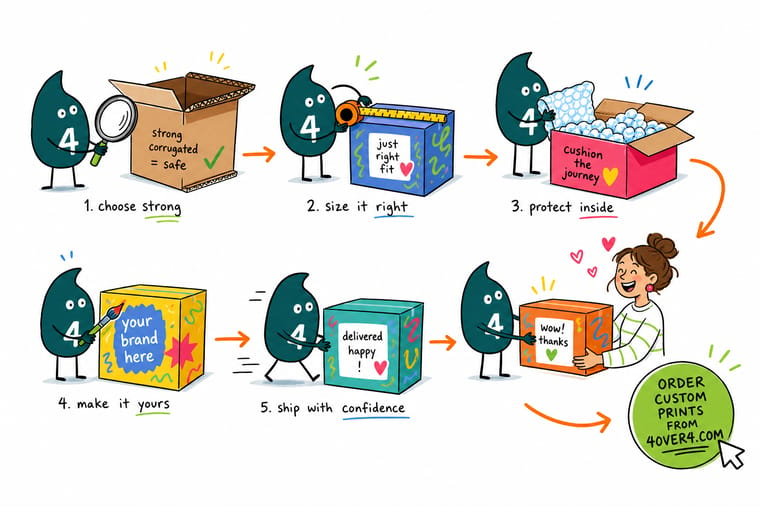
Wally puts the product, the insert and the void fill on the scale together, because that total is what picks the board. Under 5 lb he reaches for E flute, up to 20 lb B flute, past that C flute, and only past 95 lb does he bother with double wall. Then he measures the inside of the box, since a quarter inch of extra air on every side comes back as dimensional weight on every order you ever ship. Print coverage is the last thing he decides, because it is the only one that can be trimmed without making the box weaker.
Configure custom shipping boxes →Specs and pricing
Box styles, sizes, and starting prices
Compare the shipper and mailer builds side by side, with live configuration choices and starting prices straight from the 4OVER4.COM configurator.

Print it
Order boxes that match what you ship
Explore more
Where to go next
By the numbers
Packaging printing you can count on at 4OVER4
Common Questions
Your shipper box questions, answered
What is the difference between a shipper box and a mailer box?
A shipper box is usually a regular slotted container: four flaps meet in the middle at the top and bottom, and both seams get taped. It ships flat, assembles into a strong rectangular carton, and handles weight and pallet stacking. A mailer box is a roll end tuck top: one piece of board that folds up in about ten seconds and closes with a tuck flap, no tape needed. The mailer looks better and opens better, the shipper carries more. Most e-commerce brands end up using both, a printed mailer for the product and plain outer cartons for the wholesale pallet.
What board strength do I need for a 10 lb shipment?
B flute single wall at 32 ECT covers a 10 lb packed weight comfortably, and that is the standard grade behind most printed mailer boxes. The number that matters is packed weight, not product weight, so weigh the product with its insert and void fill before deciding. If the box will be stacked in a warehouse rather than shipped one at a time, move up to C flute, because edge crush is about carrying the boxes above it rather than surviving a single drop.
How much bigger than the product should the box be?
For a snug fit on something sturdy, allow about a quarter of an inch of clearance in each direction and specify it as inside dimensions, which is how custom boxes are quoted. For anything fragile, the working rule is two inches of cushioning on every side, including between the product and the lid. Going larger than that starts costing on both ends: dimensional weight goes up and the product has more room to move, which is what actually breaks things in transit.
Do I need double wall corrugated?
Only above roughly 65 lb packed, or when the carton sits at the bottom of a tall pallet stack, or when a single wall box has already been arriving crushed. BC double wall is around five sixteenths of an inch thick and rated to about 100 lb gross on a standard grade. It costs more per box, ships heavier, and prints noticeably coarser than E or B flute, so it is a structural decision, never a branding one.
Is printing the inside of the box worth the money?
It depends entirely on how the box is opened. Interior print adds a second pass, so it adds real cost per unit, and the reveal lasts about as long as it takes to lift the lid. On a gift, a subscription box, or anything customers photograph and post, that moment is the whole point and the cost is easy to justify. On replenishment orders that get opened with a knife in a stockroom, spend the same money on a better insert or a stronger board instead.
What does a run of custom shipper boxes cost at 4OVER4.COM?
Custom boxes start at $711.78 for a run, which is the honest number to plan around: printed corrugated has tooling and setup behind it, so it is a volume product rather than a small-batch one. Printed packaging tape starts at $347.11 and printed shipping labels start at $25, so a brand that is not shipping enough volume yet can put its name on plain stock cartons for a fraction of the box price and switch to printed boxes once the order count supports it.
Can I use kraft board instead of white for shipper boxes?
Yes, and for most shipments it is the better call. Unbleached kraft liner hides the scuffs conveyor belts leave behind, while a white liner shows every mark by the time the box reaches a doorstep. The trade-off is color: ink sits on top of a warm brown liner, so bright colors go muddy and light tints barely register. Use kraft with one or two strong solid colors, and white when the artwork depends on accurate photographic color.
Get Started
Ready to spec the box?
Give us the packed weight and the inside dimensions, pick kraft or white liner, and we print a shipper that fits the product instead of the other way around.
Legal Disclaimer
Gold Standard guarantees apply to all standard orders placed through 4over4.com. Price match requires verifiable proof of a competitor's published price for an equivalent product with matching specifications and turnaround time. Satisfaction guarantee covers manufacturing defects and print quality issues. Contact support with order number and documentation. On-time delivery rate based on tracked orders 1999 to 2026. Individual results may vary based on shipping carrier performance.
