
How to Design Comment Cards That Customers Actually Fill Out


Four questions, one scale, and stock a pen can bite into. Here is how to word a comment card, pick the format by how it comes back, and lay out the reply side so the post office accepts it.
A comment card works when it asks four or five things you could act on this week, rates them all on one scale, leaves three ruled lines for a written answer, and prints on uncoated stock so a ballpoint actually marks it. Choose the format by how a filled card reaches you: a flat notecard for a drop box, a folded card when honesty needs privacy, a mail-back postcard for customers who take it home, a table tent with a QR code when nothing should come back on paper. If it gets mailed, the reply side is already spoken for by the permit indicia, the address block and the 5/8 inch barcode clear zone, so every question belongs on the front.
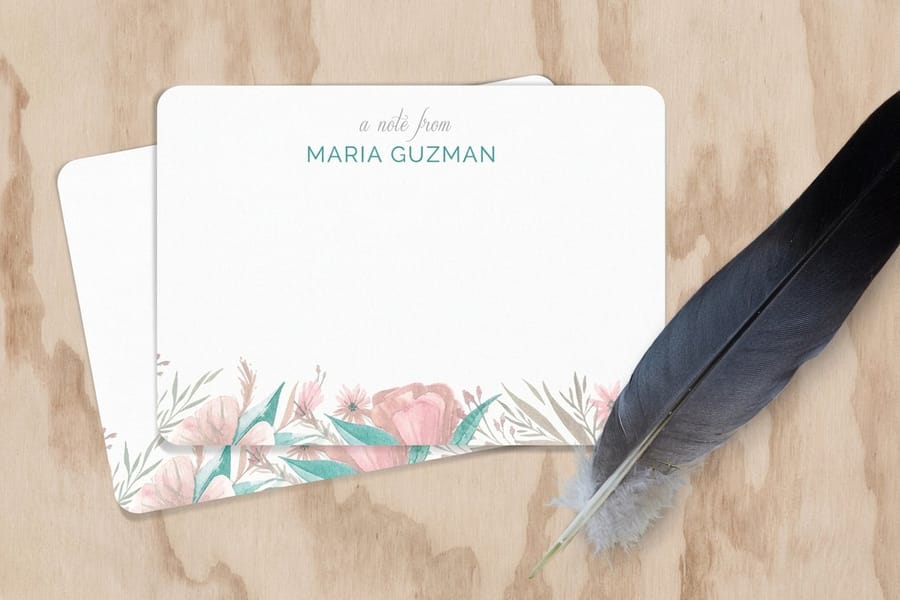
Quick answer
Four questions on the front, one scale, uncoated stock
Ask only what you could act on, rate it all the same way, and print it on paper a pen can grip. Four rated rows and three ruled comment lines fit a 6 by 4 inch card at a size people can mark accurately; an eleven point scale does not. Pick the format from the return path rather than the look: a drop box wants a flat card, honest criticism wants a folded one, and a card that travels home wants the postcard rate, which means 4.25 by 6 inches at most and 0.016 inch thick at most. On any mailed card the reply side is postal territory, so the questions stay on the front.
Write the Questions Before You Open a Layout File
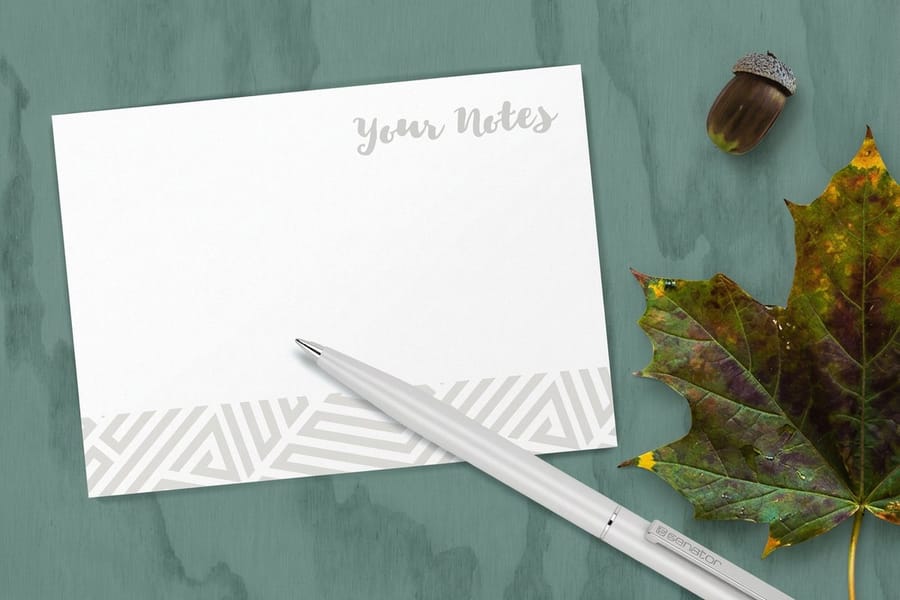
The layout is the easy half. A comment card fails at the wording, and the wording problem is almost always the same one: it asks about things nobody in the building can change.
Start by listing the four decisions you would actually make differently if the answers came back bad this month. Food, service, cleanliness and value for a restaurant. Wait time, front desk, the visit itself and whether anything got explained badly for a clinic. Those four become your rating rows. Anything that fails the test gets cut, because a question with no owner produces a stack of cards nobody reads twice.
Then pick one scale and repeat it down the card. Five boxes anchored "poor" on the left and "great" on the right is the workhorse, and it fits a 6 inch width at a box size a pen can hit without aiming. An eleven point scale gives you a finer average and forces the boxes down to roughly a tenth of an inch each, which is where people start marking between two of them and you lose the precision you just bought. Mixing formats is worse than either: a card with a 1 to 5 row, a yes or no row and a row of faces cannot be totalled and makes the customer relearn the rules three times.
Finish with one open line, worded as an invitation rather than a complaint box, and three ruled lines about 3/8 inch apart so adult handwriting fits. Contact details go last and stay optional. A required name field is the quickest way to lose the honest negative answers, and those are the only ones worth printing a card for. On a flat notecard at 5 by 7 you have room to be generous with that comment space; on a mail-back card you do not.
Pick the Format by How the Card Comes Back to You
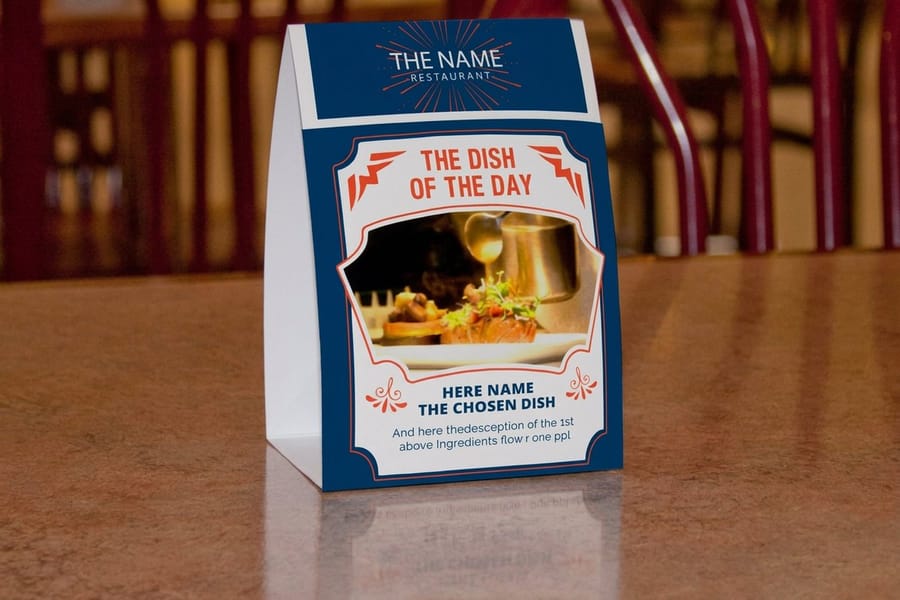
The return path decides the format, not the other way round. Work out how a filled card physically reaches the person who reads it, and the size, stock and print run all follow.
| Format | Where it lives | How it comes back | Starts at |
|---|---|---|---|
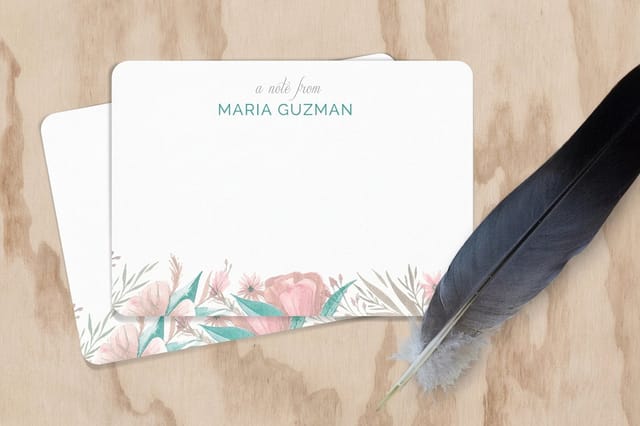
| Flat notecard | On the table, in the check presenter, at the counter. | Handed to staff or dropped in a box by the door. | $19.77 |
| Folded notecard | Handed over with the bill, closes on itself. | Returned folded, so the answers stay private in the room. | $38.22 |
| Mail-back postcard | Taken home in a pocket or a bag. | Through the mail, days later, on your postage or theirs. | $16.48 |
| Table tent with a QR code | Stands on the table for months. | Nothing comes back on paper, answers land in a form. | $554.39 |
The privacy column is the one people skip. A flat card handed straight back to the server who just served you does not collect much criticism, which is why a folded notecard that closes, or a sealed drop box, changes the answers you get more than any question rewrite will.
The table tent is a different trade entirely. It costs the most up front and prints nothing you have to keep restocking, because it is a standing prompt rather than a card. Table tents start at $554.39 for a run that lasts a season, and the feedback arrives already sorted in a spreadsheet. The limit is honest: it only collects from customers who will take a phone out, and in some rooms that is most of them and in others it is almost nobody. If you are unsure, print the QR on the front of a paper card too and watch which route people take. Our guide to generating QR codes in InDesign covers building the code at a size that still scans after printing.
Laying Out the Mail Back Side So the Post Office Takes It
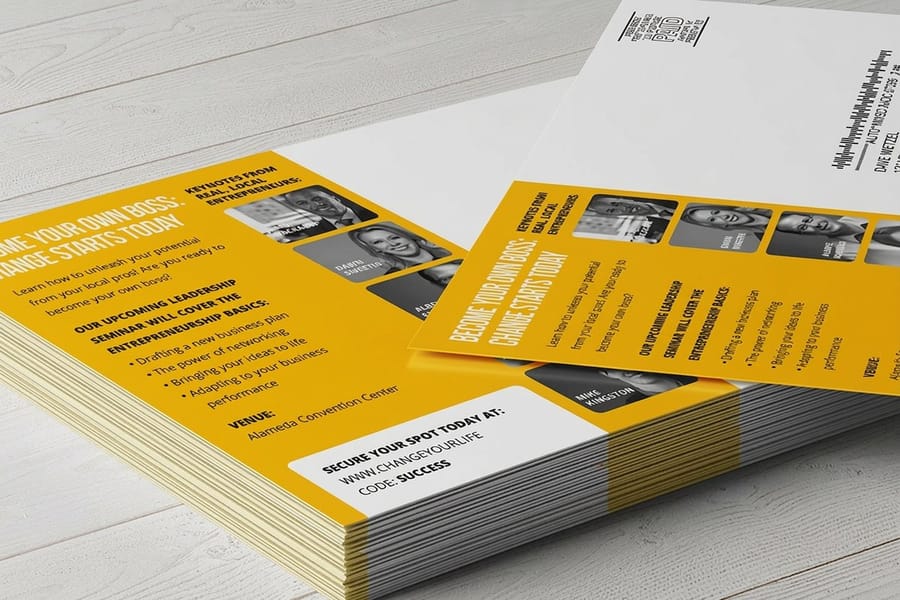
If the card gets mailed, the second side stops being a design surface and becomes a postal form. Three areas are spoken for before you place anything.
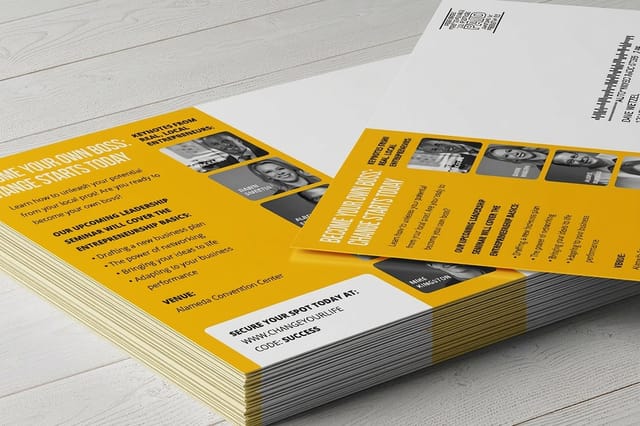
The upper right belongs to the indicia. On a Business Reply Mail card that block carries the permit wording and the postage-will-be-paid line, and it sits in the top right corner with the FIM bars a couple of inches to its left along the top edge. The middle belongs to the address block, set in the delivery address area with your BRM ZIP+4. The bottom right belongs to nobody. USPS requires a barcode clear zone 4 3/4 inches wide and 5/8 inch high in that corner with nothing printed in it, and a rule or a background tint drifting into that strip is the single most common reason a reply card gets kicked back at acceptance.
What is left after those three is a narrow band down the left side. That is why the questions live on the front of a mail-back card, and why a mail-back comment card holds fewer of them than a table card does. Plan for four rated rows and two comment lines, not six rows and a paragraph.
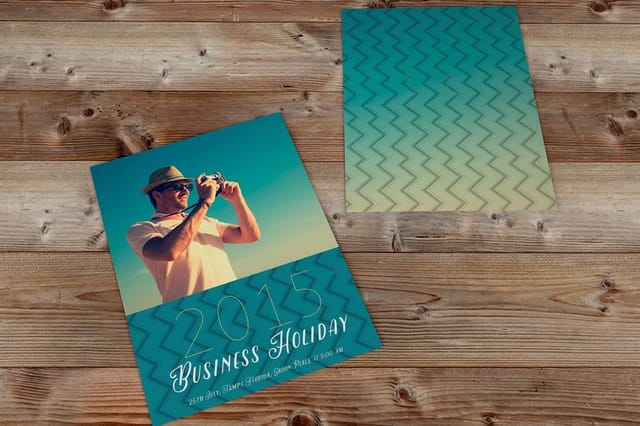
Size and thickness are decided by the same rulebook. The postcard rate covers pieces from 3.5 by 5 inches up to 4.25 by 6 inches, at 0.007 to 0.016 inch thick. A 6 by 4 inch card on 14pt sits comfortably inside that. 16pt lands exactly on the thickness ceiling, and 18pt crosses it and mails at the letter rate on every card that comes back. Build the file from a correctly sized layout in our blank template library, keep live copy 1/8 inch clear of the trim, and read direct mail design best practices before you commit the artwork. If you would rather hand the whole mailing over, direct mail postcards start at $89.68 with addressing and postage handled, and pairing postcards with envelope sizes is worth a look if the card goes out enclosed rather than bare.
The Stock Choice That Decides Whether Anyone Can Write on It
Here is the detail that quietly ruins more comment cards than any question ever has. Coated stock is engineered for ink laid down by a press, not for the ball of a pen. Ask someone to fill in a 14pt Gloss Cover card with a ballpoint and the ink beads, skates and smears under the side of their hand, and they give up halfway through the comment line.
So on the writing side, specify uncoated. The paper dropdown on our standard postcards carries uncoated alongside the default 14pt Gloss Cover, and picking it changes nothing about the print schedule or the price band. If the whole card is a writing surface, skip the decision and start from flat notecards, which are built to be written on. You can still run a coated, full-color front and an uncoated back if the card doubles as a promotion, but say so on the order rather than assuming.
Two smaller choices follow from the same logic. Print the rating boxes in a mid tone rather than a pale tint, because a 10 percent grey box disappears under blue ballpoint and you cannot read the results at a glance. And keep the type on the heavy side of small: 8 point in a normal weight holds up on an uncoated stock that spreads ink slightly, while a hairline serif at 6 point turns fuzzy. Choosing postcard fonts goes further into what survives at that size.
Print a short first run, read a month of answers, then commit. The first batch nearly always shows one row nobody marked and one question that people answered sideways, and fixing that on the second print costs nothing. Browse the sizes and stocks in postcard printing, or the write-on options in notecard printing, and order the version that matches how your cards will actually travel.
Wally explains comment cards
Four questions, one scale, paper a pen can bite
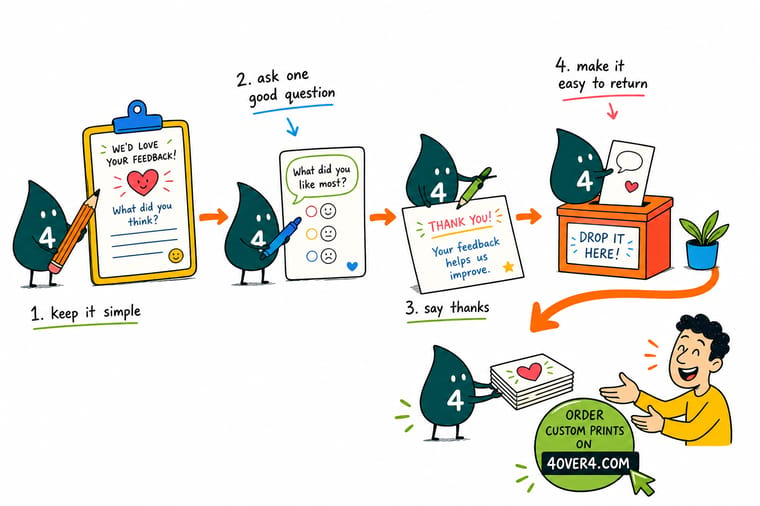
Wally asks four things he could fix by Friday, gives them all the same five boxes, and leaves three ruled lines for whatever the customer really wanted to say. Then he checks the paper. On a glossy card the pen skates and the comment line stays empty, so he switches to uncoated and the writing sticks. If the card is going in the mail he keeps every question on the front, because the back already belongs to the permit block, the address and the barcode strip along the bottom.
Print flat notecards →Specs and pricing
Sizes, stocks and starting prices for feedback cards
Configure the three formats side by side, with live paper and size choices and starting prices straight from the 4OVER4.COM configurator.

Print it
Order comment cards people can actually fill in
Explore more
Where to go next




By the numbers
Feedback cards printed the way you ordered them
Common Questions
Your comment card questions, answered
What questions should a comment card ask?
Four things you can act on this week, rated on one scale, then one open line. For a restaurant that is usually food, service, cleanliness and value. For a clinic it is wait time, the front desk, the visit itself and whether anything was explained badly. Put the open question last and word it as an invitation rather than a prompt for complaints, something like "anything else we should know". The mistake is asking about things nobody in the building can change, because the answers arrive, nothing happens, and the card stops being worth printing.
How big should a comment card be?
6 by 4 inches if it goes in the mail, because USPS pays the postcard rate only between 3.5 by 5 and 4.25 by 6 inches, and 6 by 4 is the largest common size inside that window. If the card never gets mailed, a 5 by 7 flat notecard gives noticeably more room for the written comment and still fits a check presenter. Going bigger than that is not a design win: a card that does not fit in a pocket or an apron gets left on the table.
What paper should a comment card print on?
Uncoated, or matte at the least, on the side that gets written on. Coated stock is built for ink coming off a press, not for the tip of a ballpoint, and a gloss finish makes handwriting slide and smear. Our postcards default to 14pt Gloss Cover, so change the paper option to uncoated when you configure the job. Flat notecards start at $19.77 and are the simpler answer when the whole card is a writing surface.
Do I need a Business Reply Mail permit, or is a QR code enough?
BRM costs an annual permit fee plus a per-piece charge on each card that comes back, so it only pays off if you expect a steady stream of returns and want to remove every excuse not to reply. A QR code costs nothing after the printing, and it collects answers you can sort automatically. The catch is that the QR card only works for customers who will pull out a phone, which is a real filter in some rooms and no filter at all in others. Plenty of businesses print both on the same card: the code on the front, the reply layout on the back.
Should the comment card ask for a name and contact details?
Make it optional and put it last. A required name field on a feedback card is the fastest way to lose the honest negative answers, which are the only ones with any information in them. A single line labeled "if you would like a reply, leave an email" collects the people who actually want to be contacted, and leaves everyone else free to be blunt. Do not ask for a phone number, an address and a birthday on a card whose whole job is to be filled in during one minute at a table.
How many comment cards should I order at once?
Order a small run first and read the answers before you commit to volume, because the first print almost always exposes a question that was worded badly or a rating row nobody used. Standard postcards start at $16.48 and direct mail postcards start at $89.68 with the mailing handled, so a test run is cheap next to the cost of sitting on 5,000 cards with a broken question on them. Once the wording holds up for a month, print the year in one go and the per-piece cost drops.
Get Started
Ready to print a card people will fill in?
Pick the size, switch the paper to uncoated on the side that gets written on, and we print feedback cards that take a pen and come back with something useful on them.
Legal Disclaimer
Gold Standard guarantees apply to all standard orders placed through 4over4.com. Price match requires verifiable proof of a competitor's published price for an equivalent product with matching specifications and turnaround time. Satisfaction guarantee covers manufacturing defects and print quality issues. Contact support with order number and documentation. On-time delivery rate based on tracked orders 1999 to 2026. Individual results may vary based on shipping carrier performance.
