
How to Go From Zero to Content Hero in 90 Days


A plan for people with no audience, no team and no backlog. One format, one cadence, one pillar reformatted six ways, and a review date far enough out to be fair.
Going from zero to content hero is a sequencing problem, not a talent problem: pick one question your customers actually ask, answer it properly once, then reformat that single piece of research into a page, an FAQ block, a clip, a carousel, an email and something printed. Publish on a fixed day at a rate you could keep on your worst week, spend as long placing each piece as making it, and set the first honest review at week twelve rather than week four.
Quick answer
One question, one cadence, six placements
Content works when the research is done once and the formatting is done six times. Choose a question your customers ask on real calls, answer it in a single sitting, and turn those notes into a page, an FAQ block, a short clip, a carousel, an email and a printed handout. Hold a weekly slot you could keep during a bad month, give every piece three destinations rather than one, and judge the whole effort at week twelve on replies and returning readers rather than on raw traffic.
Pick One Format and One Cadence You Can Hold

The first decision is not what to say. It is how often you are willing to say something, forever, on a week when everything else has gone wrong.
Run the one sitting test on any format you are considering. If you cannot take it from blank page to published in a single working session once you know the topic, it is the wrong format for month one. A 900 word answer to a question you get asked constantly passes. A produced video series with a script, a shoot and an edit does not, and the graveyard of abandoned content plans is full of episode two.
Weekly is the sensible default. It gives you seven days to notice a topic, a fixed day that people can learn, and enough slack that one lost week does not break the chain. Fortnightly is honest if weekly is a lie. Daily is a full time job dressed up as a growth tactic, and the people who make it work are producing short pieces from a stockpile they built earlier.
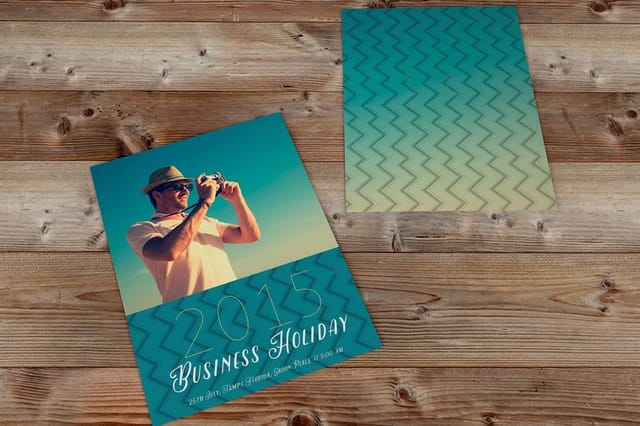
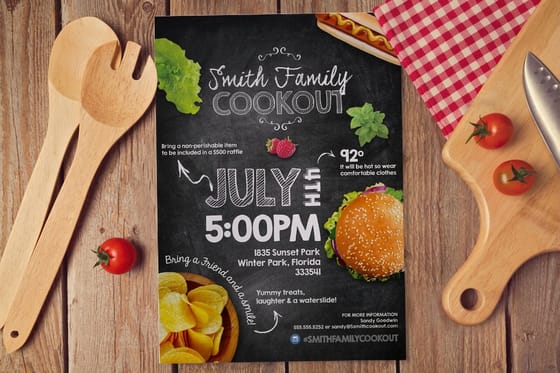
Formats have a discipline built into them, which is why a flyer is a useful thinking exercise even if you never print one. A flyer holds exactly one message, one benefit and one action, because there is nowhere to hide a second idea. Write your first ten pieces to that constraint. If a piece cannot be reduced to a single sentence a stranger would repeat, it is two pieces pretending to be one, and standard flyers at $39.54 are a cheap way to test whether the sentence actually lands with people in a room.
Build the Repurposing Tree Before You Publish Anything
Most beginners research a new topic every single week, which is why week six feels twice as hard as week one. The fix is to separate research from formatting and only pay for research once.
Pick a pillar: one real customer question, answered properly, with the interviews, the numbers and the opinion you actually hold. Everything after that is a reformat of the same notes. The long-form page goes on your site, the FAQ block goes on the relevant product or service page, one clip and one carousel go to social, one issue goes to your email list, and the last one is physical.
| Pillar format | Effort to make | Derivatives it yields | Where it falls down |
|---|---|---|---|
| Written deep dive | Highest, one long session | Guide page, FAQ block, email, carousel, printed brochure | Slow to start, and it needs a real point of view or it reads like everyone else |
| Recorded conversation | Low to make, high to edit | Transcript, clips, quote cards, newsletter | The transcript is not an article, and pretending otherwise produces waffle |
| Teardown of real work | Medium, needs permission | Before and after images, case notes, sales leave-behind | You need clients willing to be named, which takes time to earn |
| Answer to one question | Lowest | Post, FAQ entry, sales email snippet | Too small to rank alone, so it works as a batch or not at all |
Read the last column before the second. Each pillar type fails in a different way, and picking the one whose failure you can live with matters more than picking the one with the most outputs. The written deep dive is the safest first choice for most small teams because the derivatives are cheap and the page keeps working while you sleep.
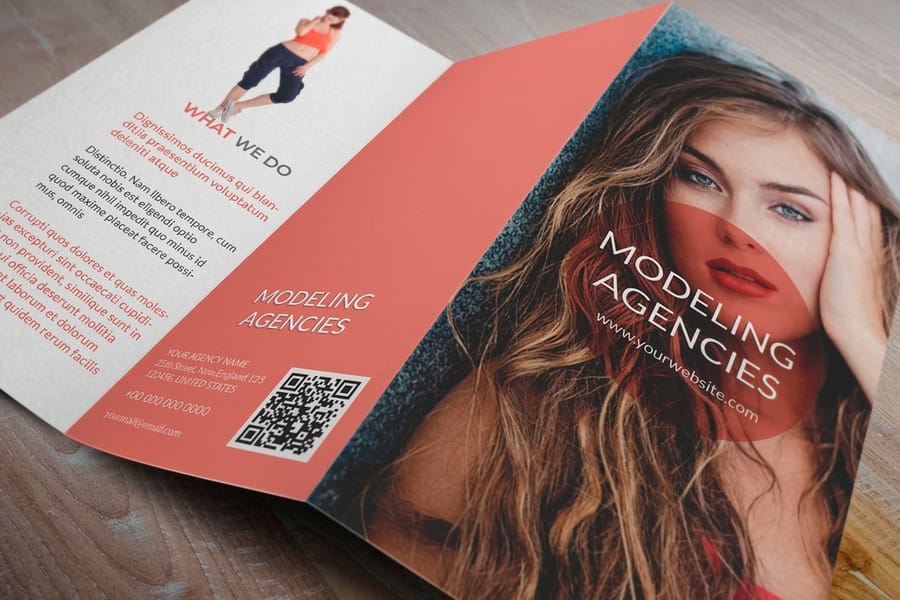
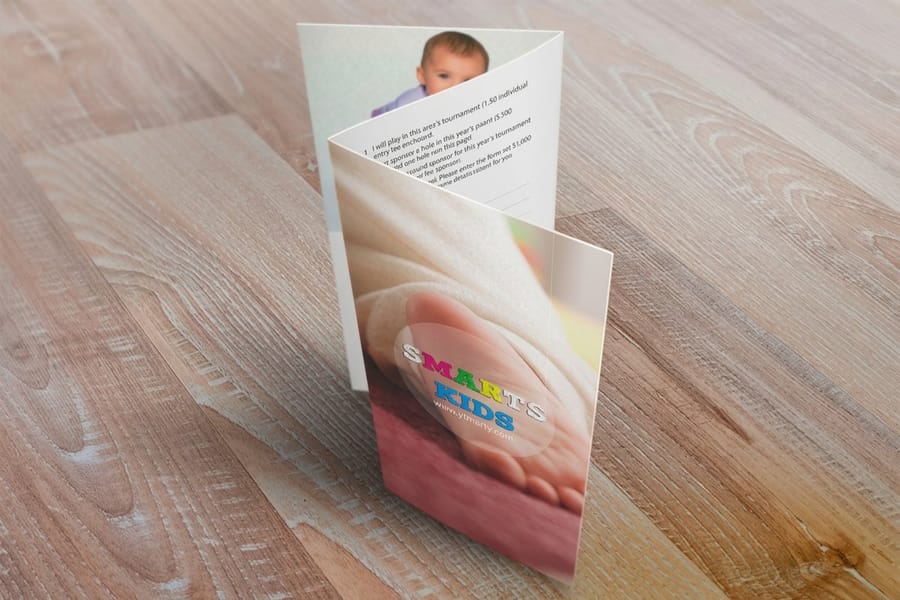
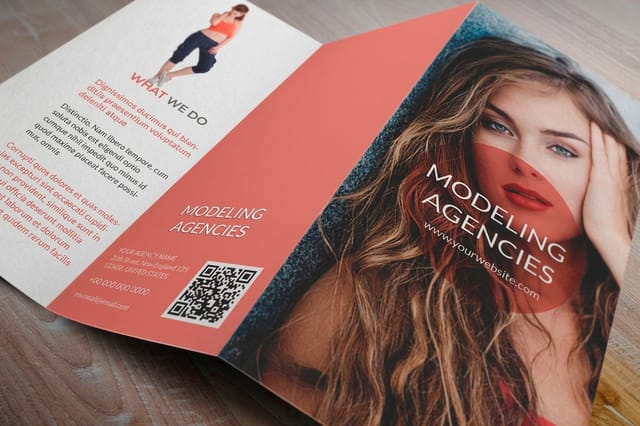
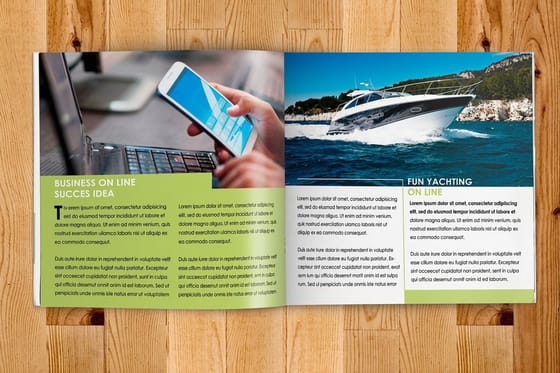
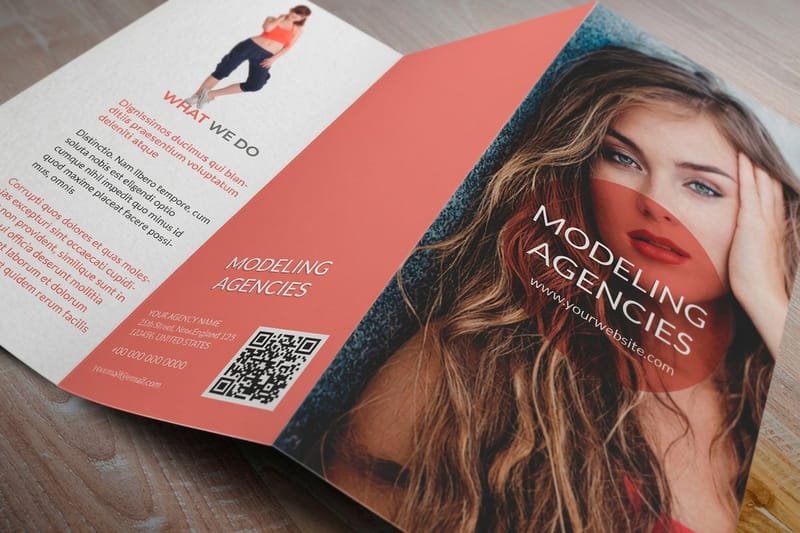
The physical derivative is the one people skip and then wish they had. A three panel brochure from $57.11 is the same pillar, cut down to the three things a buyer needs before a meeting, and it is the piece that stays on a desk after the call ends. Set the panels up correctly the first time with a blank template, or build it in the online designer if you have no designer on hand.
Distribution Is the Job, Publishing Is Only the Trigger

A piece that goes live and gets one social post is not published, it is filed. The hour you spend making something deserves at least the same hour spread across the places it needs to appear.
Give every piece three destinations before you write it. One is search: the page lives on your own site, targets a question people type, and links to the commercial page it supports. One is a place your audience already gathers, which might be a community, a partner newsletter, or somebody else's podcast. One is direct: your email list, a message to five specific people who asked about this exact thing, and a link in the sales follow-up that used to be written from scratch every time.
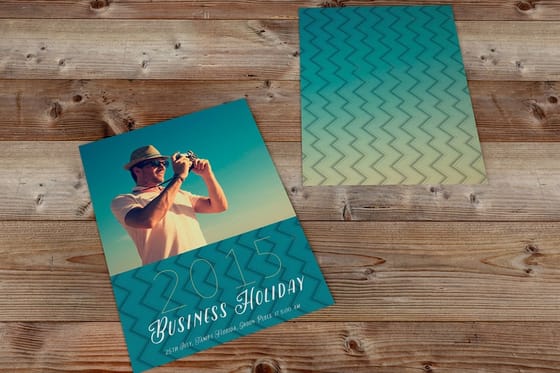
Offline counts as distribution and almost nobody uses it early. Standard postcards start at $16.48 and reach the customer who quietly stopped opening your email eighteen months ago, which is a cheaper audience to win back than a stranger is to acquire. The trade-off is real: a mailer costs money per person where a post costs none, and it cannot be edited after it is sealed. Send it to a list you already own rather than a bought one, and read the comparison of direct mail against digital before you commit a budget.
Link the pieces to each other as you go. Every new page should point at the commercial page it supports, at one sibling piece, and at the hub it belongs to, so a reader who arrives on piece nine can find pieces one through eight. Our full range of printed assets sits under marketing materials, and the postcards category covers the sizes and stocks that survive a mail run.
The Week Everyone Quits, and What to Watch Instead

Somewhere around the sixth or seventh piece, the effort stops feeling free and the numbers still look like nothing. That is the moment most content plans die, and it dies because the wrong dial was being watched.
At zero audience, traffic is noise. A page needs to be found, indexed, linked and compared against sites that have been answering the same question for years, and none of that happens on a schedule that fits a monthly report. Watch the leading signals instead: replies to your email, saves and shares rather than likes, people who read a second piece, and the moment a salesperson starts sending your page to a prospect instead of retyping the explanation. Those move in weeks, and they move before traffic does.
Set one review at week twelve and refuse to hold an earlier verdict. At twelve pieces you can see which topics got a response and which ones you wrote because they felt like content, and that pattern is worth more than any single week of analytics. If you want the measurement side properly laid out, the guide on content marketing analytics and ROI covers what to track and what to ignore, and growth with social proof covers turning early responses into something a stranger can trust.
Then collect it. A year of scattered posts becomes something you can hand over when it is bound: standard booklets from $240.55 turn the archive into an object a prospect keeps on a shelf, and the booklets and catalogs category lists the page counts and binding options. It is the clearest proof that you did the twelve weeks, and it only exists if you did.
Wally explains the content ladder
One pillar, six places, twelve weeks
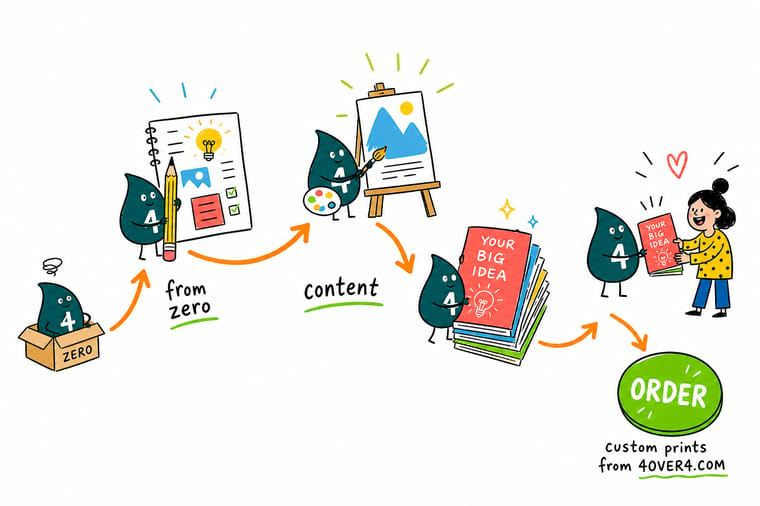
Wally does the hard thinking once. He answers one question a customer actually asked, writes it down properly, and then stops researching. The same notes become a page on his site, an FAQ block, a short clip, a carousel, an email issue and a brochure he can hand to someone across a table. He publishes on the same day every week, spends as long placing each piece as making it, and does not check his traffic until week twelve. Week two takes half the time of week one, and that is the whole trick.
Order brochures for your content plan →Specs and pricing
The printed pieces, sizes and starting prices
The physical half of the plan, with live configuration choices and starting prices straight from the 4OVER4.COM configurator.



Print it
Give your content something people can hold

Explore more
Where to go next

By the numbers
The printing partner behind the plan
Common Questions
Your first content questions, answered
How often should I publish when I am starting from zero?
Once a week, on a fixed day, for twelve weeks. That is enough to build a habit and enough material to see a pattern, and it is slow enough that one bad week does not end the project. Daily posting sounds better and almost always collapses, because the first month runs on enthusiasm and the second one has to run on process. If a weekly piece is still too much, go fortnightly rather than dropping to nothing. The schedule you keep is the only one that counts.
How long before content actually brings in leads?
Longer than most people budget for, and the honest answer depends on where your buyers already are. Search-led content is slow because a new site has no history, so plan on months rather than weeks and treat anything earlier as luck. Content placed where your audience already gathers, such as a community, a newsletter you guest on, or an industry event where you hand something over, moves faster because you skipped the discovery problem. The mistake is judging a search strategy on a four-week timeline and quitting right before it starts to work.
Should I use AI to write the drafts?
Use it for the parts nobody reads for pleasure: outlines, alternative headlines, reformatting a long piece into a short one, cleaning up a transcript. Do not use it for the part that makes the piece worth reading, which is the specific thing you know and nobody else has written down. A draft that could have been written by someone who never did the work reads exactly like one, and it is the fastest way to publish twelve pieces that nobody remembers. Our guide on how to humanize AI copy covers the edit pass in detail.
Do I still need a blog if I have social media?
You need something you own, and a blog is the cheapest version of it. Social platforms decide who sees your work and change that decision without telling you, so a following there is rented. A page on your own site keeps ranking, keeps getting linked, and can be sent to one person as a link in a sales email two years later. Run both: the social post earns the attention, the owned page holds it.
What is worth printing when most content is digital?
Anything that has to survive a handshake, a mailbox, or a meeting room. A brochure gives a prospect something to take away and show to the person who actually signs; Standard Brochures start at $57.11. A postcard reaches a lapsed customer who stopped opening email, and Standard Postcards start at $16.48. A booklet turns a year of scattered posts into one object with weight, from $240.55. Print is a bad fit for anything you will update next month, and a very good fit for the pieces you already know are correct.
How do I find topics once the obvious ten are gone?
Stop inventing and start recording. Every question a customer asks on a call is a topic, and the ones they ask twice are the good ones. So are the objections you answer in email, the mistakes you watch people make with your product, and the decisions you had to research for yourself last quarter. Keep a running file and add to it the same day the question is asked, because the specific wording the customer used is the part you will forget and the part that makes the piece findable.
Get Started
50 brochures cost $57.11, one pillar reformatted
Turn the pillar you already wrote into a brochure for meetings, a postcard for the customers who went quiet, and a booklet that collects the year.
Legal Disclaimer
Gold Standard guarantees apply to all standard orders placed through 4over4.com. Price match requires verifiable proof of a competitor's published price for an equivalent product with matching specifications and turnaround time. Satisfaction guarantee covers manufacturing defects and print quality issues. Contact support with order number and documentation. On-time delivery rate based on tracked orders 1999 to 2026. Individual results may vary based on shipping carrier performance.
