
The Complete Paper Weight and Thickness Chart


Weight and thickness are not the same thing, and the same pound number can mean a flimsy flyer or a rigid card. Here is the whole system explained, with a conversion chart across text, cover, points, and gsm.
Weight is how heavy a stock is; thickness is how thick a single sheet is. Text and cover pounds use different basis sizes, so read the number in context. GSM compares every stock fairly, and points measure thickness directly, where 14 pt equals 0.014 inches. Match the weight to your product using the chart, then feel a sample before ordering a full run.
Start here
Paper weight and thickness in one paragraph
Weight measures how heavy a stock is; thickness measures how thick one sheet is. US weights are quoted in pounds, but text and cover use different basis sizes, so an 80 lb text is thin and an 80 lb cover is a sturdy card. GSM puts every stock on one scale, and points measure thickness directly at a thousandth of an inch each. Match the weight to your product, then confirm with a sample. The chart below makes it fast.
Why paper weight confuses almost everyone
Few parts of ordering print trip people up like paper weight. You see numbers like 80 lb, 100 lb, 14 pt, and gsm thrown around, and the same pound figure can mean a flimsy flyer in one context and a rigid card in another. The result is a costly and common mistake: ordering a stock that turns out thinner or thicker than you pictured, then reprinting the whole job.
The confusion has a simple root. Weight and thickness are two different measurements, and weight itself is quoted on more than one scale. Once you understand those two ideas, the whole system clicks into place and the chart becomes a tool you can read instantly. This guide separates weight from thickness, explains every scale you will see, and gives you a conversion chart that pairs each common stock with its gsm, its thickness, and the products it suits.
The surest way to avoid a wrong-stock order is to combine the chart with a sample in hand. Shortlist a weight here, then feel it before you commit. When you are ready to order, our standard business cards and other products let you pick the exact stock and see it priced live.
Weight versus thickness: the core difference
Start with the distinction that fixes most of the confusion. Paper weight measures how heavy a stock is, while thickness measures how thick a single sheet actually is. They usually rise together, because a heavier paper is generally thicker, but they are separate properties measured in separate ways, and they are not interchangeable.
Why does the difference matter in practice? Because two stocks can share a weight yet feel different in thickness, depending on how the paper is made, compressed, and coated. A tightly compressed sheet can be heavier but thinner than a bulkier one. So if what you care about is how firm and substantial a card feels in the hand, thickness is your measure. If you care about heft and the sense of quality that comes with mass, weight is closer to what you want.
The good news is that for most everyday decisions the two track closely enough that you can use either, as long as you read the number in the right context. The next sections explain exactly how each is measured so the chart makes complete sense.
How paper weight is measured

Paper weight in the United States is quoted as basis weight in pounds, and this is where the famous confusion lives. Basis weight is the weight of 500 sheets of a paper at that paper type's standard basis size. The catch is that different paper categories have different basis sizes, so the pound number is only meaningful once you know the category. That is why an 80 lb text is a thin, foldable sheet while an 80 lb cover is a sturdy card: they are weighed at different reference sizes.
The two categories you meet most often are text weights, used for flyers, brochure bodies, and inside pages, and cover weights, used for postcards, covers, and cards. A pound number in the text family is always lighter than the same pound number in the cover family. This single fact clears up most misreadings of a spec sheet.
To compare fairly across categories, professionals use grams per square meter, or gsm, which measures the weight of a one-square-meter sheet and puts every stock on the same footing. Whenever two papers are quoted on different scales, convert both to gsm, and the comparison becomes honest. The chart below lists gsm alongside every stock for exactly this reason.
How paper thickness is measured
Thickness is measured more directly than weight, which is why cards are usually sold by thickness rather than pounds. The common unit is the point, where one point equals one thousandth of an inch. So a 14 pt card is 0.014 inches thick, a 16 pt card is 0.016 inches, and an 18 pt card is 0.018 inches. The higher the point number, the thicker and firmer the card feels in the hand.
You will also see thickness described in mils, which is the same as points, and measured with a caliper, the tool a printer uses to check the actual thickness of a sheet. Because thickness is a physical measurement of a single sheet, it describes how a card behaves better than weight does: how stiff it is, how it snaps, and how substantial it feels between your fingers.
For anything held and handled, like a business card, points are the number to watch. A 14 pt card is the familiar standard, 16 pt is a noticeable upgrade, and 18 pt and above read as distinctly luxe. Our business card thickness chart zooms in on this range specifically.
The paper weight and thickness chart

Here is where everything comes together. The chart in the reference band below lines up the common stocks you will actually choose from, pairing each pound or point figure with its approximate gsm and the products it suits. Read it by first finding the category your product uses, text or cover pounds for flat and folded paper and points for cards, then compare using the gsm column as the shared reference.
A quick way to use it: locate your product type, note the sensible weight range for it, and then decide whether to move heavier for a more premium feel or lighter for cost and foldability. The gsm figures let you sanity-check any stock a supplier quotes you against what you see here, so you are never guessing whether a number means thick or thin.
Keep in mind the gsm values are close approximations, because exact conversions vary slightly by manufacturer and coating. For a decision that matters, treat the chart as the shortlist and confirm with a printed sample. Every stock in the chart is available across our products, from cards to flyers to folders.
The main stock types you will meet
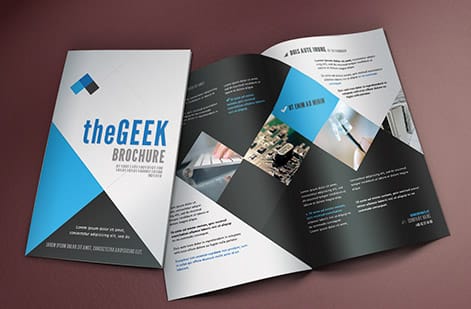
Beyond the numbers, it helps to know the families of stock the weights belong to. Text stocks are the lighter, foldable papers used for flyers, brochure bodies, letterhead, and the inside pages of booklets. They are economical, print well, and fold cleanly, which is why they dominate high-volume marketing pieces and multi-page work.
Cover stocks and cardstock are the heavier, rigid papers used where a piece needs to stand up on its own: postcards, business cards, folder covers, door hangers, and tags. These hold their shape, resist bending, and carry finishes like gloss, matte, and soft-touch beautifully. Cardstock is simply the everyday name for these heavier cover-weight papers.
Coatings and finishes then sit on top of any weight, changing the look and feel without changing the fundamental thickness. A gloss coat makes colors pop, a matte coat reads calm and upscale, and soft-touch adds a velvety feel. Our guides on cardstock and its weights and matte versus gloss finishes go deeper on each.
Which weight for which product
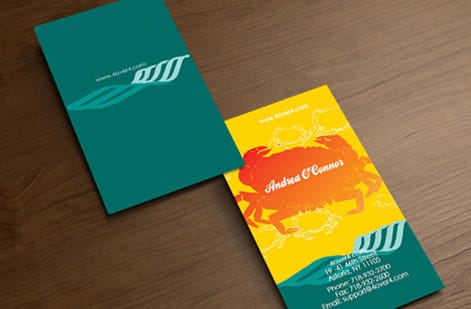
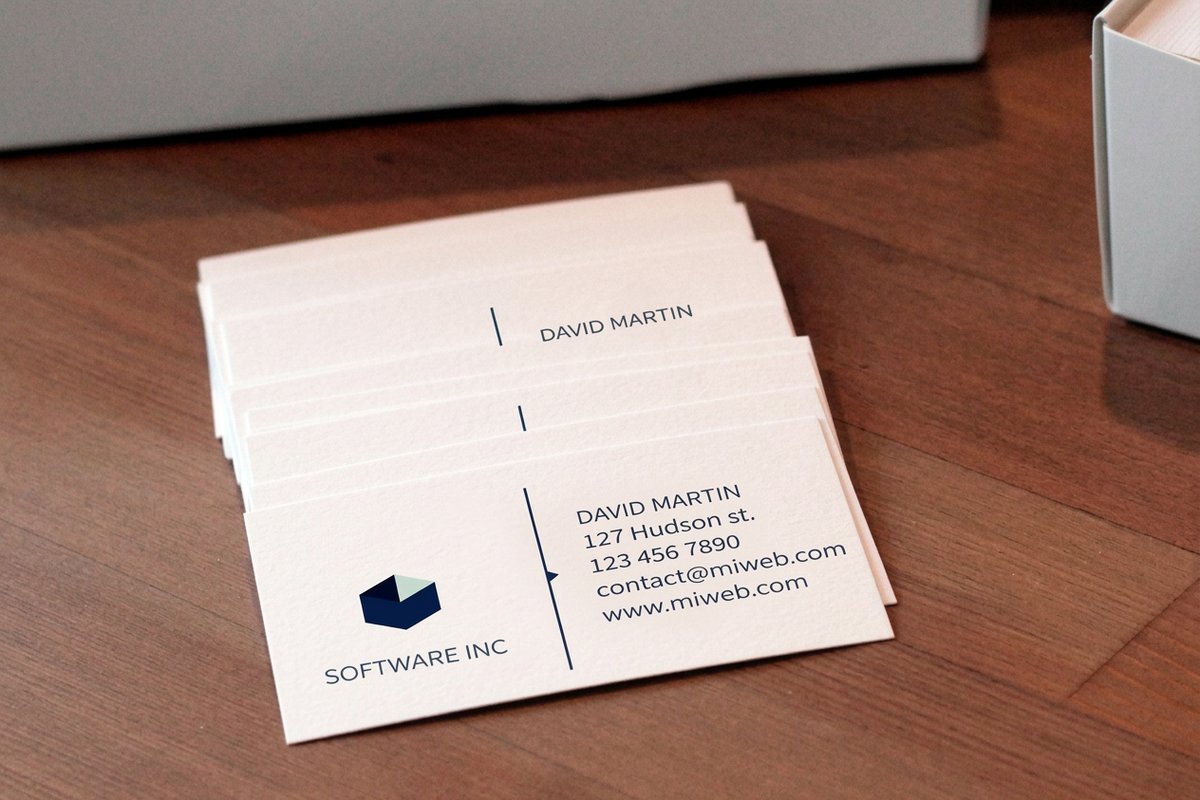
The fastest way to choose is to let the product point you to a range, then fine-tune. Business cards want a firm, snappy card, so 14 pt is the trusted standard and 16 pt or higher is the premium upgrade when you want the card itself to signal quality. Order these as standard business cards and step up the thickness in the configurator if you want more heft.
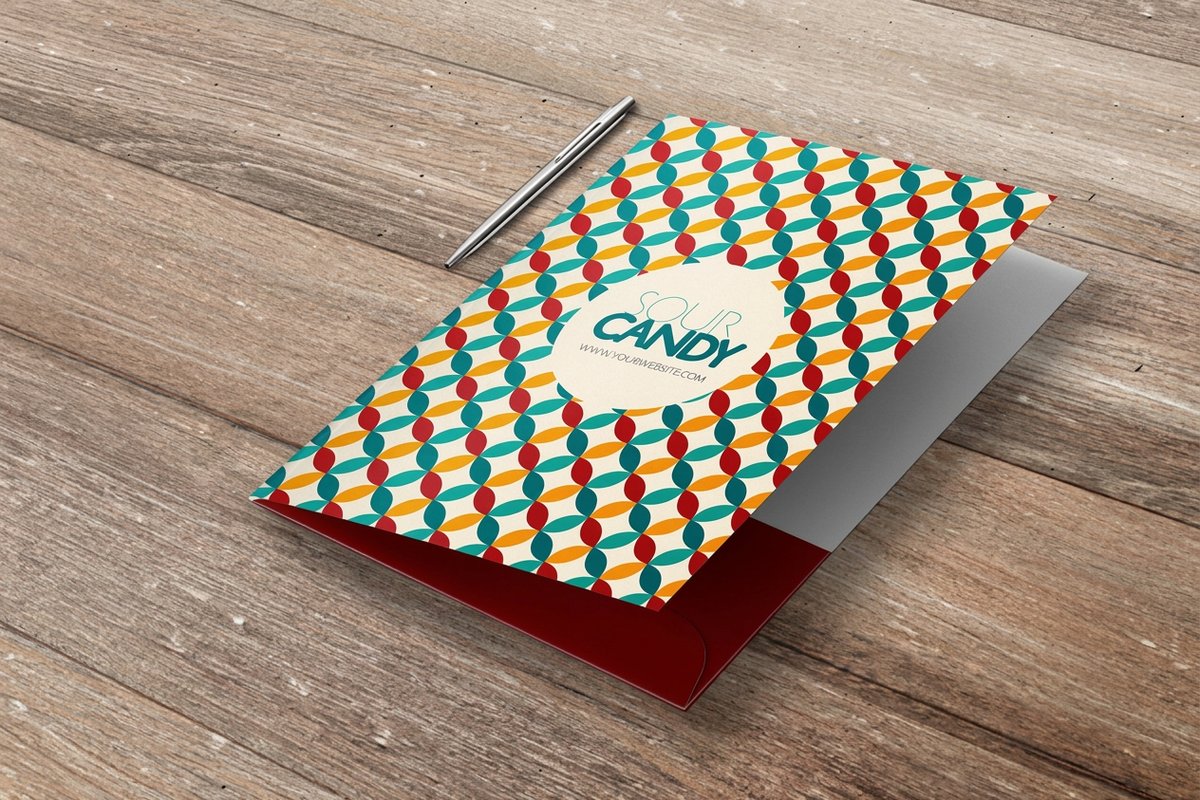
Flyers and handouts belong in text weights, where 80 lb text is the everyday choice and 100 lb text feels noticeably more premium while still folding cleanly. Print these as flyers when you need volume at a sensible cost. Postcards, menus, and covers move up to cover weights like 80 lb or 100 lb cover for rigidity, and folder covers reward a heavier cover stock so the pocket folder holds its shape and protects what is inside.
In every case, the chart narrows it to one or two options and the product's live specs confirm what is available. When feel is critical, do not guess: pull a sample first and commit only once the stock is in your hand.
Feel it before you commit
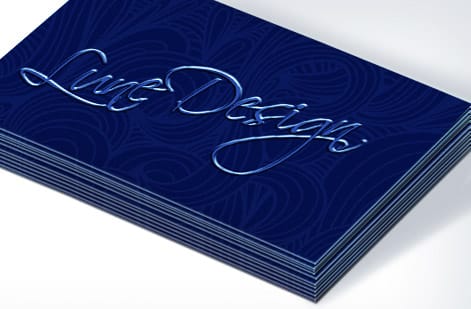
No chart, however complete, fully captures how a stock feels between your fingers. Two papers with the same gsm can carry different textures and stiffness, and the difference between a 14 pt and a 16 pt card is obvious in the hand but easy to underestimate on a spec sheet. That is exactly why a wrong-stock order is so common and so avoidable.
The professional habit is simple: use the chart to shortlist, then order a printed sample of your top choices before committing a large run. Feeling the actual stock, on the actual finish, removes the last uncertainty and saves the far greater cost of reprinting a job on the wrong paper. It is the cheapest insurance in print.
When your stock is chosen, order with confidence: pick the weight in the configurator, watch the price update live, and print your business cards, flyers, or folders on exactly the paper the chart pointed you to. The live specs panel below shows the stocks available for business cards right now.
Wally reads the chart so you order right
Weight, thickness, points, and gsm, untangled
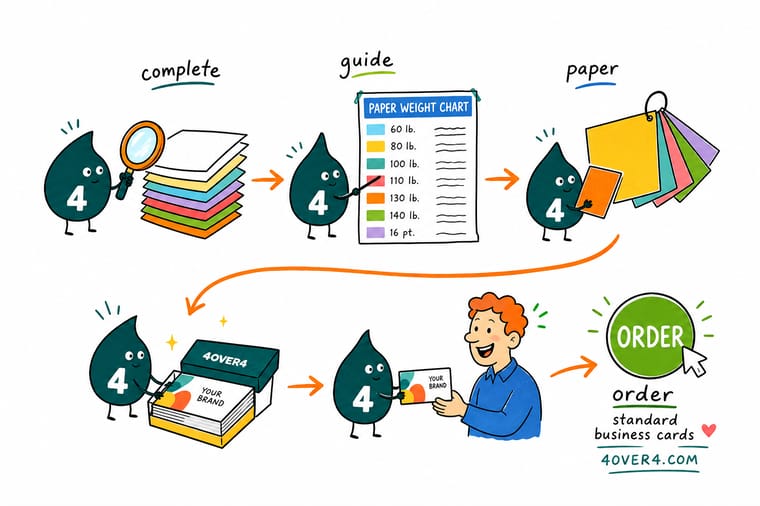
Wally keeps it straight: weight is how heavy a stock is, thickness is how thick one sheet is, and text and cover pounds use different scales. He converts to gsm to compare fairly, reads points as thousandths of an inch, matches the stock to the product, then feels a sample before ordering. No more flimsy-when-you-wanted-rigid surprises.
Pick your stock and print →The chart
Paper weight and thickness conversion chart
Common stocks lined up by weight, approximate gsm, and the products they suit. GSM figures are close approximations that vary slightly by manufacturer and coating.
| Stock and approx. gsm | Feel | Thickness and typical use |
|---|---|---|
| 80 lb text (about 118 gsm) | Light and foldable | Standard flyer and inside-page weight. Bends easily, good for volume handouts and multi-page pieces. |
| 100 lb text (about 148 gsm) | Substantial flyer | A heavier flyer and brochure stock that feels premium in the hand while still folding cleanly. |
| 80 lb cover (about 216 gsm) | Sturdy card | Rigid enough for postcards, covers, and door hangers. Holds its shape and resists bending. |
| 100 lb cover (about 270 gsm) | Rigid and premium | A thick, high-quality card feel for postcards, menus, and covers that need to make an impression. |
| 14 pt (0.014 in) | Classic business card | The standard business-card thickness. Firm, snappy, and familiar in the hand. |
| 16 pt (0.016 in) | Premium business card | Noticeably thicker and more substantial, a common upgrade for cards meant to feel high-end. |
| 18 pt and up (0.018 in+) | Luxe and durable | Ultra-thick cards and rigid pieces where heft itself signals quality and the card resists wear. |
Step by step
Pick the right paper weight in 6 steps
- Identify what you are printing The product decides the sensible weight range. A flyer, a brochure cover, and a business card each live in a different part of the chart.
- Know which scale applies Flat and folded paper pieces are usually sold in text or cover pounds, while cards are sold in points, so read the number in the right context.
- Convert to gsm to compare fairly When two stocks are quoted on different scales, translate both to gsm so you are comparing them on the same basis rather than guessing.
- Decide how the piece should feel Heavier reads as more premium and durable but costs more and folds less easily, so weigh feel against function and budget.
- Check the fold and finish needs Very heavy stock can crack on a fold without scoring, and some finishes suit certain weights better, so confirm the stock supports your design.
- Order a sample before the full run Use the chart to shortlist, then feel a printed sample in hand so you never commit a large order to the wrong stock.
Specs and pricing
Business card stock specs and live pricing
See the paper weights and thicknesses available and how each changes the price. Here are the live specs and price-per-unit for standard business cards at 4OVER4.COM, straight from the configurator.
| Quantity | Price Per Unit | Total |
|---|---|---|
| 100 | 17.6¢ | $17.57 |
| 200 | 11.5¢ | $23.07 |
| 300 | 9.15¢ | $27.46 |
| 400 | 7.96¢ | $31.86 |
| 500 | 7.25¢ | $36.26 |
| 600 | 6.77¢ | $40.64 |
| 700 | 6.43¢ | $45.04 |
| 800 | 6.18¢ | $49.43 |
Print it
Order on exactly the right stock at 4OVER4

See it in use
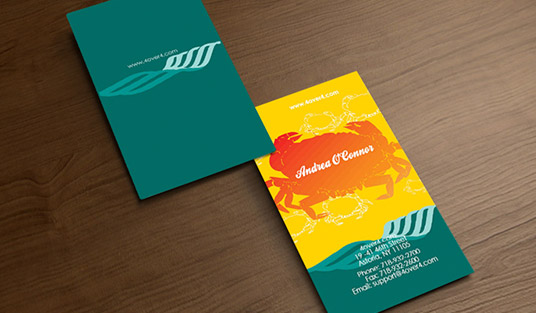
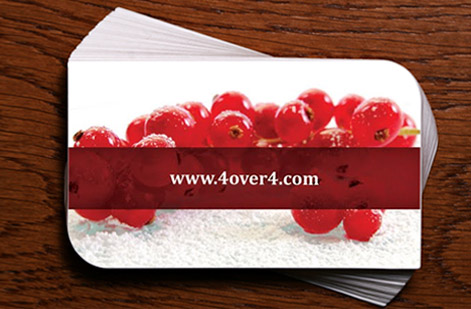
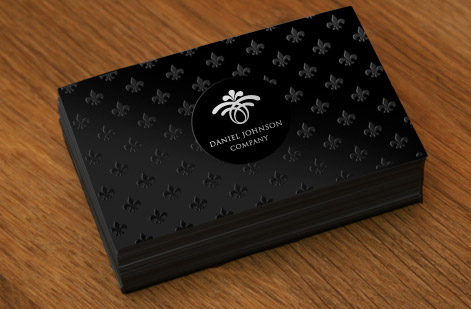
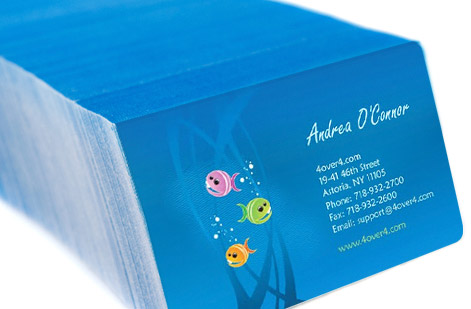
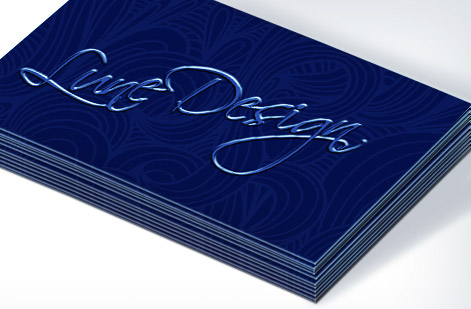
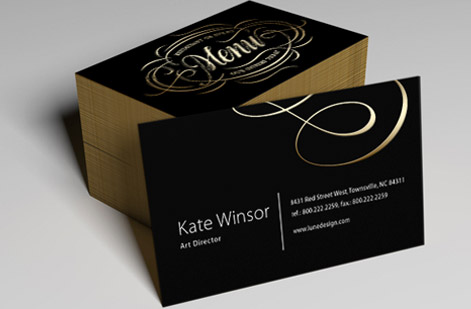
Real print on real stocks, produced in-house
Explore more
Where to go next






By the numbers
60+ paper stocks you can count on at 4OVER4
Common Questions
Common questions about paper weight and thickness
What is the difference between paper weight and thickness?
Paper weight is how heavy a stock is, measured across a standard number of sheets at a standard size, while thickness is how thick a single sheet actually is. The two usually move together, since a heavier paper is generally thicker, but they are measured separately and are not interchangeable. Two papers can share a weight yet feel different in thickness because of how they are made and coated. This is why professionals lean on grams per square meter to compare weight fairly and on points or calipers to describe thickness directly.
How are paper thickness and weight measured?
Weight is measured as basis weight in pounds, based on the weight of 500 sheets at that paper type’s standard basis size, which is why an 80 lb text and an 80 lb cover differ so much: their basis sizes are different. Grams per square meter, or gsm, measures the weight of a one-square-meter sheet and compares every stock on the same footing. Thickness is measured in points, where one point equals one thousandth of an inch, so 14 pt is 0.014 inches, or in mils and calipers. Cards are typically sold by points, flat papers by pounds or gsm.
How thick is 14pt paper?
14 pt paper is 0.014 inches thick, because one point is one thousandth of an inch. In metric that is about 0.36 mm. It is the classic business card caliper: firm, snappy, and the thickness most people picture when they think of a professional card. Step up to 16 pt, 0.016 inches or about 0.41 mm, for a card that feels noticeably more substantial, and 18 pt and up, 0.018 inches or about 0.46 mm, when you want the heft itself to signal quality.
Is 100 lb cover the same as 14pt?
No, and mixing the two is the most common stock mistake. 100 lb cover is a weight, roughly 270 gsm, taken from 500 sheets at the cover basis size. 14 pt is a thickness, 0.014 inches of caliper measured with a gauge. They sit close enough in feel that they get quoted against each other, but two 100 lb covers from different mills can measure different calipers depending on how much the sheet is bulked and coated. If the piece has to hit an exact thickness, ask for the caliper in points. If it has to hit a mailing weight, ask for the gsm.
What is a paper weight chart and how do I read it?
A paper weight chart lines up common stocks by their weight and thickness so you can see, at a glance, how an 80 lb text compares to a 100 lb cover or a 14 pt card. Read it by first finding the category your product uses, text or cover pounds for flat and folded paper and points for cards, then compare within and across categories using the gsm column as the common reference. The chart on this page pairs each stock with its approximate gsm, its thickness where relevant, and the products it suits, so you can shortlist the right weight quickly.
How do I choose the right paper weight for my project?
Start from the product, which sets a sensible range: flyers and inside pages sit in text weights, postcards and covers in cover weights, and business cards in points. Then decide how the piece should feel, since heavier stock reads as more premium and durable but costs more and folds less easily. Check practical constraints too, because very heavy stock can crack on a fold without scoring and some finishes pair better with certain weights. Finally, order a printed sample so you can feel the exact stock before committing a full run.
What does paper stock choice cost, and how are prices set?
Stock is one of the main levers in a print quote. Heavier and specialty papers cost more per sheet than lighter standard stocks, so moving from a text weight to a thick cover or a premium point card raises the unit price. Quantity, size, and finish factor in alongside stock. You choose the exact paper in the configurator and the price updates live as you switch weights, so you can see precisely what upgrading to a heavier stock costs before you commit. Ordering a sample first helps you spend on the right stock rather than reprinting.
Get Started
Know the weight. Order the right stock.
Use the chart to shortlist, then print your business cards, flyers, or folders on exactly the right paper at 4OVER4.COM. Switch weights and watch the price update live.
Legal Disclaimer
Gold Standard guarantees apply to all standard orders placed through 4over4.com. Price match requires verifiable proof of a competitor's published price for an equivalent product with matching specifications and turnaround time. Satisfaction guarantee covers manufacturing defects and print quality issues. Contact support with order number and documentation. On-time delivery rate based on tracked orders 1999 to 2026. Individual results may vary based on shipping carrier performance.
