
Church Marketing Basics That Fill Seats and Grow Your Congregation


The practical version: what to fix online, which outreach events bring neighbors rather than other churchgoers, and the print that carries an invitation from the street to the seat.
Marketing a church is the work of making it easy for a neighbor to find your service time, understand what happens inside, and walk in without feeling out of place. Four things do most of it: a Google Business Profile with the service times entered as hours, a readable sign or banner at the street, a print piece the surrounding blocks actually receive, and a follow up in the week after a first visit. Spend on those before anything else.
Quick answer
One funnel, four stages, a different piece at each one
Growth comes from removing friction at four separate points, and each point needs its own piece. Reach is door hangers and mailed postcards. Notice is a street banner and yard signs. The first visit is a welcome card that names one next step. The return is a follow up inside seven days, usually with a card or a ticket for the next event. Budget them separately, because a banner cannot do reach and a mailer cannot do welcome.
Why Church Marketing Is Mostly Removing Friction
Ask anyone in a congregation how they first walked in and the answer is almost always a person, not an advertisement. That is the thing to design around. Marketing a church is not persuasion work, it is the job of making an invitation easy to hand over and easy to act on.
A first-time visitor checks three things before deciding: what time the service starts, where to park, and what other people will be wearing. If any of those takes more than a few seconds to find, the visit does not happen and nobody tells you why. Church websites fail this constantly by putting the service time inside a hero image, which no search engine and no screen reader can read.
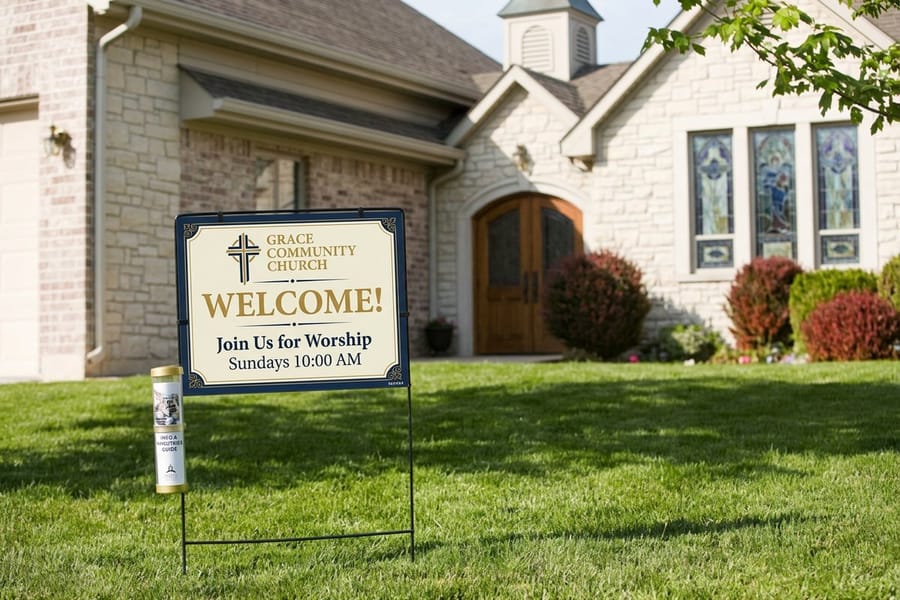
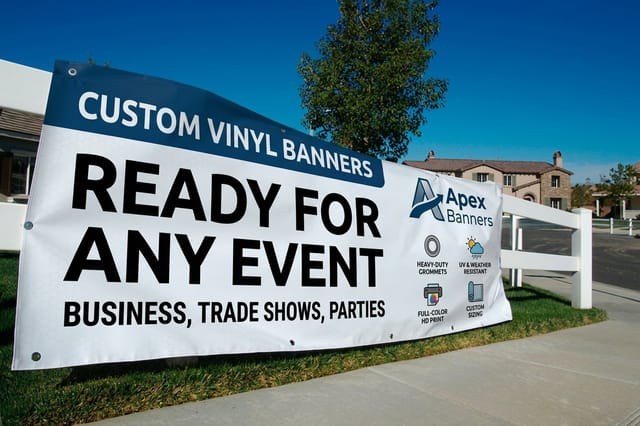
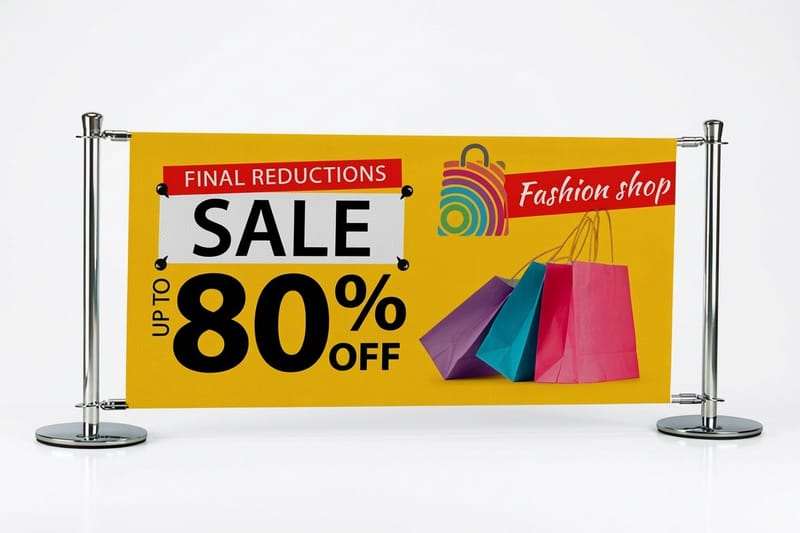
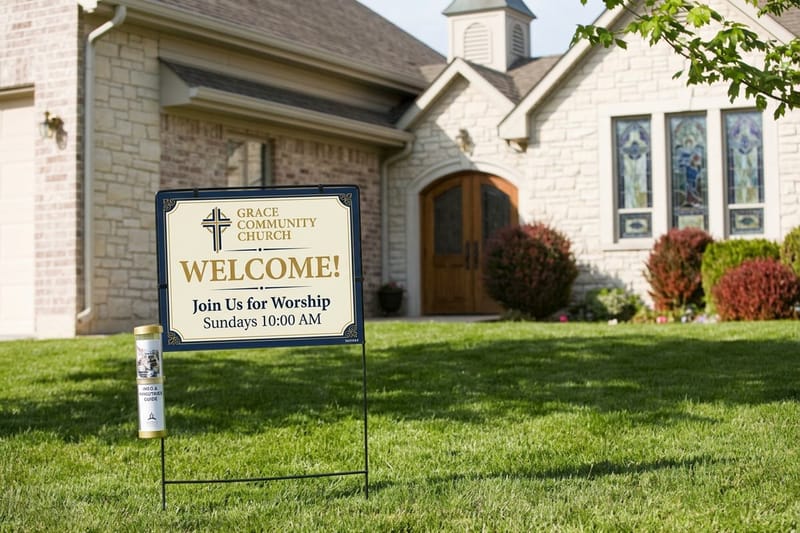
The second friction point is the arrival. A building with no sign, an unmarked side entrance and a parking lot with no direction is a wall for someone who came alone. Print solves this cheaply. A church sign or a vinyl banner at the street, plus two yard signs pointing at the door, cost less than one boosted social post and they work on the person already circling the block.
Everything below follows that order: know who is actually within reach, give them a reason that is worth leaving the house for, then print the pieces that carry the invitation through each stage. The rest of our marketing strategy guides apply the same sequence to other kinds of organizations.
Know Your Community Before You Print Anything
Put the building on a map and draw the ten minute drive around it. In a walkable city, draw the ten minute walk instead. That shape, not the ZIP code, is your congregation's realistic reach, and almost every wasted mailing happens because someone bought a whole ZIP that stretched well past it.
Then look at what is inside the shape. Apartment blocks and a university mean young renters who move every two years and will never see a mailed piece addressed to a previous tenant. Streets of single family homes with school buses mean families whose calendar is set by the school district. Direct mail lets you buy carrier routes one at a time, so you can trace the routes that fall inside your circle rather than blanketing everything.
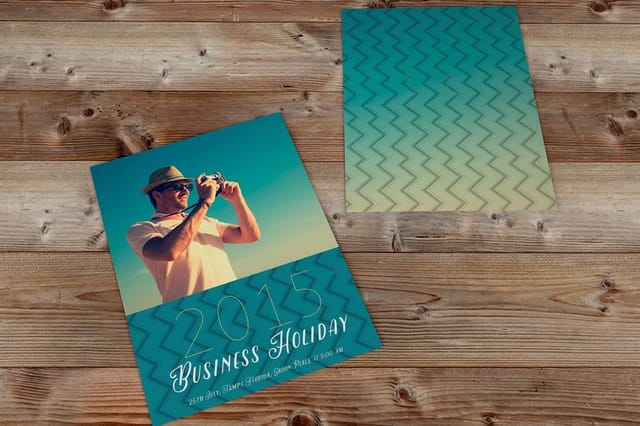
Language does more work than design here. A piece that says "join us for worship" is invisible, because it describes the institution. A piece that names the actual thing happening, the Thursday community dinner, the backpack giveaway on the 17th, the grief group that starts in October, gives a neighbor a reason and a date. Standard postcards start at $16.48, which makes it cheap to run a different card for each event rather than one card that tries to cover the year.
If you already send a printed update to members, that same list is the least expensive outreach you own, because members forward what they are proud of. Our guide on newsletters for direct mail covers the format and the mailing side, and church newsletters are set up for exactly that job.
Outreach Events That Actually Bring Neighbors
The events that bring people who are not already churchgoers are the ones that solve something or feed someone. A free community meal, a back-to-school supply day, a coat drive, a repair afternoon, a grief or recovery group, a trunk or treat in the parking lot. Each of these gives a stranger a reason to be on your property that does not require them to commit to anything.
The event that reliably does not work is the concert. A good concert fills the room with members of other churches who drove past four congregations to get there, and your neighbors still have not met you. If you want a musical event to do outreach, tie it to something local: the high school choir, a neighborhood association, a food drive with a named recipient.
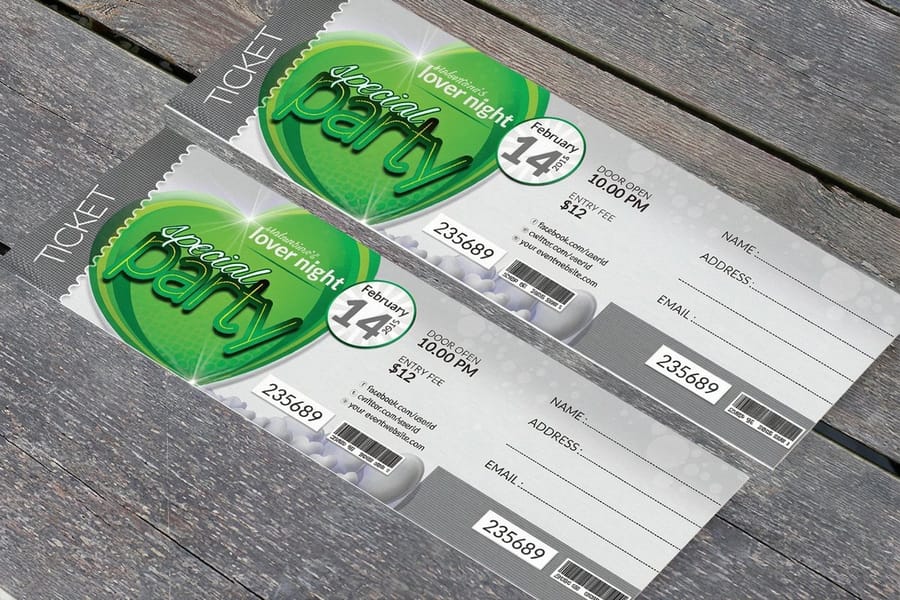
Ticket free events anyway. Event tickets start at $25.27 and they buy you two things a sign-up sheet cannot: a headcount for the kitchen, and a physical object a member can hand to a neighbor. A ticket in a hand is a stronger invitation than a link in a text, because handing it over requires a conversation.
Two weeks before the date, put yard signs at the corners nearest the building and in the yards of members who live on busy streets. Yard signs start at $25 and they are the cheapest way to reach the people who already drive past you daily and have never registered what the building is.
The Print Pieces That Fill Seats, and What Each One Costs

Five pieces cover almost every church outreach need. They are not interchangeable, and buying the wrong one for the job is the most common way a print budget disappears without a result.
| Piece | The job it does | Where it lives | Starts at |
|---|---|---|---|
| Vinyl banner | Tells passing traffic what the building is and when the service is. | Street frontage, fence, building face, event tables. | $79 |
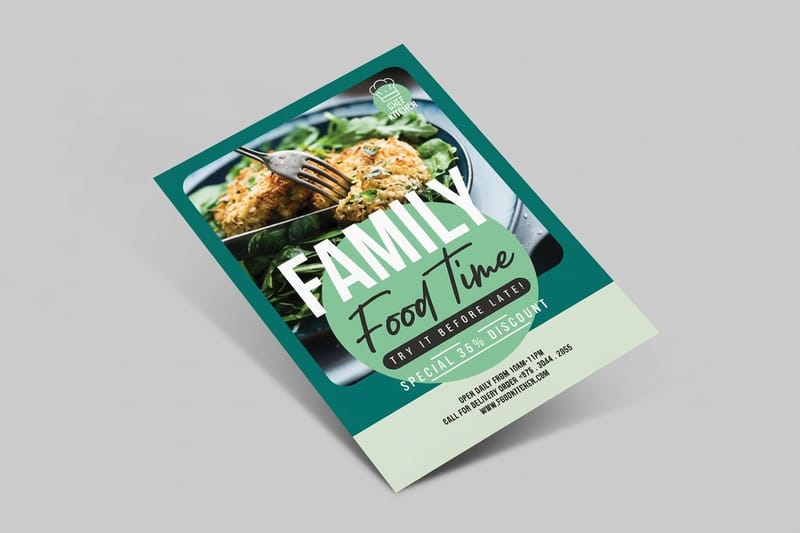
| Flyers | Carries one event with a date, handed out or posted locally. | Community boards, coffee shops, member hands. | $39.54 |
| Postcards | Reaches homes you have no relationship with yet. | Mailed by route or to your own list. | $16.48 |
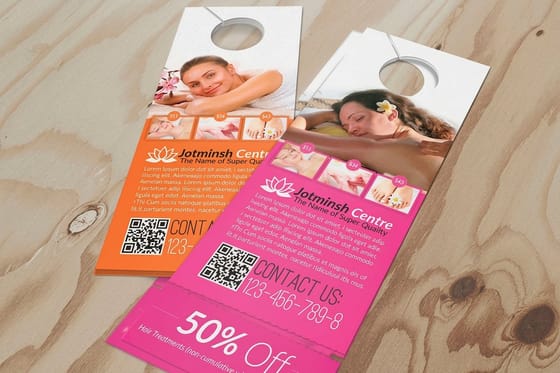
| Door hangers | Puts the invitation at the door without postage. | Door handles on a walked route. | $290.41 |
| Booklets | Holds a program people keep, like Christmas Eve or a wedding. | Handed out at the door of a big service. | $240.55 |
Three limits worth knowing before you order. First, door hangers cost more per run than flyers, and the reason people accept that is postage: a walked route costs nothing to deliver, so on a dense neighborhood the hanger beats the mailer on total cost. Second, a solid vinyl banner on a chain link fence catches wind like a sail and tears out its grommets, so use mesh there and save the solid vinyl for a wall. Third, a bound booklet only earns its price when the piece is a keepsake or runs long. A weekly bulletin is a folded flyer, and printing it as a booklet is money burned every Sunday.
Set the artwork up once and reuse it. Start from a correctly sized layout in our blank template library, check the stock decision against our guide to choosing paper for printed marketing materials, and if the flyer is the piece you are wrestling with, our walkthrough on how to make church flyers has worked examples. Banner dimensions are covered in typical banner sizes. Everything outdoor lives in signs and banners.
The Digital Half, Kept Deliberately Small
Three digital things matter, and a fourth that most churches do first is the one to do last.
- The Google Business Profile. Category set to the right kind of congregation, service times entered as hours so they show up in the listing, and photos of the actual room, the entrance and the parking lot. This is the single highest-leverage item, because a person searching "church near me" on a Sunday morning sees it before your website.
- The homepage, in text. Address and service time as real text near the top, never baked into a background image. One page called what to expect, written for a person who has never been inside a church: how long it lasts, what people wear, where the kids go, whether anyone will single you out.
- A weekly post with a face in it. The meal being served, the volunteers on the roof, the sign-ups on a table. Photos of empty buildings and text-only graphics get no local reach.
The fourth is paid ads, and running them before the first two are correct is how a church pays to send people to a dead end. Fix the listing and the homepage first, then spend, and spend it on the one event you most want strangers at rather than on a general awareness campaign.
The pattern here is the same one that works for any small local organization: get the facts right in the places people already look, then invest in the one moment that matters. Our print marketing plan for a spa works through the same structure for a business with a similar footprint and budget.
A Simple Church Marketing Plan You Can Actually Run
A church year has three or four moments that carry visitors on their own: Christmas, Easter, the start of the school year, and whatever your town does in the summer. Put the effort there and let the rest of the year run on the permanent pieces.
For each of those moments, count backward from the date:
- Four weeks out. Decide the one thing you are inviting people to, write the date and the address, and finish the artwork. One event per piece.
- Two to three weeks out. Print and ship. Mailed pieces need to land two to three weeks ahead, not in the final week, because people plan holidays before the holiday week.
- Two weeks out. Yard signs go up, the banner changes, members start handing out cards and tickets.
- The week after. Follow up with everyone who came. A visit with no follow-up inside seven days is a one-off, no matter how good the service was.
The permanent layer is short: the street sign or banner, the Google listing, the welcome card at the door, a printed piece for members to hand over, and offering envelopes in the pew for the giving side. Reprint the banner when it fades, which on outdoor vinyl in full sun is usually a season or two sooner than you expect.
Budget it the same way. Give each funnel stage its own small line rather than spending everything on one big mailing, because a mailer with nothing waiting at the other end is the most expensive mistake on this page. Browse the full marketing materials shelf when you are ready to price a season, and keep the whole plan on one sheet where the volunteers can see it.
Wally explains church outreach
Four stages, four different pieces
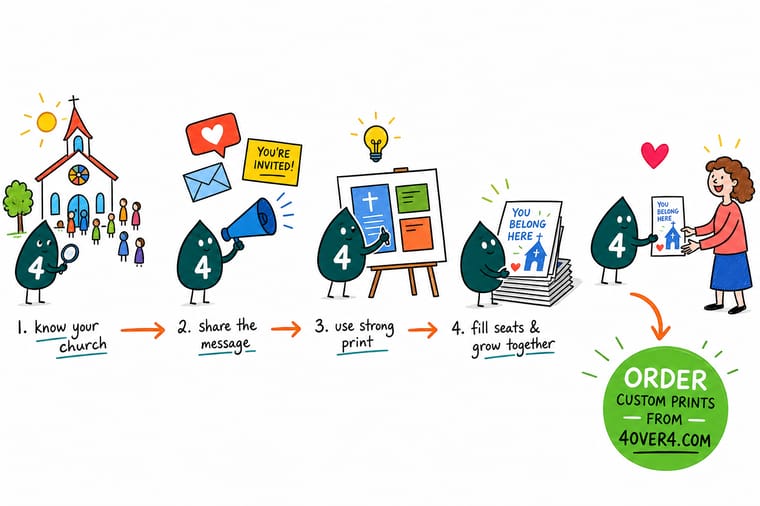
Wally walks the block with door hangers because a flyer in a mailbox is illegal. He hangs the banner at the street so a driver sees the service time from the road, six words and big letters. At the door he hands over a welcome card with exactly one next step on it. Then he follows up inside the week, because a visit with no follow up is a one off. Same neighbor, four pieces, four jobs.
Order a vinyl banner for your building →Specs and pricing
Sizes, options and starting prices for the three core pieces
The banner, the flyer and the postcard cover most of a church year. Configure each one below with live options and starting prices from the 4OVER4.COM configurator.


Print it
Order the pieces that carry the invitation

Explore more
Where to go next




By the numbers
Outreach print you can count on at 4OVER4
Common Questions
Your church marketing questions, answered
Can we put church flyers in mailboxes?
No. A mailbox is reserved for postage-paid USPS mail, and putting anything else inside it is a federal offense that carries a fine. There are two legal routes. Hang the piece on the door handle, which is what door hangers exist for, or mail it as a real mail piece. If the goal is a whole neighborhood rather than a list of names, Every Door Direct Mail lets you buy carrier routes without a mailing list, but the piece has to qualify as a flat, which means it needs to be larger than 6.125 inches tall or 11.5 inches long. A standard 4 by 6 postcard does not qualify.
How big should the banner on the front of the building be?
Size it from the reading distance, not from the wall. The working rule is one inch of letter height for every ten feet of distance, so a driver 100 feet away needs roughly 10 inch letters, which puts you at a 3 by 8 or 4 by 8 foot banner once you allow margins. Keep it to six words. If the banner is going on a chain link fence or an exposed rail, choose mesh rather than solid vinyl, because a solid banner acts as a sail and tears at the grommets in the first real wind.
What should a first-time visitor card actually say?
One next step and nothing else. The card that works says what happens next week, where to park, and one name with a phone number or email. Cards that list six ministries, three service times and a giving link get thrown away, because there is no single thing to do. Print them small enough to live in a wallet and hand them over in person rather than stacking them on a table.
How much should a small church budget for print?
Price the pieces rather than guessing a number. At 4OVER4.COM a vinyl banner starts at $79, flyers start at $39.54, postcards start at $16.48, and door hangers start at $290.41. A church running one seasonal push plus a permanent street banner is looking at a few hundred dollars a year in print, and the bigger cost is usually postage on the mailed piece, not the printing.
Do we need a new logo before we start marketing?
No, and the redesign usually delays the work that matters. Pick two colors and one typeface, use them on the banner, the postcard and the website header, and stay consistent for a year. Consistency across three pieces reads as a real organization. A beautiful new mark that appears on one flyer and nowhere else does not.
How do we tell whether the print worked?
Give each piece one distinct thing to do. Put a different landing page or a different offer on the door hanger than on the mailer, then count what comes back: how many people mention the meal, how many bring the card, how many hit that page. Asking every visitor at the door how they heard about the service takes ten seconds and is more accurate than any tracking you can print onto the piece.
Get Started
Ready to print the pieces for your next season?
Pick the banner for the street, the postcard for the neighborhood and the flyer for the event, and we print them together so the whole push arrives on one delivery.
Legal Disclaimer
Gold Standard guarantees apply to all standard orders placed through 4over4.com. Price match requires verifiable proof of a competitor's published price for an equivalent product with matching specifications and turnaround time. Satisfaction guarantee covers manufacturing defects and print quality issues. Contact support with order number and documentation. On-time delivery rate based on tracked orders 1999 to 2026. Individual results may vary based on shipping carrier performance.
