
Perforation Services for Tear-Off Coupons, Tickets, and Stubs


Tobias is our voice for cutting, binding and large format, built from the knowledge of our production team, with over 20 years in printing.
Tear-off perforation is a tear line, engineered: a row of tiny slits so your reader can pull a coupon, ticket, reply card, or tab off the page clean, while the piece ships as one solid sheet. We run it in-house, right alongside your print.
Perforation is a line of small slits and uncut ties that lets paper tear apart cleanly by hand. It keeps a printed piece whole through the press and the mail, then separates the instant someone pulls along the line. That is what powers tear-off coupons, ticket stubs, reply cards, and remittance stubs. At 4OVER4.COM it is an in-house finishing option, so it fits into the same order as your printing.
Start here
A line of slits and ties that tears clean
Perforation is the finishing step that turns a single printed sheet into a keep-and-return piece, a $15 option on a 50 piece brochure or letterhead run and a fixed line 2 inches from the bottom on door hangers. A precise line of slits and ties holds everything together through printing and mailing, then tears away clean when your reader pulls along the line. Use it for coupons, tickets, reply cards, and remittance stubs. Below you will find the products it pairs with, the file setup that keeps the tear reliable, and live specs so you can see it on real stock.
Pair it with
Products and services perforation works with
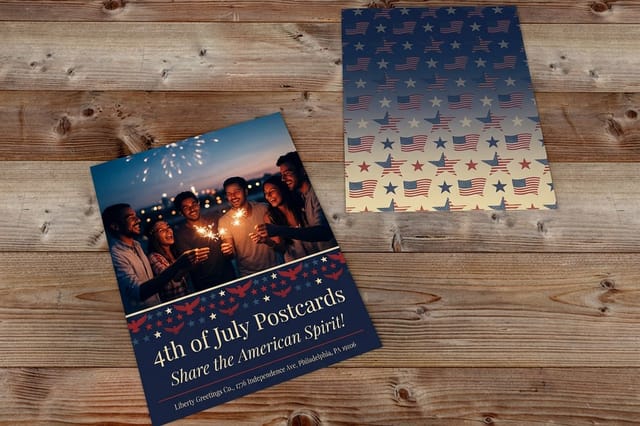
Perforation rarely travels alone. Start with a paper product built to be torn, then layer in the finishing and fulfillment that gets it out the door. On the order pages, perfing is a line item on brochures, letterhead and door hangers; the seasonal flyers, postcards and invitations here start at 50, 50 and 25 pieces.


Tear-off perforation and perforated tabs on a page
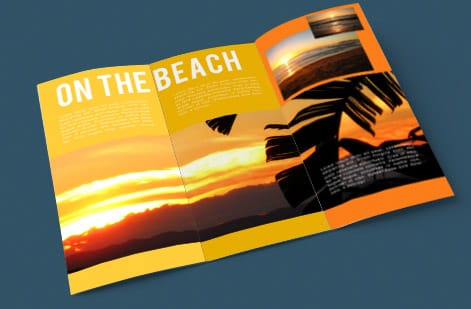
Perforated tabs on a page tear off along a line of slits and ties we cut after printing, so the tab, coupon or reply stub leaves clean and the rest of the page stays whole. On our order pages the tear line is a named option: brochures and letterheads offer perfing for $15 on a 50 piece run, on sheets up to 11 by 25.5 inches for brochures and 8.5 by 11 for letterhead.
Tear-off perforation on a door hanger is fixed in place: the line runs 2 inches from the bottom, so the strip below it can carry a coupon or a phone number the resident keeps. Mark any other tear line in your file and note it with the order, and prepress matches it before the run.
What perforation actually does to a printed piece

Perforation is a finishing step that adds a line of small slits and uncut ties to paper so a piece can be torn apart by hand and stay perfectly clean at the tear. The ties hold everything together through the press, the bindery, and the mail, then give way the instant someone folds and pulls along the line. You already trust it every day, on the stub of a check, the edge of a stamp sheet, or the coupon at the bottom of a menu. On one of our door hangers it is the line 2 inches from the bottom.
Because it is a partial cut rather than a full one, a perforated piece behaves like a single sheet right up until the moment it is meant to come apart. That is what makes it the quiet backbone of any print that needs two lives: one part your reader keeps, and one part that leaves. If you want the exact definition alongside the rest of the vocabulary, our printing terms glossary lays it out plainly.
At 4OVER4.COM, perforation is one of several in-house finishing options, so it slots in next to the rest of your job instead of shipping out to a third party. It pairs well with tactile touches like debossing and, once the pieces are printed and finished, with kitting and fulfillment when you would rather we assemble and ship the whole thing for you.
Why a tear line earns its place on the page

A perforation exists for one reason: to split a printed piece into a part that stays and a part that goes, without anyone reaching for scissors. That single move powers a lot of print, from the 2 inch strip at the foot of a door hanger to a reply stub on an 8.5 by 11 inch letterhead. A flyer with a tear-off coupon becomes an offer the reader can pocket. A ticket keeps a matching stub so the holder has proof after the gate takes its half. A statement lets its remittance stub travel back on its own in the return envelope.
The tear also nudges behavior. A mailer that hands back a small reply card gets more responses than one that asks people to write out their own, because you have removed a step. That is why direct response formats lean on it so heavily, from postcard mailers with a keep-and-return card to invitations that include a tear-off RSVP.
Done well, a perforation is invisible until it is needed. The reader never thinks about the engineering. They just tear along the line, keep what matters to them, and act on what matters to you.
Micro-perf, standard perf, and choosing between them

Perforations are not all the same. The two you will meet most are standard perforation and micro-perforation, and the difference is how big the slits are and how close together they sit. Standard perf uses larger, more widely spaced cuts. It tears easily and is perfectly at home on tickets, stubs, and coupons where a slightly textured torn edge is part of the character.
Micro-perf uses very fine, closely spaced slits that leave a smoother, almost clean edge once torn. Reach for it whenever the piece that tears away is customer-facing, needs to look finished, or carries fine print near the edge. The finer the cut, the tidier the result, at the cost of a tear that is a touch firmer to start.
You also control the line itself: horizontal across a coupon, vertical down the side of a ticket, or a short perf that frees a tab or a corner. Placement and type are decisions you make together with your layout, and if you are weighing options for a specific job, the specs and live pricing further down let you feel out the stock, or order free paper samples before you commit.
How to set up your file for a clean, reliable tear
A good perforation starts in the file, not on the press. Mark where the tear should fall with a clearly labeled line or on its own layer, and note the placement when you place your order so our prepress team can match it exactly. Ambiguity is the enemy: if it is obvious where the perf goes, it lands where you want it.
Keep the important stuff off the line. Text, logos, barcodes, and signatures should sit a comfortable margin away from the tear on both sides, so nothing critical ends up straddling the slits or getting weakened by them. Treat the perforation almost like a second trim edge and give it the same respect you give your bleed and safe zone.
Finally, design both halves to stand alone. The part that stays and the part that leaves each need to make sense on their own after the tear, because they will very often live separate lives. If you would like a second set of eyes before you print, our team can review the placement with you.
Perforation, scoring, and die-cutting: which one you need
Perforation is one of three finishing moves people mix up, and knowing which is which saves a reprint. Perforation partially cuts a line so a piece can be torn apart. Scoring presses a crease so a piece folds cleanly without the surface cracking, which matters a lot on heavier stocks and coated paper. Die-cutting cuts fully through to create a custom shape, a rounded corner, or a window. The brochure order page shows two of them side by side: a half fold, and a perforation line for $15 on a 50 piece run.
Plenty of jobs use more than one. A folded coupon book might be scored where it folds and perforated where each coupon tears free. A hang tag might be die-cut to shape and perforated where the tab detaches. The point is to match the finish to the job: fold, tear, or shape.
Because all three run in-house at 4OVER4.COM, you can combine them on a single order and keep the whole thing on one schedule. When you are ready, the numbers below and the product picks above are the fastest way to see it come together on real stock.
Where it earns its keep
Six jobs a perforation does better than a pair of scissors
The same tear line shows up across very different print: a coupon strip 2 inches up a door hanger, a reply stub on letterhead, a tear-off panel on a brochure. Whenever a piece needs to split into a part your reader keeps and a part that comes back to you, a perforation is usually the answer.
Specs and pricing
See it on real stock, with live pricing
Perforation is a finishing add-on to a printed product, so the fastest way to plan a job is to look at the stock and the live per-unit price. Here is a flyer you can build on and add a tear-off to, straight from the configurator: eight sizes from 4.25 by 5.5 to 11 by 17 inches, from 50 flyers, with 3 business days of production.

| Quantity | Price Per Unit | Total |
|---|---|---|
| 50 | 79.1¢ | $39.54 |
| 100 | 57.1¢ | $57.11 |
| 200 | 37.3¢ | $74.69 |
| 300 | 28.6¢ | $85.68 |
| 400 | 24.4¢ | $97.76 |
| 500 | 21.8¢ | $108.75 |
| 600 | 18.7¢ | $112.03 |
| 700 | 16.5¢ | $115.33 |
Wally explains perforation
A tidy tear starts with a tidy line
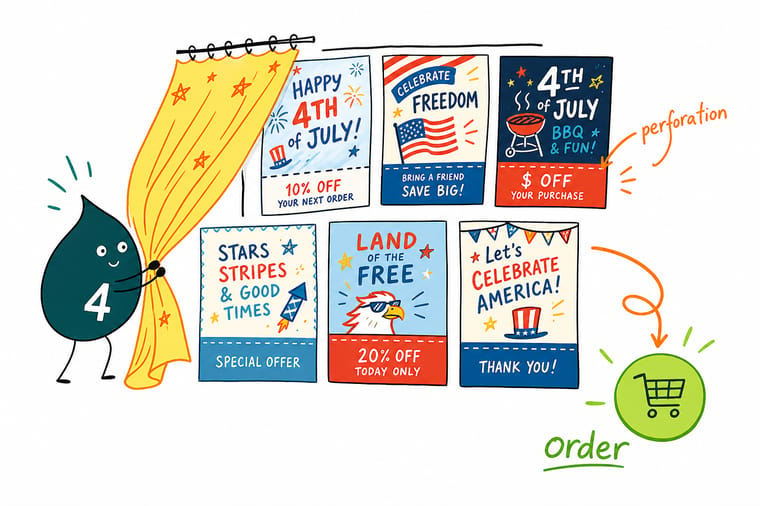
Wally thinks of a perforation as a promise the paper keeps for later. Tiny slits hold hands through printing and the mail, then let go the moment someone pulls along the line. Keep your text and barcodes clear of the tear, decide what stays and what leaves, and let 4OVER4 add the perf in-house with the rest of your finishing so it all ships on one order.
Add perforation to your order →See it in use
Real printed pieces, finished in-house
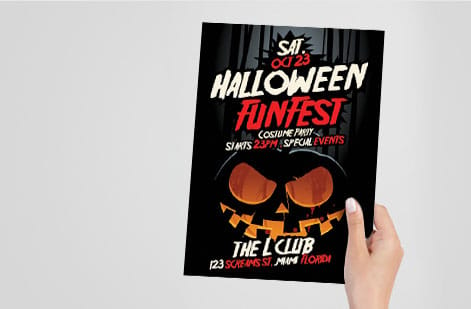
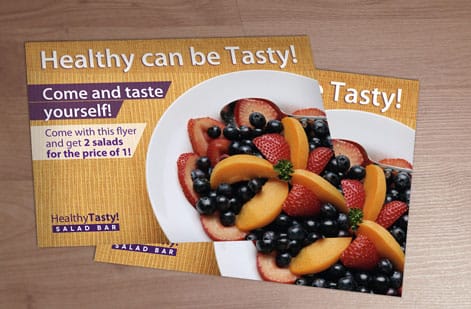
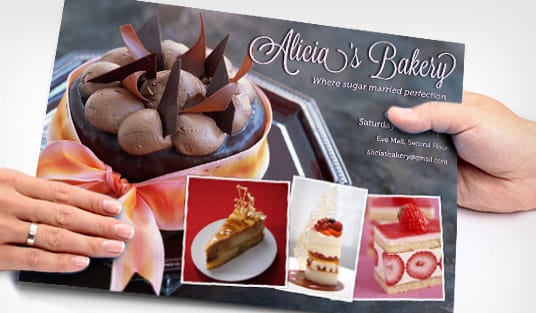
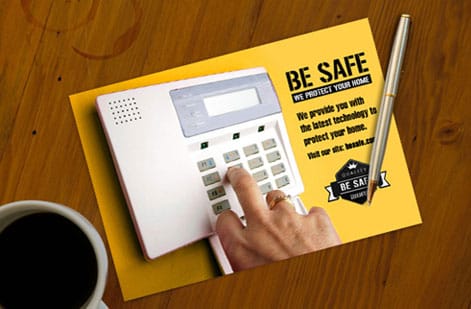
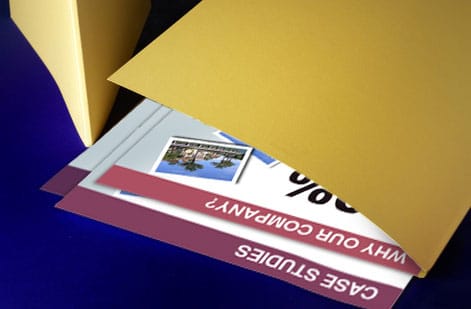
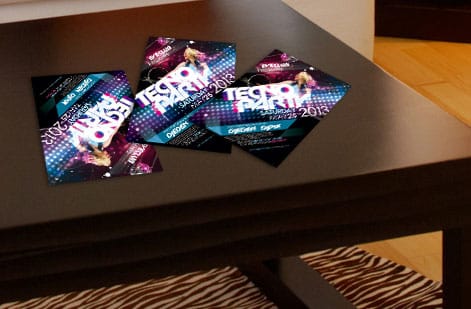
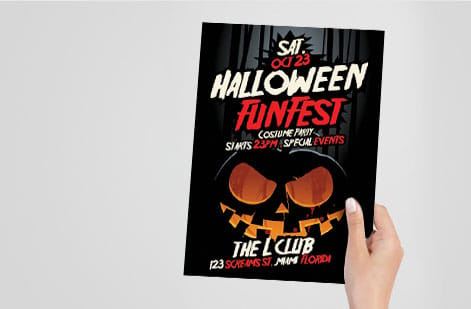
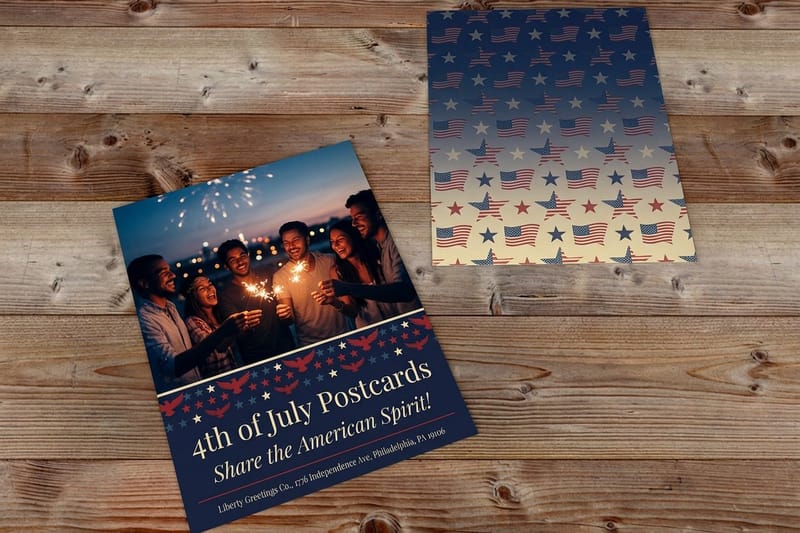
The gallery shows the flyer priced above, printed in sizes from 4.25 by 5.5 to 11 by 17 inches at our Queens facility.




Get Started
Ready to add a clean tear to your next print job?
Bring your coupon, ticket, or mailer to 4OVER4.COM and we will add the perforation in-house, right alongside your printing and finishing. Configure the product and watch the price update live.
Explore more
Where to go next
Six next steps: debossing and kitting to finish the job, postcards for a keep-and-return mailer, then the terms glossary, the printing guides and the FAQs.

By the numbers
Slits and ties cut to tear where you want
Common Questions
Common questions about perforation
What is perforation in printing?
Perforation is a finishing step that puts a line of small slits and uncut ties into paper so a piece can be torn apart cleanly by hand. The tie points keep everything together through printing, shipping, and handling, and the slits give way the moment someone folds and pulls along the line. It is the same idea as the stub on a check or the edge of a stamp sheet, applied to whatever you print.
What is the difference between micro-perforation and standard perforation?
The difference is the size and spacing of the slits. Standard perforation uses larger, more widely spaced cuts and is the default for tickets, stubs, and coupons where a slightly rough torn edge is fine. Micro-perforation uses very fine, closely spaced slits that leave a smoother, almost clean edge once torn, which is worth choosing when the piece that tears away is customer-facing or needs to look finished.
What products can you perforate?
Most flat paper products are candidates: flyers, postcards, invitations, cards, brochures, statements, and ticket stock. Perforation pairs naturally with anything meant to be split into a keep-and-return format, such as coupons, tickets, reply cards, and remittance stubs. If you are unsure whether your stock and layout will hold a clean tear, our team can confirm before the run.
How should I set up my file for perforation?
Mark where the perforation should fall on a separate layer or with a clearly labeled line, and keep important text, logos, and barcodes away from the tear so nothing lands on or across the slits. Leave a comfortable margin on both sides of the line and account for your bleed and safe zone as usual. When you send the file, note the perforation placement in your order so our prepress team can match it exactly.
Can I choose where the perforation goes?
Yes. You decide the position and direction of the tear, whether that is a single horizontal perf across a coupon, a vertical stub down one side of a ticket, or a tab in a corner. Because placement changes what stays and what leaves, it is best to design the layout and the perf line together so both halves read the way you intend.
What is the difference between perforation, scoring, and die-cutting?
All three shape paper, but for different reasons. Perforation partially cuts a line so a piece can be torn apart. Scoring presses a crease so a piece folds cleanly without cracking, which matters on heavier stocks. Die-cutting cuts fully through to create a custom shape or window. Many jobs use more than one, for example a folded piece that is scored to fold and perforated to tear.
Does perforation add cost or turnaround time?
Perforation is a finishing add-on, so the effect on price and schedule depends on the product, size, quantity, and how the perf fits into the rest of your finishing. On many runs it is a modest addition. The most reliable way to see the impact is to configure the product and view the live price, or reach out to our team for a quote on your exact specs before you order.
Legal Disclaimer
Gold Standard guarantees apply to all standard orders placed through 4over4.com. Price match requires verifiable proof of a competitor's published price for an equivalent product with matching specifications and turnaround time. Satisfaction guarantee covers manufacturing defects and print quality issues. Contact support with order number and documentation.
