
Folding Services That Turn Flat Sheets Into Brochures and Booklets


Sofia is our design and templates voice, built from the knowledge of our production team, with over 20 years in printing.
From a simple half fold to a six-panel accordion, folding is the finishing step that turns a flat sheet into a brochure, menu, or mailer. Here are the fold styles we run, how stock and grain change the result, and how to price your own folded run.
Folding is the finishing step that creases a flat printed sheet into its final form, a brochure, flyer, menu, or mailer. The core fold styles are the half fold, tri-fold, z-fold, gate fold, roll fold, and accordion. 4OVER4.COM folds on precision machines and scores heavier stock first, so every crease is sharp and no ink cracks along the spine.

Start here
Six folds and what each one holds
Folding is the finishing step that creases a flat printed sheet into its final shape, a brochure, flyer, menu, or mailer. The core styles are the half fold, tri-fold, z-fold, gate fold, roll fold, and accordion. Choose the fold that fits your content, run it on the right stock with a clean score, and a plain sheet becomes a piece that opens exactly the way you planned. The diagram further down shows every fold style at a glance.
Why folding is the finishing step that makes print work harder
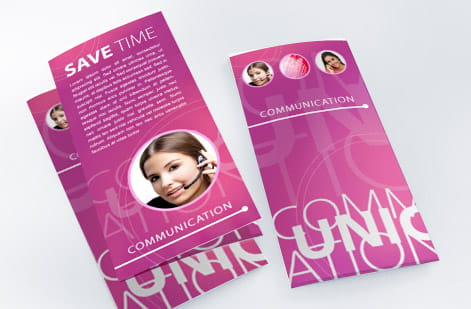
A flat 11 by 17 inch sheet is only half a brochure. Fold it once and it becomes an 8.5 by 11 inch cover, three more panels, and an order in which people read them. Folding is the finishing step that turns a printed sheet into something you can hand out, mail, or stand on a counter, and it quietly decides how the whole piece feels in the hand.
Done well, folding is invisible: crisp creases, panels that line up, no cracked ink along the spine. Done poorly, it is the first thing anyone notices. At 4OVER4.COM folding is a precision machine step, so your brochures, folded flyers, and menus arrive ready to use.
This page walks through the fold styles we run, how stock and grain direction change the result, and how folding fits into pricing and turnaround. If you already know the fold you want, you can jump straight to the specs and live pricing or start a design in our online designer.
What professional folding actually involves
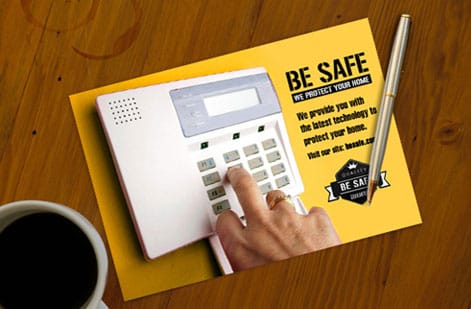
Folding sounds simple until you try it at scale by hand. Professional folding runs printed sheets through calibrated folding machines that crease in the same place every time, across hundreds or thousands of pieces. Consistency is the whole point: panel one should meet panel two on every copy in the box.
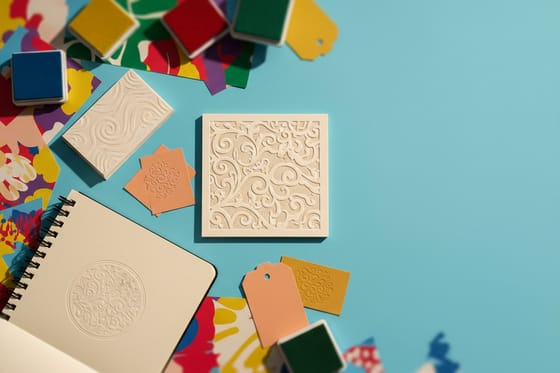
Heavier stocks and pieces with heavy ink coverage are scored first, a shallow crease pressed into the sheet so the paper folds cleanly instead of cracking. Folding also pairs naturally with our other finishing work: add a tactile debossed panel to a cover, then hand the finished run to kitting and fulfillment so it ships assembled and ready to mail.
Every fold has to survive the real world, so grain direction, coating, and paper weight all get set for a clean result. For the technical groundwork behind a fold-ready file, pair this with our notes on bleed and trim and the right image resolution for printing.
Half fold: one crease, four surfaces
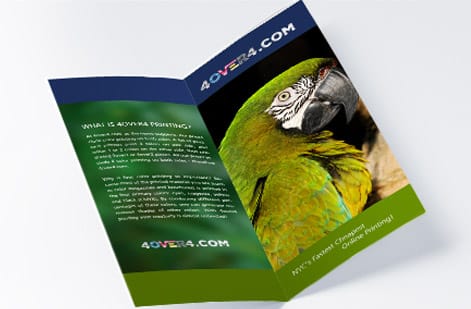
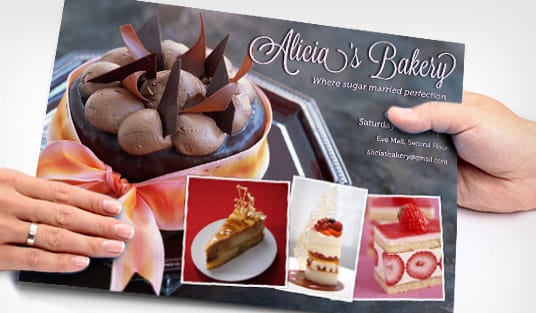
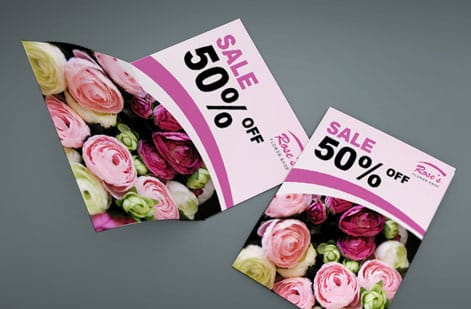
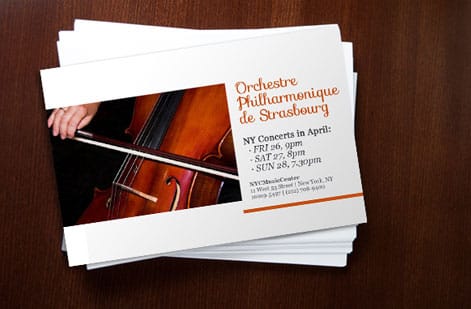
The half fold, or bi-fold, is the simplest and most common fold: a single crease down the middle that turns one sheet into four printable surfaces, a front, an inside left, an inside right, and a back. It is the fold behind greeting cards, simple menus, event programs, and folded flyers.
Because there is only one crease, the half fold is forgiving and reads cleanly at almost any size. It gives you a proper cover to lead with and an inside spread to open into, which makes it a natural fit for a folded flyer that needs a headline outside and the details within.
Tri-fold and letter fold: three panels, six surfaces
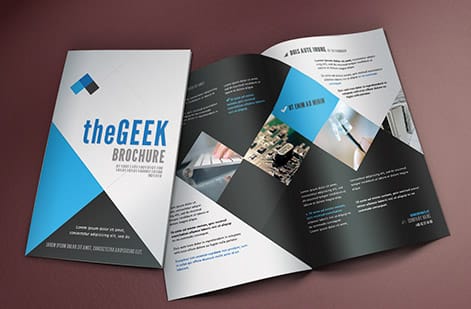
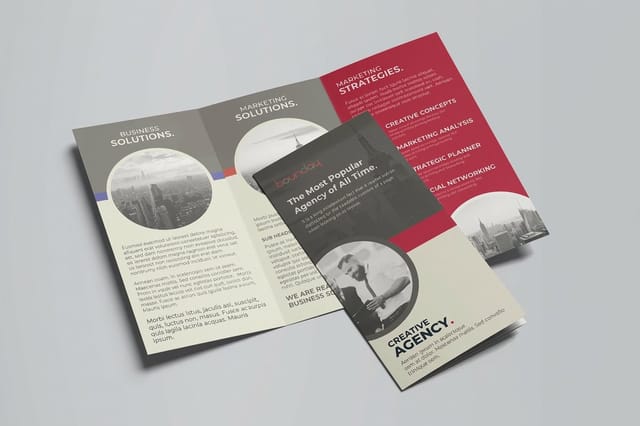
The tri-fold, also called the letter fold, uses two parallel creases to divide the sheet into three panels that fold inward like a letter tucked into an envelope. It is the classic brochure format for a reason: six panels give you room for a cover, an introduction, and a full inside spread, all in a piece that fits a standard rack or a #10 envelope.
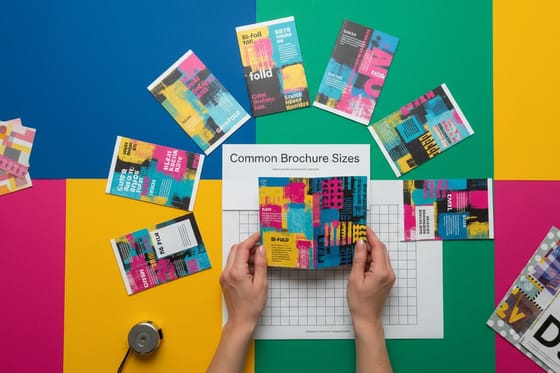
The one detail that trips people up is that the inner panel folds in first, so it has to be a hair narrower than the others or it buckles at the crease. We handle that panel-shaving in prep, so your brochure folds flat and clean. For the standard dimensions, see our guide to common brochure sizes and fold options.
Z-fold and accordion: panels that open like a fan
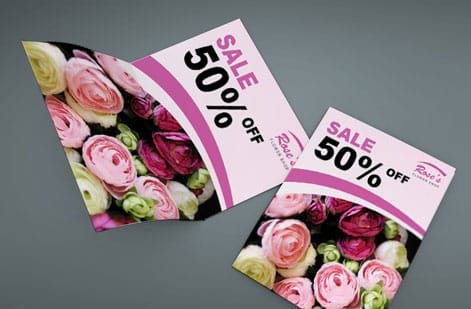
A z-fold uses the same three panels as a tri-fold but folds them in alternating directions, so the piece opens out in a zig-zag like the letter Z. Nothing tucks inside, which means every panel can carry a full-bleed design and the reader gets a continuous reveal as they unfold it.
Extend that idea past three panels and you get an accordion, or fan, fold: four, six, or more panels that concertina open. Accordion folds suit step-by-step guides, timelines, and product line-ups where you want each panel to advance the story. They also lie flatter in a rack than a rolled fold of the same panel count.
Gate fold and roll fold: formats built for a reveal

A gate fold leaves the two outer panels folding inward to meet at the center, so the piece opens like a pair of doors onto a wide inside spread. It is a premium, tactile format that works beautifully for invitations, real estate sheets, and anything where the reveal is part of the message.
A roll fold takes four or more panels and rolls them inward, one inside the next, so the outer panel wraps the whole stack. Each rolled-in panel is trimmed slightly narrower so the fold closes flat. Both formats reward heavier stock and clean scoring, which is exactly where machine folding earns its keep on a multi-panel brochure.
Stock, grain, and scoring: why some folds crack and some do not

The fold is only as good as the paper it runs on. Every sheet has a grain, the direction its fibers line up, and paper folds cleanly along the grain while it fights you across it. We set the grain to run parallel to the main fold so the crease stays sharp instead of fibrous.
Weight matters too. Light text stocks fold straight off the machine, but cover weights, and anything with heavy dark ink across the fold, get scored first: a shallow channel pressed into the sheet that gives the paper somewhere to bend. Skip the score on a heavy cover stock and the coating can crack into a white line down the spine.
Not sure how a stock will behave folded? Order free paper samples and fold one by hand before you commit a full run. It is the fastest way to feel the difference between a stock that creases crisp and one that needs a score.
What we fold, and how folding is priced
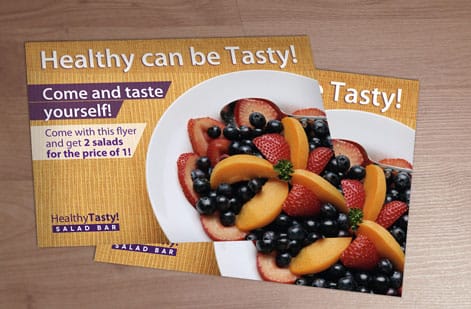
Almost any flat printed product can be folded: brochures, folded flyers, greeting cards, menus, booklets, and self-mailers all start life as a flat sheet. You choose the fold style right in the product configurator alongside size, stock, and finish: folded flyers offer a half fold, trifold, Z-fold or gate fold in six sizes from 5.5 by 8.5 to 11 by 25.5 inches, and menus a half fold or trifold.
Folding is priced as part of that configuration rather than a separate invoice line, so the number you see updates live as you change quantity, size, stock, and fold complexity. As with all printing, quantity is the biggest lever: the per-unit price drops as the run grows, and a folded flyer run starts around $68.
Ready to see it on your own piece? Use the specs and pricing panel below, browse all our marketing materials, or start from a ready-made layout in our design templates.

Fold styles
Every fold style at a glance
One frame, seven folds: a half fold gives four panels from one crease, a tri-fold or Z-fold six panels from two, and gate, roll and accordion folds add more. Use it as a quick reference the next time you lay out a brochure, flyer, or menu and need to pick how it opens.
Every fold changes how the piece opens and reads. Half and tri-folds cover most brochures and flyers, while gate, roll, and accordion folds add panels and a bigger reveal for premium pieces.
Specs and pricing
Folded flyer specs and live pricing
Folding is priced inside the product configurator, alongside size, stock, and finish. Folded flyers come in six sizes on 100# gloss, 100# silk or 70# uncoated text, with four fold styles, runs from 50 and 3 business days of production. Here are their live specs and price-per-unit at 4OVER4.COM, straight from the configurator.
| Quantity | Price Per Unit | Total |
|---|---|---|
| 50 | $1.37 | $68.54 |
| 100 | 98.9¢ | $98.86 |
| 200 | 63.9¢ | $127.84 |
| 300 | 49.2¢ | $147.62 |
| 400 | 41.9¢ | $167.40 |
| 500 | 37.4¢ | $187.17 |
| 600 | 32.1¢ | $192.43 |
| 700 | 28.2¢ | $197.71 |
Fold it
Popular products we fold
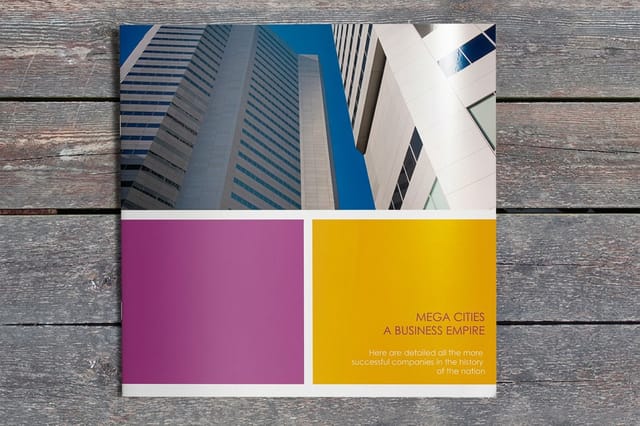
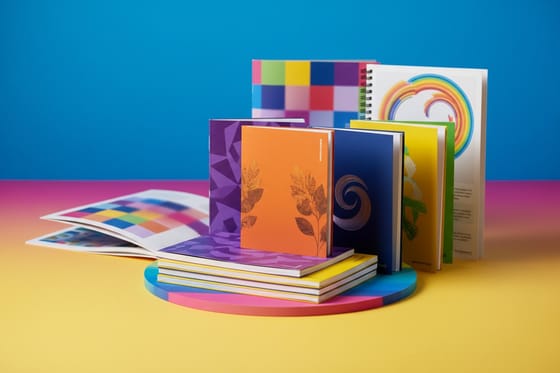
Brochures from 5.5 by 8.5 to 11 by 25.5 inches with a half fold, saddle-stitched booklets that fold and bind 8 to 60 pages, and folded flyers in half, tri, Z or gate folds.
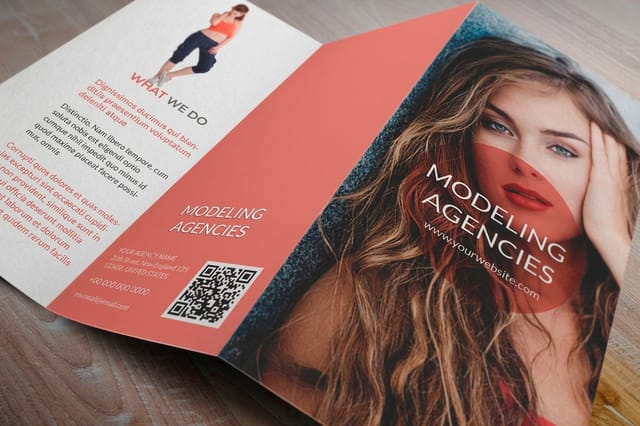
Wally explains folding
A clean crease is where a flat sheet becomes a brochure
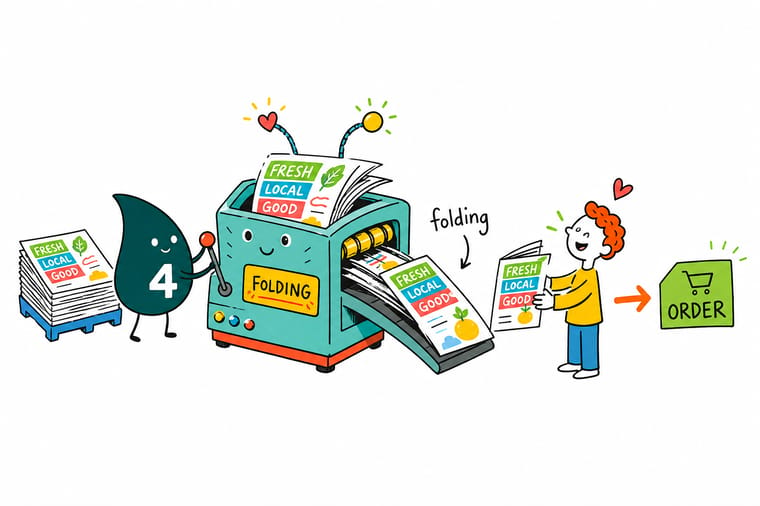
Wally thinks of folding as the moment a print finds its shape. Pick the fold that fits your story, a half fold for a simple card, a tri-fold for a brochure, an accordion for a step-by-step, then let the grain and a clean score do the rest. Get it right and the piece opens the way you imagined, with no cracked spine in sight. Set your fold in the configurator and 4OVER4 runs it sharp on the stock you choose.
Configure a folded print →See it in use
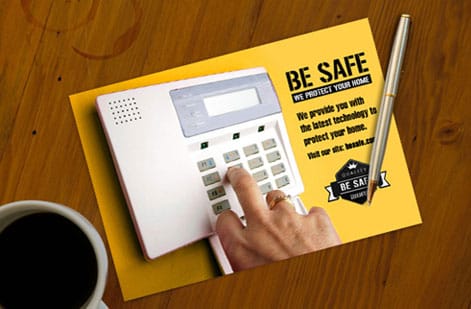
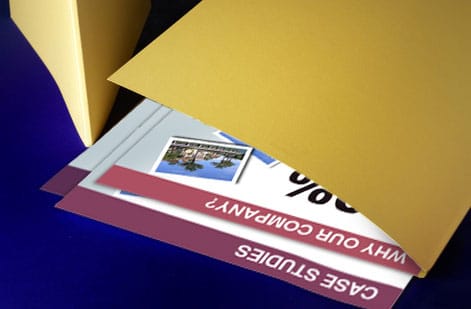
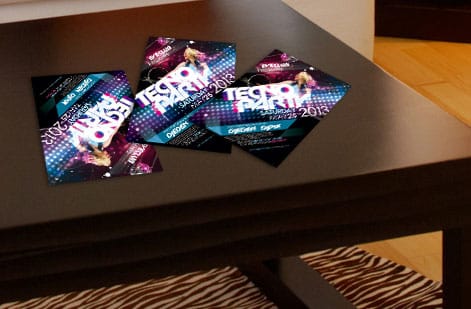
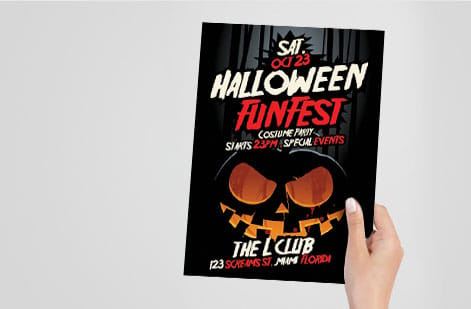
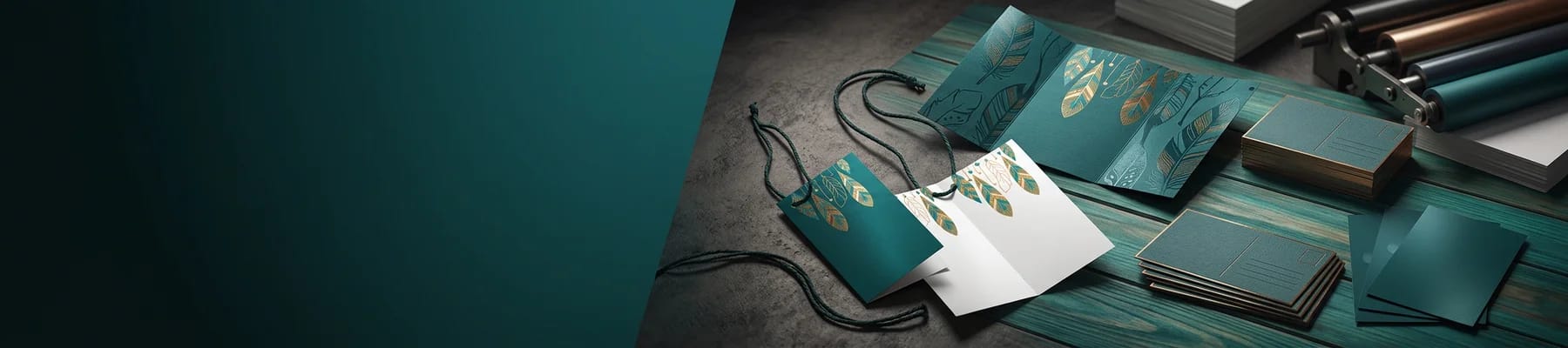
Real folded print, finished in-house

Get Started
Ready to fold your next print run?
Choose your fold in the configurator and 4OVER4.COM runs it on precision machines, scored clean on the stock you pick. Adjust every option and watch your price update live.
Explore more
Where to go next

By the numbers
Folding backed by a full print house
Common Questions
Common questions about folding
What is folding in printing?
Folding is the finishing step that creases and folds a flat printed sheet into its final form, such as a brochure, folded flyer, menu, or self-mailer. At 4OVER4.COM folding runs on calibrated folding machines so the crease lands in exactly the same place on every copy, and heavier stocks are scored first so they fold cleanly instead of cracking.
What fold styles do you offer?
The core styles are the half fold (bi-fold), tri-fold (letter fold), z-fold, gate fold, roll fold, and accordion (fan) fold. The half fold gives you four panels from one crease, the tri-fold and z-fold give six panels from two folds, and gate, roll, and accordion folds add panels for longer or more dramatic pieces. You pick the fold right in the product configurator alongside size and stock.
What is the difference between a tri-fold and a z-fold?
Both use two parallel folds to create three panels, but they fold in opposite ways. A tri-fold folds inward like a letter, so one panel tucks inside the other two, which is why the inner panel is trimmed slightly narrower. A z-fold folds in alternating directions, so it opens out in a zig-zag like the letter Z and every panel can carry a full-bleed design.
Do you score heavy stock before folding?
Yes. Cover weights and any piece with heavy dark ink across the fold are scored first, a shallow channel pressed into the sheet that gives the paper somewhere to bend. Skipping the score on a heavier stock is the usual cause of a cracked white line down the spine, so scoring is built into the process where it is needed.
Which products can be folded?
Almost any flat printed product can be folded: brochures, folded flyers, greeting cards, menus, event programs, booklets, and self-mailers all begin as a flat sheet. If a product supports folding, the fold style appears as an option in its configurator along with size, stock, and finish.
How does folding affect price and turnaround?
Folding is priced as part of the product configuration rather than a separate invoice line, so the total updates live as you change quantity, size, stock, and fold complexity. As with all printing, quantity is the biggest lever on the per-unit price, and simple folds add little to turnaround while more complex multi-panel folds can add a small amount of production time.
Why does grain direction matter for folding?
Paper has a grain, the direction its fibers align, and it folds cleanly along the grain but resists and can crack across it. We set the grain to run parallel to the main fold so the crease stays crisp. If you want to feel the difference before a full run, order free paper samples and fold one by hand.
Legal Disclaimer
Gold Standard guarantees apply to all standard orders placed through 4over4.com. Price match requires verifiable proof of a competitor's published price for an equivalent product with matching specifications and turnaround time. Satisfaction guarantee covers manufacturing defects and print quality issues. Contact support with order number and documentation.
