
Foil Stamping That Makes Every Card Catch the Light


Emma is our prepress and print production voice, built from the knowledge of our production team, with over 20 years in printing.
Turn a logo, name, or border into gold, silver, or a color that catches the light. Foil stamping is the finishing service that makes a printed piece look considered, premium, and worth keeping. This page covers hot, cold, and raised foil, and the stocks each one suits.
Foil stamping presses a thin metallic or pigmented film onto printed stock using a heated die, so selected areas turn reflective and catch the light. It is a finishing step applied after printing, it stays bright on dark and textured papers where ink falls flat, and it comes in hot, cold, and raised methods across metallic, colored, and holographic foils. Use it on the one element that matters most and even a simple card reads as premium.
Start here
Foil on stock where ink falls flat
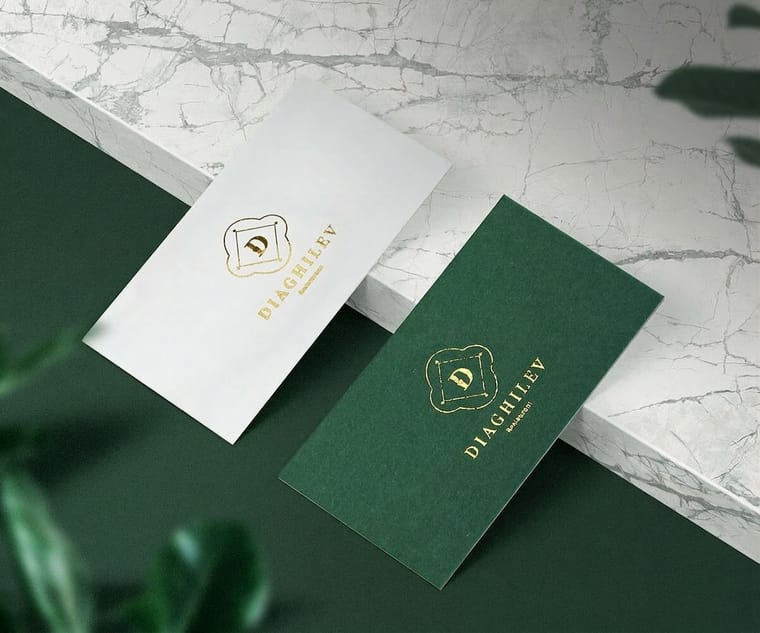
Foil stamping is a finishing service that presses metallic or colored foil onto a printed piece, turning a logo, name, or border into a bright, reflective mark. It is applied after printing, works on dark and textured stock where ink falls flat, and comes in hot, cold, and raised methods across metallic, colored, and holographic foils. Use it on the one element that matters most and even a simple card from 4OVER4.COM reads as premium.
Our foil stamping services, product by product
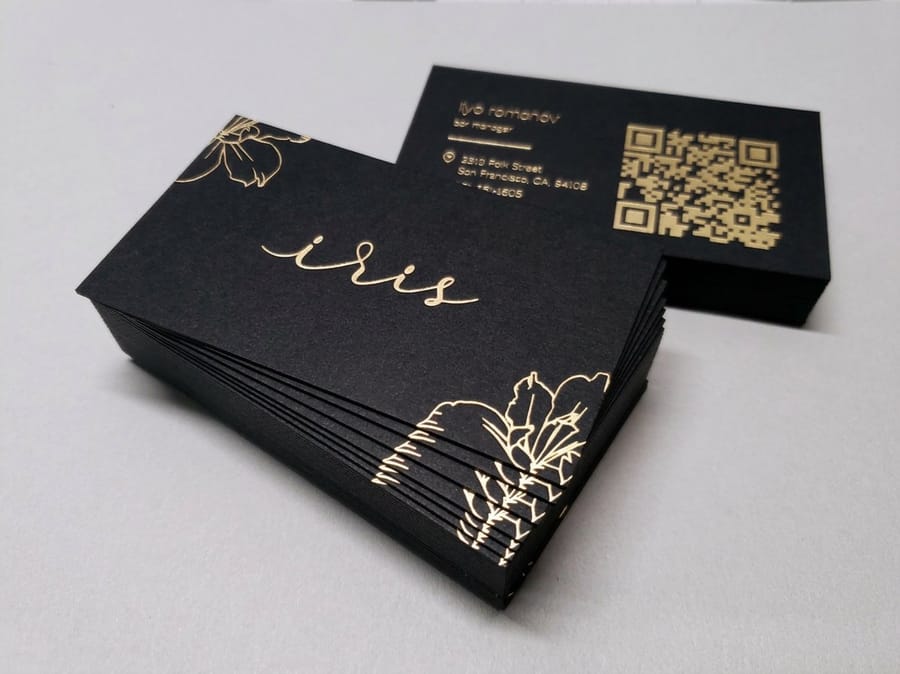
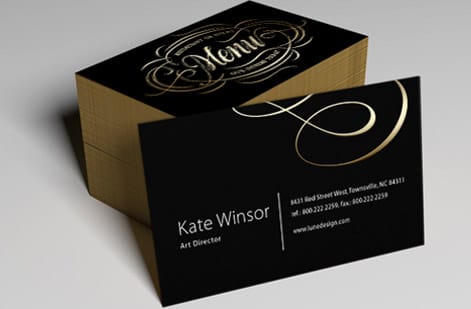
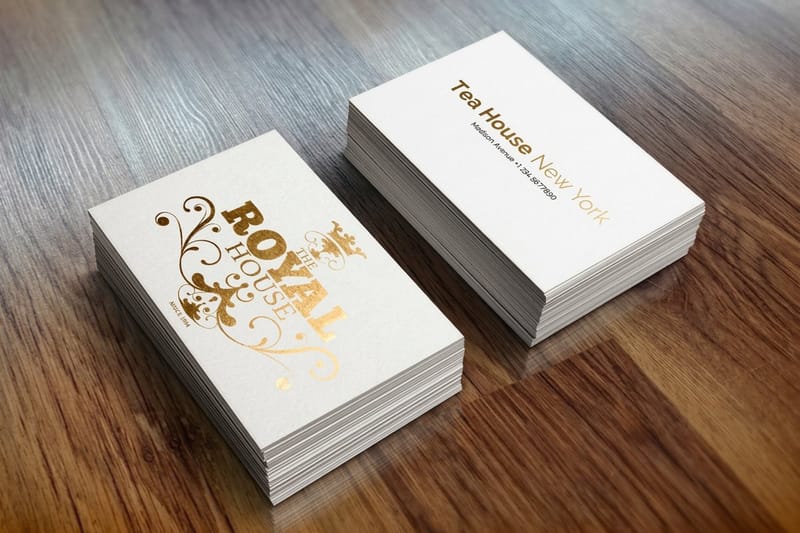
Foil stamping at 4OVER4.COM is ordered on the product, not as a separate job. Foil business cards come in 2 by 3.5, 2.125 by 3.375, 1.5 by 3.5 and 2.5 by 2.5 inches, on 16pt silk laminated or 14pt uncoated cover, with gold, silver, copper, rose gold, red, black or blue foil on the front, the back or both. Runs start at 500 cards and go to 25,000.
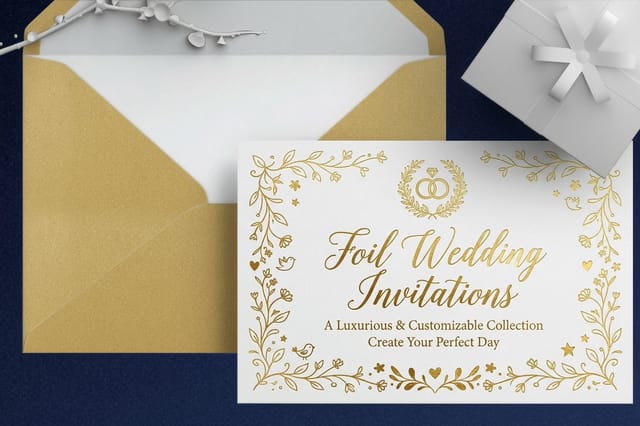
For foil you can feel, raised foil business cards print on 16pt velvet laminated cover in raised gold, silver or holographic foil, from 100 cards. Foil wedding invitations take the same seven foils in four sizes from 4 by 6 to 5 by 7 inches. Production runs 7 to 9 business days depending on the product, and we stamp in-house in Queens.
Why foil stamping makes print impossible to ignore
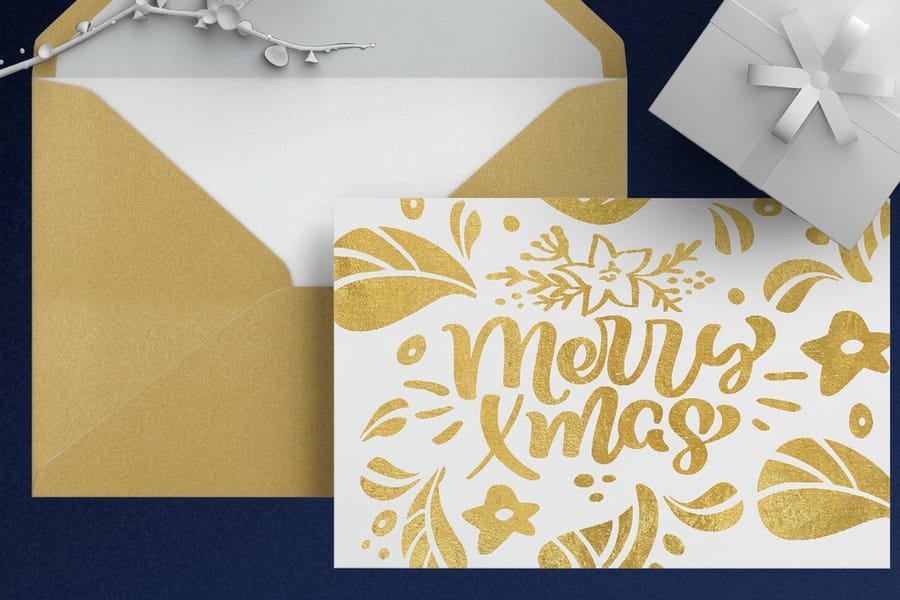
Set a 16pt silk laminated card with a gold foil logo next to a flat one and the difference registers before a single word is read. Light catches the metallic surface, the eye stops, and the piece reads as considered and worth keeping. That reaction is the whole point of foil, and it is why the finish keeps showing up on the cards, invitations, and folders people actually hold on to.
Foil stamping is a finishing service, not a printing method. It is applied after the artwork is printed, pressing a thin layer of metallic or pigmented foil onto the stock so a logo, name, or border turns to gold, silver, copper, or a color that shifts in the light. You can browse the full range in our foil stamping collection, or start with the classic, a run of foil business cards.
This page walks through how the service works, the foil types we offer, where the finish earns its keep, and how to set up your artwork so the foil lands exactly where you want it.
What is foil stamping, and how does the process work
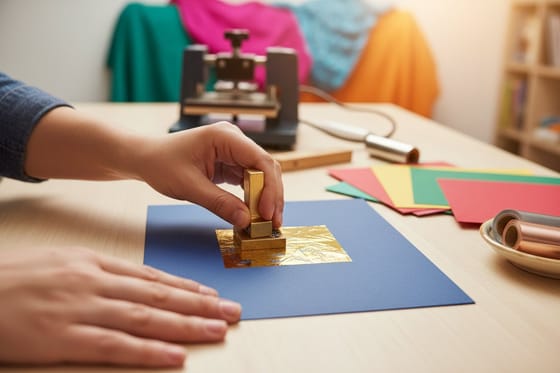
Foil stamping presses a metallic or pigmented film onto a printed sheet using a die, heat, and pressure. A metal die is etched with your design, heated, and stamped through a roll of foil against the stock. The foil releases from its carrier and bonds only where the die makes contact, leaving a clean, reflective mark with crisp edges. Our guide on what foil stamping is breaks the mechanics down step by step.
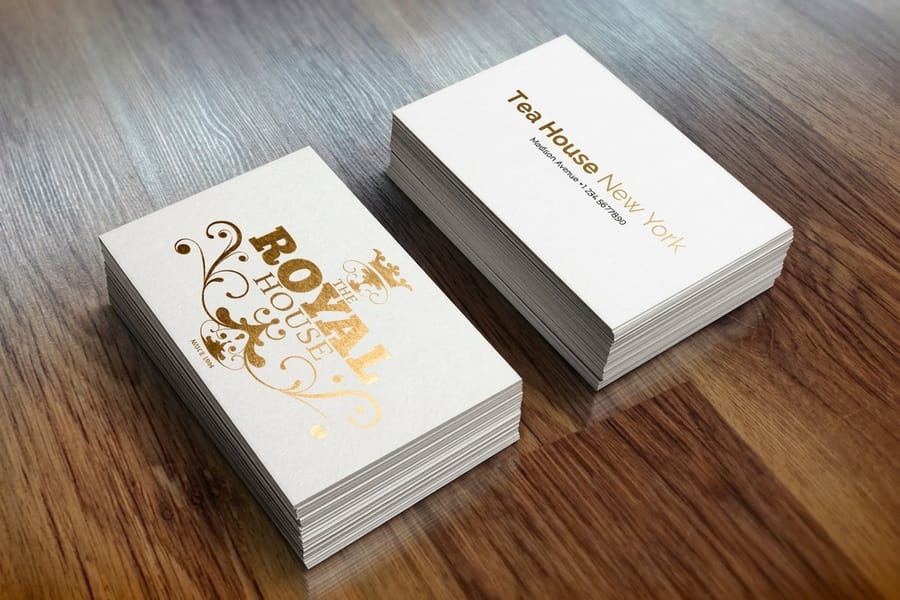
Because the foil sits on top of the stock rather than soaking in like ink, the finish stays bright on dark papers and textured stocks where regular printing would dull or disappear. That is why metallic foil business cards hold their shine on deep navy or matte black, colors that flatten most ink.
Foil also pairs naturally with the rest of a finished job. Once your pieces are stamped, our kitting and fulfillment service can collate, pack, and ship them, so a foil-stamped mailer or welcome kit goes straight from our Queens facility to your customers without a second stop.
The main types of foil stamping
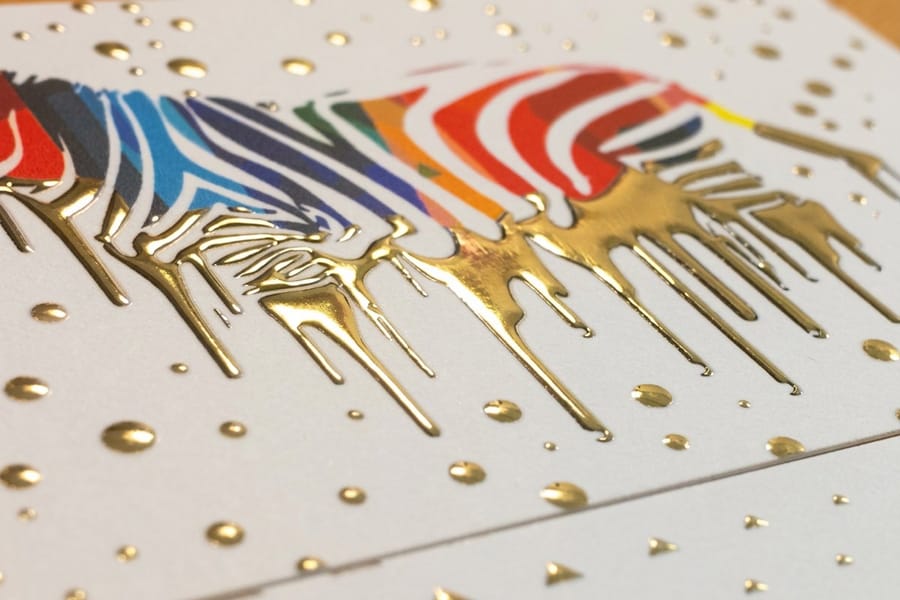
Not all foil is applied the same way, and the method changes both the look and the price. Traditional hot foil stamping uses a heated metal die and delivers the sharpest, most durable metallic edge, which is what our guide on hot foil stamping covers in depth. It is the gold standard for logos and type.
Cold foil skips the heat and uses an adhesive to lay foil down, which suits fine detail and can be overprinted with color for effects hot foil cannot reach. Raised, or digital, foil adds a third dimension: the foil sits slightly proud of the surface so you feel it as well as see it. Compare a flat run of foil business cards against raised foil business cards and the tactile version almost always wins at a first handshake. Our comparison of hot stamping on raised surfaces and flat foil shows where each one fits.
The same options carry across formats. You can foil a headline on foil flyers, a border on metallic foil postcards, or a monogram on an invitation, each using whichever method best fits the artwork and budget.
Metallic, holographic, and colored foils
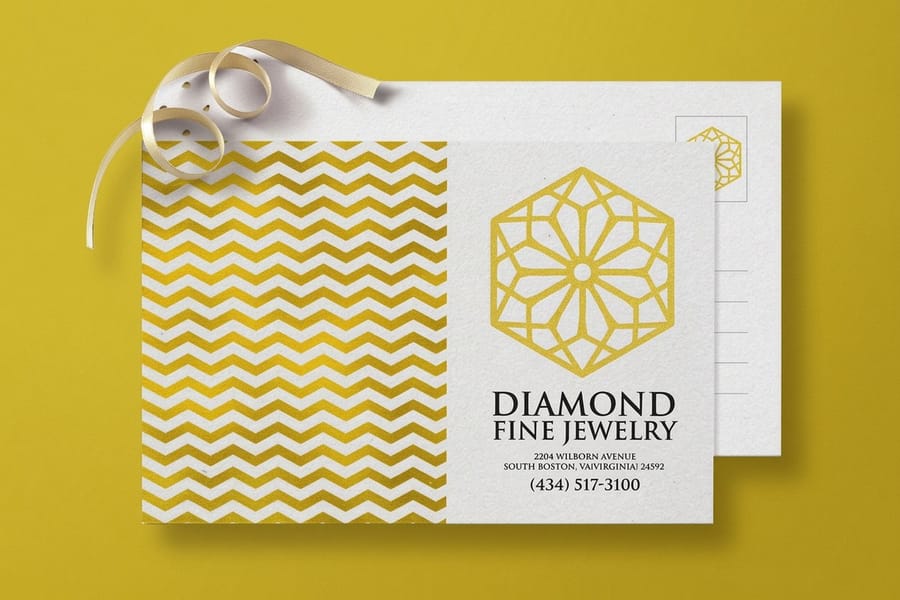
The foil itself is a choice. Classic metallics (gold, silver, copper, and rose) read as premium and timeless, and they are the safe default for a logo or name. On foil business cards the order page lists seven foils: gold, silver, copper, rose gold, red, black and blue. Colored foils open up brand palettes beyond metal, from matte pastels to deep jewel tones, so the finish can match your identity instead of overriding it.
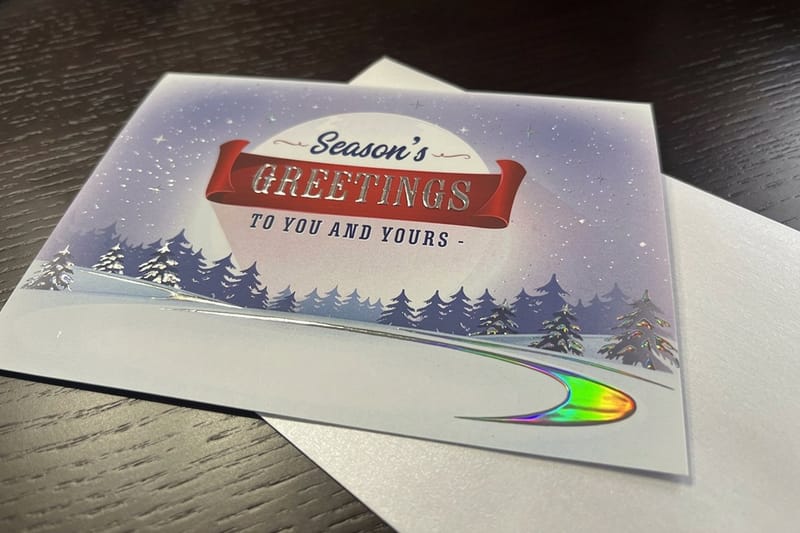
For something louder, holographic and prismatic foils shift through the spectrum as the piece tilts, which is why they anchor our holographic foil stamping collection. They earn their place on packaging, event passes, and products aimed at a younger audience, where the movement does the selling.
Coverage matters as much as color. A single spot of foil on an otherwise quiet layout carries more weight than foil everywhere, the same way one bright element in a design pulls the eye. Restraint reads as luxury, so foil the one thing that matters most and let the stock carry the rest.
Where foil stamping works hardest
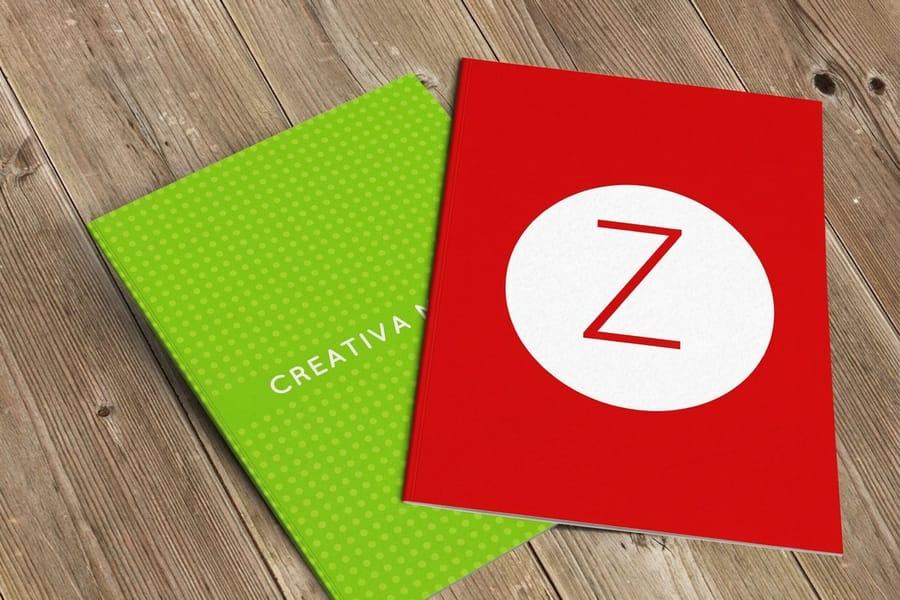
Foil rewards pieces that get handled and kept. Business cards top the list, because a 2 by 3.5 inch card trades hands in the exact moment a first impression forms, but the finish reaches well past the wallet: foil wedding invitations from 4 by 6 to 5 by 7 inches set the tone before the envelope is fully open.
On retail and packaging, foil does the work of a shelf sticker without looking cheap.
Even everyday stationery benefits, and award pieces most of all; our guide to certificates with metallic foil border covers that setup. Browse the full lineup in the foil stamping collection to match the finish to the format.
How to set up your artwork for foil
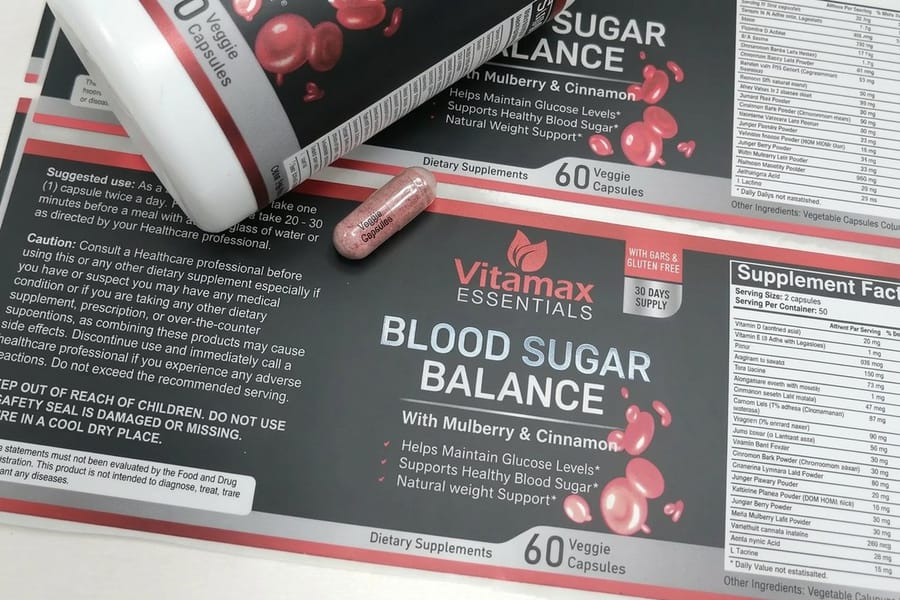
Good foil starts with a clean file. The foil areas need to be defined as their own layer, usually a single solid spot color the pressroom can read as, this gets foil and nothing else. Keep those elements in vector form with real weight to them, because hairline strokes and very small type can fill in or lift during stamping. If a term on the setup sheet is unfamiliar, our printing terms glossary defines it.
Think about where the foil sits in relation to the ink. Foil over a printed area, foil on bare stock, and foil that has to register tightly against a printed shape each behave differently, and knowing which you want up front saves a round of proofs. When in doubt, keep the foil separated from critical ink details by a small margin so a slight shift on press never shows.
The surest way to know how a finish will feel is to hold it. Order free samples before you commit a full run, so you can see how gold reads on your chosen stock and how raised foil sits under a thumb.
What foil stamping costs, and how pricing works
Foil pricing moves on a handful of levers, and none of them are mysterious. Quantity is the biggest one: the die and setup are a fixed cost, so the more pieces you run, the less each stamped unit costs. Size, stock, and how much of the sheet you cover all factor in too, since a full metallic panel uses far more foil than a small logo. On foil business cards, 500 cards start at $222.13 and 1,000 at $269.14, so doubling the run adds about a fifth to the bill.
Rather than guess, you can watch the number change live. Pick your product, set the quantity, size, and options, and the configurator prices it in real time. The specs and live-pricing panel below does exactly that for foil business cards, and every foil product on the site works the same way.
For a large or unusual run, or a finish that mixes foil with other effects, our team can quote it directly. Reach out through contact and we will spec the job with you, or read why customers choose 4OVER4 for the finishing details we check on every order.
Infographic
Foil stamping at a glance
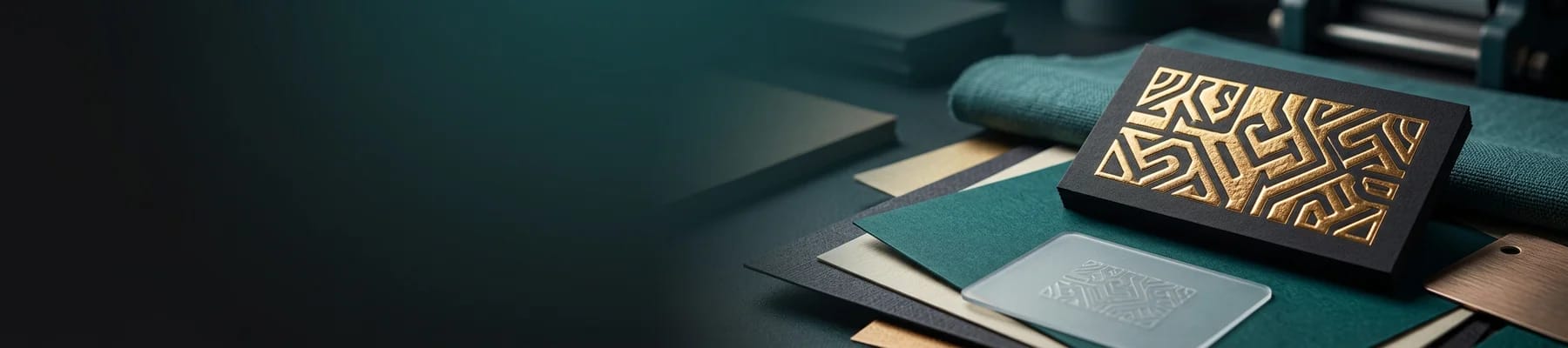
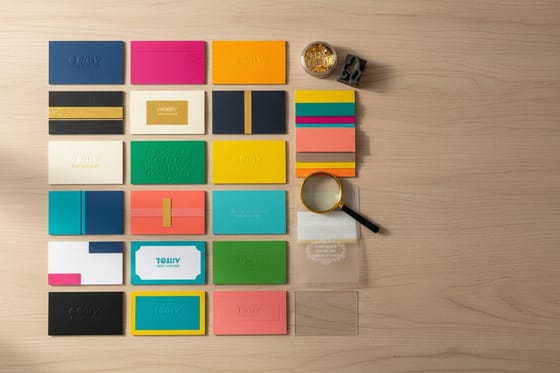
One frame, every foil type: hot, cold and raised methods, seven flat foils on cards and invitations, and raised gold, silver or holographic on velvet laminated cards. Use it to pick the finish before you upload your artwork.
Foil is a finishing step, not a printing method. Choose the foil type and how much of the sheet it covers, and 4OVER4 stamps it onto the stock, size, and product you pick.
Specs and pricing
Foil business card specs and live pricing
When your artwork is ready, the finishing decisions come down to size, stock, and how much of the piece you foil. Foil business cards come in four sizes on 16pt silk laminated or 14pt uncoated cover, in seven foils on one or both sides, with optional spot UV and 9 business days of production. Here are their live specs and price-per-unit at 4OVER4.COM, straight from the configurator.
| Quantity | Price Per Unit | Total |
|---|---|---|
| 500 | 44.4¢ | $222.13 |
| 1,000 | 26.9¢ | $269.14 |
| 2,500 | 20.2¢ | $504.19 |
| 5,000 | 19.7¢ | $986.04 |
| 10,000 | 16.4¢ | $1,644.19 |
| 15,000 | 14.4¢ | $2,161.30 |
| 20,000 | 13.5¢ | $2,701.94 |
| 25,000 | 13.0¢ | $3,242.54 |
Put foil to work
Popular pieces to add foil to
Raised foil business cards on 16pt velvet laminated cover from 100 cards, short run presentation folders at 9 by 12 inches from 10 folders, and foil wedding invitations in four sizes from 500 pieces.
Wally explains foil stamping
The finish people notice before they read a word
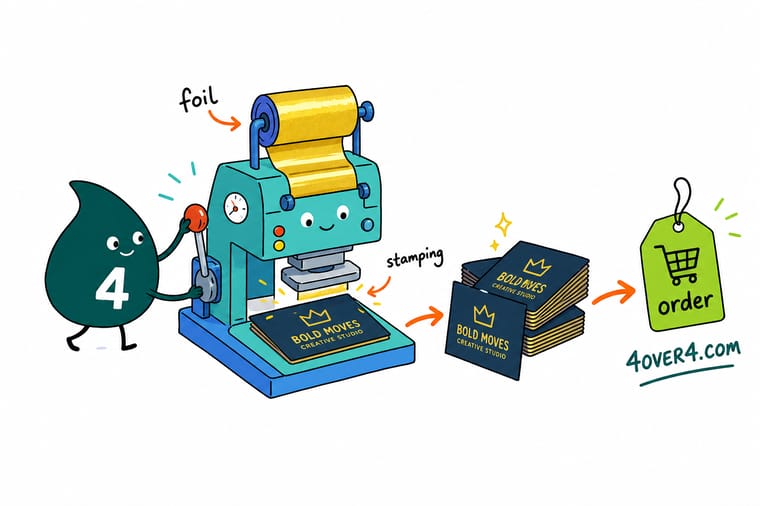
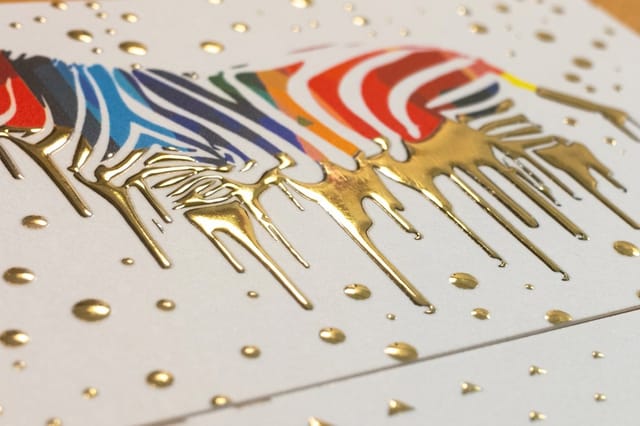
Wally thinks of foil as a spotlight you press into the page: pick the one element that matters, a logo, a name, a border, and let the metal catch the light while the rest of the card stays calm. Hot foil for a crisp edge, raised foil when you want people to feel it, holographic when you want them to stare. Choose the finish, and 4OVER4 stamps it onto the stock and size you pick.
Explore foil stamping →See it in use
Real customer print work, finished in-house
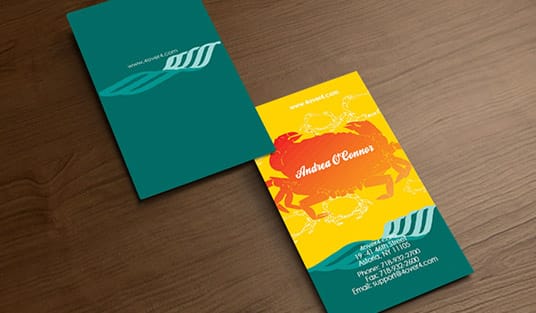
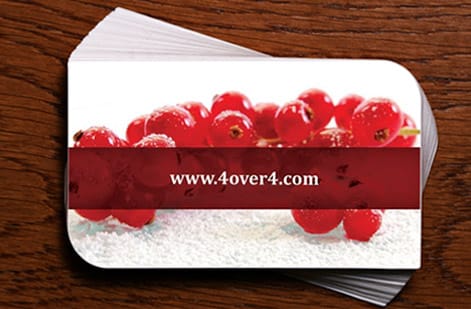
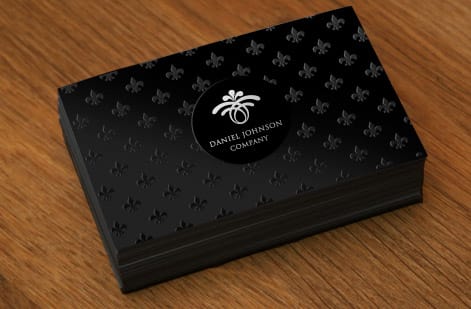
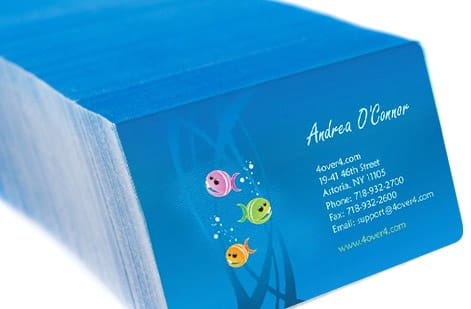
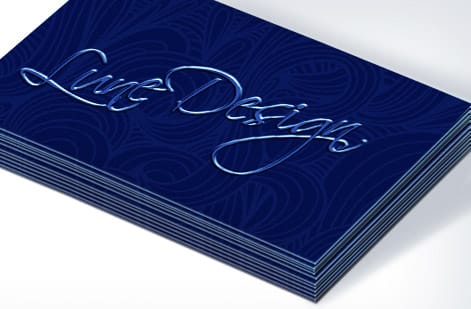
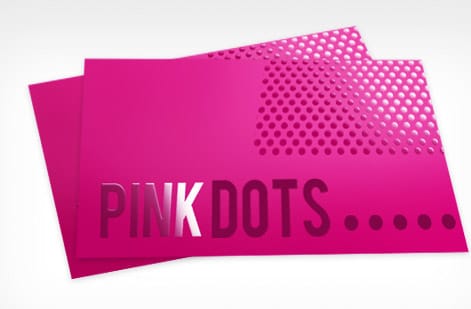
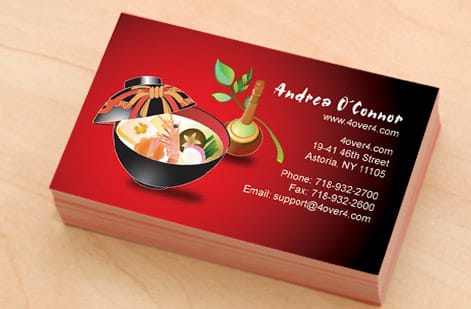
The gallery shows foil business cards, the product on this page, on 16pt silk laminated and 14pt uncoated stock, stamped and trimmed at our Queens facility.

Get Started
Ready to add foil to your next print run?
Bring your design to 4OVER4.COM and choose the foil, stock, and size that make it shine. Adjust every option and watch your price update live.
Explore more
Where to go next

By the numbers
The press discipline a clean foil edge needs
Common Questions
Common questions about foil stamping
What is foil stamping?
Foil stamping is a finishing process that presses a thin layer of metallic or pigmented foil onto a printed piece using a die, heat, and pressure. Instead of ink, selected areas of the design (a logo, a name, a border) become reflective gold, silver, copper, or a color that shifts in the light. It is applied after the sheet is printed, which is why it reads as a premium, tactile upgrade rather than a standard print option.
What is the difference between hot foil, cold foil, and raised foil?
Hot foil stamping uses a heated metal die and produces the sharpest, most durable metallic edge, which makes it the classic choice for logos and type. Cold foil skips the heat and uses an adhesive, so it handles fine detail well and can be overprinted with color. Raised, or digital, foil adds dimension: the foil sits slightly proud of the surface so you can feel it as well as see it. The right method depends on the artwork, the effect you want, and the budget.
Can foil be printed on dark or colored paper?
Yes, and that is one of foil’s biggest strengths. Because the foil sits on top of the stock rather than soaking in, it stays bright and legible on deep colors, black, and textured papers where regular ink would dull or vanish. A gold or silver foil on a navy or matte black card is one of the most reliable ways to make a piece look expensive.
What products can be foil stamped?
Almost anything printed on a flat stock. The most popular are business cards, but the finish carries across invitations, presentation folders, letterheads, flyers, postcards, labels, stickers, and hangtags. If you can print it, there is usually a way to add a foil accent, and our foil stamping collection groups the ready-to-order options in one place.
How do I set up my artwork for foil stamping?
Define the foil areas as their own layer, usually a single solid spot color the pressroom can read as, this gets foil and nothing else. Keep those elements in vector form with enough weight that hairline strokes and tiny type will not fill in or lift during stamping. If a term on the setup sheet is unfamiliar, the printing terms glossary explains it, and ordering free samples first lets you feel the finish before you commit a full run.
How much does foil stamping cost?
Foil pricing moves on a few levers: quantity, size, stock, and how much of the sheet the foil covers. The die and setup are a fixed cost, so the unit price drops as the run grows. The clearest way to see it is to pick a product, set your options, and watch the configurator price the job live. For large or unusual runs, or finishes that combine foil with other effects, our team can quote it directly.
Is metallic foil the same as metallic ink?
No. Metallic ink is a pigment mixed with reflective particles and printed like any other ink, so it has a soft shimmer. Foil is an actual thin metallic film pressed onto the stock, which gives it a true mirror-like shine and crisp edges that ink cannot match. When you want a piece to genuinely catch and bounce light, foil is the finish that delivers it.
Legal Disclaimer
Gold Standard guarantees apply to all standard orders placed through 4over4.com. Price match requires verifiable proof of a competitor's published price for an equivalent product with matching specifications and turnaround time. Satisfaction guarantee covers manufacturing defects and print quality issues. Contact support with order number and documentation.
