
The 10-Piece Hardware Store Launch Set for a Packed Grand Opening
A homeowner with a leaking pipe drives to the store that looks stocked and staffed. These ten pieces claim your corner, dress your opening weeks, reach every nearby household, and put your card in the hands of the contractors who decide whether a new hardware store makes it.
The hardware store launch set is ten pieces that make a new store look established from day one: window clings, yard signs, banners, Signicade A-frames, counter cards, flyers, business cards, door hangers, postcards, and magnets. The banner, A-frame, and yard signs claim the street, clings and counter cards convert the opening-week traffic, flyers and cards go home with the DIYers and contractors who become regulars, and door hangers, postcards, and magnets put the store name into every nearby household.
The picks
Ten products, from $16.48 postcards to a $290.41 door hanger run
Put the street pieces up first. The $79 retail banner, $25 yard signs and the $182.32 Signicade A-frame claim the corner; $30 window clings, $21.97 counter cards and $57.11 flyers work the opening weeks; $17.57 business cards and $19.68 magnets go to the contractors. Each price comes live from the configurator. Keep one palette from the street to the register, then read on for what each one does and when to deploy it.
Design and print help
Store colors locked from the banner to the register card
Set your store colors, hours and opening offer once in the online designer or a retail template, and every sign and flyer carries them. Opening-month flyers and cards cost less per piece as the quantity rises, so print the contractor cards and the coupon flyers in one run.
How they work together
Corner first, opening weeks next, contractors last
Each piece owns a stage of the launch. Run the whole sequence and the neighborhood knows you, the walk-ins convert, and the contractors come back Monday.
Weeks before opening, the banner announces what is coming, yard signs point traffic from nearby streets, and on day one the A-frame hits the sidewalk with the opening offer. The street learns your name before the door opens.
Clings put the opening deals on the glass, counter cards pitch the loyalty program at the register, flyers with a first-purchase coupon go into every bag, and door hangers and postcards carry the opening offer to every doorknob and mailbox within a mile.
Every contractor who walks in gets a card with the manager's direct line and the trade-account offer, and a fridge magnet with the store number goes into every bag so the next repair emergency dials you. One adopted contractor is worth a hundred one-time shoppers.
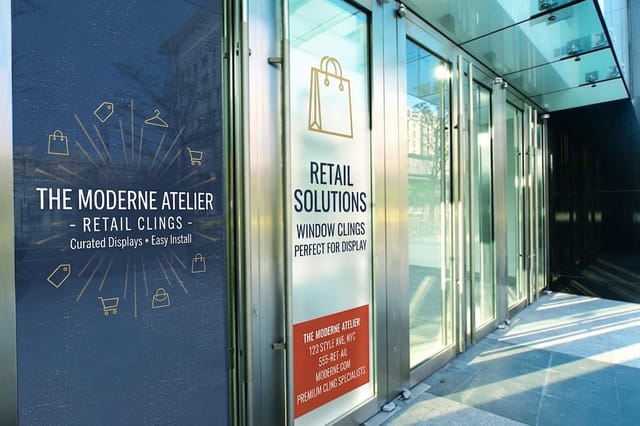
1. Retail window clings: the deals belong on the glass
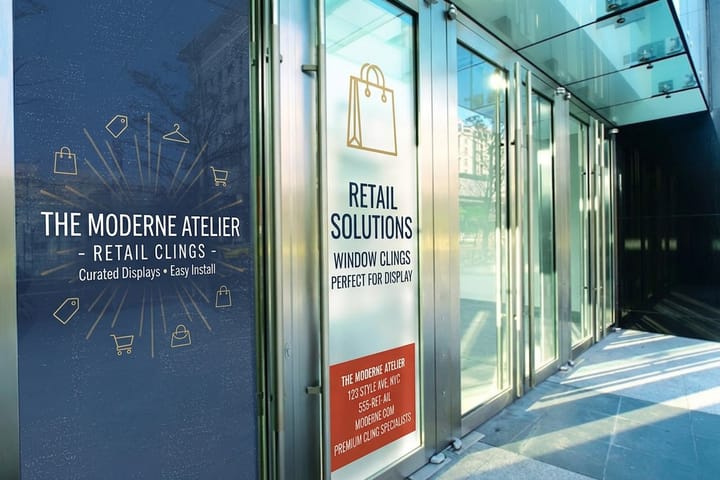
A hardware store window full of product tells people what you sell; a window with printed clings tells them why to come in this week. During launch, the clings carry the grand-opening specifics: the discount, the giveaway, the hours. After launch, they become your seasonal engine: paint sale in spring, grilling in summer, snow gear in November.
Clings apply in minutes, remove without residue, and store flat, which is exactly the rhythm a promotional calendar needs. Design them like price tags for the street: one offer per cling, numbers big enough to read from a passing car, and your store color as the background so the glass itself becomes branded.
Print the launch clings and the first season's promotions in one run and the per-piece cost drops while everything stays visually consistent.
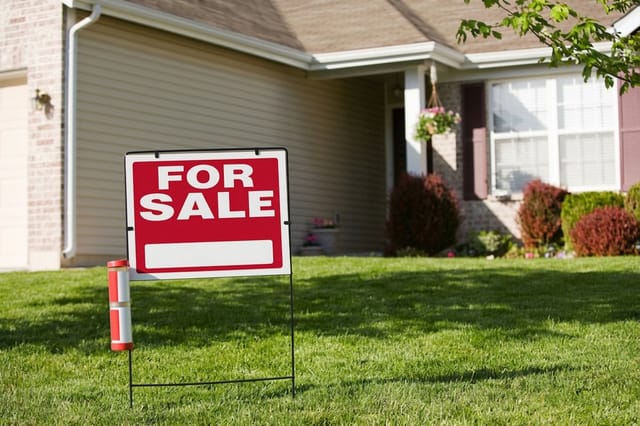
2. Yard signs: directional advertising on every nearby corner
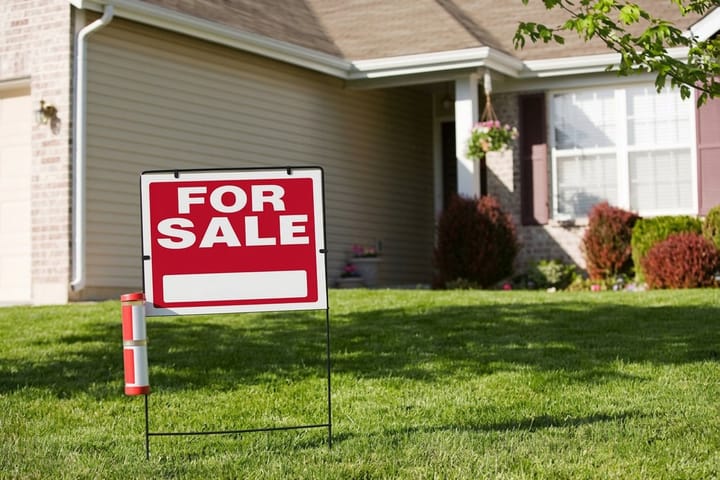
Your first problem as a new hardware store is not persuasion, it is geography: thousands of nearby households simply do not know you exist yet. Yard signs solve that at gas-station prices. Placed at the corners and approaches around your block, they catch drivers on routes they repeat every day.
Keep the message directional and urgent: store name, "NOW OPEN," an arrow, and the cross street. Coroplast with metal stakes goes into any verge in seconds and survives weather for months. Our guides on how to make yard signs and durable outdoor yard sign materials cover the specs that keep them standing and readable.
After launch, the same signs advertise seasonal sales or move to sponsor little-league fields, which is exactly the kind of local presence a hardware store trades on.
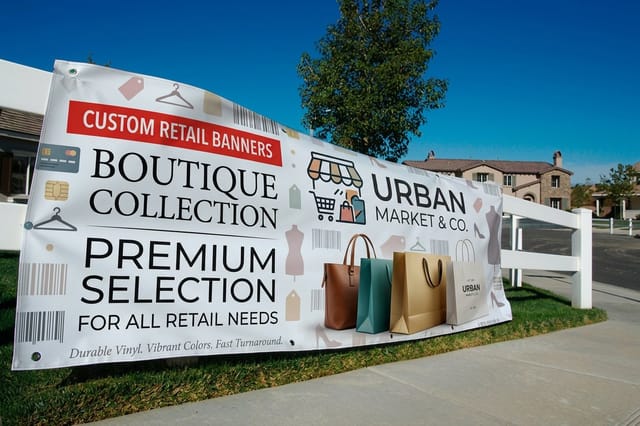
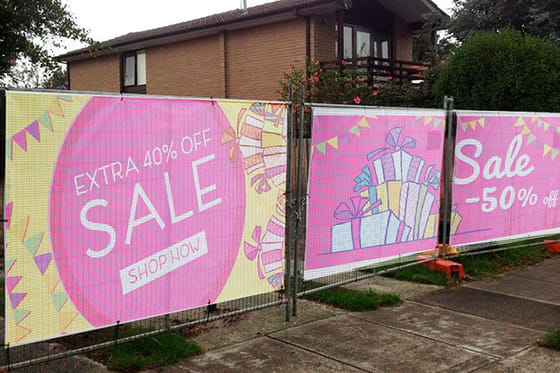
3. Retail banners: the announcement the whole street reads
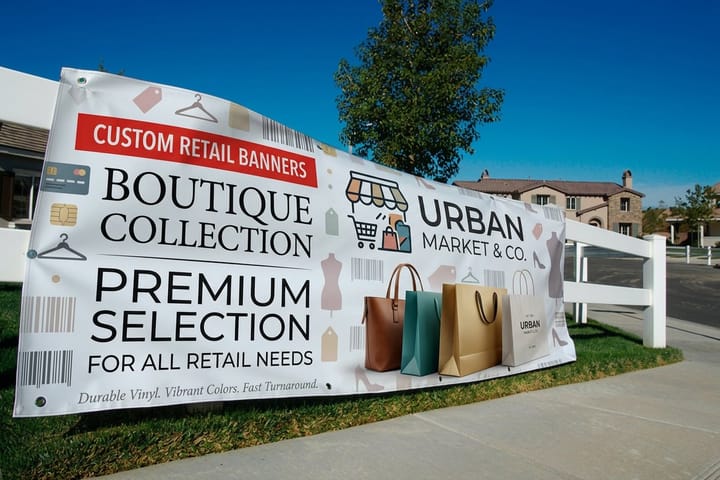
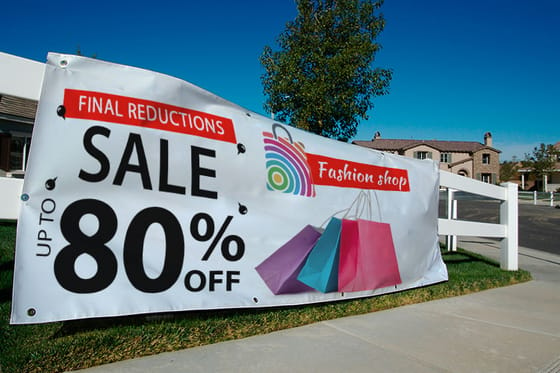
The banner goes up first and works longest. Strung over the door two or three weeks before opening, it turns your construction phase into a running advertisement: the neighborhood watches the shelves fill and the anticipation build. On opening day it is the biggest thing on the block with your name on it.
Size it to the building, not the budget; a banner that looks small reads as timid, and the banner sizes guide will help you match dimensions to your frontage. Keep the printed message reusable, the store name and "GRAND OPENING" or "SALE," and let clings carry the dates. Durable vinyl with grommets survives years of reuse; how to hang banners covers tensioning and placement.
The signage effectiveness data is blunt about what storefront visibility does for local business; for a store whose customers decide while driving, the banner is the launch budget's best line.
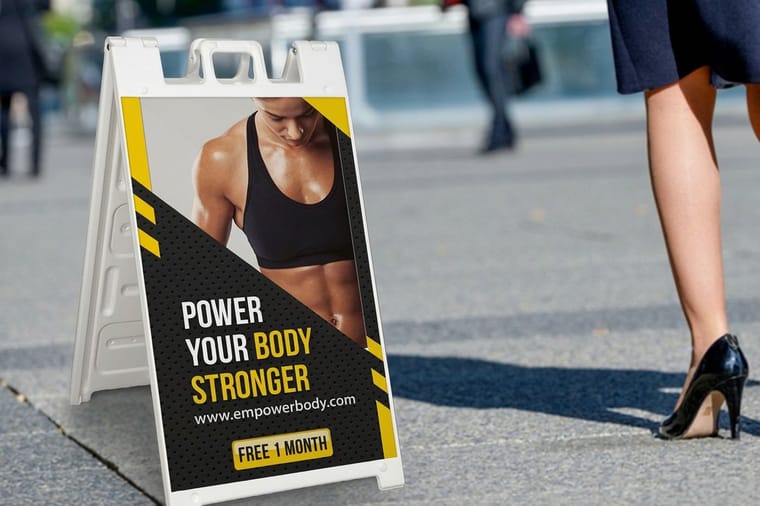
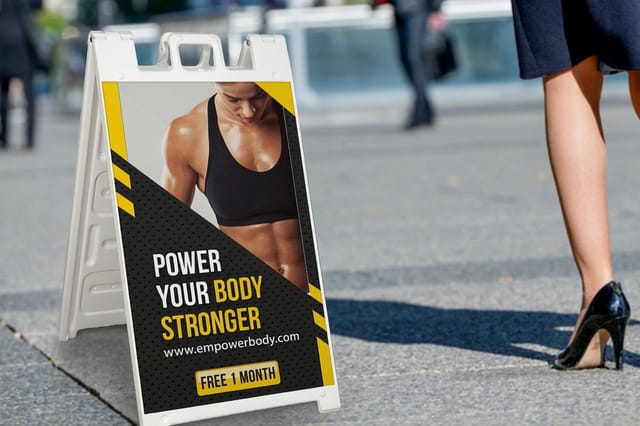
4. Signicade A-frames: the sidewalk salesman that never clocks out
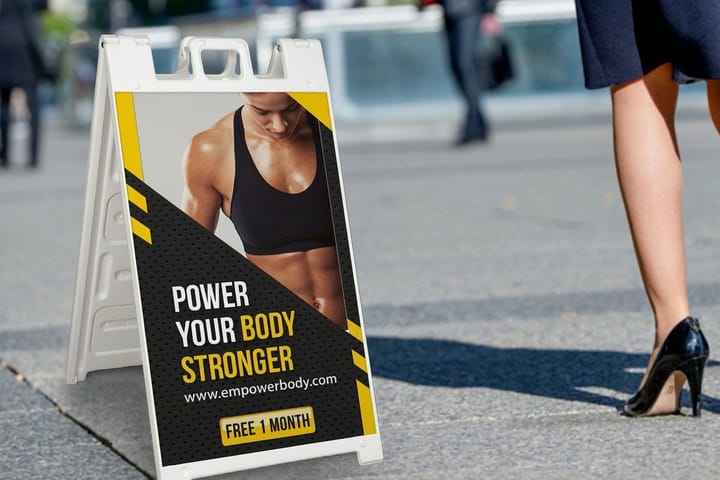
An A-frame on the sidewalk does something no other sign can: it interrupts pedestrians at decision distance, three steps from your door. For a hardware store it is the perfect carrier for the thing that changes weekly, today's deal, this weekend's demo, keys cut while you wait, propane exchanged here.
The Signicade base is the frame most stores end up with: molded plastic that shrugs off wind, rain, and the occasional delivery truck, with printed panels you can swap without replacing the frame. Buy the frame once at launch and reprint panels for years. Put the offer on both faces, because foot traffic comes from both directions, and keep it to ten words a side.
Set it out at open, bring it in at close, and the ritual itself signals a store that is awake and attended, which is half of what "established" means.
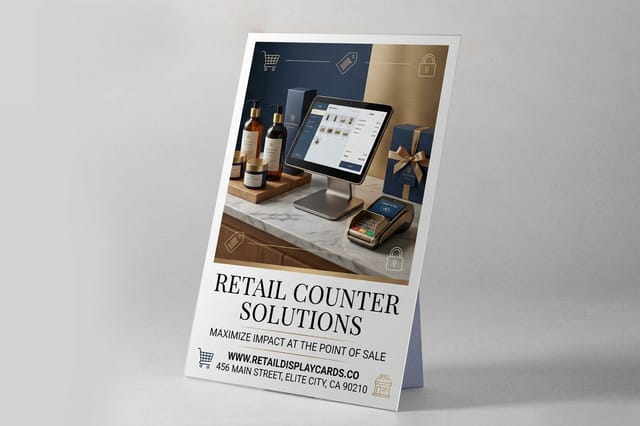
5. Retail counter cards: convert the curious at the register
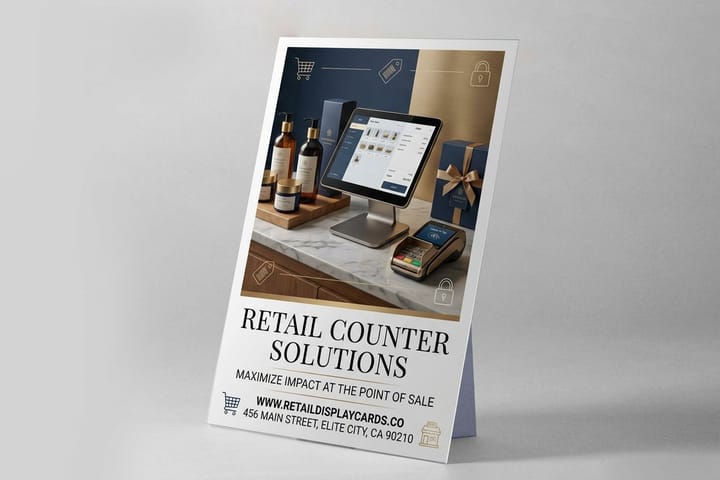
Launch traffic is full of one-time visitors: people who wandered in from the banner and bought a padlock. The counter card standing at the register is your one chance to turn them into regulars while their wallet is already open. Give it a single job: sign up for the loyalty program, ask about the trade account, or grab the ten-percent-off-next-visit offer.
Rotate the card as the store matures: opening month pushes the loyalty program, fall pushes the snow-gear preorder, spring pushes the garden department. Make the type readable from the customer's side of the counter and end with one action word. Cheap to reprint, counter cards are where your dated offers live so the expensive signage never has to change.
Print them on stock that matches your business cards and the register area reads as one designed brand rather than a pile of paper.
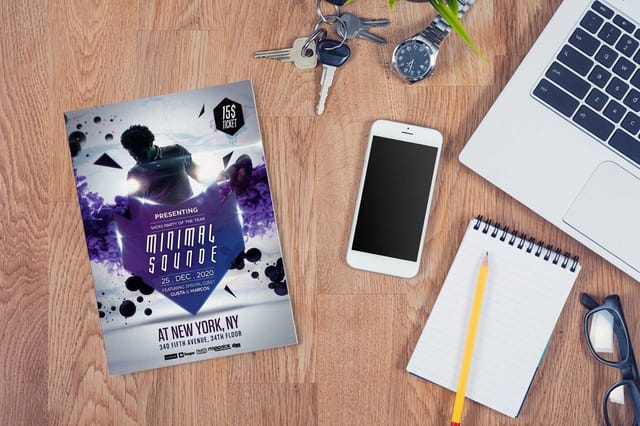
6. Flyers: the opening offer in every bag and mailbox
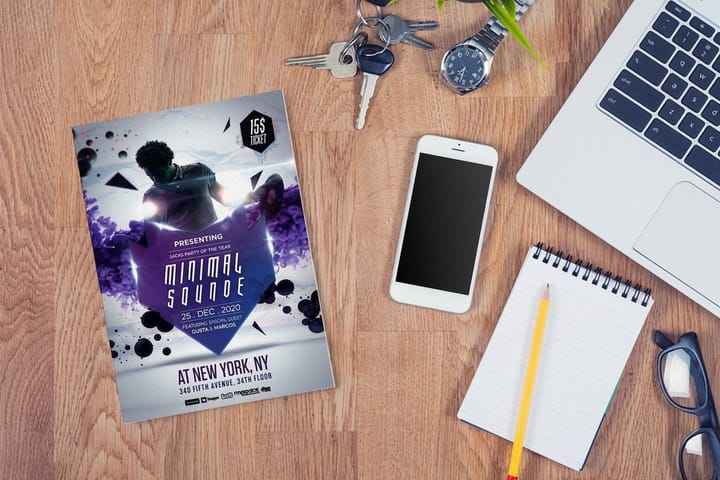
The flyer is the launch set's outbound weapon. In the store, one goes into every bag during opening month, carrying the loyalty offer and the departments people did not walk past. Outside, a neighborhood drop within a mile of the store, plus stacks at the diner, the lumber yard, and the community board, reaches the households your yard signs only tease.
Lead with one concrete offer, twenty percent off your first purchase, a free key cut, a bucket-sale coupon, and make the map and hours impossible to miss. The discipline in our guides on how to design flyers and how to make flyers applies exactly: one message, one action, one glance.
Print in volume; flyers are cheapest per piece in bulk, and a launch needs saturation more than polish.
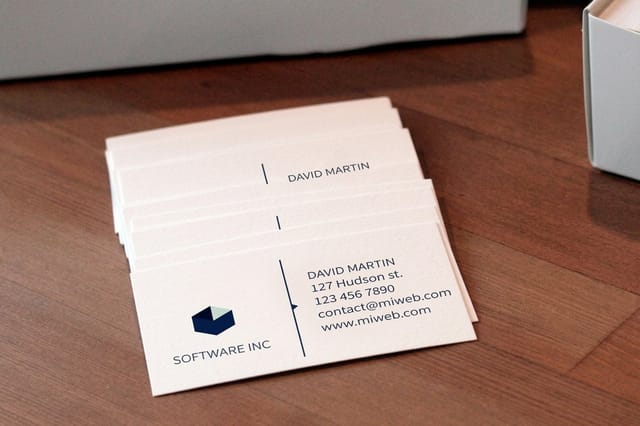
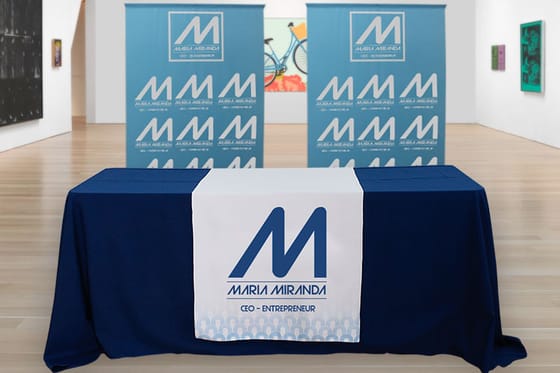
7. Business cards: the trade account starts with a handshake
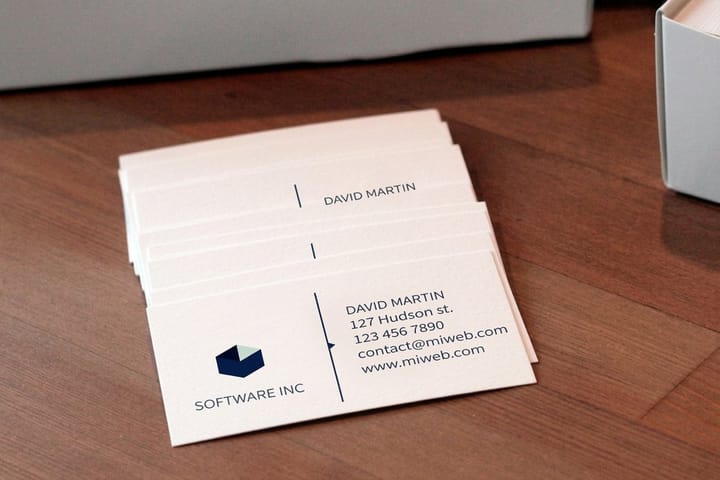
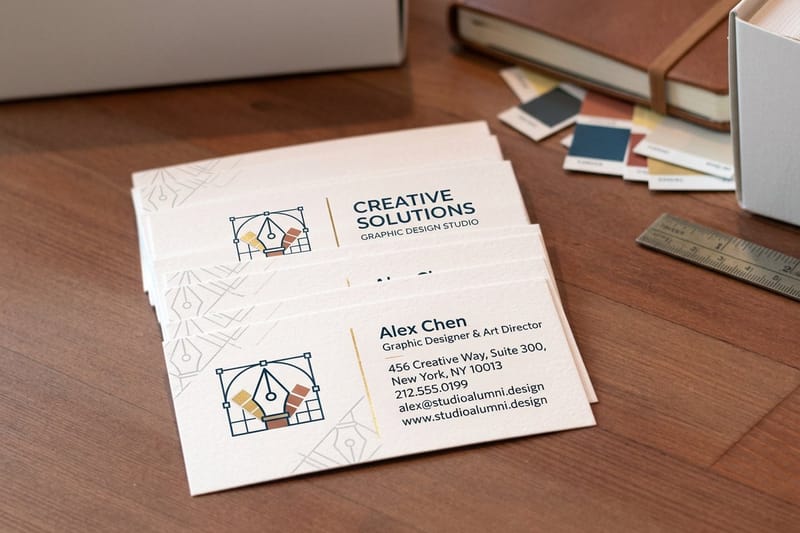
In most retail, business cards are a formality. In hardware they are a sales tool, because your most valuable customers, contractors, property managers, maintenance crews, buy through relationships. A card with the owner's or manager's real name and direct line says: you have a person here, not just a register.
Print the trade pitch on the back: account billing, early hours, bulk pricing, delivery, and hand one to every work truck that parks outside. For homeowners, the same card stapled to a receipt makes the store findable when the next project starts. A laminated or thick stock survives a toolbox; compare finishes across our business card printing range and laminated business cards guide.
At under twenty dollars for the first box, it is the cheapest piece in the set and the one most likely to land a five-figure annual account.
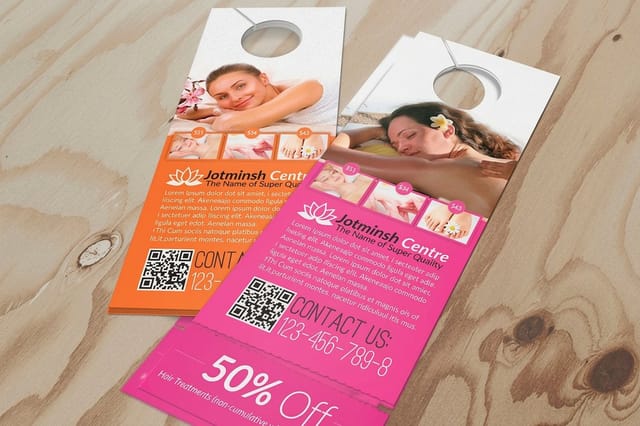
8. Door hangers: the opening offer on every doorknob
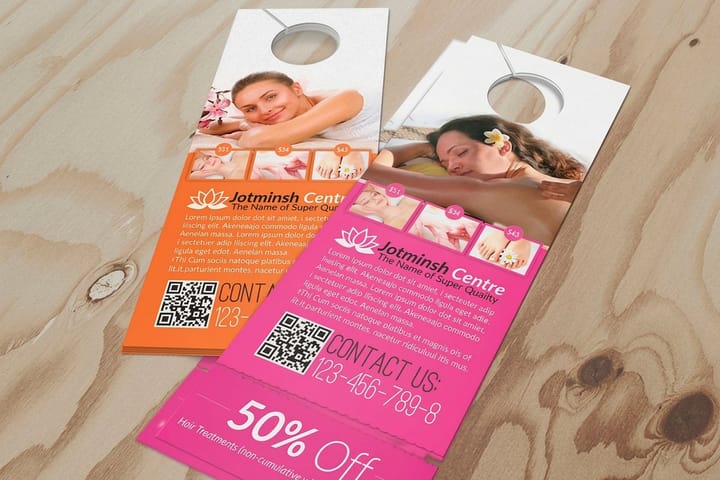
Every house within a mile of your store has a leaky faucet, a squeaky hinge, or a deck project waiting for spring, and most of those households will not drive past your corner this month. A door hanger reaches them where the projects actually live: on the front door, impossible to miss, with no envelope to open and no inbox to compete in.
Lead with the opening offer and a short list of what surprises people, keys cut, propane exchanged, screens repaired, paint matched, because the services are what turn a big-box loyalist into a neighborhood regular. Our guides on how to make door hangers and whether door hangers work for marketing cover the sizes, stocks, and walking routes that make a drop pay.
Blanket the surrounding streets the week before opening and the first Saturday crowd will include people who had no idea a hardware store was coming.
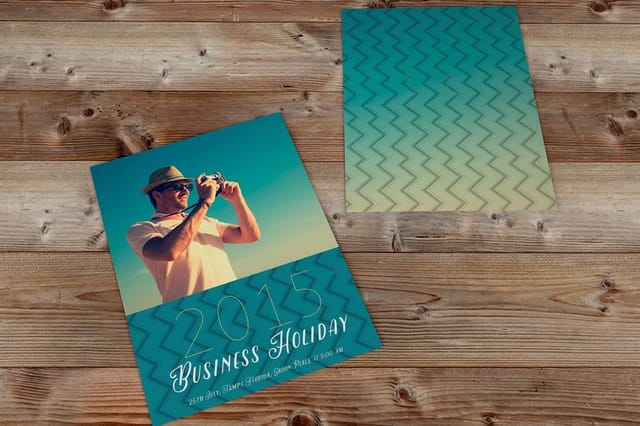
9. Postcards: the grand-opening mailer that hits every mailbox
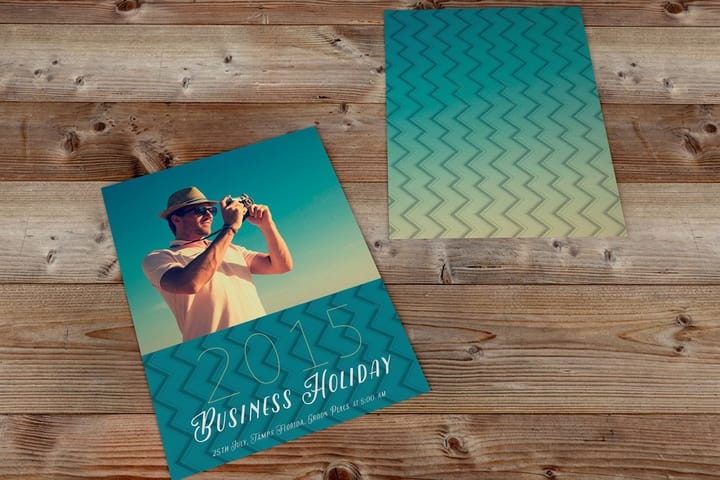
Door hangers cover the walkable blocks; postcards cover the rest of the trade area. A grand-opening card mailed to the surrounding zip codes puts the store name, the map, and one strong coupon into every household that will ever consider you, including the ones your signage never reaches.
Keep the front to a single image and a single promise, the store, the date, the offer, and use the back for hours, phone, and the coupon itself. Our guide to postcard design for direct mail covers what earns a card a spot on the fridge instead of the recycling bin, and building or renting a mailing list gets the addresses sorted.
After launch, the same format carries the spring paint sale and the fall snow-gear preorder, so the mailing list you build now keeps earning all year.
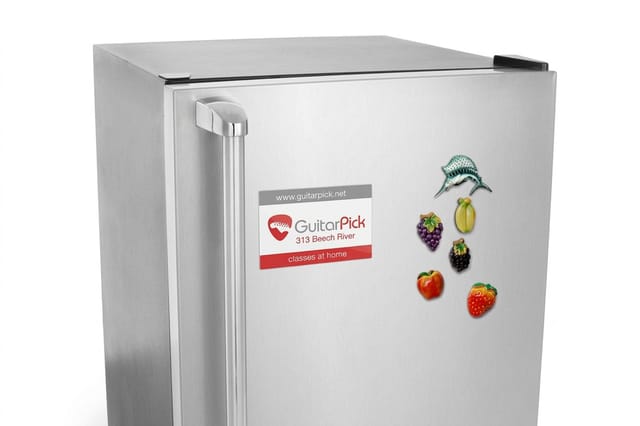
10. Magnets: the store number on the fridge when the pipe bursts
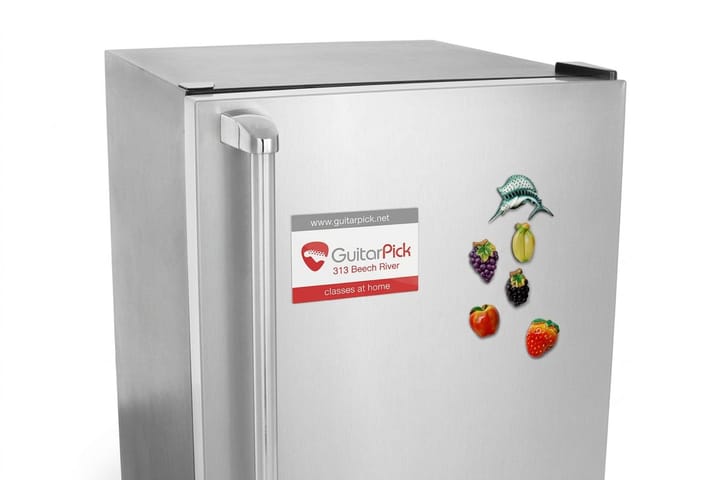
Hardware purchases are triggered by emergencies, and emergencies do not wait for someone to remember your street. A magnet with the store name, phone number, and hours lives on the fridge for years, which means the household calls you, not the big box, when the water heater gives out on a Sunday.
Keep it simple and useful: the logo, the number, the hours, maybe a ruler edge or a conversion chart that earns it permanent fridge status. Drop one into every bag during opening month and staple one to every trade-account welcome sheet. Our how to make custom magnets covers sizes and stocks, and magnets versus stickers settles why the fridge beats the bumper for a store that sells solutions to household problems.
At cents apiece in volume, the magnet is the smallest piece in the set and the one most likely to be within arm's reach when the next project starts.

Specs and pricing
Retail banner specs, material by material
The banner is the first piece up and the one the whole street judges you by. Here are the live specs and price-per-unit for retail banners at 4OVER4.COM, straight from the configurator.
| Quantity | Price Per Unit | Total |
|---|---|---|
| 1 | $79.00 | $79.00 |
Wally explains the launch set
Ten pieces that make day one look like year five
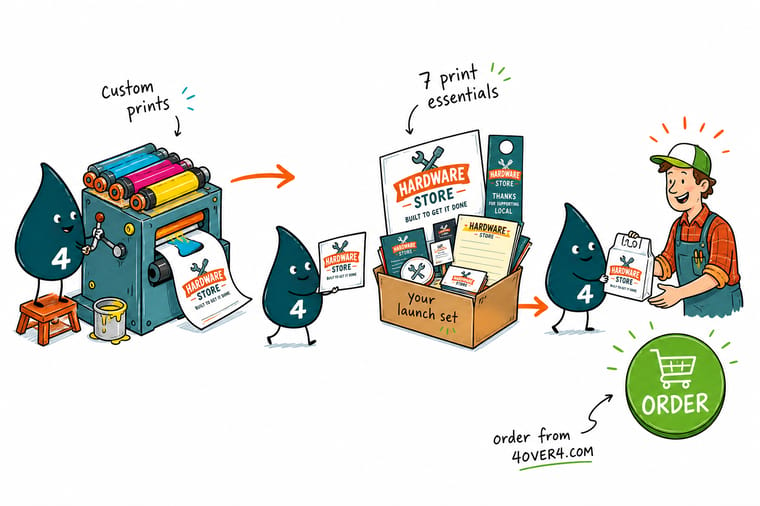
Wally knows a hardware store cannot afford a soft opening. The banner goes up while the shelves are still filling, yard signs work the corners, and the A-frame hits the sidewalk on day one. Inside, clings and counter cards convert the curious, and the business card at the register starts every contractor relationship. Give all ten one look and the store reads as established before the first sale rings.
Shop the retail collection →See it in use
Banner jobs customers sent in
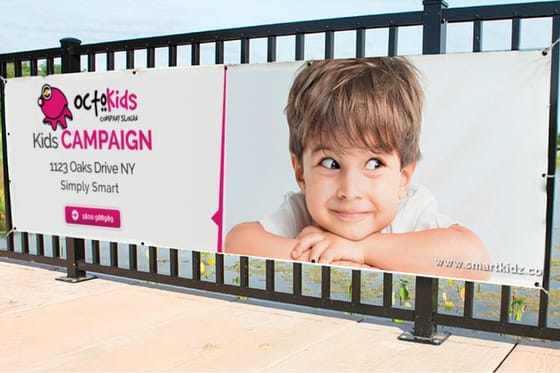
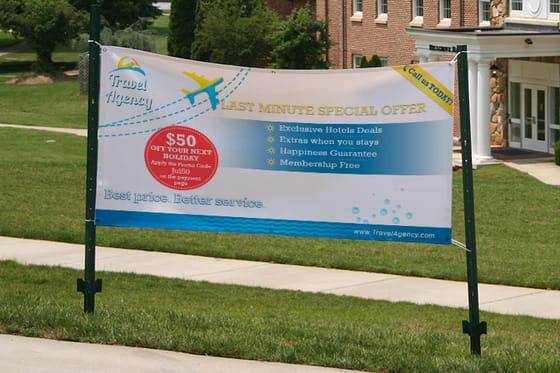
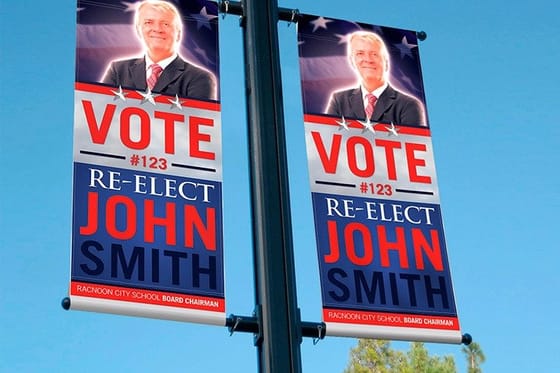

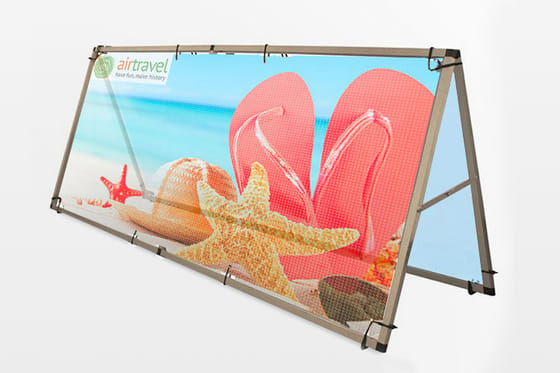
%22%2F%3E%3Ccircle%20cx%3D%2244%22%20cy%3D%221%22%20r%3D%2219%22%20fill%3D%22%23a78bfa%22%20opacity%3D%220.15%22%2F%3E%3Ccircle%20cx%3D%2240%22%20cy%3D%2250%22%20r%3D%225%22%20fill%3D%22%23a78bfa%22%20opacity%3D%220.1%22%2F%3E%3Crect%20x%3D%2274%22%20y%3D%22-7%22%20width%3D%2229%22%20height%3D%2210%22%20rx%3D%224%22%20fill%3D%22%23a78bfa%22%20opacity%3D%220.08%22%20transform%3D%22rotate(9%2080%2030)%22%2F%3E%3C%2Fsvg%3E)
Explore more
Where to go next



By the numbers
One set, printed to open established
Common Questions
Common questions about the hardware store launch set
What is in the hardware store launch set?
Ten print pieces that make a new hardware store look established from day one: retail window clings, yard signs, retail banners, Signicade A-frames, retail counter cards, flyers, standard business cards, door hangers, postcards, and magnets. The street pieces build visibility before and during opening, the in-store pieces convert the first wave of walk-ins, the cards and flyers go home with the contractors and DIYers who decide whether the store survives, and the door hangers, postcards, and magnets put the store name into the surrounding households before the competition knows you exist.
Why does a hardware store need to look established immediately?
Because hardware purchases are trust purchases. A homeowner mid-repair or a contractor on a deadline will not gamble on a store that looks improvised; they drive to the big box they know. Crisp, permanent-looking signage, matching pieces at the register, and a professional card at the counter all signal that the store is stocked, staffed, and staying. Looking established is the price of the first sale.
What should go up first, and when?
The banner, two to three weeks before opening, so the neighborhood watches the store take shape. Yard signs on nearby corners the same week. The A-frame goes out the first morning with the grand-opening offer, the window clings carry the specific deals, and the flyers drop in the surrounding streets during opening week. Business cards and counter cards should be at the register before the first customer reaches it.
How do I win contractor customers at launch?
Treat them as a separate audience from day one. Give every visitor in work clothes a business card with a real name and direct phone number on it, and print a flyer that spells out the trade offer: early hours, account billing, bulk pricing, delivery. Contractors buy weekly and talk to each other on job sites, so the handful you win in the first month compound into the store's most reliable revenue.
Are A-frames and yard signs really worth it for a retail store?
For a hardware store, yes, disproportionately. Your customers are drivers: contractors in trucks and homeowners hauling materials. A-frames catch foot traffic at the door, and yard signs catch vehicle traffic at the corners they pass daily. Both are reusable for years of seasonal promotions after the launch, which makes them among the cheapest permanent advertising a store can own.
How much does the full launch set cost to print?
Each piece is priced live on its own product page and scales with quantity, size, and material. The banner and A-frame are one-time buys you reuse for years. At each starting quantity the ten pieces come to about $721.97, and 250 door hangers at $290.41 and one Signicade A-frame at $182.32 make up more than half of it; 50 postcards start at $16.48, 100 business cards at $17.57, 25 magnets at $19.68 and one counter card at $21.97. Configure your exact quantities on each product and the price updates as you go.
Can I reuse these pieces after the grand opening?
That is the design. Keep the banner message season-neutral and it comes back out for every sale weekend. The A-frame gets rewritten for whatever this week's promotion is, yard signs move to new corners, and the clings swap seasonally: snow shovels, paint season, grilling. Only the flyers and the opening counter card are truly launch-specific, and they are the cheapest pieces to reprint.
Get Started
Fifty flyers for $39.54 cover the opening weekend
Order the launch set from 4OVER4.COM piece by piece, door hangers first. Adjust size, material, and quantity on any product and watch the price update live.
Legal Disclaimer
Gold Standard guarantees apply to all standard orders placed through 4over4.com. Price match requires verifiable proof of a competitor's published price for an equivalent product with matching specifications and turnaround time. Satisfaction guarantee covers manufacturing defects and print quality issues. Contact support with order number and documentation.
