
10 Band Merch Prints That Sell Out the Table Every Show
A merch table is a small business that opens for four hours at a time. These are the ten print pieces that run it, from the poster that fills the room to the sticker still advertising you a year later.
The band merch pack is ten print pieces that carry a working band: stickers, posters, business cards, event tickets, flyers, die-cut hangtags, tote bags, t-shirts, a vinyl stage banner, and postcards. Posters and flyers fill the room, stickers, tees, and totes earn at the table, hangtags price the merch while you play, tickets sell the next date, the banner puts your name in every photo, a business card in the right hand books the next gig, and a postcard keeps the mailing list warm.
The picks
The ten pieces, priced live
Start here. Ten pieces, numbered in the order a band needs them, from $16.48 for 50 postcards and $17.57 business cards for bookers to a $21.96 full color tee on an 8.5 by 11 inch print area and $108.75 posters that announce the show. Print the poster and the tote from one file so the red on the wall is the red on the bag, then read on for what each piece does.


Design and print help
One look from poster to hangtag
The table reads as one band when the same logo sits on a 2.75 by 2.75 inch sticker, an 18 by 24 inch poster and a 6oz cotton tote. These 4OVER4.COM services keep your artwork consistent across all ten pieces without a designer on retainer.
How they work together
A show week, in three moves
Posters and flyers fill the room the week before, stickers, tees and totes earn at the table on the night, and postcards bring the fans back after. Print the whole sequence and the week before, the night of, and the morning after all keep working for the band.
Fill the room before you play a note. Posters own the walls near the venue, flyers work the crowds at other shows where your future fans already are.
The table earns while you play. Stickers catch the low spenders, tees and totes catch the fans, hangtags price everything, printed tickets sell the next date on the spot, and the vinyl backdrop puts your name in every photo of the set.
The venue owner, the booker from across town, the band you split the bill with. A card in each of those hands is how one show becomes a calendar, and a postcard to the mailing list is how tonight’s crowd hears about the next release.
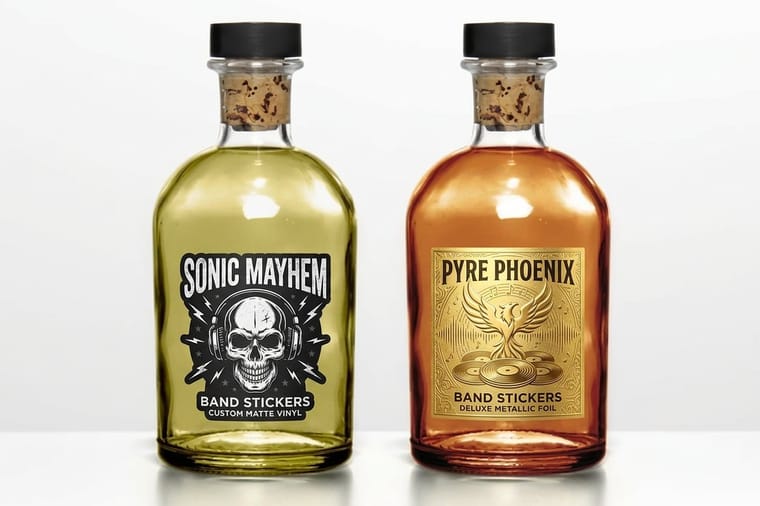
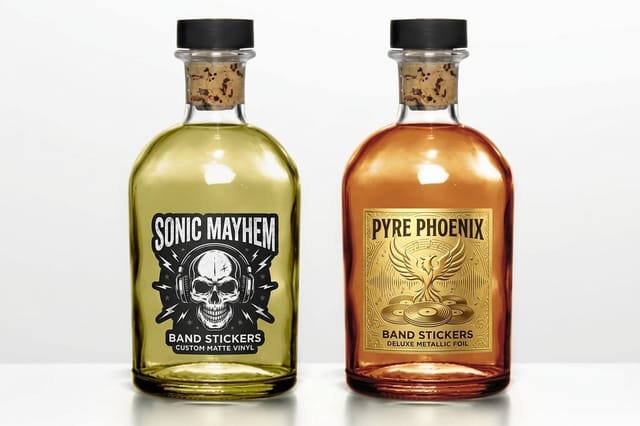
1. Band stickers: the merch that keeps gigging after the show
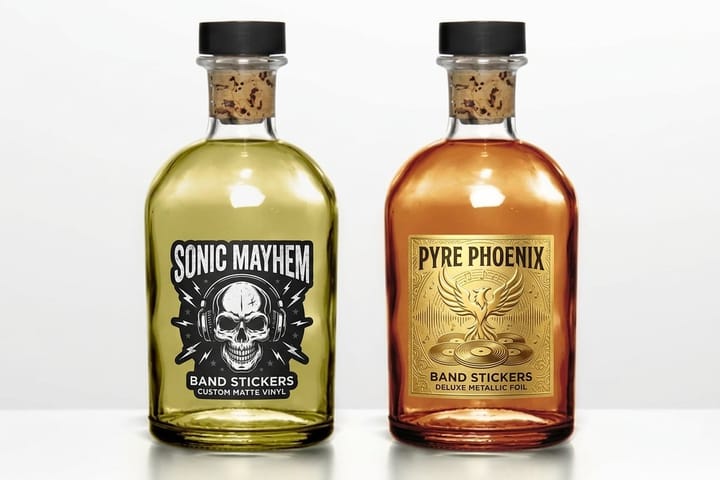
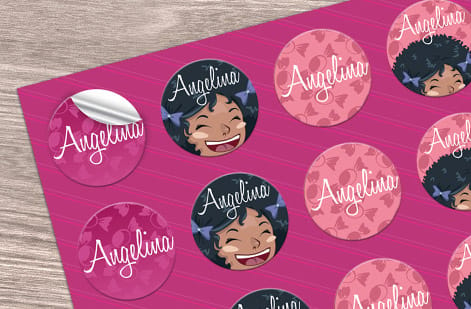
Every merch table needs something under five dollars, and stickers are that thing. A fan who cannot stretch to a tote will still grab a sticker on the way out, and unlike a shirt that lives in a drawer, that sticker ends up on a laptop, a water bottle, or a bumper where strangers read your name every day.
Print them durable. White vinyl handles weather and tour vans better than paper label stock, which matters because a peeling sticker advertises neglect. Band stickers come in 13 preset sizes from 2 by 3.5 to 5 by 7 inches, and our sticker hub at sticker and label printing covers every material. If you are weighing home printing against a real run, the guide on how to make stickers settles it honestly.
Price them at whatever the room can afford and treat the margin as marketing spend. A hundred stickers in a hundred pockets is a street team you never have to feed.
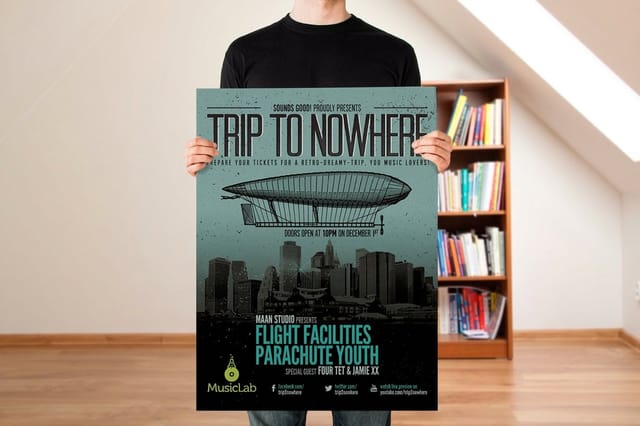
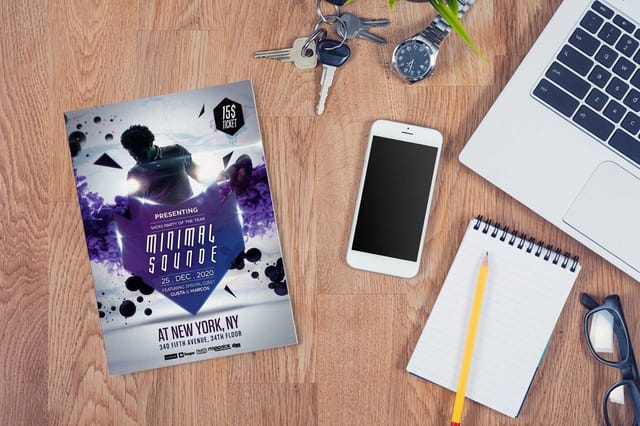
2. Posters: the show announcement that owns a wall
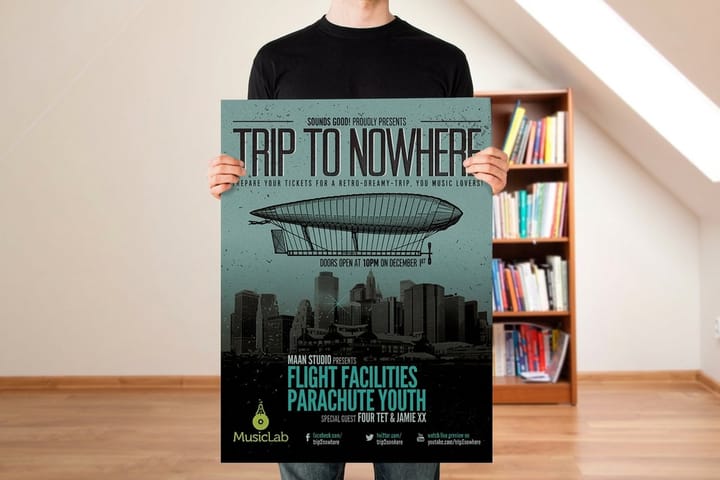
A show that only exists online competes with everything else online. A poster on the wall of the coffee shop two blocks from the venue competes with nothing. It sits in front of people who live near the room you need to fill, repeating the date every time they order.
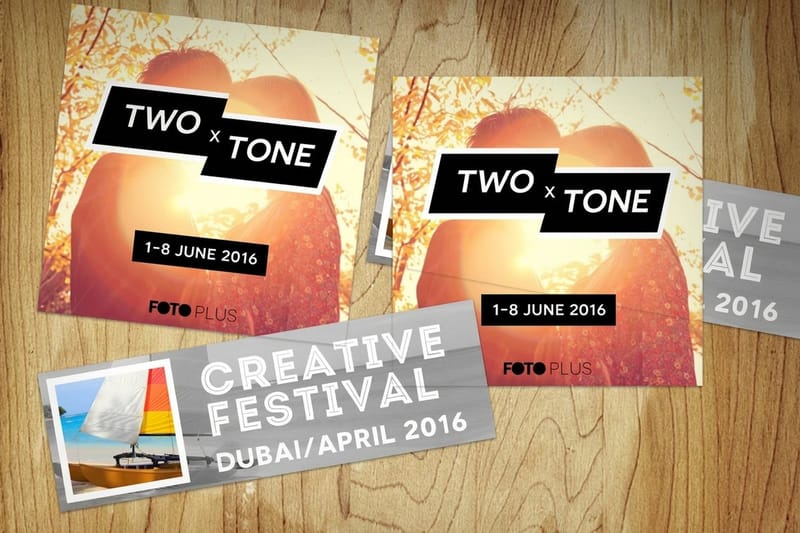
Design for distance. Band name and date readable from across the street, artwork that stops a walker at ten feet, details at arm's length. Browse formats and sizes at posters and wall art, and keep a stack of extras, because gig posters double as merch. Fans buy the poster of a show they were at, especially numbered or signed.
Put them up ten days out. Earlier and they wallpaper into the background, later and the weekend is already spoken for.
3. Band business cards: how one gig books the next three
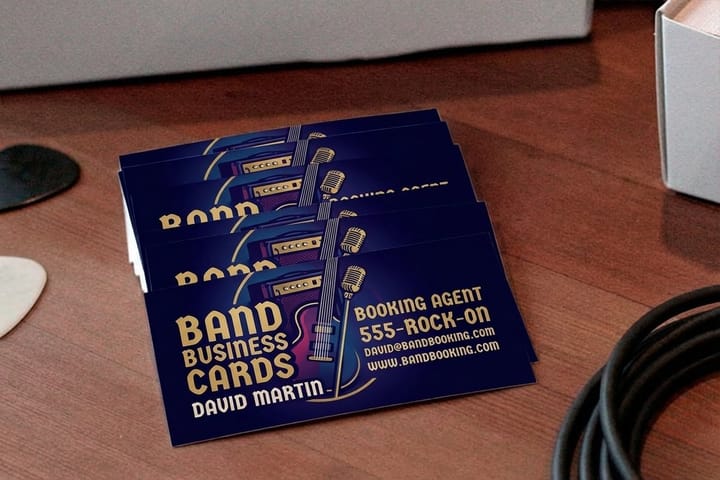
The most valuable conversations in music happen in the twenty minutes after a set, when the venue owner is happy and the booker from the club across town wandered in. What you hand them in that moment decides whether the night was a gig or a lead. A card with your name, a QR code to your press kit, and a phone number does the job a shouted Instagram handle never will.
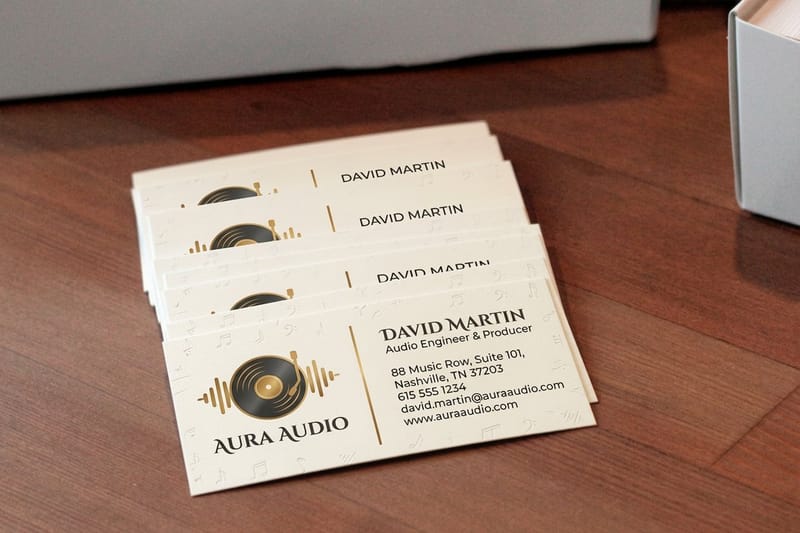
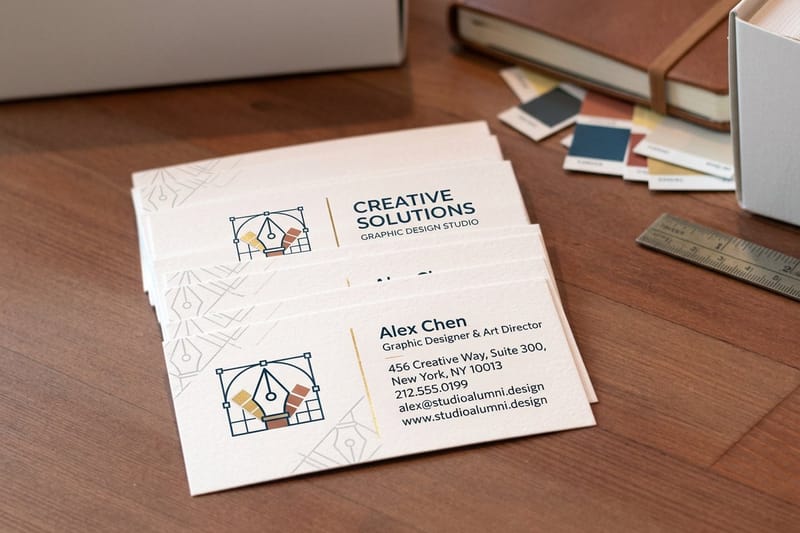
Keep the front bold and simple, logo and name, and put the working details on the back: booking contact, streaming link, QR to a one-page EPK. Thick stock matters here more than anywhere, because the card is standing in for how professional the band is. Configure yours at band business cards.
Give ten to every member. The bassist meets people the singer never does.
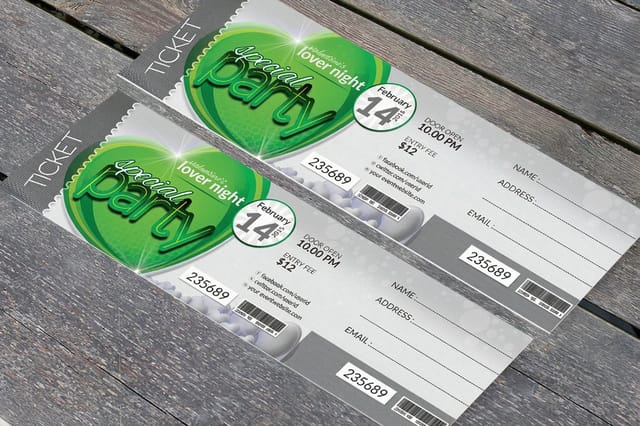
4. Event tickets: presales you can sell by hand
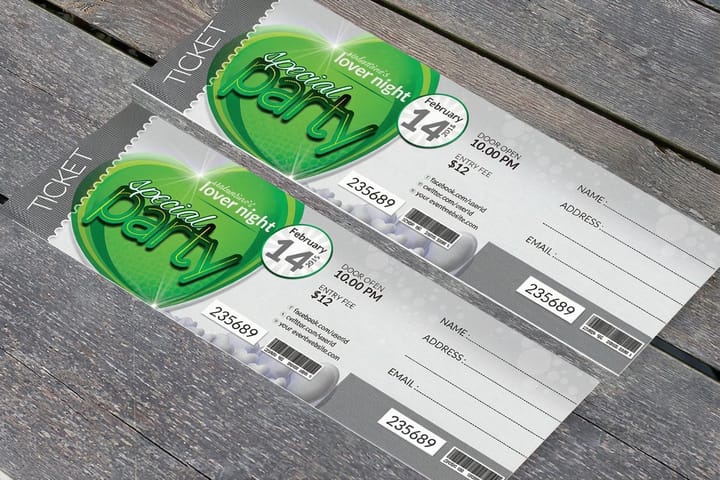
Online ticketing is fine for strangers. Printed tickets are for everyone else: the friends who pay cash at rehearsal, the record shop that takes ten on consignment, the other band swapping presales with you. In the local scene that fills small rooms, a physical ticket in a hand closes sales a link never opens.
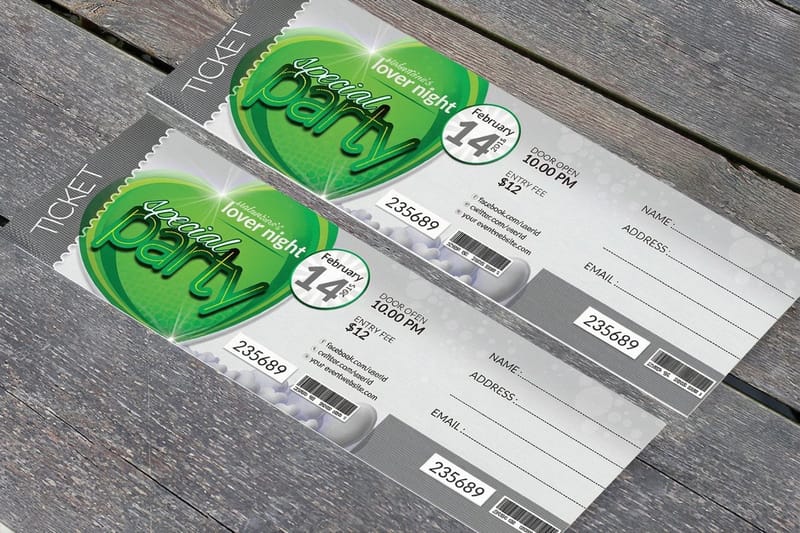
Numbering keeps you honest. Sequentially numbered tickets make it trivial to reconcile who sold what, split door money fairly, and know your real presale count before load-in. On layout, the essentials are covered in event ticket layout: act, venue, date, time, price, and a stub that survives the door.
The stub matters more than you think. Fans keep them, and a shoebox of stubs is the loyalty program you never had to build.
5. Flyers: recruit the crowd from other people’s shows
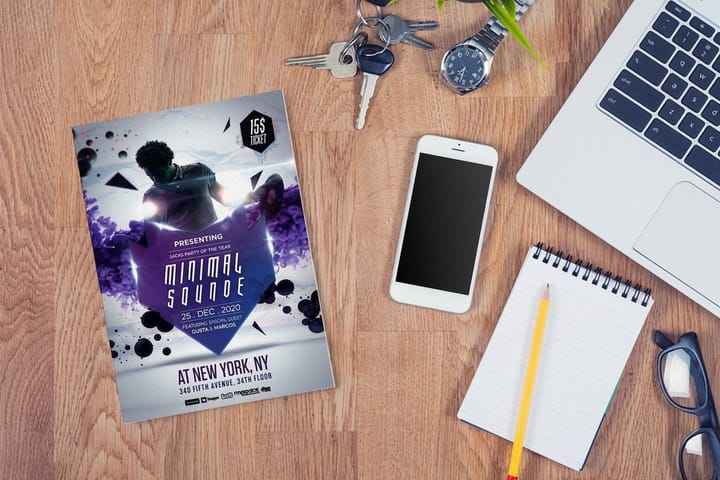
The best place to find people who go to shows is at a show. A stack of flyers handed out as the room empties at a similar band's gig puts your date directly into the hands of proven live-music spenders, which no ad targeting can honestly promise.
One flyer, one show, one action. Date, venue, and a QR code to tickets, with artwork loud enough to survive a jacket pocket. Cheap enough to print in volume, light enough to carry a hundred at a time. The fundamentals in how to make flyers apply directly, and event promo ideas has more ways to put them to work.
Ask the other band first. Handing flyers at their show becomes a favor traded, and traded favors are how local scenes actually run.
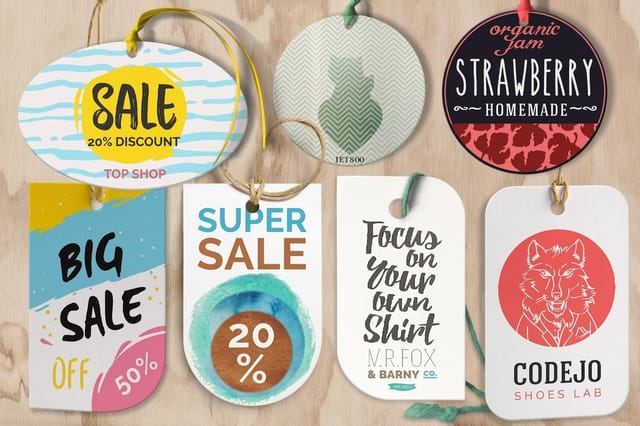
6. Die-cut hangtags: the silent salesperson on every shirt
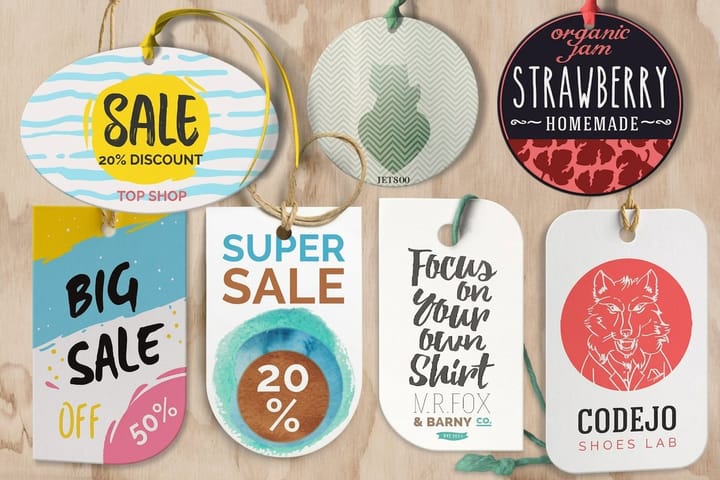
While you are on stage, nobody is answering questions at the merch table. A hangtag on every shirt and tote answers the two that kill sales, what is this and how much, and it does it in your brand voice. Tagged merch reads as official product; untagged merch reads as a pile of shirts.
Die-cut tags in seven shapes, from a leaf to a 2.5 inch circle, turn packaging into another piece of merch. Print the price and size on one side, a lyric or the album art on the other, and suddenly the tag itself is worth keeping. Set up yours at die-cut hangtags with a hole drilled for stringing.
Tag everything before the tour, not at the table. Show nights have no spare hands.
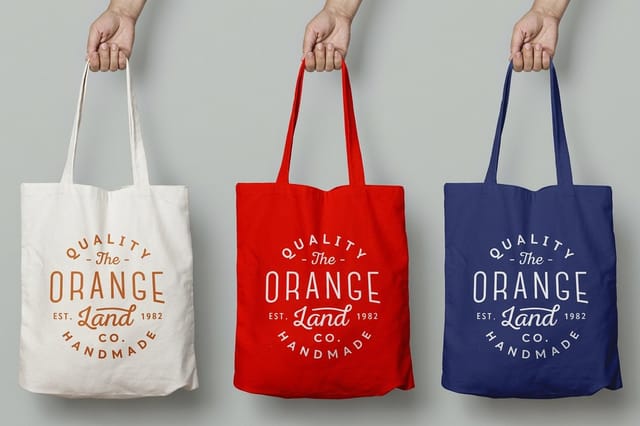
7. Tote bags: the merch that carries the rest home
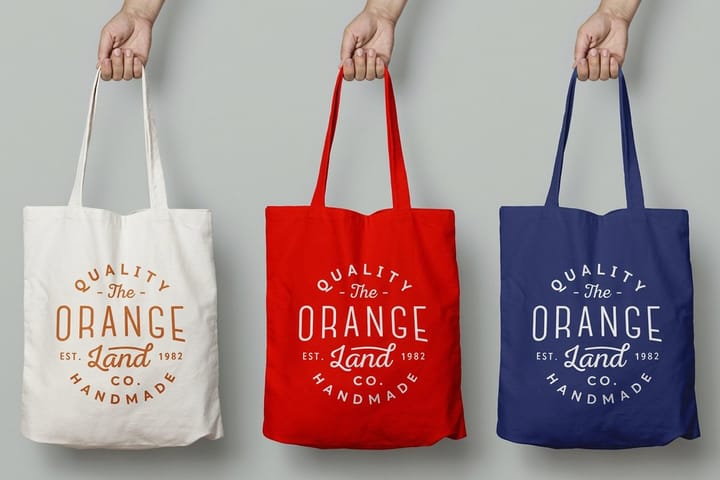
Shirts have sizes, and sizes have leftovers. A tote fits everyone, costs less to stock, and gets carried through grocery stores and record shops for years, which makes it the rare merch item that is both easy inventory and walking advertising.
Design it like a poster, not a logo slap. Full artwork sells better than a small chest-style print, and a tote bold enough to be a statement gets used weekly instead of stuffed in a closet. The tote bags are 14.5 by 16 inch 6oz cotton canvas in natural, red or royal blue. Price the tote as your mid-tier item between sticker and shirt.
The quiet bonus: fans who buy anything else at the table often add the tote to carry it. Stock it and it upsells itself.
8. T-shirts: the flagship merch fans actually save up for

Every merch table is measured by its shirts. A tee is the item fans plan to buy before they arrive, the biggest margin on the table, and the one piece of merch that keeps performing for years, on the street, at other shows, in every photo its owner posts. No band table is complete without a stack.
Design the shirt like merch, not like a flyer. Album art or a bold graphic beats a logo slap, and the tees come in white or black, sizes S to XXL, with full color on the front, the back or both. Our how to make custom t-shirts walks the art and color decisions, and the t-shirt print size guide settles how large the chest and back prints should land before the files go out.
Stock a sensible size curve and drop a limited color for tour. A shirt that sells out at the table is a good problem, and the reorder takes minutes.
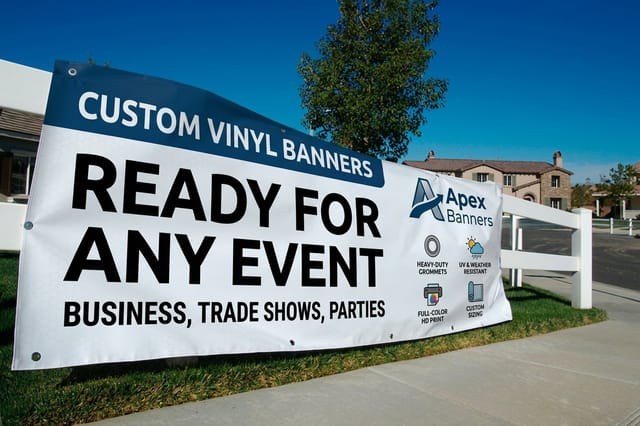
9. Vinyl stage banner: your name in every photo of the set
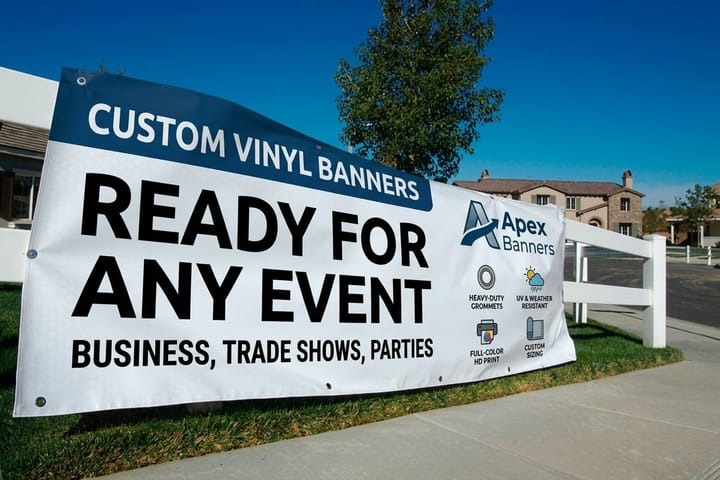
At a club show, plenty of the room does not catch the band name, and the phones come out anyway. A vinyl banner behind the drummer fixes both: every photo and story posted from the crowd carries your name, and the stage reads as a band with a following instead of four strangers borrowing a backline.
Keep it to the logo, big and high contrast, so it survives stage lighting and phone compression. Grommets let it hang from whatever the venue has, and vinyl shrugs off a hundred load-ins. Sizing and hems are covered in how to make banners, and banner material types settles vinyl against mesh and fabric for the road.
One banner lasts a whole album cycle. Split across a year of shows, it costs little per night.
10. Postcards: the release announcement that lands in a mailbox
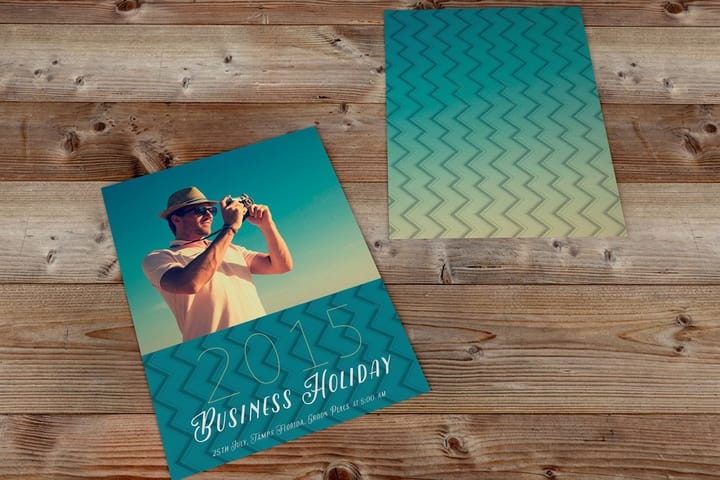
The mailing list signed at the merch table is worth nothing if you never mail it. A postcard announcing the album, the tour, or the hometown show reaches fans in a channel with no algorithm and almost no competition, and it gets pinned to fridges the way an email never will.
Put the album art on one side and keep the other side short: the date, the venue or the link, and one line of why it matters. Our guide to postcard design for direct mail covers what earns a card a spot on the fridge, and building a mailing list turns the signup sheet into a file you can actually mail.
Starting under twenty dollars a run, a postcard drop before each release keeps the fans you already won from drifting away between records.

Specs and pricing
Anchor the pack: band sticker specs and live pricing
Stickers are the piece every band reorders most, so they set the pace. Here are the live specs and price-per-unit for band stickers at 4OVER4.COM, straight from the configurator.

| Quantity | Price Per Unit | Total |
|---|---|---|
| 25 | $1.00 | $25.00 |
Wally explains the pack
Ten pieces, one band, printed to sell out the table
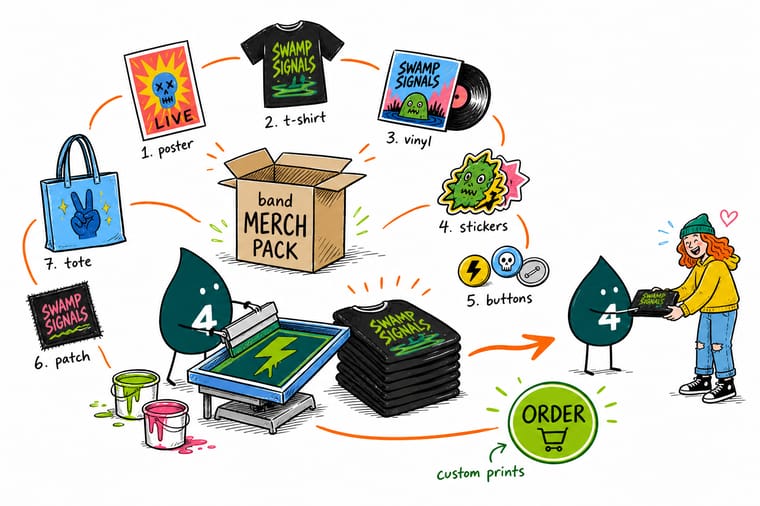
Wally sees a merch table as a tiny store with a four-hour lease. The poster and flyer bring the crowd, the sticker catches every budget, the tee and tote send the superfans home in your colors, the hangtag does the selling while the band plays, the stage banner signs every photo, and the business card and postcard turn tonight's booker and tonight's crowd into next month's gig. Print all ten at 4OVER4 in one run and the whole table wears the same colors.
Shop music printing →See it in use
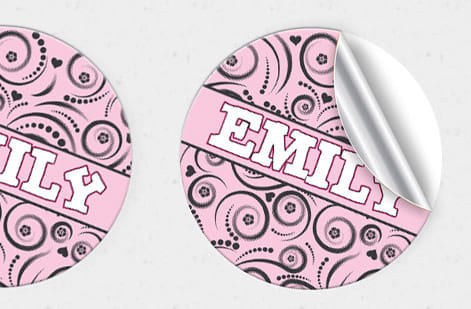
Band stickers we printed for customers






Explore more
Where to go next
By the numbers
One pack, printed to tour
Common Questions
Common questions about the band merch pack
What is in the band merch pack?
Ten print pieces that cover a working band from promotion to the merch table: band stickers, posters, band business cards, event tickets, flyers, die-cut hangtags, tote bags, t-shirts, a vinyl stage banner, and postcards. Posters and flyers fill the room, stickers, tees, and totes earn at the table, hangtags price the merch, tickets sell the next show, the banner brands the stage, business cards book the next gig, and postcards keep the mailing list warm between tours.
What should a new band print first?
Stickers and posters. Stickers are the cheapest item fans will actually pay for and they advertise for years, while posters are what make a show real in the neighborhood around the venue. Add the rest of the pack as the calendar fills, and keep every piece on the same logo and colors so the table looks like one band.
How much merch should we print for one show?
Start smaller than your optimism. A common approach for club shows is a modest run of stickers and totes plus enough posters to cover the blocks around the venue, then reorder based on what actually moved. Every product in the pack is priced live by quantity at 4OVER4.COM, so scaling the next run up or down takes minutes.
Why print tickets when everything is sold online?
Because a physical ticket is both a sale and a keepsake. Printed tickets move at rehearsal studios, record stores, and other shows where a QR code on a flyer gets skipped, and fans keep ticket stubs the way they never keep a confirmation email. Numbered tickets also make door counts and presales easy to reconcile.
Do hangtags really matter on a merch table?
They do. A tagged item answers the two questions that stall a sale, what is this and what does it cost, while you are on stage and nobody is staffing the table. A die-cut tag in a leaf, oval or circle shape also makes a plain blank shirt read as official merch rather than a craft project.
How do we keep ten pieces looking like one band?
Pick one logo lockup, two colors, and one typeface, and repeat them on every piece without exception. Start each layout from the same design files or templates, and print the full pack in one order from the same color values. Consistency is what separates a band table from a yard sale.
Can we reorder single pieces between tours?
Yes. Each product in the pack has its own configurator, so when stickers run out mid-tour you reorder just stickers at the same size and stock in a few clicks. Keep your print files in one folder and the whole pack stays consistent across reorders and lineup changes.
Get Started
Print 100 hang tags for $36.26
Order the full band merch pack from 4OVER4.COM and print all ten pieces with one logo and one palette, in one order. Adjust size, material, and quantity on any product and watch the price update live.
Legal Disclaimer
Gold Standard guarantees apply to all standard orders placed through 4over4.com. Price match requires verifiable proof of a competitor's published price for an equivalent product with matching specifications and turnaround time. Satisfaction guarantee covers manufacturing defects and print quality issues. Contact support with order number and documentation.
