
What to Expect From a Custom Sign Shop, From Quote to Delivered Sign


The order path, the proof gate, what the price does and does not include, and the point where a local shop beats an online one. Written by people who run the presses.
A custom sign shop should give you three things before it prints anything: a substrate recommendation tied to where the sign will actually live, a proof you approve in writing, and a turnaround quoted in production days with shipping transit stated separately. Expect finishing hardware such as grommets, stakes and standoffs to be priced apart from the printed panel, and expect the proof to be the last point where a change is free. Anything that has to be surveyed, permitted and installed on a building needs a local sign company. Anything that ships flat prints better and cheaper online.
Quick answer
Substrate first, proof second, and a turnaround with two numbers in it
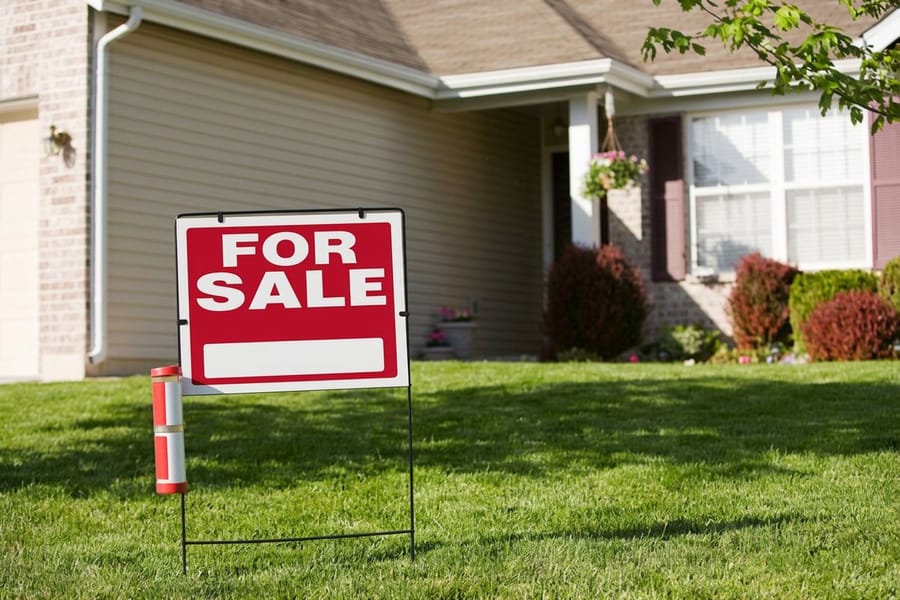
A sign shop earns its fee before the press runs, in the material advice and the proof. Where the sign hangs decides the substrate, the substrate decides the price, and only then does size come into it. The proof is the last free change, so read the phone number digit by digit. Quoted turnaround covers production only, which starts at proof approval, so ask for the transit estimate as a second number. Grommets, stakes and standoffs are line items, not extras hidden in the panel price.
The Order Path, and the Two Gates Nobody Warns You About

Ordering a custom sign is six steps long and only two of them can bite you. Upload, preflight, proof, print, finish, ship. The gates are preflight and proof, and both sit on your side of the counter.
Preflight is the shop opening your file and checking it against the finished size. It looks for bleed, a correct cut line, live text sitting too close to the trim, and image resolution that will survive being blown up to 18 by 24 inches or 3 by 8 feet. A logo pulled off a website at 72 dpi looks fine on screen and turns to mush at sign scale. If preflight fails, the job stops until you send a new file, and nothing you were quoted has started yet.
The proof is the last cheap moment in the whole process. Once you approve it, the file goes to a press and any error becomes a reprint you pay for. Read the phone number digit by digit. Read the address out loud. Check that the cut line does not clip a letter. Five minutes here is worth more than every other step combined.
After that the shop owns the schedule. Flat sheet goods run on a flatbed printer, roll material runs on a roll-to-roll, and finishing is where grommets, stakes and standoffs get added. If you want the whole file handoff explained end to end, our guide to how online printing works walks it through, and how ordering works at 4OVER4.COM covers what happens on our side after you hit approve.
The Substrate Conversation a Good Sign Shop Starts With
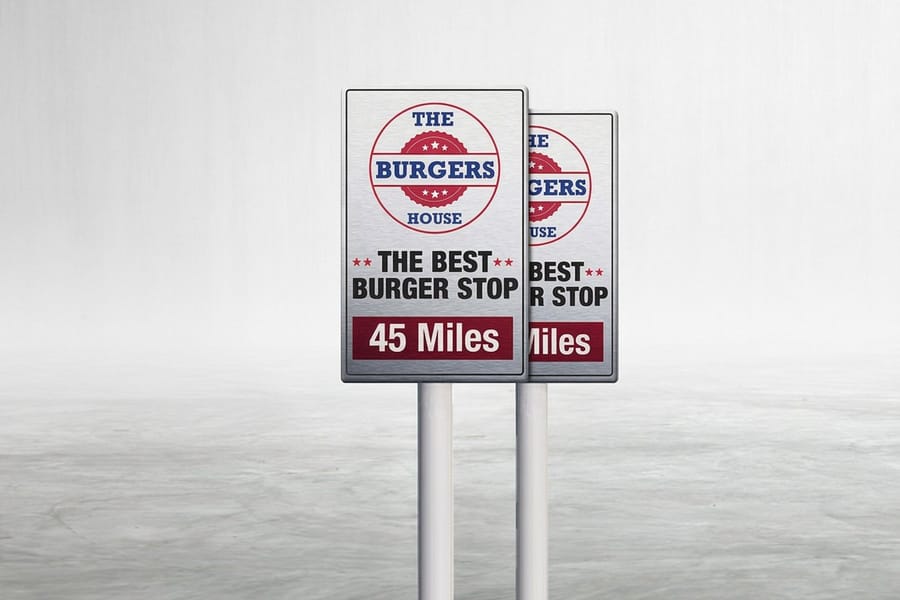
The first question should be where the sign is going, not what size you want. Mounting method and exposure decide the material, material decides the price, and only then does size matter. A shop that skips straight to a quote is selling you whatever it has in stock.
| Material | Where it belongs | How it fails | Starts at |
|---|---|---|---|
| Coroplast | Staked into soil, short outdoor runs, campaigns and open houses. | Flutes crush if you stake against the grain, and colors fade after a season of full sun. | $25 |
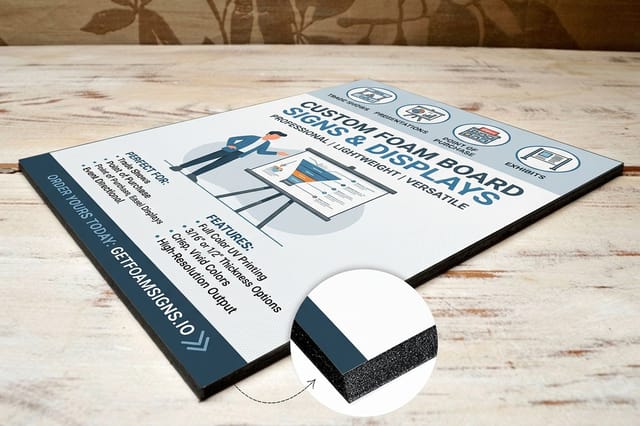
| Foam core | Indoor easels, lobby displays, event boards. | Absorbs water and delaminates outdoors, often in one rainstorm. | $49.99 |
| Aluminum | Bolted to posts, walls, fences, gates. Parking and traffic signage. | Almost nothing. It dents if struck and the print fades long before the panel does. | $36 |
| Acrylic | Interior lobby and office signage on standoff screws. | Scratches, and shows every fingerprint on a gloss face. | $152.72 |
| Vinyl banner | Fence lines, storefronts, event spans, anything temporary and large. | Tears at the grommets in wind unless the edges are hemmed and it is tied at every grommet. | $79 |
Read the failure column before the price column. Most sign regret is a material chosen for cost and then asked to do a job it was never built for. If the piece needs to survive a winter on a fence line, aluminum signs cost more up front and less over three years than replacing coroplast twice. If it needs to come down after a weekend, yard signs at $25 are the honest answer and anything sturdier is waste. For a deeper split between the three outdoor rigid options, see aluminum versus coroplast versus PVC.
What the Sign Price Covers, and What Gets Added Later

The number on the product page is the printed panel. Everything that makes the panel hangable is finishing, and finishing is priced separately at every shop worth using. This is not a hidden fee, it is how the trade quotes, but it surprises people who compared two prices without comparing two specs.
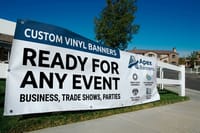
- Grommets. Metal eyelets punched through a hemmed edge, standard on banners roughly every two to three feet plus one in each corner. Fewer grommets means more sail area between tie points and a shorter life in wind.
- Hems and pole pockets. A hem folds and welds the banner edge so the grommet has something to hold. A pole pocket replaces grommets entirely when the banner slides onto a rod.
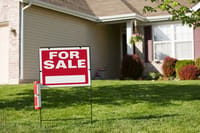
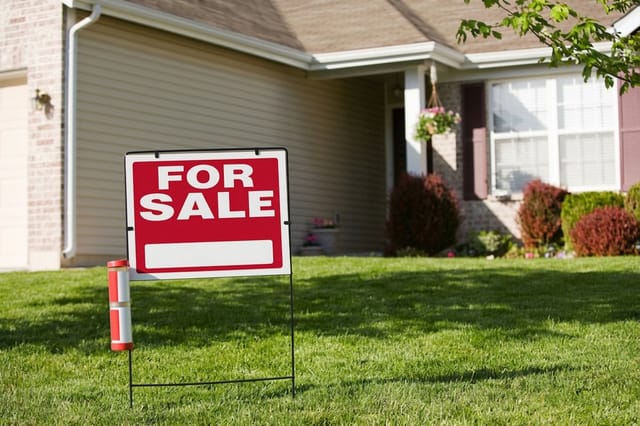
- Stakes. Yard signs need wire H stakes, and they are counted per sign, not per order. Ordering 50 signs and 10 stakes is a common and avoidable mistake.
- Standoffs and cleats. Interior panels like acrylic signs mount on standoff screws that hold the face off the wall. The screws are hardware, quoted apart from the panel.
- Second side. Double sided printing roughly doubles the ink and the press time. A yard sign read from both directions of traffic needs it. One facing a wall does not.
Ask for the quote with hardware included and compare that number. A shop that will not itemize finishing is a shop that will surprise you at checkout. Our configurator puts every one of these choices in front of you before the total, which is the same reason the large format printing range shows options rather than a single headline price.
Turnaround, Rush Work, and What Cannot Be Sped Up
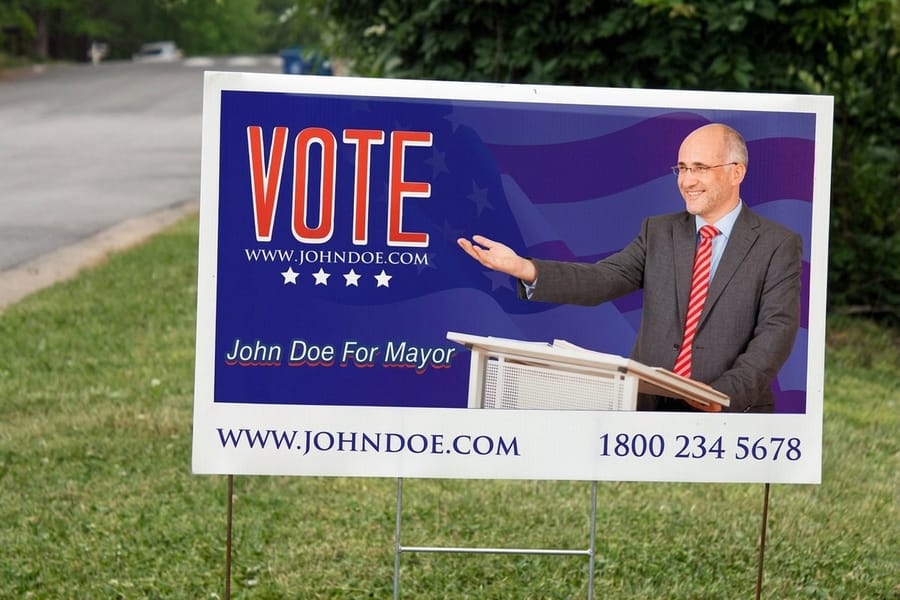
Quoted turnaround is production time. It begins when you approve the proof and ends when the box leaves the building. Everything before approval and everything after the dock is on a different clock, and conflating the three is the single biggest source of missed sign deadlines.
Rush service compresses the production window, usually by moving your job ahead of the queue and running it on the next available press pass. It does not compress transit, it does not compress ink cure time on solvent prints, and it cannot compress a proof you have not looked at. If your event is Saturday and you approve a proof Thursday afternoon, the fastest press in the country still has to hand the box to a carrier.
Two habits protect the date. Approve proofs the same business day you get them, because a proof sitting overnight pushes the entire job to the next production day. And order the sign before you finalize everything else about the event, since signage is the piece with a physical schedule attached while the guest list is not. If speed is the whole problem, how to get cheap signs fast covers which materials genuinely run quickest.
Local Sign Shop or Online Sign Shop, Honestly Compared
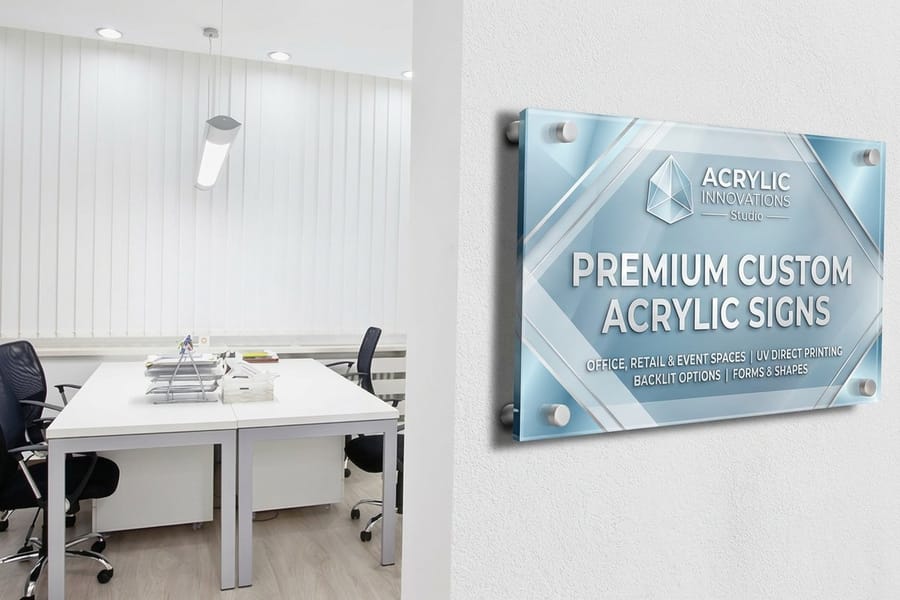
There are jobs an online shop should not take, and pretending otherwise wastes your money. A channel letter set on a building face needs a survey, an engineered mount, a permit filing and a lift. That is a local sign company with a crew, and no shipping box replaces it.
Everything that ships flat is the other case. Printed rigid panels, banners, yard signs and window decals are manufactured identically whether the press sits ten minutes away or three states over, and the online shop is running a far larger press schedule across a far wider material range. That is where the price gap comes from. It is also where the range gap comes from, because a local shop stocks what its regulars buy while an online catalog carries the substrate you actually need for a single job.
The honest trade-off is proximity. A local shop can put a physical sample in your hand this afternoon and drive out to look at the wall. An online shop answers that with a digital proof, a published material spec and free reprints when the print misses the proof. If your job needs installation, hire local. If it needs printing, the online signs and banners range and the yard sign category cover it at a price a storefront cannot match. For the vetting questions that apply either way, read how to choose a sign printing company.
Wally explains the sign shop
Where it hangs decides everything else
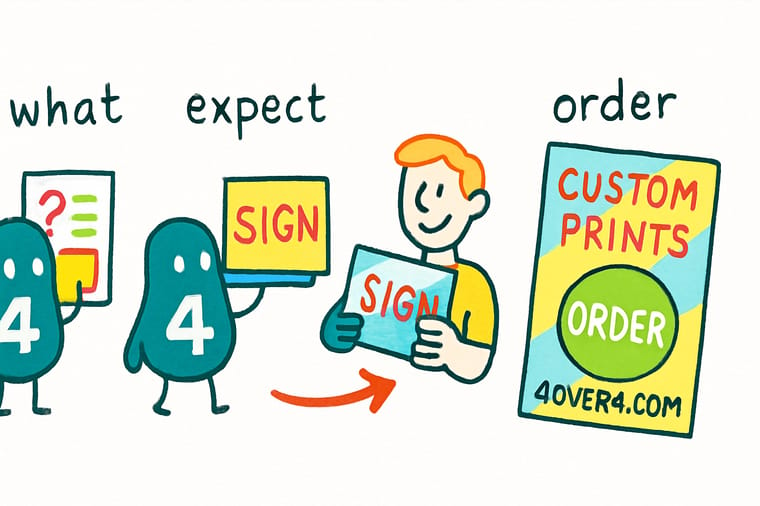
Wally asks one question before he quotes: where is this sign going. Soil gets coroplast and wire stakes. A fence line gets aluminum. A lobby wall gets acrylic on standoffs. Then he sends a proof and waits, because that is the last minute a typo costs nothing. The turnaround he quotes is production time, starting the second you approve, and he tells you the shipping days separately instead of burying them. Hardware is on the quote too, so the number you see is the number that hangs.
Configure your custom signs →Specs and pricing
Sizes, materials and starting prices, live from the configurator
Step the quantity up in any of these to see exactly where the price per sign drops, and which finishing options carry a cost.
Print it
Order the sign, with the hardware on the quote
Explore more
Where to go next
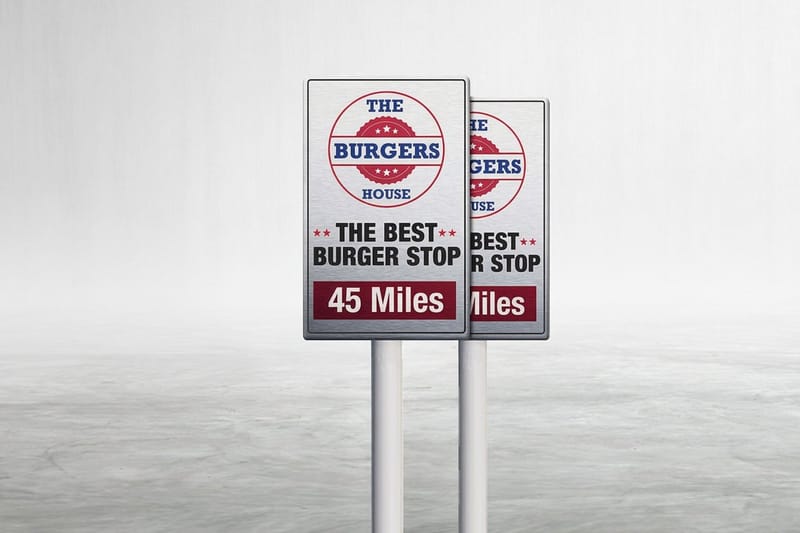
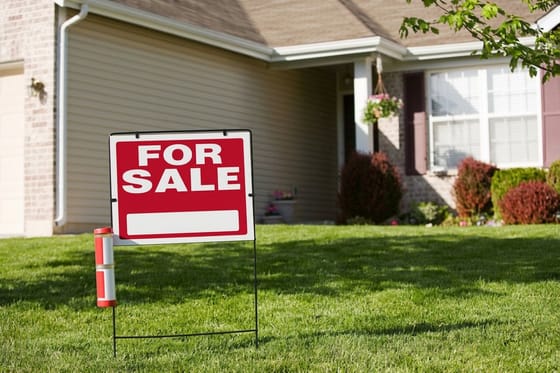

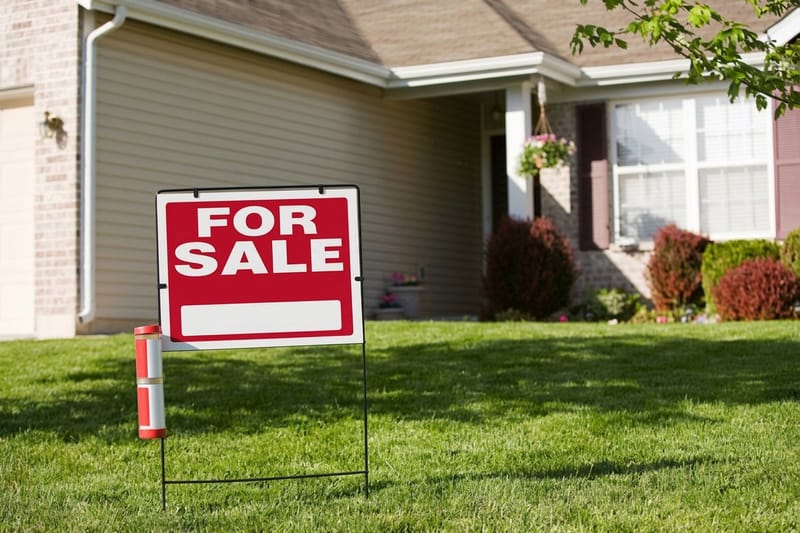
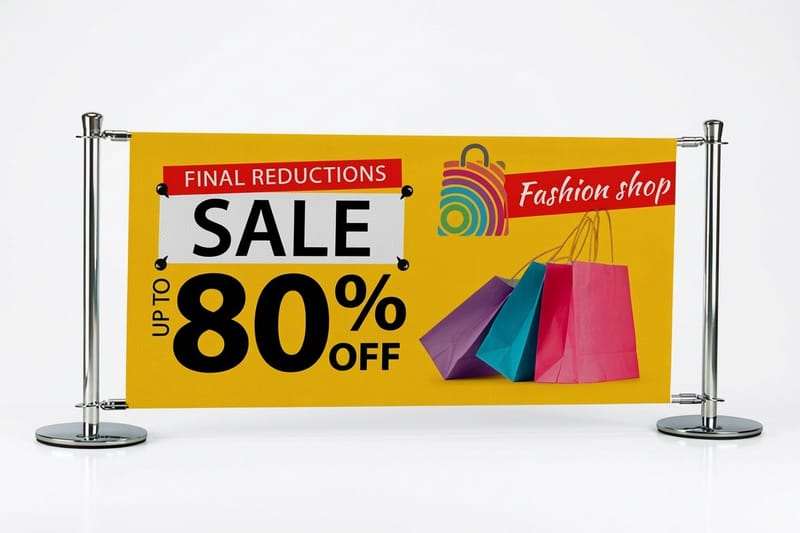
By the numbers
The sign shop behind the order
Common Questions
Questions customers ask before their first sign order
How long does a custom sign actually take?
Ask for two numbers, because a single turnaround figure hides half the schedule. The first is production time, which starts the moment you approve the proof and covers printing, cutting and finishing. The second is carrier transit, which depends on how far the sign travels and how big the box is. A yard sign printed and finished in one or two production days can still land four days later if it crosses the country by ground. A shop that answers with one number is quoting you production only, so ask what the shipping estimate adds on top.
Do I have to supply a print-ready file?
No, but supplying one is faster and cheaper. If you have artwork, send a PDF built at full sign size with bleed and fonts outlined, and start from a correctly sized layout in the blank template library so the cut line falls where you expect. If you do not have artwork, most shops either sell design time or give you an online editor. At 4OVER4.COM you can build the file yourself in the design templates library rather than paying for a design hour. Either way, the shop preflights the file and comes back to you if the resolution is too low for the finished size.
How big should the letters be on my sign?
The trade rule of thumb is one inch of capital letter height for every ten feet of viewing distance for comfortable reading, stretching to roughly one inch per twenty five feet if you only need the sign to be legible at all. A phone number meant to be read from a car forty feet away wants letters around four inches tall, which in practice decides the sign size before the design does. This is the most common reason a design that looked fine on a laptop is unreadable in the yard.
Do I need a permit for a custom sign?
For a temporary yard sign on private property, usually not. For anything mounted to a building face, lit, projecting over a sidewalk, or placed in a public right of way, usually yes, and the rules are set by your city rather than your state. Political and real estate signage often has its own size and time limits. Check before you print, because a permit refusal after the job is finished is the one delay no printer can undo. Our state by state sign permit guide covers the common thresholds.
Can I order a single sign, or is there a minimum?
Signs are priced by piece, and the per-unit price falls at quantity breaks rather than at a hard minimum. Yard signs start at $25 and aluminum signs at $36 on our configurator, and you can see exactly where the price per sign drops by stepping the quantity up in the live pricing widget on this page. One-off interior pieces like acrylic signs are priced differently, starting at $152.72, because the material and the cut cost the same whether you order one or ten.
What happens if the sign arrives wrong?
That depends on whose error it is, and this is worth settling before you order rather than after. If the print does not match the approved proof, a reputable shop reprints it. If the approved proof carried the typo, the reprint is yours to pay for, which is why the proof stage deserves five real minutes. Photograph the packaging and the sign the day it arrives if anything looks off, since damage claims on large flat freight get harder to win once the box is gone.
Get Started
Window decals run 25 for $93.37, or $3.73 each
Pick the substrate, add the stakes or grommets, see the quantity breaks, and approve a proof before anything runs. No surprise hardware at checkout.
Legal Disclaimer
Gold Standard guarantees apply to all standard orders placed through 4over4.com. Price match requires verifiable proof of a competitor's published price for an equivalent product with matching specifications and turnaround time. Satisfaction guarantee covers manufacturing defects and print quality issues. Contact support with order number and documentation. On-time delivery rate based on tracked orders 1999 to 2026. Individual results may vary based on shipping carrier performance.
