
Printed Sign Materials and Standard Sizes That Fit the Job


Four substrates cover almost every printed sign, and the sizes they come in were set by stakes, frames, and sheet widths. Pick the material, then the size, then the letter height, in that order.
Pick the material by how long the sign has to stand: 4 mm corrugated plastic for a season, 3 mm to 10 mm PVC board for two to five years, 0.040 inch aluminum for five years and up, and acrylic for interior panels read up close. Then pick the size by reading distance, allowing about one inch of capital letter height for every ten feet. That is why 24 by 18 inches is the standard yard sign and why a road-facing panel ends up at 48 by 36 with only three or four words on it.
Quick answer
Material by lifespan, size by reading distance
Two questions settle almost every printed sign order. How long does it have to survive, which picks corrugated plastic, PVC, aluminum, or acrylic, and how far away does it get read from, which sets the capital letter height at roughly one inch per ten feet and therefore the panel size. Standard sizes exist because stakes, frames, and sheet widths made them cheap, so staying on 24 by 18 or 24 by 36 saves money twice: once on the cut and again on the hardware.
Four Substrates Cover Almost Every Printed Sign
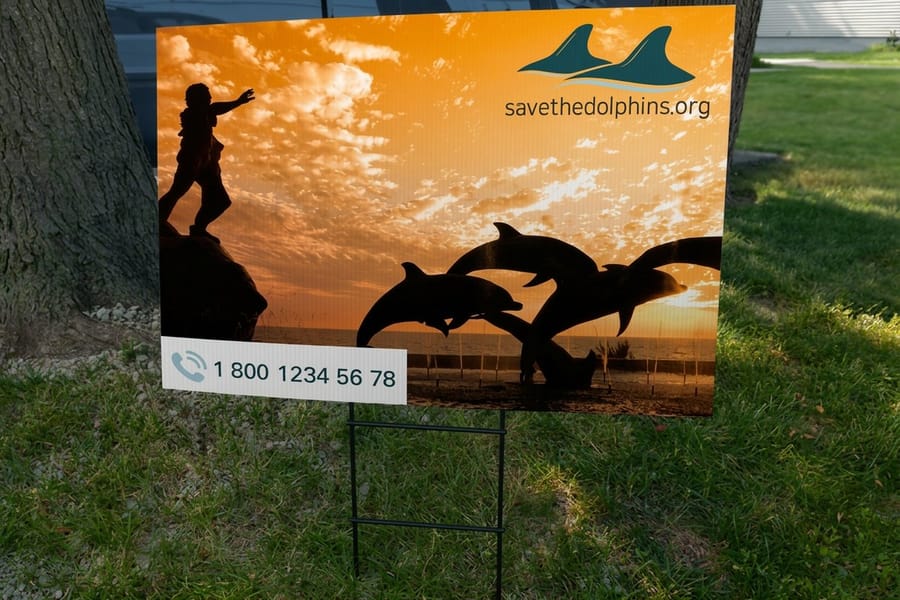
A sign catalog looks like twenty choices. In practice four materials cover almost everything, and the question that separates them is how long the sign has to stand up outside.
| Material | What it is | Life outdoors | Sizes it is usually cut to | Starts at |
|---|---|---|---|---|
| Corrugated plastic | 4 mm fluted polypropylene, hollow channels running one direction | A season to about eighteen months | 18 x 12, 24 x 18, 36 x 24 in | $25 |
| Expanded PVC | Rigid closed-cell foam board, 3 mm to 10 mm, smooth on both faces | Two to five years, longer out of direct sun | 18 x 24, 24 x 36, 48 x 36 in | $25 |
| Aluminum | 0.040 in rust-free sheet with a UV-printed face | Five years and up | 12 x 18, 18 x 24, 24 x 36, 48 x 36 in | $36 |
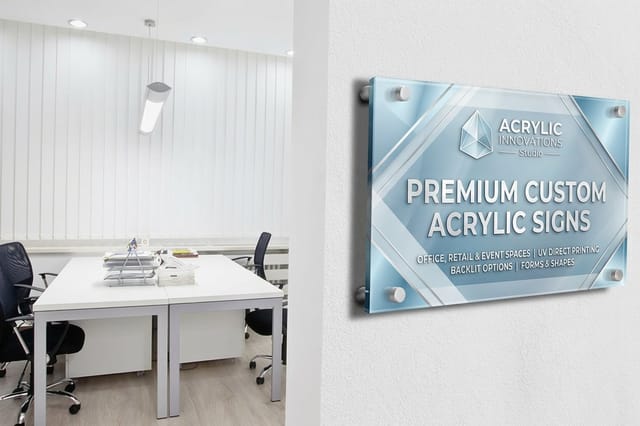
| Acrylic | Cast sheet with a polished edge, printed or second-surface | Interior material, not a weather panel | 8 x 10, 12 x 18, 24 x 36 in | $152.72 |
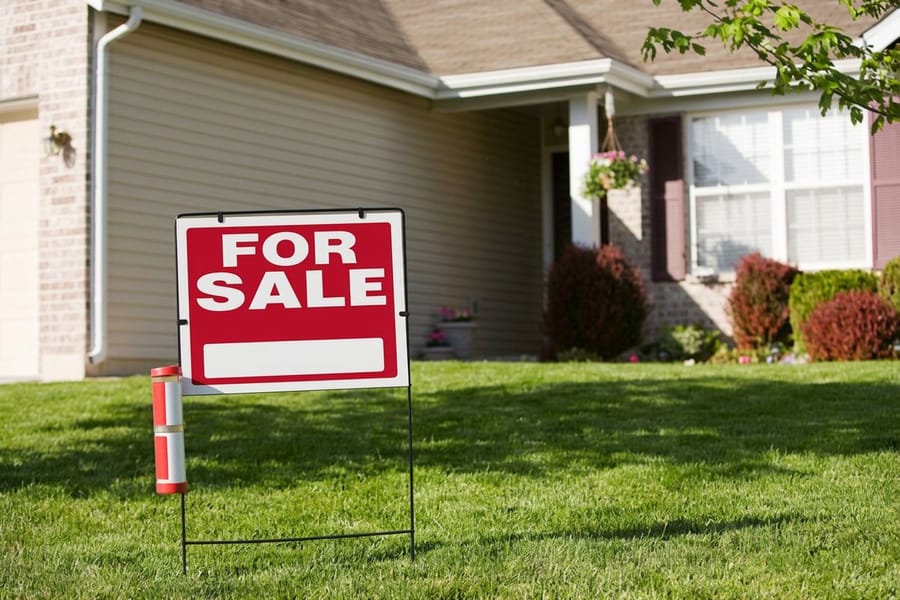
Read the third column, pick your row, and the rest of the decision is small. A campaign, an open house, or a weekend event never needs more than corrugated plastic, and paying for metal there is money spent on a sign you will recycle. A storefront panel, a parking rule, or a wayfinding marker that has to look the same in three years is aluminum signs territory, and coroplast in that spot will have faded and softened long before anyone budgets a replacement.
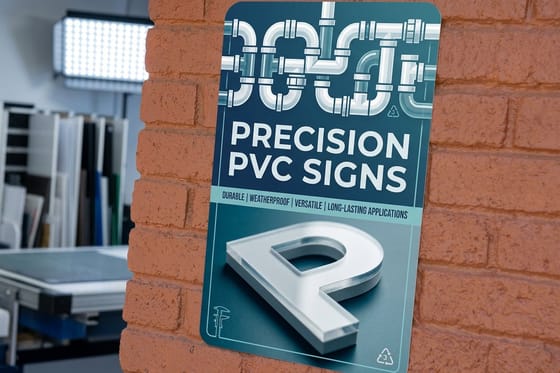
PVC signs take the middle, and they take more of it than most people expect, because the same board works indoors as a directional panel and outdoors on a fence. If you want the three outdoor materials argued out in detail, our aluminum vs coroplast vs PVC comparison goes row by row. Acrylic signs sit outside that argument entirely: nobody buys acrylic for weather, they buy it because a polished edge lifted off a wall reads as permanent architecture.
The Standard Sizes, and Why Those Numbers and Not Others
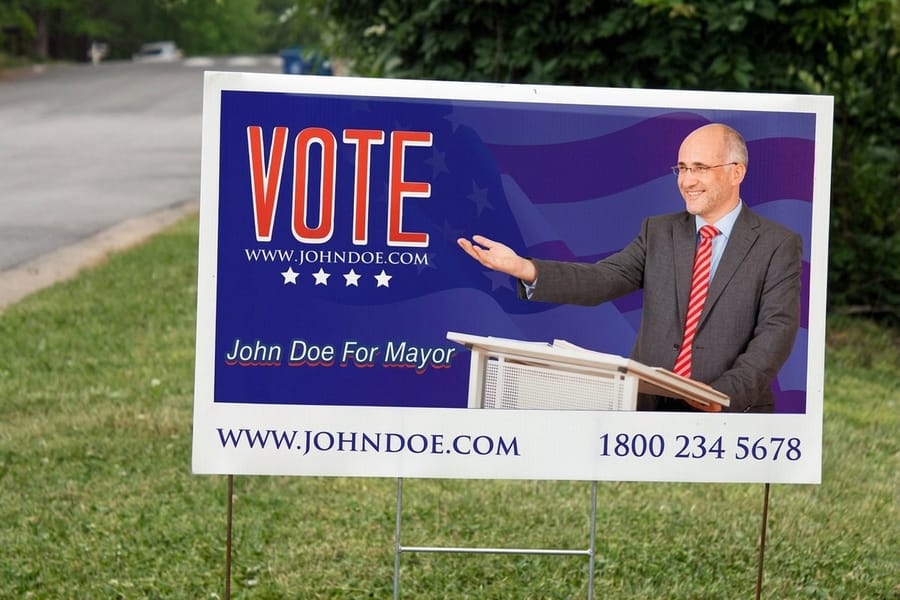
Standard sign sizes are not design conventions. They come from two constraints: the width of the raw sheet the shop cuts from, and the span of the hardware that holds the finished panel.
| Format | Common sizes | Read from | Usual material |
|---|---|---|---|
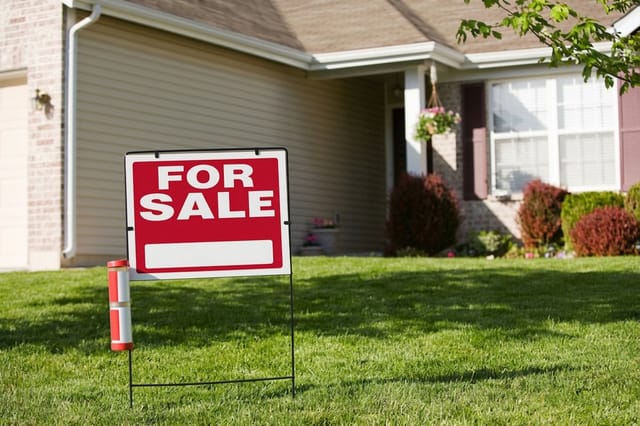
| Yard sign | 18 x 12, 24 x 18, 36 x 24 in | Thirty to eighty feet | 4 mm corrugated plastic on an H-stake |
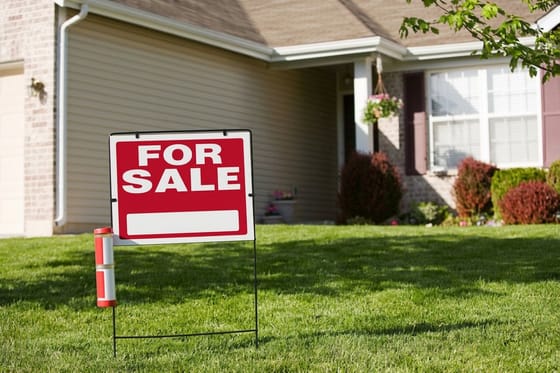
| Real estate panel | 24 x 18, 24 x 36 in plus 24 x 6 in riders | Forty to a hundred feet from a road | Coroplast for listings, PVC or aluminum in a frame |
| A-frame insert | 24 x 36 in | Ten to thirty feet on a sidewalk | 6 mm PVC or corrugated plastic |
| Wall and directional | 8 x 10, 12 x 18, 18 x 24 in | Three to fifteen feet | 3 mm PVC indoors, acrylic on standoffs |
| Parking and regulatory | 12 x 18, 18 x 24 in | Twenty to sixty feet | 0.040 in aluminum, reflective face optional |
| Large panel | 48 x 36, 48 x 96 in | A hundred feet and up | Aluminum, or a vinyl banner on a frame |
The 24 by 18 inch yard sign dominates because a standard wire H-stake spans about ten inches at the top, so an eighteen inch bottom edge sits on the stake with support to spare. Go to 36 by 24 and one stake is no longer enough. The panel pivots in wind and the corners work loose, so that size wants two stakes or a frame. Our yard sign dimensions guide lays out how much copy each size actually holds.
Rigid sizes step in the same way. 24 by 36 inches is the most ordered size because it cuts cleanly out of a standard sheet, which is also why standard A-frame sizes settled on it: the frame was built around the sheet, not the other way around. Custom sizes are available on every material we print, and they are a fine choice when a wall or a frame dictates the shape. Just know you are paying for the offcut and sourcing your own hardware.
Size the Sign by Reading Distance, Not by the Space on the Wall
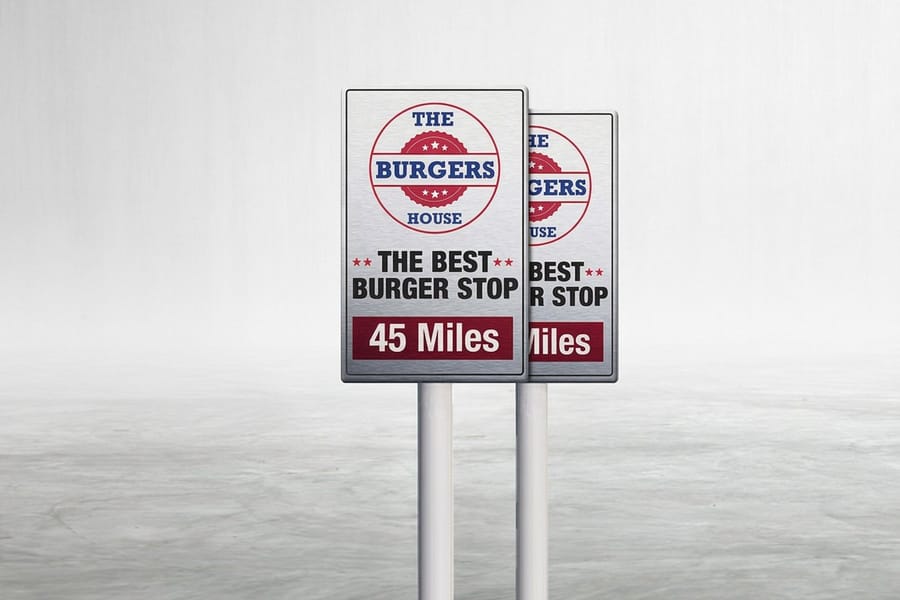
The most common sizing mistake is picking the panel first and then discovering the message will not fit at a legible size. Work in the other direction. Measure how far away the sign gets read from, and the letter height falls out of it.
The working rule sign painters use is one inch of capital letter height for every ten feet of reading distance. Some shops quote one inch per twenty five feet, which is the distance at which a letter can be resolved by a stationary eye, not the distance at which a driver watching traffic can read a phrase. Use the ten foot version for anything read from a vehicle and treat the looser figure as an absolute floor for a single word.
| Read from | Minimum cap height | Panel that holds a short message | Typical use |
|---|---|---|---|
| 15 ft | 1.5 in | 12 x 18 in | Door notice, counter sign, interior directional |
| 30 ft | 3 in | 18 x 12 in | Sidewalk A-frame, entry sign, small lawn sign |
| 60 ft | 6 in | 24 x 18 in | Yard sign, open house, parking direction |
| 100 ft | 10 in | 36 x 24 in | Storefront panel, lot entrance, event marker |
| 150 ft | 15 in | 48 x 36 in | Road-facing sign passed at speed |
The last row is where plans break. Fifteen inch capitals across a 48 by 36 inch panel leave room for a name, one short phrase, and a phone number. Everything else has to move to a smaller sign at the door, or to the website. A road sign carrying five lines of copy is a road sign nobody reads, and shrinking the type to fit is the same as not printing it.
Contrast does as much work as size. Dark type on a light field, or the reverse, holds at distance in a way that two mid-tone brand colors never will, which our guide to sign colors and visibility covers with real pairings. Set the layout in the design templates library at final size so you are judging the letter height you will actually get.
Thickness and Mounting Decide What Fails First
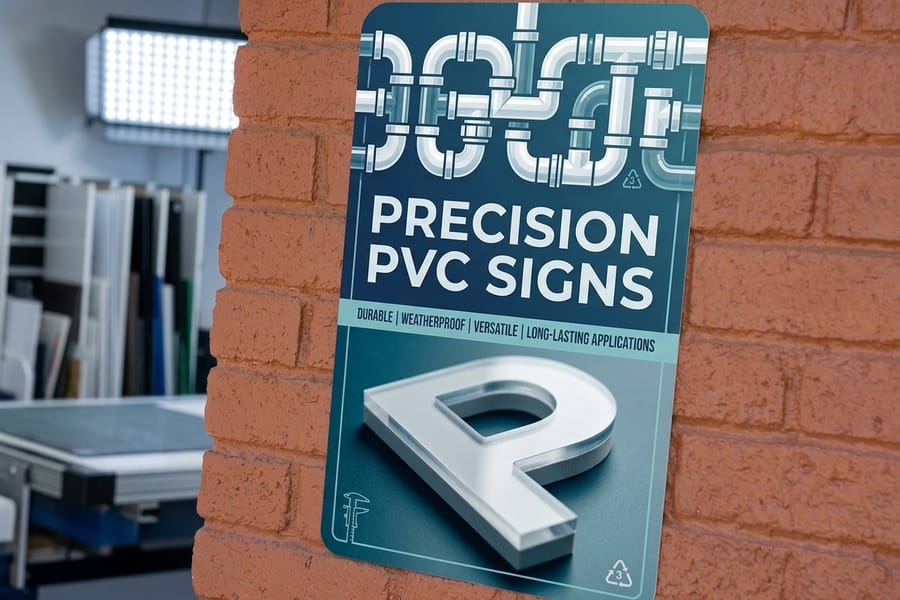
Thickness is not a quality grade. It is a response to how the sign is held and how much wind it catches, and picking it wrong is the reason a perfectly good print ends up in a dumpster after one storm.
Coroplast comes in 4 mm and that is enough on an H-stake, because the stake takes the load and the panel is free to flex a little. The same 4 mm panel zip-tied to a fence at four corners is a different object: the middle catches the gust, the sheet folds along its flutes, and the ties tear through. Run the flutes vertically and tie along the full perimeter and it survives far longer. If the fence is exposed, stop fighting it and move to a rigid board.
Expanded PVC is where thickness genuinely matters. 3 mm is an indoor board, light enough to hang with tape and thin enough to bow if it spans anything. 6 mm is the general purpose thickness for a wall or a fence panel. 10 mm is what you want on standoffs or across a free span, because a thinner board will show a visible sag between fixings within a year. The PVC thickness guide works through where each one starts to give.
Aluminum runs 0.040 inch for most printed signage, which is rigid enough to mount on two screws without deforming, and 0.063 inch for the larger road-facing panels. Fix aluminum so the mount carries the wind load rather than the corners of the face: screws through grommeted holes, a channel frame, or standoffs. On interior acrylic, standoffs are the whole point of the look as well as the fixing, which our standoff screw guide explains. For a broader look at what actually survives sun and freeze, see durable outdoor sign materials.
What You Are Actually Paying For
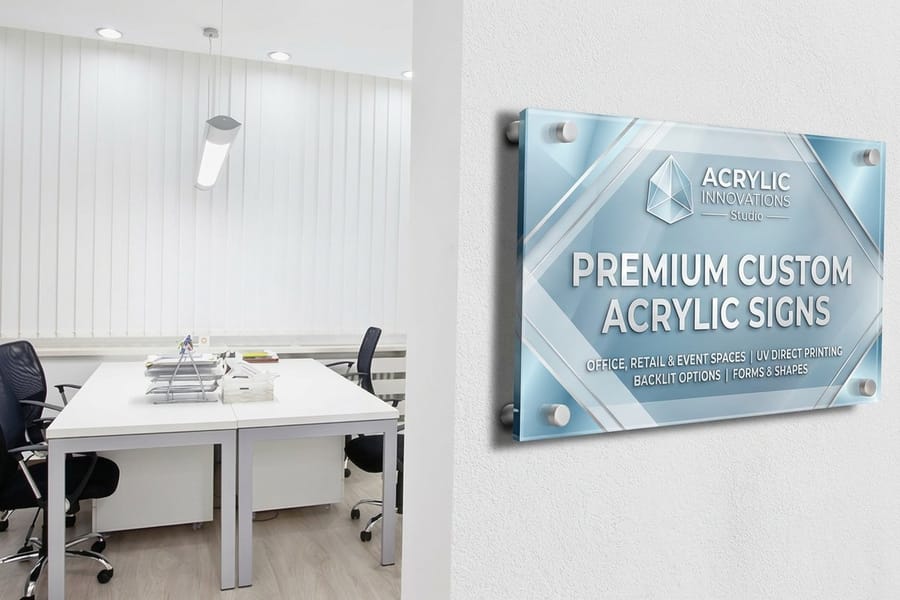
Across the four materials the entry prices are closer than the lifespans, which is what makes the cheap option expensive over time. Yard signs and PVC signs both start at $25, aluminum signs at $36, and acrylic signs at $152.72 because you are buying a cast sheet with a finished edge rather than a printed panel.
Quantity moves the number more than material does. Corrugated plastic gets dramatically cheaper by the dozen, which is the real reason campaigns and real estate offices order it: fifty signs at a low unit price beats five good ones for their purpose. Aluminum barely rewards volume the same way, because the material cost per panel stays high no matter how many you order.
Double-sided printing is the best value on the list. The panel, the cutting, and the shipping are already paid for, so a second face costs a fraction of a second sign. Order it whenever traffic passes from two directions and skip it whenever the sign is fixed flat against something. For anything larger than 48 by 36 inches, compare a rigid panel against a hemmed vinyl banner on a frame: at that scale the banner is usually cheaper to print, cheaper to ship, and easier to replace when the message changes.
Order free samples before you commit a large run. Coroplast and PVC look nearly identical in a photo and feel nothing alike in your hand, and that difference is the whole reason people regret one of the two. Everything on this page prices live in the large format printing section, so set your size and quantity and watch the number move before you decide.
Wally sizes a sign
Lifespan picks the board, distance picks the letters
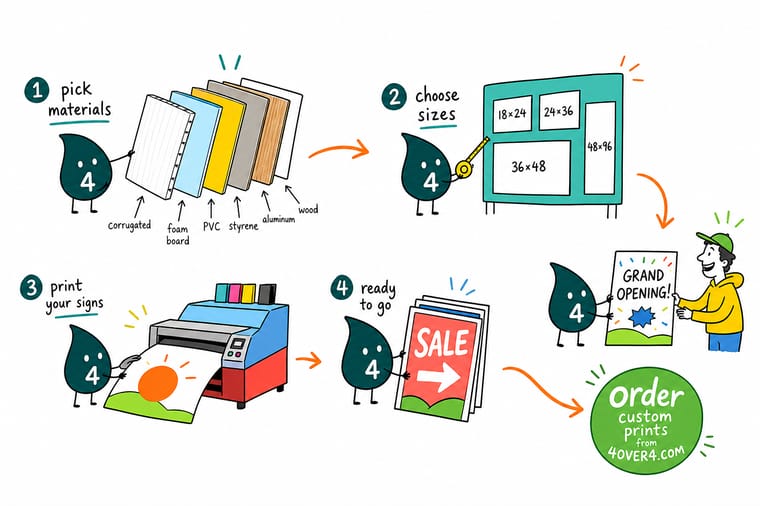
Wally asks two questions before he prints anything. How long does the sign have to stand outside, which decides whether it goes on coroplast for a season, PVC for a few years, or aluminum for the long haul. Then, how far away will somebody read it from, because one inch of capital height covers about ten feet. Sixty feet means six inch letters, and six inch letters on a 24 by 18 inch panel means three lines at most. He would rather cut a line now than reprint the whole run later.
Order custom printed signs →Specs and pricing
Sizes, materials, and live prices side by side
Set the size and quantity on each option and the price updates in real time, straight from the 4OVER4.COM configurator.
Print it
Order a sign on the right board
Explore more
Where to go next


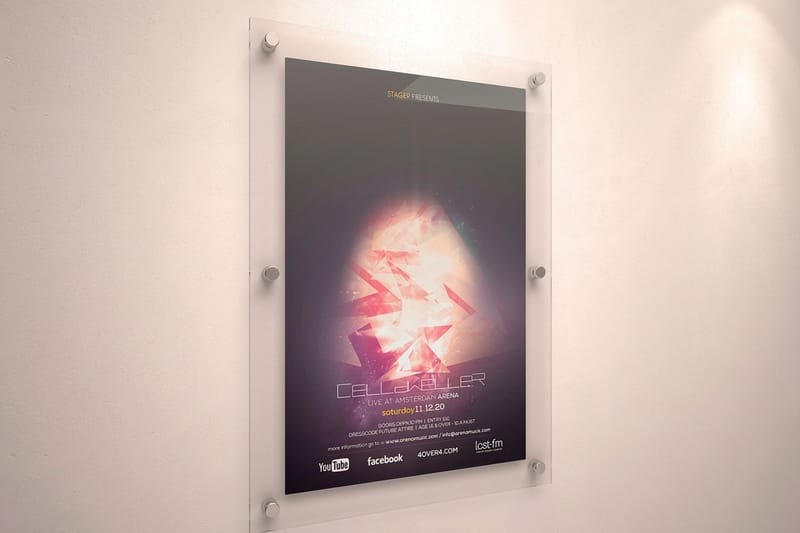
By the numbers
Acrylic, aluminum, coroplast and PVC signs
Common Questions
Your printed sign questions, answered
What material should a printed sign be made of?
Match the material to how long the sign has to stand. For a season or less outdoors, 4 mm corrugated plastic is the cheapest thing that works and it stakes into a lawn without hardware. For two to five years outdoors, or for anything indoors that hangs flat on a wall, expanded PVC board holds a cleaner edge and a smoother print. For five years and beyond in full sun, 0.040 inch aluminum is the only one of the three that will not warp, absorb water, or flex. Acrylic is an interior material: it is chosen for how a panel reads on a lobby wall, not for weather.
What are the standard printed sign sizes?
Yard signs run 18 by 12, 24 by 18, and 36 by 24 inches, with 24 by 18 the most ordered because it matches a standard H-stake. Rigid panel signs step up through 18 by 24, 24 by 36, and 48 by 36 inches. A-frame inserts are usually 24 by 36. Foam board display sizes follow poster sizes at 18 by 24, 24 by 36, and 36 by 48. Custom sizes are available on every material, but staying on a standard size keeps the price down and lets you use off-the-shelf stakes, frames, and standoffs.
How big should the letters on a printed sign be?
Allow about one inch of capital letter height for every ten feet of reading distance. A sign read from thirty feet on a sidewalk wants three inch caps, a lawn sign read from sixty feet wants six inch caps, and a panel meant to be read from a hundred and fifty feet of road wants fifteen inch caps. That last number is the one that surprises people. Fifteen inch letters on a 48 by 36 inch panel leave room for a name, a short phrase, and a phone number, and nothing else. Everything past that belongs on the door.
How thick should a sign be?
It depends on how it is held. Coroplast comes in 4 mm and is fine on an H-stake pushed into soil, where the stake carries the load and the panel can flex. Expanded PVC comes in 3 mm, 6 mm, and 10 mm: 3 mm is an indoor notice board, 6 mm is the general-purpose outdoor and wall thickness, and 10 mm is for standoffs and free spans where you do not want to see a bow. Aluminum is sold in 0.040 inch for most printed signage and 0.063 inch for larger road-facing panels.
Can coroplast signs be used on a fence?
They can, and they are the usual failure. Zip-tied at four corners with a gust hitting the middle, a 4 mm corrugated panel folds along its flutes and the ties tear out. Two things help: run the flutes vertically so the panel resists bending across its width, and add ties along the full perimeter rather than only the corners. If the fence is exposed and the sign has to last more than a few months, print it on PVC or aluminum instead, or move to a mesh banner so the wind passes through the material.
Does a double-sided printed sign cost twice as much?
No, it costs less than two singles because the panel, the cutting, and the shipping are already paid for. The extra is the second print pass. Double-sided is worth it any time traffic passes the sign from both directions, which is nearly every lawn, sidewalk, and directional application. It is wasted money on a sign fixed flat to a wall or a fence, where nobody will ever see the back.
Do I need a permit for a printed sign?
Freestanding and permanently mounted signs usually do, and the rules are set by the municipality rather than by the state. Temporary yard signs are often exempt below a size threshold and for a limited number of days, and real estate and political signage have their own carve-outs in most places. Sign area, height above grade, and setback from the road are the three numbers a code officer checks. Our guide to sign permits by state is the place to start before you order a large panel.
Get Started
Set material, size and letter height in the sign configurator
Pick the board, set the size, and we print it double-sided if traffic passes both ways. Coroplast for the season, PVC for the wall, aluminum for the years.
Legal Disclaimer
Gold Standard guarantees apply to all standard orders placed through 4over4.com. Price match requires verifiable proof of a competitor's published price for an equivalent product with matching specifications and turnaround time. Satisfaction guarantee covers manufacturing defects and print quality issues. Contact support with order number and documentation. On-time delivery rate based on tracked orders 1999 to 2026. Individual results may vary based on shipping carrier performance.
