
How to Choose a Sign Printing Company That Gets Your Signs Right the First Time


Signage is unforgiving. The material, the proof, and the finishing decide whether your sign still looks sharp after a season outdoors. This guide gives you the exact criteria to compare sign printing companies, the way pricing is really built, and the questions that expose a weak partner fast.
To choose a sign printing company, define the job first, then judge every candidate on five things. Substrate range, so the material fits the environment. Proofing, so file problems get caught before the press. Configured pricing, so you compare the same real order. Turnaround measured from proof approval plus transit. And a written reprint policy. Run one small test order through your top choice, inspect color, trim, and finishing, then standardize on the printer that gets all five right.
Start here
Substrate, proof, price, turnaround, reprint
A sign printing company is worth your order when it can print the right material for your environment, catch file problems before production, quote the full configured price on screen, commit to a production and transit window, and stand behind a reprint in writing. Define where the sign lives and how long it has to last, then compare candidates on those five points with one identical test order. The printer that passes becomes your standard for every panel, sidewalk sign, and banner after it.
Why the sign printing company you pick shows up in the finished sign
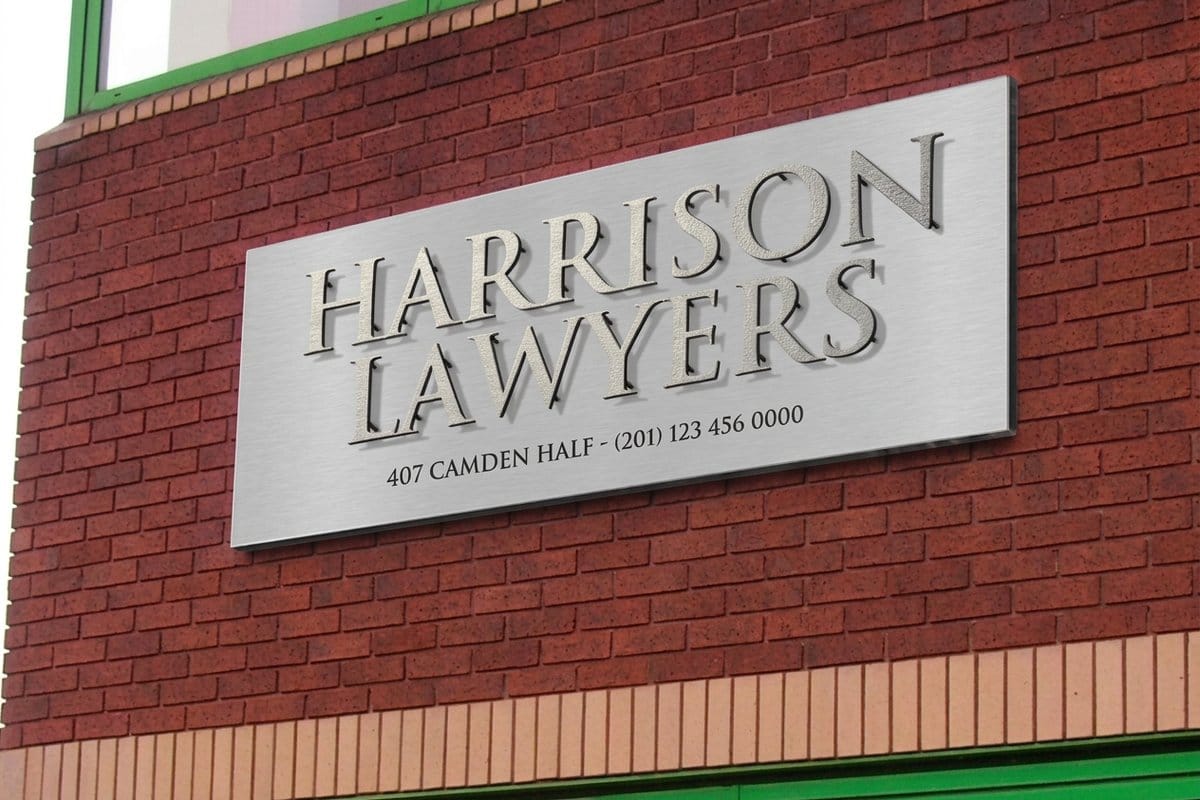
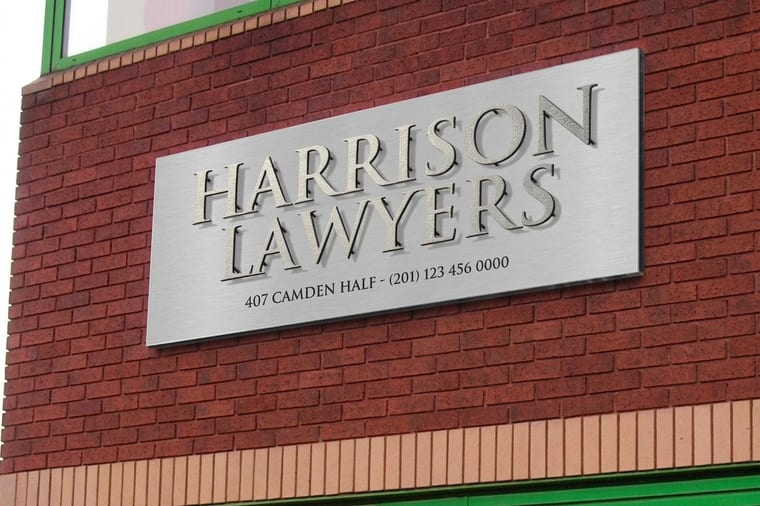
A sign is the one piece of marketing that has to survive weather, sunlight, and years of being looked at from a moving car. Everything you cannot see in a quote, the substrate grade, the ink chemistry, the way an edge is cut, is exactly what decides whether the sign still looks new next spring or fades into the wall.
That is why choosing a sign printing company is a specification decision more than a shopping decision. The printer you pick determines which materials are even on the table, how carefully your file gets checked, and how fast a mistake gets fixed. Get that right and a rigid aluminum panel or a two sided blockout banner arrives ready to hang. Get it wrong and you pay twice, once for the sign and once for the reprint.
What a sign printing company actually does

Sign printing is wide format work. Instead of sheets running through an offset press, artwork prints directly onto rigid boards or onto coated vinyl, then moves to a cutting table for trim, rounded corners, drilled holes, hems, and grommets. The printed face is only half the product. Finishing and hardware are what turn a printed panel into something you can actually mount.
A capable sign company owns that whole chain. It preflights your file, prints on the substrate that suits the environment, finishes to the mounting method you chose, and packs the piece so the corners survive freight. When any of those steps is farmed out to a third party, accountability gets blurry and your reprint conversation turns into a relay race.
The practical test is simple. Ask what happens between file upload and the box on your dock, and count how many hands the job passes through. Fewer hands and one owner usually means fewer surprises. It is the same instinct you apply when you compare printing vendors on capability rather than headline price.
Start with the job the sign has to do

Before you compare a single company, answer four questions. Where does the sign live, indoors or outdoors. How long does it need to last, a weekend or three years. From how far away does it need to be readable. And does it move, get stored, or stay bolted in place. Those four answers eliminate most of the wrong products immediately.
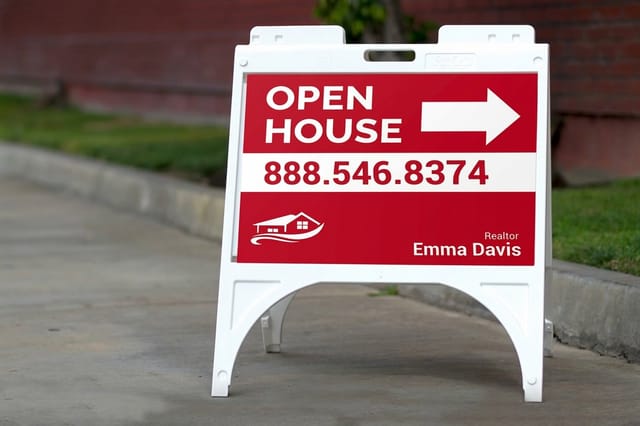
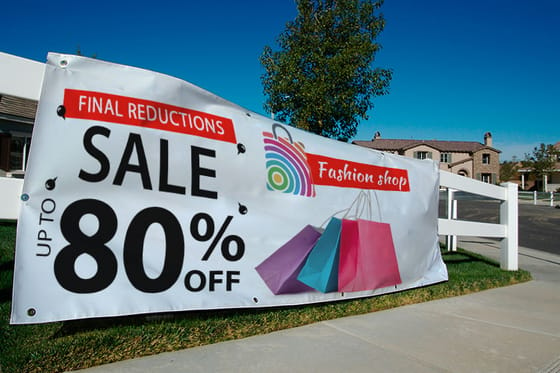
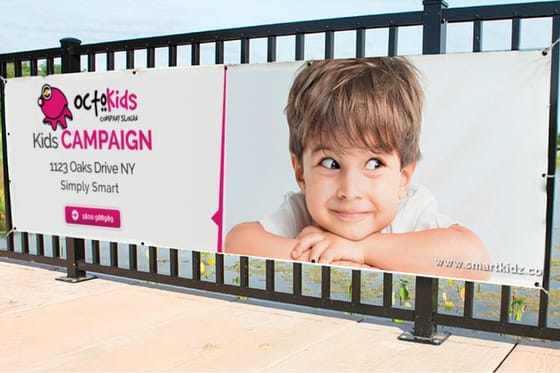
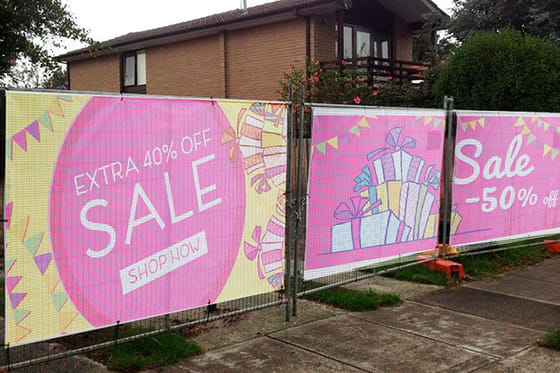
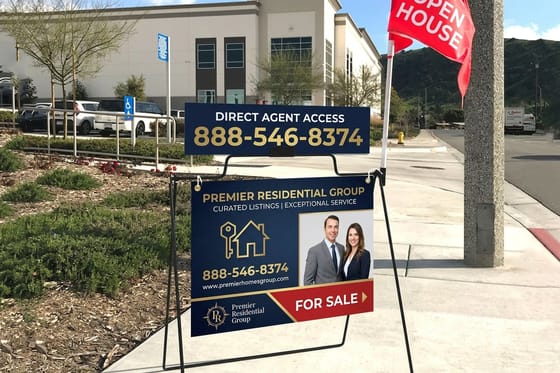
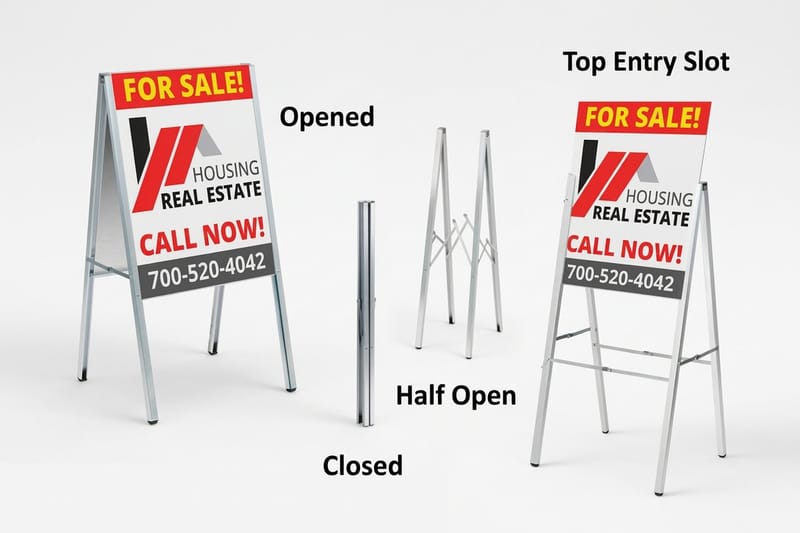
A sidewalk sign that goes out at open and comes in at close wants a sturdy frame and swappable panels, which is what an A frame sign is built for. A wall mounted directory or a parking notice wants a rigid aluminum panel that will not flex or curl. A trade show backdrop or a fence banner wants flexible material with hemmed edges and grommets so wind loads have somewhere to go.
Sizing matters just as much as material. If you are working out the footprint for a sidewalk unit, the complete guide to standard A frame sign sizes saves you a round of guessing, and 11 outdoor business sign ideas that get noticed is a useful sanity check on placement before you commit to a size.
Check the substrates, sizes, and finishes before anything else
Substrate range is the fastest way to separate a real sign printer from a general print shop with a wide format machine in the corner. A company that only stocks one board will recommend that board for every job, including the ones it is wrong for. A company with rigid aluminum, corrugated plastic, and blockout vinyl on the floor can tell you honestly which one your project needs.
Ask about thickness and grade, not just material name. Aluminum panels behave differently at different gauges, and a thin sheet on a large format will oil can in the wind. On banners, ask whether the material is single layer or blockout. Blockout carries an opaque core so a two sided banner shows clean artwork on both faces instead of a ghost of the other side.
Then confirm finishing. Rounded corners, drilled mounting holes, hem and grommet spacing, and UV resistant inks are the details that decide whether a sign installs in ten minutes or becomes a project. A printer that lists those options up front has done the work of thinking about installation for you.
How sign printing prices are really set
Sign pricing is built from square footage first. From there it moves with substrate and thickness, the number of printed sides, the finishing you select, any hardware, the quantity, and how fast you need it. Two quotes that look far apart usually differ on one of those lines rather than on margin, which is why comparing headline prices tells you almost nothing.
The honest way to compare is to configure the same real order at each company. Same size, same material, same sides, same finishing, same ship date, same zip code. At 4OVER4 that means aluminum sign panels from $29, the Quik Sign A Frame from $163.67, and 2 sided blockout banners from $108.75, with live pricing that updates as you change the configuration.
Watch for the costs that appear late. File fixes, proof rounds, oversize freight, and rush fees can quietly rewrite a quote. A printer that shows the full configured price on screen before checkout is telling you it has nothing to hide. If you are weighing us against other vendors, the GotPrint comparison and the Staples A frame alternative break the differences down product by product.
Artwork, proofs, and the questions a good printer asks
Most sign disasters start in the file, not on the press. Text sitting too close to the trim edge, a logo pulled from a website at screen resolution, or artwork built without bleed will all print exactly as supplied. A printer that catches those before production is worth more than one that shaves a few dollars off the quote.
Ask what the preflight actually checks and what you get back. You want confirmation of finished size, bleed, safe area, and effective resolution at full print scale, plus a visual proof you approve before anything runs. The strongest signal is a printer that contacts you about a problem instead of printing the file as is and calling it your mistake.
Good sign companies also ask questions back. How will it be mounted. Is it viewed from a car or from six feet. Does it need to read at night. Those questions come from people who have watched thousands of signs get installed, and the same consultative habit is what you look for in any print partner, including when you choose a direct mail company.
Turnaround, shipping, and what happens when a date slips
Turnaround has two halves that get confused constantly. Production time is how long the sign takes to print and finish. Transit time is how long it takes to reach you. A two day production promise means nothing if freight to your address takes five. Always ask for both numbers and for the daily cutoff that decides which day your job starts.
The production clock starts at proof approval. If you approve at midnight, the job effectively starts the next business morning. Build that into an event deadline, and where the date is fixed, order early enough to absorb one bad round of proofing rather than betting the opening on a same day fix.
Finally, ask what happens when the printer misses. A clear reprint and remake policy, stated before you order, is a better predictor of a smooth relationship than any review score. Companies that stand behind a rush commitment in writing tend to be the ones that hit it, and comparisons like our Vistaprint A frame alternative lay those service differences out plainly.
How to run the shortlist and place the first order
Narrow to three companies, then run the same job through all three. Configure one real order, note the total, the promised ship date, and how each site handles your file. Order the smallest sensible quantity and inspect what arrives. Look at color against your brand, check trim accuracy, run a finger along the edges, and test the mounting holes or grommets against the actual install.
Keep the winner and standardize on it. The value of a single sign partner compounds, because your files, your color, and your specs stay consistent across every reorder. That consistency is what makes a set of storefront panels, sidewalk signs, and event banners look like they belong to the same business rather than three different ones. The same argument applies to your stationery, which is why teams that consolidate often look at options like our custom company letterhead alternative at the same time.
When you are ready, configure the piece you need and let live pricing show the real number before you commit. Start with aluminum sign panels for anything that mounts flat, an A frame for sidewalk traffic, and blockout banners when the message has to read from both sides.
Wally explains how to vet a sign printer
The right partner asks where the sign lives before quoting a price
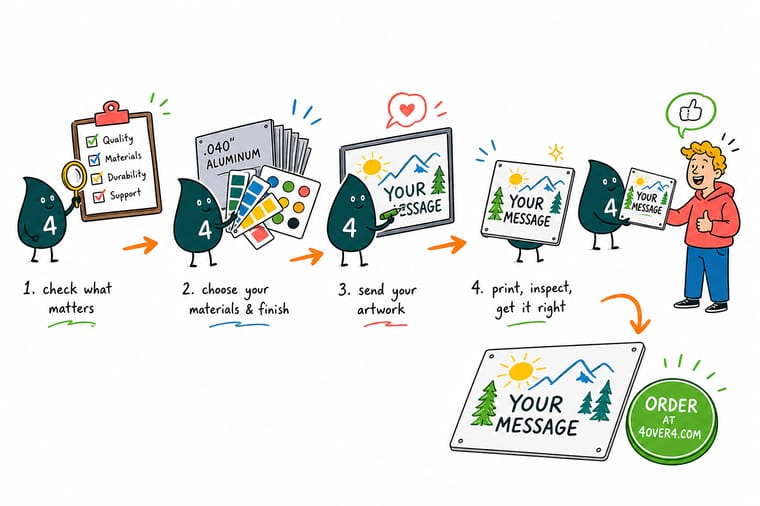
Wally treats a sign order like a build, not a purchase. He writes down the location, the lifespan, and the viewing distance, then asks each printer which substrate fits and why. If a company quotes without asking a single question, he moves on. If it flags a low resolution logo before printing, he orders one panel, checks the color and the trim, and makes that shop his standard.
Order aluminum sign panels →Infographic
The 7 checks that pick your sign printer
One frame, seven checks. Run every candidate through them in order and the shortlist writes itself before you spend a dollar.
Work the checks in order. Each one removes candidates for a different reason, so by the seventh you are testing a printer you already trust on paper.
Specs and pricing
Aluminum sign panel specs and live pricing
A configured sign order looks like this when nothing is hidden. Set the size and quantity you need and the price updates with the specification, so you can compare us against any other quote honestly.

| Quantity | Price Per Unit | Total |
|---|---|---|
| 1 | $29.00 | $29.00 |
Order signs
The three sign products most businesses start with
See it in use
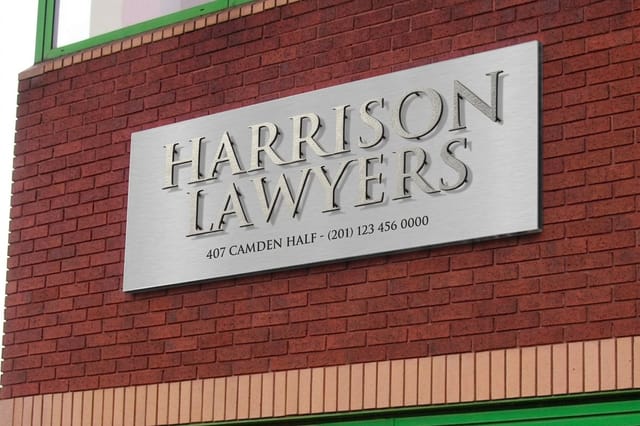
Aluminum panels we printed for real jobs
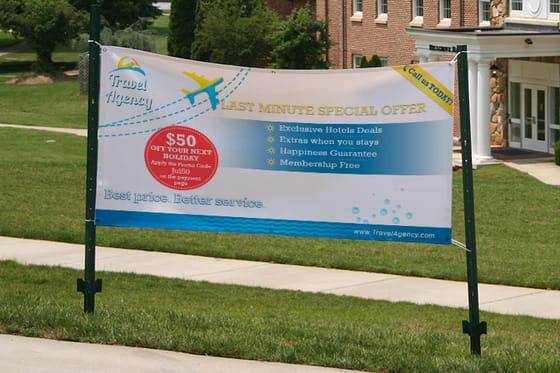
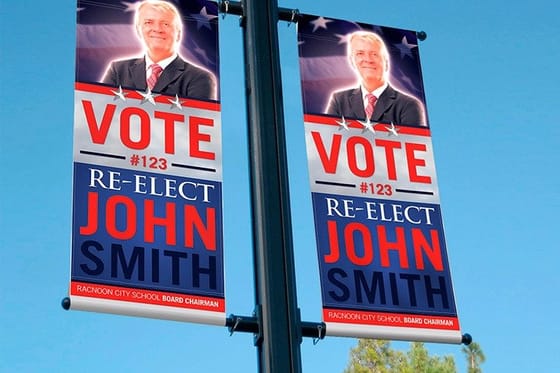
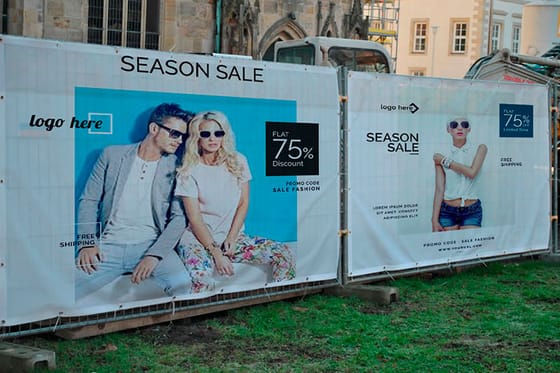
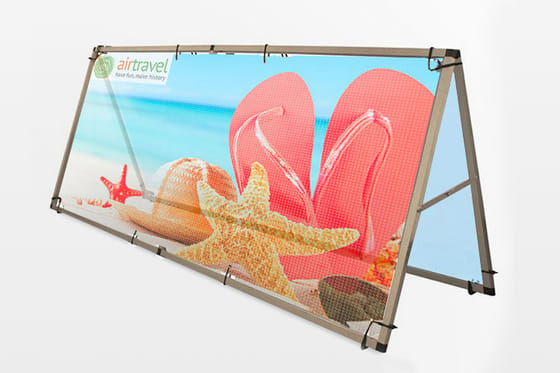
Explore more
Where to go next

By the numbers
The counts to ask any sign printer about
Common Questions
Common questions about hiring a sign printing company
What is a sign printing company?
A sign printing company designs, prints, finishes, and ships signage on rigid and flexible materials rather than on paper stock. That means wide format presses, aluminum and coroplast panels, vinyl banners, cutting tables, grommet and hem finishing, and the hardware that holds a sign up. A full service printer also handles file preparation, proofing, and mounting options, so one order covers the printed face and the way it gets installed.
What should I ask a sign printer before the first order?
Start by writing down where the sign lives, how long it needs to last, and who has to read it from how far away. Then judge each company on substrate range, proofing process, real configured pricing, turnaround commitments, and reprint policy. A printer that asks about the install location before quoting is usually the one worth ordering from. Place a small first order and inspect the color, the trim, and the finishing before you scale up.
What does sign printing cost and how are prices set?
Price is driven by square footage first, then by substrate and thickness, number of printed sides, finishing such as hemming or grommets, hardware, and turnaround. At 4OVER4, aluminum sign panels start at $29, a Quik Sign A Frame starts at $163.67, and 2 sided blockout banners start at $108.75. Configure the exact size and quantity you need to see live pricing rather than working from a starting figure.
What sizes, stocks, and finishes are available for signs?
Rigid signs run from small yard and directional sizes up to large panel formats in aluminum and coroplast, with rounded corners and drilled holes as common options. Banners come in standard and custom widths with hemmed edges and grommets. Blockout material adds an opaque core so two sided artwork does not ghost through. Finishes range from matte to gloss, and outdoor grades add UV resistant inks that hold color through sun and rain.
How long does sign printing take to print and ship?
Most rigid panels and banners move through production in one to a few business days after artwork approval, then ship on your chosen service. The clock starts at approval, not at checkout, so a file that fails preflight can cost you a day before anything prints. Ask for the cutoff time, confirm the transit days to your zip code, and build a buffer for events with a fixed date.
Should I use a local sign shop or an online sign printing company?
A local shop is worth it when you need survey, permitting, and installation on a building. An online printer wins on price, repeatability, and speed when the sign ships flat and you or your crew can mount it. Many businesses use both, ordering channel letters locally and running panels, A frames, and banners through an online printer where the same file reprints identically every time.
What should I check before approving a sign proof?
Confirm the finished trim size, keep critical text well inside the safe area, check that the artwork carries bleed, and verify that logos and photos hold up at full print size rather than at screen size. Look at spelling, phone numbers, and web addresses one more time, since a reprint on a large panel is the most expensive typo in print. Approve only when the proof matches the sign you pictured.
Get Started
Place a small first order and check the color and the trim
Configure your panels, sidewalk signs, or banners with live pricing, upload your artwork, and let our preflight catch the problems before the press runs.
Legal Disclaimer
Gold Standard guarantees apply to all standard orders placed through 4over4.com. Price match requires verifiable proof of a competitor's published price for an equivalent product with matching specifications and turnaround time. Satisfaction guarantee covers manufacturing defects and print quality issues. Contact support with order number and documentation. On-time delivery rate based on tracked orders 1999 to 2026. Individual results may vary based on shipping carrier performance.
