
What Makes a Letterhead Look Official and Trusted


Official is a look built from a few consistent parts: a correct logo, complete legal and contact details, quality paper, a disciplined layout, and a matching envelope. Here is what each part contributes and how to order the full set.
A letterhead reads as official when several consistent parts work together. A correctly reproduced logo and legal business name anchor the top, complete address, phone, email, and any registration details make it verifiable, a quality bond stock signals seriousness, and a matching envelope and folder complete the set. Disciplined margins and CMYK color finish the look.
Start here
What makes a letterhead official, in one paragraph
Official is the sum of several consistent parts, not one element. A correctly reproduced logo and legal name anchor the header, complete contact and any legal details make the sender verifiable, a quality bond stock signals seriousness, a disciplined layout keeps it clean, and a matching envelope and folder complete the set. Build it in CMYK and order the coordinated stationery from 4OVER4.COM. The anatomy below maps every part.
Watch it printed
See standard letterheads on the press, in 142 seconds
What actually makes a letterhead official
Ask what makes a letterhead official and most people point to the logo, but the truth is that official is a look assembled from several consistent parts working together. A logo alone on plain paper reads as casual. It is the combination of a correct logo, complete legal and contact details, a quality stock, and a disciplined layout that makes a reader trust a document is the genuine article.
That matters because a letterhead does a quiet job of authentication. When a bank, a law office, or a government agency sends a letter, the stationery itself is part of the proof that the message is real and accountable. The same is true for any business: official-looking correspondence gets taken more seriously, paid faster, and trusted further.
This guide breaks down each part that adds up to official, from the logo and legal details to the paper and the matching envelope, then points you at ordering a full stationery set. Everything routes through our letterheads range, and our free online designer and templates make building one fast.
The logo and business name anchor the top
The first thing a reader’s eye finds on a letter is the header, so that is where identity lives. A clean, correctly reproduced logo paired with your legal business name tells the recipient instantly who the letter is really from. Reproduction quality matters here more than anywhere: a stretched, low-resolution, or off-color logo quietly undermines the very trust the letterhead exists to build.
Keep the header disciplined. The logo and name should sit at a comfortable, consistent position, usually top-left or centered, with enough space around them that they read as deliberate rather than crowded. Use the exact brand colors, printed in CMYK so they match every reorder, and the exact legal name rather than a nickname or abbreviation.
Because the logo carries so much weight at this small scale, it needs to be built to hold up in print. Our guide on logo design best practices covers making a mark that stays crisp, and preparing a logo for printing applies just as well to stationery.
Legal and contact information make it verifiable
If the logo says who you are, the contact and legal details prove it. A recipient should be able to verify and reach the sender without hunting, which means the letterhead needs the full physical address, a working phone number, an email, and a website, usually arranged in the header or footer. A real street address carries more weight than a PO box alone.
Depending on your field, official letterhead also carries legal identifiers: a business registration number, a professional license number, or entity information. Law firms, medical practices, financial services, and government offices routinely include these because they signal an accountable organization a reader can look up and trust.
Arrange these details cleanly so they inform without cluttering the letter, typically in a smaller size along the top or bottom edge. The completeness is the point: a letterhead that matches its details to a business a recipient can actually verify is the one that reads as legitimate rather than improvised.
When a letter has to be on official letterhead
Schools, courts, banks, landlords, licensing boards and immigration offices often refuse a letter unless it arrives on the organisation's letterhead. They are not judging the design. They want proof that the letter came from the organisation named in it and that someone there can be reached to confirm it.
What the reader checks is short: the logo and legal name, a street address, a phone number and an email on the organisation's own domain, the signer's printed name and title, and a date. A letter of recommendation from a professor carries the university letterhead and the department address. A proof of employment letter carries the company letterhead and an HR contact. Some offices accept a PDF with the letterhead as a digital header, others want a printed and signed sheet, so ask which before the letter is written.
If you are the signer, use the organisation's own template rather than building a lookalike, because the details on it have to match what the reader can verify. If you run the organisation, keep a current template on file and a printed stock of letterheads in the office, so a request never waits on a design.
Paper stock is felt before it is read
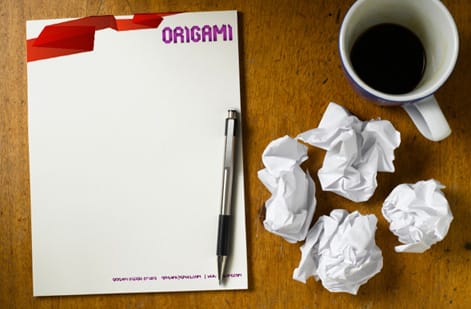
Long before a reader takes in a single word, they feel the paper, and that first tactile impression shapes how seriously they take the document. This is why official correspondence rarely arrives on thin copy paper: a heavier, quality bond stock signals substance and care the instant it is handled, while flimsy paper quietly says the opposite.
For everyday business letterhead, a solid 24 lb bond strikes the right balance of quality and cost. For formal, legal, or high-stakes correspondence, stepping up to a heavier premium or textured stock adds a further note of seriousness that recipients register even if they never consciously name it.
The stock also affects how your logo and ink look, since a quality paper holds color and detail better than a cheap one. Because it is hard to judge paper on a screen, the range of weights and textures across our letterheads collection is worth exploring by feel. Our what is a letterhead guide covers the fundamentals if you are starting from scratch.
A matching envelope and folder complete the set
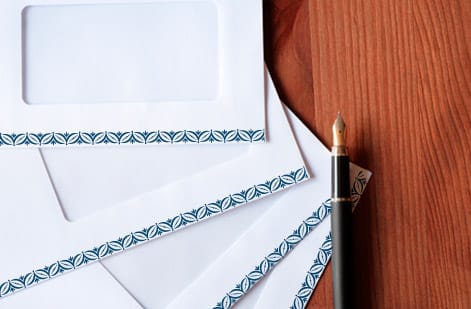
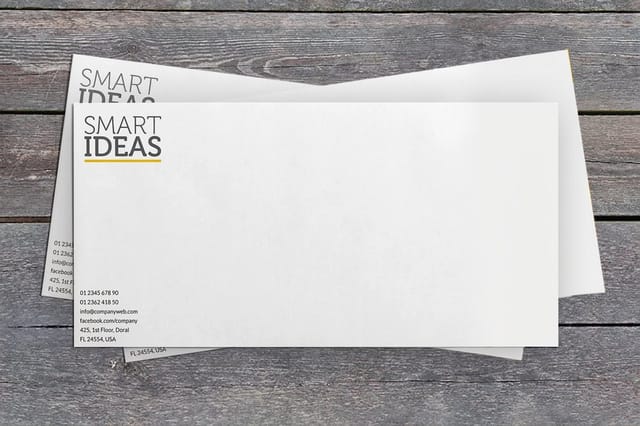
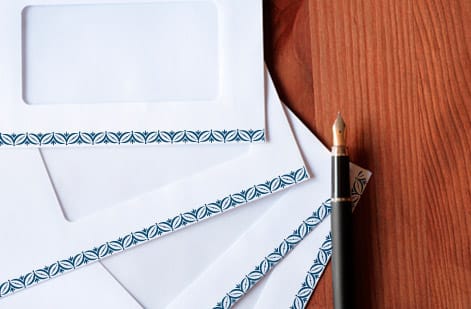
A letter does not travel alone, and the pieces around it either reinforce the official impression or break it. A matching envelope that carries the same logo, colors, and return address as the letterhead inside makes the whole delivery read as coordinated and trustworthy before the recipient even opens it, while a plain mismatched envelope undercuts the effort inside.
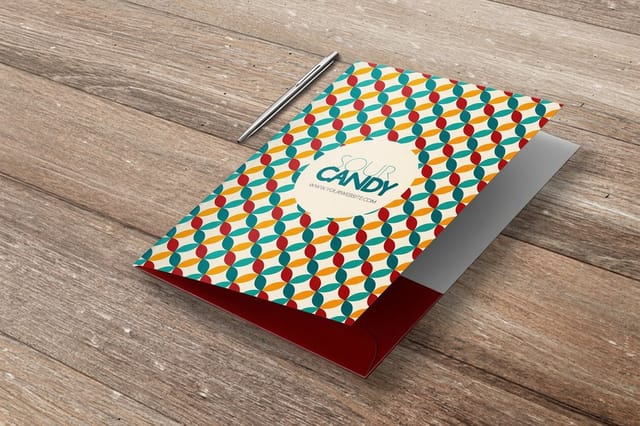
For multi-page or formal documents, a presentation folder completes the set, keeping the pages together and presenting them as an organized package rather than a loose stack. Together, the letterhead, envelope, and folder form a stationery system that says one consistent thing about your organization at every step of the delivery.
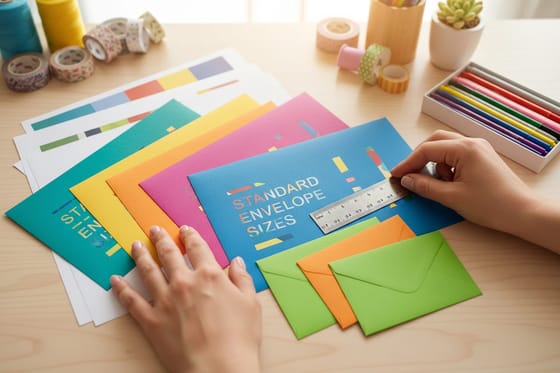
The efficient move is to design and order them together so the branding matches exactly. Explore coordinated printed envelopes and pocket folders alongside your letterhead, and our guide on business envelope sizes helps you pick the right envelope for the job.
Design specs: margins, layout, and print setup
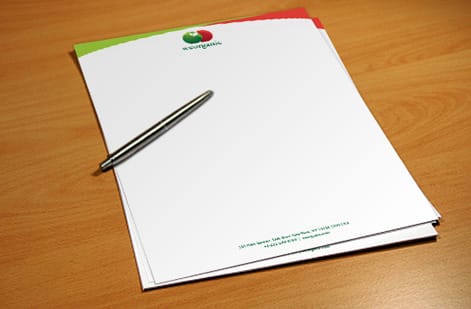
With the elements decided, a few technical specs keep the letterhead clean and print-ready. Size it at the standard 8.5 by 11 inches (US Letter) so it fits every printer, file, and envelope. Set roughly one inch margins all around and leave a generous, open body area where the printed message will go, so the letter never feels cramped.
Keep the typography restrained: one or two professional fonts, sensible sizes, and consistent alignment. The header and footer details should be small enough to inform without competing with the letter itself. This discipline is what separates a polished official letterhead from a busy one, and our letterhead design tips guide goes deeper on font, size, and format.
Finally, build the file in CMYK so your brand colors print true and match across every reorder, and confirm the logo is at full resolution. If you are building the template yourself, our walkthrough on making letterhead in MS Word covers a reusable setup, and CMYK vs RGB explains the color mode.
Official letterhead examples
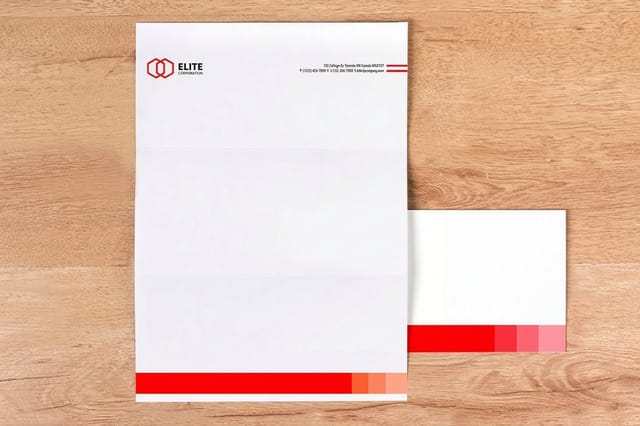
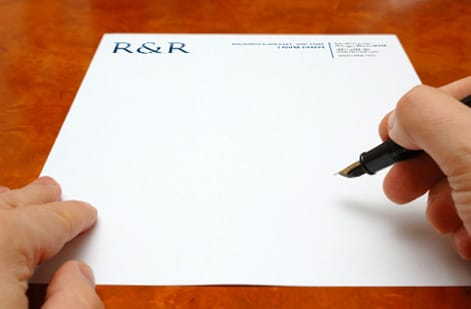
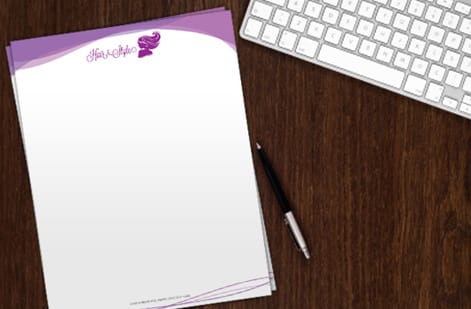
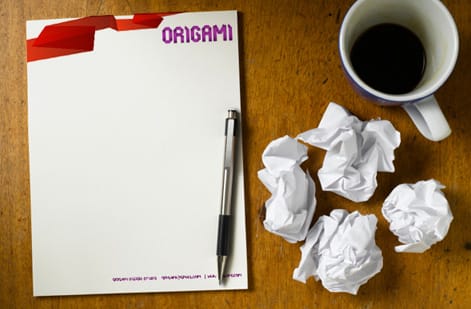
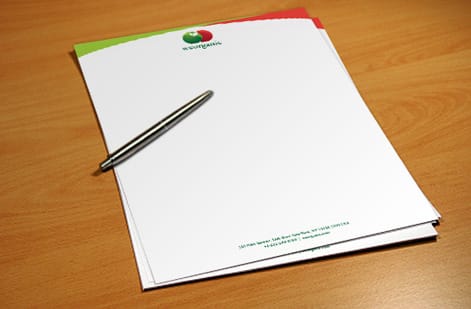
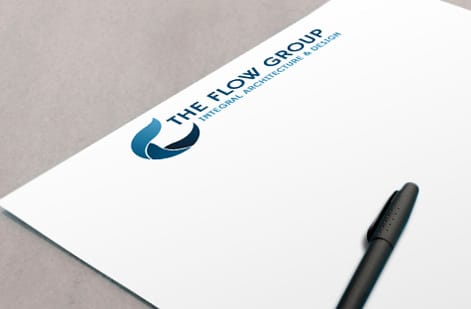
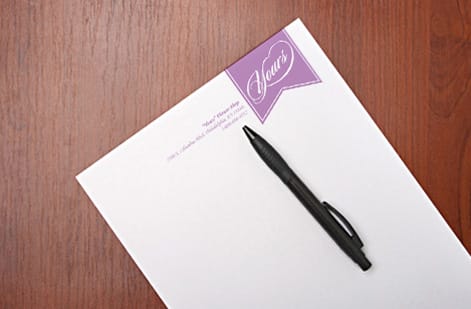
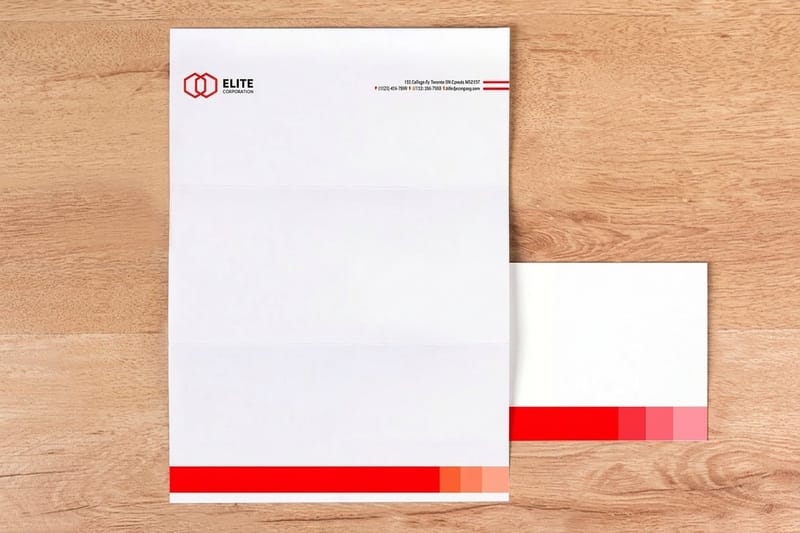
Three examples make the difference concrete. Each one below is the same 8.5 by 11 inch US Letter sheet with roughly one inch margins and an open body area left for the letter. What changes from one to the next is how much the header and footer have to prove, how much color the logo needs, and how heavy the stock should be.
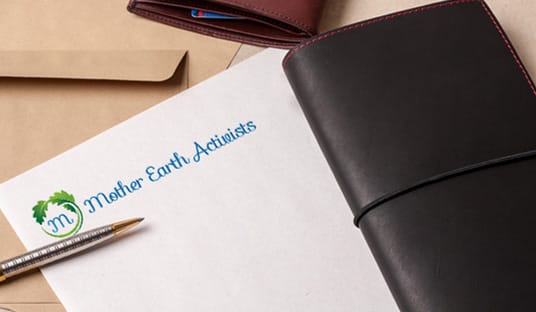
Whichever example sits closest to your own, the rule holds: everything a reader needs to identify and verify the sender lives in the header and footer, the middle of the sheet stays open, and the same artwork carries across the matching envelopes and pocket folders so the whole set reads as one identity.
Order your official stationery set from 4OVER4
Once the design is settled, the efficient move is to order the letterhead and its matching pieces together so the identity stays perfectly consistent. A coordinated order of letterhead, envelopes, and folders keeps the branding identical across every part of your correspondence and simplifies reordering later.
Set the stock, color, and quantity for each piece in the configurator and the price updates live as you go, so you can build the full stationery set to your budget and see exactly what a heavier stock or full-color logo adds before you commit. Because letterhead is used steadily, printing a healthy quantity usually lowers the per-sheet cost meaningfully.
A run of letterheads is priced live in the panel below, with matching envelopes and pocket folders alongside it in the letterheads range. Design the set in our free online designer or upload your artwork, then order it all in one pass.
Wally checks the parts that make it official
Logo, details, paper, and a matching envelope
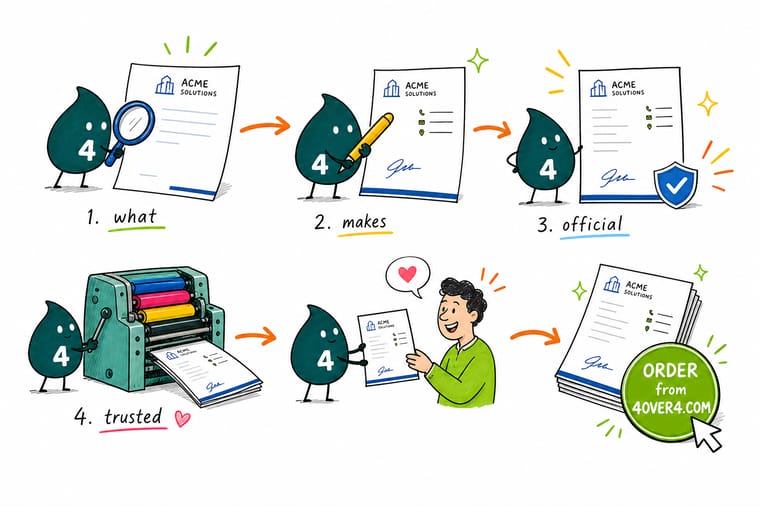
Wally reads a letterhead the way a recipient does: is the logo clean and correct, are the address and legal details complete, does the paper feel substantial, and does the envelope match. Get all four right and the document reads as the real thing. 4OVER4 prints the coordinated set so your correspondence looks official every time.
Design your letterhead →Quick reference
The official letterhead, at a glance
Every official letterhead comes down to the same handful of parts and specs. Match these and your stationery reads as legitimate and print-ready.
| Element | Get it to | Why it matters |
|---|---|---|
| Size | 8.5 x 11 in (US Letter) | The standard document size that fits printers, files, and every envelope you will use. |
| Logo zone | Top, clean and correct | The logo and legal business name anchor the top so the reader knows the sender instantly. |
| Contact block | Address, phone, email, web | Complete contact details let a recipient verify and reach the sender easily. |
| Legal footer | Registration or license info | Any required registration, license, or entity numbers signal a legitimate organization. |
| Margins | 1 in with a clear body area | Generous margins keep the letter readable and leave room for the printed message. |
| Paper stock | 24 lb or heavier bond | A quality stock feels substantial in hand and signals that the document is official. |
| Color mode | CMYK for print | Design in CMYK so brand colors print true across every batch of stationery. |
| Matching set | Envelope and folder | A coordinated envelope and folder carry the identity through the full delivery. |
Step by step
Build an official letterhead in 7 steps
- Place the logo and business name at the top Anchor the header with a clean, correctly reproduced logo and your legal business name so the reader knows exactly who the letter is from at a glance.
- Add complete contact information Include your full address, phone, email, and website, usually in the header or footer, so the recipient can verify and reach you without hunting.
- Include any required legal details Add registration numbers, license numbers, or entity information where your industry or jurisdiction expects them, which signals a legitimate, accountable sender.
- Set disciplined margins and a body area Use about a one inch margin all around and leave a clean, open body area so the printed message reads easily and looks organized.
- Choose a quality paper stock Pick a heavier bond stock that feels substantial in hand, since official correspondence is judged partly by the weight and feel of the paper.
- Design in CMYK for consistent color Build the file in CMYK so your logo and brand colors print true and match across every batch of stationery you reorder.
- Add a matching envelope and folder Extend the same logo, colors, and details to a coordinated envelope and presentation folder so the whole delivery reads as one official set.
Specs and pricing
Letterhead specs and live pricing
Once your design is ready, the print decisions come down to stock, color, and quantity. Here are the live specs and price-per-unit for letterheads at 4OVER4.COM, straight from the configurator.
| Quantity | Price Per Unit | Total |
|---|---|---|
| 50 | $2.00 | $99.95 |
| 100 | $1.05 | $105.44 |
| 200 | 58.2¢ | $116.43 |
| 300 | 43.6¢ | $130.72 |
| 400 | 34.9¢ | $139.49 |
| 500 | 29.4¢ | $147.18 |
| 600 | 25.4¢ | $152.68 |
| 700 | 22.6¢ | $158.17 |
Print it
Order your stationery set from 4OVER4
See it in use
Letterhead and envelope sets our customers have printed
Explore more
Where to go next


By the numbers
Paper stocks, delivery record, and the businesses printing letterhead here
Common Questions
Common questions about official letterhead
Is a letterhead just a logo?
No. A logo on plain paper reads as casual. Letterhead is the logo plus the legal business name, a street address, phone, email and website, any registration or license numbers the field expects, and a disciplined layout on a quality stock. The reader trusts the sheet because those details can be checked against a real organisation, and the logo alone gives them nothing to check.
How do you make an official letterhead?
Set up an 8.5 by 11 inch page with one inch margins, place the logo and legal name in the header, and put the street address, phone, email, website and any registration numbers in the header or footer in small type. Keep the body area open, use one or two typefaces, build the file in CMYK with the logo at full resolution, and print it on a 24 lb bond or heavier stock with a matching envelope.
How do I obtain official letterhead for a letter of recommendation?
Ask the person writing the letter to use their organisation's own template, which the school, department or company office keeps on file. The letter should carry the institution's logo, address and the writer's title and contact details, and be signed. Do not create letterhead for an organisation you do not represent. If a digital version is acceptable, the writer can export the letter as a PDF with the letterhead as its header.
What is official letterhead?
Official letterhead is preprinted stationery that carries a business or organization’s identity at the top of every document it sends, typically including the logo, legal business name, full contact information, and any required legal or registration details, printed on quality paper. It exists to make correspondence instantly recognizable and verifiable: a reader can see who the letter is from and confirm the sender is legitimate. Letterhead is not just decoration. The consistent combination of a correct logo, complete contact details, and a quality stock is what makes a document read as official rather than casual.
What should a letterhead include?
A letterhead includes the logo at full resolution, the legal business name exactly as it is registered, and complete contact details: street address, phone, email, and website. Add whatever the sender is expected to show for its field, such as registration or bar details on a law firm sheet, provider names and clinic contact on a medical practice sheet, or the head office details on a corporate sheet. Everything else stays out of the way. The header and footer carry that information at a small, consistent size, one or two professional fonts, and the middle of the sheet is left open as the body area where the letter is printed. The practical build is 8.5 by 11 inches on US Letter, roughly one inch margins all around, and CMYK color so the brand prints the same on every reorder.
What size is a letterhead?
Standard letterhead is 8.5 by 11 inches on US Letter, and that is the size to print unless you have a specific reason not to: it fits every office printer, copier, scanner, and file, it is what standard business envelopes are built around, and it is the size matching envelopes and presentation folders are designed to pair with. Set roughly one inch margins on all four sides, keep the header and footer bands shallow so the open body area stays generous, and build the file in CMYK with the logo at full resolution. If long letters run past one page, print a second sheet at the same 8.5 by 11 inches with a lighter header so pages two and beyond still read as part of the same set.
How do I choose the right official letterhead?
Match the letterhead to how formal and how frequently sent your correspondence is. For everyday business letters, a clean single-color or full-color design on a solid 24 lb bond stock is enough. For legal, financial, medical, or government correspondence where trust is paramount, invest in a heavier stock, precise logo reproduction, and complete legal footers. Decide whether you need a matching envelope and presentation folder for a full stationery set, choose CMYK for consistent color, and keep the layout disciplined with generous margins. The right letterhead looks the part for its audience without overdoing it.
What does official letterhead cost, and how are prices set?
Letterhead price scales with the paper stock, the print (single color versus full color), the quantity, and whether you add a matching envelope and folder. A quality bond stock and full-color logo cost a little more than plain paper and single-color printing, and ordering a larger run lowers the unit price, which is why businesses often print letterhead in bulk. Adding coordinated envelopes and folders raises the total but completes the set. You set the stock, color, and quantity in the configurator and the total updates live, so you can build the stationery set to your budget before ordering.
What sizes, stocks, and finishes are available for letterhead?
Standard letterhead prints at 8.5 by 11 inches on US Letter, which fits every standard envelope and file. Stocks range from smooth 24 lb bond for everyday use to heavier premium and textured papers for formal correspondence, with optional finishes for a more distinctive feel. You can print single-color for a classic look or full-color to carry a detailed logo and brand palette, and coordinate the design with matching envelopes and presentation folders. The live specs and pricing panel below shows the exact sizes, stocks, and finishes and how each choice changes the price.
How long does letterhead take to print and ship?
Turnaround depends on the stock, whether it is single or full color, and the shipping speed you choose at checkout, plus any matching envelopes or folders in the order. Standard letterhead on common stocks moves quickly through production, while premium papers and coordinated stationery sets add a little time. Once you set your specs in the configurator you will see the available production and delivery options, so you can plan a rebrand rollout or a new-office launch around the date you need the stationery in hand.
Does official letterhead need a matching envelope?
A matching envelope is not strictly required, but it strongly reinforces the impression of an official, well-run organization. When a recipient receives a letter in an envelope that carries the same logo, colors, and return address as the letterhead inside, the whole delivery reads as coordinated and trustworthy before they even open it. For legal, financial, and formal correspondence, a matching envelope, and often a presentation folder for multi-page documents, completes the stationery set and signals that the sender takes the communication seriously. It is a small addition that noticeably raises the professionalism of the whole package.
What makes a letterhead look legitimate rather than fake?
Legitimacy comes from consistency and completeness. A correctly reproduced logo, the exact legal business name, a full physical address rather than just a PO box, a working phone and email, a real website, and any required registration or license numbers together tell a reader the sender is a real, accountable organization. The quality of the paper and the discipline of the layout reinforce it, since sloppy alignment, a low-resolution logo, or thin paper undermine trust. The most convincing letterhead is not the flashiest but the most complete and consistent, matching the details on the document to a business a recipient can actually verify.
Get Started
Ready to print letterhead that looks official?
Design it in our free online designer or upload your artwork, then print it on quality stock with matching envelopes and folders. Adjust every option and watch your price update live.
Legal Disclaimer
Gold Standard guarantees apply to all standard orders placed through 4over4.com. Price match requires verifiable proof of a competitor's published price for an equivalent product with matching specifications and turnaround time. Satisfaction guarantee covers manufacturing defects and print quality issues. Contact support with order number and documentation. On-time delivery rate based on tracked orders 1999 to 2026. Individual results may vary based on shipping carrier performance.
