
What Marketing Collateral Is and the Print Pieces Every Business Needs


Marketing collateral is the branded media that supports a sale. It splits into three types, across 18 print formats and 8 digital ones with examples, and the short list of print pieces every business should have, each mapped to a product you can order.
Marketing collateral is the set of branded pieces a business uses to inform, persuade, and support a sale. It splits into three jobs: brand collateral (business cards, letterhead) builds trust, sales collateral (brochures, folders) makes the pitch, and event collateral (flyers, postcards) gets handed out. In print there are 18 common types, from business cards and brochures to hang tags and trade show displays, plus 8 digital ones such as sell sheets, case studies, and pitch decks. A starter kit of five print pieces covers most businesses.
Start here
Collateral is not advertising
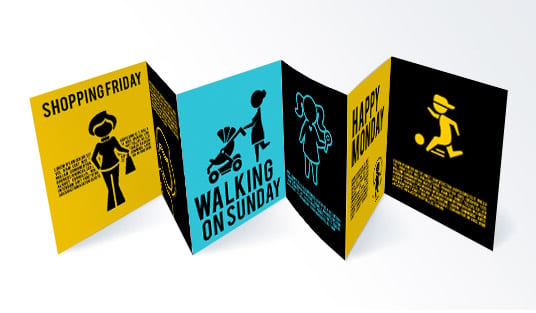
Marketing collateral is the branded media a business uses to support a sale. It groups into three jobs: brand pieces build trust, sales pieces make the pitch, and event pieces get handed out. A short starter kit of business cards, letterhead, brochures, flyers, and a folder covers most businesses. The blueprint below maps each type to the print piece it calls for.
What is marketing collateral

Marketing collateral is the set of branded media a business uses to communicate its message and support a sale. In practice it is the pile of things your brand hands over or leaves behind: a business card, a brochure, a folder of proposal pages, a mailed postcard. Some of it is digital, but the physical pieces are what people hold, keep, and remember.
The word that matters is purpose. A piece is collateral because it is built to do a job in the buying process: to introduce you, to explain what you offer, to answer an objection, or to give a reason to act. That is different from art for its own sake. Every good piece of collateral has a role, and it stays on-brand so the whole set feels like it came from one confident company rather than five.
Consistency is the quiet superpower here. When your card, your letterhead, and your brochure share a logo, a palette, and a voice, each one makes the others more credible. That is why the practical starting point for collateral is a single, well-designed brand system, and a strong logo, applied across a short list of print pieces.
Collateral vs marketing materials
People use marketing collateral and marketing materials interchangeably, and that is mostly fine, but there is a distinction worth keeping. Marketing materials is the wide bucket: anything you use to promote the business, much of it aimed at building broad awareness among people who do not know you yet. A billboard, a social ad, and a mass flyer drop all live here.
Collateral tends to describe the more specific, sales-supporting pieces that do the closer work. These reach someone who is already paying a little attention and help move them forward: the brochure you hand across a table, the folder you leave after a pitch, the sales sheet that answers the exact question a prospect asked. Materials cast the net; collateral reels the fish in.
The reason to care about the difference is that it tells you what each piece has to accomplish. Awareness materials can be broad and loud. Collateral has to be clear, credible, and useful, because it is talking to someone closer to a decision. Keep that in mind and you will design each piece for its real moment.
The three collateral types
The cleanest way to organize collateral is by the job it does, which sorts naturally into three groups. Brand collateral builds recognition and trust: business cards, letterhead, and envelopes that make a business look established and consistent. This is the group that quietly signals you are the real thing before you have said a word.
Sales collateral makes the pitch: brochures, sales sheets, and presentation folders that explain the offer, handle objections, and give a prospect something substantial to take home. This is where you earn the deal on paper. Event and outreach collateral is built to be distributed: flyers, postcards, and banners that reach people directly at a booth, in a mailbox, or on a counter.
Most businesses need some of all three, and the same brand system should run through them. The blueprint above maps each type to the printed piece it usually calls for, so you can see your whole kit at a glance rather than guessing where to start.
All the types of marketing collateral, with examples

There is no official register of collateral types, so here is the working list a print shop actually sees on the floor. These 18 printed pieces cover almost every business. Each one is listed with what it does, the sizes and stocks it usually runs on, and a real example, and each belongs to one of the three jobs above: brand, sales, or event and outreach.
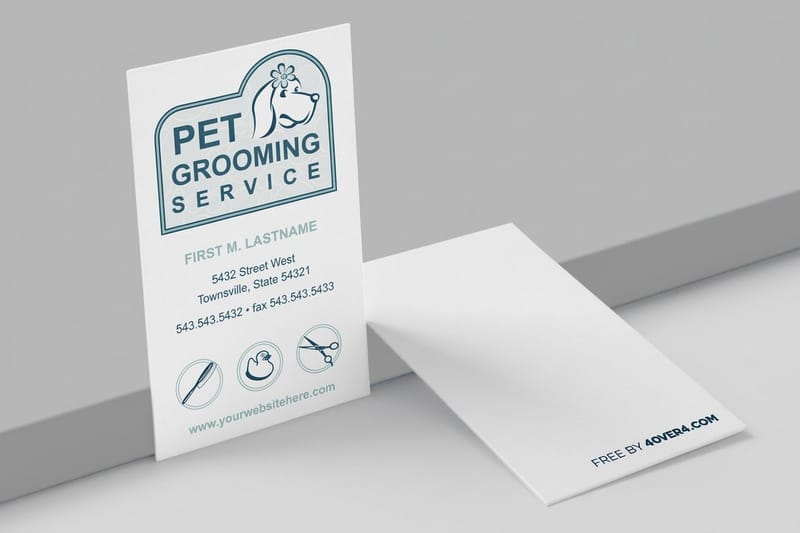
- Business cards. The 3.5 x 2 inch handshake, usually printed on 14pt or 16pt card stock with a matte, gloss, or soft touch finish. Example: the card left on the counter after a site visit.
- Letterhead. Your logo, address, phone, and web address printed on 8.5 x 11 text weight sheets that still take a laser printer or a pen. Example: a quote or an invoice that looks like it came from a real company.
- Envelopes. A #10 business envelope printed to match the letterhead so the mailing looks like one set, not two. Example: a signed contract sent back to a client.
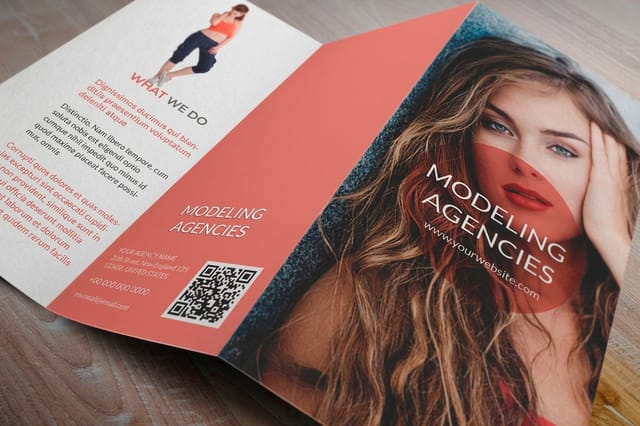
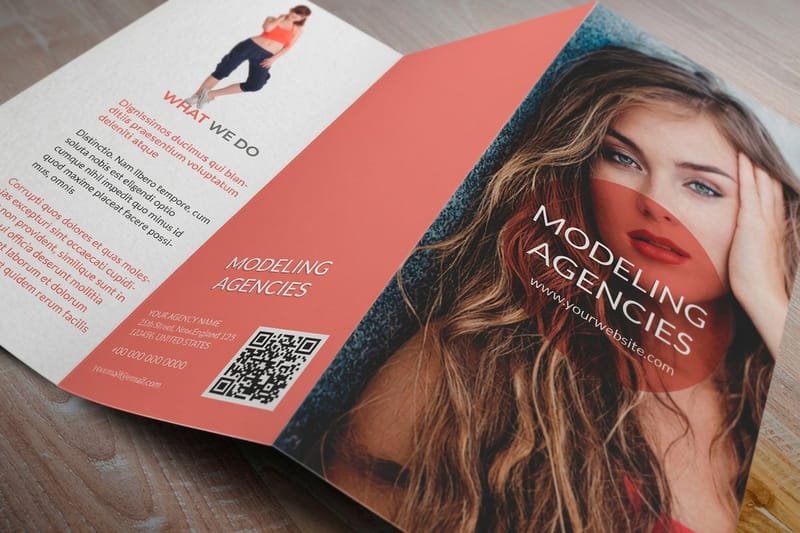
- Brochures. A folded sheet with room to explain. 8.5 x 11 folded into a tri fold rack piece, or 11 x 17 folded into an 8.5 x 11 bi fold when the photos need space. Example: the service menu handed over in a meeting.
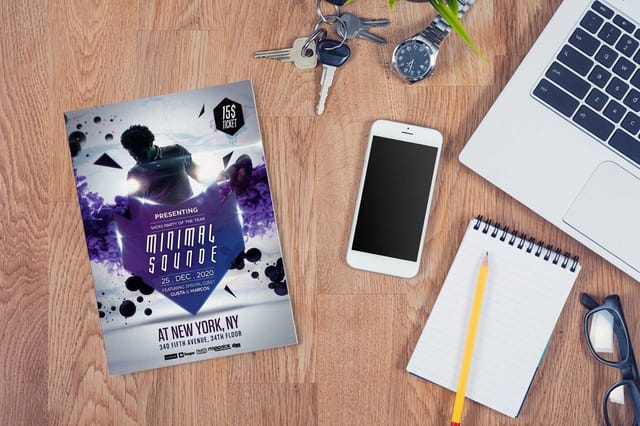
- Flyers. One flat sheet, one message, 8.5 x 11 or 5.5 x 8.5, and the cheapest piece per unit once the run gets large. Example: a grand opening handout.
- Postcards. A mailer with no envelope, in 4 x 6, 5 x 7, or 6 x 9, that lands face up and gets read before it gets sorted. Example: a reminder for a seasonal promotion.
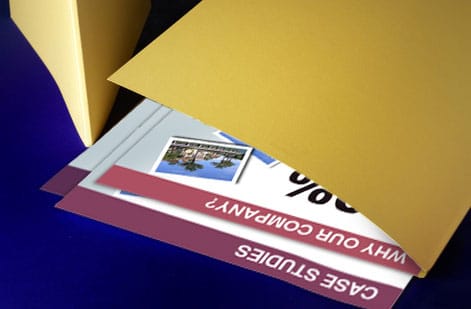
- Presentation folders. A 9 x 12 folder with pockets and a business card slit that holds 8.5 x 11 inserts. Example: the proposal left behind after a pitch.
- Catalogs. A multi page book of the full line with photos, specs, and item numbers, saddle stitched so it lies open on a desk. Example: the wholesale book a buyer orders from.
- Booklets. Saddle stitched, commonly 8 to 48 pages, for a story too long for a brochure. Example: an onboarding guide, a program book, or a lookbook.
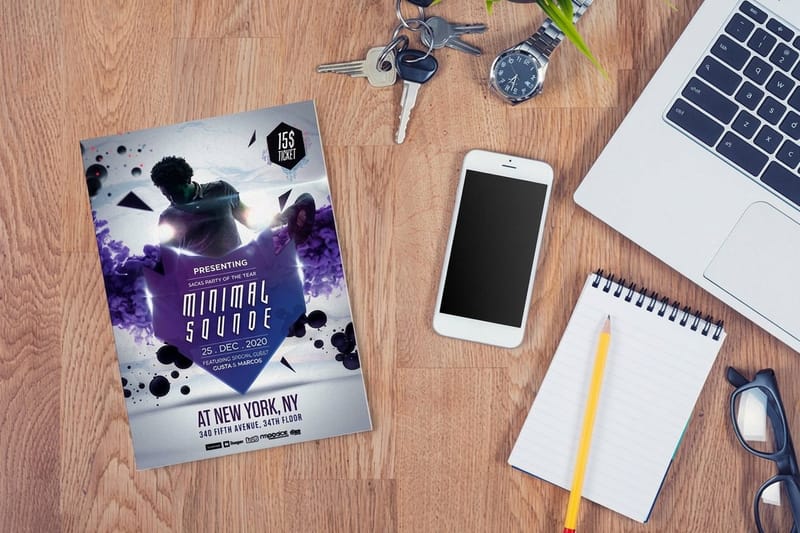
- Posters. Large format, from 11 x 17 for a window up to 24 x 36 for a wall, printed to be read across a room. Example: an event poster in a shop window.
- Banners. Vinyl with hemmed edges and grommets for outdoors, or a retractable stand that travels in a case for indoors. Example: the sponsor banner at a race, the backdrop behind a booth.
- Table tents. A folded card that stands on its own where people are already sitting. Example: the special on a restaurant table or a signup prompt on a counter.
- Door hangers. Die cut with a hole and a slit so it hangs on a handle and cannot be missed. Example: a service route through one neighborhood.
- Hang tags. A small drilled card strung to the product itself, carrying price, size, care, and the logo. Example: the tag on a garment or a candle.
- Stickers and labels. Die cut stickers for giveaways and vinyl or paper labels for packaging and jars. Example: the seal on a shipping box, the logo sticker dropped in the order.
- Notepads. Glued pads printed with your logo on every sheet, so the brand stays on a desk for weeks. Example: the pad left behind in a client office.
- Trade show displays. Retractable banners, printed table throws, and backdrops sized to a 10 x 10 booth. Example: the kit that has to travel and set up in an hour.
- Branded merchandise. Pens, mugs, totes, and apparel that carry the mark after the event ends. Example: the tote handed out at a conference.
Nobody needs all 18 at once. Pick the ones your buyer actually touches, print those well, and add the rest as the sales process asks for them.
Digital collateral

Print is half the kit. The other half never gets trimmed or folded, and most of it starts from the same design file, which is why a piece laid out properly for a flyer also exports as a clean PDF. These eight cover what a sales team actually sends.
- One pagers and sell sheets. A single PDF page per product or service, emailed before the call, and printed as an 8.5 x 11 flyer when it needs to be in a hand.
- Case studies. The customer, the problem, the work, and the result, written so a prospect recognizes their own situation in it.
- White papers. A longer, research led document that trades real depth for an email address.
- Pitch decks. The slides that carry a live pitch, plus the leave behind version that has to make sense with nobody talking over it.
- Email templates. Reusable layouts for announcements, quotes, and follow ups, so every message leaves in the same voice and the same colors.
- Landing pages. One page, one offer, one action, built to receive the traffic a postcard or a flyer sends.
- Social graphics. Post and story sized artwork cut from the same photography and type as the printed pieces.
- Short product video. A clip that shows the thing working, useful on a landing page, in an email, and on a screen at a trade show booth.
Run both halves off one brand system: the same logo files, the same two or three brand colors, the same type. When the printed brochure and the emailed sell sheet clearly come from the same company, each one makes the other easier to believe.
Build your collateral starter kit

You do not need everything at once. Most businesses can cover their bases with a short starter kit, then expand. The core five: business cards for the first handshake, letterhead and envelopes for correspondence, brochures for the pitch, flyers or sales sheets for promotions and events, and a presentation folder to wrap it all together. Add postcards when you want a direct, no-envelope way to reach people.
The advantage of thinking in a kit is budget control. You can print a large, inexpensive run of flyers and a smaller run of premium folders in the same afternoon, matching spend to how often each piece gets used. Lay everything out with a consistent brand using our online design tool so the kit reads as one company from the first card to the last folder.
The checklist further down turns this into a shopping list, mapping each essential piece to its job and its 4OVER4 product. Build the set piece by piece below, with every item priced live in its configurator, and order free paper samples first if you want to feel the stocks before you commit.
Wally lays out your collateral kit by job
Brand, sales, and event pieces that share one look
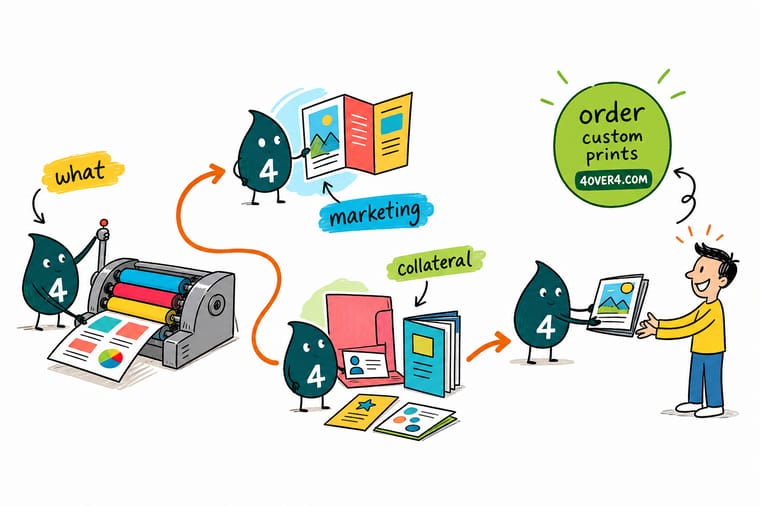
Wally sorts collateral by what each piece does: cards and letterhead build trust, brochures and folders make the pitch, flyers and postcards get handed out. Give them all one logo, one palette, one voice, and the kit reads as one confident company. Pick the pieces you actually use and 4OVER4 prints them on matching stocks so the whole set arrives ready to work.
Order your collateral kit →Quick reference
The essential print collateral checklist
Each piece maps to a job and a 4OVER4 product. Print the ones your business actually uses, then expand the kit as you grow.
| Print piece | Its job | What it does for you |
|---|---|---|
| Business cards | Brand | The first handshake in physical form. Nothing signals a real, established business faster than a well-made card. |
| Letterhead and envelopes | Brand | Carry your identity onto every letter, invoice, and quote, so routine correspondence reinforces the brand. |
| Brochures | Sales | The pitch on paper. Room to explain what you offer, answer objections, and leave something behind after a meeting. |
| Sales sheets and flyers | Sales and event | A single-page hit for one product, promotion, or event, cheap to print in volume and easy to hand out. |
| Postcards | Event and outreach | A direct, no-envelope message for mailers, reminders, and announcements that lands face-up. |
| Presentation folders | Sales | Wrap a proposal or a media kit in your brand and organize the pieces a prospect takes home. |
Specs and pricing
Start the kit: business card specs and live pricing
Business cards are where most kits begin. Here are the live specs and price-per-unit for standard business cards at 4OVER4, straight from the configurator.
| Quantity | Price Per Unit | Total |
|---|---|---|
| 100 | 17.6¢ | $17.57 |
| 200 | 11.5¢ | $23.07 |
| 300 | 9.15¢ | $27.46 |
| 400 | 7.96¢ | $31.86 |
| 500 | 7.25¢ | $36.26 |
| 600 | 6.77¢ | $40.64 |
| 700 | 6.43¢ | $45.04 |
| 800 | 6.18¢ | $49.43 |
Print it
Build your collateral kit at 4OVER4
See it in use
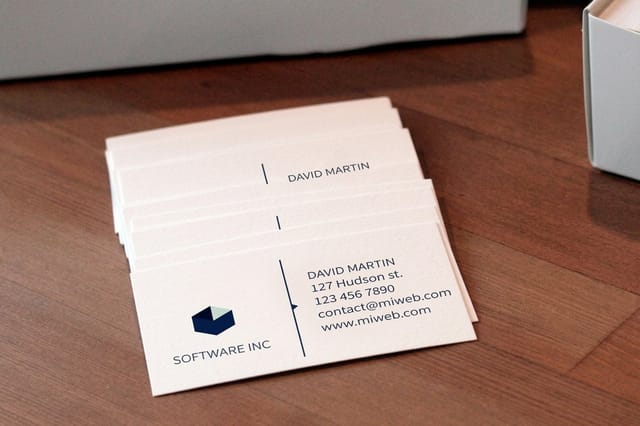
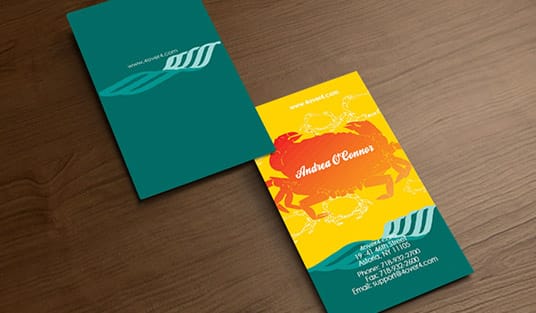
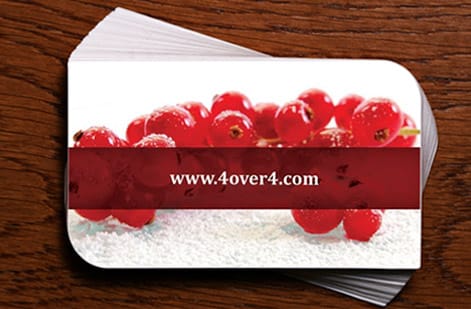
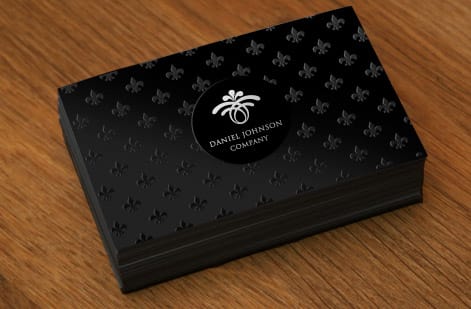
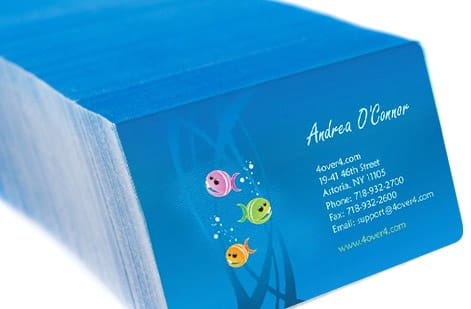
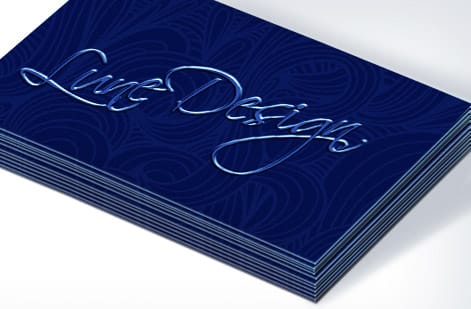
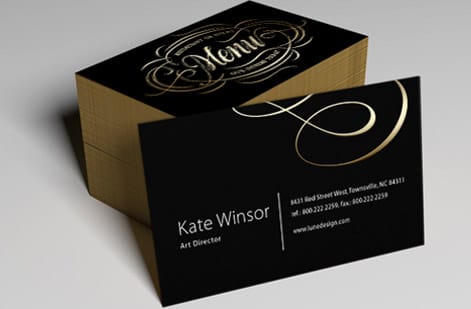
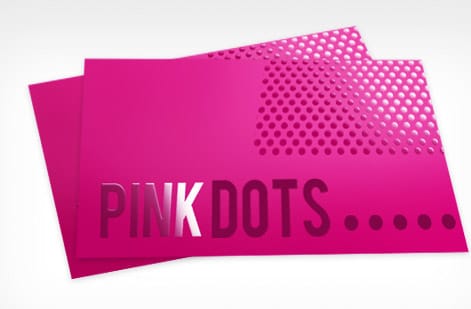
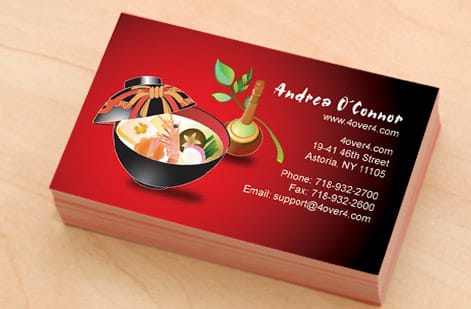
Business card designs customers ordered
Explore more
Where to go next

By the numbers
A whole kit from one press run
Common Questions
Common questions about marketing collateral
What is marketing collateral?
Marketing collateral is the collection of branded media a business uses to communicate its message and support the sales process. It includes printed pieces like business cards, brochures, flyers, letterhead, postcards, and presentation folders, as well as digital assets. The defining trait is purpose: every piece is created to inform, persuade, or reassure someone on the path to becoming a customer. Good collateral is consistent in look and voice, so each piece reinforces the same brand rather than feeling like it came from a different company.
What are the three types of marketing collateral?
A useful way to group collateral is by the job it does. Brand collateral, such as business cards, letterhead, and envelopes, builds recognition and trust and makes a business look established. Sales collateral, such as brochures, sales sheets, and presentation folders, makes the actual pitch and helps close a deal. Event and outreach collateral, such as flyers, postcards, and banners, is designed to be handed out or mailed to reach people directly. Most businesses need a little of all three, and the same brand system should tie them together.
What is the difference between marketing collateral and marketing materials?
The terms overlap and are often used interchangeably, but there is a useful distinction. Marketing materials is the broader bucket: anything used to promote a business, often aimed at building wide awareness. Marketing collateral usually refers to the more specific, sales-supporting pieces that educate and persuade a prospect who is already paying attention, like a brochure handed over in a meeting or a folder left behind after a pitch. In short, materials cast the net; collateral does the closer work.
What does marketing collateral printing cost, and how are prices set?
Cost depends on which pieces you print and the options you choose for each. Every product is priced by the same levers: quantity, where a larger run lowers the price per piece, plus size, paper stock, and finish. Because a collateral kit is several products, you build it piece by piece and each configurator shows the live total as you adjust it. That lets you scale, ordering a big run of inexpensive flyers and a smaller run of premium folders, without guessing at the budget.
What sizes, stocks, and finishes are available for marketing collateral?
Each product carries its own range. Business cards come in standard and premium stocks with matte, gloss, and specialty finishes; brochures fold in several configurations on coated or uncoated paper; flyers and postcards offer multiple sizes and weights; folders come in standard and premium options. Coated, gloss, or silk finishes make color and photography pop for sales pieces, while a heavier stock signals quality for brand pieces. Set the exact size, stock, and finish in each product configurator and confirm it on free paper samples before a full run.
How many types of marketing collateral are there?
There is no official register, so the honest answer is that collateral is grouped three ways by job and counted many ways by format. This guide lists the 18 printed types a print shop sees most: business cards, letterhead, envelopes, brochures, flyers, postcards, presentation folders, catalogs, booklets, posters, banners, table tents, door hangers, hang tags, stickers and labels, notepads, trade show displays, and branded merchandise. It then lists 8 digital ones: one pagers and sell sheets, case studies, white papers, pitch decks, email templates, landing pages, social graphics, and short product video. No business needs all 26. Print the pieces your buyer actually touches and add the rest as the sales process asks for them.
What is digital marketing collateral?
Digital collateral is the half of the kit that never gets trimmed or folded: one pagers and sell sheets emailed before a call, case studies that walk through a customer problem and its result, white papers that trade depth for an email address, pitch decks in both the live and the leave behind version, email templates for announcements and quotes, landing pages built for one offer and one action, social graphics sized per platform, and short product video that shows the thing working. Most of it starts from the same design file as the printed piece, so a layout that prints as a flyer also exports as a clean PDF. Keep both halves on one brand system, the same logo files, the same two or three colors, the same type, and each half makes the other easier to believe.
Get Started
50 brochures cost $57.11 and 250 folders $844.54
Bring one brand to 4OVER4 and print the pieces your business actually uses, from cards to brochures to folders. Set each stock and finish and watch the price update live as you build the kit.
Legal Disclaimer
Gold Standard guarantees apply to all standard orders placed through 4over4.com. Price match requires verifiable proof of a competitor's published price for an equivalent product with matching specifications and turnaround time. Satisfaction guarantee covers manufacturing defects and print quality issues. Contact support with order number and documentation. On-time delivery rate based on tracked orders 1999 to 2026. Individual results may vary based on shipping carrier performance.
