
What Is Direct-to-Garment Printing?


Jordan is our labels, packaging and sustainability voice, built from the knowledge of our production team, with over 20 years in printing.
Direct-to-garment printing, DTG for short, is inkjet printing for clothing: the machine sprays ink straight into a blank shirt, so full-color art prints with no minimum and a soft, fabric-like feel. There is no per-color setup, which is the whole reason a photograph costs the same as a logo.
Direct-to-garment (DTG) printing is inkjet printing for fabric: a printer sprays water-based ink directly into the fibers of a blank garment, most often a cotton t-shirt. There are no screens and no transfers, so it reproduces photos, gradients, and fine detail in full color with no order minimum and a soft hand. It is the best method for detailed designs in small runs. For shirt and ink pairings, see 29 t-shirt and ink color combinations to make your design pop.
Direct-to-garment printing, in short
Direct to garment printing on a 4OVER4 tee
Direct-to-garment printing sprays water-based ink into the fibers of a blank shirt, straight from your file, with no screens and no minimum. On a custom t-shirt at 4OVER4.COM the print area is 8.5 by 11 inches on the front, the back or both, on white or black shirts in sizes S to XXL, from a single shirt, with 5 business days of production. Dark shirts get a white underbase first, and light shirts print without one. Upload your art or build it in the browser, and add a free online proof before it prints.
Quick tips
Quick tips for great DTG prints
Start with 100% ringspun cotton and a high-resolution, full-color file for the sharpest, longest-lasting DTG results. Light shirts print softest without a white underbase, while dark shirts get a white base first so colors stay vivid. Reach for DTG when the art is detailed and the run is small, and lean on screen printing once you are ordering hundreds of a simple design. Wash finished shirts inside out in cold water and skip the fabric softener to keep the print sharp for years.
What is direct-to-garment printing?
Direct-to-garment printing, almost always shortened to DTG, is inkjet printing for clothing. A specialized printer reads your artwork file and sprays water-based ink straight into the fibers of a blank garment, usually a cotton t-shirt. There are no screens to burn, no transfer sheets to cut, and no separate stencil for each color. The machine simply prints what is on your screen onto the shirt.
That single idea changes everything about how apparel gets made. Because the design is a digital file, a photo with ten thousand colors is no harder to print than a two-color logo, and there is no minimum order to make the math work. One shirt is genuinely practical. If you want to see what that looks like in the real world, browse custom t-shirt printing or jump straight into a t-shirt order and upload your art.
DTG earned its place because it filled a gap the older methods left wide open: detailed, full-color designs in small quantities, printed on demand, with a finish that still feels like a shirt rather than a plastic patch.
How does DTG printing work?
The process is short, but every step matters. Skip one and the print either washes out or never looks right in the first place.
- Prepare the file. Your artwork is sized, positioned on a digital template, and set to full resolution so nothing prints soft or pixelated.
- Pretreat the garment. A clear pretreatment fluid is sprayed on and pressed flat. It gives the ink something to grab, which is what keeps colors bright and stops them from soaking away into the cotton.
- Print the ink. The garment rides a platen under the print heads. On dark shirts a white underbase lays down first, then cyan, magenta, yellow, and black build the image on top.
- Cure with heat. A heat press or conveyor dryer bakes the ink so it bonds permanently and survives the wash.
Only the printing stage is truly hands-off. If you would rather not wrangle files and pretreat by hand, our online designer handles the setup, and if you are curious how this compares to the stencil-based method, read what screen printing is and how it works.
The equipment behind a DTG setup
A DTG line is more than a printer. Three pieces of gear do the real work, and each one is a reason most people order finished shirts rather than build a studio at home.
The DTG printer. This is a modified inkjet with heads engineered for thick, water-based textile ink and a flat platen that holds the garment steady. Entry-level machines start in the low thousands and commercial units run into six figures.
The pretreatment station. Either a handheld sprayer or an automatic pretreat machine coats the shirt evenly. Uneven pretreat is the single most common cause of a bad DTG print, so this step is not optional.
The heat press or dryer. Curing at the right temperature for the right time is what makes the ink permanent. Under-cure it and the design fades in a few washes.
Add ink, maintenance, and the blanks themselves, and you can see why on-demand printing is usually the smarter route for anything short of a full production run. When you want the finished result without the machinery, order custom t-shirts or step up to premium t-shirts for a heavier, retail-grade blank.
What DTG printing costs and how prices are set
One thing surprises people: DTG has no per-color setup fee. Screen printing charges you to make a stencil for every color, so a seven-color design gets expensive fast. At 4OVER4.COM the configurator prices the choices that matter here: front, back or both sides, a white or black shirt, and the count. DTG prints straight from the file, which means a photorealistic front print costs the same to run as a one-color chest logo.
Four things move the price of a DTG shirt:
- The blank garment. A basic tee, a heavyweight premium tee, and a youth size all carry different base costs.
- Print size and coverage. A small pocket graphic uses less ink and time than an edge-to-edge back print.
- Light vs dark shirts. Dark garments need a white underbase, which adds an ink layer and a little cost.
- Quantity. Per-unit price eases as the count climbs, though never as steeply as screen printing at high volume.
Because there is no setup charge, small full-color orders are where DTG shines on price. You can read live per-unit pricing straight from the custom t-shirt configurator, watch for markdowns on our daily deals, and request free samples so you can feel the blank before committing to a run.
Pros and cons of direct-to-garment printing
No printing method wins everywhere. DTG is strong in its lane and awkward outside it, so both sides are worth stating.
Where DTG wins:
- Unlimited color at no extra cost. Photographs, gradients, and detailed illustrations reproduce faithfully.
- No minimum order. A single shirt is practical, which makes it ideal for prototypes, gifts, and made-to-order shops.
- Soft hand. The ink lives in the fabric, so there is no heavy plastic patch and the print breathes with the shirt.
- Fast turnaround on small jobs. No screens to burn means the print can start almost immediately.
Where DTG struggles:
- High-volume cost. Past a few hundred identical shirts, screen printing gets cheaper per unit.
- Fabric fussiness. It loves cotton and merely tolerates polyester, so the blank choice is a real constraint.
- Speed at scale. Each shirt is printed individually, so thousands take real time.
If your job leans toward simple art in bulk, compare the alternatives in screen printing vs vinyl printing before you decide.
DTG vs screen printing vs heat-transfer vinyl
The three methods people weigh against DTG each answer a different question. Knowing which question you are asking is the whole decision.
Screen printing pushes ink through a mesh stencil, one screen per color. It is the champion of bulk simple designs. Fifty shirts with a one-color logo? Screen printing, without question. A dozen shirts with a full-color photo? That is DTG territory. The tipping point sits somewhere around a hundred pieces, depending on how many colors the art uses.
Heat-transfer vinyl cuts a design out of colored vinyl and presses it onto the shirt. It is unbeatable for names, numbers, and bold single-color lettering, which is why team jerseys use it. It cannot do photographs, and thick coverage feels heavier on the shirt. See it head to head in vinyl vs screen t-shirt printing, or try vinyl t-shirts for that crisp lettered look.
The short version: DTG for detail and small runs, screen printing for bulk and simplicity, vinyl for lettering and single-color punch. Most shops keep all three on hand for exactly this reason.
DTG or DTF printing, which is better for your shirts
Pick DTG when you want finished shirts, and pick DTF when you want transfers to press yourself. Both print full color from a file with no screens, so the choice comes down to the fabric and who runs the heat press.
- Feel. DTG ink soaks into the cotton, so the print breathes with the shirt. A DTF transfer is a printed film glued to the fabric with adhesive powder.
- Fabric. DTG does its best work on 100% ringspun cotton and merely tolerates polyester. DTF transfers press onto cotton, polyester and blends.
- What you order. A custom t-shirt here arrives printed, with an 8.5 by 11 inch print area, in 5 business days. Heat-activated transfer film prints at any size in 4 business days, ready for your own press.
- Quantity. Neither needs a minimum, so one shirt or one transfer is a valid order.
For a cotton tee with a photo on it, DTG wins on hand feel. For mixed garments, or a shop that keeps its own blanks and press, DTF film is the better fit, and our guide to DTF printing covers the transfer side.
The best fabrics, sizes, and finishes for DTG
DTG ink bonds with cotton, so the blank you choose is half the outcome. Get this right and the print looks like it was born on the shirt.
- 100% ringspun cotton is the gold standard. It holds ink tightly and gives the crispest, longest-lasting result.
- High-cotton blends print well too, with slightly softer color than pure cotton.
- Polyester and tri-blends are the weak spot. Ink grips less, and some fabrics can bleed under heat, so results vary.
Light shirts print without a white underbase, which gives the softest possible feel. Dark shirts get that white layer first so the colors stay vivid instead of sinking into the fabric. Standard adult and youth sizes are all fair game, and you can dial in exact t-shirt print sizes so the art sits where you want it.
For a smoother, more luxurious hand consider silk t-shirts, size down for the little ones with kids t-shirts, and browse the wider fabric printing collection when your project reaches beyond apparel. For a closer look, read the silk t-shirts story or watch the kids t-shirts video. Always request free samples before a large order so you can feel the blank in person.
How to choose the right method for your run
You do not need to be a print expert to pick well. Answer three quick questions and the method chooses itself.
How detailed is the art? Photos, gradients, and many colors point straight to DTG. A flat one- or two-color logo opens the door to screen printing.
How many shirts? One to roughly fifty favors DTG every time. A few hundred identical shirts starts to favor screen printing on price.
What is the design, really? Names and numbers want vinyl. A full-color illustration wants DTG. A bold bulk logo wants screen printing.
When your answers land on detailed art in modest quantities, DTG is the confident choice, and it is the method behind our on-demand tees. If you are still weighing options, the walkthrough in how to make custom t-shirts covers every route with real cost notes, and our team is happy to steer you when you place a custom t-shirt order. You can also start from a ready-made layout in our design templates or explore no-transfer DIY t-shirt methods for at-home experiments.
Ordering custom DTG-style t-shirts at 4OVER4
Turning a design into finished shirts at 4OVER4.COM takes about five minutes and zero equipment. Pick your blank, upload your art or build it in the browser, choose sizes and quantities, and check out. Shirts come in white or black, sizes S to XXL, with an 8.5 by 11 inch print area, and production takes 5 business days.
- Start with the blank. Basic custom t-shirts, retail-weight premium t-shirts, or softer silk t-shirts, all built for full-color, soft-hand printing.
- Finish the brand. Add hang tags for clothing so your tees look shelf-ready the moment they arrive.
- Test before you commit. Grab free samples to feel the fabric and check color first.
Launching a brand rather than printing a single gift? Two guides pick up where this one ends: how to sell custom t-shirts and how to start a t-shirt printing business, plus a look at fulfillment in how print-on-demand dropshipping works. When you are ready, shop the full t-shirt printing range and print your first run.
Wally explains DTG
Inkjet for shirts, no screens, no minimum
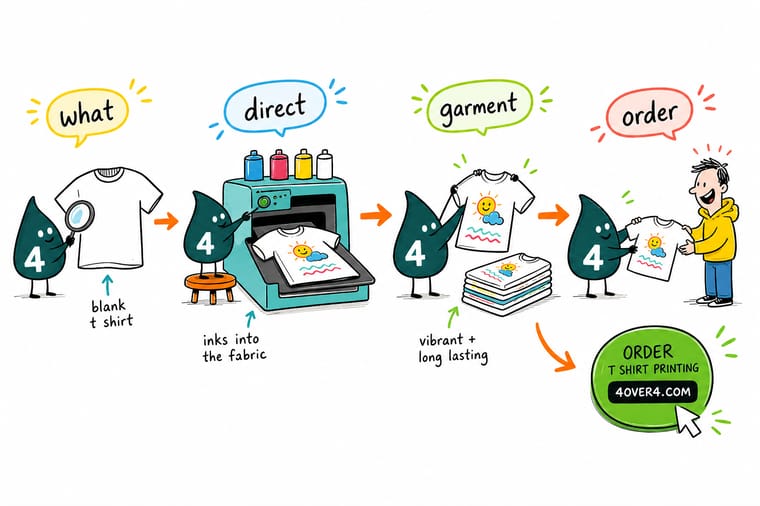
Wally thinks of DTG as a desktop printer that fell in love with cotton. Instead of paper, it prints your full-color art straight into the fibers of a shirt, so one detailed tee is as easy as a hundred and the finished print feels like fabric, not plastic. Pick a blank, upload your design, and let the ink soak in. When your art is ready, print a soft, sharp custom t-shirt at 4OVER4.
Order custom t-shirts →
Specs and pricing
Custom t-shirt specs and live pricing
DTG is the method, the t-shirt is the product. A custom tee runs $21.96 in 5 business days, with live specs and price-per-unit below. Print on the front, the back or both, 8.5 by 11 inches each, on white or black shirts in S to XXL.
| Quantity | Price Per Unit | Total |
|---|---|---|
| 1 | $21.96 | $21.96 |
| 2 | $16.47 | $32.93 |
| 3 | $16.46 | $49.39 |
| 4 | $15.93 | $63.71 |
| 5 | $15.93 | $79.63 |
| 6 | $15.93 | $95.56 |
| 7 | $15.85 | $110.94 |
| 8 | $15.38 | $123.02 |
Print it
Order full-color custom t-shirts at 4OVER4
Silk, standard and premium tees share the 8.5 by 11 inch print area, the S to XXL size run and the free online proof option.
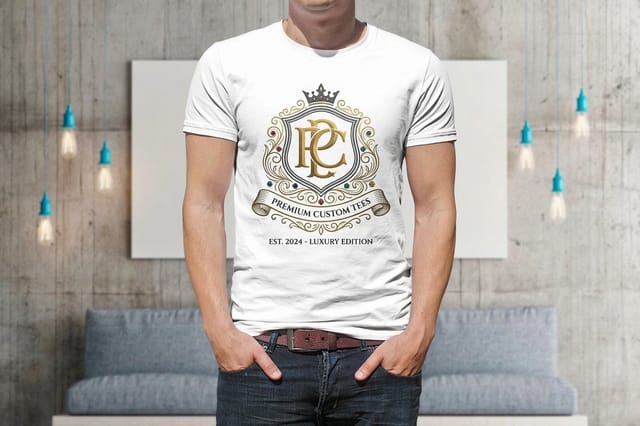
Customer shirts
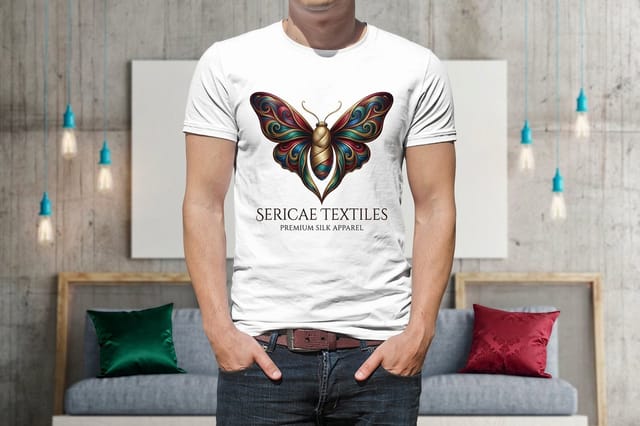
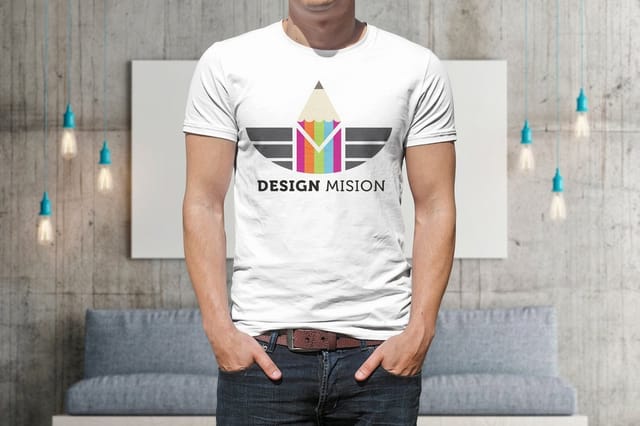
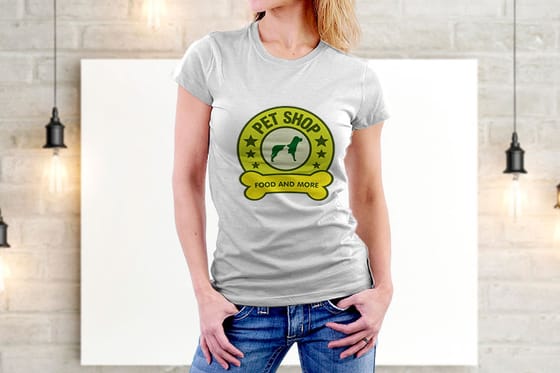
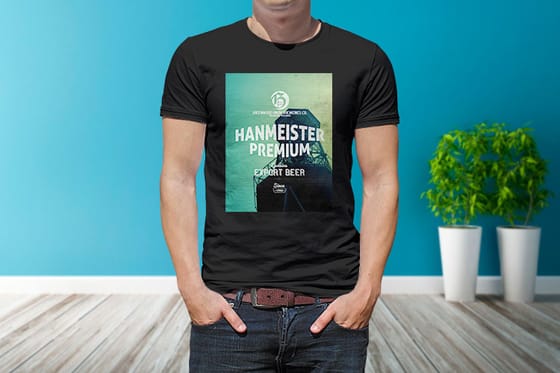
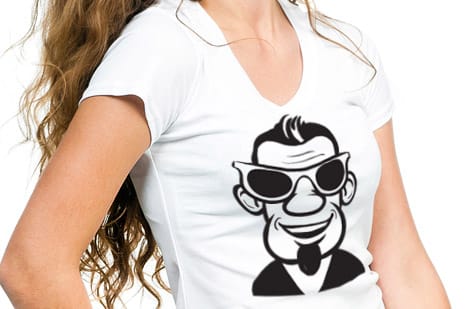
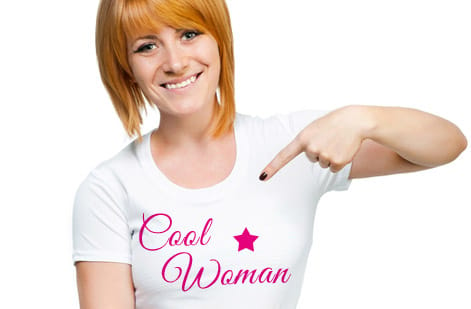
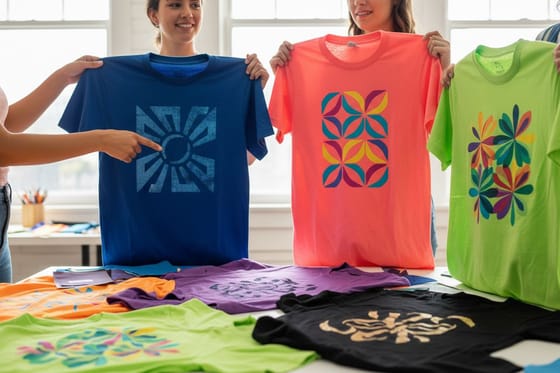
Full-color shirts we printed without screens
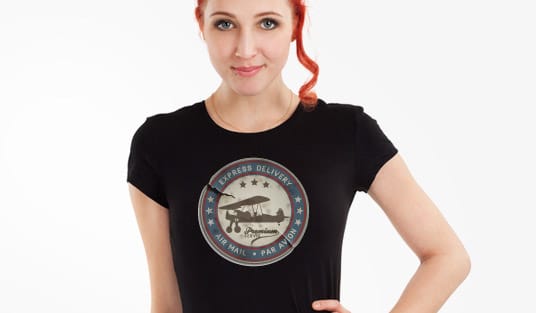
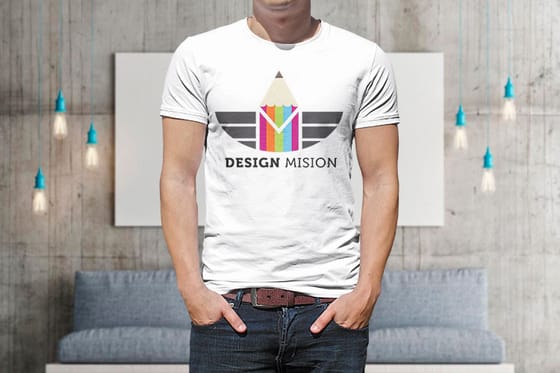
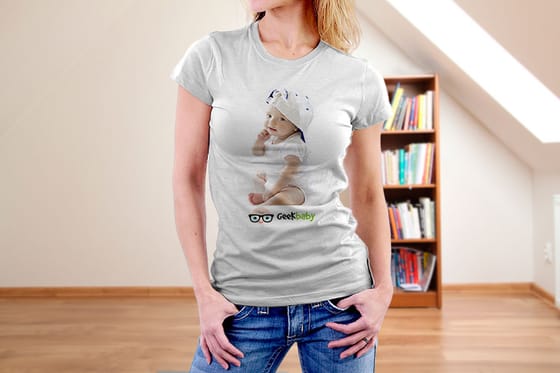
Explore more
Where to go next
By the numbers
Shirts at $21.96, hang tags at $0.51
Common Questions
Common questions about direct-to-garment printing
What are the pros and cons of direct-to-garment printing?
The upside is full-color, photo-quality art with no order minimum and a soft feel, since the ink absorbs into the cotton instead of sitting on top. The trade-offs are slower per-shirt speed on big runs, a strong preference for cotton over polyester, and a higher unit cost than screen printing once you cross into the hundreds. For a detailed design in small numbers, DTG is hard to beat. For a simple one-color logo on 500 shirts, screen printing usually wins on price.
What is direct-to-garment printing in plain terms?
It is inkjet printing for clothing. A DTG printer reads your artwork file and sprays water-based ink directly into the fibers of a blank garment, most often a cotton t-shirt. There are no screens to burn and no transfers to weed, so the machine can reproduce photographs, gradients, and fine lettering that other apparel methods struggle with.
How many colors does my design have, and does that matter?
Match the method to the run and the art. Choose DTG for detailed or full-color designs in small quantities, screen printing for simple designs in bulk, and heat-transfer vinyl for names, numbers, and bold single-color lettering. If you are printing one to roughly fifty highly detailed shirts, DTG is almost always the right call. Our team can help you pick when you place a custom t-shirt order.
What does direct-to-garment printing cost and how are prices set?
Per-shirt price is driven by the blank garment, the size and coverage of the print, whether white underbase ink is needed for dark shirts, and the quantity. Unlike screen printing, DTG has no per-color setup fee, so a ten-color design costs the same to run as a one-color design. That flat, no-setup structure is why small full-color orders are so affordable. You can see live per-unit pricing on the custom t-shirt configurator.
What sizes, stocks, and finishes work best for DTG printing?
DTG performs best on 100% ringspun cotton in standard adult and youth sizes, and it also handles high-cotton blends well. Light garments print without a white underbase for the softest possible feel, while dark garments get a white base layer first so colors stay vivid. Ask for free samples before a big run so you can feel the blank and check color in person.
Is DTG printing durable in the wash?
Yes, when the ink is cured properly. A correctly pretreated and heat-cured DTG print holds up for dozens of washes with only gradual, gentle fading. To get the longest life, wash the shirt inside out in cold water, skip the fabric softener, and either hang it to dry or tumble on low. Treated that way, a good DTG shirt stays sharp for years.
Which is better, DTG or DTF?
DTG is better for finished cotton shirts, and DTF is better for transfers you press yourself. A DTG print soaks into 100% ringspun cotton for a soft hand, and a custom tee here arrives printed in 5 business days. DTF prints onto heat-activated transfer film at any size in 4 business days, and you press it onto cotton, polyester or a blend.
Get Started
Order a silk t-shirt at $21.96
Pick your blank, drop in your full-color art, and we print soft, sharp tees with no setup fees and no order minimum.
Legal Disclaimer
Gold Standard guarantees apply to all standard orders placed through 4over4.com. Price match requires verifiable proof of a competitor's published price for an equivalent product with matching specifications and turnaround time. Satisfaction guarantee covers manufacturing defects and print quality issues. Contact support with order number and documentation.
