
What Is DTF Printing? Direct-to-Film Transfers Explained


Jordan is our labels, packaging and sustainability voice, built from the knowledge of our production team, with over 20 years in printing.
Direct-to-film transfers press full-color, photo-quality artwork onto almost any fabric, with no minimums, no weeding, and no screens. The powder adhesive is what makes it work on cotton, polyester and blends without a separate setup for each.
DTF printing, short for direct-to-film, prints your design onto a coated PET film over a white underbase, bonds it with a hot-melt adhesive powder, cures it, then heat-presses it onto fabric. The result is a full-color, flexible print that sticks to cotton, polyester, blends, and even nylon, on light or dark garments, with no color limits, no weeding, and no screen setup.
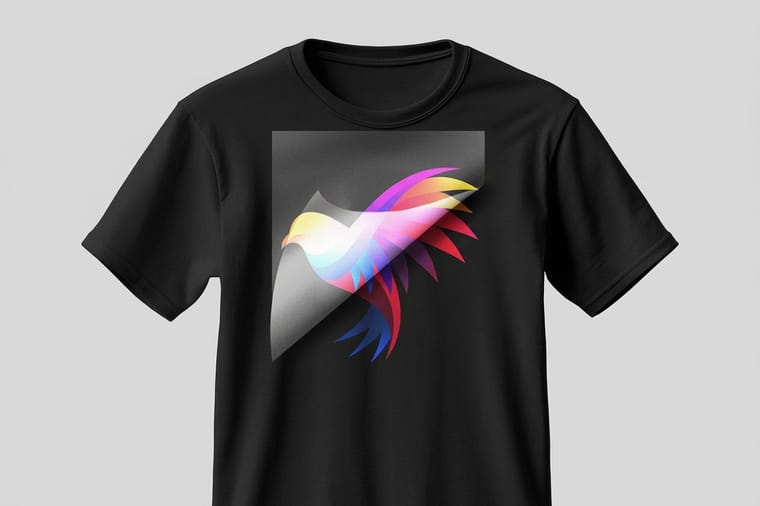
Direct to film, in short
Direct to film transfers, from file to shirt
Direct to film means printing your design onto a transfer film, coating it with adhesive powder, curing it, and heat-pressing it onto the garment. Heat-activated transfer film at 4OVER4.COM prints at any size you set, from a single piece, with 4 business days of production, and you press it yourself on cotton, polyester or blends. To skip the press, order finished custom t-shirts instead: an 8.5 by 11 inch print area on the front, the back or both, on white or black shirts in sizes S to XXL.
Quick answer
DTF printing at a glance
DTF prints your design onto film, glues it with adhesive powder, and heat-presses it onto fabric. Because it lays its own white base, it looks bright on dark garments, and because there are no screens, full-color art carries no per-color penalty. It bonds to cotton, polyester, blends, and more, with no minimums and no weeding. Order the transfer film to press yourself, or let 4OVER4.COM print finished tees and decals for you.
The process
How direct-to-film printing works, step by step
Each cured transfer is shelf-stable, so you can print a batch now and press them onto garments whenever an order comes in. Order the film at the exact size of your print, any size you set, and it ships in 4 business days, ready to press as orders arrive. That store-and-press workflow is what makes DTF so well suited to on-demand and short-run apparel.
What DTF printing actually is
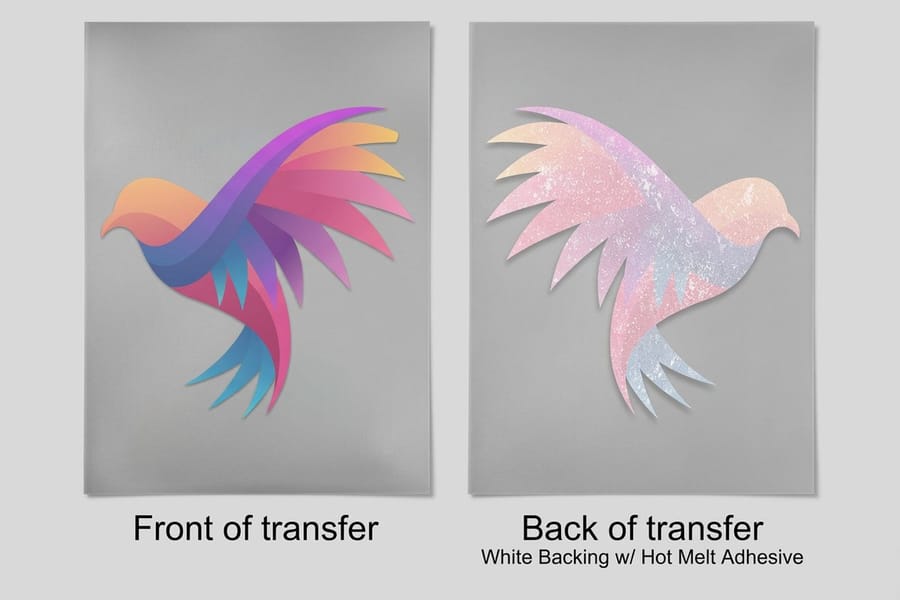
DTF is short for direct-to-film, and it is exactly what it sounds like. Instead of printing your design straight onto a garment, a printer lays it down on a thin, coated PET film first. That film becomes a ready-to-use transfer you can press onto almost anything with a bit of heat and pressure.
The magic is in the layers. A DTF printer lays a full-color image over a solid white underbase, which is what lets the colors pop just as brightly on a black hoodie as on a white tee. While the ink is still wet, a fine hot-melt adhesive powder is dusted over it and cured, giving the print its own built-in glue. Peel, place, and press, and the artwork releases from the film and bonds into the fabric.
That single trick, printing onto film instead of the product, is why DTF has taken over custom apparel. It skips the screens, the stencils, and the weeding that older methods depend on. If you want to start pressing your own designs today, the heat-activated transfer film is the exact product this guide is built around.
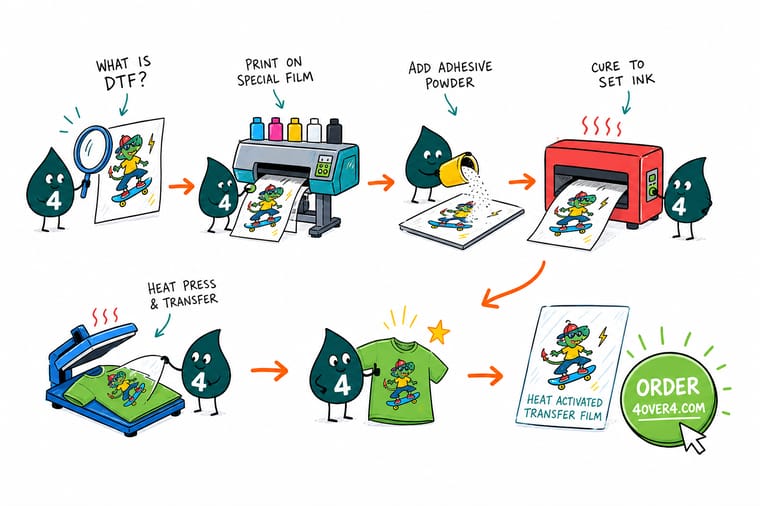
How the direct-to-film process works
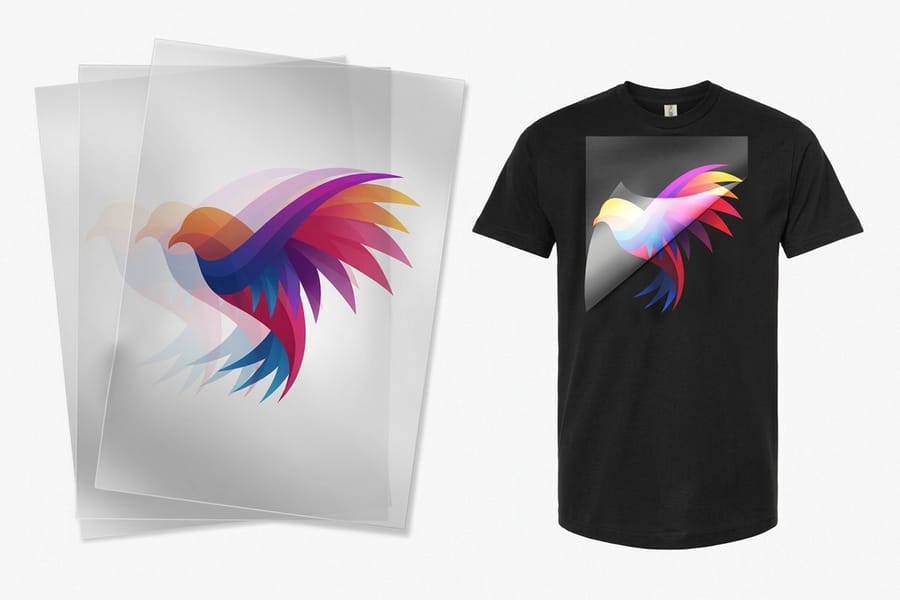
Walk through it once and it clicks. Every DTF transfer follows the same five moves, whether it is made in a factory or on a hobby setup.
- Design with a white base. Your artwork is prepared in reverse with a white underbase layer behind the colors so it stays opaque on dark fabric.
- Print onto film. A DTF printer lays the colors and the white base onto a coated PET film using flexible textile inks.
- Apply adhesive powder. While the ink is wet, a hot-melt adhesive powder is sprinkled over the print and the excess is shaken off.
- Cure the film. Heat melts the powder into the ink, turning it into a stable, storable transfer you can use now or later.
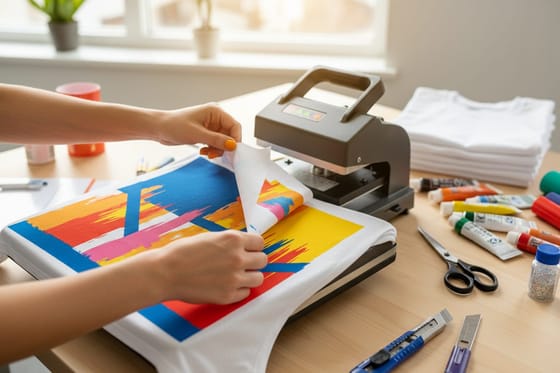
- Heat-press onto fabric. The cured film is pressed onto the garment, the adhesive bonds into the fibers, and the film peels away, leaving the design behind.
The diagram above the sections lays out the same flow at a glance. Once you have a finished transfer, applying it takes well under a minute. That speed is a big reason DTF works so well for on-demand orders and small runs. Prefer to hand it all off? Our Online Designer lets you build the art, and we handle the printing and pressing.
DTF vs screen printing vs heat-transfer vinyl
An honest comparison, because no single method wins everything.
Screen printing is the champion for very large runs of a simple, few-color design. It lays down thick, durable ink and the per-shirt cost drops sharply at high volume. The catch is setup: every color needs its own screen, so full-color or photographic art gets expensive fast, and short runs rarely make sense.
Heat-transfer vinyl (HTV) cuts your design out of colored vinyl and presses it on. It is great for names, numbers, and bold single-color graphics, which is why it rules team jerseys. But every color is a separate cut and weed, and detailed or gradient art is impractical.
DTF sits in the sweet spot for full color at low-to-medium volume. There are no screens and no weeding, photographic detail prints in one pass, and it presses onto more fabric types than either alternative. For a bold cut-vinyl look on apparel, our vinyl t-shirts are a strong pick, and the vinyl t-shirts video shows them made. For soft, full-color art, DTF-style custom t-shirt printing is usually the better route.
DTF vs DTG and sublimation
Two more methods come up a lot, so it is worth drawing the line clearly.
Direct-to-garment (DTG) prints ink straight into the fabric, which gives an incredibly soft feel with no hand at all. It shines on 100% cotton, but it struggles on polyester and blends, and it usually needs pretreatment. DTF, by contrast, does not care much what the garment is made of, and it stores as a ready transfer you can press whenever you like.
Sublimation dyes the fabric itself, so the print is permanent and weightless, but it only works on light-colored polyester. Put a sublimation design on cotton or a dark shirt and it simply will not take. DTF has no such limit: it prints its own white base and bonds to cotton, poly, blends, and dark colors alike.
So the quick rule is this. Choose DTG for the softest hand on white cotton, sublimation for all-over prints on white polyester, and DTF when you need full color on any fabric, in any color, without minimums. If you are weighing the business side, our guide on how to sell custom t-shirts breaks down the economics.
Best fabrics and use cases for DTF
DTF is happiest on fabric, and it is far less picky than the alternatives. It bonds cleanly to cotton, polyester, and cotton-poly blends, and it holds up on tougher materials like canvas, denim, and nylon where other transfers slip. Light garment or dark, the built-in white base keeps colors bright.
That flexibility opens a lot of doors:
- Custom apparel: tees, hoodies, sleeves, and tote bags with full-color logos or photo art.
- Small-batch merch: band tees, event shirts, and limited drops where minimums would kill a screen-print order.
- Team and staff wear: names and numbers alongside detailed crests in a single press.
- Workwear and promo: durable logos on aprons, caps, and uniforms that get washed constantly.
To put art on a shirt, browse the full t-shirt printing lineup, or explore finished premium t-shirts when you want a heavier, retail-grade blank under the print.
Durability and how to wash DTF prints
A well-made DTF transfer is tough. Because the adhesive bonds into the fibers rather than sitting on top like a thick plastisol slab, a cured print flexes with the fabric and resists cracking through dozens of washes. The two things that decide its lifespan are a full cure at the factory and how you care for it at home.
Give your prints the longest life with a few easy habits:
- Wash inside out in cold water to shield the print from friction and heat.
- Use a mild detergent and skip the bleach and fabric softener, both of which break down adhesives over time.
- Hang dry or tumble on low. High dryer heat is the fastest way to age any transfer.
- Never iron directly over the design. If you must press the garment, flip it inside out or lay a cloth over the print.
Follow that routine and a DTF shirt keeps its color and detail for years. Cutting corners on the cure or blasting it with dryer heat is what leads to the peeling horror stories, and both are avoidable.
Designing and setting up files for DTF
Good DTF starts with a good file. The method rewards clean, high-resolution art, so a few setup habits make a real difference in the final press.
Work at 300 DPI at the actual print size so fine lines and small text stay crisp. Use a transparent background (a PNG is ideal) so only your design carries the adhesive and no stray box gets pressed onto the shirt. If your art has crisp edges or text, vector files scale without any loss.
Color matters too. Design in the color mode your printer expects and keep in mind that a screen glows while fabric absorbs, so very bright neons can shift slightly. Because DTF lays its own white underbase automatically, you do not need to build one by hand the way you would for some other methods. Not a designer? The Online Designer handles sizing and file prep for you, and you can order free samples to judge the print in person first.
Beyond apparel: decals and hard surfaces

DTF gets talked about as an apparel method, but the same full-color, no-minimum thinking carries straight into decals and stickers. When you want a durable, full-color graphic on glass, metal, laptops, or vehicles, a printed decal solves it the way a transfer solves apparel. Standard decals print from 18 by 24 up to 48 by 72 inches, or any size; die-cut decals come in sixteen sizes from 2 by 2 to 11 by 11 inches, from 25 pieces.
Our standard decals handle weatherproof outdoor logos and window graphics, while die-cut decals follow the exact outline of your art for a clean, contour-cut finish. Both print in full color with the same photographic detail you get from a DTF apparel transfer, no color-count penalties. You can watch them on press in the standard decals and die-cut decals videos.
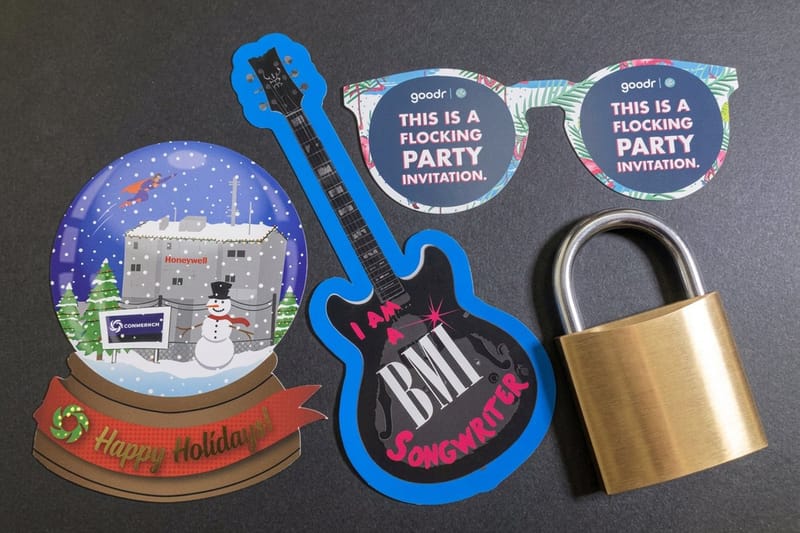
Thinking about a broader merch or promo kit? Pairing DTF apparel with matching decals is an easy way to keep one logo consistent across everything a customer touches. See how others have used them in the sticker showcase, or read our breakdown of custom sticker pricing before you order.
How to order DTF-style custom apparel at 4OVER4

There are two clean paths, and owning a heat press decides which one is yours.
If you press your own blanks, order the heat-activated transfer film. Upload your art, pick your size, and we print the cured, ready-to-press transfer and ship it to you. Line it up on the garment, press, peel, and you are done.
If you would rather receive finished goods, order custom t-shirt printing or decals directly. We print, press, and quality-check everything before it leaves our New York facility, so it arrives ready to wear or apply. Live specs and quantity pricing are on every product page, so there is never a surprise at checkout.
New to the whole process? Start with the step-by-step how to make custom t-shirts guide, grab free samples to feel the print quality, and browse the marketing materials hub when you are ready to build a full branded kit. Every order is backed by the 4OVER4.COM guarantees.
Wally explains DTF
Print it on film, press it onto anything
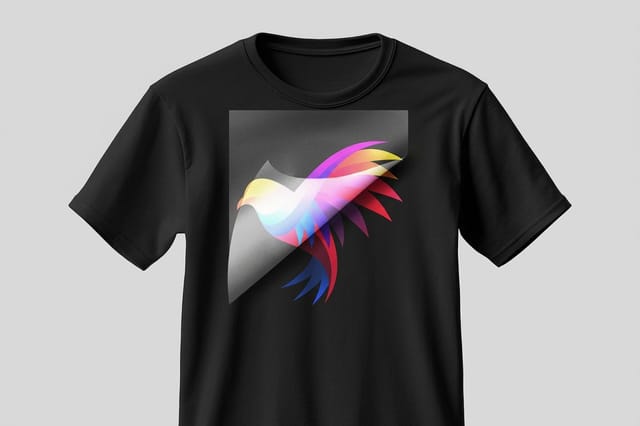
Wally treats DTF like a sticker for fabric: print your art on a film, dust it with glue powder, cure it, then press it onto a shirt and peel the film away. Because the film carries its own white base, your colors stay bright even on a black hoodie, and because there are no screens, a ten-color photo costs the same setup as a one-color logo. Order the transfer film to press at home, or let 4OVER4 print the finished tees for you.
Shop DTF transfer film →
Specs and pricing
DTF transfer film specs and live pricing
Heat-activated transfer film ships in 4 business days, with live specs and quantity-based price-per-unit below. No color-count fees, no minimums. You set the width and height of the film to match your art, and a free online proof is available before it prints.

| Quantity | Price Per Unit | Total |
|---|---|---|
| 1 | $19.00 | $19.00 |
Print it
Order DTF transfers, tees, and decals at 4OVER4

See it in use
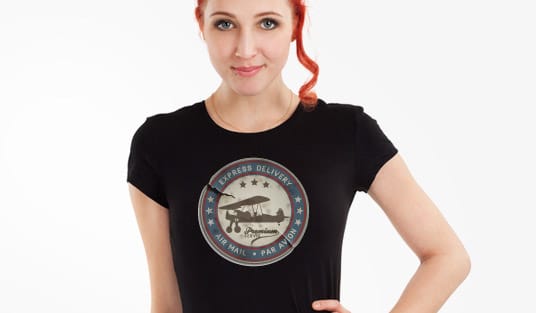
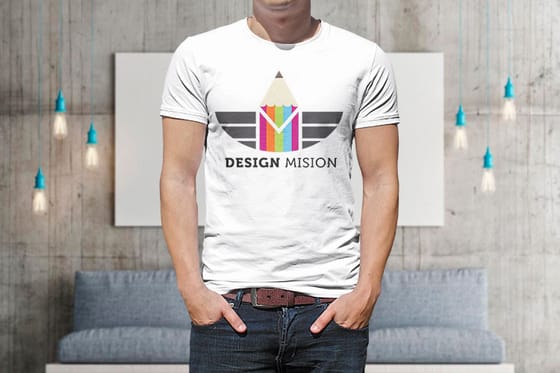
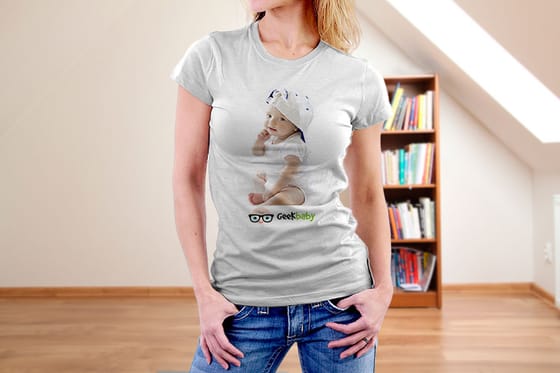
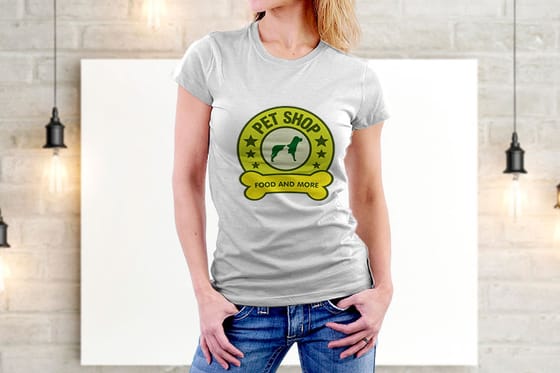
Transfers and shirts we pressed for customers
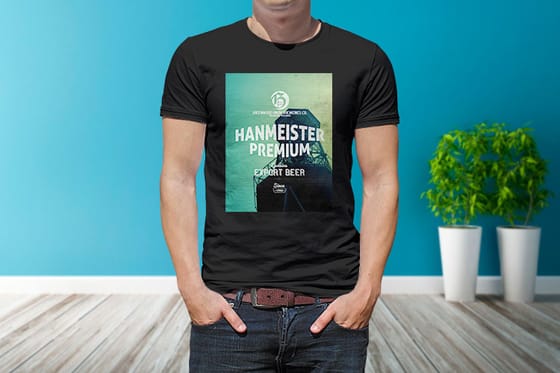
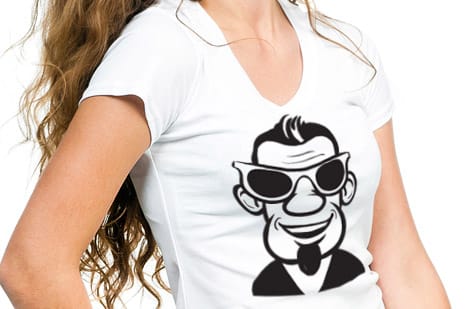

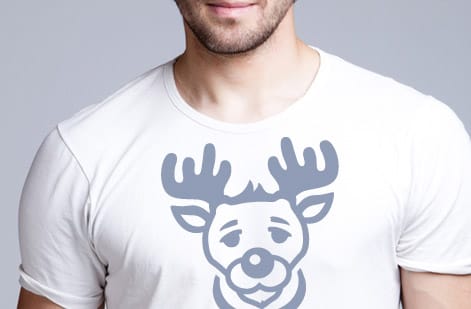
Explore more
Where to go next

By the numbers
Film in 4 days, finished shirts in 5
Common Questions
Common questions about DTF printing
What is DTF printing?
DTF stands for direct-to-film. Your design is printed in reverse onto a special PET film using textile inks and a white underbase, coated with a hot-melt adhesive powder, cured under heat, and then transferred onto fabric with a heat press. The result is a full-color, flexible print that bonds to almost any material without the screens, stencils, or weeding that older methods require.
Do I press the transfer myself or order finished shirts?
Decide whether you want to press the transfer yourself or receive a finished product. If you already own a heat press, order the heat-activated transfer film and apply it to your own blanks. If you would rather skip the equipment, order finished custom t-shirts or decals and we print and press them for you. For a handful of one-off gifts, finished apparel is simpler. For an ongoing run where you control the blanks, transfer film gives you the most flexibility.
What does DTF printing cost and how is it priced?
DTF pricing is driven by transfer size and quantity, not by the number of colors, which is what makes full-color art affordable compared with screen printing. Because there are no per-color screen fees, a ten-color photo prints for the same setup as a one-color logo. Live, quantity-based pricing for every size shows on the transfer film and t-shirt product pages, so you always see the real number before you order rather than an estimate.
What sizes, stocks, and finishes are available for DTF?
DTF transfers come in a range of print sizes, from small left-chest logos to full front and back placements, and the film carries a soft matte finish that flexes with the fabric. You can apply it to tees, hoodies, tote bags, hats, and hard-surface decals. The exact size options and specifications for each product are listed live on the configurator, along with the materials we press onto.
How long does DTF printing take to print and ship?
Turnaround depends on the product and quantity you choose, and the current production and shipping windows are shown on each product page at checkout. 4OVER4.COM ships from its New York facility with a 99.8% on-time delivery record, and most orders leave the press quickly, so you can plan your event, launch, or drop date with confidence.
Will a DTF print crack or peel after washing?
Not when it is cured and pressed correctly. A DTF transfer that reaches full cure bonds into the fibers and stays flexible, so it resists cracking far better than a thick plastisol screen print. To get the longest life, wash the garment inside out in cold water, use a mild detergent, and either hang dry or tumble on low. Avoid ironing directly over the print.
Which fabrics work best with DTF transfers?
DTF is one of the most fabric-agnostic methods available. It bonds beautifully to 100% cotton, polyester, and cotton-poly blends, and it also holds on tougher materials like canvas, denim, and nylon where other transfers struggle. Because it lays down its own white underbase, it looks just as bright on black and dark garments as it does on white, which is a common weak spot for older transfer methods.
Get Started
Order a premium t-shirt at $21.96 or the film alone
Upload your art, pick your size, and we print a full-color, ready-to-press transfer, or finished tees and decals shipped from New York.
Legal Disclaimer
Gold Standard guarantees apply to all standard orders placed through 4over4.com. Price match requires verifiable proof of a competitor's published price for an equivalent product with matching specifications and turnaround time. Satisfaction guarantee covers manufacturing defects and print quality issues. Contact support with order number and documentation.
