
The 3-Product Flooring Label Set That Markets Every Job You Finish
Flooring is won house by house, and the strongest advertising a crew owns is the material it already carries. Label the sample chips, the adhesive pails, the care bottles, and the spare-plank boxes, and your company name stays inside the home long after the last baseboard goes back on.
The flooring local-marketing set is three label formats that cover a job end to end. Premium product labels brand the sample chips and care kits a homeowner keeps, roll product labels let a crew mark pails, cans, and cartons at speed on site, and standard product labels handle spare stock, returns, and shop bins. Print all three together and every surface a customer touches carries the same name, color, and phone number.
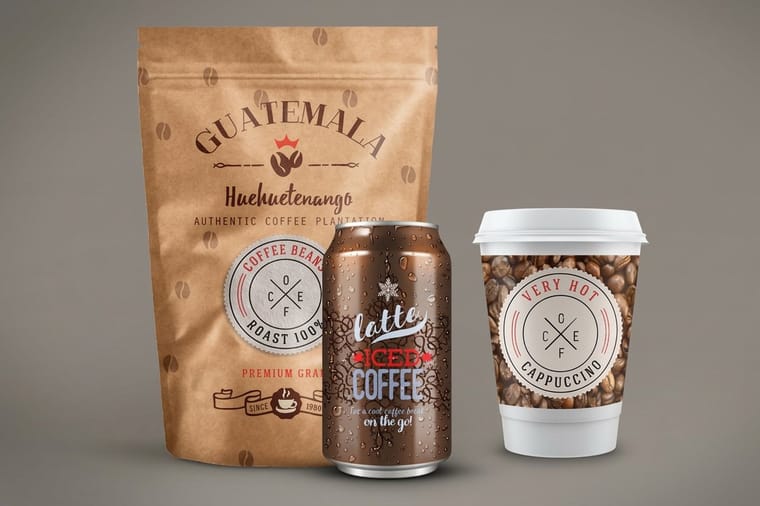
The picks
Three label formats, from $23.88 for 25 sheets on uncoated stock
Start here. These are the three label formats a flooring company actually uses. Sheets leave in 3 business days and the roll takes six, so configure the size and quantity that match your buying cycle and keep one design language across all three, so a customer sees the same brand at the quote, on the jobsite, and in the closet.
Design and print help
One contractor name on every label format
The set only works if a homeowner recognizes the same company on a sample chip, a bucket, and a spare-plank box. These tools keep the logo, the color, and the phone number identical across every run.
How they work together
Label the job in the order it happens
Each format owns a stage of the job. Print them in this sequence and your name shows up at the quote, stays visible through the install, and remains in the house long after handover.
Branded sample chips, sample boards, and estimate folders reach the homeowner during the quote, while three other flooring companies are still emailing PDFs.
Adhesive pails, sealer cans, underlayment rolls, and plank cartons get labeled fast off a roll, so every item on the floor carries your company name.
Care bottles, touch-up kits, spare-plank boxes, and the maintenance sheet all get marked before handover, so the customer keeps your number for years.
1. Premium product labels: the piece the homeowner keeps
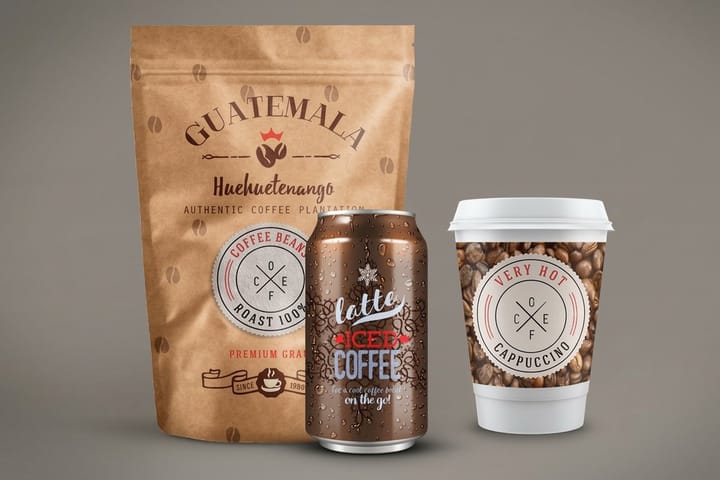
Every flooring quote ends with something left on the kitchen counter. Usually it is a sample chip, a care bottle, or a small kit of touch-up materials. Premium labels are what turn those objects from anonymous supplies into your marketing. A heavier stock with a rich finish reads as a company that finishes work carefully, which is the exact thing a homeowner is trying to judge before they sign.
Put them where the customer looks twice. Label the front of a sample board with the species and the finish, label the care bottle with the product name and your phone number, and label the lid of a touch-up tin so it can be identified in a dark closet three years from now. The same discipline that makes a good local campaign work applies here, and our piece on local print marketing campaigns covers how to keep that message consistent across everything you hand out.
This is the format worth spending on. It is also the smallest run in the set, because you only need one per estimate rather than one per carton.
2. Roll product labels: volume labeling for the jobsite
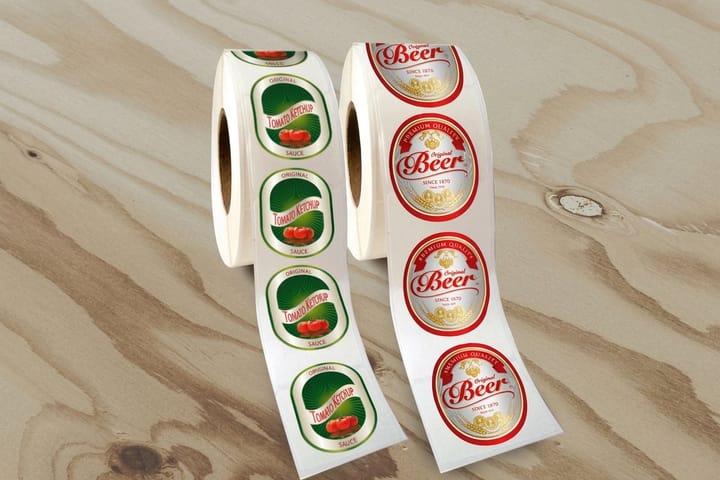
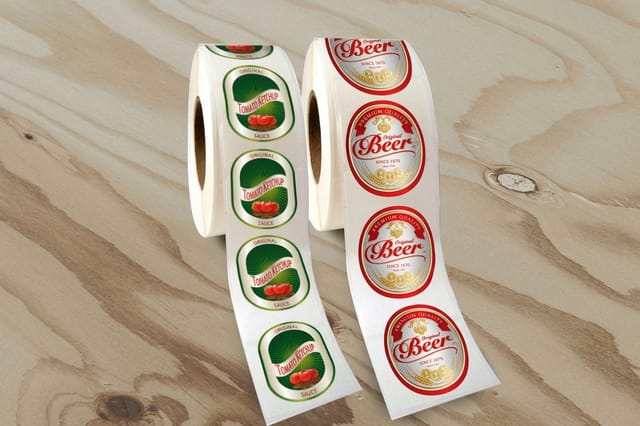
A flooring job burns through material. Adhesive pails, moisture barrier rolls, sealer cans, trim bundles, and plank cartons all pass through your truck, and every one of them is a flat surface waiting for a label. Sheets are slow for that job. Rolls are not. An installer can walk a pallet and label the whole thing before the first box is opened, which is why crews that switch to rolls actually keep doing it.
Design a roll label for a single glance. Big company name, one phone number, and a short service line such as hardwood, LVP, or tile. Skip anything that needs reading glasses, because most of these labels get seen from a few feet away in bad garage light. If you also run seasonal or route-based work, the same logic drives the landscaping and lawn marketing set, where speed of application matters as much as the design itself.
Order rolls in the quantity your buying cycle actually uses. This is the highest volume piece in the set, so a single order usually carries a crew through several months of installs.
3. Standard product labels: everyday marking that keeps the truck organized
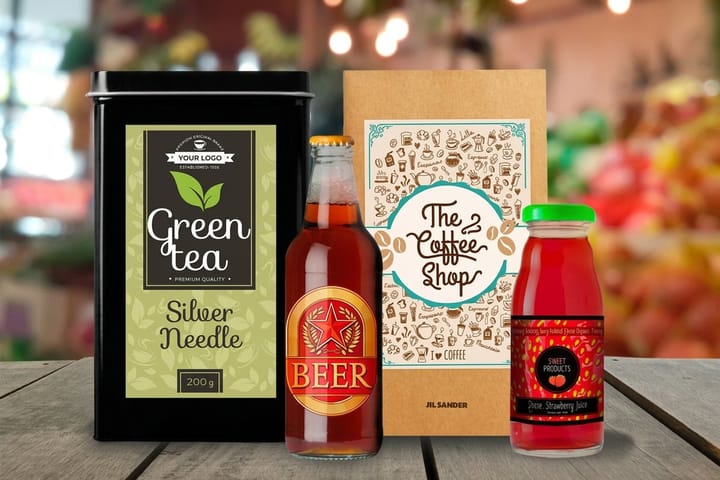
Not every label needs to impress anyone. Some of them just need to do a job cheaply and stay stuck. Standard labels do the plain work of the set: sealing spare-plank boxes for the customer, marking attic stock by room, tagging returns headed back to the supplier, and labeling the bins on your own shelves so nobody hunts for transition strips at seven in the morning.
The marketing value here is quieter but real. A box of leftover planks with your label on it gets pulled out years later when a chair leg gouges the floor, and that is a repair call you win without spending anything to get it. If you want the context behind why low-cost repeat touchpoints outperform one-time ads for local trades, the local marketing benchmarks are worth a read before you set your budget.
Keep the design plain and print more than you think you need. This is the format that disappears fastest once a crew realizes how useful it is.

Specs and pricing
Premium label sizes, finishes and the quantity breaks
The premium label sets the stock and finish standard for the rest of the set. Check its specs and pricing first, then match the roll and standard runs to it.
| Quantity | Price Per Unit | Total |
|---|---|---|
| 1 | $29.16 | $29.16 |
Wally explains the set
Three label formats, one brand, stuck to every job
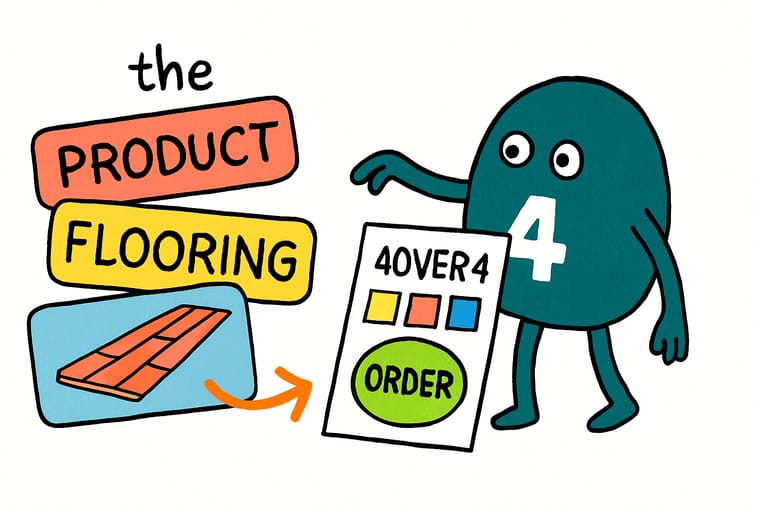
Wally thinks of flooring marketing as a question of surfaces. A homeowner will forget a flyer by dinner, but the bucket in the garage and the box of spare planks in the closet are still there next winter. So he splits the set three ways: premium labels for the pieces people keep, roll labels for the volume material a crew moves fast, and standard labels for everything that needs marking without ceremony. Same logo, same number, printed in one place.
Shop the home services collection →See it in use
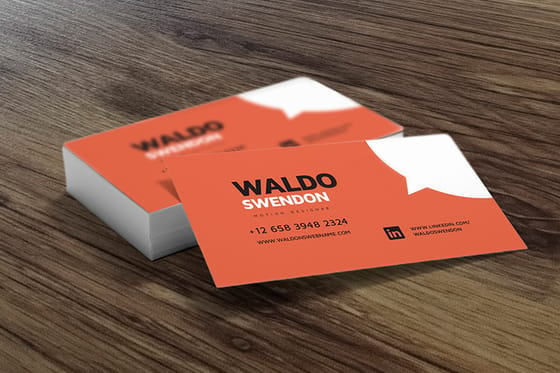
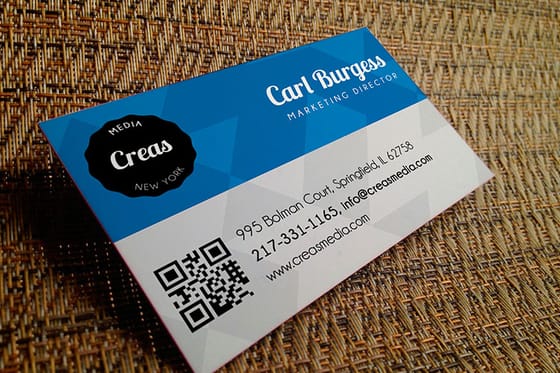
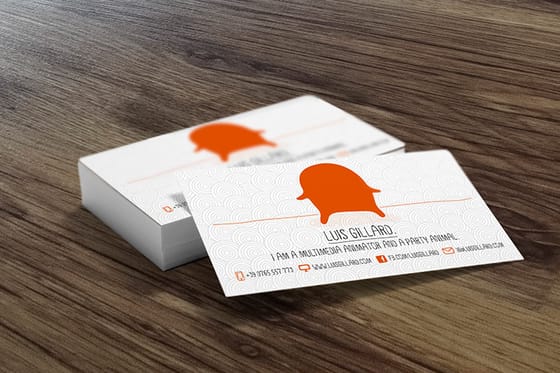
Labels flooring crews have stuck on boxes
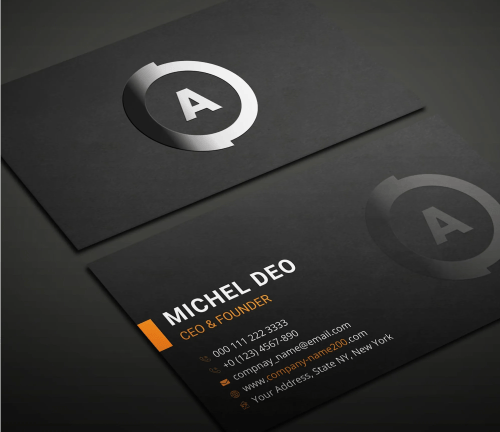

Explore more
Where to go next
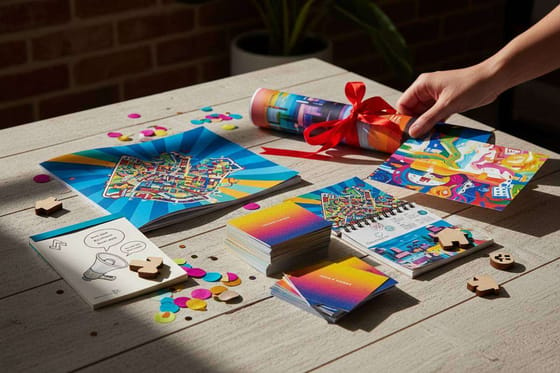

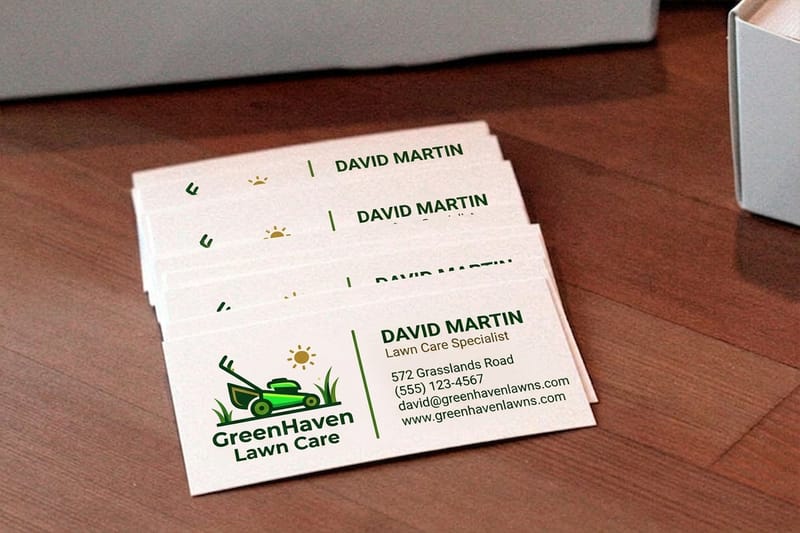
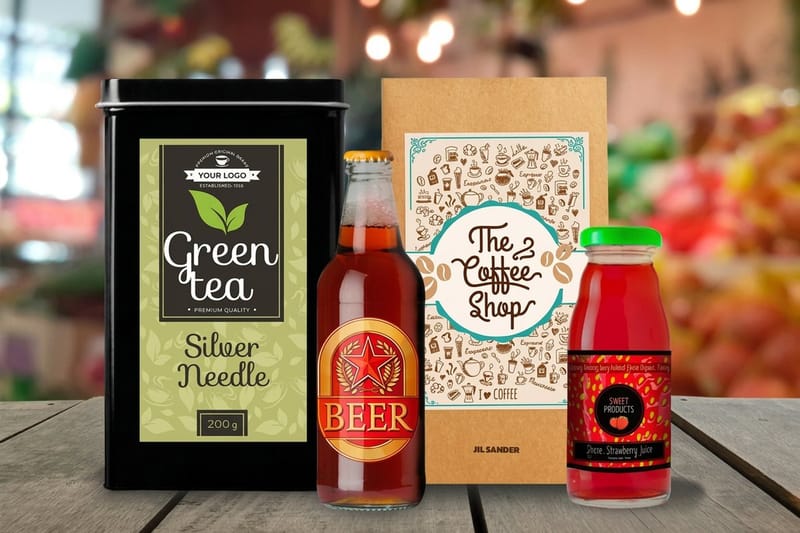

By the numbers
One set, printed to stay on the job
Common Questions
Common questions about flooring label printing
What is the flooring local-marketing label set?
It is a working set of three label formats built for flooring contractors who want their name on the physical parts of the job. Premium labels dress the pieces a homeowner keeps, roll labels handle the volume items a crew applies on site, and standard labels cover everyday marking on the truck and in the shop. Each one is quoted on its product page.
Why would a flooring company print labels instead of flyers?
Flyers leave the house. Labels stay. A quart of finish, a bag of spare planks, and a bottle of cleaner all sit in a utility closet for years, and each of them is a surface your phone number can occupy. Labels also cost less per impression than most local advertising because the item was already going to the customer anyway.
Which label should go on adhesive pails and sealer cans?
Use roll labels for anything you apply in volume with a repeatable motion, which is exactly what pails and cans are. Rolls feed by hand or through an applicator, so an installer can label a pallet of material in minutes. Choose a film stock and a finish that shrug off moisture, and keep the design simple enough to read from across a garage.
What belongs on a flooring label besides the logo?
Four things earn their space: the company name, a phone number a homeowner can dial without searching, the service that item relates to such as hardwood refinishing or LVP install, and a short line telling them what to do next. Skip the full address, skip the social icons, and skip anything that will be unreadable at arm length.
How many labels should a small flooring crew order to start?
Start with one premium run for sample chips and care kits, one roll run for the material you buy most often, and one standard run for shop marking. That covers the quote, the install, and the handover without printing a design you have not tested yet. Reorder the format that runs out first, since that is the one doing the work.
Will the labels stick to dusty buckets and plank cartons?
Adhesion is about surface prep as much as the label. Wipe the spot clean and dry before you apply, avoid pressing a label over a mold seam or a sharp curve, and let the adhesive set before the item ships. Order free samples first and test them on the exact pail and carton you buy, so nothing peels in a customer garage.
Can I add other print pieces to this set later?
Yes. Labels are the anchor, not the ceiling. Most flooring companies add door hangers for the neighbors of a current install, yard signs for the driveway, and business cards for the estimate visit. Browse the home services collection when you are ready and keep the same logo, color, and phone treatment on every piece you add.
Get Started
Order 25 standard product labels at $23.88 for the truck
Print the full label set from one place and keep the color, the logo, and the phone number identical from the first sample chip to the last spare-plank box.
Legal Disclaimer
Gold Standard guarantees apply to all standard orders placed through 4over4.com. Price match requires verifiable proof of a competitor's published price for an equivalent product with matching specifications and turnaround time. Satisfaction guarantee covers manufacturing defects and print quality issues. Contact support with order number and documentation. On-time delivery rate based on tracked orders 1999 to 2026. Individual results may vary based on shipping carrier performance.
