
Pouch Bag Printing and Stand Up Pouches Explained


What the layers in a pouch actually do, how sizes are quoted, which barrier suits coffee against granola, and the point where printed labels on stock pouches beat a custom pouch run.
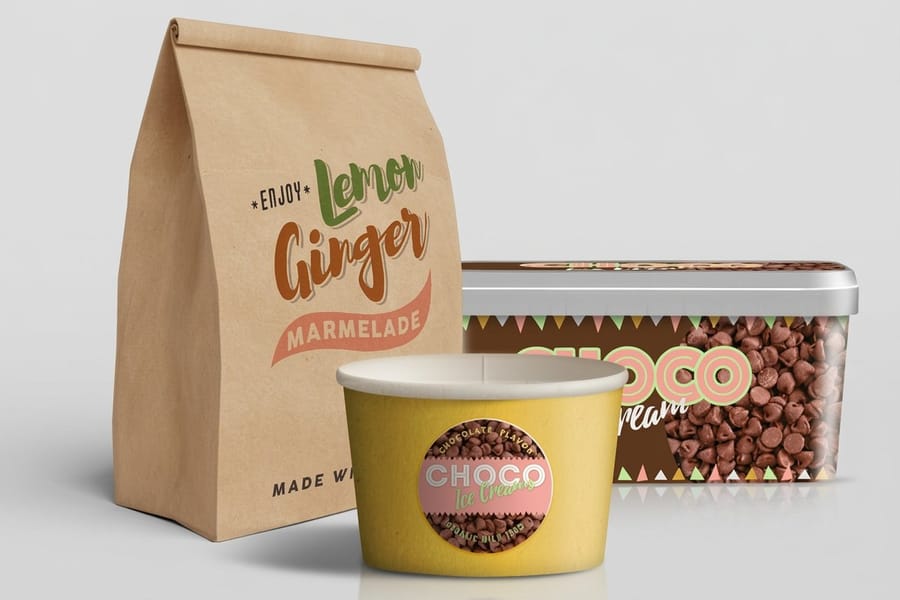
A stand up pouch is two or three laminated films with a folded gusset in the base, and the middle ply is the barrier that sets your shelf life. Sizes are quoted as width by height by gusset with the pouch laid flat, so a filled pouch stands shorter than its stated height. Custom printed pouches need plates per color and per size, which puts the sensible run length in the thousands. Below that, brand stock pouches with printed labels and keep the freedom to change a flavour or a recipe.
Quick answer
Three films, one gusset, and a barrier decision
A pouch protects your product with its middle layer, stands up because of a folded base panel, and seals because only the inner film melts. The outer film is artwork and finish. The middle ply, foil or metallized film, is the barrier that decides shelf life. The inner sealant welds to itself under the jaws. Sizes are quoted flat as width by height by gusset, so plan for a shorter standing bag, and test capacity with your own product rather than trusting a volume figure.
What a Stand Up Pouch Actually Is
Take a stand up pouch apart and you find a sandwich, not a bag. Two or three films are laminated together, sealed down both sides and across the top, with a fourth panel folded into the bottom. That folded panel is the gusset, and it is the whole trick: fill the pouch and the fold opens into an oval base that holds the bag upright with no rigid material anywhere in it.
Each film has one job. The outer film carries the artwork and the finish. The middle ply is the barrier, usually aluminium foil or a metallized film, and it is what actually keeps oxygen and light away from the product. The inner film is the sealant, normally a polyethylene, and it is the only layer that melts when the sealing jaws close. That last point explains a lot of packaging failures: if product dust settles in the seal band before the jaws close, the sealant bonds to the dust instead of to itself and you get a slow leaker that passes inspection and fails a week later.
Pouches come in a few close cousins. A flat pouch has no gusset and lies down, covered in our flat pouch packaging guide. A side gusset bag expands at the sides instead and is the classic coffee brick. A spouted pouch adds a fitment for liquids. The stand up pouch is the one that dominates retail shelves because it presents a full front panel at eye height while shipping flat.
Where Pouches Beat Boxes and Jars
Pouches win on three counts: they ship flat, they weigh almost nothing, and they hold a large printed panel facing the shopper. That combination is why coffee roasters, granola makers, protein and supplement brands, pet treat sellers, spice blenders, and refill lines all landed on the same format.
The refill case is the strongest one. A customer buys a jar or tin once, then buys pouches to top it up, and the pouch ships at a fraction of the freight cost of the rigid container. Cosmetics and household cleaners use the same logic with spouted versions.
They are a poor fit for anything fragile, anything sold by an exact visible count, and anything premium where the unboxing is the product experience. A pouch cannot protect a biscuit from a shipping carton, and it cannot do what a rigid pack does when someone opens a gift. For those jobs, look at pillow boxes or a folding carton, and read what shelf ready packaging means before you commit to a format a buyer will reject.
How Pouch Sizes Are Quoted, and What the Numbers Hide
Every pouch supplier quotes three numbers in the same order: width, then height, then bottom gusset, all measured with the pouch laid flat and empty. Read them wrong and you order a bag that will not hold your product or will not fit your filling line.
| Number | What it measures | What trips people up |
|---|---|---|
| Width | Edge to edge across the flat pouch, side seal to side seal. | The printable panel is narrower. The side seals take a strip each and the panel curves once filled. |
| Height | Bottom edge to the top of the pouch, laid flat, before the top seal is made. | A filled pouch stands shorter, because the gusset takes height as it opens and the top seal takes more. |
| Bottom gusset | The depth of the folded bottom panel, which becomes the base. | A deeper gusset gives a wider base and better stability, but eats into standing height. |
| Fill line | Where the product sits when the pouch is filled and sealed. | Not on the spec sheet at all. Overfill and the seal band gets contaminated, underfill and the pouch slumps. |
Capacity is the part nobody can quote for you, because pouches hold volume and you sell weight. Whole bean coffee, ground coffee, granola, and a fine powder all weigh completely different amounts in the same bag. The only reliable method is to get a sample of the size you are considering, fill it with your actual product, seal it, and stand it up. Do that before you order labels, because the fill height decides where the label sits.
Materials and Barrier, the Choice That Sets Shelf Life
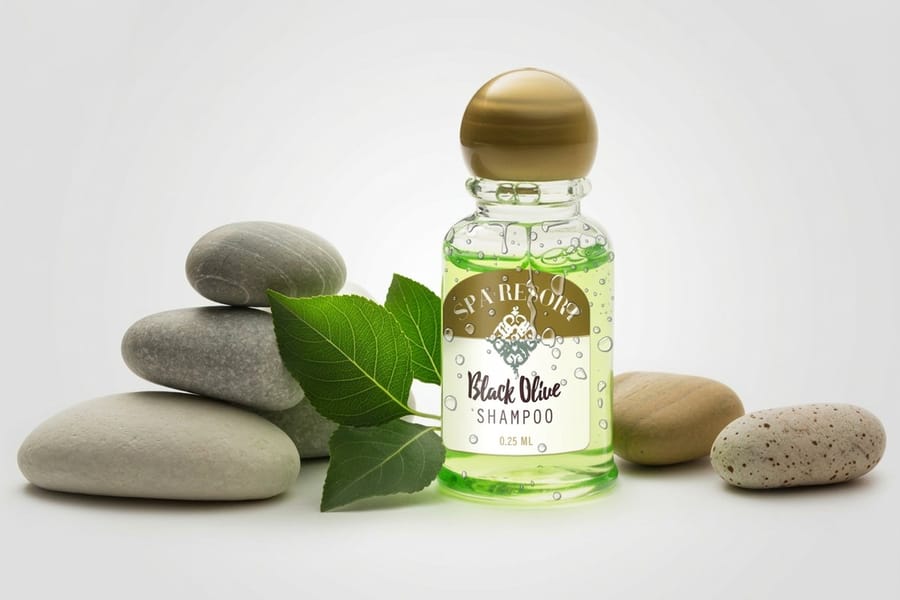
Barrier is the only pouch decision that changes how long your product lasts. Two metrics describe it: oxygen transmission rate and water vapour transmission rate, both measured per square metre per day, and on both of them lower is better. Ask any supplier for those two figures on the structure they are quoting. A supplier who cannot produce them is selling you a film, not a barrier.
| Structure | Barrier | Look | Suits |
|---|---|---|---|
| Clear plastic | Lowest. Blocks moisture reasonably, blocks light not at all. | Fully transparent front and back. | Fast moving product eaten within weeks, where seeing it sells it. |
| Metallized film | Middle. Good oxygen and light barrier at a modest cost. | Silver, or printed over in full color. | Snacks, granola, pet treats, most dry retail lines. |
| Aluminium foil | Highest. Near total block on light and oxygen. | Opaque, printed on the outer film. | Coffee, nuts, anything with fats that go rancid, long shelf life. |
| Kraft paper laminate | Depends entirely on the ply behind the paper. | Natural brown, matte, artisanal. | Craft positioning, but only with a metallized or foil layer inside it. |
| Mono material PE | Lower than foil, and honest about it. | Similar to clear or white plastic. | Store drop off recycling, where shorter shelf life is acceptable. |
The kraft row is where most brands get caught. Brown kraft looks like a barrier because it is opaque, but paper on its own stops nothing. If your quote says kraft and does not name the inner ply, the pouch may be little better than clear plastic that you cannot see through.
Recyclability forces a genuine trade off rather than a marketing choice. Mixed laminates and foil structures cannot be separated at a facility, so they are not curbside recyclable in most places. Mono material polyethylene pouches can go to store drop off, but they give up barrier, which shortens shelf life and can cost you more in waste than the packaging saves. Decide which one you can defend, then make sure your printed panel says the true thing. Our FDA food labeling guide covers what the panel must carry, and premium waterproof labels from $84.68 hold up on pouches that see condensation or a chilled case.
Finishes, Windows, Zippers and Valves
The finish sits on the outer film, and it does more work than people expect. Matte hides the scuffs a pouch collects in a shipping carton, gloss makes color look wetter on shelf, and soft touch reads expensive but marks with fingerprints. A spot gloss over a matte base is the cheapest way to make a logo look deliberate.
A window is a die cut through the outer ply with a clear film laminated behind it. Registered windows in a shaped die look excellent, and they carry a cost you should understand: the window is a gap in your barrier. Wherever it sits, light gets to the product. Put a window on granola or pasta and it sells the product. Put one on coffee, nuts, or anything with a fat in it and you have designed the fastest route to rancidity into the pack.
Two fittings matter beyond that. A press to close zipper lets the customer reseal, but a zipper is not hermetic once opened, so it manages freshness rather than preserving it, and the pouch above the zipper still needs a proper factory top seal. A one way degassing valve is essential for fresh roasted coffee, which releases carbon dioxide for days after roasting. One practical detail catches new brands out constantly: the tear notch has to be positioned above the zipper so that opening the pouch leaves the zipper intact. Put the notch below it and the customer tears the reseal clean off.
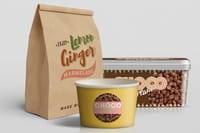
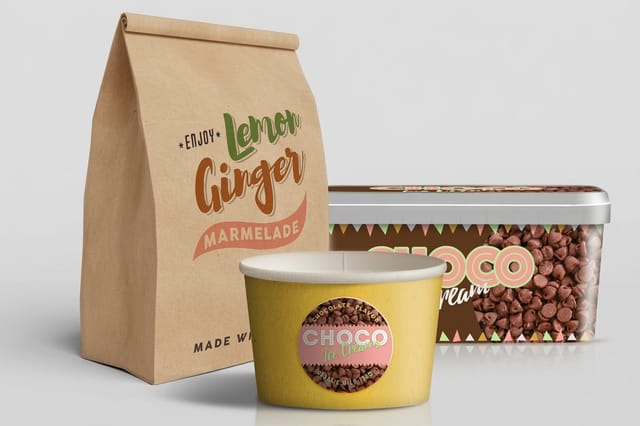
If you are branding stock pouches rather than ordering printed ones, shaped labels do the same job a window and a spot finish do. Die-cut labels start at $93.37 and cut to any outline, so a label can echo a logo silhouette rather than sitting in a rectangle. Our guide to choosing the correct label size works through the measuring, and shrink sleeve labels covers the alternative for rigid containers.
How to Order Branded Pouches Without Buying Ten Thousand

The honest answer for most brands under a few thousand units is this: buy stock pouches, brand them with printed labels, and keep your money in inventory rather than in plate charges. Custom printed pouches are printed on wide web presses that need a plate or cylinder set per color and per pouch size. Change the size, change the flavour, change the legal panel, and you buy the setup again.
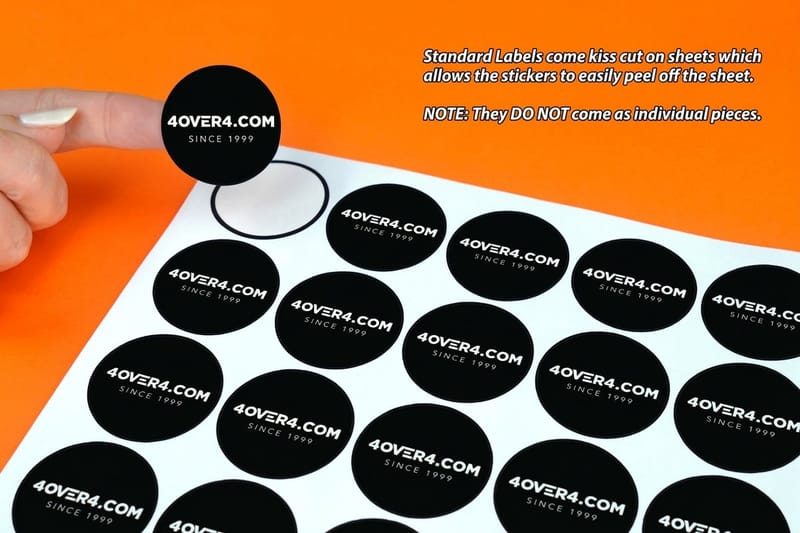
The label route gives you flexibility that printed pouches cannot. A front panel label carries the brand and the product name, a smaller back label carries the ingredients, nutrition, batch and best before, and both can be reprinted the week a recipe changes. Run a base pouch across the whole line and let the label carry the flavour, so a fifth flavour costs a label run rather than a pouch run.
Get the practical details right and it looks like a printed pouch rather than a sticker on a bag:
- Keep the label clear of both side seals and off the bottom gusset fold, which opens under a filled load and lifts anything bridging it.
- Hold the label width to roughly two thirds of the stated pouch width so the edges do not wrinkle when the panel curves.
- Apply labels at room temperature to an empty or freshly filled pouch. Most permanent adhesives will not bond properly to a chilled surface, so label before the product goes into a cold case.
- Match the material to the pouch face. Smooth metallized and plastic pouches take almost any stock. Rough kraft needs a permanent adhesive and a full day of dwell before it reaches final grip.
- Order the labels after you have filled and sealed a sample pouch, never before. The fill height decides where the label sits.
When volume does justify printed pouches, brief the supplier on structure and not just artwork: barrier ply, sealant type, zipper, valve, tear notch position, and whether it has to survive a retort or a freezer. Our guide to choosing custom pouch packaging walks through that brief. To start on the label route, premium food labels begin at $29.16, premium packaging labels at $29.16 for seals and back panels, and the whole range sits in custom label printing. Set your artwork up on a correct trim from the blank template library, and optimizing food labels for shelf appeal covers what wins attention at arm's length.
Wally explains stand up pouches
The middle layer keeps it fresh, the label keeps it flexible
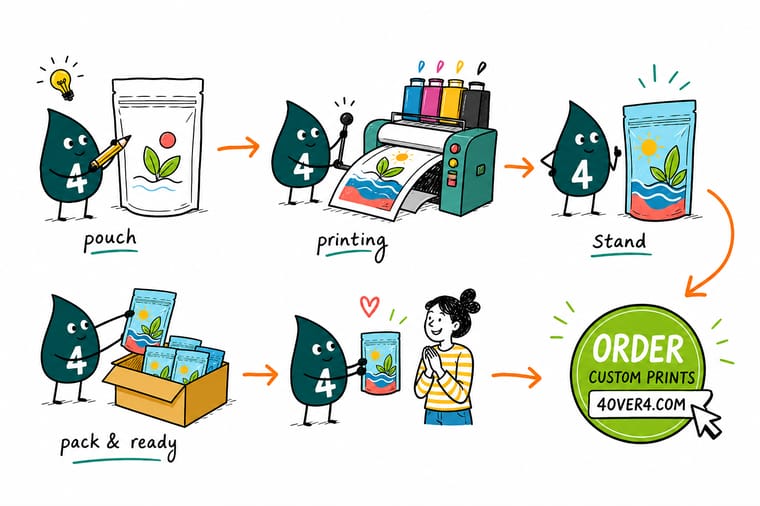
Wally pulls a pouch apart into its three films. The outer one carries the artwork. The middle one, foil or metallized, is the layer doing the actual protecting. The inner one is the only film that melts, which is why crumbs in the seal band make a leaker. Then he skips the ten thousand unit plate charge, sticks a printed food label on a stock pouch, and changes the flavour next month without scrapping a pallet of bags.
Print food labels for your pouches →Specs and pricing
Label options for pouches, sizes and starting prices
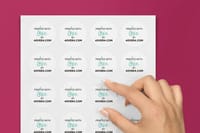
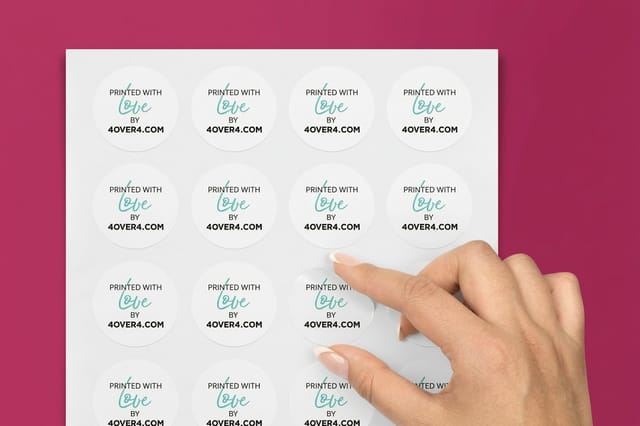
The three label types that do most of the work on a stand up pouch, with live configuration choices and starting prices straight from the 4OVER4.COM configurator.

Print it
Brand a stock pouch today, print your own later
Explore more
Where to go next

By the numbers
Packaging print you can count on at 4OVER4
Common Questions
Your stand up pouch questions, answered
What is a stand up pouch?
A stand up pouch is a flexible bag made from two or three laminated films, sealed along both sides and across the top, with a folded panel at the bottom. That bottom panel is the gusset. When the pouch is filled the gusset opens into an oval base and the bag stands on a shelf without any rigid structure. It is the format behind most coffee, granola, pet treat, powder and refill packaging on retail shelves.
Do I need custom printed pouches or can I use labels?
It depends entirely on volume. Custom printed pouches are printed on wide web presses that need plates or cylinders for each color and each pouch size, so the run length has to be in the thousands before the per unit price becomes sensible. Under that, buy stock kraft, white or clear pouches and brand them with printed labels. A front label plus a small back panel label gives you full color artwork, a legal panel, and the freedom to change a recipe or a flavour without scrapping ten thousand printed bags.
What barrier does coffee need?
Roasted coffee needs the highest practical barrier plus a one way degassing valve. Fresh roast releases carbon dioxide for days, so a sealed pouch without a valve swells and can burst, while a pouch left open to vent lets oxygen in and the oils go stale. A foil or metallized structure blocks light and oxygen, the valve lets carbon dioxide escape one way, and a zipper lets the customer close the bag again. Clear windows on coffee are a marketing decision that costs shelf life.
What size label fits a stand up pouch?
Measure the flat front panel, then subtract the side seals and leave room either side of them. A label should sit inside the flat area of the panel and stay clear of the bottom gusset fold, because that fold opens when the pouch is filled and lifts anything bridging it. As a working rule, keep the label width to roughly two thirds of the stated pouch width so it does not wrinkle when the panel curves under a full load. Order a few pouches, fill them, and test a proof label before committing to a run.
Are stand up pouches recyclable?
Most are not, and it is worth being honest about it on pack. A conventional pouch laminates different plastics, sometimes with aluminium foil, and those layers cannot be separated at a recycling facility, so it goes to landfill. Mono material pouches built entirely from polyethylene do exist and are accepted at store drop off points in many areas, but they carry less barrier than a foil structure, which shortens shelf life. If you claim recyclability on the artwork, check the claim against the actual structure your supplier is running.
Can a stand up pouch be filled with hot or wet food?
Only if the structure is built for it. Shelf stable wet food is processed in a retort, where sealed pouches are cooked under pressurised steam at roughly 250 degrees Fahrenheit, and a standard polyethylene sealant fails at that temperature. Retort pouches use a different sealant and usually a nylon and foil laminate. Never assume a standard snack pouch will survive a retort, a hot fill, or a freezer without confirming the spec with your supplier first.
Get Started
Ready to put your brand on a pouch?
Pick a label material that suits your pouch face, upload the front and back panels, and we print labels that turn a stock bag into your product.
Legal Disclaimer
Gold Standard guarantees apply to all standard orders placed through 4over4.com. Price match requires verifiable proof of a competitor's published price for an equivalent product with matching specifications and turnaround time. Satisfaction guarantee covers manufacturing defects and print quality issues. Contact support with order number and documentation. On-time delivery rate based on tracked orders 1999 to 2026. Individual results may vary based on shipping carrier performance.
