
Restaurant Signage That Wins Diners at Wall, Door, and Window


A restaurant has three sign surfaces and each has a job: the wall builds the brand, the door confirms entry, and the window sells the offer. Materials, placement, and the interior kit are what close the sale.
Plan restaurant signage across three surfaces, each with a job. The wall builds the brand from the street with durable aluminum, PVC, or vinyl, the door confirms hours and entry with window decals, and the window sells the offer with clear or perforated vinyl. Then carry the branding inside with menus and table tents and order the full set together.
Start here
Wall, door, window, and the table
Restaurant signage is a system across three surfaces plus the interior. The wall builds your brand from the street, the door confirms hours and entry, the window sells the offer through the glass, and menus and table tents close the sale at the seat. Match each material to its location, plan placement for eye-level visibility, and order the coordinated set from 4OVER4.COM. The map below shows where each sign goes.
Why restaurant signage is a system, not a single sign
A restaurant lives and dies by whether people notice it, walk in, and come back. Signage is what carries a hungry passerby through all three, and it does that job across three different surfaces that each speak to a different moment. Treating them as one system, rather than three unrelated purchases, is what separates a storefront that pulls people in from one they walk past.
The wall works at a distance, building your brand and announcing your name to anyone scanning the block. The door works up close, confirming your hours and whether you are open the second someone reaches for the handle. The window works on the people already slowing down, selling today’s offer through the glass. Get all three saying the right thing and the storefront does its job before a host says a word.
This guide walks each surface, the materials that suit it, and how placement decides whether a sign is ever read, then ties it back to the menus and table tents that close the sale inside. Everything routes to our restaurant printing range and, when you want it designed for you, our free online designer.
Wall signs: build the brand from the street

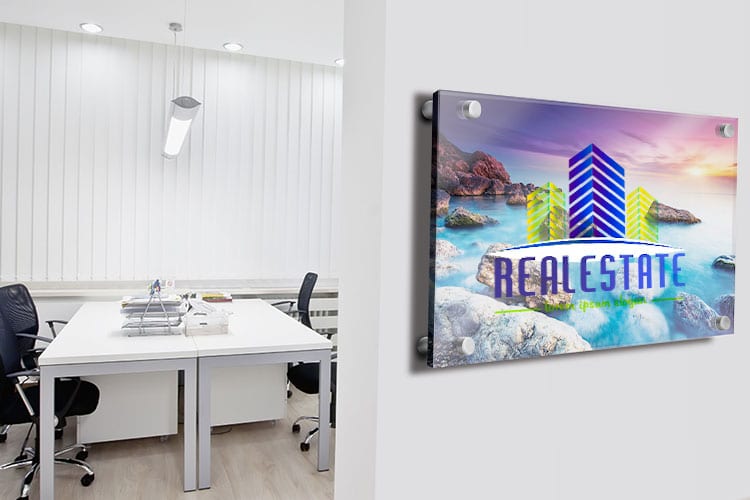
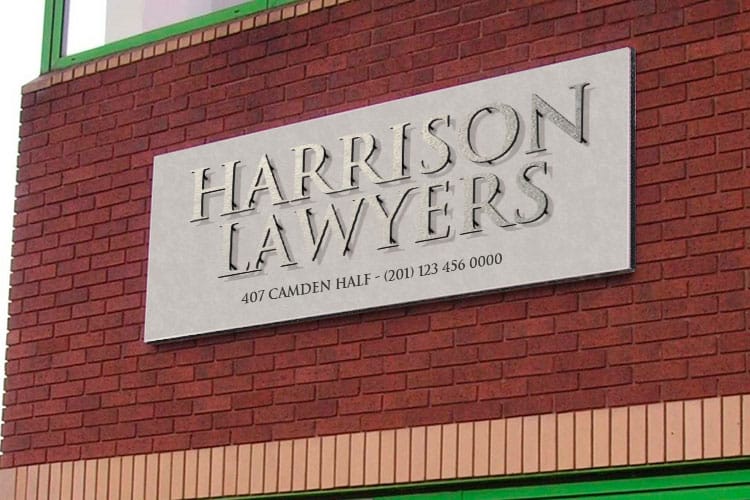
The wall sign is your loudest, most distant voice. It has to read from across the street and from a moving car, which means big, high-contrast type and a clean logo carry the day over clever detail. Its main job is recognition: announce the name and the brand so people know what they are looking at and remember it later.
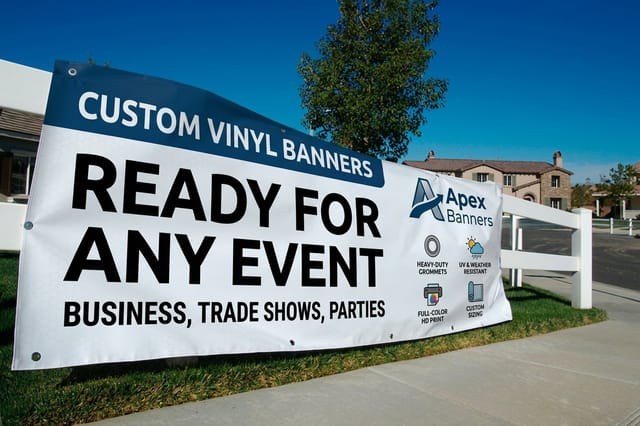
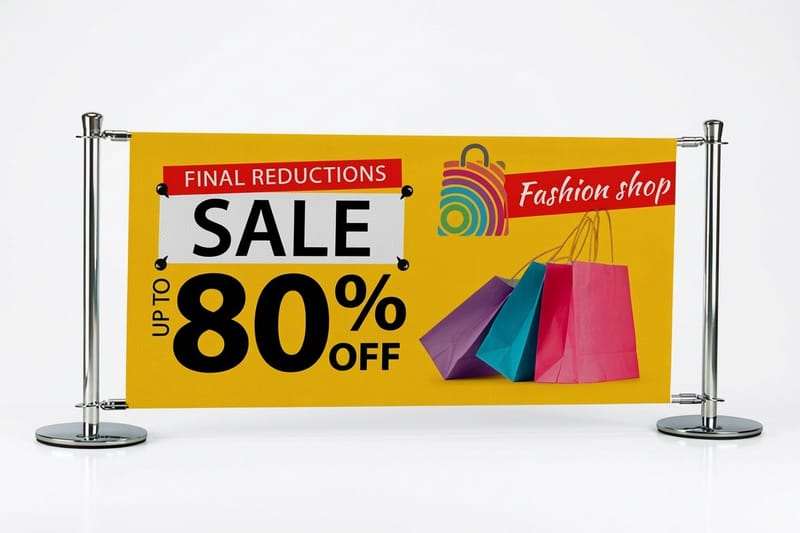
Because wall signage faces the weather, material matters. Aluminum and PVC board resist rust and warping for a permanent look, while a weatherproof vinyl banner is the flexible, affordable choice for large-format messaging, seasonal campaigns, and grand openings. A UV-resistant finish keeps the color from fading in the sun through a long summer.
Keep the wall sign focused on brand and name and let the other surfaces handle the details. If you are choosing between rigid materials, our guide on PVC board signs compares the options, and durable large-format vinyl banners cover the big, temporary messaging.
Door signs: confirm hours and entry
The door is where a curious passerby becomes a customer or turns away, so the signage here answers practical questions fast. Are you open, what are the hours, is this the way in, do you take reservations or walk-ins. A person standing at your door with their hand near the handle should get a clear yes to all of it without hunting.
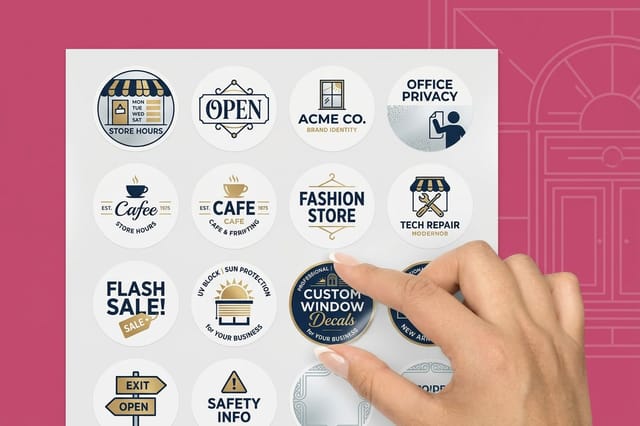
The right tool for the door is usually a window decal or cling applied straight to the glass. Decals are durable and permanent for hours and branding, while clings are removable and suit temporary messages you swap out, like holiday hours or a private-event notice. Both keep the door itself uncluttered and professional.
Keep door messaging simple and legible at reading distance, and place it at eye level where a hand naturally reaches. Our range of custom window decals covers the durable, everyday door signage, and the broader restaurant kit ties it into the rest of the branding.
Window signs: sell the offer through the glass

Windows are prime advertising real estate that most restaurants underuse. The person walking past your window has already slowed down, which makes it the perfect place to sell today’s special, a new menu, a happy-hour deal, or a seasonal promotion. A strong window message can pull in someone who was only wandering.
The material choice depends on how much light and visibility you want to keep. Clear vinyl decals put bold graphics on the glass while leaving the view open, while perforated window vinyl covers a larger area with a full-color image yet still lets you and your guests see through from inside. Perforated film is ideal when you want a full-glass graphic without boxing in the dining room.
Rotate window messaging with your promotions to keep the storefront feeling current, and design each graphic to read at walking speed, which means few words and one clear offer. Our window decals and perforated films handle both the bold-graphic and see-through jobs.
Materials, durability, and placement that gets read
Two things decide whether a sign works: whether it survives its environment, and whether it is ever actually read. On durability, match the material to the location. Anything outdoors needs weather and UV resistance, so lean on aluminum, PVC, and weatherproof vinyl, while interior signs can use lighter foam core or rigid board. A sign built for the wrong environment fades, warps, or peels within a season.
On placement, height and sightlines matter more than raw size. A sign positioned at eye level, in the natural flow of foot traffic, with strong contrast between text and background, beats a bigger sign stuck in a blind spot. Walk your own storefront from a customer’s approach and put each message where the eye already lands.
A sidewalk A-frame deserves special mention here, since it plants a daily-specials message directly in the walking path outside your door where it is impossible to miss. Our guide on how to design a sign covers contrast and legibility, and sign permits by state covers what needs approval before it goes up.
Pair signage with menus and table tents
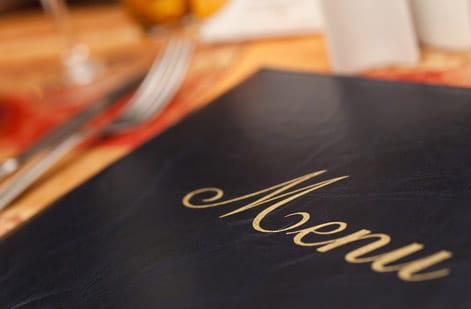
Signage gets people in the door, but the sale is closed at the table, which is why signage and tabletop print are really two halves of one branded experience. The moment a guest sits down, your menu takes over as the primary sales tool, carrying the same colors, fonts, and logo indoors and guiding the order with clear sections and appealing descriptions.
Table tents do the upselling. A standing tent at each table promotes specials, drinks, desserts, and limited-time offers right where the decision happens, quietly lifting the average check without a server having to pitch. Together with the menu, they turn a seated guest into a larger, more confident order.
The key is consistency: when the sidewalk sign, the window graphic, the menu, and the table tent all share one look, the restaurant feels considered and trustworthy. Explore menus and table tents in the same restaurant kit, and our guide on what table tents are covers how to use them well.
Order your full signage set from 4OVER4

Once you have mapped your surfaces and chosen materials, the efficient move is to order the whole set together rather than piecing it out over months. A coordinated batch keeps the branding perfectly consistent across the wall, door, window, and table, and it simplifies the turnaround so everything lands at once for an opening or a refresh.
Set the size, material, and quantity for each piece in the configurator and the price updates live as you go, so you can build the full storefront and interior kit to your budget before committing. Durable outdoor pieces, glass decals, sidewalk signs, menus, and table tents all live in one restaurant printing collection.
A run of weatherproof vinyl banners is priced live in the panel below, and the full signs and banners range sits alongside it. Design each piece in our free online designer or upload your own artwork, then order the set and install it all at once.
Wally reads the storefront like a guest does
Wall, door, window, then the table
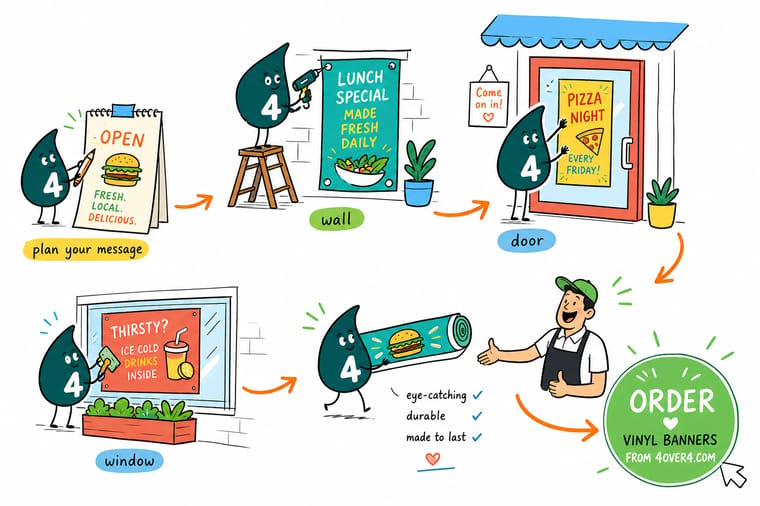
Wally walks up the way a hungry customer does: the wall sign catches the eye from the street, the door decal confirms you are open, the window sells today’s special, and inside the menu and table tent close the order. Match each material to its spot, place them at eye level, and 4OVER4 prints the whole coordinated set so the branding never breaks.
Shop restaurant printing →Quick reference
The restaurant signage set, at a glance
Each surface has a material that suits it. Match these and your storefront and interior signage works as one coordinated system.
| Sign | Best material | Why it matters |
|---|---|---|
| Wall signs | Aluminum, PVC, or vinyl banner | Durable outdoor materials carry your brand and name where they are seen from the street. |
| Door signs | Window decals or clings | Hours, open or closed, and entry direction belong at the door where guests reach for the handle. |
| Window signs | Perforated or clear vinyl decals | Sell the offer to passersby while keeping light and visibility into the space. |
| Sidewalk signs | A-frame or sidewalk sign | Catch foot traffic with daily specials right in the walking path outside the door. |
| Interior signs | Foam core or rigid board | Lightweight interior signage for directions, specials, and brand moments inside. |
| Menus | Printed or laminated menus | Carry the branding indoors and turn a seated guest into an order. |
| Table tents | Standing table tents | Promote specials and add-ons right at the table where the decision happens. |
| Durability | Weatherproof for anything outside | Outdoor signs face sun, rain, and wind, so pick UV and weather-resistant materials. |
Step by step
Plan your restaurant signage in 7 steps
- Map your three surfaces Walk your storefront and note what each surface should say: the wall carries your brand and name, the door confirms hours and entry, and the window sells the offer.
- Pick durable materials for outdoor signs Choose aluminum, PVC, or weatherproof vinyl for anything facing the street, since outdoor signage battles sun, rain, and wind year round.
- Use decals and clings on glass Apply window decals or clings for door hours and window promotions, choosing perforated vinyl where you still want light and visibility through the glass.
- Add a sidewalk sign for foot traffic Place an A-frame or sidewalk sign in the walking path with daily specials to catch people already passing your door.
- Plan placement for eye-level visibility Position each sign where it sits in the natural line of sight and flow of traffic, with strong contrast so it reads at a glance from a distance.
- Coordinate the interior print kit Carry the same branding inside with menus and table tents so the experience feels consistent from the sidewalk to the seat.
- Order the full signage set together Batch your wall, door, window, and interior pieces in one coordinated order to keep the look consistent and the turnaround simple.
Specs and pricing
Vinyl banner specs and live pricing
A weatherproof vinyl banner moves between the sidewalk, the patio, and the window. Here are the live specs and price-per-unit at 4OVER4.COM, straight from the configurator.

| Quantity | Price Per Unit | Total |
|---|---|---|
| 1 | $79.00 | $79.00 |
Print it
Order your restaurant signage from 4OVER4

See it in use
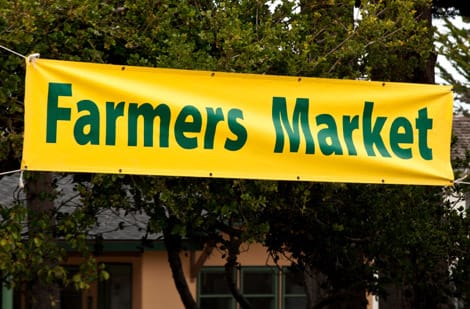
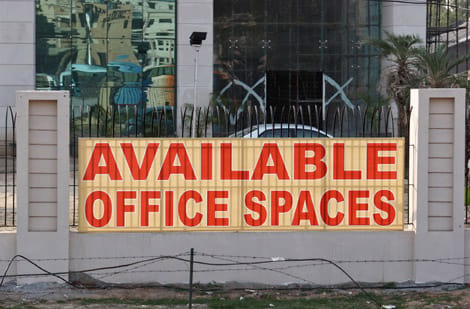
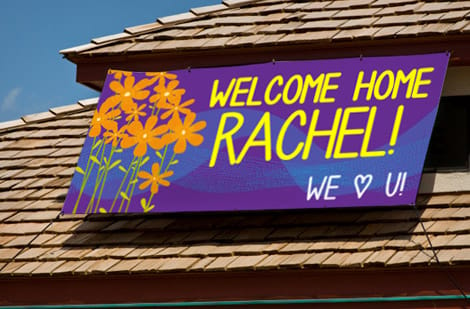
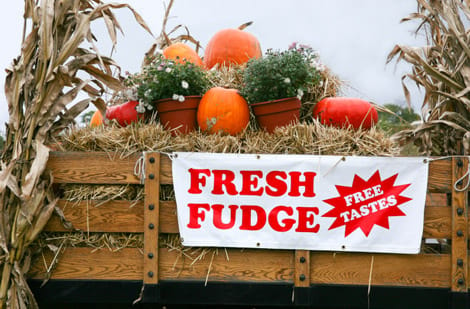
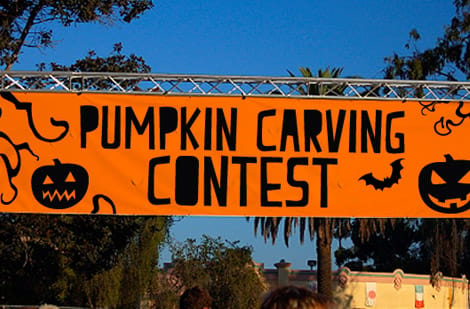
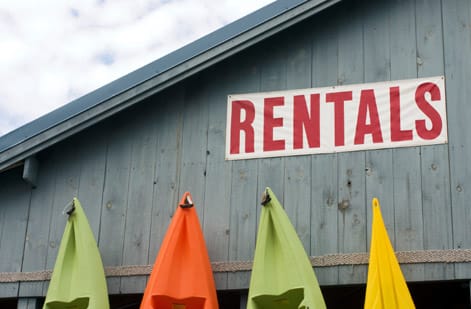
Vinyl banner work our customers ordered


Explore more
Where to go next


By the numbers
One order for the whole front of house
Common Questions
Common questions about restaurant signage
What is restaurant signage?
Restaurant signage is the full set of printed and mounted signs a restaurant uses to attract, inform, and guide customers, spanning the storefront and the interior. Outside, it includes wall signs that carry the brand and name, door signs that confirm hours and entry, window signs that promote the offer, and sidewalk A-frames that catch foot traffic. Inside, it extends to directional signs, menus, and table tents. Good restaurant signage works as a system, with each piece doing a specific job from the moment someone spots the place to the moment they order.
What goes on the window versus the door?
Start by mapping your three main surfaces and giving each a clear job: the wall builds the brand and draws the eye from the street, the door confirms hours and entry, and the window sells the current offer to people already slowing down. Then match the material to the location, using weatherproof vinyl or aluminum outdoors and decals or clings on glass. Finally, plan placement for eye-level visibility in the flow of foot traffic, and coordinate the signage with your menus and table tents so the branding stays consistent from the sidewalk to the seat.
What do restaurant signs cost, and how are prices set?
Sign price scales with the size, the material, the quantity, and any special finish or mounting. A small window decal costs far less than a large weatherproof banner or an aluminum wall sign, and ordering a coordinated set often works out more efficiently than buying each piece separately over time. Weatherproof and UV-resistant materials add durability and a little cost, which pays off outdoors. You set the size, material, and quantity in the configurator and the total updates live as you go, so you can build the full signage set to your budget before ordering.
What sizes, materials, and finishes are available for restaurant signs?
Restaurant signs come in a wide range of materials matched to where they live: aluminum and PVC for durable wall and post signs, weatherproof vinyl banners for large-format messaging, perforated and clear window vinyl for glass, foam core and rigid board for interior use, and A-frame sidewalk signs for foot traffic. Sizes run from small door decals to full storefront banners, with laminate and UV finishes available for weather and scratch resistance. The live specs and pricing panel below shows the exact options and how each choice changes the price.
How long do restaurant signs take to print and ship?
Turnaround depends on the material, the size, and any mounting or finishing, plus the shipping speed you choose at checkout. Window decals and banners move quickly through production, while rigid signs, mounted boards, and specialty finishes need extra time. Large weatherproof pieces ship in protective packaging. Once you set your specs in the configurator you will see the available production and delivery options, so you can plan a storefront refresh or a new-location opening around the date you need the signs installed.
What materials hold up best for outdoor restaurant signs?
For anything facing the street, choose weather-resistant materials built for the outdoors. Aluminum and PVC board resist rust and warping and are ideal for permanent wall and post signs. Heavy-duty vinyl banners handle large-format messaging and travel well for events and grand openings, especially with a UV-resistant finish that keeps color from fading in the sun. For glass, outdoor-rated window vinyl and perforated films withstand weather while staying readable. The key is to pick a material rated for sun, rain, and wind rather than an indoor stock that will degrade quickly outside.
How should restaurant signage work with menus and table tents?
Think of signage and tabletop print as two halves of one branded experience. Wall, door, and window signs do the outdoor and entry work: they attract attention, confirm you are open, and pull people in with the offer. Once guests are seated, menus and table tents take over, carrying the same colors, fonts, and logo indoors and turning interest into an order and add-on sales. Designing them together, with a consistent look from the sidewalk to the seat, makes the restaurant feel polished and makes every printed piece reinforce the others.
Get Started
A Signicade A-frame costs $182.32 and ships in 4 business days
Design each piece in our free online designer or upload your artwork, then print durable wall, door, window, and interior signage as one coordinated order. Window decals and table tents both run 5 business days.
Legal Disclaimer
Gold Standard guarantees apply to all standard orders placed through 4over4.com. Price match requires verifiable proof of a competitor's published price for an equivalent product with matching specifications and turnaround time. Satisfaction guarantee covers manufacturing defects and print quality issues. Contact support with order number and documentation. On-time delivery rate based on tracked orders 1999 to 2026. Individual results may vary based on shipping carrier performance.
