
Paper Stocks & Materials and How to Choose the Right One


Emma is our prepress and print production voice, built from the knowledge of our production team, with over 20 years in printing.
The most durable paper stocks for professional business stationery are laminated or plastic cover stock for cards and uncoated linen or laid paper for letterhead and envelopes. Stock, weight, and finish are three separate choices, and getting them right is what makes a print feel considered. Weight is the one people guess at, and pounds, points and gsm each measure a different thing.
To choose paper, work in three layers: set the weight for how the piece is handled (text stock folds and takes pen ink, cover stock stands firm and shows off color), pick a coating that fits the content (gloss or silk for photos, uncoated or matte for writing), then add at most one specialty finish like soft touch, spot UV, or foil. When two stocks feel close, order a free sample and let your hands make the call.
Quick tips
Choosing paper at a glance
Choose paper in three moves: set the weight for how the piece is handled, pick a coating that fits the content, then add at most one specialty finish. Text weights fold and take pen ink, while cover weights stand firm and show off color. When two stocks are close, order a free sample and let your hands decide. Every 4OVER4.COM product lists its stock and finish options up front, so you always know exactly what you are printing on.
What paper stock means on an order form
Paper stock means the specific sheet a job prints on, and on an order form it arrives as one label that packs several facts together. Read the label left to right and it tells you what you are buying.
| Stock label | What each part tells you |
|---|---|
| 100 lb gloss text | A text weight measured in pounds, with a gloss coating. It folds and stacks, so it suits flyers and brochure panels. |
| 14pt gloss cover | A cover sheet measured in points of thickness, with a gloss coating. It holds its shape, so it suits business cards and postcards. |
| 70 lb uncoated text | A text weight with no coating, so an ordinary pen writes on it. It suits forms and notepads. |
| 16pt silk laminated | A 16 point sheet with a silk laminate film, which makes it tear resistant. |
| 28 lb royal linen | A writing paper with a woven linen texture, used for letterhead and matching envelopes. |
The most durable stocks for business stationery
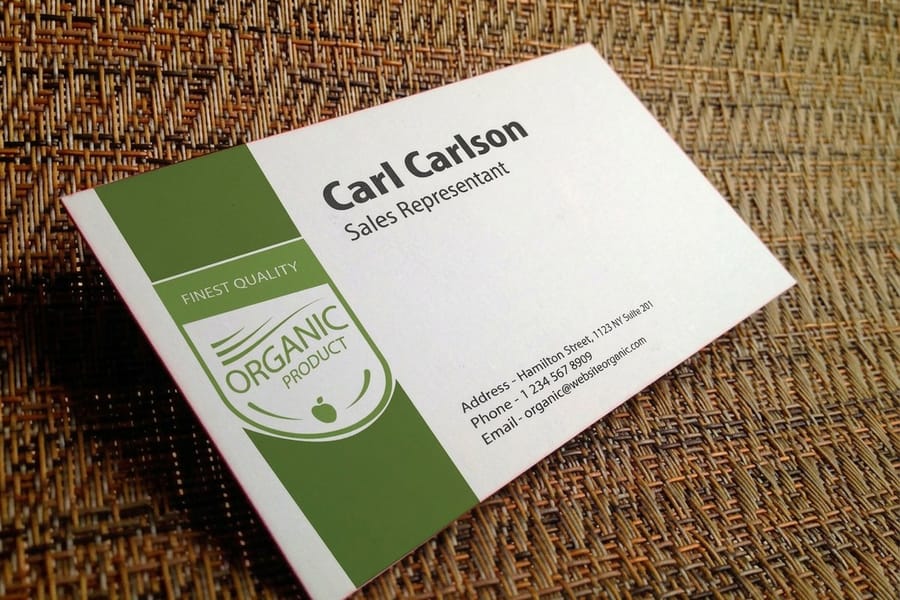
For stationery that has to last in a wallet, a bag or a filing cabinet, these are the stocks we would pick, piece by piece.
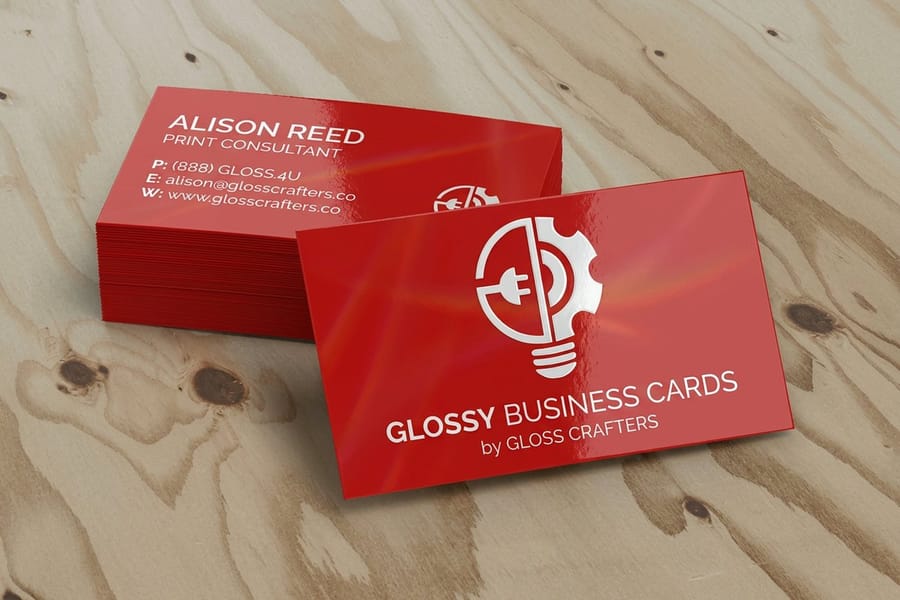
- Business cards. 16pt silk laminated cards, from 250 for $74.53, resist tearing and wallet wear. For a card that survives water, 20pt white rigid vinyl plastic cards start at 250 for $180.02.
- Letterhead. 28 lb royal linen or 24 lb royal laid, uncoated so a pen still works, on 8.5 x 11 inch sheets from 50 for $99.95.
- Envelopes. The same royal laid or royal linen papers, so the set matches, from 250 for $142.99.
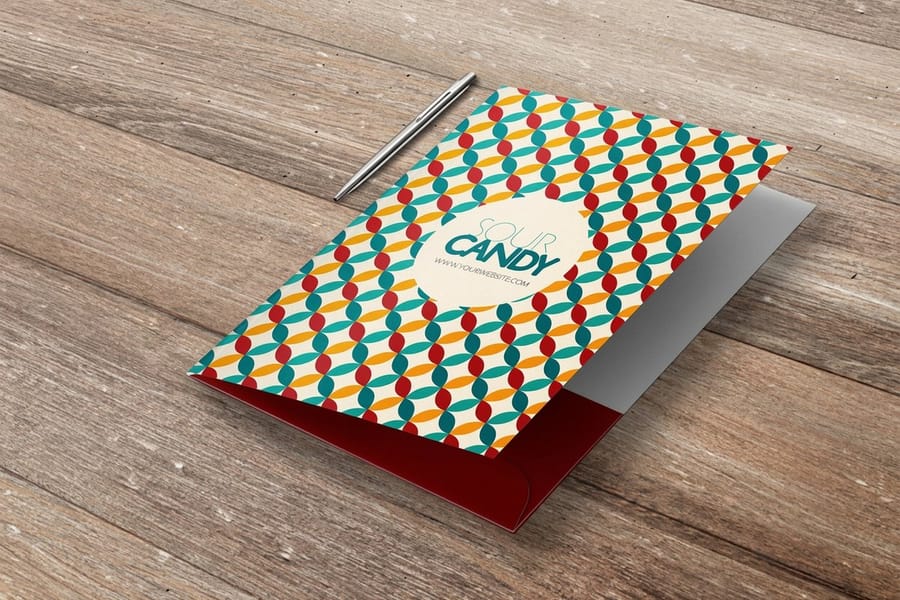
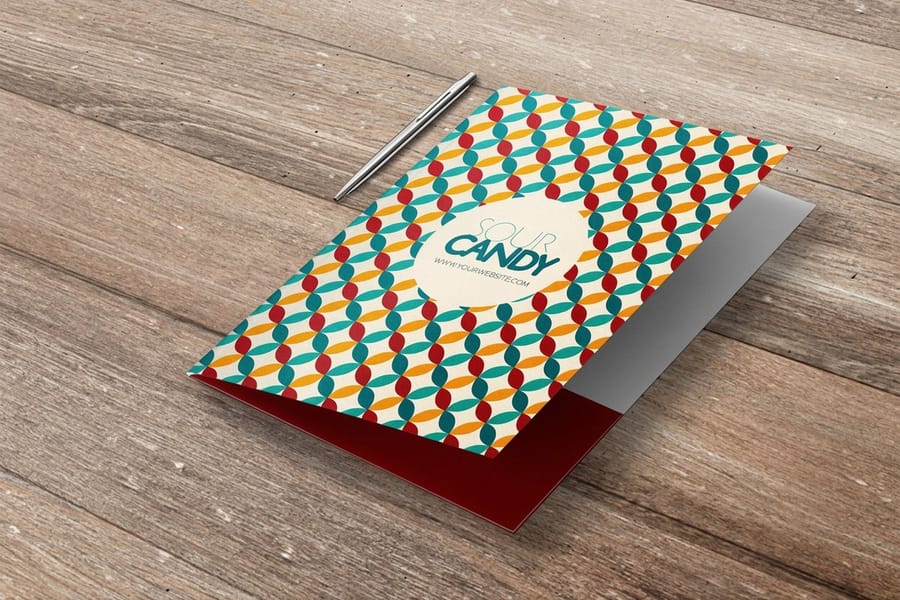
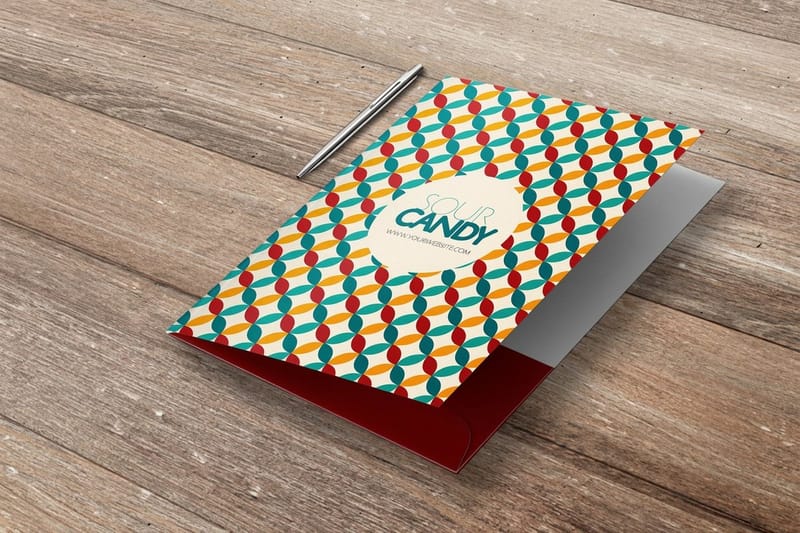
- Presentation folders. Heavy cover stock with a laminate, such as velvet laminated folders, which carry documents without scuffing.
- Notepads. 70 lb uncoated text on a chipboard backer, glued in pads of 50 or 100 sheets.
What paper options actually mean
Most people agonize over fonts and colors, then click "standard" on the one choice that decides how a print feels: the paper. The same design on a 14pt card and a 16pt card reads differently, and people notice the 16pt the moment they pick it up. At 4OVER4.COM the paper menu splits into three decisions that often get lumped together. Stock is the sheet itself, the raw paper or board your design lands on. Weight is how thick and heavy that sheet feels between your fingers. Finish is the coating or texture layered on top, anywhere from high gloss to a velvety soft touch.
Get those three right and an ordinary flyer starts to feel like it came from a brand that has its act together. Get them wrong and even a beautiful design lands flat, literally. This guide walks through each layer, then hands you a simple way to choose. If a term trips you up along the way, the printing terms glossary keeps the definitions within reach.
Prefer to browse by feel instead of by product? Across its whole catalog 4OVER4.COM runs 60+ paper stocks, and you can shop them by material in one place, so you can start from the material and work backward to the product.
Paper weight and thickness, decoded
Short answer first: the best paper stock for printing business cards is 14pt or 16pt cover, and the best paper stock for printing flyers is 70lb to 100lb text. Cover holds its shape in a wallet or a folder pocket, text folds and stacks without cracking. Everything below explains how to read the numbers so you can make that call for any piece you send to press.
Paper weight is where the jargon piles up fastest, so start here. Printers measure paper two ways. Pounds (lb) come from the weight of 500 sheets at a base size, which is why a "100lb text" and a "100lb cover" feel wildly different despite the matching number. Points (pt) measure actual thickness, where one point equals a thousandth of an inch, so 16pt is genuinely thicker than 14pt. GSM, grams per square meter, is the metric standard and the cleanest way to compare two stocks head to head.
| Thickness (pt) | Text weight (lb) | Cover weight (lb) | GSM | What it is used for |
|---|---|---|---|---|
| 7pt | 70lb text | n/a | about 104 gsm | Flyers, brochure panels, inserts |
| 9pt | 100lb text | n/a | about 148 gsm | Heavier flyers, letterhead, folded pieces |
| 12pt | n/a | 80lb cover | about 216 gsm | Menus, hang tags, lighter postcards |
| 14pt | n/a | 100lb cover | about 270 gsm | Standard business cards, postcards, folders |
| 16pt | n/a | 130lb cover | about 350 gsm | Premium business cards, mailed postcards |
| 32pt | n/a | n/a | about 700 gsm | Extra thick layered cards people keep |
Read those rows as close equivalents, not exact conversions, because every mill runs its own caliper and a coated sheet measures thicker than an uncoated one at the same pound weight. If you remember one line, remember that 14pt, 100lb cover and roughly 270 gsm all describe the same sheet, since that is what most business cards are printed on.
The practical takeaway: text weights, roughly 70lb to 100lb text, bend and fold, which is what you want for flyers, brochure panels, and letterhead. Cover weights, 12pt to 32pt, hold their shape, which is what you want for business cards, postcards, and folders. For a deeper breakdown, 4OVER4.COM keeps a full paper weight guide and a companion piece on choosing the right stock. Printing flyers? Start with the best paper weight for flyers. Making cards? How thick a business card should be settles the debate.
Cover stock vs card stock
They are the same paper. Cover stock is the trade term a printer uses, quoted in pounds cover, and card stock is the retail term you see on a shelf, usually quoted in points or gsm. Ask a press operator for 100lb cover and ask an office supplier for 14pt card stock and the sheet that lands on the table is the same one.
The family starts at 12pt, about 80lb cover, and runs to 32pt for layered cards, with 14pt and 16pt covering most business cards, postcards and presentation folders. Below 12pt you are into text weights, roughly 70lb to 100lb text, which fold instead of holding their shape. So the real decision is never cover against card, it is cover against text: if the piece folds or gets written on, choose text, and if it gets handled, mailed or carried in a wallet, choose cover.
One trap worth naming: some suppliers list cardstock in pounds without saying text or cover, and 80lb text is thin flyer paper while 80lb cover is a rigid card. Confirm the point thickness or the gsm before you approve a run, and read how thick a business card should be if you are deciding between 14pt and 16pt.
Coated versus uncoated, and matte versus gloss
Once the weight is set, the finish decides how the surface behaves. Coated stocks get a thin clay layer that holds ink on top of the sheet, so colors stay crisp and saturated. Gloss coating throws light and makes photography snap, which is why it dominates postcards and product cards. Silk and matte coatings soften the shine for a modern, fingerprint-resistant look that photographs beautifully without glare.
Uncoated stocks skip that layer, so ink soaks slightly into the fibers. The result feels warm and natural, and, crucially, you can write on it with an ordinary pen. That makes uncoated the default for letterhead, forms, and any card someone needs to jot a note on. The trade-off is that heavy ink coverage looks a touch flatter than it does on gloss.
Not sure which way to lean? 4OVER4.COM breaks down the exact differences in the matte vs gloss finish comparison, with a brochure-specific version for folded pieces. You can also shop by finish to see every coating lined up side by side.
Specialty paper finishes that feel expensive
Specialty finishes add a tactile layer people notice before they read a single word. Five do most of that work, and each one adds a process step to the price.
- Soft touch and velvet lamination feel like suede and give the whole piece a warm, muted surface. Try them across soft touch products or on a premium velvet laminated folder.
- Silk lamination is a durable, tear-resistant film with a smooth low-sheen feel, a favorite for cards that live in a wallet. Browse the silk laminated collection.
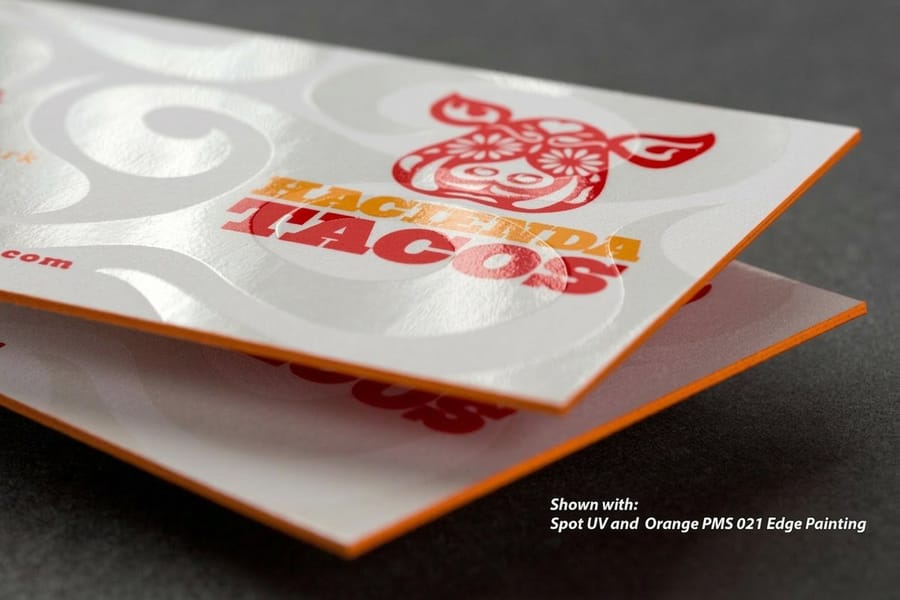
- Spot UV lays glossy varnish over specific areas, so a logo or headline shines against a matte background. See the spot UV products.
- Raised foil and metallic add reflective shine, either as a flat foil or a raised layer you can actually feel. Explore raised foil, and read what foil stamping is if it is new to you.
- Suede stock pushes the plush feeling even further, and the suede collection shows the range.
A word of restraint: specialty finishes shine when they are used sparingly. One foil accent on a clean matte card reads as expensive. Foil on every element reads as a gimmick.
Beyond paper: specialty stocks and materials
Beyond the standard bright white sheet sits a shelf of stocks chosen for character, not just performance.
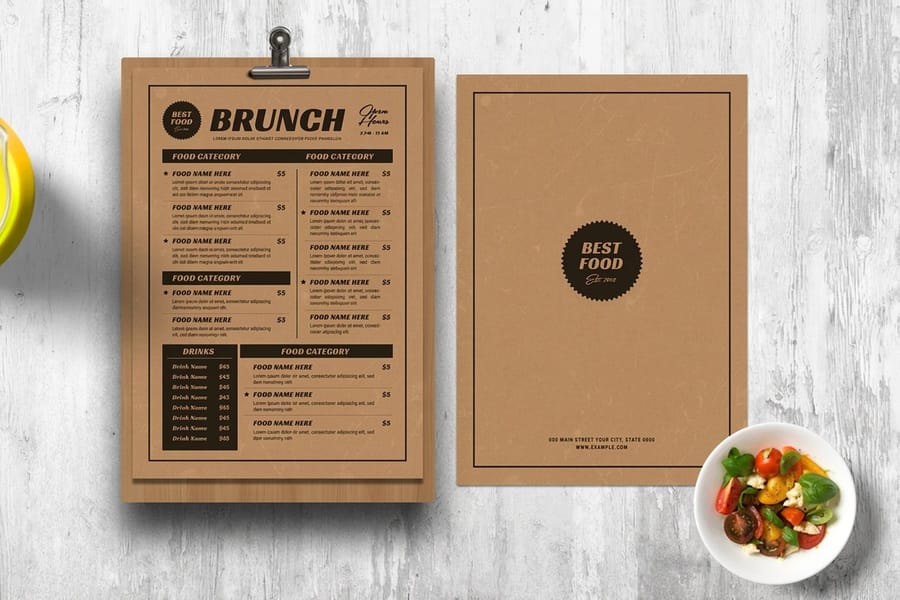
Kraft is the recognizable brown, fibrous stock that signals handmade, organic, and honest. It carries a coffee menu or a soap label far better than glossy white ever could, which is why 4OVER4.COM offers kraft menus and a full kraft printing collection. Recycled stocks let a brand put its sustainability where its printing is. The recycled collection keeps quality high while cutting virgin fiber, and the case for it is laid out in our paper waste and recycling data.
Black stock runs dark all the way through the sheet, so edges stay inky and colors like white or gold pop with drama, as on black postcards. Cotton and pearl stocks round out the premium end, adding softness or a subtle shimmer for invitations and luxury branding. Wondering whether paper can be premium and green at once? Our take on whether business cards are recyclable is a good place to start.
Matching the stock to the project
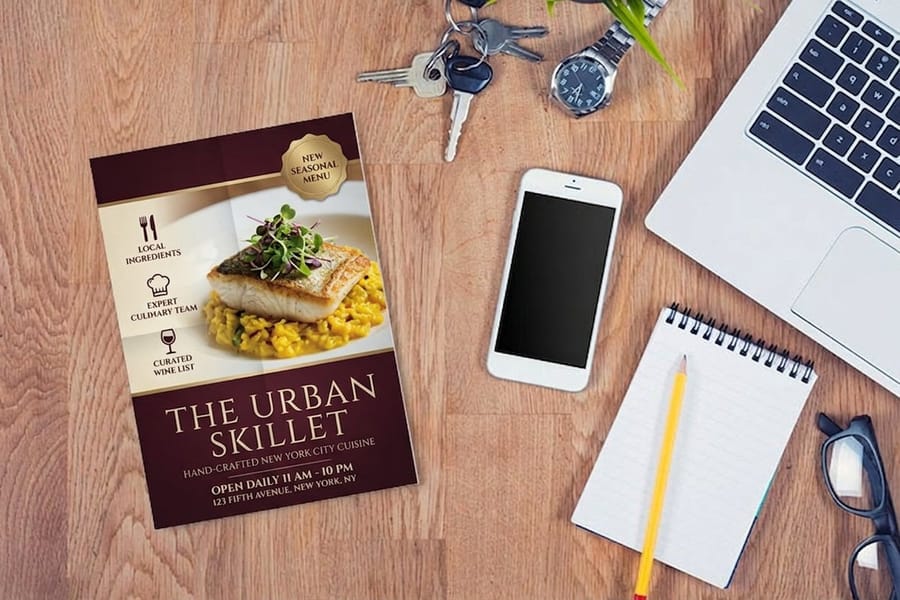
The right stock is always relative to the job. The common formats line up like this.
- Business cards want a cover weight that feels confident, 16pt and up, often with a specialty finish since they are handed over one on one. The right cardstock guide goes deep.
- Flyers live and die on quantity and handling. A 100lb gloss text hits the sweet spot of vivid color and low cost, ideal for the restaurant flyers and promos you print in bulk.
- Postcards and mailers need a rigid 14pt to 16pt cover so they survive the mail stream. Browse postcards.
- Presentation folders carry other documents, so they need heavy cover stock and usually a laminate for durability. See presentation folders or learn what pocket folders are.
- Letterhead should feel professional yet writable, so uncoated bond is the standard. Explore letterheads, and for certificates our certificate paper guide helps.
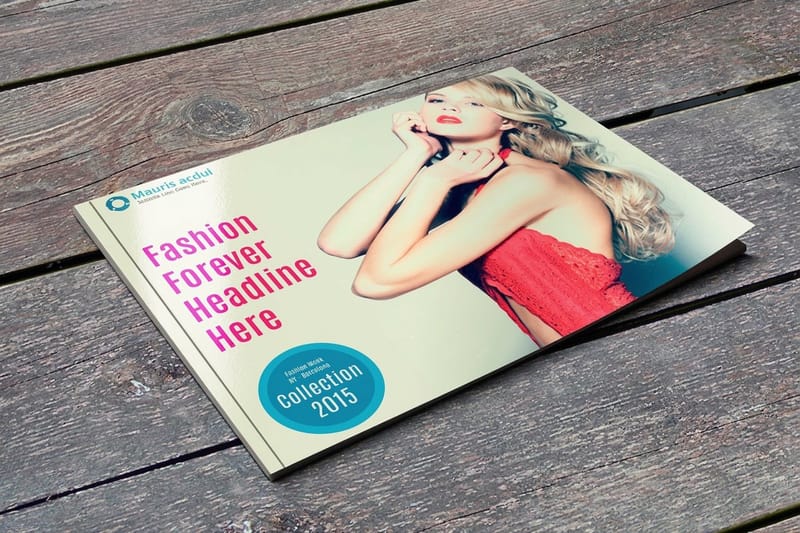
- Brochures and greeting cards balance foldability against a stock you can feel. Compare brochures and greeting cards.
What paper options cost and how prices are set
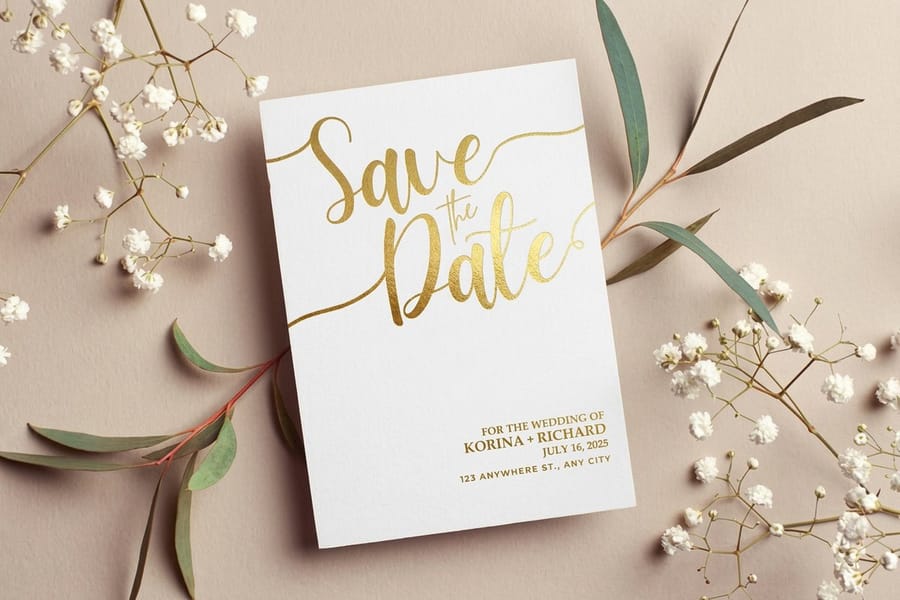
Paper is one of the biggest levers on a print quote, and five factors move the number.
Weight and thickness come first, because heavier stock uses more raw material, so a 32pt card costs more per unit than a 14pt one. Coating and specialty finishes add process steps, which is why silk lamination, spot UV, and foil carry a premium over a plain sheet. Size matters because larger pieces yield fewer prints per press sheet. Quantity works the other way, since setup cost spreads across the run and the price per piece drops fast as volume climbs.
That last point is why 4OVER4.COM leans on bulk discounts, and why a premium finish on a large order often costs less per piece than a basic finish on a tiny one. The honest move before committing spend is to check the real thing: a free proof confirms your file, and a sample confirms the paper. Curious how the wider market prices print? The printing industry data adds useful context.
How to choose the right paper, step by step
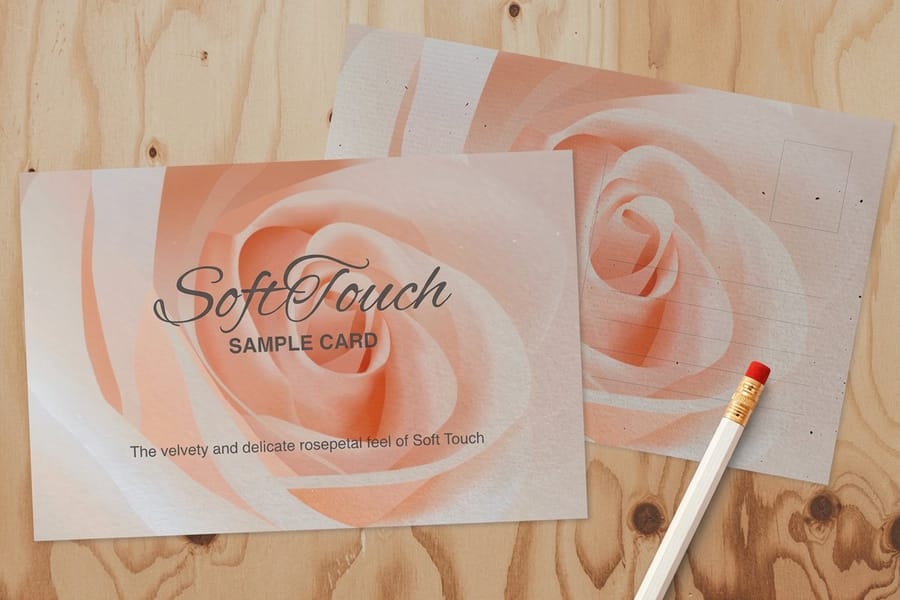
When the options blur together, this six-step framework gets you to a confident choice.
- Start with the job. Is it handed over, mailed, folded, or written on? How the piece gets used decides the weight before anything else.
- Set the weight. Pick a text weight for anything that folds or stacks, and a cover weight for anything that must stand up on its own.
- Choose the finish for the content. Gloss or silk for photos and color, uncoated or matte for text and writing.
- Add one specialty touch, if any. A single foil, spot UV, or soft touch accent lifts a piece. A pile of them cheapens it.
- Check budget against quantity. If a premium stock stretches the number, a larger run often brings the per-piece price back down.
- Order a sample. Always. Request free paper samples and hold the finalists in your hand before you print the full run.
Building the artwork at the same time? The 4OVER4.COM online designer previews your layout on the product, and the standard print sizes chart plus a quick read on print resolution and DPI keep the file press-ready.
Paper mistakes that trigger a reprint
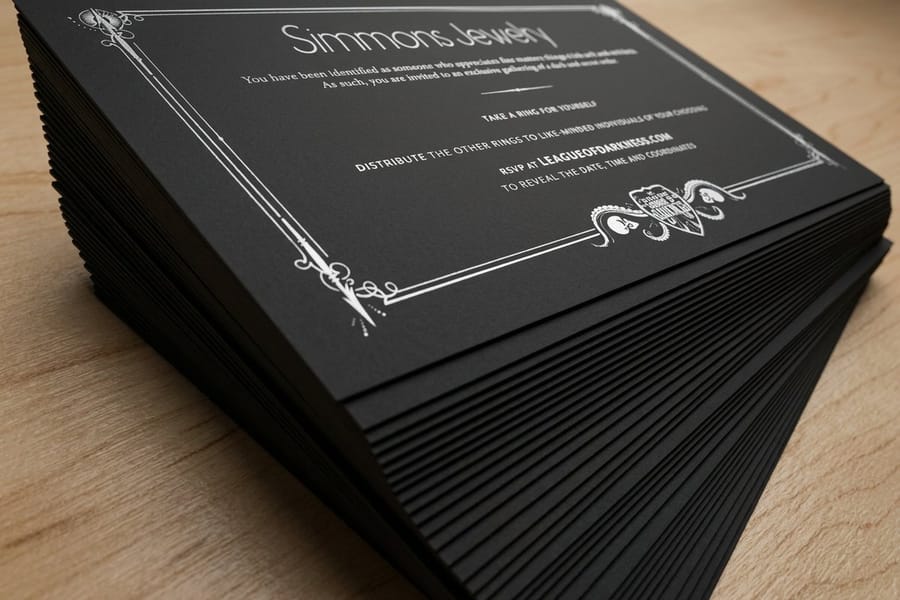
Most paper regrets trace back to the same handful of missteps. Skip these and you skip the reprint.
Choosing by screen alone. A monitor cannot show weight, texture, or how a coating catches light. A free sample is the only honest preview.
Maxing out thickness by reflex. A 32pt card feels great in hand but will not fold, and it may not fit a standard cardholder or mailer slot. Thick is a choice, not an upgrade.
Printing writable content on gloss. Pen ink beads and smears on coated stock, so anything meant to be signed or filled in belongs on uncoated. Our roundup of the best paper for printing and the best paper for flyers covers the common cases.
Skipping the proof. A free proof catches a low-resolution logo or a color surprise before it multiplies across a thousand pieces.
Over-decorating. Foil, spot UV, and metallic are seasoning, not the meal. One deliberate accent on a well-chosen stock beats a piece fighting itself for attention.
Wally explains paper stocks
The paper is the first thing a hand judges
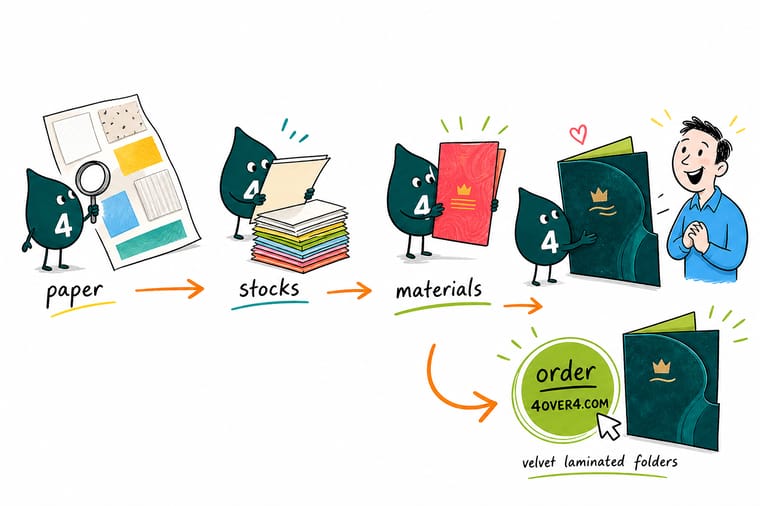
Wally will tell you a secret: people feel a print before they read it. The weight, the coating, the little bit of texture, all of it registers in the first half second. Pick a stock that matches the moment, add one finish at most, and let the paper do the talking. When two options feel close, Wally votes for a free sample every time, because paper never lies in person.
Browse paper stocks →%22%2F%3E%3Ccircle%20cx%3D%2241%22%20cy%3D%2245%22%20r%3D%2226%22%20fill%3D%22%2314b8a6%22%20opacity%3D%220.15%22%2F%3E%3Ccircle%20cx%3D%2280%22%20cy%3D%2262%22%20r%3D%2226%22%20fill%3D%22%2314b8a6%22%20opacity%3D%220.1%22%2F%3E%3Crect%20x%3D%2271%22%20y%3D%2221%22%20width%3D%2226%22%20height%3D%2232%22%20rx%3D%224%22%20fill%3D%22%2314b8a6%22%20opacity%3D%220.08%22%20transform%3D%22rotate(6%2080%2030)%22%2F%3E%3C%2Fsvg%3E)
Specs and pricing
Premium folder stock, specs and live pricing
Specialty stock and lamination carry a higher minimum because folders are large, die-cut, and finished with care. Velvet laminated folders run 250 for $3,030.26, which is $12.12 each, with live specs and the price ladder below.

| Quantity | Price Per Unit | Total |
|---|---|---|
| 250 | $12.12 | $3,030.26 |
| 500 | $6.57 | $3,282.88 |
| 1,000 | $4.04 | $4,040.76 |
| 2,500 | $3.54 | $8,840.65 |
| 5,000 | $2.53 | $12,630.06 |
| 10,000 | $2.15 | $21,471.99 |
Print it
Popular stocks, ready to order
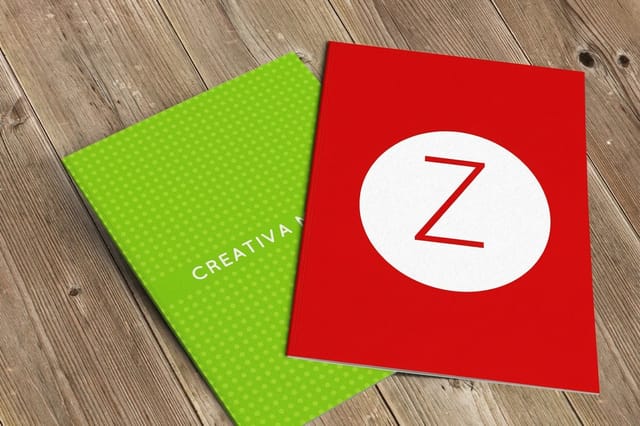

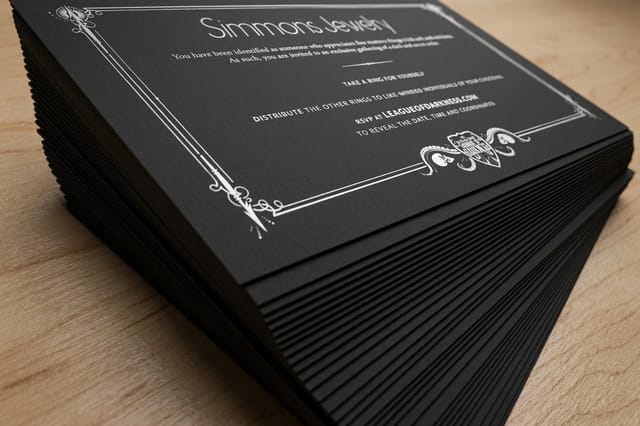
See it in use
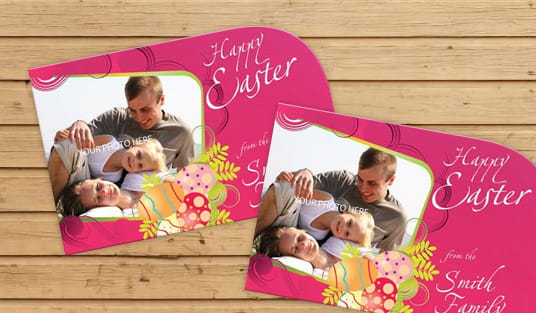
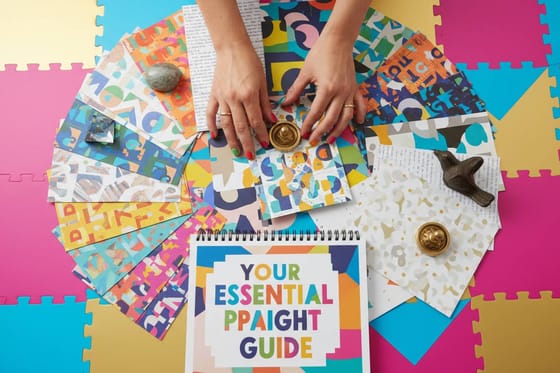
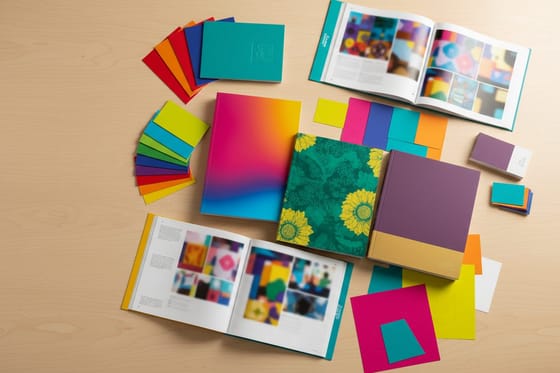
Real printed stock, made in-house


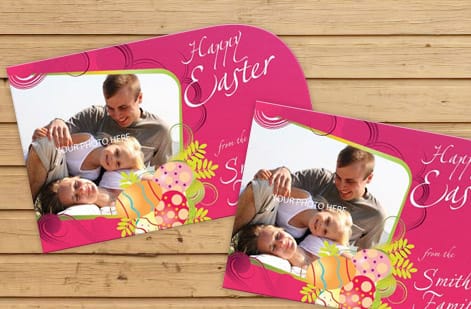
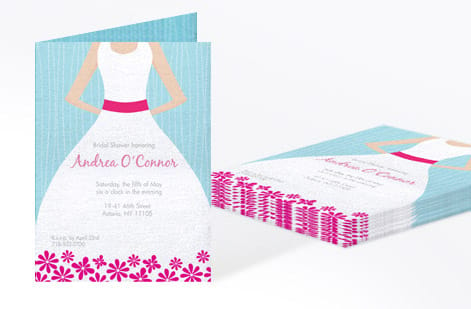
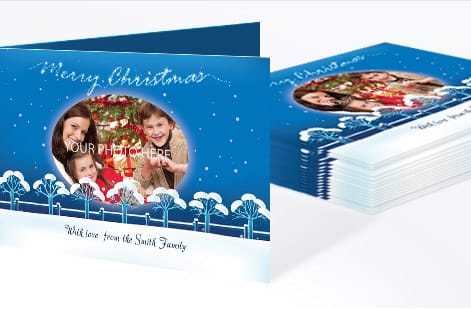



Explore more
Where to go next
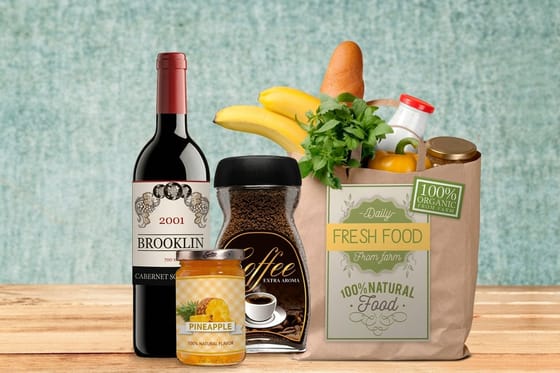


By the numbers
From 18pt Kraft to 80pt Midnite Black
Common Questions
Common questions about paper stocks and materials
What are paper options in printing?
Paper options come down to three linked choices. Stock is the actual sheet, such as a bright white cover, a brown kraft, or a recycled sheet. Weight is how thick and heavy that sheet feels, measured in pounds, points, or gsm. Finish is the coating or texture on top, from high gloss to soft touch. At 4OVER4.COM every product lists these options before you order, so you always know exactly what you are printing on.
What is the difference between text stock and cover stock?
Text stock is lighter and flexible, so it folds and stacks well. It is the standard for flyers, brochure panels, and letterhead. Cover stock is thicker and rigid, so it holds its shape and resists bending. It is the standard for business cards, postcards, and presentation folders. A quick rule: if the piece needs to fold, choose text. If it needs to survive handling, choose cover.
What are specialty paper finishes?
Specialty finishes are coatings and textures that go beyond plain gloss or matte. Common ones include silk lamination for a smooth durable surface, soft touch and velvet for a suede-like feel, spot UV for glossy varnish over specific areas, and raised foil or metallic for reflective shine. They change how a piece feels in the hand, which is what makes printed materials feel premium. They work best used sparingly, ideally one accent per piece.
What is the best paper stock for printing business cards?
14pt cover is the default and 16pt cover is the upgrade people notice the moment they pick the card up, because the extra thickness is what reads as premium. Both take gloss, silk, and matte coating well. Choose an uncoated 14pt instead when people need to write on the card, since coated stock resists ballpoint ink, and step up to 32pt layered stock when the card carries the whole first impression. Torn between two? Order a sample pack from 4OVER4.COM and handle them before you commit the run.
What is the difference between cover stock and card stock?
In practice, none. Cover stock is the printing trade name, quoted in pounds cover, and card stock is the retail name for the same rigid sheets, usually quoted in points or gsm. 100lb cover, 14pt, and roughly 270 gsm all describe one paper. The distinction that matters is cover against text: cover runs 12pt to 32pt and holds its shape for business cards, postcards, and folders, while text runs about 70lb to 100lb and folds cleanly for flyers, brochure panels, and letterhead. Watch for sellers who write 80lb without saying text or cover, because 80lb text is flyer paper and 80lb cover is a card.
Pounds, points or gsm, which number do I compare?
Start with how the piece is used, since that sets the weight. Choose a text weight for anything that folds or gets written on, and a cover weight for anything handled or mailed. Then pick a finish that fits the content: gloss or silk for photos, uncoated or matte for text. Add at most one specialty finish, weigh it against your quantity and budget, and order a free sample before the full run. 4OVER4.COM ships sample packs so you can compare stocks in person.
What does paper stock cost, and what drives the price?
Five factors set the price. Weight comes first, since heavier stock uses more material. Coating and specialty finishes each add a process step. Size matters because larger pieces yield fewer prints per press sheet. Quantity works the other way, because setup cost spreads across the run, so the price per piece drops as volume rises. That is why a premium finish on a large order can cost less per piece than a basic finish on a small one. Bulk discounts at 4OVER4.COM make higher volumes noticeably cheaper per unit.
Can I see and feel the paper before I order?
Yes, and you should. Paper reads completely differently in person than on a screen, where weight, texture, and how a coating catches light are impossible to judge. 4OVER4.COM offers free paper samples so you can hold the finalists side by side before committing to a full print run. It is the single best way to avoid a reprint.
Which paper stocks are eco-friendly?
Recycled stocks are the most direct option, using post-consumer fiber without sacrificing print quality, and kraft is a naturally low-processed brown stock with an organic look. Both are available across many 4OVER4.COM products. Choosing recycled paper, and printing the right quantity the first time rather than reprinting, are two of the simplest ways to lower the footprint of a print job.
Get Started
Order 10 short run presentation folders from $108.75 on the stock you picked
Choose your stock, weight, and finish, order a free sample if you want to be sure, and print with a shop that lists every paper option up front.
Legal Disclaimer
Gold Standard guarantees apply to all standard orders placed through 4over4.com. Price match requires verifiable proof of a competitor's published price for an equivalent product with matching specifications and turnaround time. Satisfaction guarantee covers manufacturing defects and print quality issues. Contact support with order number and documentation.
