
How to Design a Night Club Flyer That Fills the Floor


Sofia is our design and templates voice, built from the knowledge of our production team, with over 20 years in printing.
The 4 x 6 layout hierarchy that reads in two seconds, the stocks promoters actually order, and the file setup that keeps dark artwork dark on press.
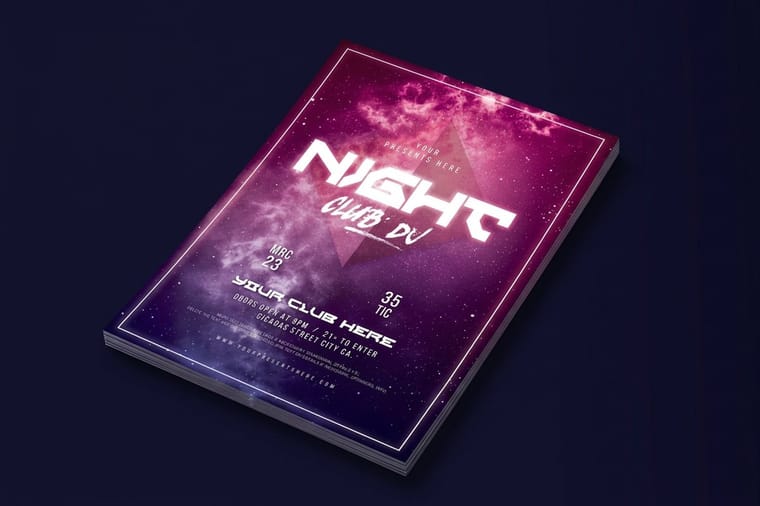
A night club flyer works when one element, the headliner or event name, owns half of a 4 x 6 front, the date and venue read at a glance, and every remaining detail moves to the back with a QR code to tickets. Print it double sided on 14pt or 16pt gloss UV stock, build backgrounds in rich black rather than plain 100K, and save silk or foil finishes for the invites that justify them. Club flyers start at $16.48 at 4OVER4.COM.
Quick answer
One dominant element, a working back, and press-ready blacks
The flyer that fills a floor is the one a stranger can read in two seconds. Headliner or event name at half the front, date and venue in one glance, everything transactional on the back with a scannable QR code. 4 x 6 on 14pt or 16pt gloss UV is the format promoters hand out by the hundred, silk and foil are reserved for the short premium runs, and rich black backgrounds are what keep the whole genre from printing gray. Once the file is set, our nightclub flyer printing options sit together in the flyer range.
The Standard Club Flyer Size Is 4 by 6 Inches
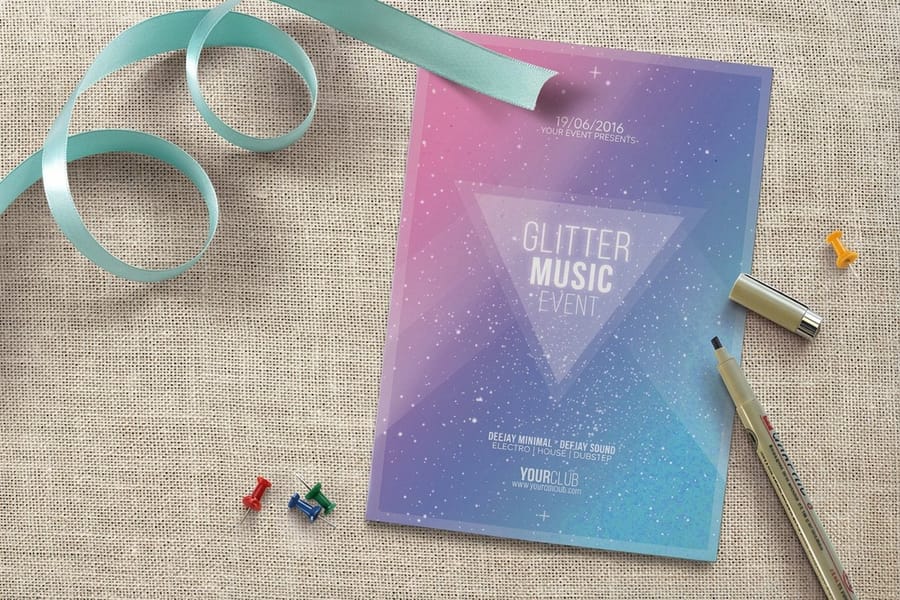
The standard club flyer is 4 x 6 inches, printed on both sides. It fits a pocket, stacks in one hand for a street team, and costs little enough to hand out by the hundred. These are the numbers to build and order it by.
| Spec | Standard club flyer |
|---|---|
| Finished size | 4 x 6 in |
| File size with bleed | 4.25 x 6.25 in, with 0.125 in past the trim on every side |
| Safe zone | Text 0.125 in inside the trim |
| Stock | 14pt or 16pt gloss cover with high gloss UV |
| QR code | At least 0.8 in, on a light patch |
| First run | 50 for $16.48, 3 business days of standard production |
The Two Second Layout: One Element Owns the Front
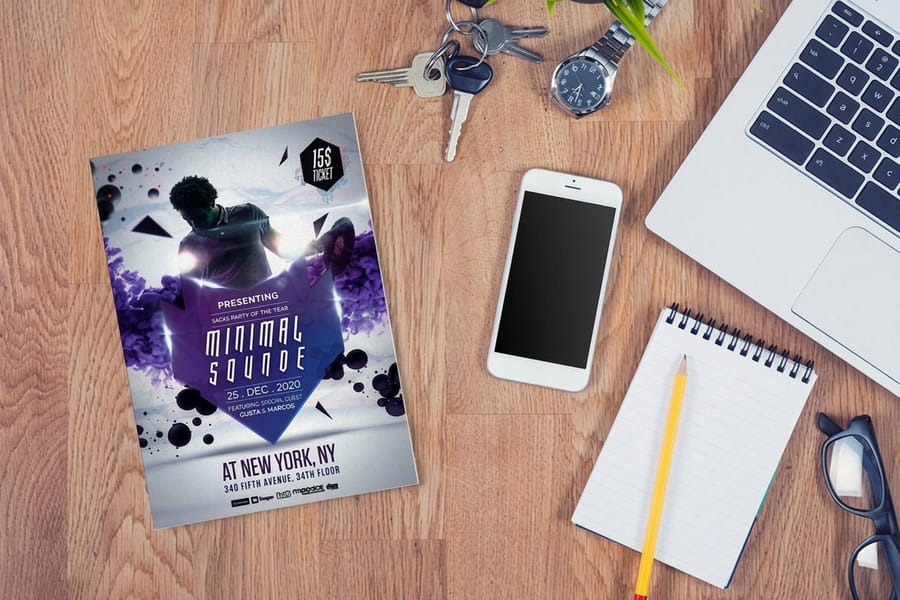
A nightclub flyer is judged faster and in worse light than almost any other print piece. It gets glanced at in a crowd outside a venue, under a street lamp, or pulled crumpled from a pocket the next morning. The layout has to survive all three.
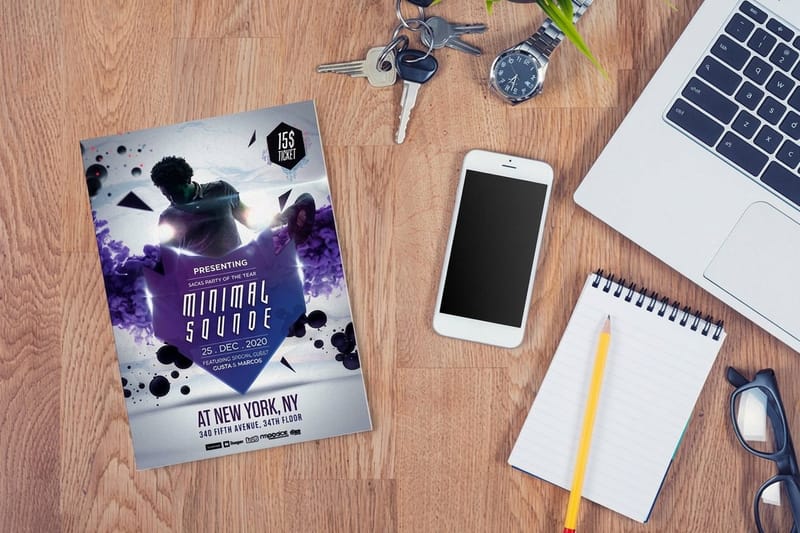
Give one element half the front. The headliner's name or the event brand takes roughly 50 percent of the face, set in a display weight, with real contrast against the background. If a stranger cannot read it from six feet, it is too small. Everything competes with it or supports it, and on a 4 x 6 sheet there is no room for competition.
Date and venue read at a glance. Second tier: the day and date in one line, the venue name and neighborhood in another. Set times, age policy, and ticket info drop to the third tier or move to the back entirely. A common promoter mistake is ranking everything equally, which ranks nothing.
Dark backgrounds are the genre, so use them properly. Deep blacks and saturated accents photograph the nightlife mood, and a gloss coating makes them pop under light. The trade-off is honest: heavy dark coverage shows scuffs and fingerprints faster than a light design, which is one more argument for the UV coated stock that club flyers ship with by default. If the artwork brief is minimal, a single strong image with a rich black frame beats a collage every time. The same hierarchy rules carry over from our guide to making a flyer that gets noticed, compressed onto a smaller sheet.
Sizes and Stocks: What Club Promoters Actually Order
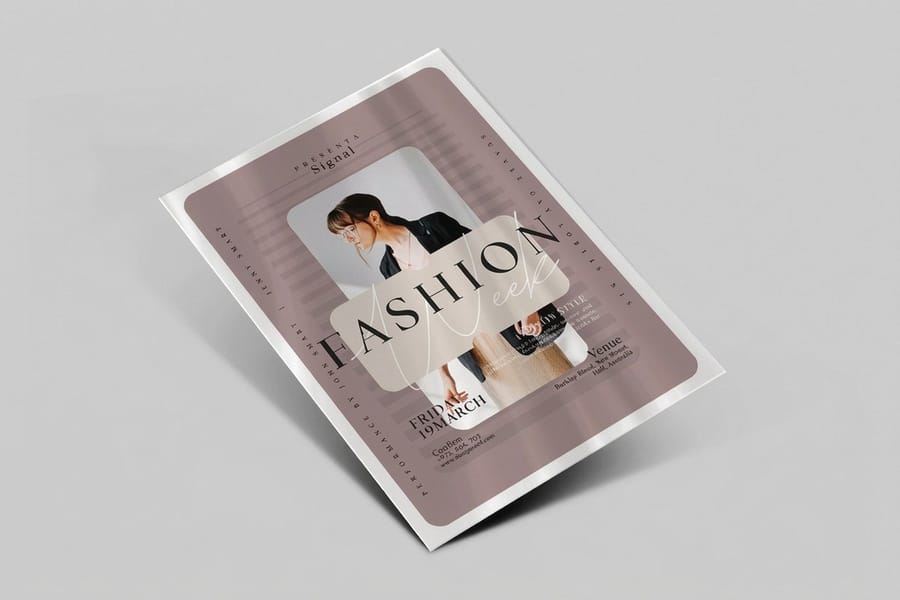
The size question settles quickly: 4 x 6 dominates club promotion because it fits a pocket, stacks in one hand for street distribution, and costs little enough to hand out by the hundred. The stock question is where the budget decisions live.
| Product | Feel and finish | Best use | Starting at |
|---|---|---|---|
| Club Flyers | 14pt or 16pt cardstock, gloss or high gloss UV. | The everyday choice: street teams, venue stacks, weekly nights. | $16.48 |
| Die-Cut Flyers | Custom shape cut around the design. | Themed events where the shape is the hook. | $34.05 |
| Standard Flyers | Larger formats on lighter paper. | Wall and counter placement, bulk neighborhood drops. | $39.54 |
| Silk Flyers | Silk laminated, soft matte, tear resistant. | Lounge nights and VIP invites people keep. | $74.53 |
| Foil Flyers | Metallic foil elements on premium stock. | Bottle service, NYE, anniversary and gala runs. | $328.42 |
Read the price column as a targeting tool. A street handout that most recipients drop within a block does not earn silk lamination. A foil flyer handed to a table service prospect signals the cover charge before anyone reads it, and that is precisely its job. Most promoters run two tiers for a big night: a bulk gloss run for the street and a short premium run for the list. For the full stock breakdown beyond club work, see the flyer paper stocks and weights guide.
A Different Club Flyer Size, or a Custom One
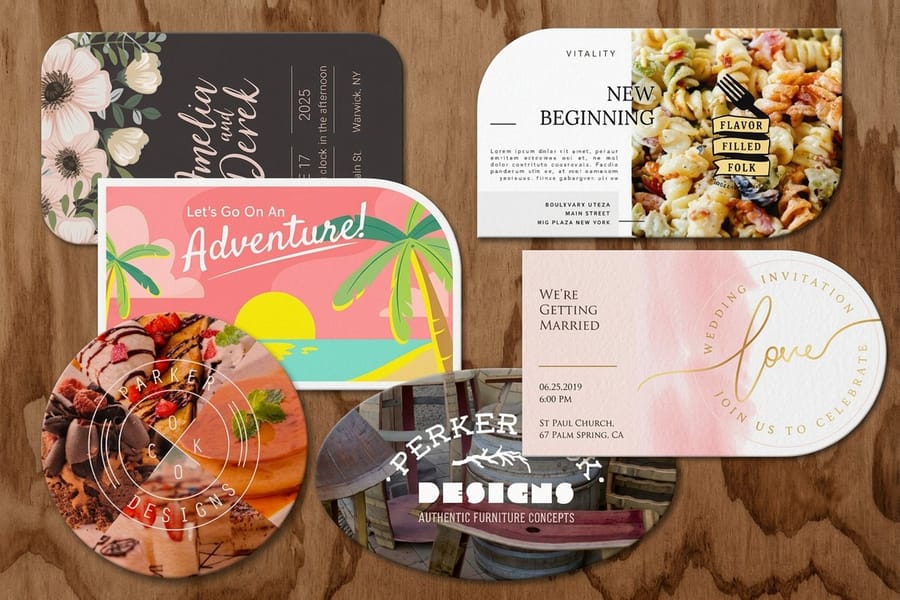
4 x 6 is the default, not the limit. Club Flyers come in 14 fixed sizes, and the configurator also takes a custom size anywhere from 2.5 inches square up to 6 x 11.
- Squares. 2.5, 3, 4, 5 or 6 inches square, for a door card that stands out in a stack of rectangles.
- A little more room. 4.25 x 5.5 or 5 x 7 inches, when the back has to carry a full lineup with set times.
- Tall formats. 5.5 x 8.5, 6 x 9 and 6 x 11 inches, for wall and counter placement rather than the pocket.
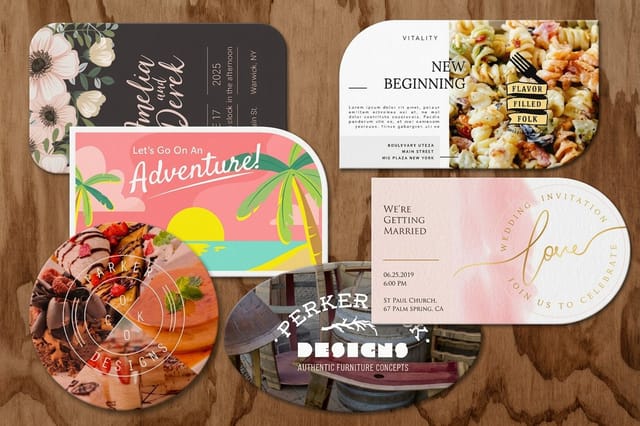
- Shapes. Die-cut flyers from $34.05 cut a 4 x 6 into an oval, a leaf or a half circle, or cut a 4 inch circle.
The file rules stay the same at every size: 0.125 inches of bleed on every side, text 0.125 inches inside the trim, and a QR code of at least 0.8 inches. The $16.48 starting price is for 50 at the default size, and the configurator reprices each size as you pick it.
Double Sided Design: The Front Hooks, the Back Converts
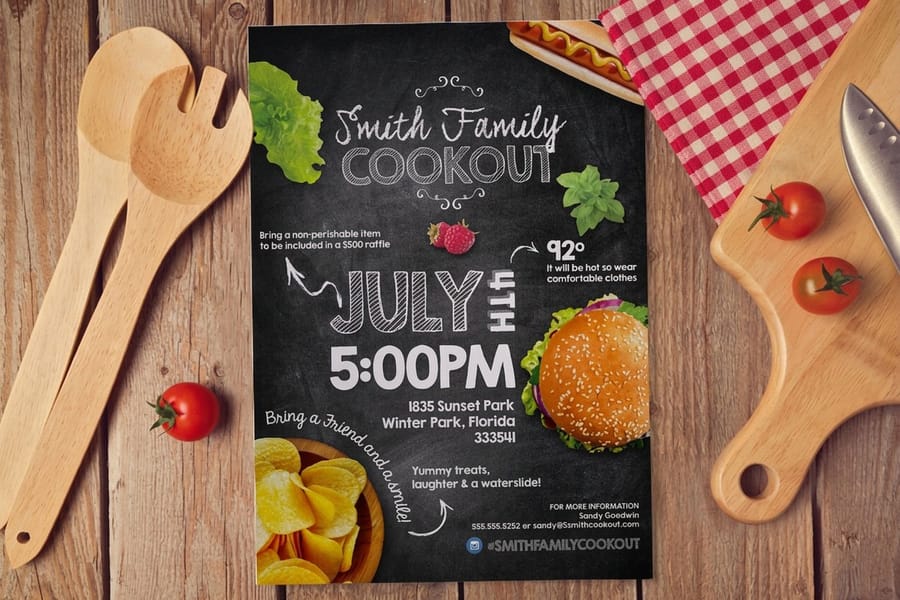
Printing one side of a club flyer is paying for a billboard and leaving half of it blank. The two faces do different work, and designing them as one unit is what separates a flyer that fills a floor from one that fills a gutter.
The front is the poster. Artist or event name dominant, date and venue legible, one strong visual, and nothing else. Resist the urge to add sponsor logos here; a logo strip along the bottom back edge keeps sponsors happy without wrecking the hook.
The back is the ticket booth. Full lineup with set times, cover charge and what waives it, guest list deadline, dress code if the door enforces one, full address, and socials. Put a QR code to the ticket link or RSVP form at a printed size of at least 0.8 inches with clear space around it, on a light patch so scanners lock onto it; a QR reversed out of a busy dark background fails at the exact moment someone decides to come. Our guide to QR codes on print covers the sizing and testing details.
Design both sides in one file, then proof both sides. The most common double sided mistake we see on press is orientation: a back that prints upside down relative to the front because the file was built as two unrelated pages. Keep both faces in one layout document with matching orientation, and check the proof for both sides, not just the artwork side. The type choice gets its own walkthrough in party and club flyer fonts that grab attention across a dark room. Every option on club flyers prices the second side directly in the configurator, so you can see the cost of the back before committing.
File Setup for Dark Artwork, and Where to Build It
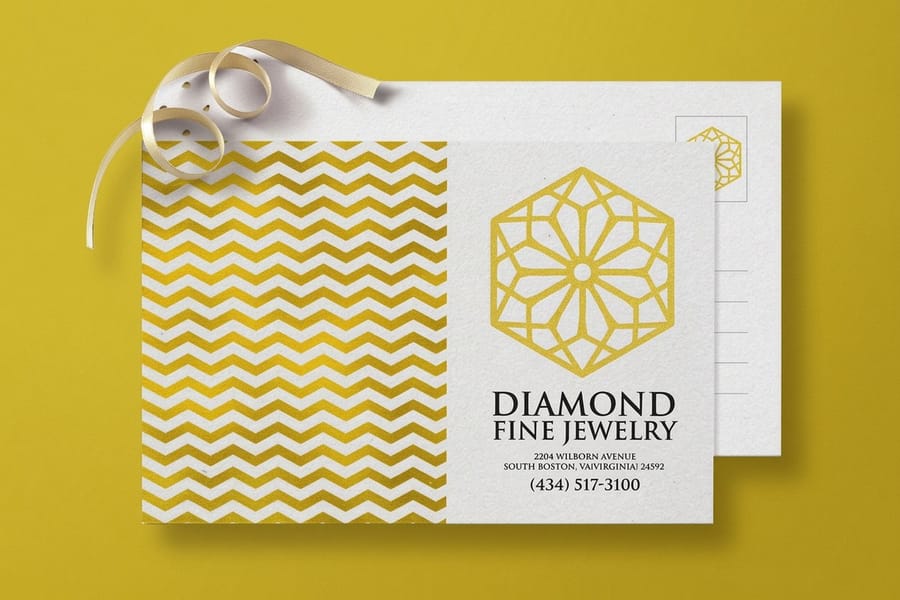
Nightclub artwork breaks on press in two predictable ways, and both are preventable in the file.
Build rich black, not plain black. A background set to 100 percent K alone comes off the press as a thin, grayish dark that makes the whole flyer look cheap. Set large black areas to a rich black mix, around 60 cyan, 40 magenta, 40 yellow, 100 black, and keep small body text at plain 100K so it stays crisp without registration halos.
Expect the neon shift. Electric purple, laser green and hot magenta on a monitor are RGB colors that CMYK ink physically cannot match, so they print duller than the screen. Convert the file to CMYK before you judge it, push saturation where the gamut allows, and lean on the gloss UV coating to return some of the punch. Foil elements on foil flyers are the one way to put genuine shine on paper that ink cannot produce, and the foil flyers video shows that finish up close.
Bleed and margins are not optional. Extend the background 0.125 inches past the trim on all four sides and keep text 0.125 inches inside it. A dark background with a white sliver on one trimmed edge is the most recognizable amateur tell in club promotion.
You do not need studio software for any of this. The free online designer starts you on a correctly sized 4 x 6 canvas with bleed and safe zones already drawn, or grab a blank template for Photoshop or Illustrator. When the file is ready, upload it straight into the flyer printing category and the preflight check flags missing bleed before the job runs.
Wally explains club flyers
Two seconds, one headline, and the back sells the ticket
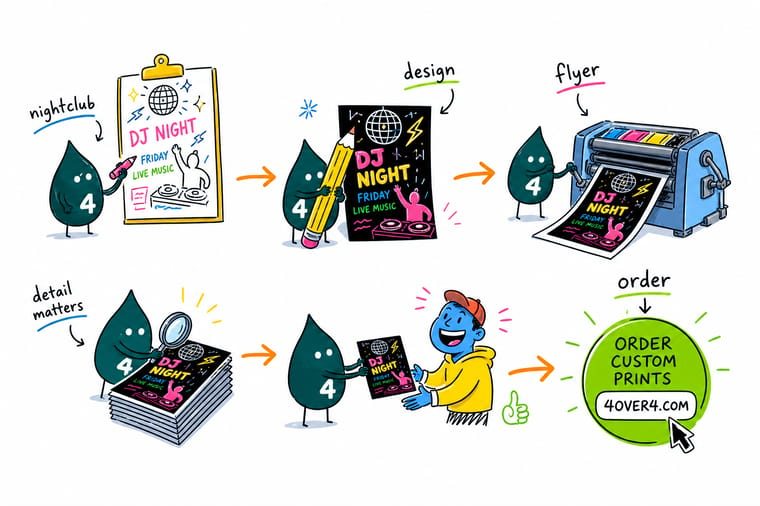
Wally lays out a 4 x 6 flyer the promoter way: the headliner takes half the front in a weight you can read from across the sidewalk, the date and venue sit in one clean line, and everything else moves to the back with a QR code to the ticket link. He builds the background in rich black so it prints dense instead of gray, adds bleed on all four edges, and runs it double sided on 16pt gloss. Hand him a street run on standard gloss and a short silk run for the VIP list, and the night promotes itself.
Order club flyers →
Specs and pricing
Club flyer options, sizes, and starting prices
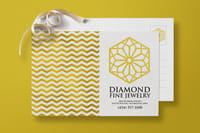
Compare the flyer lines promoters run most, with live configuration choices and starting prices straight from the 4OVER4.COM configurator. Silk flyers are 16pt silk laminated in 22 sizes, from 250 for $74.53. Foil flyers come in four sizes from 4 x 6 to 5 x 7 inches with gold, silver, copper, red, black or blue foil and optional spot UV, from 500 for $328.42.


Print it
Print the run before the weekend
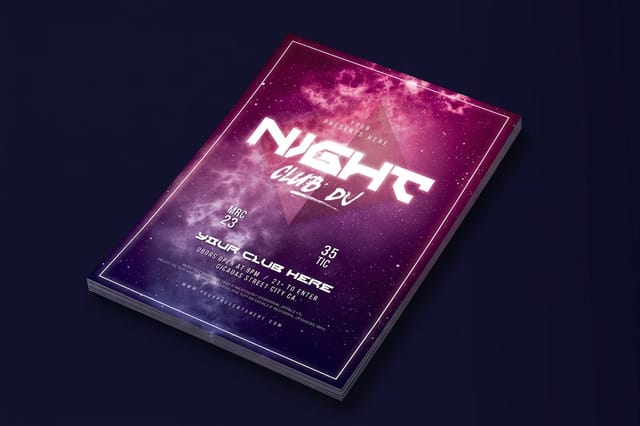
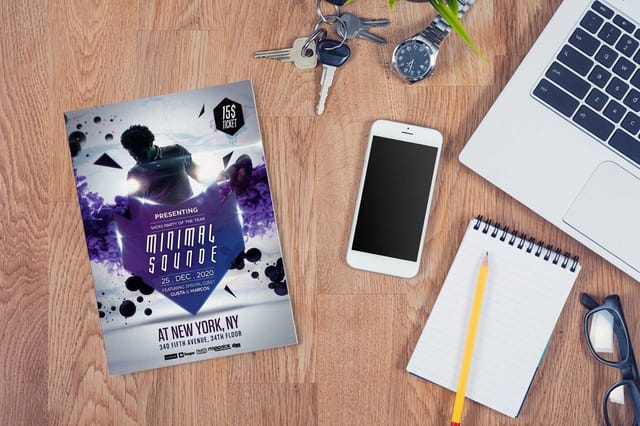
Fifty 4 x 6 club flyers from $16.48 for the street team, standard flyers from $39.54 for walls and counters, and die-cut flyers from $34.05 when the shape is the hook.

Explore more
Where to go next
Work through a general flyer design from goal to file, compare every flyer stock and coating, check the standard flyer sizes, and plan where the printed stack gets handed out.

By the numbers
Club, die-cut, foil and silk flyers on one press
Common Questions
Your nightclub flyer questions, answered
What size should a nightclub flyer be?
4 x 6 inches is the standard, and it is the size promoters actually hand out because it fits a pocket and stacks cleanly in one hand. 4 x 4 square and 5 x 7 work for upscale invites that get mailed or left at the bar. Anything letter sized is a poster in disguise: people will not carry it, and for wall placement an actual poster on heavier stock does the same job better. If the flyer needs to survive a night out in someone's pocket, small and thick beats big and thin.
What paper stock is best for club flyers?
14pt or 16pt cardstock with a gloss or high gloss UV coating. The coating deepens dark backgrounds and neon accents, which is most nightclub artwork, and the thickness keeps the flyer from creasing in a pocket. 16pt is noticeably stiffer in the hand and worth the small difference on a flyer someone keeps until the weekend. The one trade-off: UV coated stock cannot be written on with a ballpoint pen, so if staff need to scribble a guest list name or a promo code on the flyer, leave the back uncoated.
Should a club flyer be printed double sided?
Almost always yes. The front is the hook: artist, event name, date, one striking visual. The back is the transaction: full lineup with set times, cover charge and guest list terms, dress code if you enforce one, the address, and a QR code to tickets or the RSVP list. Double sided printing on club flyers costs far less than the second flyer you would otherwise need, and a front that stays uncluttered because the details moved to the back is exactly what makes the design read from six feet away.
Why do my dark flyer designs print muddy or washed out?
Two causes account for nearly all of it. First, black built as 100 percent K ink alone prints as a thin dark gray; a rich black mix of roughly 60 cyan, 40 magenta, 40 yellow and 100 black gives the dense background club artwork depends on. Second, neon greens, electric purples and hot magentas on your screen are RGB colors that sit outside what CMYK ink can reproduce, so they shift duller on press. Design in CMYK from the start, or run a soft proof before ordering, and let the gloss coating do part of the punch.
How far in advance should I print flyers for a club night?
Work backward from your promotion window, not the event date. Street teams and venue drops need the flyers in hand one to two weeks before the night to matter, and you need print and shipping time in front of that. Club flyers run on fast standard turnarounds, but leaving a buffer means a proof issue or an artwork fix does not eat your promo window. A weekly residency is simpler: print a larger run with a blank date area, or reorder the same file with just the date changed each cycle.
Can I design a nightclub flyer without hiring a designer?
Yes, and the structure matters more than the software. Start from a correctly sized 4 x 6 layout in the free online designer at 4OVER4.COM, which handles bleed and safe margins for you, or download a blank template for your own tools. Then follow the hierarchy in this guide: one dominant element, date and venue readable at a glance, details on the back. A simple flyer with correct hierarchy and a rich black background outperforms a crowded one with expensive artwork every weekend.
Get Started
Club flyers start at 50 for $16.48, silk flyers at 250 for $74.53
Pick 14pt or 16pt gloss, run it double sided, and we print club flyers that survive a pocket and still look sharp at the door.
Legal Disclaimer
Gold Standard guarantees apply to all standard orders placed through 4over4.com. Price match requires verifiable proof of a competitor's published price for an equivalent product with matching specifications and turnaround time. Satisfaction guarantee covers manufacturing defects and print quality issues. Contact support with order number and documentation.
