
How to Print Custom Index Cards in 3x5, 4x6 and 5x8


Which product prints each index card size, the stock that still takes a pen, how to build the file, and what fifty cards actually cost.
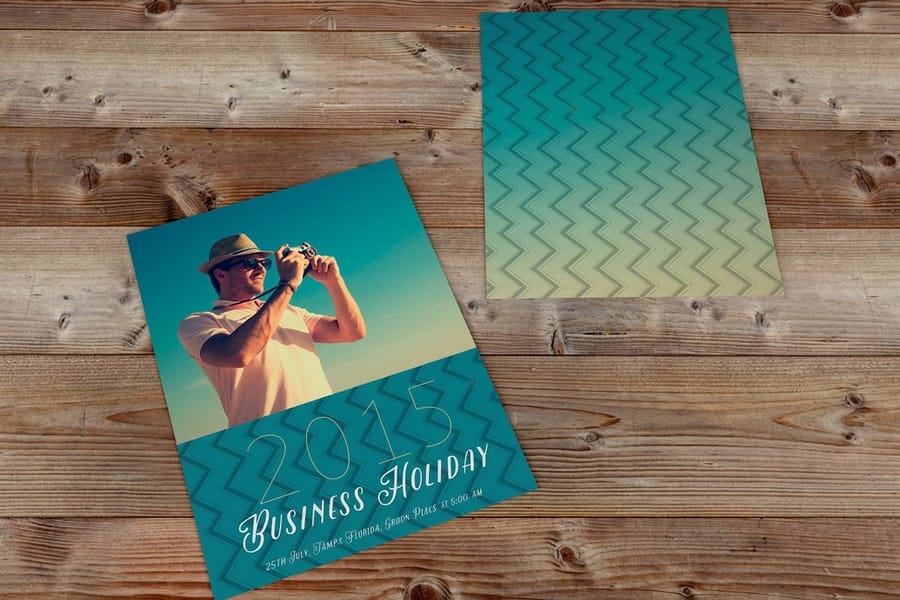
Order custom index cards as postcards: a 4" x 6" card is already a preset postcard size at $16.48 per 50, and a 3" x 5" goes through the custom size field in the same configurator. Pick an uncoated stock and skip the High-Gloss UV if anyone will write on the card, because pen ink will not dry on a coated surface. Build the file at 4.25" x 6.25" so the color bleeds past the cut, and keep type 0.125 inch inside the trim.
Quick answer
One size is a preset, the other two are not
The 4" x 6" index card is a stock postcard size, so it prints for $16.48 per 50 with no custom setup at all. A 3" x 5" is not on the preset list and goes in through the custom size field. A 5" x 8" has no exact match either, and the nearest standard format is the 5.5" x 8.5" half page in oversized postcards. Whichever size you choose, the two decisions that change the result are the coating, which controls whether a pen works, and the bleed, which controls whether the cut edge looks clean.
Match Your Index Card Size to a Product We Already Print
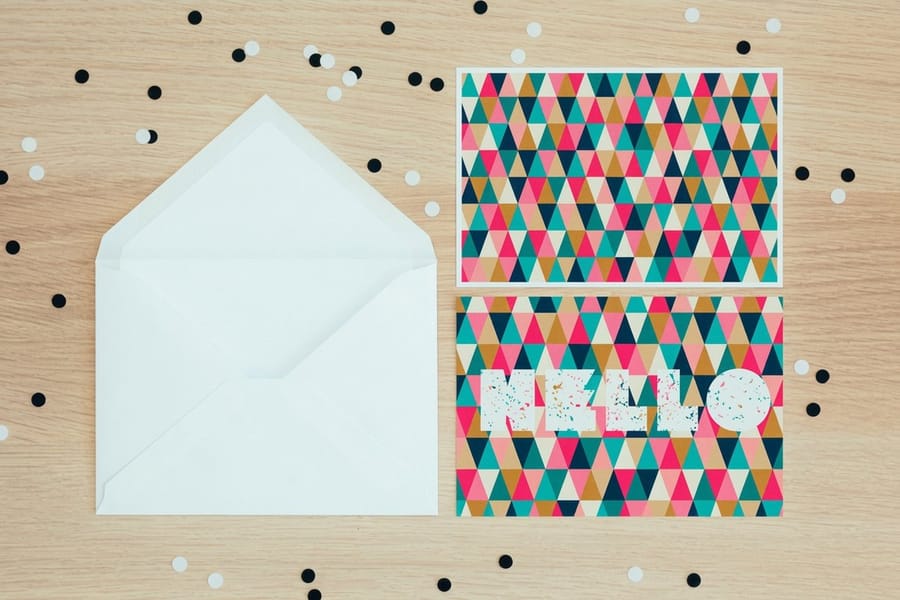
Index cards come in three sizes and only one of them lines up exactly with a preset in our configurator. Knowing which is which saves you the custom size surcharge on the size that does not need it.
| Index size | What to order | Starting price | Why |
|---|---|---|---|
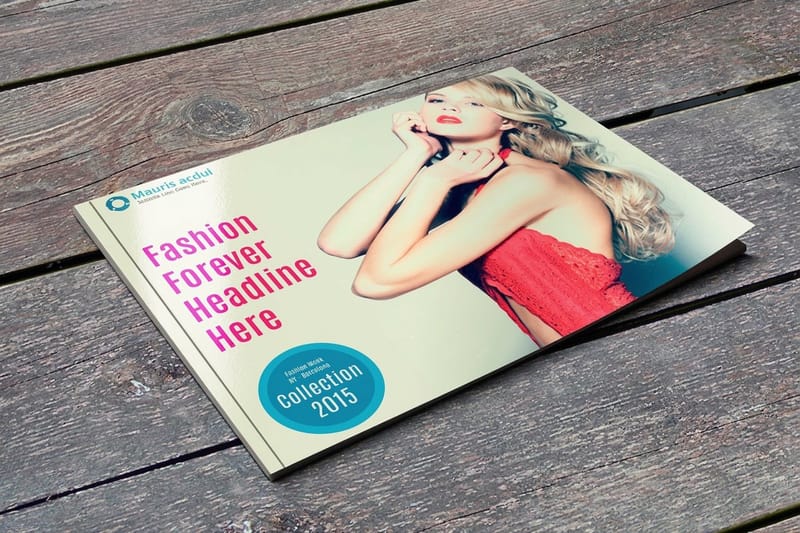
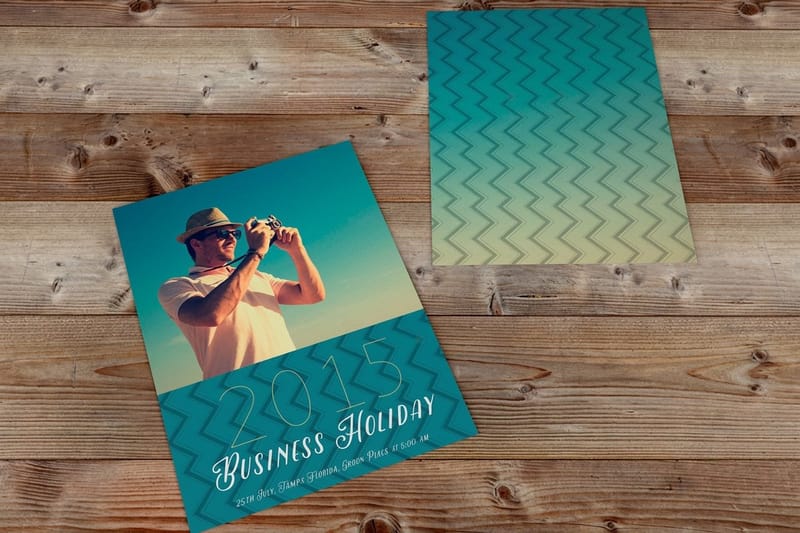
| 4" x 6" | Standard Postcards, 4" x 6" preset | $16.48 per 50, near 33 cents a card | An exact preset size. Nothing to configure beyond stock and sides. |
| 3" x 5" | Standard Postcards, custom size field | From $16.48 per 50, plus the custom trim | Not one of the fourteen presets, so you type the dimensions in. |
| 5" x 8" | Oversized Postcards, 5.5" x 8.5" half page | $51.62 per 50, near $1.03 a card | Half an inch bigger each way, and already a standard format. |
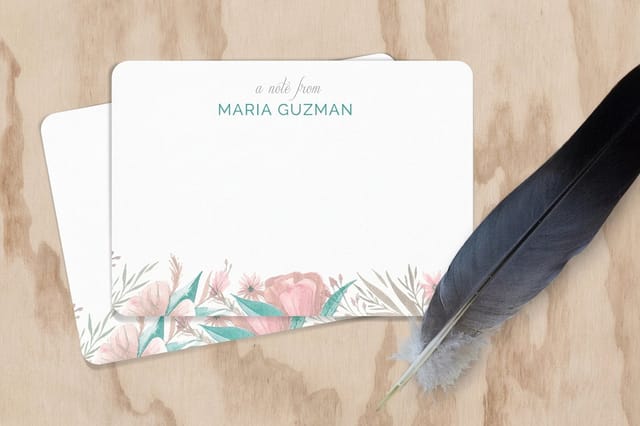
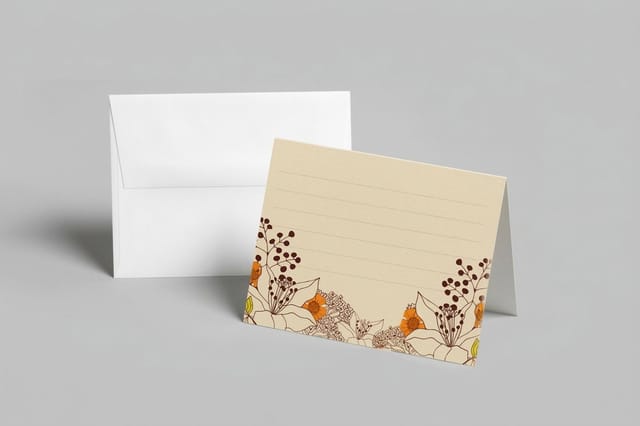
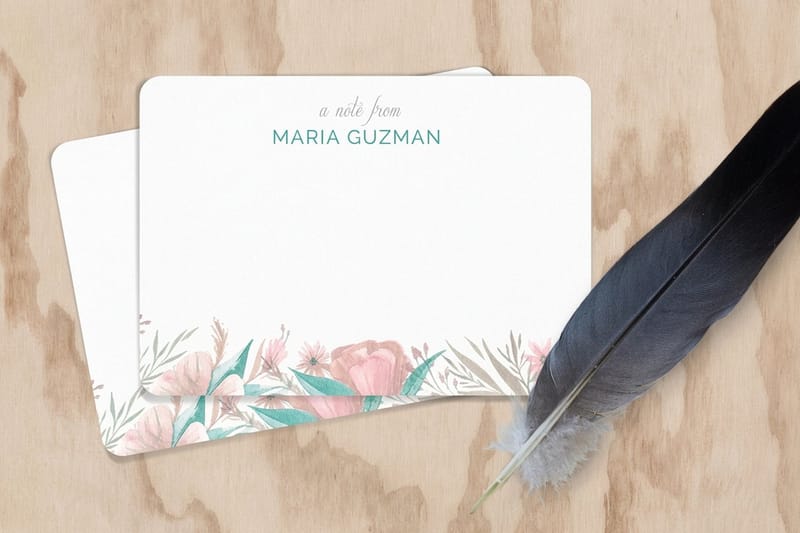
| 4.25" x 5.5" | Flat Notecards | $19.77 per 25, near 79 cents a card | Sits between 3 by 5 and 4 by 6, and takes a matching envelope. |
Read the last column before the price column. The 4" x 6" postcard is cheap because the press is already set up for that trim, and the moment you leave the preset list you are paying for a sheet layout built for one job. If your content fits either way, the 4" x 6" is the size to design to.
There is one more reason to check the size first. Envelopes only exist for the sizes meant to be mailed in one, so if the cards go out in an envelope, start from flat notecards and their matching white wove envelopes rather than trying to find a sleeve for a 3 by 5 afterwards.
The Coating Decision Is Really a Writing Decision
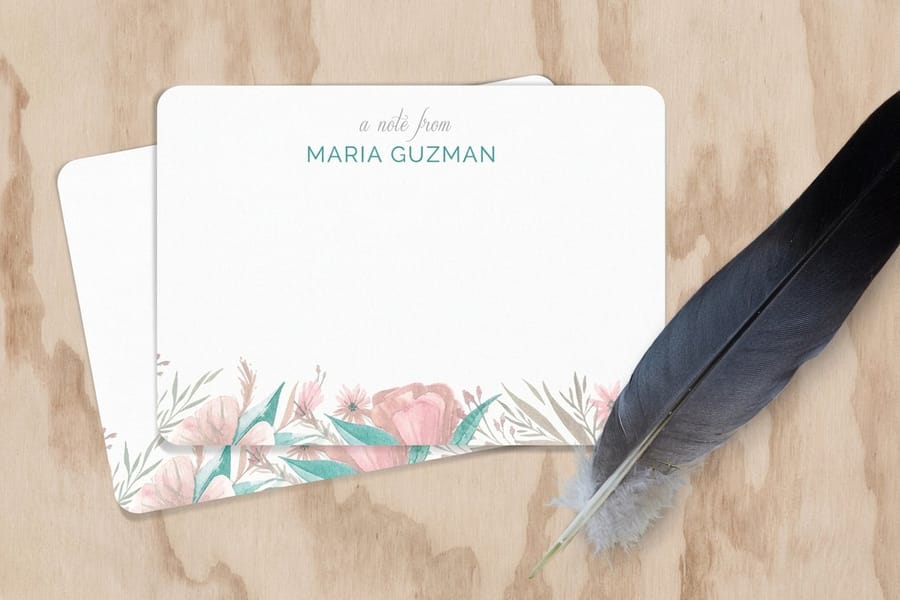
This is where most index card orders go wrong. High-Gloss UV coating makes a photo snap and wipes clean under a wet thumb, and it also stops a ballpoint dead. Ink beads on the surface, smears when you touch it, and never really dries.
So decide first whether anyone writes on the card. If the answer is yes, order an uncoated stock and leave the UV coating off. The 16pt uncoated cover is the one to ask for: stiff enough to shuffle a hundred times, matte enough that a gel pen or a Sharpie behaves. If the answer is no, because every word is already printed, the default 14pt gloss cover with UV is both cheaper and more durable.
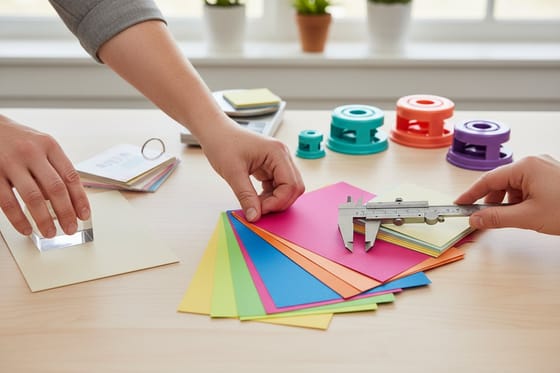
Weight is the second call. Postcards run from a 14pt gloss cover up through 16pt uncoated with a soft touch finish, 18pt premium white linen, 15pt synthetic plastic and 18pt rigid vinyl, twenty two stocks in total. The plastic and vinyl options matter for cards that live in a kitchen or a workshop, because they survive water and grease that would pulp a paper card. They also cost the most, and they will not take pen ink at all.
Be honest about the deck size before you go heavy. A printed 16pt card is noticeably thicker than the flimsy cards sold in a stationery aisle, which feels great in the hand and terrible in a stack of two hundred. For a big study deck, stay at 14pt. If you want the full weight comparison, our cardstock weights guide lays out what each point measurement means, and the postcard printing category lists every stock we run.
Set Up the File So the Blade Does Not Eat Your Text
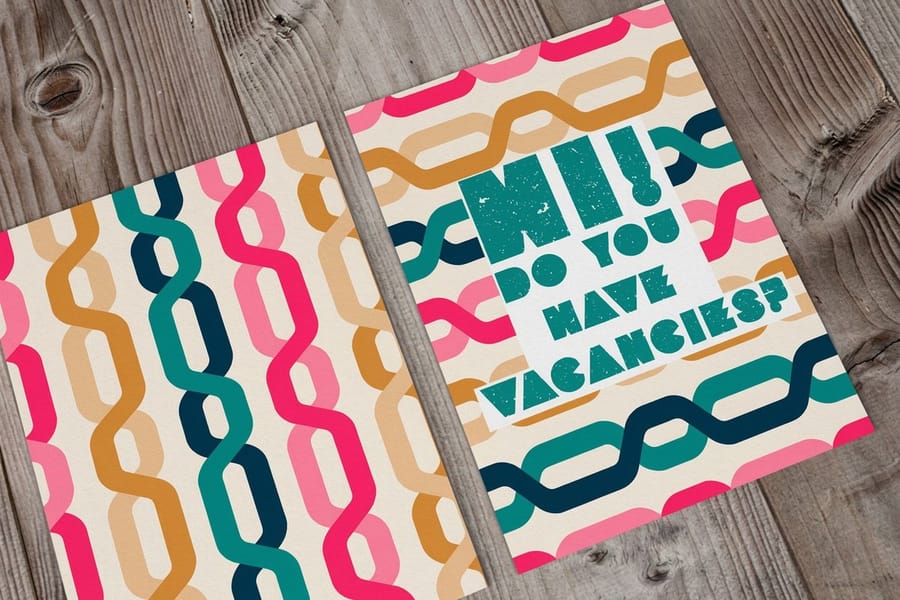
A 4" x 6" card is not a 4" x 6" file. Build the artboard at 4.25" x 6.25" so background color runs 0.125 inch past the trim on every side, then keep type and logos 0.125 inch inside the trim line, which leaves a 3.75" x 5.75" safe area. Cards are cut in stacks and the blade drifts slightly through the lift, so a rule that sits exactly on the trim will look centered on one card and crooked on the next.
- Bleed: 0.125" of artwork beyond the trim on all four sides, only needed if color touches the edge.
- Safety: 0.125" inside the trim, where nothing important is allowed to sit.
- Resolution: 300 dpi at final size, CMYK, fonts converted to outlines.
- Backs: full color both sides for a finished deck, blank back for handwriting, black back when you want printed text on the reverse without paying for four color.
Rounded corners change the safe area. At a 3/8" radius the corner eats into the card noticeably, so pull page numbers and corner marks in further than you would on a square card. The 1/8" radius is subtle and mostly just resists dog-earing, which is worth having on a deck that gets carried around.
Start from a correctly sized layout instead of building the artboard by hand. The blank template library has the trim, bleed and safety lines already drawn for each product, and bleed and trim explained walks through what happens on press if you skip them.
Quantities, Turnaround, and Where Printed Cards Beat Blank Ones
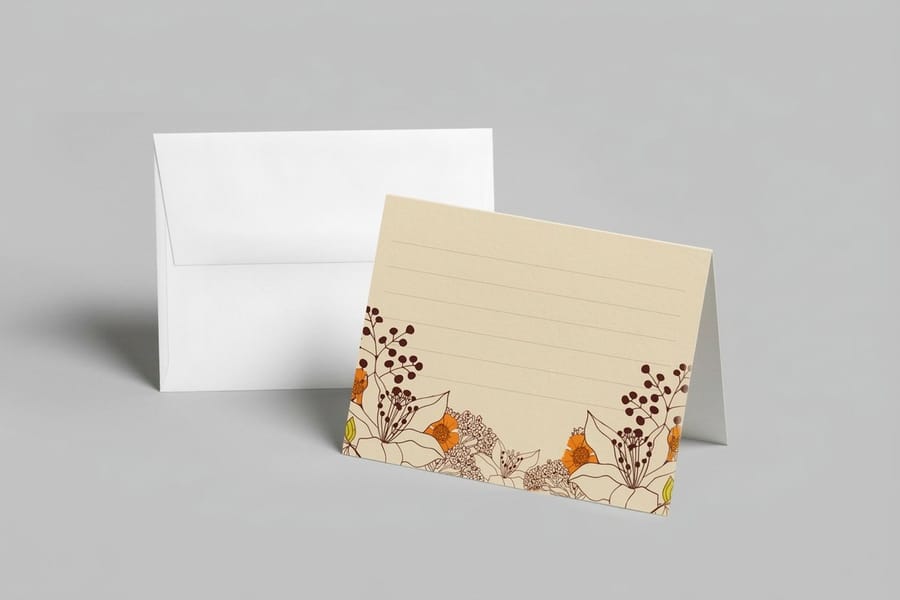
Postcards start at 50 and notecards at 25, and there is no smaller run. Above that the per-card price drops across forty quantity tiers all the way to 100,000, so the jump from 50 to 100 costs much less than twice as much. Standard production is 3 business days on postcards and flat notecards, with 2-day, Next-Day and Same-Day rush in the configurator. Folded notecards run 5 business days because they get scored and folded after printing.
Printed cards are worth the money in three situations. Study and training decks, where variable data prints a different term on every card in one run and the set comes back identical rather than handwritten. Recipe and reference cards, where a photo on the front and instructions on the back turn a note into something people keep. Customer-facing cards, where a branded 4" x 6" going into a shipped order does the job of a thank-you note and a coupon at once.
Where blank cards still win is the fast, disposable, changes-every-week use. If the content will be different next month, buy blanks and write them. Printing makes sense when the same content is worth reprinting, or when handwriting a hundred of them is worse than paying for a hundred.
If the card needs an inside panel for a longer message, step across to folded notecards, which score into two panels and give you four printable surfaces instead of two. The full range of card sizes and finishes sits in notecard printing, and custom size printing covers what happens when none of the presets fit.
Wally explains index card printing
A 4 by 6 index card and a 4 by 6 postcard are the same cut
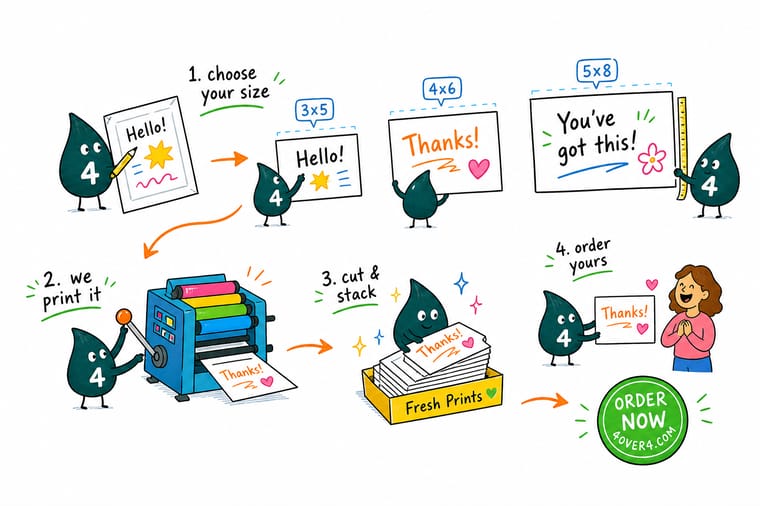
Wally holds the two cards up together and they line up exactly, which is why he orders index cards from the postcard configurator instead of asking for something special. Then he does the pen test. On the glossy UV card the ink beads and smears; on the uncoated card it writes and dries. So he keeps the gloss for decks that are printed front and back, and the uncoated for anything people will write on. Last, he builds the file a quarter inch bigger than the card so the color runs past the blade.
Configure 4 by 6 postcards →Specs and pricing
Sizes, stocks, and starting prices for each card route
The three products that cover the index card sizes, with live configuration choices and starting prices straight from the 4OVER4.COM configurator.


Print it
Order the card that fits your size
Explore more
Where to go next
By the numbers
Notecards and postcards cut to three index sizes
Common Questions
Your index card printing questions, answered
What are the standard index card sizes?
Three sizes cover almost everything: 3" x 5", 4" x 6" and 5" x 8". The 3" x 5" is the classic recipe and vocabulary card, the 4" x 6" is the one people reach for when the 3" x 5" runs out of room, and the 5" x 8" is the lecture-note and reference size. Only the 4" x 6" matches a preset size in our postcard configurator. The other two are handled either with a custom size or by moving up to the nearest larger format we already print.
Can I get an exact 3 by 5 card?
Yes, through the custom size option. The postcard configurator carries fourteen preset sizes from a 2.5" x 2.5" square up to a 6" x 11" jumbo, and a custom size field for anything that is not on the list. Type 3 by 5 there. Expect it to cost a little more than the 4" x 6" preset for the same quantity, because a non-standard trim uses the sheet less efficiently than a size the press is already ganged for.
Which stock takes pen ink?
Uncoated. On a coated gloss stock, and especially under a High-Gloss UV coating, ballpoint and gel ink bead up and smear instead of drying. The 16pt uncoated cover is the safe pick for any card people will write on: study cards with a blank back, appointment cards where the date changes, recipe cards with room for notes. Pencil works on almost anything, but nobody writes flashcards in pencil.
Can index cards print on both sides?
Yes, and this is the choice that matters most for flashcards. Full color on the front with a blank back gives you a question printed and an answer written by hand. Full color on both sides prints question and answer, so the deck arrives finished and identical every time. There is also a front in full color with a black back, which is the cheap way to get printed text on both faces without paying for four-color on the reverse.
Can every card in the run say something different?
Yes. Variable data prints a unique line, number, name or code on each card in the same run, so a set of numbered flashcards, a sequence of table cards or a stack of appointment cards with different dates all come off one order. You supply the list as a spreadsheet column and it maps to the field on the card. Without variable data, every card in a run is identical.
How fast can printed index cards ship?
Standard turnaround on postcards is 3 business days in production, with 2-day, Next-Day and Same-Day rush available, and shipping time sits on top of that. Flat notecards also run a 3 business day standard down to same day. Folded notecards take longer at 5 business days standard, because they are scored and folded after printing. Order the rush from the configurator rather than asking after the fact, since production starts as soon as the file passes preflight.
Get Started
Order 50 oversized cards from $51.62
Choose your size, pick an uncoated stock if anyone will write on it, and we print, cut and ship the deck in as little as one business day.
Legal Disclaimer
Gold Standard guarantees apply to all standard orders placed through 4over4.com. Price match requires verifiable proof of a competitor's published price for an equivalent product with matching specifications and turnaround time. Satisfaction guarantee covers manufacturing defects and print quality issues. Contact support with order number and documentation. On-time delivery rate based on tracked orders 1999 to 2026. Individual results may vary based on shipping carrier performance.
