
How to Make Custom Windbreakers for Teams and Events


Three decisions make a custom windbreaker: the shell fabric, a decoration method that survives it, and a size run that fits people wearing something underneath. Here is how each one works, and where the rest of the team kit comes from.
You make custom windbreakers by choosing a nylon or polyester shell, decorating it with embroidery, low cure screen ink or a pressed transfer, then ordering a size run one step larger than your t-shirt sizes. Standard screen printing ink cures near 320F and a nylon shell starts to distort near 300F, which is the reason shells get their own inks and their own press settings. 4OVER4.COM does not sew jackets. We print the shirts, badges, banners and giveaways that go around them.
Quick answer
The shell sets the ceiling, and the ink has to come down to meet it
A windbreaker is decorated around a temperature limit, not around a design brief. Nylon and polyester shells soften and go shiny near 300F, below the roughly 320F that standard plastisol needs, so shells are decorated with embroidery, a low cure ink carrying a nylon bonding catalyst, or a transfer pressed for seconds. Embroidery looks the most expensive and puts hundreds of needle holes through the water repellent coating. Transfers handle full colour with no setup cost. Screen printing wins once the run is large enough to absorb the setup.
The Shell Fabric Decides Everything Else
A windbreaker is a thin shell built to stop wind, not cold. That single job explains the whole spec sheet, and it explains why the fabric choice locks in your decoration options before you have drawn anything.
Four shells cover most of the market. Nylon taffeta is the classic crinkly jacket, cheapest to buy blank and the slickest surface to decorate. Ripstop nylon weaves a heavier thread into a visible grid every few millimetres, so a small tear stops instead of running down the sleeve, which matters on anything worn around tools. Polyester micro has a softer hand and takes printed colour more evenly, because polyester accepts dye better than nylon does. Coated shells add a polyurethane backing or a water repellent finish over any of those.
Denier is the number on the tag worth reading. It measures yarn weight, so a 210D ripstop feels substantially sturdier than a 70D packable shell and takes up more room in a bag. Higher denier also gives a needle or an ink film more to hold, which is why very light packable jackets are the hardest to decorate well.
Here is the trade-off nobody puts in the product copy. A coated shell keeps rain out and traps everything the wearer produces. Unless the jacket has pit vents, a mesh back yoke or a vented cape, people take it off twenty minutes into anything active. For a 5K team pick the vented one. For a golf outing or a stadium giveaway pick the coated one. The same material logic runs through our comparison of cotton, canvas and recycled totes, where the weave decides the print quality in exactly the same way.
Embroidery, Screen Print and Transfers on a Nylon Shell
On cotton, the argument between methods is about look and cost. On a shell it is about whether the decoration stays attached, because a coated nylon face gives ink very little to bite into.
| Method | Heat involved | What it is good at | Where it fails on a shell |
|---|---|---|---|
| Embroidery | None. | Small logos, crests and names. Reads as premium and never cracks or fades. | Perforates the coating, needs a backing to stop puckering, and fine text under a quarter inch fills in. |
| Low cure screen print | Cures well under the point where nylon distorts. | Bold spot colour at volume. Cheapest per jacket once the run is large. | Needs a nylon bonding catalyst mixed into the ink. Without it the print lifts in the first wash. |
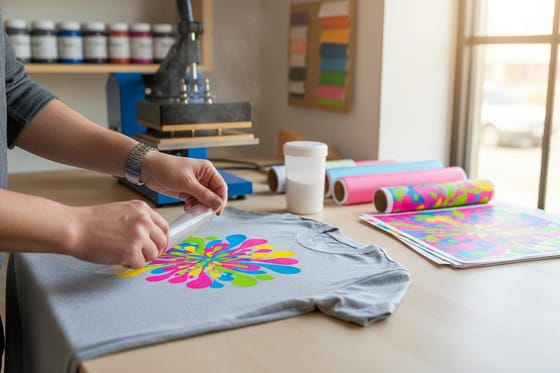
| DTF transfer | Pressed below the shell limit, seconds not minutes. | Full colour and photographic artwork. No setup, so ten jackets cost the same each as fifty. | The film sits on the surface, so a hard crease or an over hot press can lift an edge later. |
| Heat transfer vinyl | Pressed, similar window to DTF. | Names, numbers and single colour graphics with very sharp edges. | Goes stiff and plasticky over a large area, and a shiny vinyl on a shiny shell looks cheap. |
Read the last column first, because it is the one that decides your order. Standard plastisol cures at around 320F. A nylon shell starts to distort and go shiny near 300F. That gap is the entire reason shells get their own inks, their own catalysts and their own press settings, and it is why a decorator who has only ever run cotton produces a jacket that looks perfect on delivery and peels a month later.
Ask any supplier two questions before you place the order: are you adding a nylon bonding agent, and will you press one blank as a test first. A shop that decorates shells regularly answers both without hesitating. If you want the background on each process, we cover printing versus embroidery on apparel, how DTF transfers work and screen printing versus vinyl in detail.
Where the Logo Goes on a Jacket That Is Mostly Zipper

The big centre front that carries a t-shirt design has nowhere to sit on a windbreaker. A full or half zip splits it, a chest pocket interrupts it, and a kangaroo pouch takes the bottom third. You get three usable areas and a fourth if there is a hood.
- Left chest. Roughly 3.5 to 4 inches wide on an adult jacket, sitting about 7 to 8 inches down from the shoulder seam. Keep it at least half an inch clear of the zip tape, because a hoop or a press platen will not lie flat across the teeth.
- Upper back. The one genuinely large canvas, usually 10 to 12 inches wide between the shoulder blades on adult sizes. Sit it below the yoke seam, not across it.
- Sleeve. Around 2.5 to 3 inches, best for a sponsor mark or a year. It reads at a distance because arms move.
- Hood back. Small and unexpected, good for a monogram, awkward for anything wide because the fabric curves in two directions.
Two rules save most reprints. Never centre artwork across a full zip, because the two halves will never line up once the jacket is worn and the zip pulls a few millimetres to one side. And check placement against the smallest size in your run, not the largest, since a back design sized for an XL will run into the hem on a small.
If you are also printing tees for the same group, keep the marks proportional rather than identical. Our t-shirt print size guide gives the standard widths, and the artwork you build there drops straight onto custom t-shirts without a second file.
Ordering a Size Run Without Eating Thirty Extra Smalls
A windbreaker is worn over something. A hoodie, a uniform shirt, a base layer, pads. That changes the sizing conversation, because most people take one size larger in a unisex shell than they do in a tee, and a jacket that fits like a tee cannot go over anything.
Collect actual sizes with a short form before you order. Guessing from a roster is how a box of unwearable smalls ends up in a storage closet, and unlike shirts, jackets are expensive enough per piece that the waste hurts. Ask for the size in a jacket, not the size in a shirt, and say whether the fit is unisex or a women's cut, since the two run differently through the shoulder.
Three practical notes on the money. 2XL and above usually carries a per piece upcharge, so budget it rather than being surprised at checkout. Spares belong in the middle of the run, because a lost or ruined jacket is almost always an L or XL. And the minimum order is set by the decoration method rather than the garment: screen printing and embroidery both carry a per order setup, so under roughly two dozen pieces a pressed transfer normally comes out cheaper, and above that the setup has spread thin enough that screen or thread wins.
That step pattern is the same one behind every quantity on our site. How bulk printing price breaks work shows where the drops land, which is useful when you are deciding whether to add ten more jackets or spend the same money on custom tote bags for the same group.
The Rest of the Team Kit, Printed in One Order
Here is the part most windbreaker guides leave out. The jacket is one item in a kit, and it is usually the last one anybody thinks about. A team or an event also needs shirts for the people not in jackets, something to hand out, something to check people in with, and something readable from across a parking lot.
We do not cut and sew jackets at 4OVER4.COM, and there is no point pretending otherwise. What we print is everything around them, on one order and one delivery date.
| Piece | What it does in the kit | Starts at |
|---|---|---|
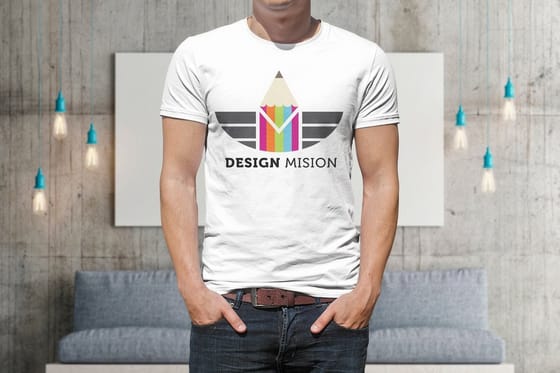
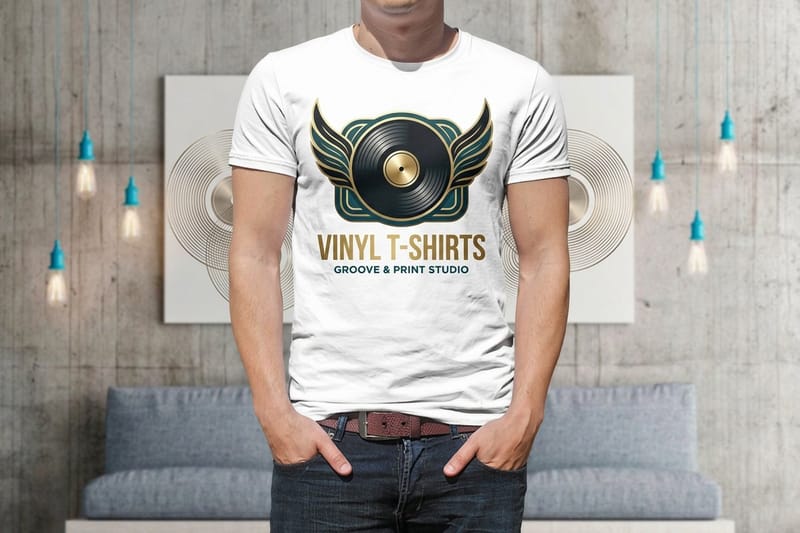
| Custom t-shirts | The layer under the jacket, and the giveaway for everyone who does not get one. | $21.96 |
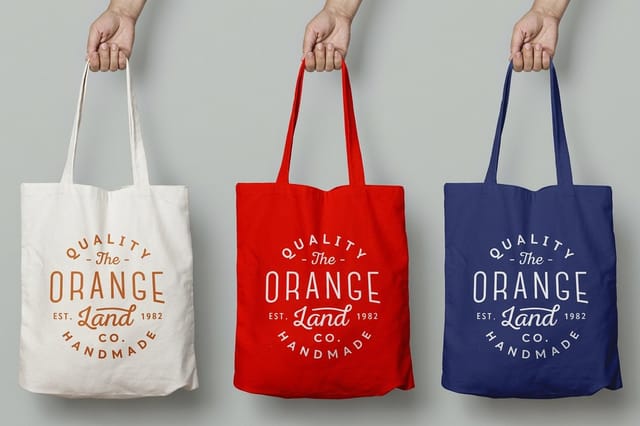
| Tote bags | Carries the jacket home. The one piece of merch people keep using after the event. | $22.73 |
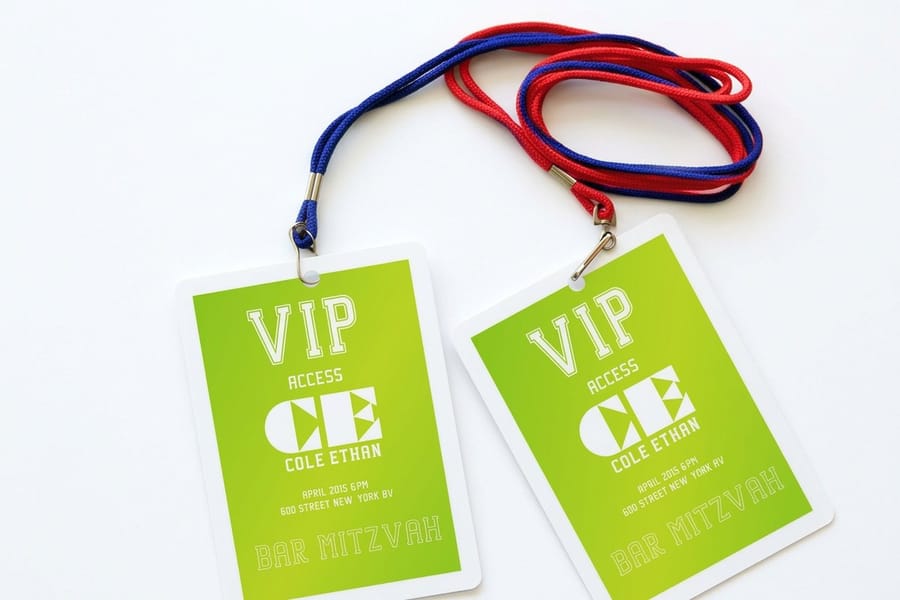
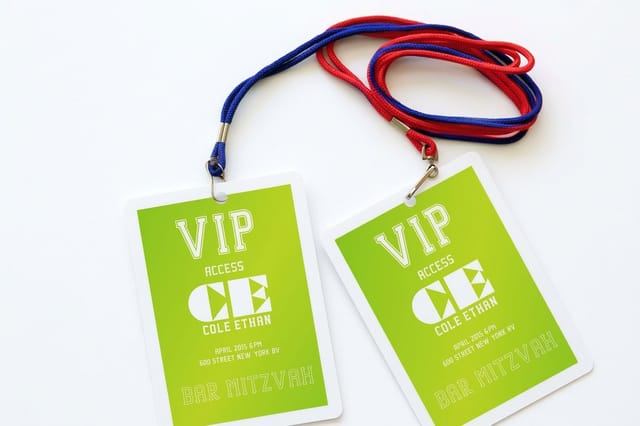
| Event badges | Check in, roles and access. Names on chests when the jackets all look identical. | $49.88 |
| Fabric banners | The backdrop behind the team photo. Fabric folds into a bag without creasing like vinyl. | $57.20 |
| Buttons | Cheap per head, pinned to the jacket, changes with each event while the jacket stays. | $93.15 |
| Die-cut stickers | Water bottles, laptops, helmets. The logo travels further than the jacket does. | $93.37 |
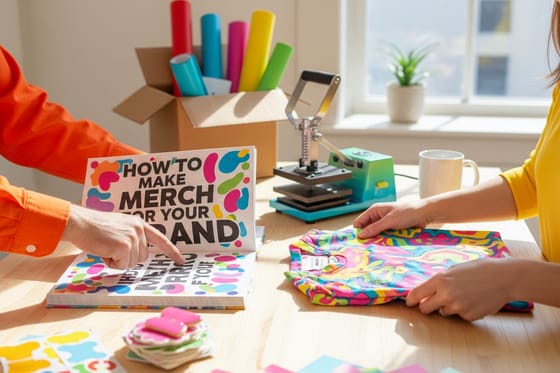
Those are starting prices at the smallest quantity and thinnest option, so a real quote lands wherever your count and stock choice put it. Order the shirts, badges and banner together with your jacket order at the supplier and you will have one arrival week instead of five. Browse the full range in promotional products, custom t-shirt printing and trade show printing, or read how to make merch for your brand before you commit a budget.
Wally explains custom windbreakers
The jacket sets the temperature, and the ink has to obey it
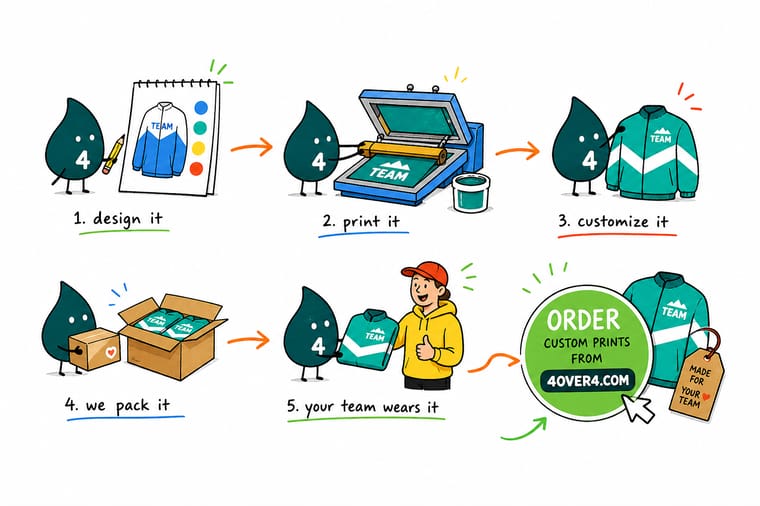
Wally checks the shell before he checks the artwork. Nylon goes shiny and puckers near 300F, and the ink that cures cotton wants about 320F, so he reaches for a low cure ink with a nylon bonding catalyst, or he presses a transfer for a few seconds instead. If the logo is small he stitches it, and he accepts that every stitch is a hole through the water repellent coating. Then he prints the shirts, the badges and the banner that go with the jackets, so the whole kit lands in one week.
Print the matching team shirts →Specs and pricing
Team kit pieces, sizes and starting prices
Configure the printed half of the kit here, with live options and starting prices straight from the 4OVER4.COM configurator.

Print it
Order the pieces that go with the jackets
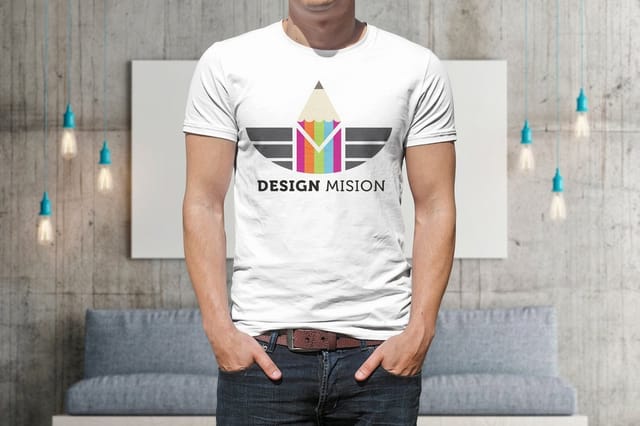
Explore more
Where to go next
By the numbers
Team and event printing you can count on at 4OVER4
Common Questions
Your custom windbreaker questions, answered
What fabric are custom windbreakers made from?
Almost always nylon or polyester. Nylon taffeta is the classic crinkly shell and the cheapest to buy blank. Ripstop nylon adds a visible grid weave that stops a small tear from running, which is worth it for anything worn on a job site. Polyester micro shells feel softer and hold printed colour better because polyester takes dye more evenly than nylon. Many shells also carry a polyurethane backing or a durable water repellent finish, and that coating is the thing your decorator needs to know about before quoting.
Can you screen print on a nylon windbreaker?
Yes, but not with the same ink used on cotton. Two things change. The ink gets a nylon bonding additive, a catalyst mixed in shortly before the run, because plastisol will not grip a slick coated surface on its own. And the cure temperature comes down, since a nylon shell begins to distort and go shiny near 300F while standard plastisol wants around 320F. A shop that prints shells regularly uses a low cure ink and tests one blank first. A shop that treats the jacket like a tee produces prints that peel.
Is embroidery or printing better on a windbreaker?
Embroidery for a small logo, printing for anything large or full colour. Thread on a shell reads as premium and never cracks, but it is priced by stitch count, it needs a backing to keep the thin fabric from puckering, and fine text under roughly a quarter inch tall fills in and turns to mush. A pressed transfer handles gradients and photographic artwork, costs the same for one jacket as for fifty, and sits on the surface where a hard fold can eventually lift an edge. Most teams end up with an embroidered left chest and a printed back.
Does embroidery ruin the water resistance of a jacket?
It compromises it locally. The needle makes hundreds of holes through the coating in the area it stitches, and on a genuinely waterproof shell that is why manufacturers seam seal rather than embroider. In practice a small left chest logo on a wind resistant jacket is fine for normal use and will wick a little in sustained rain. If the jacket has to stay dry, put the logo on with a heat pressed transfer instead, or accept the mark and keep it small.
How many windbreakers do I have to order?
It depends on which decoration method you choose, not on the jacket. Screen printing and embroidery both carry a per order setup, so the first dozen pieces absorb a fixed cost and the price per jacket falls steeply after that. Pressed transfers have almost no setup, which is why a run of ten is usually cheapest on transfers and a run of a hundred is usually cheapest on screen or thread. The same maths governs everything else you order, and our guide to how bulk printing price breaks work explains where the steps land.
Does 4OVER4.COM print custom windbreakers?
No. We do not cut, sew or stock blank jackets, so the shell itself comes from an apparel supplier or a local decorator. What we print is the rest of the kit that goes with it: custom t-shirts from $21.96, tote bags from $22.73, event badges from $49.88, fabric banners from $57.20 and die-cut stickers from $93.37, all in one order with one delivery date. Teams almost always need those pieces anyway, and ordering them together beats chasing five suppliers.
Get Started
Jackets sorted? Print the rest of the kit.
Shirts, totes, badges, buttons and the banner behind the team photo, printed together and shipped on one date instead of five.
Legal Disclaimer
Gold Standard guarantees apply to all standard orders placed through 4over4.com. Price match requires verifiable proof of a competitor's published price for an equivalent product with matching specifications and turnaround time. Satisfaction guarantee covers manufacturing defects and print quality issues. Contact support with order number and documentation. On-time delivery rate based on tracked orders 1999 to 2026. Individual results may vary based on shipping carrier performance.
