
How to Make a Gift Coupon Template That Prints and Redeems Cleanly


Six fields, one code structure, two sizes. Here is how to build a coupon template that survives the counter, and where a coupon stops being a coupon and becomes a gift certificate.
A gift coupon template needs six fields: the issuer, the offer in the largest type on the piece, one line of terms, a redemption code, an expiry date, and a contact line. Build it at 3.5 by 2 inches to fit a wallet or 8.5 by 3.67 inches to get three from a letter sheet, add 0.125 inch of bleed, and keep all type 0.125 inch inside the trim. Structure the code as offer prefix, batch stamp, sequence, check digit, so a single bad print run can be voided on its own and a mistyped number is rejected at the till.
Quick answer
Six fields, a structured code, and type that stays off the cut
The template is easy. The code is the part that decides whether the coupon works. Lay out the issuer, the offer, one line of terms, the code, the expiry and a contact line, in that order, at 3.5 by 2 inches or 8.5 by 3.67 inches. Run artwork 0.125 inch past the trim and hold every character 0.125 inch inside it. Then give each coupon a code built from an offer prefix, a print batch, a sequence and a check digit, so your counter can look one up, mark it redeemed, and reject a number that was typed wrong.
The Six Fields Every Gift Coupon Has to Carry
Start the template as six stacked bands rather than a blank page, because the order of the bands is what decides whether the offer gets read at arm's length. Issuer at the top, the offer in the largest type on the piece, one line of terms under it, then the redemption code, the expiry, and a contact line at the bottom.
| Field | What it has to say | Type size to aim for | What happens when it is missing |
|---|---|---|---|
| Issuer | Business name and logo, so the holder knows where to walk in. | Small. It is identification, not the pitch. | The coupon reads like a mailer from nobody and gets binned. |
| The offer | One phrase. Twenty dollars off, one free wash, half price cut and finish. | Biggest thing on the piece, readable across a counter. | Nobody knows what they won, so nobody redeems. |
| Terms | One line. New clients only. One per visit. Not with other offers. | 7 to 8 point, still legible on press. | Your staff argue the rules at the till with a customer holding the piece. |
| Redemption code | The unique string that gets logged when the coupon is used. | 10 to 12 point, monospaced, generous letter spacing. | You cannot tell a redeemed coupon from a photocopy of one. |
| Expiry | An actual date, not a duration. Valid through 30 November 2026. | Small but not hidden. | The promotion never ends and the discount becomes permanent. |
| Contact | Address, phone or booking link. One of them, not all three. | Smallest line on the piece. | An interested holder has to look you up and half of them do not. |
Two habits keep the layout honest. Write the offer line before you open the design file, because a phrase you have to shrink to 14 point was too long to begin with. And resist the urge to add a fine-print block. Every extra sentence steals millimetres from the one line that does the selling, and the terms nobody reads are the terms nobody follows anyway.
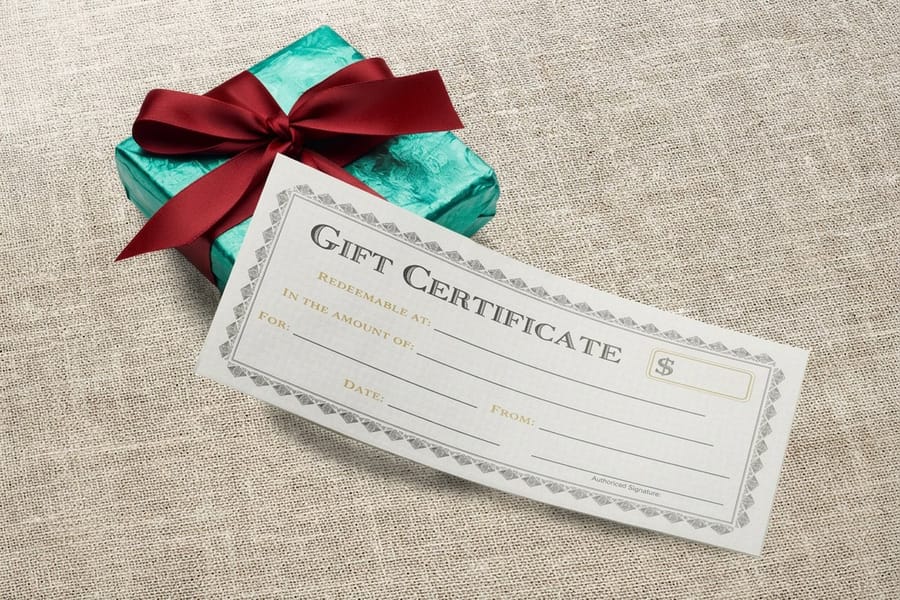
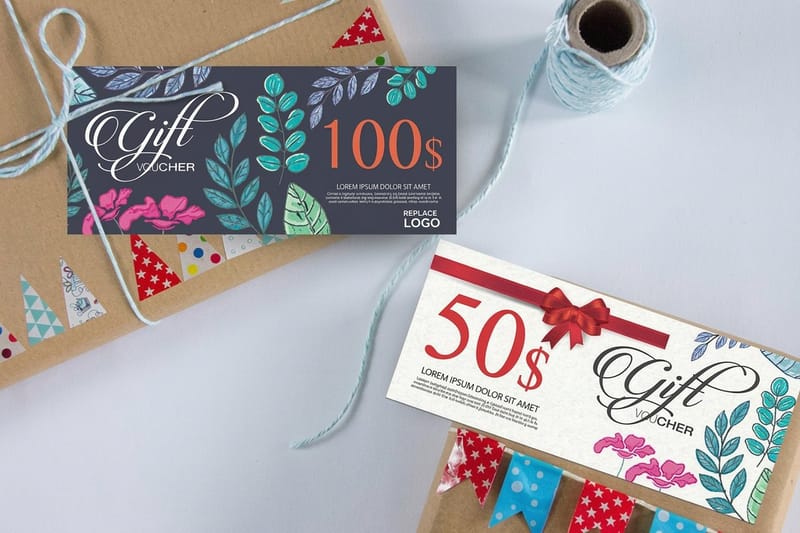
If the piece is going to be sold rather than given away, the field list changes: an amount field, a recipient line and a serial number all become mandatory. That is a different layout, covered in our blank gift certificate template guide, and it is the version we print as gift certificates.
Redemption Codes Your Counter Staff Can Actually Check
Most homemade coupons fail here. The design is fine, the offer is fine, and then the shop cannot tell whether the piece in front of them has already been used, or whether it came off somebody's home printer. A code fixes that, but only if it is structured.
Build it in four segments. A three letter prefix for the offer, so returns and refunds get attributed to the right promotion. A four digit batch stamp, usually year and month of the print run. A four digit sequence within that batch. Then a single check digit, which is any small arithmetic on the sequence, such as the sum of the digits modulo ten. That last character is the cheap trick that pays for itself: when a cashier types 0134 instead of 0143 the check digit no longer matches and the till rejects it on the spot rather than approving a discount against the wrong record.
The batch stamp is the part people leave out and regret. If a stack of 500 coupons goes missing between the printer and your front desk, a batch segment lets you void that one run and leave every other coupon working. With straight sequential numbering you either void everything or void nothing.
Two more rules. Never print the same code twice across a run, because a duplicate turns your log into a coin flip. And keep the code away from the trim edge, at least a quarter inch in, since a code clipped by the cutter is a coupon your staff cannot process. If you want the code machine readable instead of typed, the barcode and magnetic stripe options are covered in our guide to adding magnetic stripes and barcodes to a card order.
Sizing the Template and Where the Cut Falls
Two sizes do nearly all the work. At 3.5 by 2 inches the coupon is a business card, which means it fits a wallet, a card holder and the little acrylic stand next to your register, and it shares a press layout with a card order so you can print both together. At 8.5 by 3.67 inches you get three coupons from a letter sheet, which is the classic gift certificate proportion and leaves room for an image of the service plus a tear-off stub the shop retains.
Set the file up the way you would any print job. Build the artboard at final size, add 0.125 inch of bleed on all four sides and run background colour or photography right out to it, then keep every piece of text 0.125 inch inside the trim. The failure this prevents is specific and common: a coupon designed edge to edge in a word processor, printed with no bleed, ends up with a thin white sliver on one side after cutting, or worse, the trim walks into the redemption code.
Round the corners only if you are ordering plastic, since rounded corners on paper start fraying in a pocket within a week. And if the coupon is going into an envelope with a card, check the envelope opening before you commit to the larger size. Our gift card size guide lists the standard footprints, certificate sizes covers the sheet formats, and the fastest start is a correctly sized file from the blank template library with the bleed and safety lines already drawn.
Paper, Plastic, and What the Numbering Costs
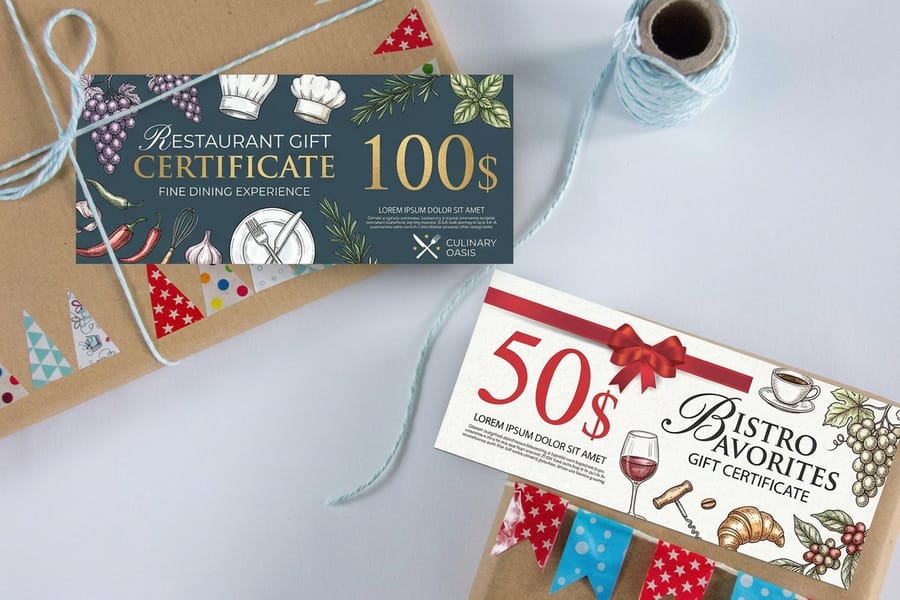
Stock decides how long the coupon survives the pocket it lives in. For a promotion with a deadline weeks away, a coated card stock is enough and the coupon is meant to be spent, not archived. For anything a customer keeps across visits, weight matters more than finish, and a light sheet is the reason a coupon comes back creased and unreadable. Our note on what paper to use for certificates covers the stock choices in detail.
The real fork is paper against plastic. Gift certificates start at $42.84, and the same design as plastic gift cards starts at $226.11. Plastic earns that gap in exactly three situations: the piece carries a stored balance, it lives in a wallet for months, or your point of sale needs to scan it. A single-visit discount on plastic is money spent on something that gets thrown away after one use.
Numbering is the other cost people miss. If you print flat and hand-write the codes, budget real minutes per coupon and accept that handwriting gets misread at the counter. Variable numbering printed with the job removes both problems, and it is what makes the code trustworthy in the first place.
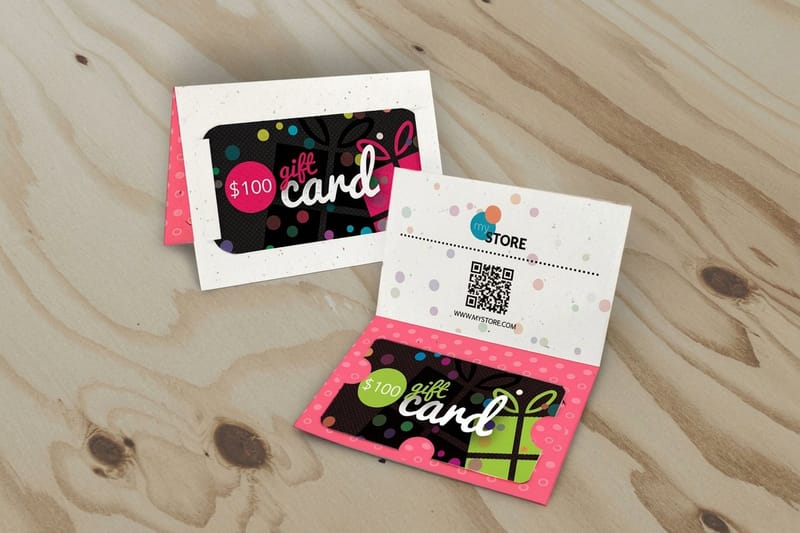
Industry versions save the layout work. Salon gift certificates and restaurant gift certificates ship with the field structure already sized, gift card holders turn a bare card into something you can hand over, and the full range sits under gift certificate printing. If you are still deciding whether coupons or stored-value cards suit the business, read how to offer gift cards for your business first.
Wally builds the coupon
Big offer, small terms, and a code you can look up
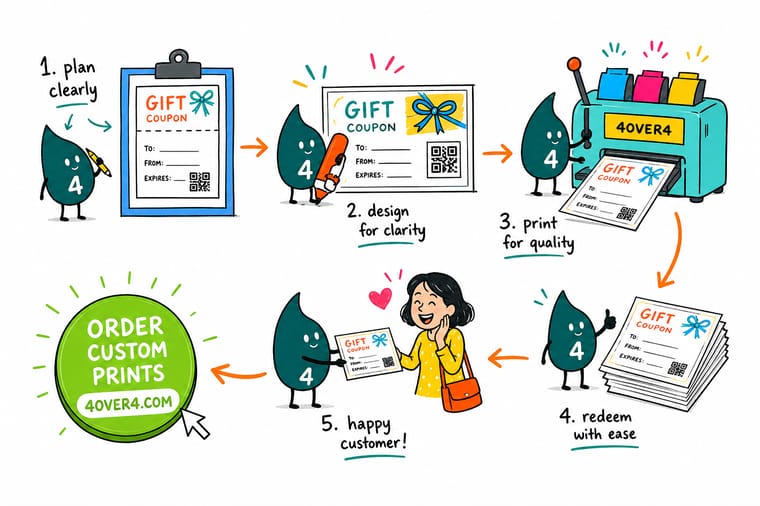
Wally draws six bands before he draws anything pretty. Who is giving it, what the offer is, one line of terms, the code, the date it dies, and how to reach the shop. The offer gets the biggest type because it is read across a counter, not at a desk. The code gets a prefix, a batch stamp, a sequence and a check digit, so when a stack goes missing he cancels that batch alone. Then he pushes the background out to the bleed line and pulls every letter back inside the safety line, because the one job that comes back wrong is the one where the cutter went through the number.
Order gift certificates →Specs and pricing
Coupon and certificate formats, sizes, and starting prices
Compare the paper run against the plastic card and the holder that goes with it, with live configuration choices and starting prices straight from the 4OVER4.COM configurator.
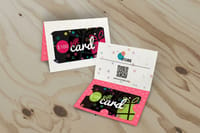
Print it
Print the coupon once the template is right
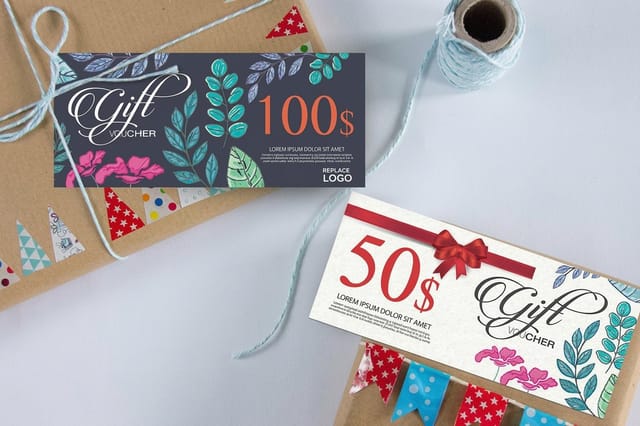
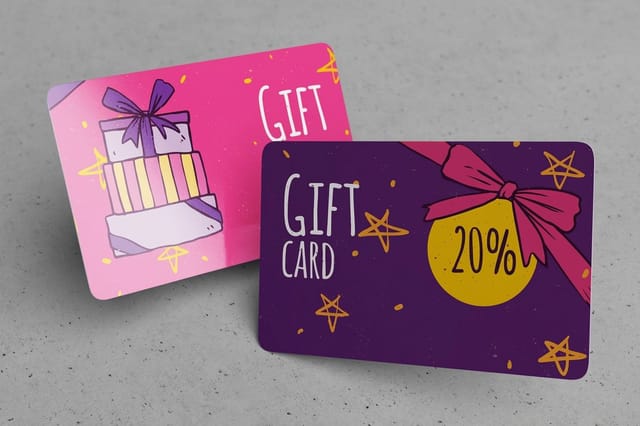
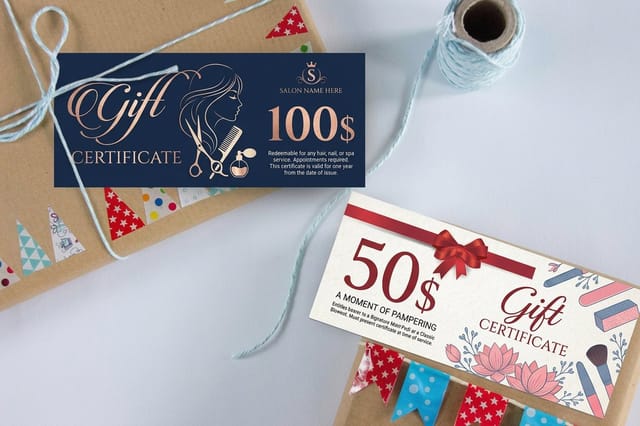
Explore more
Where to go next

By the numbers
Coupons and certificates printed to order at 4OVER4
Common Questions
Your gift coupon template questions, answered
What size should a gift coupon template be?
Pick 3.5 by 2 inches if you want it kept, and 8.5 by 3.67 inches if you want it handed out. The small size is the business card footprint, so it fits a wallet, a card holder and a till drawer, and the offer has to be short. The larger size gives you three coupons from a letter sheet, enough room for a photo of the service and a tear-off stub the shop keeps. A 4 by 6 inch coupon is worth it only when the piece also has to travel as a mailer.
How do I generate redemption codes without buying software?
A spreadsheet does it. Put your offer prefix in one column, the batch stamp in the next, then fill a sequence column down for the run length. For the check digit, add the digits of the sequence and take the remainder after dividing by ten, which is enough to catch most single mistyped digits at the counter. Save that sheet as your master log with a status column, because the code is only useful if you can look it up and mark it redeemed.
What is the difference between a gift coupon and a gift certificate?
A coupon is a discount you gave away. A certificate is value someone paid you for, so it sits on your books as a liability until it is redeemed and it falls under gift card rules. That difference changes the artwork too. A coupon needs the offer in the biggest type on the piece. A certificate needs a clear amount field, a recipient line and a serial number, which is why the layout in our guide to what a blank gift certificate template must carry is laid out differently from the coupon in this one.
Does a gift coupon need an expiry date?
A promotional coupon you handed out for free can carry a short expiry, and a short one usually works better because a deadline is what makes anyone act. Certificates sold for money are the ones fenced in by law. Under the federal Credit CARD Act, funds on a gift certificate sold to a customer generally cannot expire for at least five years, and several states go further and bar expiry on those entirely. Check your state before you print a date on anything that was paid for, and read our notes on gift certificate expiration rules first.
Can I print gift coupons at home instead of ordering them?
For twenty coupons for one weekend, yes. Past that the arithmetic turns. Home printing on 20lb copy paper produces something that folds in a pocket and gets thrown away, ink coverage on solid colour blocks eats cartridges fast, and every sheet has to be trimmed by hand with the code sitting near the cut. Ordered gift certificates start at $42.84 for a printed run on real stock, and the cut is machine straight on every piece.
Should the coupon be paper or plastic?
Paper for a promotion with an end date, plastic for anything a customer is meant to keep and bring back repeatedly. Plastic gift cards start at $226.11 against $42.84 for the paper version, so the plastic only pays off when the card carries a stored balance, sits in a wallet for months, or is scanned by your point of sale. If it is a one-visit discount, plastic is money spent on a piece that gets binned after one use.
Get Started
Ready to print the coupons?
Pick the size, choose your stock, and we print the run with the cut straight and the code clear of the trim on every piece.
Legal Disclaimer
Gold Standard guarantees apply to all standard orders placed through 4over4.com. Price match requires verifiable proof of a competitor's published price for an equivalent product with matching specifications and turnaround time. Satisfaction guarantee covers manufacturing defects and print quality issues. Contact support with order number and documentation. On-time delivery rate based on tracked orders 1999 to 2026. Individual results may vary based on shipping carrier performance.
