
How to Get Cheap Postcard Printing That Still Looks Expensive


Postcard price is decided by five choices: how many you order, what size you trim to, what paper you print on, how you handle the mailing and how fast you need it. Get those right and the cheap card is the good one.
To get cheap postcard printing, order at a quantity break rather than the smallest run, choose a standard trim size that nests efficiently on the press sheet, keep a mid weight stock with an inline gloss or matte coating, drop specialty finishes such as foil and spot gloss, upload a print ready file with correct bleed, book standard turnaround instead of rush, and combine printing with mailing so you pay one supplier instead of two.

Start here
The short version of every postcard quote
Postcard pricing is a fixed setup cost divided by your quantity, plus the paper and ink for each piece, plus whatever extra passes you asked for. That is the whole formula. Ordering more pieces shrinks the first term, choosing a standard size and stock keeps the second term honest, and skipping specialty finishes removes the third term entirely. Mailing sits alongside it as a separate cost that shrinks when print and mail happen under one roof.
Why most cheap postcard orders end up costing more

The postcard is still one of the least expensive ways to put an offer in somebody's hand, which is exactly why so many people overpay for one. The waste rarely comes from the printer. It comes from a run that was too small to earn a price break, a custom trim nobody needed, and a file that had to be fixed twice before it could go to press.
Getting a cheap postcard is not a matter of finding a cheaper vendor. It is a matter of understanding which four or five decisions actually move the number on the invoice, then making those decisions deliberately instead of by accident. Everything else, the stock brand, the coating name, the sales pitch, moves the price by pennies.
This guide walks the decisions in the order they hit your cost, from quantity down to turnaround, and points at the moments where paying a little more genuinely pays you back. If you are pricing other formats at the same time, the same logic is worked through for large format in cheap banners without cheap quality and for wall work in cheap photo and poster prints.
What cheap postcard printing actually means

Cheap, in commercial printing, is a description of the production path, not the product. A cheap postcard is one that fits the press the way the press wants to be fed. Standard trim, standard stock, both sides printed in one pass, gang run alongside other jobs of the same specification, cut on a schedule the plant already had planned.
The moment you step off that path, cost appears in places that have nothing to do with quality. A nonstandard size means a custom cutting die or a wasteful nest on the sheet. A specialty coating means a second pass through a separate machine. A two day deadline means the job jumps a queue that somebody else was already occupying.
So the goal is not to buy a worse card. The goal is to buy a card that looks and feels like it cost more than it did, by refusing to pay for the things nobody in your audience will ever notice. Everything in the sections below sorts your options into those two piles.
Quantity breaks are the single biggest lever on price

Before a single card prints, the press has to be set up. Files are imposed, plates or digital fronts are prepared, color is checked against the proof, the sheet is registered, and the cutter is set to the trim. Those steps take the same time for a small run as for a large one, and their cost is divided across whatever quantity you order.
That division is why the unit price falls so sharply at the low end. Going from a few hundred cards to a few thousand spreads the same fixed setup across many more pieces, and the cost per card drops fast. Push further and the curve flattens, because at that point you are mostly buying paper and ink rather than paying off the setup.
The practical move is to find the point where the curve flattens and buy there, provided you can actually use the cards before the offer expires. Price two or three quantities on the live table and look at the cost per piece rather than the total. That single comparison usually saves more than every other decision in this guide combined.
Standard sizes beat custom sizes on every invoice

Presses print on large sheets, and every finished card is cut out of one. A standard postcard size is standard precisely because it tiles across that sheet with almost nothing left over. A custom size, even one only slightly off, can leave strips of unusable paper on every sheet, and you pay for the whole sheet regardless.
Standard sizes carry a second saving that is easy to miss. They fall inside the dimension rules that qualify a card for the better postal rates, which means the same choice that lowers your print cost also lowers your postage. Step outside those dimensions and you can pay twice, once at the press and again at the post office.
If a distinctive shape is genuinely part of the idea, price it honestly against a standard card printed at a larger quantity and see which one puts more pieces in more hands. Sometimes the shape wins. Usually the extra thousand cards does.
Stock and coating: where to spend and where to save
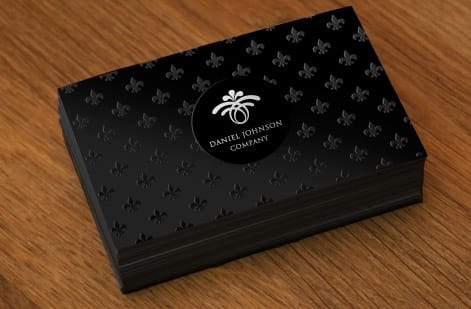
Paper weight is the one place where spending a little more is almost always worth it. Weight is what a recipient feels in the first quarter second, before they read a word, and a card that flexes like a flyer reads as disposable no matter how good the design is. The jump from the lightest stock to the mid weight board is small in money and large in perception.
Coating is where you can relax. A standard high gloss finish makes photography snap and costs almost nothing extra because it is applied inline. Matte gives a softer, more premium feel and sits at a similar price. Uncoated is the one to pick if anybody needs to write on the card, since ink will not sit on a glossy face.
Where coating starts costing real money is in the specialty tier. Soft touch laminate, spot gloss over a matte field, and any raised effect all require a separate pass on separate equipment. They are beautiful. They are also the first line item to cut when the goal is the lowest cost per card in the mailbox.
Finishes and extras, ranked by what to cut first
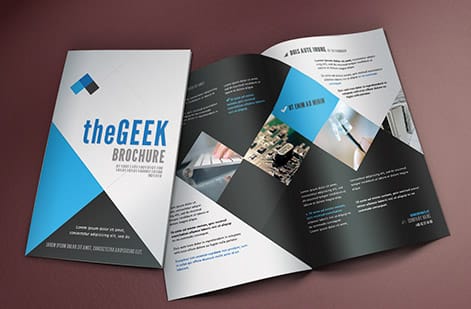
Every add on is a separate operation, and separate operations carry setup costs of their own. Ranked from most expensive to least, the usual suspects are foil stamping, raised effects, die cutting, spot gloss, soft touch laminate and rounded corners. Cutting from the top of that list frees the most budget for the fewest sacrifices.
Rounded corners sit at the bottom for a reason. They are cheap, they read as considered, and they survive a wallet or a fridge magnet better than a sharp corner does. If you want one visible signal that you did not buy the cheapest possible card, that is usually the best value on the menu.
The exception is a card that has to compete on the shelf rather than in the mail, where a specialty effect can earn its keep. Lenticular work is the far end of that spectrum and is worth understanding before you dismiss it, which is covered in 3D lenticular postcards.
File prep is the free way to avoid a reprint
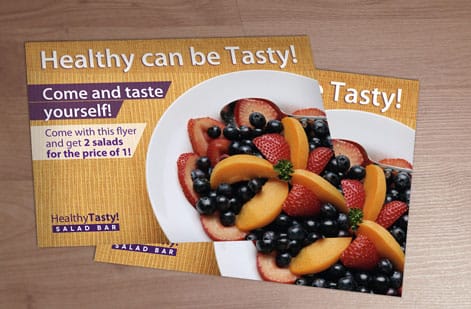
Nothing destroys a budget faster than reprinting a job that was technically fine except for one detail. The three that cause most reprints are artwork built without bleed, so a hairline of white shows after trimming, text placed too close to the cut, and images at screen resolution that turn soft on paper.
Fix all three before you upload. Extend every background element past the trim, keep type well inside the safe area, and supply images at print resolution at the size they will actually appear. Build the file in the print color space rather than the screen one so the reds and blues that look electric on a monitor do not arrive muted and surprising.
If you would rather not fight any of it, start from a template already built to the correct trim and bleed. It removes the entire category of error, costs nothing, and gets your file through prepress on the first pass. For layout inspiration that survives a small canvas, 10 postcard examples for small businesses is a useful place to start.
Print and mail together to cut the largest hidden cost

For most campaigns, printing is not the biggest line on the budget. Getting the cards into mailboxes is. And the way that cost quietly inflates is by splitting the job across two suppliers, because then you are paying freight from the printer to the mail house, a second handling fee to receive and process the stack, and a second margin on top.
Ordering print and mailing as one service removes all three. The cards never leave the building as loose freight, addressing happens as part of production, and the mail stream is prepared by people who already know the specification because they printed it. One workflow, one point of contact, one invoice.
Design for the mail from the first sketch rather than adapting later. Reserve the address panel, keep the indicia area clear, and hold the trim inside the dimensions that qualify for the better rate. A card that has to be redesigned to mail is a card you paid for twice.
Pay for paper, not for panic

Expedited production is real work, not a surcharge invented to punish latecomers. Jumping a job forward means rescheduling the press, running shorter batches, and sometimes paying overtime, and that cost lands on the order that caused it. It is also completely avoidable with a calendar.
Work backwards from the date the cards need to be in hand. Add transit time based on distance, then standard production, then a buffer for prepress in case a file needs a small correction. That total is your real deadline for uploading artwork, and it is usually earlier than people expect.
When a deadline genuinely cannot move, there are smarter ways to buy speed than paying top tier rush on the whole run. The tactics carry over from signage, and how to get cheap signs fast lays them out in detail.
A cheap postcard order that still performs
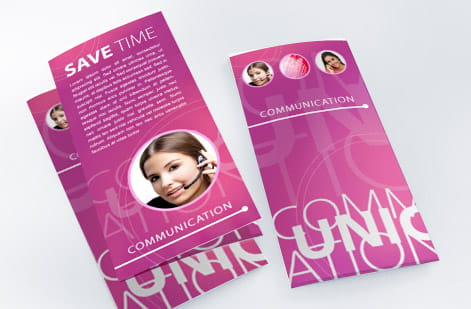
Put the decisions together and the shape of the order is clear. Pick a standard trim size that qualifies for the better mail rate. Choose the mid weight stock rather than the lightest one, because that is the piece your recipient physically feels. Take the inline gloss or matte coating and skip the specialty passes. Print both sides, since the second side costs far less than the first and doubles the space you have to sell.
Then order at the quantity where the cost per piece flattens, upload a print ready file the first time, book standard turnaround, and let the mailing happen in the same place the printing does. That order is not a compromise. It is the version of the job that spends money only on the parts your audience can see.
Before you commit a large run to a stock you have never touched, order free paper samples and hold the weights next to each other. It costs nothing, takes a few days, and settles the one decision that people second guess most. If you are still comparing suppliers, the PrintDirtCheap comparison shows what changes when you line the specifications up side by side.
Wally explains cheap postcards
The cheapest card is the one the press already knows how to make
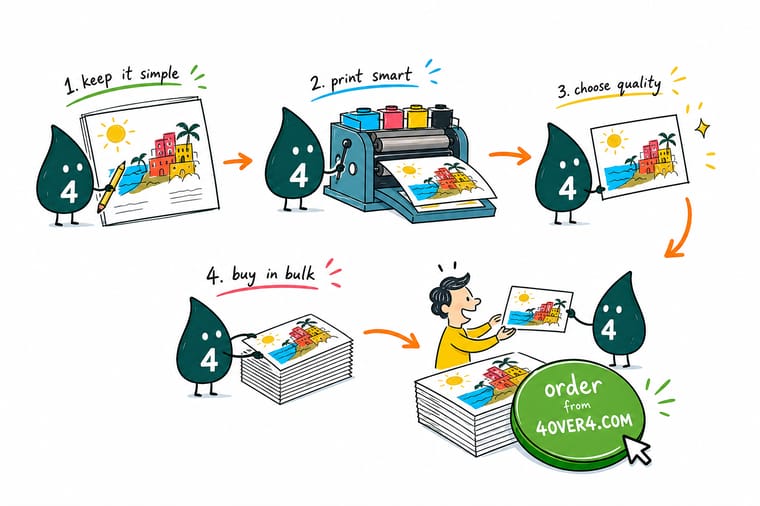
Wally thinks about it like a bus. The driver, the fuel and the route cost the same whether two people ride or forty, so every extra seat you fill makes the ticket cheaper for everyone. A press run works the same way. Setup happens once, so the more cards ride along with it, the less each one costs. Stay on the standard route, fill the seats, and skip the detours.
Configure your postcards →Infographic
Seven ways to bring the cost per postcard down
One frame, seven levers, ordered roughly by how much each one moves the invoice. Save it and run through the list before you place the order.
No single lever wins on its own. A standard size at a real quantity break, printed on stock you would be happy to hand somebody, mailed from the same building, is where the cheap card and the good card turn out to be the same card.
Specs and pricing
Postcard specs and live pricing
Move one variable at a time and watch what happens to the cost per piece. The quantity column is where the biggest change usually shows up, and the stock column is where a small increase buys the most perceived value.

| Quantity | Price Per Unit | Total |
|---|---|---|
| 50 | 33.0¢ | $16.48 |
| 100 | 24.2¢ | $24.16 |
| 200 | 15.9¢ | $31.86 |
| 300 | 12.8¢ | $38.45 |
| 400 | 11.3¢ | $45.04 |
| 500 | 10.3¢ | $51.62 |
| 600 | 9.89¢ | $59.31 |
| 700 | 9.57¢ | $67.00 |
Print it
More ways to print with 4OVER4
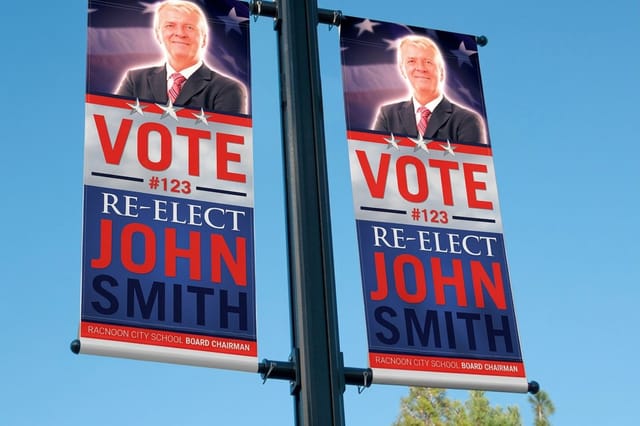

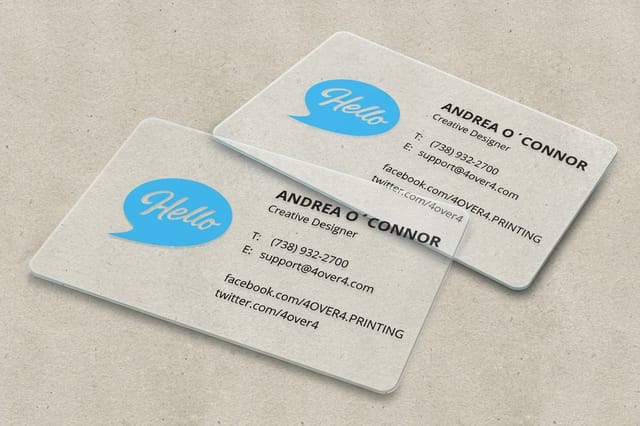
See it in use
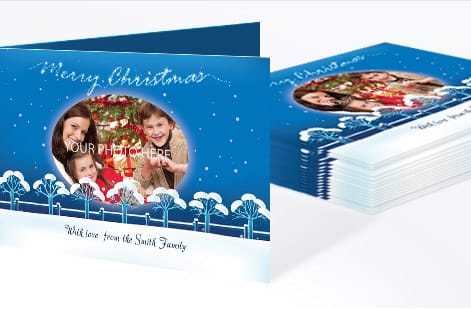
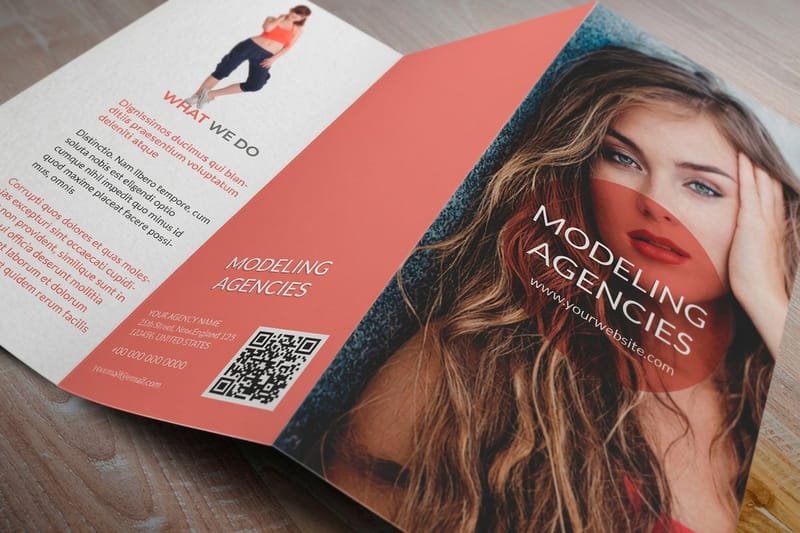
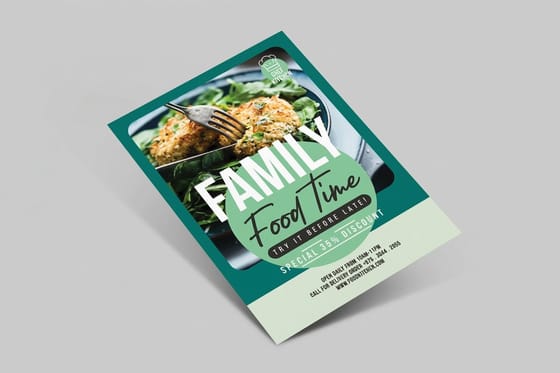
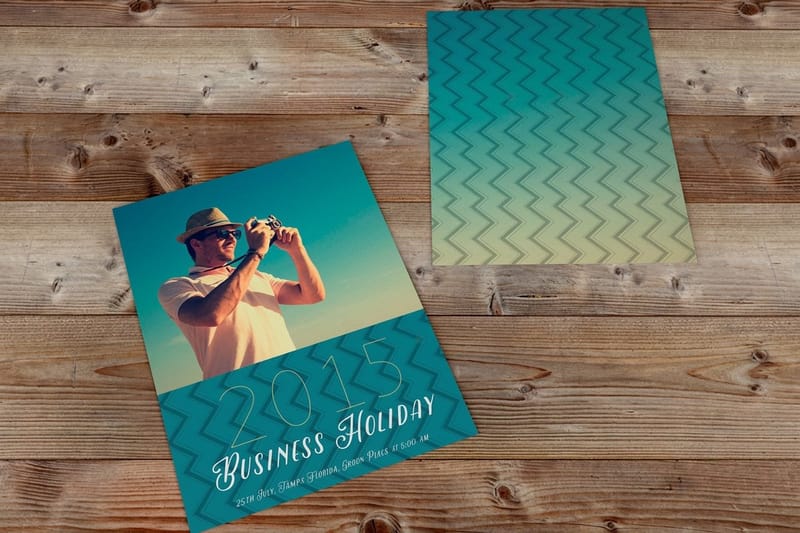
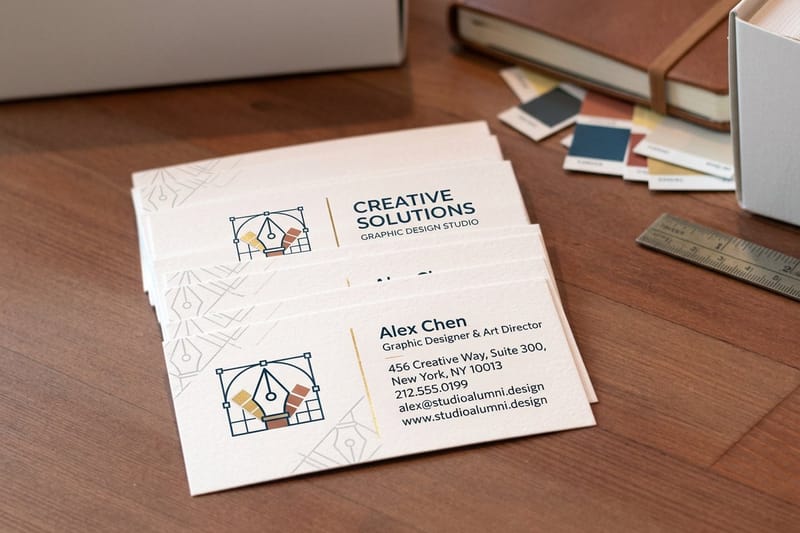
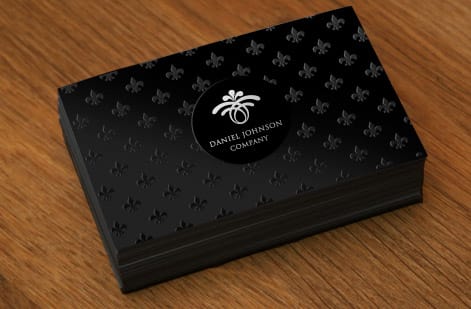
Real postcard work, printed in-house




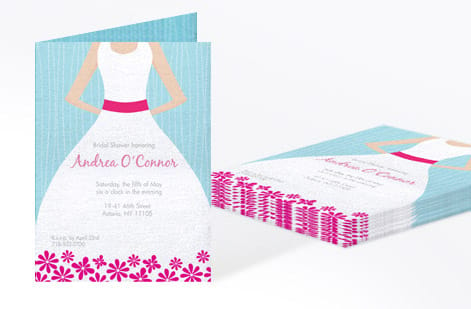


Explore more
Where to go next







By the numbers
Printing you can count on at 4OVER4.COM
Common Questions
Common questions about cheap postcard printing
What is cheap postcard printing?
Cheap postcard printing is a full-color card produced on standard stock, at a standard trim size, in a quantity large enough that the press setup is spread thin across the run. Nothing about it is lower grade. You are simply removing the choices that force extra passes, extra handling and extra waste, so the price falls toward the raw cost of paper, ink and one clean run through the press.
How do I choose the right cheap postcard printing?
Start from the job the card has to do. A save the date sitting on a fridge for months wants a heavier board and a matte face you can write on. A weekend promotion that lives for four days can run lighter and glossier. Once the job is clear, pick the closest standard size, the mid weight stock, and the largest quantity you will realistically use before the offer expires. That combination is almost always the lowest cost per response.
What does cheap postcard printing cost and how are prices set?
Price is built from quantity, trim size, paper weight, coating, the number of printed sides and how fast you need it. Quantity moves the number the most because setup is a fixed cost divided across the run. Live pricing for every size and stock combination is shown on the postcard product page, so you can move one variable at a time and watch the cost per piece change before you order.
What sizes, stocks and finishes are available for cheap postcard printing?
The common sizes run from pocket size cards up to oversized mailers, with the mid range sizes nesting most efficiently on the press sheet. Stocks range from light card weights to thick premium board, and coatings include high gloss, soft matte and uncoated writable surfaces. Specialty options such as soft touch, foil and spot gloss are available, but they sit above the budget tier and are the first extras to drop when price matters.
How long does cheap postcard printing take to print and ship?
Standard production for a straightforward postcard run is measured in business days, not weeks, with transit added on top based on where the boxes are going. Expedited tiers exist and they work, but they carry a premium. Booking the job at standard turnaround and building a few extra days into your campaign calendar is the simplest discount available on any print order.
Does printing more postcards really make each one cheaper?
Yes, and the effect is steep at the low end. Plate setup, press makeready, color checks and cutting happen once whether you print five hundred cards or five thousand. Spreading those fixed steps across more pieces drops the unit cost quickly at first, then flattens out. The practical move is to find the break where the curve flattens and order there.
Can I keep the price low and still mail the postcards?
You can, and mailing is often where the savings are largest. Postcards qualify for favorable mail rates when they stay within standard dimensions, and printing and mailing through one supplier removes the freight leg, the second handling fee and the second markup. Design to the mail panel rules from the start so the card never has to be redesigned or reprinted to qualify.
Get Started
Ready to print postcards for less?
Pick a standard size, a stock you would be proud to hand over, and a quantity that earns the break. 4OVER4.COM prints and mails the whole run in one place.
Legal Disclaimer
Gold Standard guarantees apply to all standard orders placed through 4over4.com. Price match requires verifiable proof of a competitor's published price for an equivalent product with matching specifications and turnaround time. Satisfaction guarantee covers manufacturing defects and print quality issues. Contact support with order number and documentation. On-time delivery rate based on tracked orders 1999 to 2026. Individual results may vary based on shipping carrier performance.
