
How to Design Custom Discount Cards That Bring Customers Back


A discount card has one job: get someone back through the door a second time. Here is how to size it, what belongs on each side, and how to make the redemption something you can actually count.
Put the offer in the biggest type on the front, move the terms, the expiry and the code to the back, and print at credit card size, 3.375 by 2.125 inches, with an eighth of an inch of bleed. Everything else follows from two decisions: plastic or card stock, and whether you need to know which individual cards came back. Plastic Discount Cards start at $226.11 and last for years in a wallet. Standard Business Cards start at $17.57 and are the cheap way to test an offer before you commit to plastic.

Quick answer
One offer on the front, the machinery on the back
A discount card works when the offer reads from arm reach and the redemption is countable. Set the offer as the dominant element, keep the qualifier to one line, and push terms, expiry and the barcode to the reverse. Build the file at 3.375 by 2.125 inches with bleed all round and type an eighth of an inch inside the trim, because the rounded corners on a plastic card cut across the layout. Then decide how you will track it: a single code for every card if you only need a redemption count, variable data numbering if you need to know which card came back.
Discount, Loyalty, Gift or Membership: Choose Before You Open a Layout
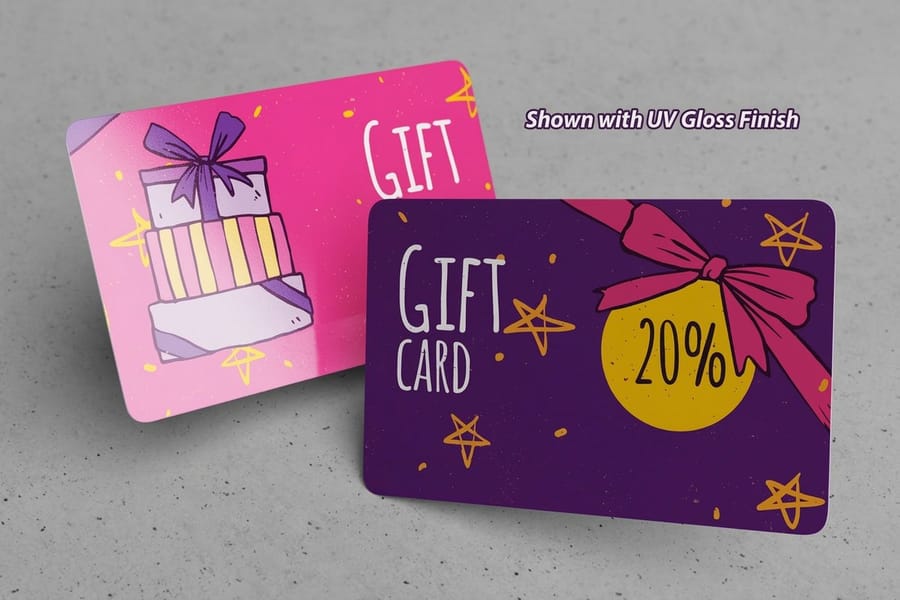
These four cards look almost identical in a wallet and behave nothing alike at the counter, which is why so many of them end up doing two jobs badly.
A discount card carries a standing offer. Twenty percent off, ten dollars off fifty, free delivery on a second order. Every card in the run says the same thing, which is exactly why it is the cheapest of the four to print. A loyalty card records something over time, so it needs a place to put a punch, a stamp or a scan, and a rule for what happens at the tenth one. Our loyalty card guide covers those mechanics properly. A gift card carries value, which means it needs a code tied to a balance in a system that can decrement it. A membership card identifies a person, so it needs a name, a number and usually a date.
Decide which one you are actually printing, because the answer sets your artwork. The discount card is the only one of the four that can be identical on every piece, and identical is what keeps the price down. If you catch yourself adding punch circles to a discount card so it can also be a loyalty card, stop and print two cards, or accept that the loyalty side needs a surface someone can mark. The full range sits in the plastic cards collection if you want to see the formats next to each other.
Plastic or Card Stock, and What Each One Really Costs
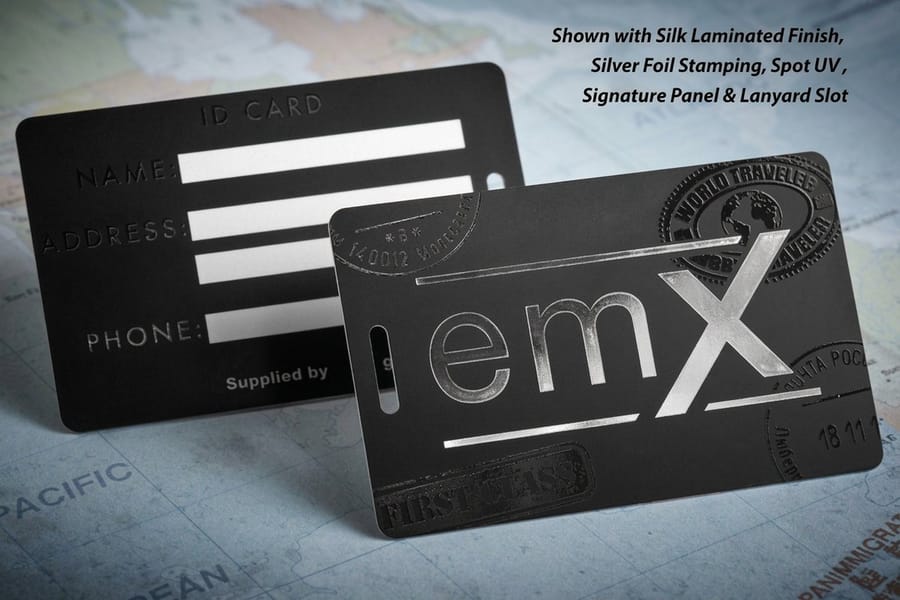
This is the decision that sets your budget and your redemption rate, and it comes down to how long the card has to stay in a wallet.
| Option | Life in a wallet | Where it wins | Starts at |
|---|---|---|---|
| Plastic discount cards | Years. Survives water, back pockets and keys. | An offer you intend to run indefinitely for regulars. | $226.11 |
| Card stock cards | Weeks. Corners soften, then it creases. | Testing a new offer across a few hundred customers. | $17.57 |
| Gift certificates | Until it is redeemed. Usually kept flat, not carried. | A one time value handed over in an envelope. | $42.84 |
| Plastic key tags | Years, and it travels on a keyring instead of a wallet. | Customers who scan at a till on every visit. | $309.69 |
Read the last column against the first. Plastic is not expensive per card, it is expensive to start, because the press setup and the lamination only make sense in quantity. That entry cost is a good reason to prove the offer on paper first. Print card stock, hand out three hundred, count what comes back, then reprint the winner on plastic with the wording you learned from the first round.
Plastic has two limits worth naming before you commit. A ballpoint will not write on gloss PVC, so any plan that involves staff dating or naming the card at the counter needs a signature panel or a different stock. And a 30mil card cracks under a counter punch rather than cutting cleanly, which rules out the classic ten punch card in plastic. If the thickness and finish options matter to you, the 30mil plastic card materials guide goes through clear, frosted and white PVC.
Design the Front for Arm Reach and the Back for the Register
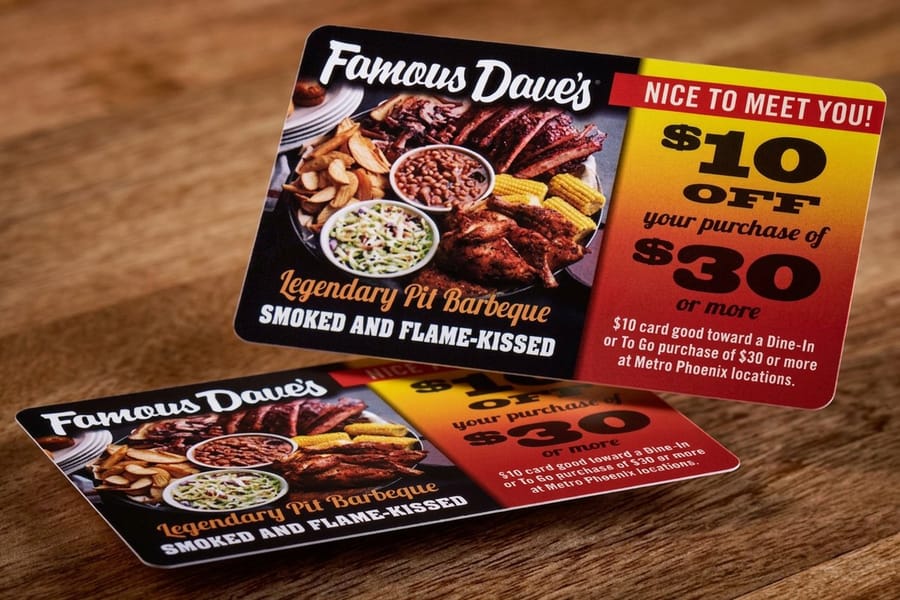
Split the card in two before you place a single element. The front has one job, which is to make the offer readable in the second someone glances at it. The back carries everything that only matters once they decide to use it.
On the front, the offer is the largest thing on the card, by a wide margin. Your logo comes second and can be small, because nobody keeps a card for a logo. Add one line of qualifier under the number, no more, and resist the urge to list exclusions here. Set the number in a weight heavy enough to hold up on a dark background if you are printing white type on color, since thin type reversed out of a solid loses its counters in print more than it does on screen.
On the back go the terms, the expiry date, the barcode or QR code, your phone number and your address or web address. Three or four lines of terms at 7 or 8 point is comfortable. Six point is legible but unkind, and a customer who cannot read the rules argues about them.
Build the file at the finished size with an eighth of an inch of bleed on all four sides, and keep every piece of type at least an eighth of an inch inside the trim line. Plastic cards are cut with rounded corners, and the curve eats into the corner of the layout, so nothing readable belongs in the corners at all. Start from the correctly sized plastic discount card template and you inherit the bleed and safety marks rather than guessing at them. If you are going the card stock route instead, the business card size guide has the same measurements for 3.5 by 2 inch stock, and plastic business cards use the same CR80 layout as the discount card.
Barcodes, QR Codes and Sequential Numbers That Actually Scan
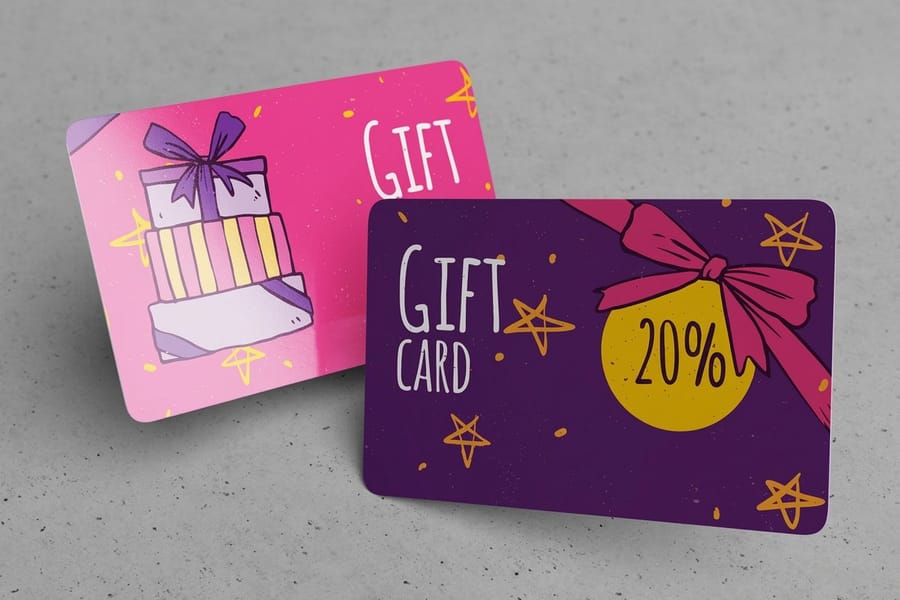
A code on a card is worth printing only if it survives the counter. Three things break scanning, and all three are set in the artwork long before the card reaches a till.
The quiet zone. A barcode needs a clear margin at each end with nothing in it, no type, no rule, no border. The scanner uses that blank space to find where the code begins and ends, so a logo tucked up against the bars is not a design flourish, it is a failed scan. Contrast and direction. Dark bars on a light ground, never reversed, because the reader measures reflected light rather than shape. Proportion. Scale a code up or down evenly, never stretched to fill a gap, since the width relationship between the bars is the data.
Then the part most people find out too late: a standard print run puts identical artwork on every card. A barcode sitting in your file prints the same on all five hundred, which is fine when the card is scanned as a single promotional SKU and you only want to know how many were redeemed. If you need to know which card came back, that is variable data numbering, applied per card from a data file you supply. It changes the artwork handoff and the price, so raise it while you are quoting rather than after the plates are ready.
There are two cheaper ways around it. A scratch-off panel hides a code the customer reveals at redemption, covered in our scratch-off card guide. A QR code pointing at a landing page moves the tracking to your website, where a form or a session tells you who redeemed and when. The complete QR code guide covers sizing and error correction, and if the card has to talk to a point of sale system directly, read the guide to magnetic stripes and barcodes first. Products that carry variable codes and scannable panels sit in the barcoding collection.
The Fine Print That Prevents an Argument at the Counter
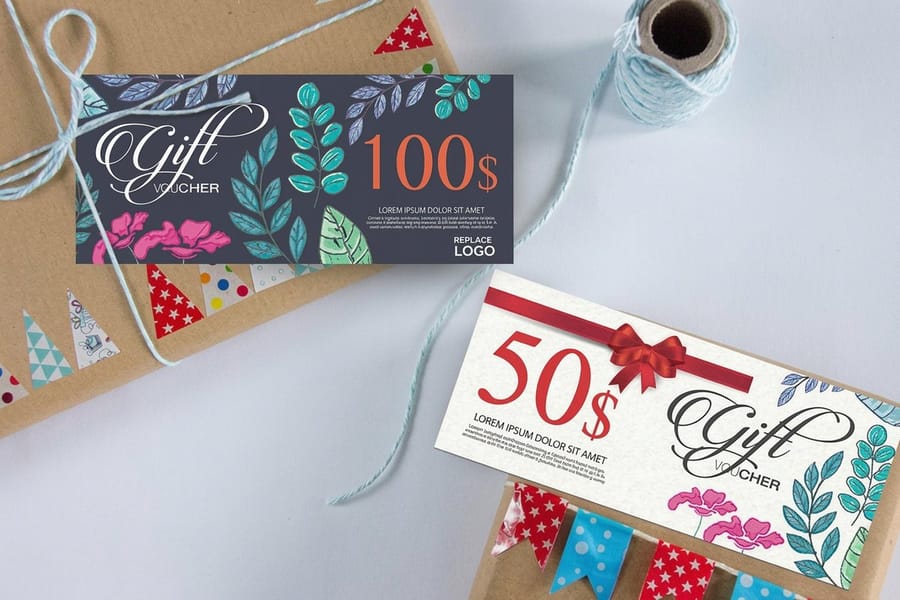
Every line of terms you print is a conversation your staff do not have to have. Five lines cover almost every dispute: what the offer applies to, what it excludes, how often it can be used, when it expires, and who to contact.
Write the expiry as a calendar date. Expires 12/31/26 is enforceable at a glance. Valid for 90 days is not, because it depends on a handover date nobody recorded, and the staff member holding the card has no way to check. If the card is plastic and you want it to keep working as a reminder of your brand from inside a wallet, give it twelve to eighteen months rather than a quarter.
Be specific about frequency, because this is where most arguments start. One use per customer, one use per visit and unlimited use are three completely different offers, and a card that says none of them defaults to whatever the customer believes. Add not valid with other offers if you run promotions, and name the locations if you have more than one and the card only works at some of them.
One thing not to copy across: stored value gift cards are regulated differently from a promotional discount card in many states, particularly around expiry and fees. Do not lift the terms from a gift certificate onto a discount card or the other way round, and check what applies where you trade. If a gift card is really what you want, the guide on offering gift cards for your business and the gift cards range are the right starting points.
Wally explains discount cards
Big offer up front, all the admin on the back
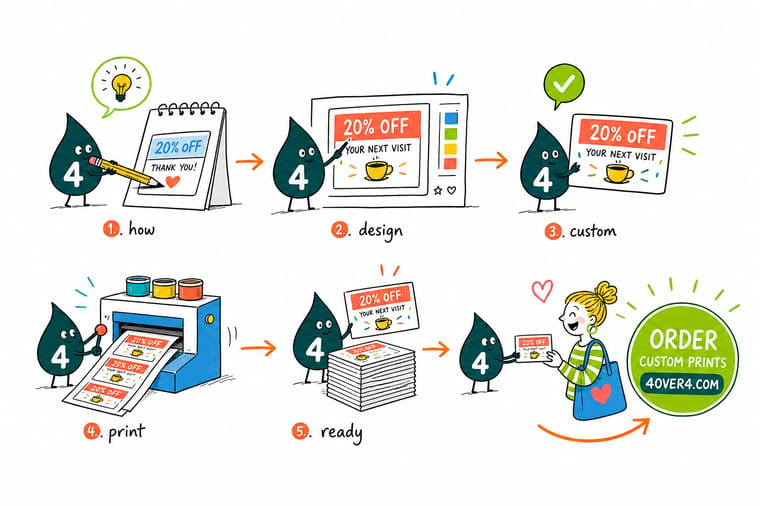
Wally puts one number on the front of the card, large enough to read across a counter, and shifts every rule to the back where it belongs. He leaves a clear margin at both ends of the barcode so the scanner can find it, prints an actual expiry date instead of a vague number of days, and keeps type out of the rounded corners. Then he asks the only question that changes the price: does every card need its own number, or will one code for the whole run tell him what he needs to know?
Order plastic discount cards →Specs and pricing
Card options, sizes and starting prices
Compare the plastic card formats side by side, with live configuration choices and starting prices straight from the 4OVER4.COM configurator.

Print it
Order the card your offer deserves

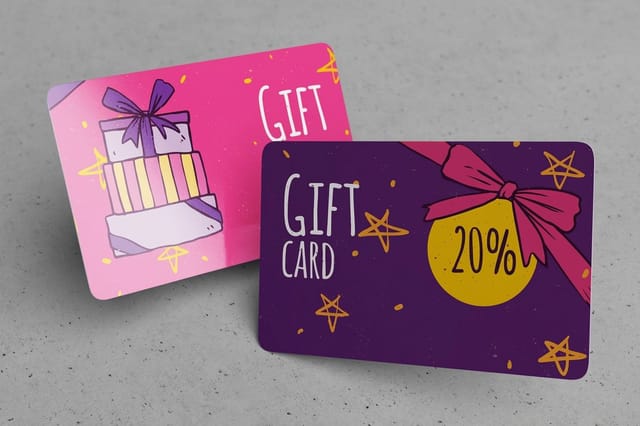
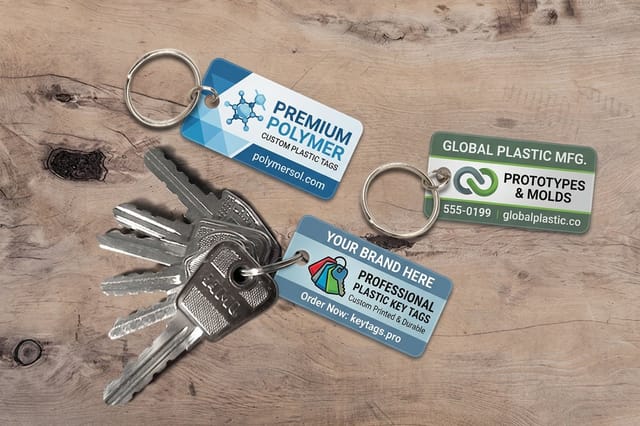
Explore more
Where to go next

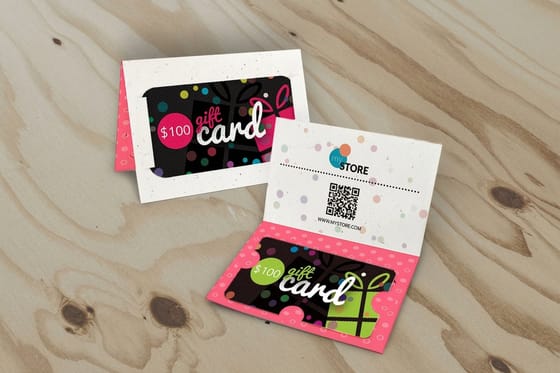
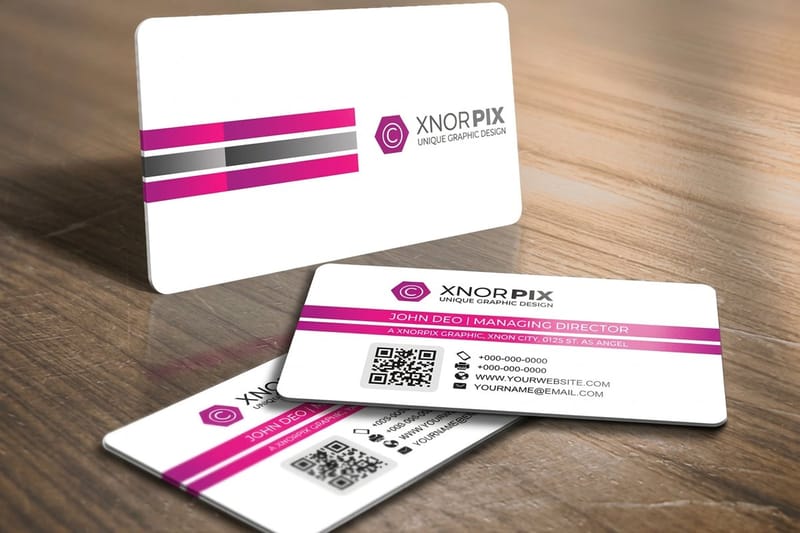
By the numbers
Card printing you can count on at 4OVER4
Common Questions
Your discount card questions, answered
What size should a custom discount card be?
Credit card size, 3.375 by 2.125 inches, if you want it to live in a wallet slot. That is the CR80 format plastic cards are cut to, and it is the reason a plastic discount card stays in circulation while a flyer does not. If you are printing on card stock instead, use standard business card size, 3.5 by 2 inches, which fits the same slots loosely and costs a fraction as much. Build the artwork with an eighth of an inch of bleed on every side and keep type an eighth of an inch inside the trim.
Should discount cards be plastic or paper?
Plastic when the card has to survive months of use, paper when you are still testing whether the offer works. A 30mil plastic card takes wallet abuse, water and a back pocket, and Plastic Discount Cards start at $226.11. Card stock creases within weeks, but Standard Business Cards start at $17.57, so you can put an untested offer in front of a few hundred customers for the price of lunch. The honest rule: prove the offer on paper, then reprint the winner on plastic.
Can a discount card carry a barcode that scans reliably?
Yes, if you protect three things. Leave the quiet zone clear, meaning a blank margin at both ends of the code with no type, logo or border crowding it, because that margin is how a scanner works out where the code starts and stops. Keep the bars dark on a light background, never reversed, since scanners measure reflected light. And scale the code proportionally, never stretched to fill a space, because distorting the bar widths distorts the data they encode. Test a printed proof on the actual scanner at your counter before you approve a full run.
Can every card have its own number?
Not from a standard print run. Standard printing puts identical artwork on every piece, so a barcode or number placed in your file is the same on all of them. Unique numbering is a variable data job: the numbers are supplied as a data file and applied per card, which affects both how you build the artwork and what the run costs. Ask about it before you place the order rather than after. If all you need is a code the customer cannot see until they redeem, a scratch-off panel is usually cheaper than serializing the whole run.
Do discount cards need an expiry date?
They do not legally need one in the way stored value gift cards are regulated, but leave it off and you are honoring that offer years from now with no way to close it out. Print a fixed calendar date on the back rather than a duration. A duration only works if someone records the handover date, which at a busy counter nobody does. If you want the card to stay in the wallet as a reminder of your brand, give it a long date, twelve or eighteen months, rather than no date at all.
Can staff write a name or a date on a plastic card?
Not with a ballpoint. Ink slides off a gloss PVC surface and smears with the first touch. If handwriting is part of your process, either order the card with a signature panel, keep a matte area in the design for a permanent marker, or use card stock instead. The same limit rules out punch cards in plastic: a counter punch that goes through 14pt stock cracks a 30mil PVC card rather than cutting it cleanly.
Get Started
Ready to put your offer in a wallet?
Pick your stock, set the size, and we print discount cards that read from across a counter and survive the months it takes for a customer to come back.
Legal Disclaimer
Gold Standard guarantees apply to all standard orders placed through 4over4.com. Price match requires verifiable proof of a competitor's published price for an equivalent product with matching specifications and turnaround time. Satisfaction guarantee covers manufacturing defects and print quality issues. Contact support with order number and documentation. On-time delivery rate based on tracked orders 1999 to 2026. Individual results may vary based on shipping carrier performance.
