
How to Design Branded Paper Bags That Work as Walking Ads


Kraft or white, which handle holds a real load, the two sizes most shops need, and the part of the panel that people actually read while the bag is being carried.
Put the mark in the upper half of the front panel, centered, at roughly half the panel width, and pick kraft only if your artwork is one or two solid dark colors. Brown kraft has no white underbase, so pale tints go muddy and white type has to be knocked out. On a 10 inch bag the top inch turns inward over the handle patch and the bottom inch and a half folds under the base, which leaves about 7.5 inches of flat panel to design on.
Quick answer
Design for the top half of the panel, then pick the stock
A paper bag is read at hip height from a few feet away, so the mark belongs in the upper half of the front panel at about half the panel width. Subtract the turnover hem at the top and the fold-under at the base and a 10 inch bag gives you roughly 7.5 inches of flat height. Keep artwork between the two gusset creases, because ink across a crease cracks along the fold. Choose kraft for one or two solid dark inks and white when brand color, tints or a photograph have to hold.
Kraft or White, and What Each Stock Does to Your Ink
The stock decision comes before the artwork decision, because brown kraft changes every color you put on it. There is no white underbase on a bag, so the ink sits directly on a warm brown ground and mixes with it optically. A pale blue turns grey-green. A soft pink turns beige. White type cannot be printed at all in most bag processes, it has to be knocked out so the brown shows through, which is a different design.
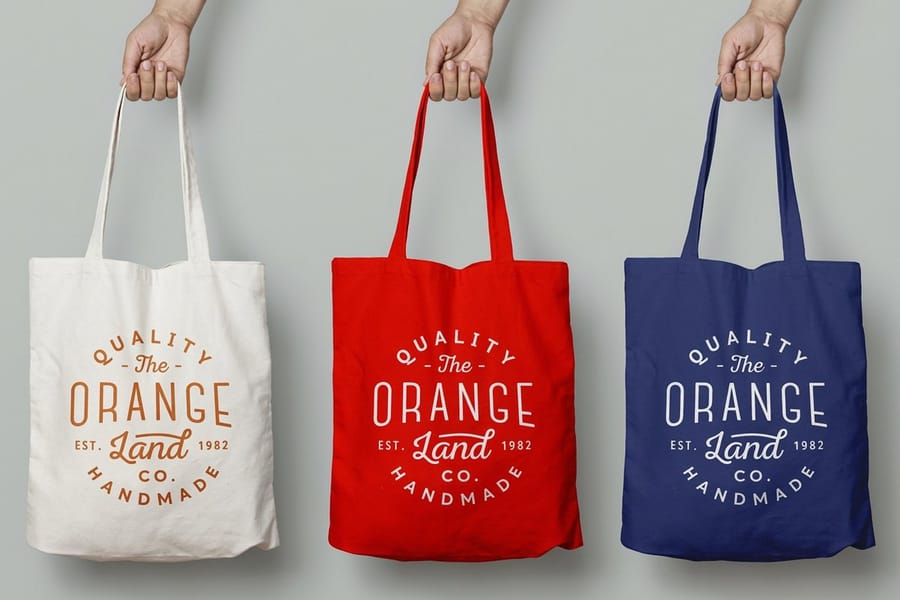
What kraft does beautifully is one or two solid dark inks. A black wordmark, a deep green mark, a burgundy rule across the top of the panel. The brown reads as material rather than as a background, which is why so many independent shops look more considered on kraft than on a printed white bag. It is also the more forgiving stock in a wet hand, since the recycled fibre hides handling marks that show on a white coated bag within a day.
White bags earn their price when brand color accuracy matters. Clay-coated white holds a Pantone close to the swatch, supports light tints and gradients, and lets a photograph survive. If your identity depends on a specific corporate blue, do not fight kraft for it. The same trade-off runs through every stock we print on, and the paper stocks guide shows how kraft, matte and gloss handle the same file.
There is a third route worth naming. Order plain kraft bags and put the color on something else: a printed packaging label from $29.16 on a white face stock will hold a tint that the bag never could, and it sits on the bag as a deliberate seal rather than a compromise.
Sizes That Sell and Handles That Survive the Walk Home
Most retailers need two sizes, not six. A small bag near 5.25 by 3.5 by 8.25 inches handles jewelry, cosmetics and small gifts. A medium near 8 by 4.75 by 10 inches takes a folded garment or a boxed pair of shoes. Apparel adds a large around 16 by 6 by 12 inches. Size the bag to your tallest regular item plus about an inch of clearance, because anything sticking out over the hem undoes whatever the printing cost you.
Handles are a load-bearing choice before they are a style choice. Pick for the heaviest thing you sell, not the average.
| Handle | How it attaches | Holds up to | Where it fits |
|---|---|---|---|
| Twisted paper | Glued to a reinforcing patch behind the hem. | Heavy retail loads without cutting into the hand. | The default for apparel, shoes and anything with weight. |
| Flat paper | Glued to the same patch, wider and flatter. | Medium loads, more comfortable than twisted when full. | Grocery, bakery, takeaway. |
| Die-cut | Punched straight through the folded hem, no patch. | Light loads only, tears at the punch first. | Cheapest option, boutique and event giveaways. |
| Rope or ribbon | Knotted or crimped through eyelets in the hem. | Heavy loads, and it survives being reused. | Luxury retail, where the bag is meant to be kept. |
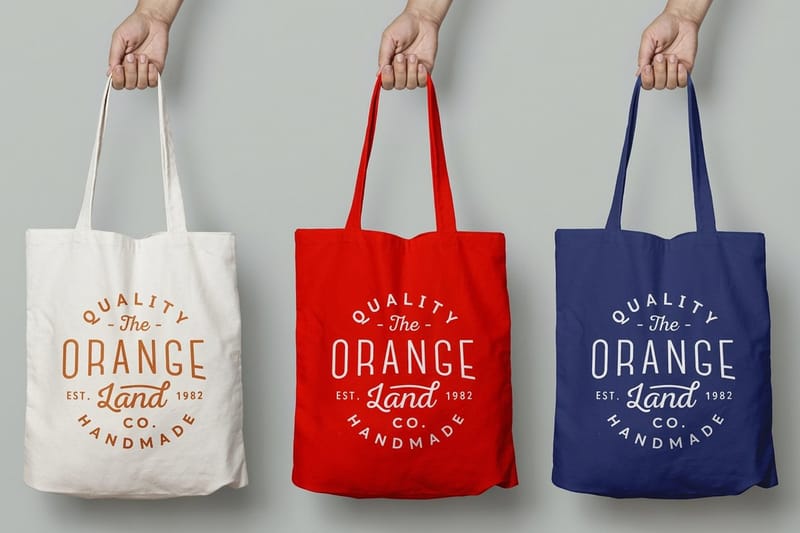
Two details decide whether the handle lasts. The reinforcing patch behind the hem is what actually carries the weight, so a bag without one fails at the fold regardless of handle type. And handle color is a separate line on the quote: matching a twisted handle to a brand color usually costs more than the extra ink you were arguing about. If your customers walk any distance, a printed tote bag from $22.73 gets reused for months and beats a paper bag on cost per view, even though it costs more the day you buy it.
Logo Placement on a Bag That Moves
A bag is read in motion, from four to fifteen feet away, at hip height, while it swings. That single fact settles most of the placement questions people argue about.
Start by subtracting the parts nobody sees. On a 10 inch bag, the top inch is the turnover hem, folded inward and carrying the handle glue patch behind it. The bottom inch and a half folds under to make the base. You have around 7.5 inches of flat panel left, and the upper half of that is what a passer-by actually looks at. Put the mark there, centered, at roughly half the panel width. Anything smaller stops reading at street distance, anything much bigger starts to look like a promotional giveaway.
The two side gussets are the other constraint. They are creases, and ink across a crease cracks along the fold after a few uses, so keep the mark between them and treat the sides as space for a small repeated element rather than continuous artwork. Wrapping a pattern around the whole bag is a print job most converters will quote as a separate pass.
Keep the lower half for the things people read while the bag sits on a counter: the website, the store address, a short line about what you do. That split gives the panel a hierarchy without adding a second color. If you are drawing the mark from scratch or resizing it for a bag, the logo sizing guide covers the minimum sizes a mark survives, and printing your logo on anything covers how the same file behaves across substrates.
Branding a Blank Bag When You Do Not Want a Thousand of Them
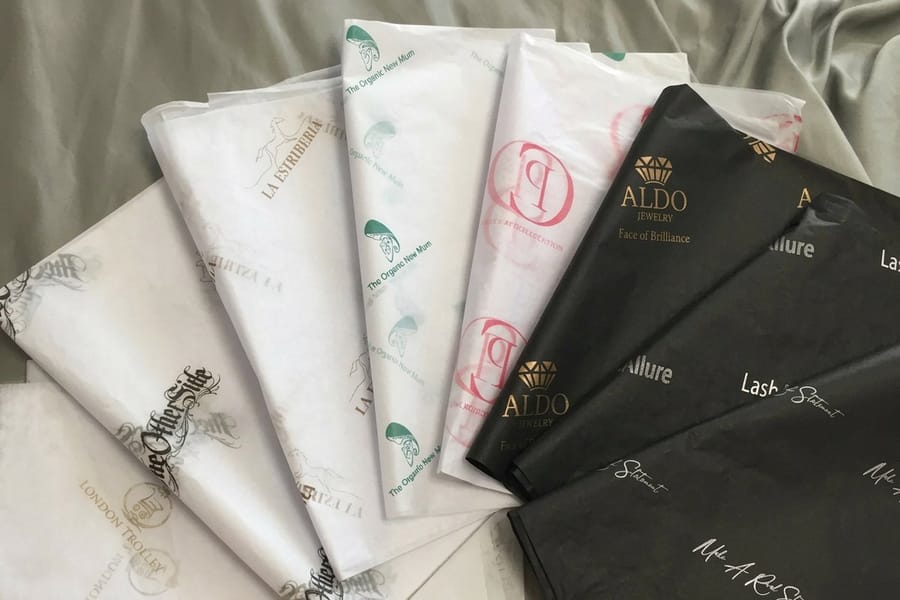
4OVER4.COM does not print the bags themselves, and the honest advice is that a custom-printed bag run rarely makes sense at small volume. Bag converters quote by the thousand and add a setup charge per color and per side, so a first order of a few hundred bags carries the whole setup on very few units. Below that threshold, buy blank kraft or white bags in bulk and put your brand on them with printed pieces.
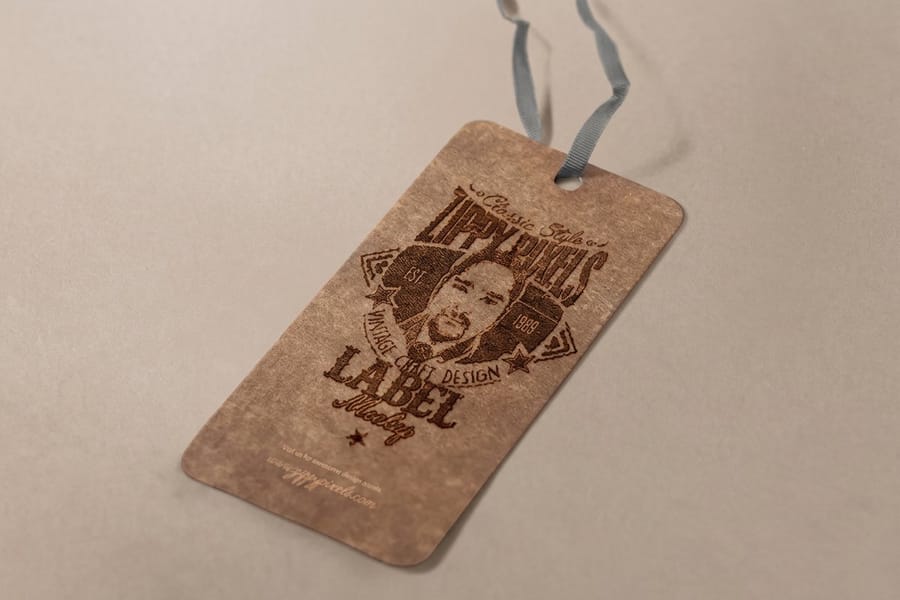
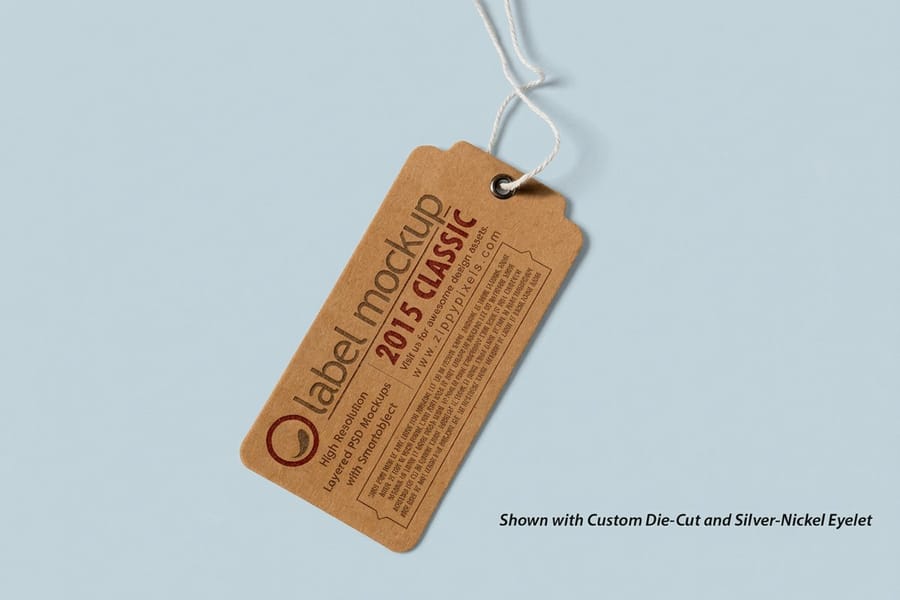
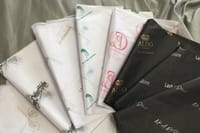
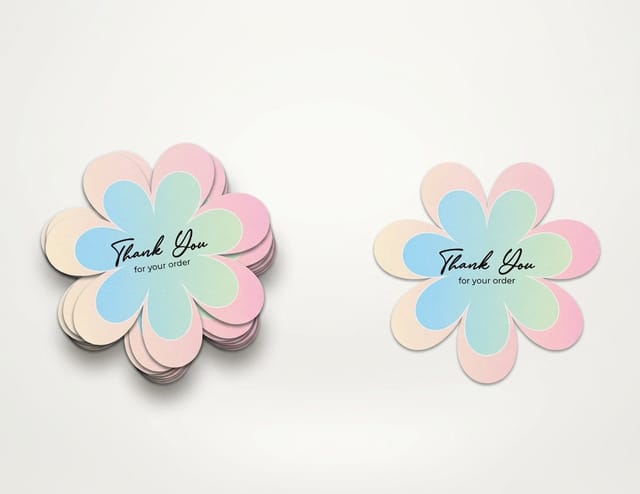
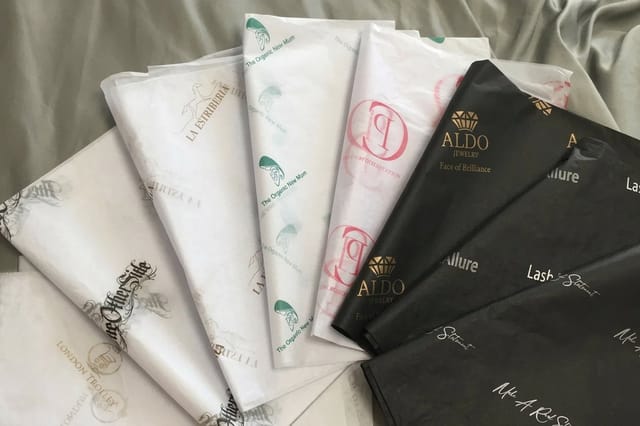
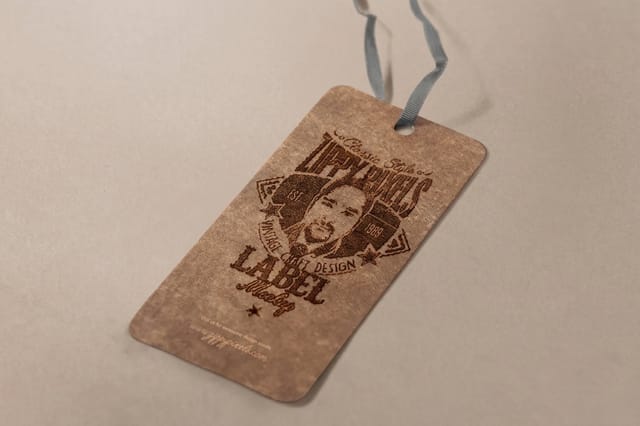
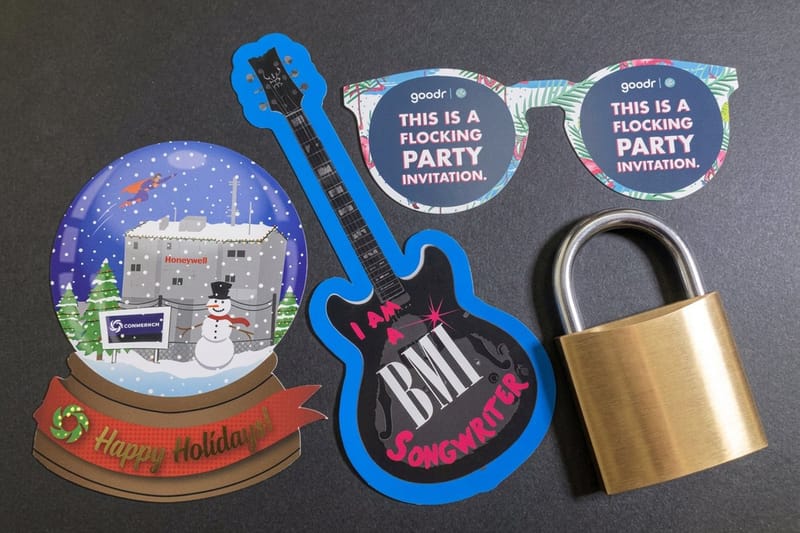
The pieces that do the work: a die-cut sticker from $93.37 cut to the outline of your mark, applied centered on the front panel or across the top as a seal. Printed tissue paper from $126.32 lining the inside, which is the first thing the customer sees when the bag opens and the piece that most often gets photographed. Kraft hangtags from $57.96 tied to the handle for a price, a size, or a thank you. Packaging tape if the bag gets folded and sealed for delivery.
The set matters more than any single piece. A plain kraft bag with matching tissue and a tag reads as one brand; the same bag with a mismatched sticker reads as an afterthought. Keep the ink color and the mark identical across all four, and print them together so the color matches from the start. Our branded packaging guide walks the full set, and preparing files for packaging products covers the setup rules for die lines and bleeds.
One more advantage of this route: you can change the design next month. A sticker and a tissue run are small commitments, so you can test two marks over a season and only commit to a printed bag once you know which one people mention. Browse the full set in the packaging printing collection or the wider packaging and labels hub.
Wally explains the bag panel
Top inch folds in, bottom inch and a half folds under
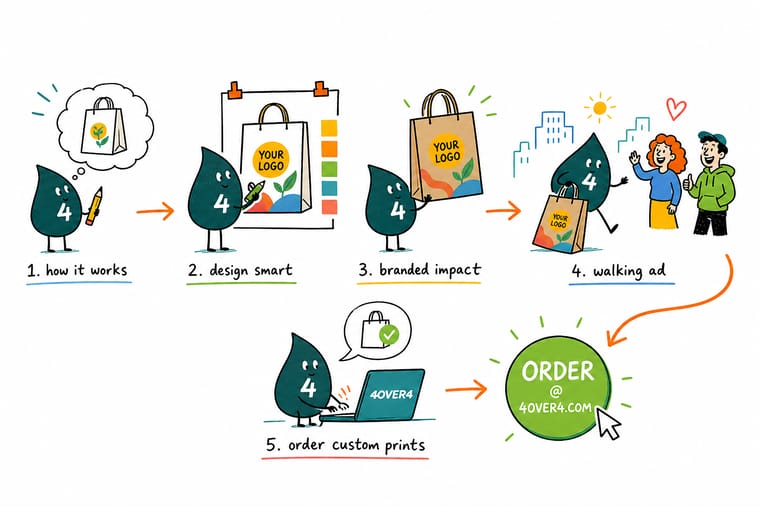
Wally measures a bag before he draws on it. The turnover hem at the top hides the handle patch, the base steals the bottom, and the two side creases crack any ink that crosses them. What is left is the front panel, and only its upper half gets read while somebody walks down the street with it. Put the mark there at about half the panel width, keep the address low, and if you only need a few hundred bags, buy them blank and brand them with a die-cut sticker and printed tissue instead.
Print die-cut stickers for your bags →Specs and pricing
The pieces that brand a blank bag, with live options
Sizes, stocks and starting prices straight from the 4OVER4.COM configurator for the three pieces that turn a plain kraft bag into a branded one.
Print it
Order the bag branding kit
Explore more
Where to go next


By the numbers
Packaging printing you can count on at 4OVER4
Common Questions
Your paper bag questions, answered
Should I choose a kraft or a white paper bag?
Match the bag to the artwork, not to the mood board. Brown kraft prints with no white underbase, so every ink sits on a warm brown ground: pale tints go muddy, white type has to be knocked out rather than printed, and photographic images lose their highlights. If your identity is one or two solid dark colors, a black mark or a deep green wordmark, kraft is the better looking and usually the cheaper choice. If you need accurate brand color, light tints, or any photograph, use a white bag. A white clay-coated bag holds color closest to what you approved on screen.
Where exactly should the logo sit on the bag?
Centered on the front panel, in the upper half of the flat printable area, at about half the panel width. On a typical 8 by 4.75 by 10 inch retail bag, the top inch is the turnover hem that folds inward over the handle glue patch, and the bottom inch and a half folds under to make the base. That leaves roughly 7.5 inches of flat height, and only the top half of it is at eye level while somebody walks with the bag. Keep secondary information such as the website or the store address low on the panel, where it gets read while the bag sits on a counter.
What size paper bag do most retailers need?
Two sizes cover most counters. A small bag around 5.25 by 3.5 by 8.25 inches suits jewelry, cosmetics, and anything you would otherwise hand over in a box. A medium bag around 8 by 4.75 by 10 inches takes a folded shirt, a pair of shoes in a box, or a stack of prints. Apparel stores add a large 16 by 6 by 12 inch bag for coats and multi-item purchases. Size the bag to the tallest item plus about an inch of clearance, because an item poking above the hem makes the whole bag look cheap.
Can I print a photograph on a kraft paper bag?
Not well. Bag printing is a screen or flexo process with a coarser screen than sheetfed offset, and brown kraft absorbs ink unevenly, so a photograph loses its highlights and picks up a brown cast in every light area. If a photograph is essential, print it on a white bag, or print it on something we can run on a press and attach it to a blank bag. A photographic image on a die-cut sticker or a printed hang tag holds detail that the bag surface cannot.
How many colors should I put on a bag?
One or two. Bag printers charge a setup per color and per side, so the third color often costs more than the entire artwork change that would avoid it. Most brands that look expensive on a bag are printing a single solid ink on the front and leaving the back blank. If you want a second effect without a second color, use the stock: a natural kraft ground with one black ink reads as considered, while the same mark in five colors reads as a giveaway.
What is the cheapest way to brand bags at small volume?
Buy plain bags in bulk and brand them yourself. A die-cut sticker with your mark, applied over the flap or across the front panel, starts at $93.37 and turns any blank bag into a branded one. Printed tissue paper from $126.32 does the same job from the inside and shows the moment the bag is opened. Add kraft hangtags from $57.96 on the handle for a price or a thank you, and the finished package looks intentional at a fraction of a custom bag run. This is also how you test a design before committing to thousands of printed bags.
Get Started
Ready to put your brand on every bag that leaves the counter?
Print the sticker, the tissue and the tag together so the color matches from the start, and turn plain kraft bags into packaging people keep.
Legal Disclaimer
Gold Standard guarantees apply to all standard orders placed through 4over4.com. Price match requires verifiable proof of a competitor's published price for an equivalent product with matching specifications and turnaround time. Satisfaction guarantee covers manufacturing defects and print quality issues. Contact support with order number and documentation. On-time delivery rate based on tracked orders 1999 to 2026. Individual results may vary based on shipping carrier performance.
