
Gift Bag Sizes for Retail and Packaging, With a Full Size Chart


Gift card, petite, cub, rose, queen, wine, jumbo. Here is what each standard gift bag size measures, what genuinely fits inside it, and how to size branded packaging for a retail counter, an event table, or a full product line.
Gift bags are measured width by depth by height in inches, handles excluded. The everyday retail sizes are gift card at about 4 x 2.5 x 5.5, petite at 6.5 x 3.5 x 6.5, cub at 8 x 4.75 x 10.25, rose at 10 x 5 x 13, queen at 16 x 6 x 12.5, wine at 5.25 x 3.25 x 13.5, and jumbo at 18 x 7 x 18. Measure your gift boxed, add half an inch of width and depth plus two to three inches of height for tissue, then round up to the next stocked size.
Start here
Gift bag sizing in one paragraph
A gift bag is described as width by depth by height in inches, with the handles never counted in the height. The depth, or gusset, is the number that decides capacity, so size to the boxed product first: add about half an inch to width and depth for easy loading, then two to three inches of height so tissue can crown above the gift. Round up to the next stocked size rather than squeezing into a smaller one, and keep your retail range to the three or four sizes your actual basket needs.
Why gift bag size quietly decides how the gift feels
A gift bag has one job before anyone looks at the print on it: hold the thing without drama. Too small and the tissue gets crushed flat, the handles strain, and the customer walks out holding a bulge. Too large and the gift slides sideways, the bag folds in on itself, and something that cost real money suddenly reads as an afterthought.
Size is also a cost line. Oversized bags waste paper on every transaction, take more shelf space behind the counter, and slow down wrapping because staff have to compensate with extra tissue. Getting the sizing right once, then buying to that chart, is one of the few packaging decisions that improves the customer experience and lowers the per unit cost at the same time.
The same discipline that governs a printed box governs a bag. If you are already thinking about the whole presentation, our custom gift bags design and printing guide covers artwork setup and handle choices, and the wider packaging printing collection shows the boxes, tape, and labels that sit alongside the bag.
How gift bags are measured, and why the middle number matters most
Every stocked gift bag is described with three numbers in a fixed order: width, then depth, then height, always in inches. Width is the printed face you see head on. Depth is the side gusset, the panel that opens out when the bag is filled. Height runs from the bottom crease to the top edge of the paper, and it never includes the handles.
That last detail causes most of the confusion. Two bags listed at ten inches tall can look completely different on a display hook because one carries twelve inch rope handles and the other has a short die cut grip. When you plan a retail display or a fixture, measure the paper and the handle separately.
The depth is the number people skim past and then regret. It is what turns a flat envelope of a bag into something that swallows a boxed candle or a folded sweater. A bag that is generous in width but only three inches deep will fight you on anything rigid. When you are sizing for a specific product, measure the item boxed, add about half an inch to width and depth for easy loading, then add two to three inches of height so tissue has somewhere to go.
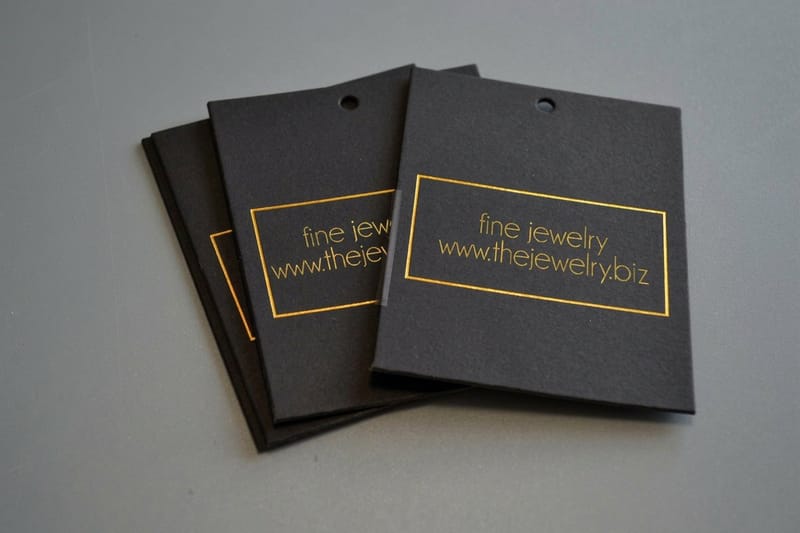
If you tag your bags at the till, the tag has its own sizing logic worth reading alongside this one in our complete guide to hang tag sizes.
Standard gift bag sizes and what actually fits inside them
Paper bag makers converged on a set of trade names decades ago, and those names still travel across suppliers. The dimensions below are the sizes you will meet most often at a wholesale counter, written in the standard width by depth by height order.
- Gift card, about 4 x 2.5 x 5.5 in. Gift cards, jewelry boxes, a single candle tin, small cosmetics samples.
- Petite, about 6.5 x 3.5 x 6.5 in. Mugs without a box, small jars, candles, soap sets, a stack of postcards.
- Cub, about 8 x 4.75 x 10.25 in. The retail workhorse. Boxed mugs, hardcover books, folded tees, mid size cosmetics sets.
- Rose, about 10 x 5 x 13 in. Boxed apparel, small home goods, a pair of shoes in the box, gift sets with filler.
- Queen, about 16 x 6 x 12.5 in. Wide boxed items, framed prints, blankets, multiple products bundled together.
- Wine, about 5.25 x 3.25 x 13.5 in. One 750ml bottle standing upright with room for a tissue collar.
- Jumbo, about 18 x 7 x 18 in. Bulky or multi item gifts, corporate baskets, seasonal hampers.
Treat these as anchors rather than absolutes, because tolerances vary by manufacturer by a quarter inch or so. When your gift lands between two sizes, round up. A slightly roomy bag with generous tissue reads as intentional. A bag stretched at the seams never does.
Sizes for retail counters and boutiques
A shop does not need seven sizes. It needs the three or four that match its actual basket. Pull a month of receipts, look at what people buy together, and build the range around that instead of around the catalog.
For most independent retail, the working set is gift card for add on purchases, cub for the average single item sale, rose for anything boxed, and one large size held in smaller quantity for the occasional big spend. That range covers the counter without tying up cash in slow moving stock.
Boutiques with a tighter product mix can often run on two sizes plus a flat merchandise bag. Apparel leans toward rose and queen because folded garments need depth. Jewelry and cosmetics live almost entirely in gift card and petite. Home goods stores need the jumbo more than anyone else, and it is worth buying that one in a sturdier board so a heavy load does not tear the handle out.
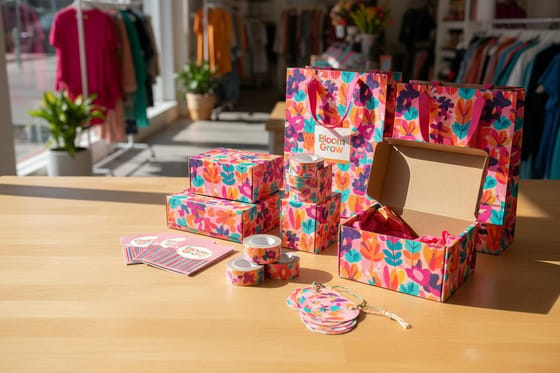
Whatever the mix, keep the print identical across every size. Consistent branding across a stepped size range is what makes a small shop look like a considered brand, a point the retail packaging case study works through end to end.
Sizes for events, weddings, and party favors
Event packaging follows a different logic than retail. The contents are known in advance, the quantities are large, and the bags usually sit in rows on a table where uniformity is the whole visual effect. That means you can size tightly, because nothing unexpected is going in.
Party favors and wedding welcome bags usually run petite or cub. Petite suits candy, small candles, and a printed note card. Cub is the safe pick for hotel welcome bags carrying a water bottle, snacks, a map, and a schedule, because the gusset handles a bottle standing upright.
Conference and trade show bags are their own category. Anything that must hold a program, a notebook, and swag needs queen scale width so it does not crush the printed material inside. Corporate gifting sits between the two, and a printed gift certificate tucked in with tissue is often the item that decides how tall the bag needs to be. For more gifting formats built from paper, see our roundup of corporate gift ideas made from paper.
Matching tissue, filler, and the packaging that goes inside
Tissue is not decoration, it is structure. Two or three sheets crumpled at the base lift the gift to the right height and stop it rattling. Two more sheets crowning over the top hide the contents and give the bag a defined shoulder. Plan for that in your sizing: the crown wants two to three inches of bag height above the gift, and if the handles will not close over it, the bag is too short.
Standard tissue sheets are commonly 20 by 30 inches, which folds cleanly into everything from petite through queen. For jumbo bags, use two sheets side by side rather than one stretched sheet, because a single sheet tears at the fold under weight.
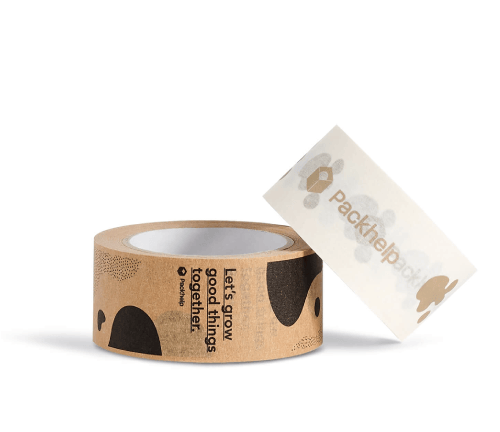
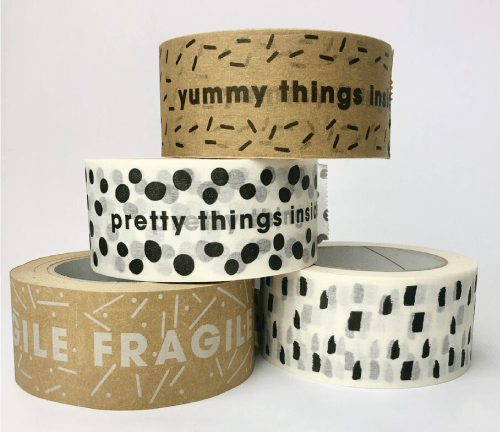
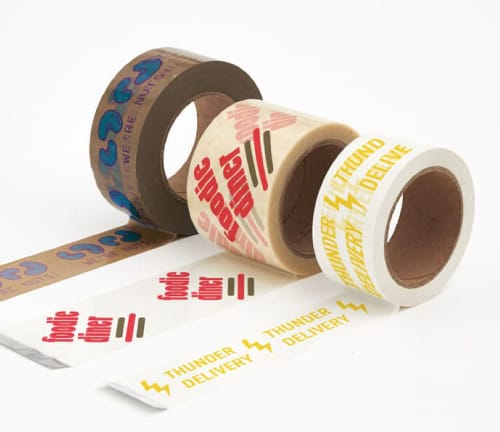
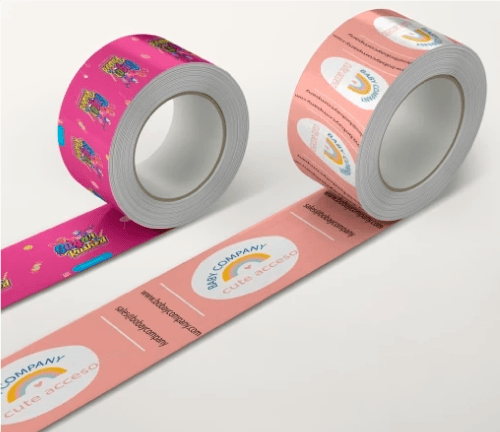
Rigid contents change the math again. A boxed item inside a bag needs almost no filler, only a slip of tissue to stop it sliding. If the product ships in a printed carton first, size the bag to the carton and seal that carton with custom printed packaging tape so the branding survives the moment before the bag is even opened.
Branding your gift bags so the size choice pays off
Once the size is right, the print has a stable canvas to sit on. Design to the face panel, not to the flat sheet, and keep the logo centered in the visible area with clear space around it. Anything that runs to the gusset fold will bend and lose legibility, so treat the last half inch on each side as a soft margin.
Scale the artwork per size rather than reusing one file everywhere. A logo that reads beautifully on a queen bag becomes an unreadable smudge shrunk onto a gift card bag. The reliable approach is to set a minimum logo width, hold it constant across the small sizes, and let the large sizes carry a bigger version plus a secondary element like a pattern or a tagline.
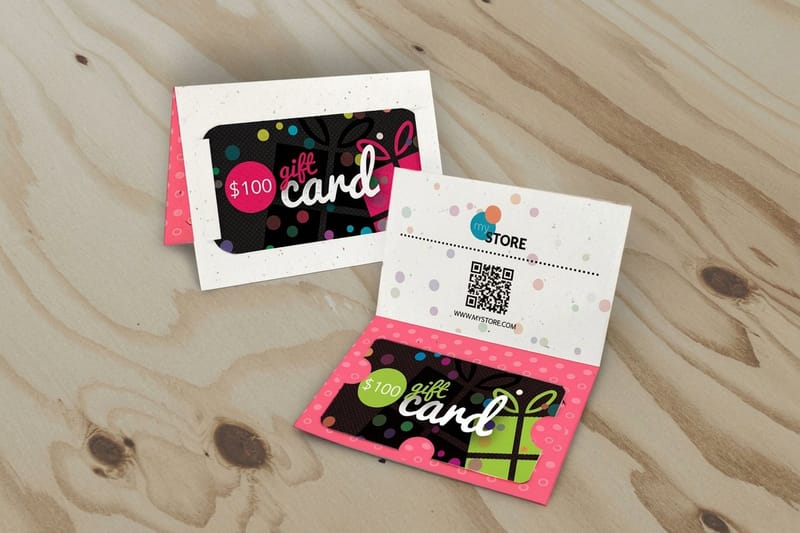
Finish matters as much as color. Matte lamination hides fingerprints and photographs well, gloss makes color pop under shop lighting, and an uncoated kraft face reads as natural and pairs well with recycled positioning. If sustainability is part of your story, the ideas in eco friendly packaging and the direction set out in current packaging design trends are the right place to start. For a small extra touch at the counter, a scratch off gift card dropped into the bag turns packaging into a reason to come back.
Ordering custom gift packaging without a sizing mistake
The order that goes wrong is almost always the one where nobody measured the real product. Work through these steps in sequence and the risk disappears.
- Measure the boxed product. Width, depth, and height at the widest points, with any sleeve or box already on it.
- Add loading room. Half an inch to width and depth so the item drops in cleanly, plus two to three inches of height for tissue.
- Round up to a stocked size. Match your figure to the chart above and take the next size up, never the one below.
- Check the handle. Confirm the handle style and drop length separately, since height never includes it.
- Set the print area per size. Build artwork per size with a half inch soft margin at each gusset fold.
- Order a sample or proof first. Fill it with the actual product before you commit to the full run.
- Buy the range together. Ordering all sizes in one run keeps color consistent across the family.
If a stock size will not do it, a custom die line built to your dimensions is the answer. Browse the packaging printing collection for boxes, tape, and labels, or start from a related product below and configure the run you need.
Wally explains gift bag sizing
Measure the gift, not the wrapping paper
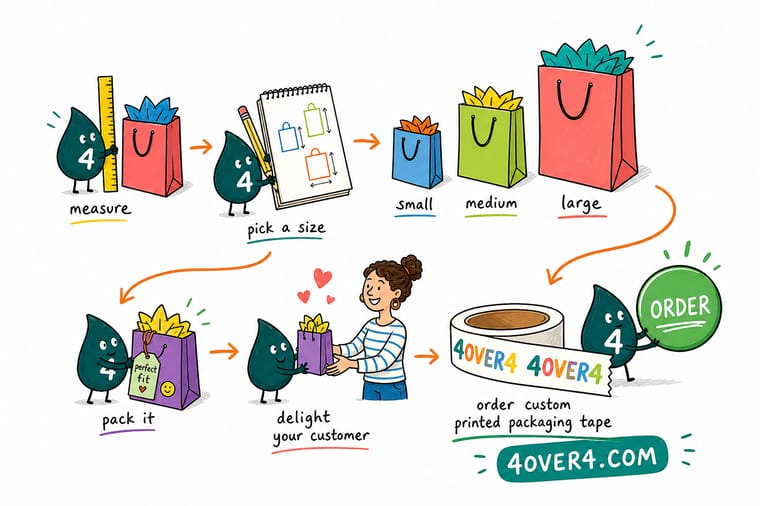
Wally sizes bags the boring way, and it never fails him. He measures the gift while it is already boxed, adds half an inch of width and depth so it drops in without a fight, then adds two to three inches of height so the tissue can crown and the handles still meet. If the number lands between two sizes, he takes the larger one every time. Do that once, write the sizes down, and your packaging order stops being a guess.
Shop custom packaging →Size chart
Gift bag sizes at a glance
One frame, every standard size. How a bag is measured on the left, and what fits in each stocked size on the right. Save it for the next packaging order.
Dimensions follow the sizes most paper bag makers stock, and can vary by around a quarter inch between suppliers. Always test fit your product before committing to a full run.
Specs and pricing
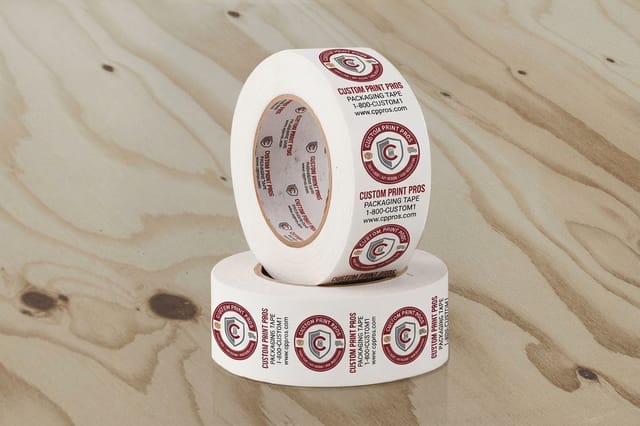
Printed packaging tape specs and live pricing
Once the bag is sized, the carton inside it still needs sealing. Here are the current specs and price tiers for custom printed packaging tape, so you can see how quantity and finishing move the number.
| Quantity | Price Per Unit | Total |
|---|---|---|
| 1 | $347.11 | $347.11 |
| 2 | $302.40 | $604.80 |
| 5 | $272.53 | $1,362.67 |
| 10 | $233.28 | $2,332.75 |
| 20 | $189.39 | $3,787.89 |
| 30 | $176.79 | $5,303.65 |
| 40 | $166.70 | $6,667.83 |
| 50 | $162.16 | $8,107.79 |
Print it
Build the rest of your gift packaging at 4OVER4
See it in use
Real packaging work, printed in-house
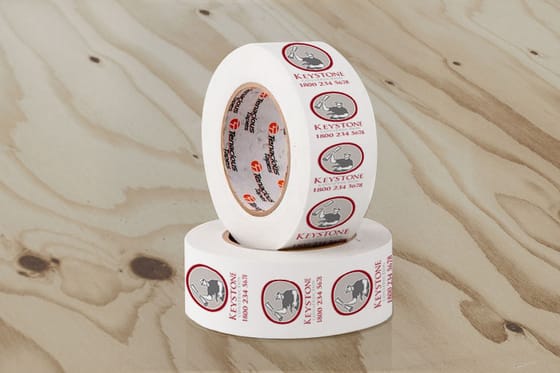
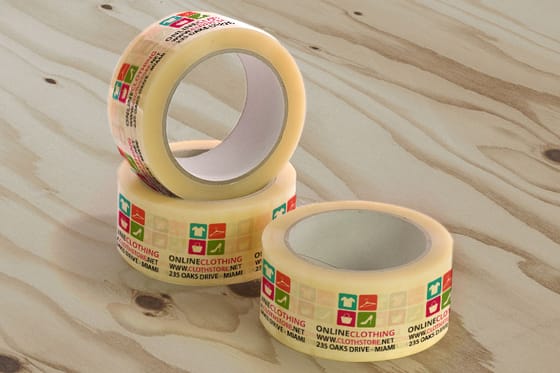
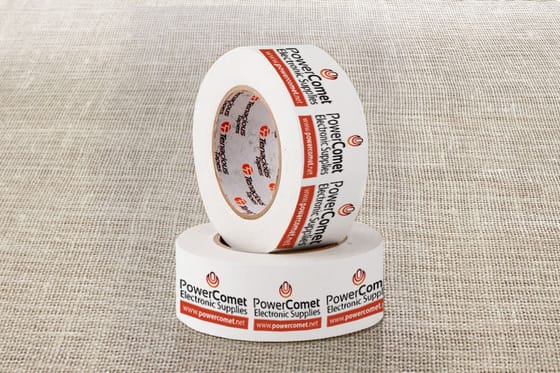
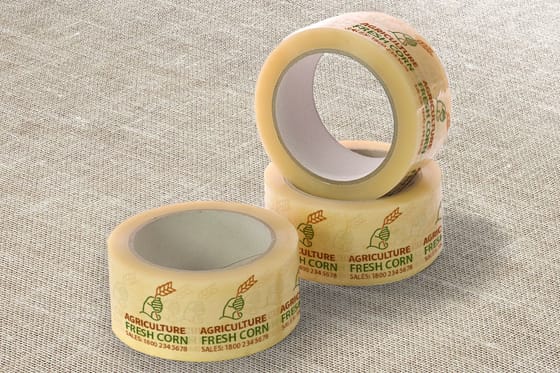
Explore more
Where to go next

By the numbers
Packaging you can count on at 4OVER4.COM
Common Questions
Common questions about gift bag sizes
What are gift bag sizes?
Gift bag sizes are the standard width, depth, and height combinations that paper bag manufacturers produce and that retailers stock by name. Common trade names include gift card, petite, cub, rose, queen, wine, and jumbo. Each name maps to a fixed set of dimensions in inches, so a cub bag ordered from two different suppliers should hold the same mug, book, or folded shirt.
How do I choose the right gift bag size?
Measure the gift at its widest, deepest, and tallest points while it is already boxed or wrapped. Add roughly half an inch to width and depth so the item slides in without forcing the seams, then add two to three inches of height for tissue. Compare that figure to the size chart on this page and round up to the next stocked size rather than down.
What does custom gift packaging cost and how are prices set?
Price is driven by quantity, board or paper weight, the number of ink colors, and any finishing such as matte lamination, foil, or spot gloss. Larger bags use more material and cost more per unit, and short runs carry a higher unit price because setup is spread across fewer pieces. The live price table on this page shows current tiers as you change quantity.
What sizes, stocks, and finishes are available for custom packaging?
Beyond the standard bag sizes, custom packaging at 4OVER4 covers rigid and folding boxes, printed tape, labels, and inserts on a wide range of stocks. Finishes include gloss and matte lamination, soft touch, spot UV, and foil accents. If a size is not in the standard list, our team can quote a custom die line built around your product dimensions.
How long does custom gift packaging take to print and ship?
Turnaround depends on the product and the finishing you select, and every option shows its own production window at checkout before you pay. Packaging with lamination or foil takes longer than a plain printed run. For seasonal retail, place the order at least three to four weeks before the selling window so proofing, production, and transit all fit comfortably.
How are gift bags measured?
The industry order is width first, then depth, then height, all in inches. Width is the face of the bag, depth is the side gusset that opens out, and height runs from the base to the top edge of the paper. Handles, whether rope, ribbon, or die cut, are never included in the height, which is why two bags with the same listed height can look different on a shelf.
What size gift bag fits a wine bottle?
A standard 750ml bottle stands about twelve inches tall with a base close to three inches across, so the dedicated wine size of roughly 5.25 by 3.25 by 13.5 inches is the reliable choice. It keeps the bottle upright, leaves room for a collar of tissue, and stops the neck from tipping the bag over on a counter or a car seat.
Get Started
Ready to put your brand on packaging that fits?
Send us your dimensions and we will print packaging built around the product, not around a stock template. Boxes, tape, labels, and inserts, all produced in-house.
Legal Disclaimer
Gold Standard guarantees apply to all standard orders placed through 4over4.com. Price match requires verifiable proof of a competitor's published price for an equivalent product with matching specifications and turnaround time. Satisfaction guarantee covers manufacturing defects and print quality issues. Contact support with order number and documentation. On-time delivery rate based on tracked orders 1999 to 2026. Individual results may vary based on shipping carrier performance.
