
How to Design a Gala Invitation That Fills Every Table


Wording, hierarchy, size, stock, foil, and envelopes, assembled the way formal invitations actually get built. Everything a host committee needs to send a card guests keep on the counter and reply to on time.
To design a gala invitation, lock the format and envelope first, then write the wording in formal third person with the date spelled out, rank the nine required lines so the occasion reads largest and the reply reads smallest, print on heavy uncoated or silk cover stock with one signature finish such as foil, and mail the finished suite about eight weeks before the event.
Start here
The whole build in one paragraph
A gala invitation is a formal card that carries nine pieces of information in a strict order of rank: host, invitation line, occasion or honoree, date, time, venue, attire, ticket detail, and reply instruction. Choose the size and its matching envelope first, write the copy in formal third person, set the hierarchy so a guest can scan it in four seconds, print it on heavy cover stock with one signature finish, and mail it about eight weeks out so calendars, travel, and table sponsorships all have room.
Why the gala invitation decides your table count
A gala invitation does a job no email can do. It arrives in a hand, it has weight, and it sits on a desk or a kitchen counter for weeks reminding someone that the evening exists. For a fundraiser, that physical persistence is the whole point, because the card keeps working every day between the mail date and the reply deadline.
It also sets expectations. Before a single word is read, the stock weight, the ink color, and the type style tell a guest whether this is a black tie ballroom evening or a cocktail reception in a gallery. Get that signal wrong and you get mismatched dress, softer giving, and a room that does not feel like the event you planned.
This guide walks the full build: the wording pattern formal events follow, the size and format decision, the stocks and finishes that read as luxury, the envelope and reply pieces that complete the suite, and the file and calendar details that keep the mailing on schedule. If your event is warmer and less formal, the companion guide on how to design birthday invitation cards covers the same craft at a different temperature.
What a gala invitation is, and what it has to carry
A gala invitation is a formal printed invitation to a hosted evening, most often a nonprofit fundraiser, an awards dinner, an anniversary celebration, or a company gala. It is issued in the voice of the host organization rather than an individual, and it usually travels as a suite: the main card, an outer envelope, a reply card, and a reply envelope or an RSVP web address.
Nine pieces of information belong on the card, in this order of rank. The requesting line naming the host. The invitation line. The honoree, cause, or occasion. The date. The time. The venue name and address. The attire. The ticket or table information. The reply instruction with its deadline. Anything beyond those nine is a candidate for an insert, not for the front of the card.
Everything else on the page is craft: the hierarchy that makes those nine items scannable in four seconds, and the material choices that make the card feel worth keeping. You can build it yourself in a free design template, or start from the online designer with real design help if the committee wants a professional eye on the layout before it goes to press.
Wording and hierarchy that make the card scannable

Formal invitation wording follows a pattern that has barely changed in a century, and the pattern is doing real work. Third person voice, no abbreviations, the date and the year spelled out, and the requesting line naming the organization or the benefit committee. It reads as respect for the guest and for the occasion, which is exactly the tone a fundraising ask needs.
A workable skeleton looks like this. The Board of Directors of the host organization requests the pleasure of your company at the annual gala, honoring the recipient, on Saturday, the fourteenth of November, two thousand twenty six, at seven o clock in the evening, at the venue, city. Black tie. Then the ticket and table line, then the reply instruction and its date.
Rank the type accordingly. The occasion or honoree is the largest element, the host line sits above it in small caps, the date and venue form a calm middle block, and attire plus reply sit at the base in the smallest size the paper can carry legibly. Resist centering everything at the same weight, because a card with no ranking forces guests to read every line to find the one they wanted.
Choosing the size and format before anything else

Format decisions cascade, so make them first. A flat card in a classic invitation size handles the majority of galas, mails inside a matching envelope, and keeps postage predictable. Go larger when sponsor logos, a program note, or a photograph of the honoree need room. Go to a folded card when the evening has a schedule, a biography, or an auction preview that belongs inside rather than on the back.
Two constraints decide it more often than taste. The first is the envelope, since the card and the envelope have to be specified as a pair, not chosen separately and reconciled later. The second is postage, because size, thickness, and rigidity all change what the mailing costs, and a square card or an unusually thick suite can move an entire run into a higher rate.
Design at the real trim size from the first sketch. Layouts that look elegant zoomed in on a screen often turn cramped at actual size, and a gala card carries more required lines than most people expect. Print a plain proof, hold it, and read it at arm length before you approve anything at invitation card production.
Paper stock and finishes that signal a formal evening

Stock is the loudest quiet decision on the card. Heavy uncoated or matte cover feels substantial, takes ink cleanly, and does not glare under ballroom lighting or under a phone camera when a guest shares it. Silk and soft touch stocks add a tactile, modern quality that reads as expensive the moment the envelope is opened.
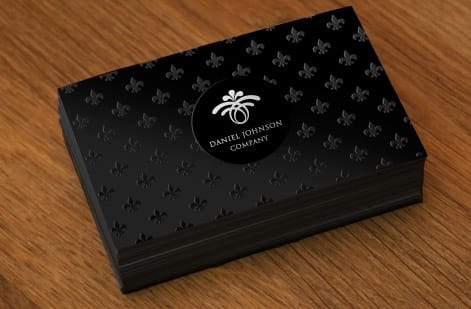
Pick one signature finish and let it stand alone. Foil on the host name or the crest, spot gloss on a single mark, a deep painted edge, or a raised treatment on the occasion line. Stack three of them and the card starts to compete with itself, the cost climbs, and the effect that was supposed to feel restrained starts to feel busy.
Order free paper samples before you commit. Weight and texture are impossible to judge on a monitor, and the difference between a card that feels like an invitation and one that feels like a flyer is usually a single step up in stock. The same craft logic that makes premium unboxing work in packaging design applies here: the material is part of the message.
Typography and color for a black tie tone
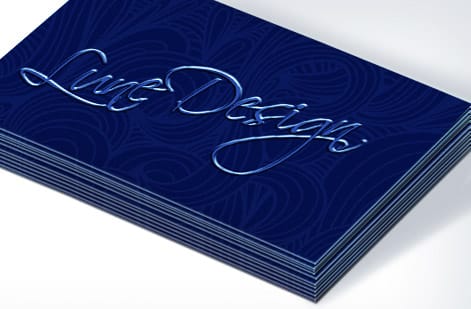
Two typefaces are enough. A serif with real character for the occasion and honoree lines, and a quiet companion for the details. If you want a script, use it on one line only, never on the date or the address where legibility is doing practical work, and never at a size an older guest has to squint at across a dim room.
Color is where most gala cards overreach. A deep neutral base such as ink navy, charcoal, or aubergine, with one metallic or accent tone, holds up better than a full palette. Print reproduces those deep tones beautifully on uncoated stock, while bright saturated colors on a formal card tend to read as promotional rather than ceremonial.
If the host has a crest, a monogram, or a logo, treat it as a typographic element with its own protected space rather than an image dropped in a corner. Marks reward that care in ways guests feel without naming, as the stories behind well-known marks in these logo facts show. When you want personality outside the classic serif register, browse retro font options and test one at final size before committing.
The suite: envelopes, reply cards, and inserts
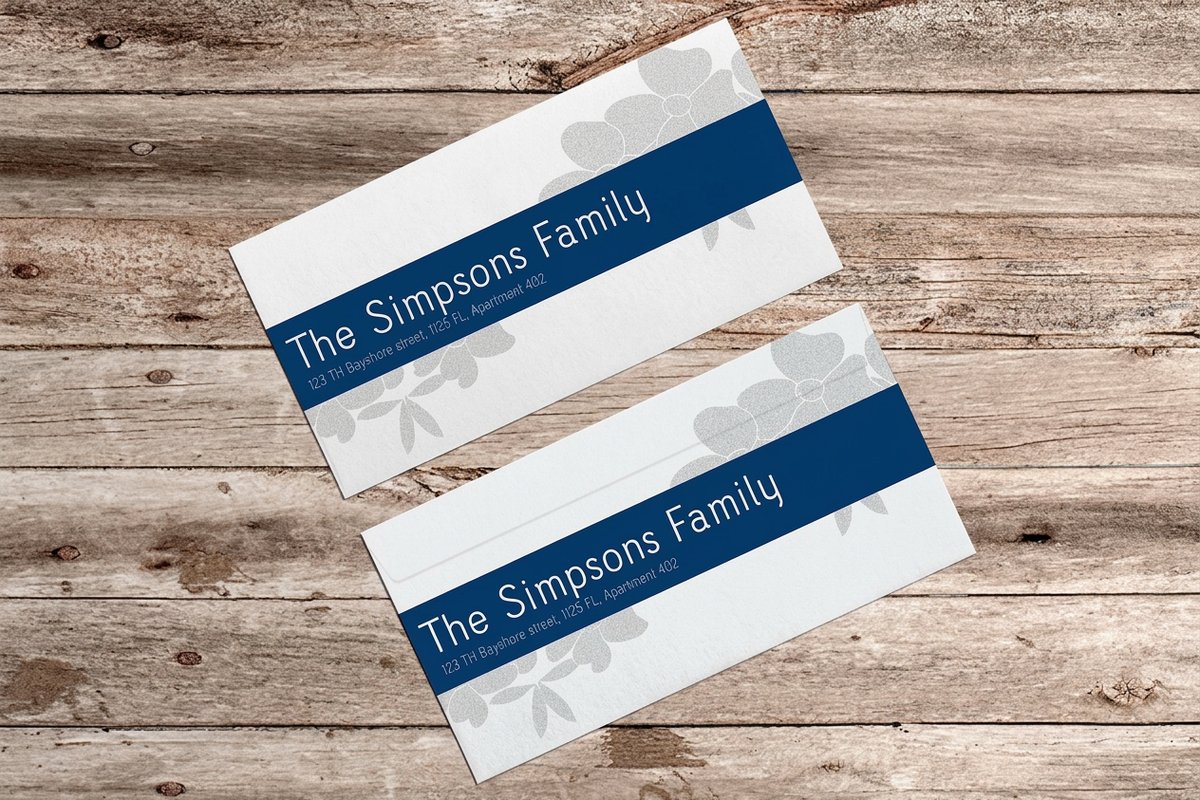
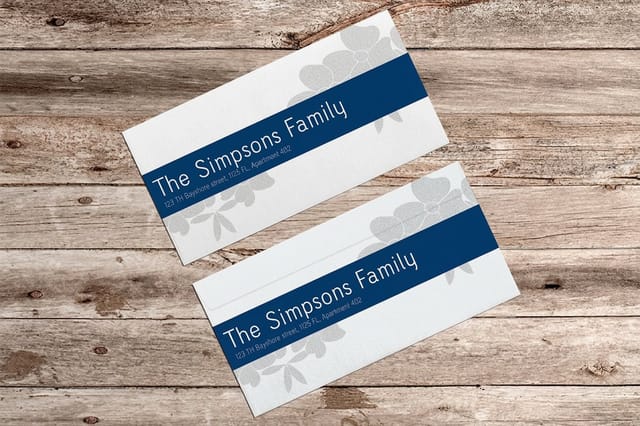
The envelope is the first impression, and it is the piece most committees leave until last. A matching invitation envelope in a stock that echoes the card, with a printed return address and a lined or colored interior, turns the opening into a small moment. Invitation Envelopes start at $170.42 for a run, so budget them alongside the card rather than as an afterthought.
Inserts carry everything the main card should not. A reply card with a deadline and a meal or table selection, a sponsorship or giving level card, a parking or hotel note, and a program insert if the evening has a formal schedule. Each insert has one job, and pulling them out of the main card is what keeps the invitation itself calm.
Finishing details matter more than their cost suggests. A wax or printed seal, a vellum wrap, or a belly band holds the suite together in the hand, and printed seals are a simple production step; the same trick that makes branded logo stickers effective in promotion works on an envelope flap. Address the outer envelope by hand or with a calligraphic print, and never with a shipping label.
Files, bleed, and proofing so the print lands clean

Build the file in CMYK, at 300 dpi, with bleed extending past the trim on every edge that carries color or imagery, and keep all critical text inside the safe margin. Deep formal tones are exactly where an RGB file surprises people at press, so convert and review before you upload rather than after the first proof comes back.
Embed or outline every font, especially the script, since a substituted typeface on a formal card is the kind of error nobody notices until the whole run is boxed. If you are using foil or a spot finish, supply that element as its own clearly named layer so production knows precisely where the treatment goes.
Then proof like the run depends on it, because it does. Read the card backward line by line. Verify the day and the date agree on a calendar, check the venue address against a map, confirm the honoree name spelling with someone who knows them, and have two people who did not design it sign off. A typo caught at proof costs an hour; the same typo caught after delivery costs the entire print run.
Timeline, budget, and the rest of the event materials
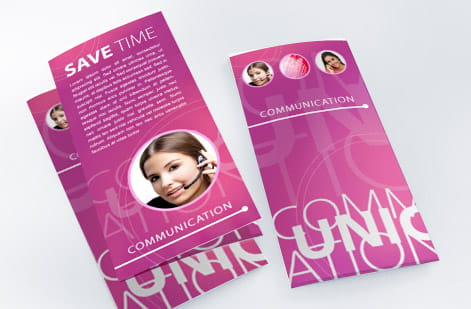
Work backward from the mail date. Formal galas should land in hands about eight weeks out, with save the dates going three to four months ahead when travel or major sponsorships are involved. Behind the mail date, allow a week for addressing and stuffing, the production and shipping window for your chosen stock and finish, and a buffer week for the correction that always appears.
On budget, quantity is your friend. Invitation Cards start at $19.77 and the per-piece cost falls quickly as the run grows, so print the full list plus a comfortable overage in one order instead of paying setup twice for a second batch. Specialty stocks and finishes carry the largest premium, which is why one signature treatment beats three.
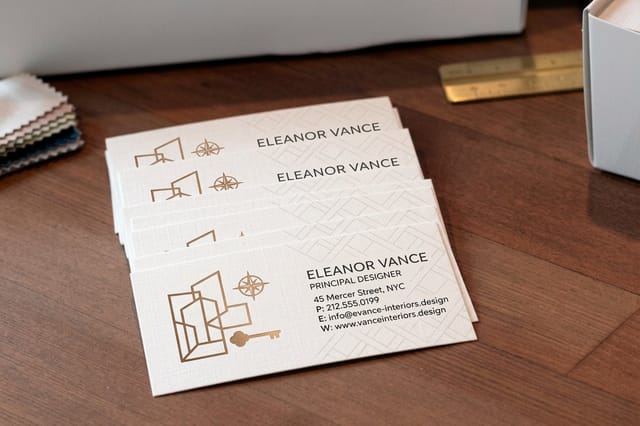
Finally, extend the design outward. The same type pairing and accent color should appear on programs, table numbers, bid sheets, signage, and the committee business cards that start at $17.57 and get handed to sponsors all evening. If your gala also needs promotional pieces for the weeks beforehand, the layout thinking in event poster and flyer ideas translates directly, and a designer worth hiring will show that consistency in their work, as the portfolio examples here demonstrate.
Wally explains the gala card
The card is the dress code, printed
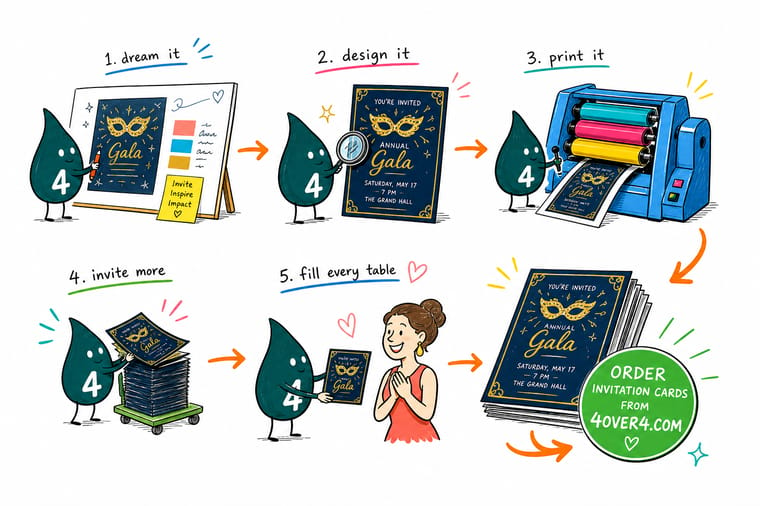
Wally reads a gala invitation the way a guest does, in four seconds. He looks for the occasion, then the date, then the address, then the reply line, and if he has to hunt for any of them the hierarchy is wrong. His rule is simple: one signature finish, nine lines of information, heavy stock, and a mail date eight weeks out. Everything else is decoration.
Design and print invitations →Infographic
The gala invitation build, at a glance
One frame, seven decisions, in the order a host committee actually makes them. Save it, share it with the design volunteer, and use it as the checklist before you approve the proof.
These seven decisions compound. Format constrains the envelope, the envelope constrains postage, and stock and finish set the budget, which is why the order on this card is the order to work in.
Specs and pricing
Invitation card specs and live pricing
When the wording is approved and the proof is clean, here are the real sizes, stocks, and quantity pricing for Invitation Cards, so you can match the card to the budget before the committee votes.

| Quantity | Price Per Unit | Total |
|---|---|---|
| 25 | 79.1¢ | $19.77 |
| 50 | 50.5¢ | $25.27 |
| 100 | 42.8¢ | $42.84 |
| 200 | 25.8¢ | $51.62 |
| 300 | 20.1¢ | $60.42 |
| 400 | 17.3¢ | $69.20 |
| 500 | 15.6¢ | $77.99 |
| 600 | 15.4¢ | $92.26 |
Print it
Print the gala suite at 4OVER4
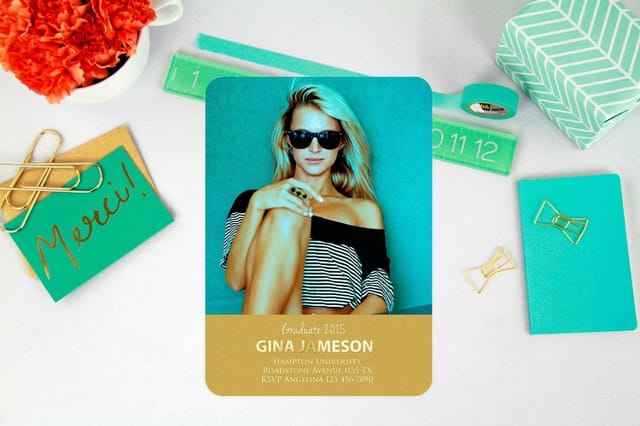
See it in use
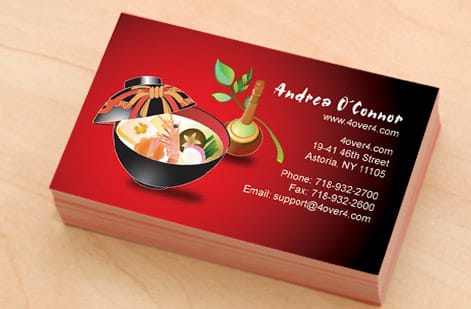
Real invitation work, printed in-house
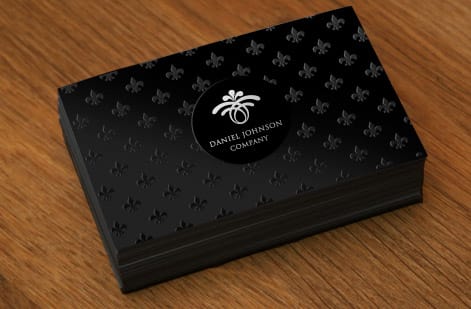
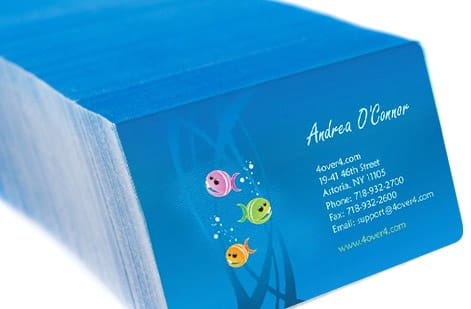
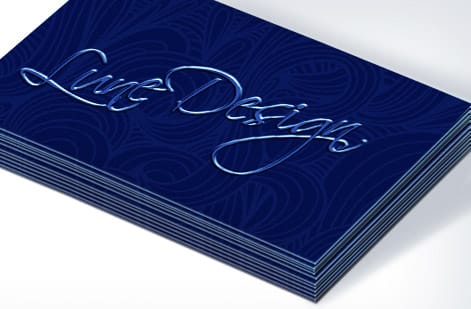
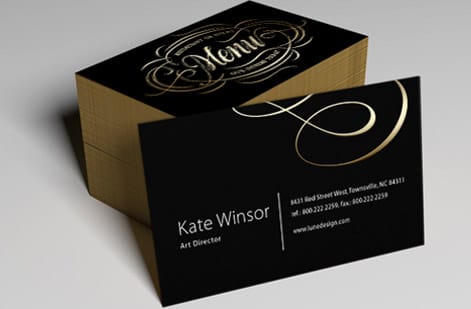

Explore more
Where to go next


By the numbers
Printing your committee can count on
Common Questions
Common questions about gala invitations
What is a gala invitation?
A gala invitation is the printed card that invites guests to a formal fundraising or celebratory evening, usually hosted by a nonprofit, foundation, school, or company. It carries the host line, the honoree or cause, the date and time, the venue, the attire, and the reply instructions. Unlike a casual event flyer, it is written in formal third person voice and printed on heavy stock, because the card itself signals how significant the evening is and what guests are expected to wear and give.
What should the wording on a gala invitation include?
Start with the requesting line naming the host organization or committee, then the invitation line, the honoree or purpose of the evening, the date written out in full, the start time, the venue name and address, the attire, and the reply instruction with a deadline. Add ticket or table pricing and a benefiting-cause line if the gala is a fundraiser. Keep abbreviations out of the body copy, spell out the year, and let the reply card or the RSVP web address carry the transactional detail.
How do I choose the right gala invitation size and format?
A single flat card in a classic invitation size handles most galas and mails cleanly inside a matching envelope. Move to a larger flat card when you need sponsor logos or a program note, and to a folded card when the evening includes a schedule, an honoree biography, or an auction preview. Choose the format first, because the envelope, the postage class, and the insert count all follow from it rather than the other way around.
What paper stock and finishes work best for a gala invitation?
Heavy uncoated or matte cover stock is the safest formal choice, because it feels substantial in the hand and takes ink cleanly without glare under ballroom lighting. Silk or soft touch adds a modern, tactile finish. For the signature detail, choose one accent treatment such as foil on the host name, spot gloss on a crest, or a deep-color edge, and let the rest of the card stay quiet so the accent is what guests notice.
What does a gala invitation cost and how are prices set?
Price is set by quantity, size, stock weight, the number of printed sides, and any specialty finish. Invitation Cards at 4OVER4.COM start at $19.77, Invitation Envelopes start at $170.42, and cost per piece drops sharply as the run grows, so printing the full guest list at once is far cheaper than reprinting a second batch later. Finishes such as foil and heavy cover stock add the most, so decide those before you request the final quote.
How long does gala invitation printing and shipping take?
Production for standard invitation printing runs from one business day for quick turnarounds up to several days for specialty stocks and finishes, and shipping time depends on your delivery address and service level. Plan the calendar backward from the mail date: allow time to proof the file, time to print, time to address and stuff envelopes, and a full week of buffer so a single correction never pushes the mailing past the eight-week window guests need.
Should the gala invitation match the rest of the event materials?
Yes. The invitation is the first piece of a system that continues into envelopes, reply cards, table numbers, programs, bid sheets, and signage. Repeating one type pairing, one accent color, and one graphic mark across all of them makes the evening feel produced rather than assembled, and it makes every later piece faster to design because the decisions are already made.
Get Started
Ready to print the invitation your gala deserves?
Bring the approved file to 4OVER4.COM and print the card, the envelopes, and the reply pieces together on premium stock, with the whole suite delivered in time to mail.
Legal Disclaimer
Gold Standard guarantees apply to all standard orders placed through 4over4.com. Price match requires verifiable proof of a competitor's published price for an equivalent product with matching specifications and turnaround time. Satisfaction guarantee covers manufacturing defects and print quality issues. Contact support with order number and documentation. On-time delivery rate based on tracked orders 1999 to 2026. Individual results may vary based on shipping carrier performance.
