
How to Build a Band Press Kit That Venues Actually Open


Seven pieces, one 9 x 12 folder, and a one sheet a talent buyer can read standing up. What goes in, how the files are set up, and what gets printed rather than linked.
A band press kit is a 9 x 12 pocket folder holding seven pieces: a one page one sheet, a full bio, a press and tour dates page, an 8 x 10 matte photo, a stage plot, a sticker and a contact card. The one sheet carries the whole pitch, so a booker who reads nothing else still knows your genre, your draw, who has written about you and how to reach you. Print 25 to 50 kits for face to face handoffs and send a link for everything else.
Quick answer
Seven pieces, one folder, one page that does the work
Build the kit around the one sheet and let the folder hold the proof. Left pocket takes the reading material in order: one sheet, full bio, press quotes with confirmed dates, stage plot if the venue asked. Right pocket takes what the booker keeps: the 8 x 10 matte photo, a sticker, and a contact card in the die cut slit. Print 25 to 50 at a time, because a press kit ages the day a date changes.
What a Press Kit Is and Why a Booker Wants One
A press kit is a single container holding everything someone needs to decide whether to book you, write about you, or pay you. Bookers do not want your Instagram. They want to know what you sound like, how many people you can bring on a Thursday, who has already vouched for you, and which phone number reaches a human.
The kit answers those four questions in the order a booker asks them. That order is the design brief. Put the one sheet on top of the left pocket, because it carries all four answers on one page. Put the long bio, the press quotes and the tour dates behind it, because they exist to prove the one sheet is not bluffing. The right pocket holds the pieces the booker keeps after the folder goes in the recycling: the photo, the sticker, the card.
The failure mode is treating the kit like a scrapbook. A folder stuffed with twelve pages of lyric sheets, old flyers and a printed Spotify screenshot tells a talent buyer that you cannot edit yourself, which is exactly what they are trying to find out before they hand you a room. Cut to seven pieces and stop.
The Seven Pieces, and What Each One Has to Say
Every piece has one job. If a piece cannot state its job in a sentence, it does not go in the folder.
| Piece | Size | What it has to say |
|---|---|---|
| One sheet | 8.5 x 11 | Name, city, genre, 60 word bio, three press quotes, monthly listeners, next four confirmed dates, contact. One page, nothing on the back. |
| Full bio | 8.5 x 11 | 250 to 400 words. Formation, releases, the stages that matter, what a live set actually does to a room. |
| Press and dates | 8.5 x 11 | Pull quotes with the outlet named, plus a routed date list. Undated praise reads as invented. |
| Press photo | 8 x 10 matte | The band, recognizable, no motion blur. Photographer credit on the front, band name and phone on the back. |
| Stage plot | 8.5 x 11 | Input list and stage layout. Include it only when the venue asked, or it clutters the read. |
| Sticker | 3 to 4 in | Logo only. This is the piece that ends up on a laptop lid long after the folder is gone. |
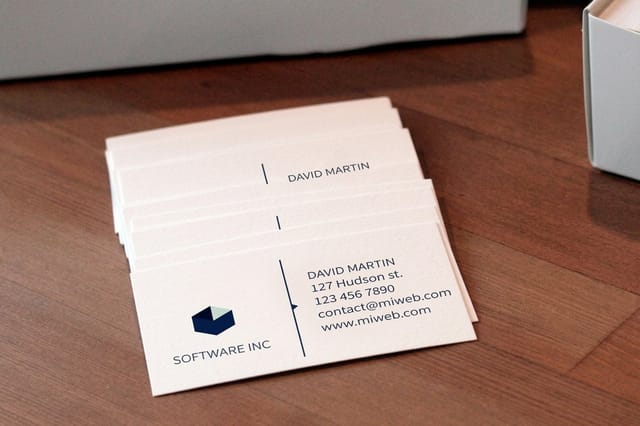
| Contact card | 3.5 x 2 | Booking name, phone, email, one QR to the streaming page. Not the full band roster. |
Two rules cover the copy. Name the outlet on every quote, because "critics are raving" is worth nothing next to "Brooklyn Vegan, March 2026". And print numbers you can defend, since a booker who asks about your 40,000 monthly listeners and hears hesitation stops reading. If the number is small, leave it off and lead with a sold out room instead.
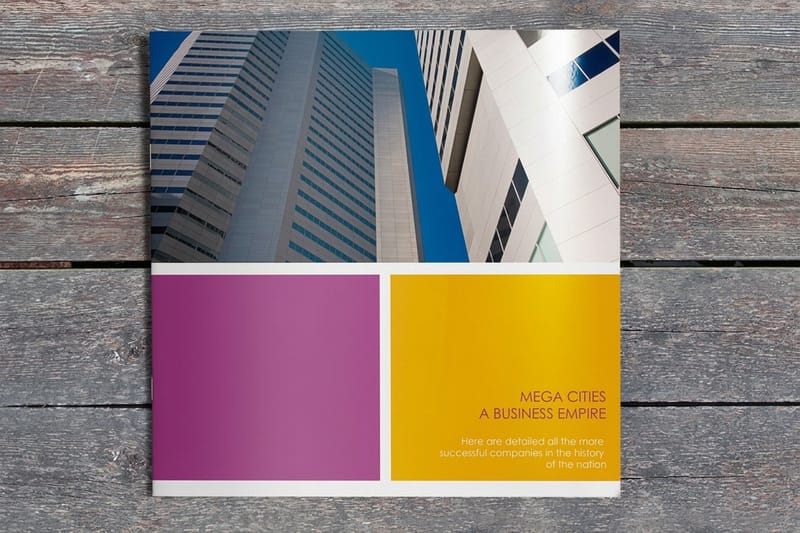
The long bio and the press section can live as loose sheets or, once the kit gets handed out at volume, as a stitched book. Our standard booklets start at $240.55 and want a page count in multiples of four, which is worth knowing before you lay out a five page bio.
Designing the Kit So It Survives the Press
Set every insert up at 8.5 x 11 with 0.125 inch bleed on all four sides and everything you care about kept 0.25 inch inside the trim. That inner margin matters more in a folder than anywhere else, because the pocket covers the bottom four inches of the sheet. Type that runs to the bottom edge disappears the moment the insert goes in.
Design the top four inches of every insert to work alone. A booker fans the pocket with a thumb and reads the strip above the pocket line. Put the band name and the page label there on all four sheets, at 18 point or larger, and the whole stack becomes navigable without pulling anything out.
- Stock. Inserts on 100 lb text or 80 lb gloss book. Anything lighter curls in the pocket. The folder itself wants 14 pt or 16 pt coated cover.
- Color. Build in CMYK and expect a deep black to shift. If your brand is one heavy black, ask for a rich black build rather than 100K, which prints as dark gray on coated stock.
- Photos. 300 dpi at final size. An 8 x 10 needs 2400 x 3000 pixels. A phone screenshot of a press page is 72 dpi and will look exactly like one.
- Type. Outline your fonts before you send the file. A missing font in a supplied PDF is the single most common reason a press kit misses a tour deadline.
Our bleed and trim guide covers the margins in detail, and the printing resolution guide settles how big a file needs to be for each piece. If you would rather start from a correct canvas, pull the sizes from the blank template library.
Physical Kit, Digital Kit, or Both
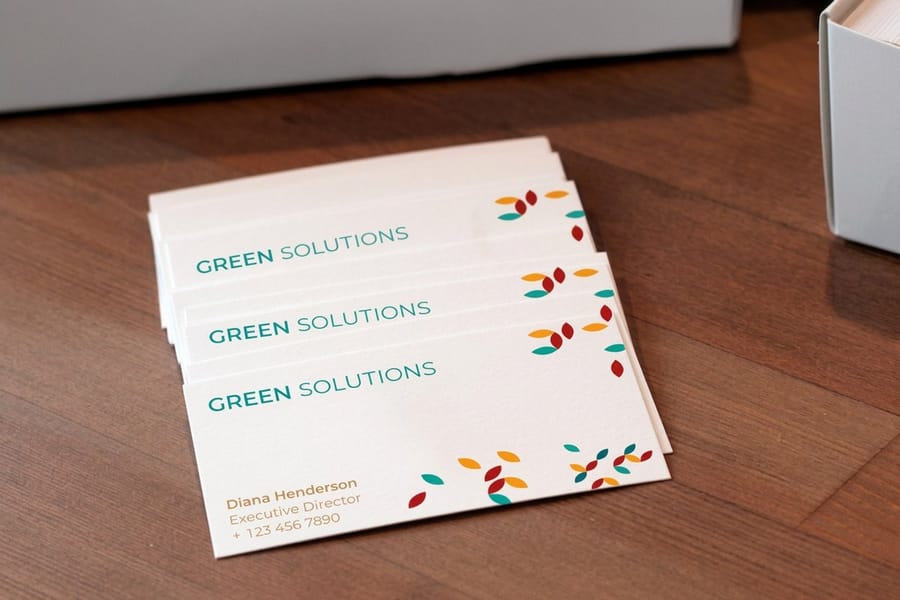
Run both, and give each one the job it is good at. The digital kit is a single link that carries audio, video and a downloadable photo folder. The printed kit is the object that stays on a desk. Neither replaces the other, and a band that only has one loses work it never hears about.
| Situation | Send the link | Hand the folder | Why |
|---|---|---|---|
| Cold pitch to a music writer | Yes | No | Writers work from streaming links. A mailed folder gets binned unopened. |
| Talent buyer at load in | Follow up | Yes | The folder sits on the desk. Your email sits under forty others. |
| Festival or conference booth | QR on the card | Yes | Nobody at a booth opens a laptop. They take paper and sort it that night. |
| Sponsor or brand meeting | After | Yes | A printed kit reads as a business that can deliver, which is the whole pitch. |
| Sync or licensing submission | Yes | No | Music supervisors need stems and metadata, not a pocket folder. |
The bridge between the two is the QR code on the contact card. Print it at 0.8 inch minimum with a clear quiet zone around it, point it at one landing page rather than five social links, and test the printed card under bad light before you order the full run. Our standard business cards start at $17.57, which makes a dedicated booking card cheaper than reprinting a folder when your manager changes.
Printing the Folder, the Inserts and the Photo
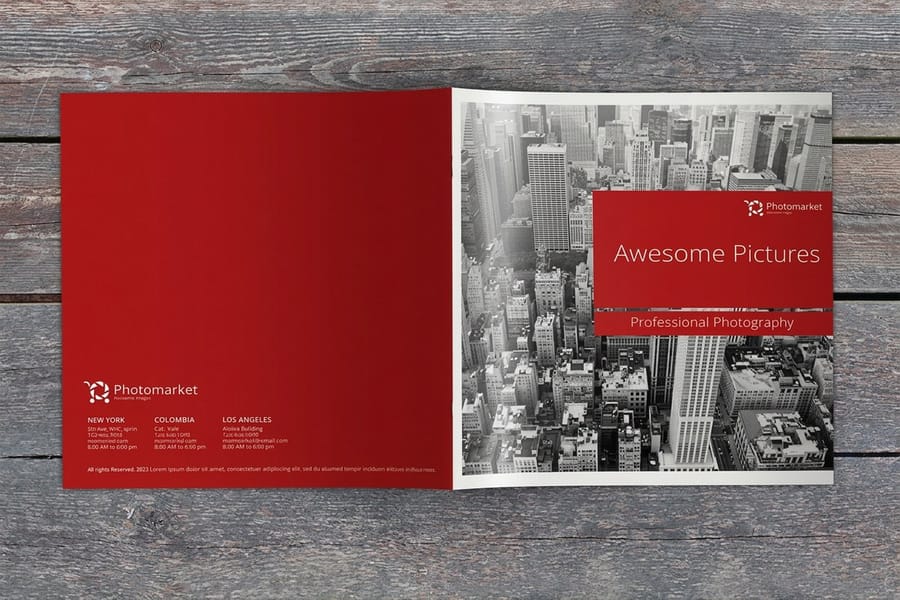
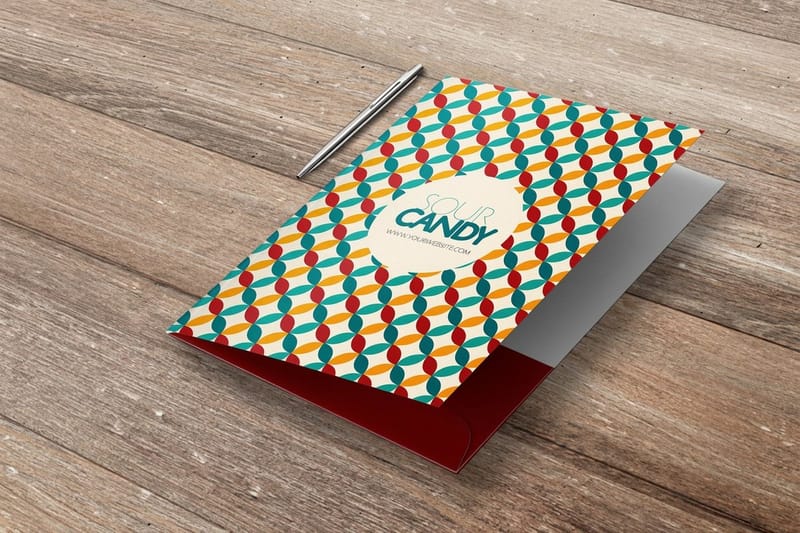
Order the shell first, because its options decide how the inserts get laid out. A short run presentation folder starts at $108.75 and prints from 9 x 12 flat, which is the size that holds 8.5 x 11 without crowding. Ask for business card slits on the right pocket only. A card sitting loose in the left pocket falls out the first time the folder is picked up by one edge.
Inserts come next. Print the one sheet, the bio and the press page as flat sheets, which lets you reprint one page when a tour date changes rather than the whole set. Once you are printing 50 or more kits and the content has settled, a saddle stitched book from the booklet range reads more finished, at the cost of that flexibility.
The photo is where most kits get cheap and look it. Print 8 x 10 on matte from the standard poster range, which starts at $108.75, rather than running it through an office inkjet on copier paper. The difference is visible from across a desk. Add die cut stickers from $93.37 in the right pocket, and a CD cover from $75.80 only if the recipient still plays discs.
Full range for each piece sits in presentation folder printing, poster printing and sticker printing. Every one of them ships from our Queens plant, so a kit ordered together arrives together rather than in four boxes across two weeks.
Getting the Kit Into the Right Hands
Print 25 to 50 kits, not 500. A press kit ages the day a date changes or a member leaves, and a box of 400 obsolete folders under a bunk bed is the most common printing mistake bands make.
Hand them over in four places. At load in, give one to the talent buyer or the room manager, never to the sound engineer, who has no say in booking. At festivals and conferences, keep ten in the merch case for the people who walk up and ask who handles your booking. In sponsor and brand meetings, put the folder on the table at the start rather than the end. And keep two in the van for the show that turns into a conversation about next season.
Follow up by email within 48 hours with the digital link and one line naming where you met. The folder buys you the reply. The link does the work after that. If you print show flyers for the same run, our nightclub flyer guide covers the design that survives a dark room, and the festival printing checklist lists what else to bring when the kit travels to a booth.
Wally packs the press kit
Left pocket reads, right pocket keeps
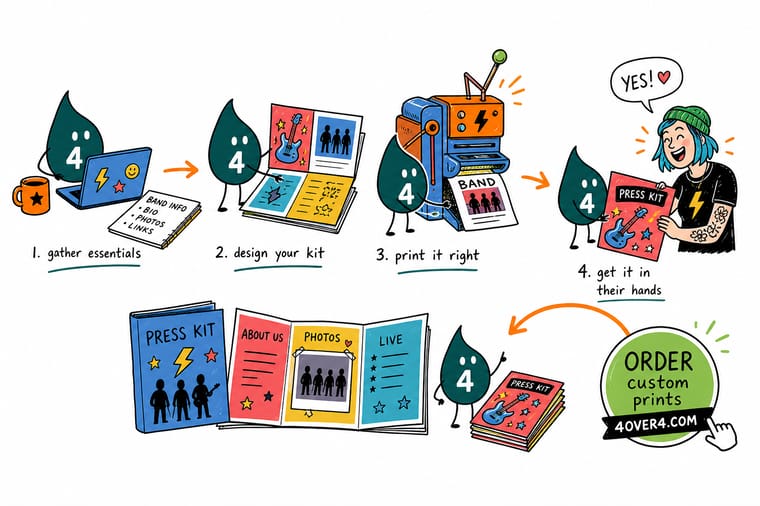
Wally slides the one sheet in first, because that is the page the talent buyer reads standing at the door. Behind it go the full bio and the press quotes with real dates on them. In the right pocket he puts the matte 8 x 10, a sticker for the laptop lid, and a card tucked into the die cut slit so it cannot fall out. He builds 25 at a time. When the tour routing changes he reprints one sheet, not the whole box.
Order short run presentation folders →Specs and pricing
Folder, booklet and photo specs side by side
The three pieces that decide what a press kit costs, with live configuration choices and starting prices straight from the 4OVER4.COM configurator.

Print it
Print the kit a booker keeps on the desk
Explore more
Where to go next
By the numbers
Press kits printed and shipped by 4OVER4
Common Questions
Your press kit questions, answered
What goes in a band press kit?
Seven pieces, in this order: a one page one sheet, a full bio, a page of press quotes with confirmed tour dates, an 8 x 10 press photo, a stage plot or input list if the venue asked for one, a sticker, and a contact card. The one sheet is the only piece most bookers read. The rest sits behind it so that a booker who wants detail can find it without emailing you.
How long should a musician bio be?
Two lengths, both printed. The short bio runs 60 to 80 words and sits at the top of the one sheet, written so a venue can paste it straight into a listing. The long bio runs 250 to 400 words on its own sheet and covers formation, releases, notable stages and what a live set sounds like. Anything past 400 words stops being read.
Do bands still need a printed press kit in 2026?
For press, no. Music writers work from links and will not open a folder that arrives by mail. For booking, sponsorship and festival applications handled face to face, yes. A folder handed over at load in sits on a desk for weeks, while an email drops down an inbox in a day. Most working bands keep 25 to 50 physical kits and send a link for everything else.
What size should the press photo be?
Print at 8 x 10 inches on matte stock, which means the file needs to be 2400 x 3000 pixels at 300 dpi. Shoot or crop to 4:5 so the frame matches without a white band. Give the photographer credit in small type along the bottom edge, and put the band name and contact on the back so the photo still identifies you after it leaves the folder.
How much does it cost to print a band press kit?
Budget by piece. Short run presentation folders start at $108.75, standard posters used for 8 x 10 photo sheets start at $108.75, die cut stickers start at $93.37, and standard business cards start at $17.57. Booklets start at $240.55 and only make sense once you are printing enough copies to justify a bound format. Inserts printed on flyer stock start at $39.54.
Should the press kit include a CD?
Only if the recipient still plays discs, which in practice means radio programmers, some festivals in Europe, and physical merch buyers. For everyone else, put a QR code on the one sheet that points at your streaming page and keep the disc out. If you do include one, cd covers start at $75.80 and the printed sleeve doubles as a merch item at the table.
Get Started
Order 10 presentation folders from $108.75
Pick a 9 x 12 folder with card slits, print the one sheet and bio on 100 lb text, and add a matte 8 x 10 that survives a venue office.
Legal Disclaimer
Gold Standard guarantees apply to all standard orders placed through 4over4.com. Price match requires verifiable proof of a competitor's published price for an equivalent product with matching specifications and turnaround time. Satisfaction guarantee covers manufacturing defects and print quality issues. Contact support with order number and documentation. On-time delivery rate based on tracked orders 1999 to 2026. Individual results may vary based on shipping carrier performance.
