
Direct Mail Delivery Options for Political Mailings and Business Campaigns


Nadia is our customer education voice, built from the knowledge of our production team, with over 20 years in printing.
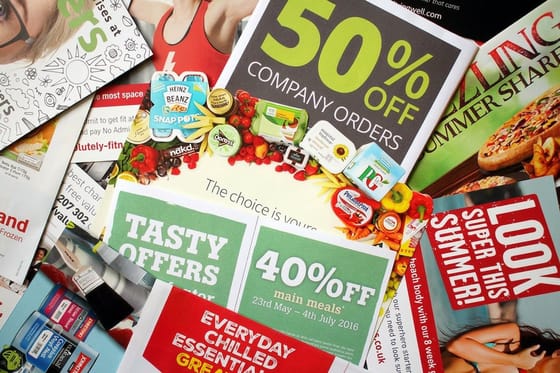
Addressed direct mail goes to a list you own or rent, and Every Door Direct Mail covers whole carrier routes without one. Those two delivery routes sit beside two mail classes and one set of rules that only applies to campaigns. Each option behaves differently, each costs you something in waste, and one fits the drop you are planning, along with the postcard, letter or brochure it mails.
Direct mail has two delivery routes: Every Door Direct Mail, which covers whole carrier routes with no address list, and addressed mail sent to a list you own or rent. On top of a list you make a second choice, First-Class Mail for speed and free return of bad addresses, or USPS Marketing Mail for a lower rate with a 200 piece minimum and no delivery commitment. Political mailings use exactly these options. What changes is the red Tag 57 that identifies campaign mail at a Business Mail Entry Unit, and the "Paid for by" disclaimer the law makes you print on the piece. If you are weighing direct to door marketing against mail, that article sets the two side by side.
Quick answer
Who gets it, then how fast it has to land
The audience decides the route and the deadline decides the class. No list and a geography that lines up with carrier routes means EDDM, capped at 5,000 pieces per ZIP code per day at the retail counter and uncapped through a Business Mail Entry Unit. A real list means addressed mail, where First-Class moves fast and returns undeliverable pieces free, while USPS Marketing Mail costs less, needs 200 pieces, and carries no delivery commitment. Political mail runs on the same rails with a handling tag and a printed disclaimer added.
Political Direct Mail, Piece by Piece
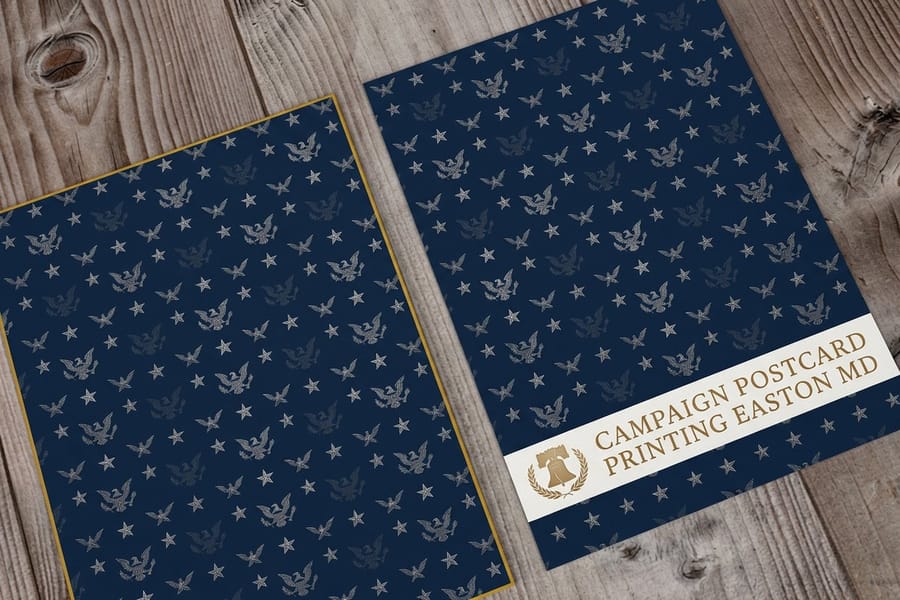
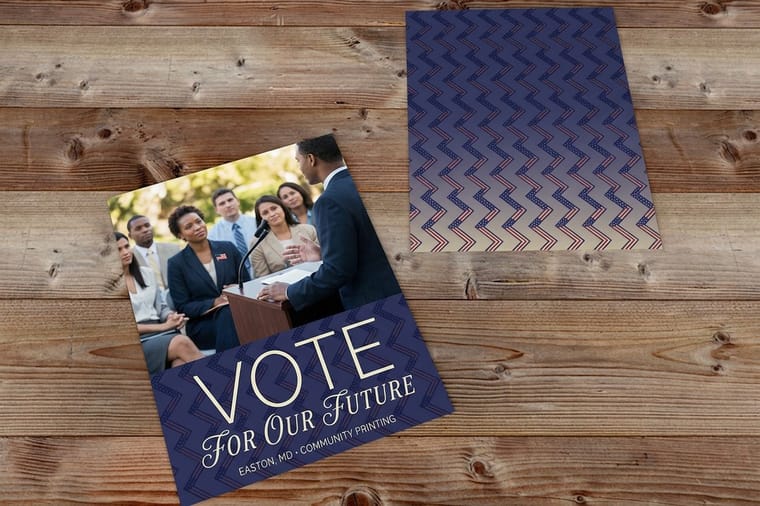
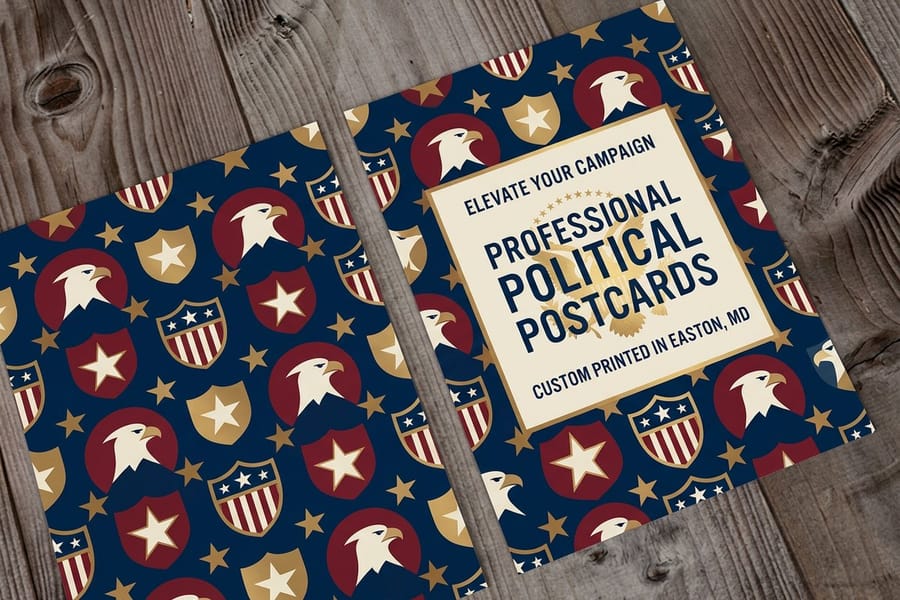
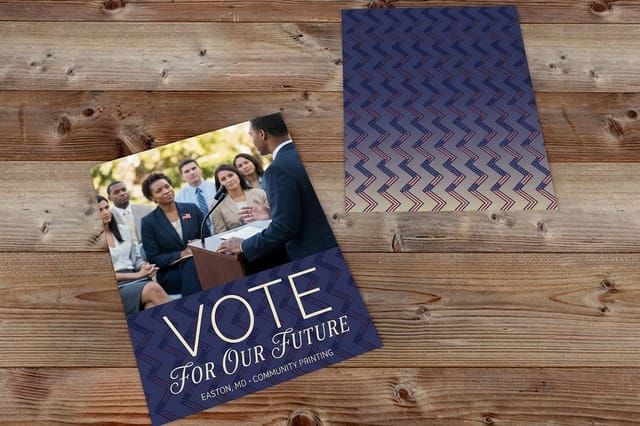
Political direct mail is ordinary mail with a campaign's rules on top, so start with the piece. Political postcards come in 14 sizes from 2.5 by 2.5 to 6 by 11 inches on 14pt and 16pt covers and heavier, from 50 cards. Pick 6 by 9 or 6 by 11 inches for an EDDM saturation drop, because EDDM needs a flat, and 4 by 6 inches for an addressed First-Class piece to a voter list.
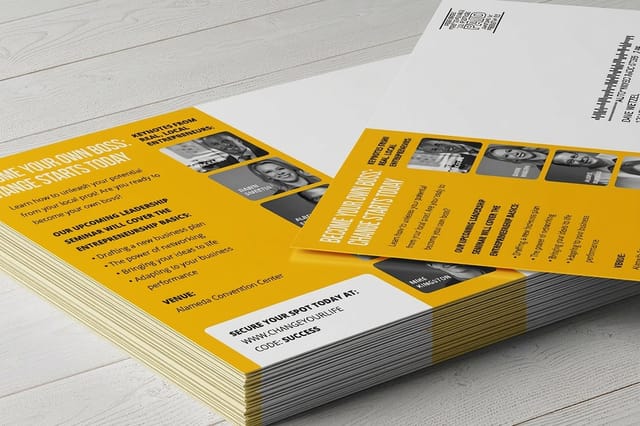
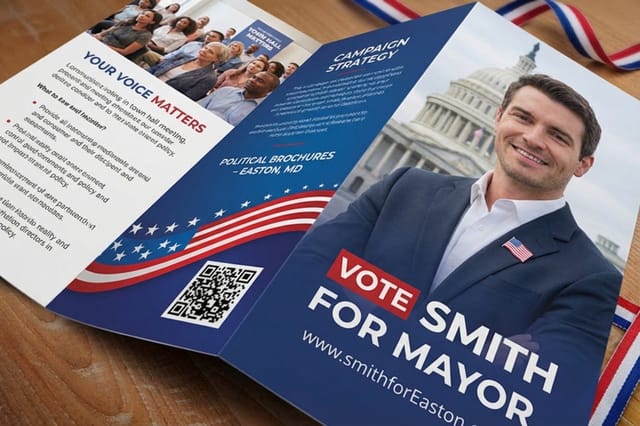
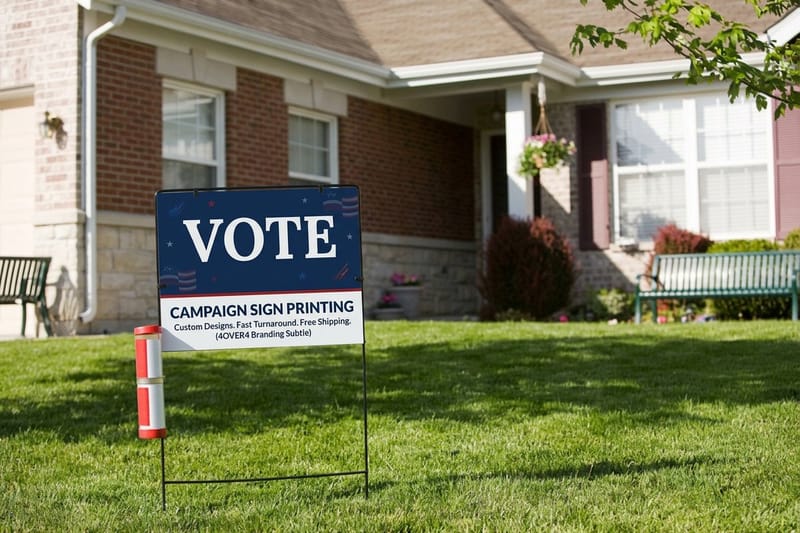
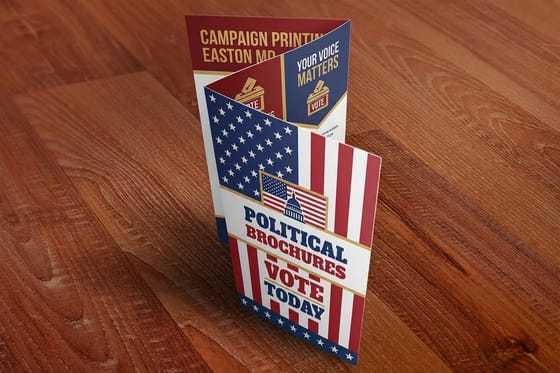
Political brochures fold in half in six sizes from 5.5 by 8.5 to 11 by 25.5 inches for a longer platform, and political flyers in nine sizes cover the canvass. All three print in 3 business days. Put the "Paid for by" line in the artwork before you approve the proof, and plan the closing piece on First-Class so it lands before election day.
Addressed Direct Mail, From List to Mailbox
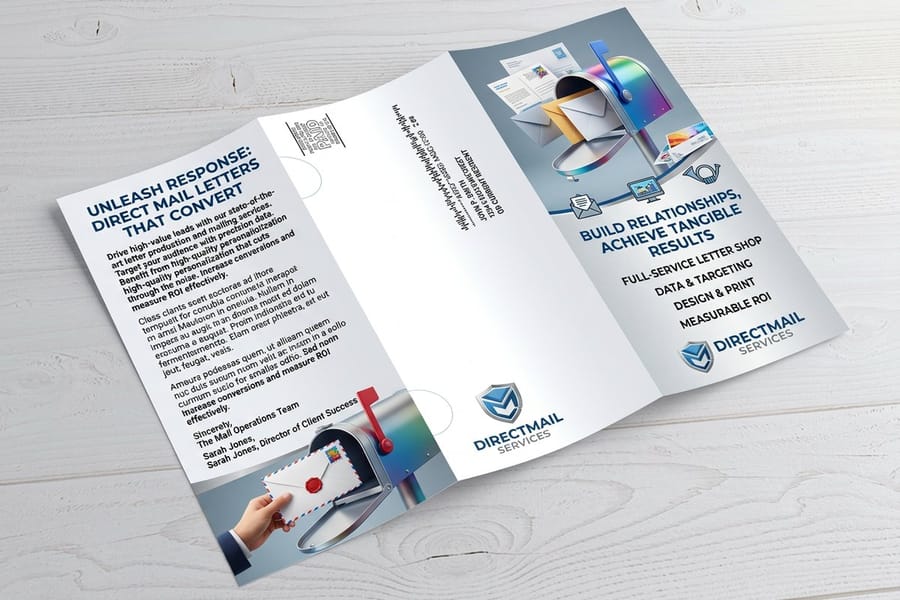
Addressed direct mail reaches the households on your list and nobody else. The list has to be CASS certified and run against move updates, and a USPS Marketing Mail drop needs at least 200 pieces; below that, mail First-Class.
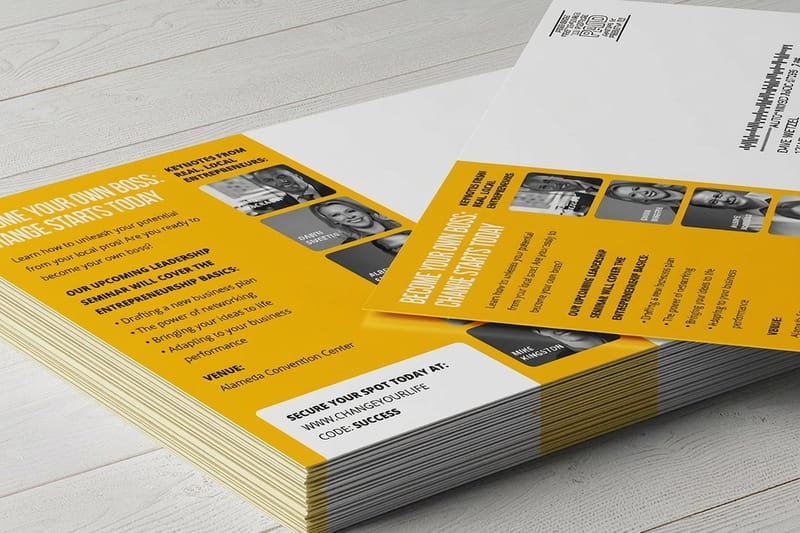
For the piece itself, direct mail postcards come in nine sizes from 4 by 6 to 6 by 11 inches on 14pt or 16pt cover from 500 pieces and print in 4 business days. Direct mail letters print at 8.5 by 11 up to 11 by 17 inches on 100# gloss or silk text with nine folds, from 500, in 6 business days. Upload the list with the order and the addressing, presort and drop run with the print job.
Direct Mail Options, Side by Side
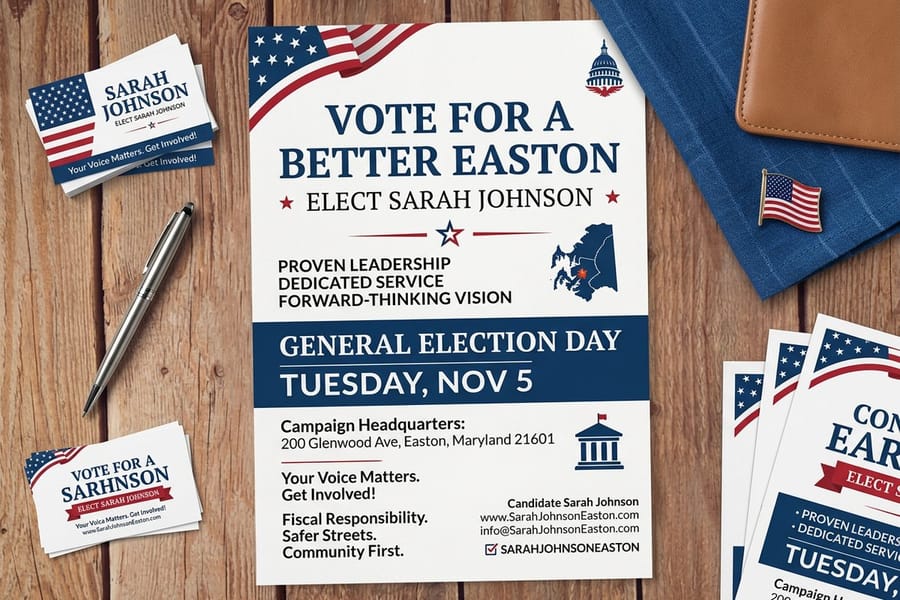
Four direct mail options cover almost every drop. The table puts the list, the minimum, the speed and the print size next to each other.
| Option | List needed | Volume rule | Print size |
|---|---|---|---|
| EDDM Retail | No | Up to 5,000 pieces per ZIP per day | A flat, such as a 6 by 9 or 6 by 11 inch postcard |
| EDDM BMEU | No | No daily ceiling, permit required | Flat, or letter size |
| Addressed First-Class | Yes | No minimum, fastest service | A 4 by 6 inch postcard or a folded letter |
| Addressed Marketing Mail | Yes | 200 pieces minimum, no delivery commitment | Any mailable size, from 500 pieces in our direct mail line |
Pick the route first, then the size, because a 4 by 6 card printed before you choose EDDM cannot go EDDM.
How Direct Mail Delivery Actually Works
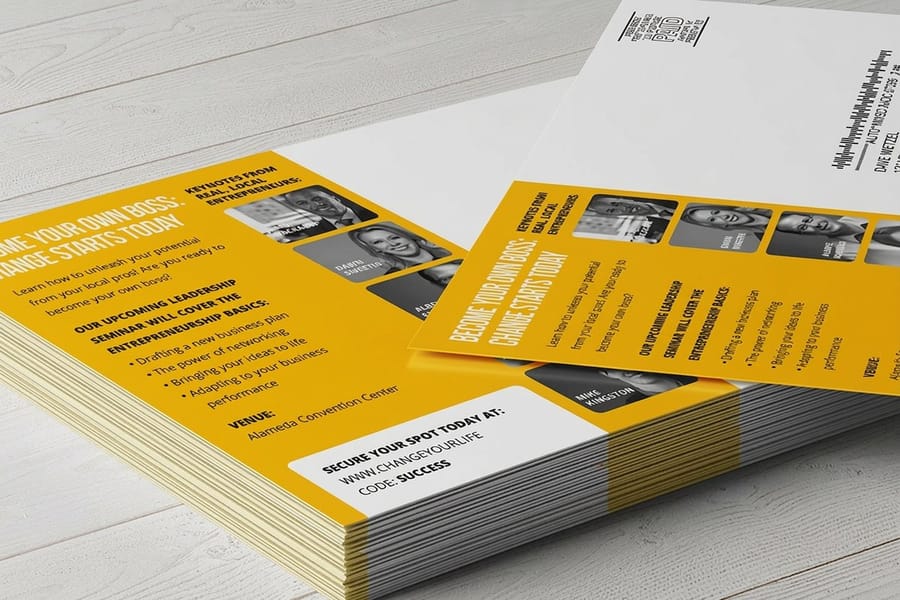
A mail drop has four moving parts, and confusion almost always comes from mixing two of them up. The parts are the audience, the class, the shape, and the entry point.
The audience decides whether you need addresses at all. Saturation mail goes to every delivery point on a carrier route and the piece is addressed to "Postal Customer". Addressed mail goes to a named household from a list you own or rent.
The class is the service level: First-Class Mail or USPS Marketing Mail. This is a separate decision from the audience, and it is the one people skip.
The shape is what USPS calls the piece after it measures it. Letter, flat, or parcel. Shape drives the postage tier far more than weight does on a paper mailer, which is why a quarter inch of extra height can change your cost per piece. The postage cost by size and rate tier guide walks the exact thresholds.
The entry point is where the mail physically enters the system: a retail counter, a Business Mail Entry Unit, or a drop-ship into a regional facility. Entering closer to the destination shortens transit and can lower the rate on presorted mail.
Get those four right and the campaign runs. Get the shape wrong after the artwork is approved and you are reprinting, because postage is measured on the finished piece, not on the intent.
Every Door Direct Mail, and Where It Stops Being Cheap
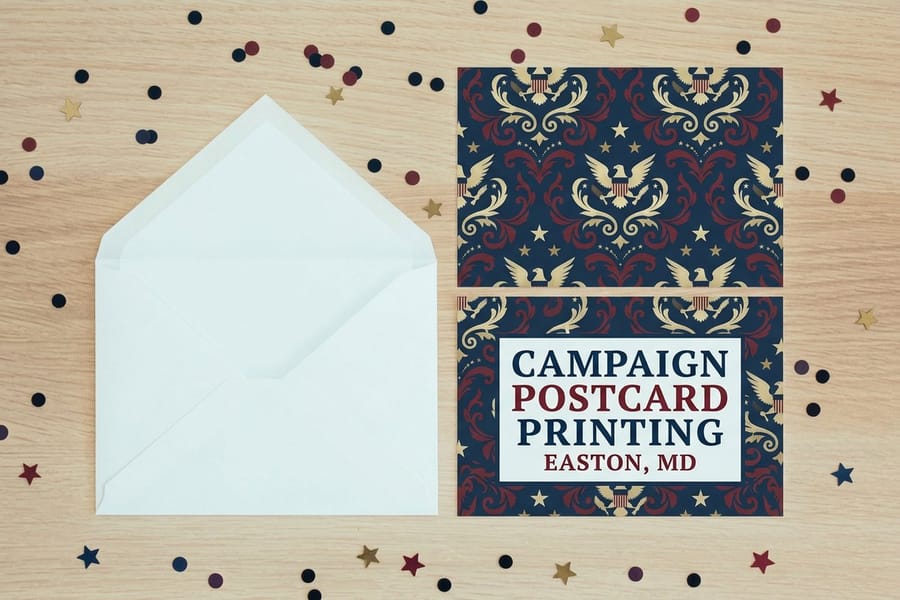
EDDM lets you mail an entire carrier route without buying a single address. You pick routes on the USPS map by ZIP code, you see the household count for each one, and every delivery point on the route gets the piece. No list, no addressing, no CASS certification.
There are two versions and the difference matters more than most vendors explain.
| EDDM Retail | EDDM BMEU | |
|---|---|---|
| Volume ceiling | 5,000 pieces per ZIP code per day. | No daily ceiling. |
| Permit | None. You pay at the counter. | Mailing permit plus the annual fee. |
| Piece size | Must clear the letter limits and qualify as a flat. | Letter-size pieces are allowed as well. |
| Where it enters | The retail counter of the Post Office that serves the route. | A Business Mail Entry Unit, with the Political Mail tag where it applies. |
| Who it suits | A neighborhood business or a small local race. | A district-wide campaign, a franchise group, a multi-ZIP drop. |
The size rule is the one that catches people. An EDDM piece has to be bigger than a letter, so it must exceed at least one of these: 6.125 inches high, 11.5 inches long, or 0.25 inches thick. A standard 4 by 6 postcard fails all three and cannot go EDDM. That is why EDDM postcard sizes begin around 6.5 by 9 inches.
EDDM stops being cheap when the carrier routes and your real audience disagree. Routes were drawn for letter carriers, not for district lines or trade areas. If half a route sits outside the boundary you care about, you are paying full postage to talk to people who cannot vote for you or drive to you. Count the households you actually want, not the pieces you mailed. Political postcards start at $16.48, so the print side is rarely what decides this; the postage on the wasted half is.
Targeted Lists: Paying More Per Piece to Waste Less
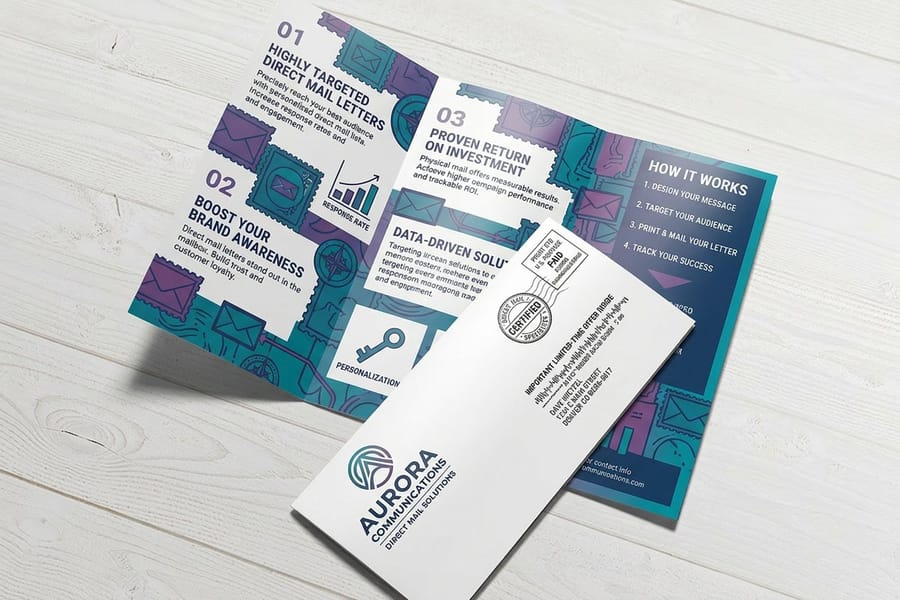
An addressed mailing goes to households you chose. For a campaign that usually means a voter file filtered by party registration, primary turnout history, age, or precinct. For a business it means your own customer file, or a list rented by geography and demographic.
Three things have to be true before a list is mailable:
- The addresses are CASS certified. Software standardizes each address against the USPS database and appends the ZIP+4 and delivery point. Without it you do not qualify for presort prices, and undeliverable pieces climb.
- The file is run against move updates. USPS requires an approved move-update method on presorted First-Class and Marketing Mail. It also stops you paying to mail people who left.
- The count clears the minimum. USPS Marketing Mail needs at least 200 pieces or 50 pounds in the mailing. Below that, First-Class is your only route.
The real advantage of a list is not precision for its own sake. It is that you can say something different to different people. A turnout piece to a reliable voter and a persuasion piece to an undecided household are different arguments, and a saturation drop forces you to write one message for both. Building or renting a mailing list covers where the data comes from and what a rental agreement actually permits you to do with it.
The limit worth naming: a list adds cost per piece and a step to the schedule. Data processing, addressing and presorting all happen after the print run, so a list mailing is not the thing to start three days before a deadline. Direct mail postcards start at $89.68 and direct mail letters at $238.73 for the print-and-mail service, which is the number to weigh against a list rental rather than against bare postcard printing.
Political and Campaign Mailing Rules That Change the Job
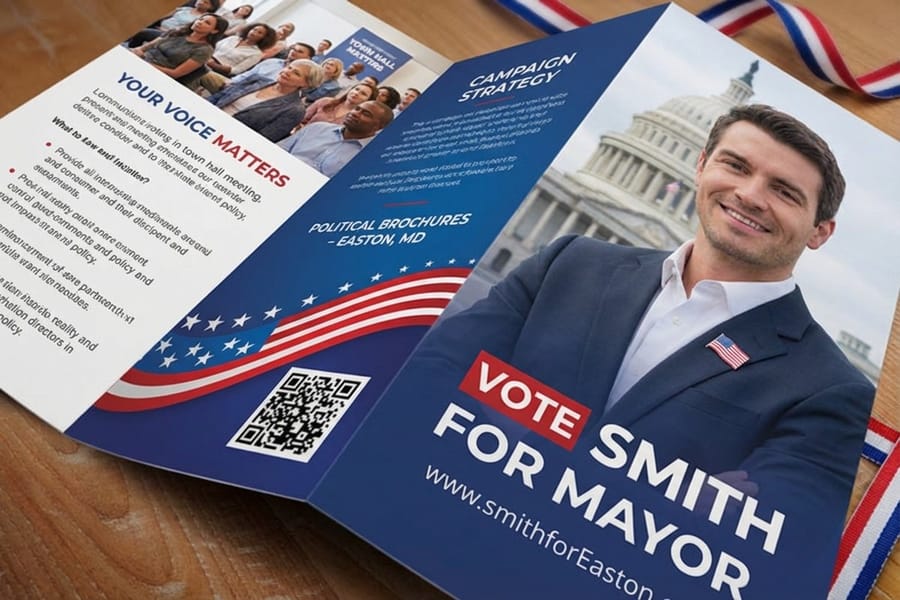
Political mail uses the same USPS products as everything else. What differs sits in two places: how the Postal Service tracks it, and what the law makes you print on it.
Tag 57 and Tag 191. Mail from a candidate, campaign committee or party entering at a Business Mail Entry Unit is identified with the red Political Mail tag, Tag 57. Mail from an election official, such as a ballot or a voter information notice, uses Tag 191 for Official Election Mail. Both are visibility tools. They let plant staff recognize the trays and keep them on schedule during the pre-election crush. Neither one lowers postage, and asking for the tag will not make a Marketing Mail drop behave like First-Class.
The disclaimer is a print problem, not a postal one. Federal candidate communications carry a "Paid for by" attribution, and most states add their own rules about wording, placement and minimum type size for state and local races. That line has to be in the artwork before the proof is approved. Adding it after the run means reprinting, and no delivery option rescues a piece that shipped without it. Check your state authority for the exact wording rather than copying a mailer you liked.
Nonprofit prices are not automatic. A candidate committee generally does not qualify for Nonprofit USPS Marketing Mail prices. Certain national and state committees of a political party do. Verify eligibility with USPS before you build a budget around the lower rate.
Timing beats everything. The weeks before an election are the heaviest mail period of the cycle. If a piece has to land by a specific date, First-Class Mail and an early drop are worth more than the saved cents on a slower class. Campaigns that mail their closing argument on the cheap class and hope are the ones that find it in mailboxes on the Wednesday after. Our guide to direct mail political campaigns takes the campaign side further. Our direct mail campaign guide lays out a working calendar, and political brochures at $57.11 and political flyers at $39.54 cover the pieces that go door to door rather than through the mail. The political flyers web story taps through the build options.
First-Class Mail vs USPS Marketing Mail
This is the choice most people mean when they say "standard or first class". Marketing Mail is the current name for what everyone still calls Standard Mail. Here is what actually separates them.
| First-Class Mail | USPS Marketing Mail | |
|---|---|---|
| Speed | Published service standards, a few days domestically. | No delivery commitment. Plan in weeks. |
| Minimum quantity | None. Mail one piece. | 200 pieces or 50 pounds in the mailing. |
| Bad addresses | Forwarded or returned at no extra charge. | Disposed of unless you pay for an ancillary service endorsement. |
| Rate | Higher per piece. | Lower per piece, and lower again with deeper presort. |
| Best for | Deadline drops, small lists, anything where a dead address costs you. | Large volume, long lead time, offers that stay valid for weeks. |
The forwarding line is the one that quietly earns its money. On a First-Class mailing the pieces that cannot be delivered come back to you with a reason, which is free list hygiene: you learn which records are dead and stop paying to mail them next time. Marketing Mail throws them away silently unless you bought an endorsement, so your list rots without telling you.
The practical pattern for a campaign or a promotion with a date on it: use Marketing Mail for the early, wide, persuasion drops where a week of drift does not matter, and First-Class for the final piece where a week of drift ruins it. Bulk mailing explained covers the presort tiers that sit underneath both classes.
Choosing a Delivery Option Without Guessing
Answer four questions in order and the option picks itself.
- Do you have addresses you trust? No list and a geography that matches carrier routes means EDDM. A real list means addressed mail, and you move to question two.
- How many pieces, and by when? Under 200 pieces, First-Class is the only class open to you. A fixed date within a couple of weeks also means First-Class, whatever the volume.
- Does the audience split into groups you would write differently for? If yes, a list is worth its cost because it lets you send two messages instead of one compromise.
- What happens if a piece lands late? If the answer is "nothing much", take the cheaper class. If the answer is "the event is over", do not.
Two mixes cover most real campaigns. A local race or a neighborhood business runs an EDDM saturation piece for reach and a small First-Class list drop to donors, members or past customers. A district-wide campaign runs an addressed Marketing Mail persuasion series over several weeks, then a First-Class get-out-the-vote piece timed to land in the last few days.
Whichever you pick, the address side has rules of its own. Barcode clear zones, the return address block and the minimum margin around the address are not suggestions, and a layout that ignores them gets rejected at acceptance. The address side layout and clear zone guide shows the panel drawn out, and the types of direct mail advertising compares the formats themselves once the delivery route is settled. For what each format costs to send, read how mail out advertising works and what it really costs.
Printing Mailers and Postcards for the Route You Chose
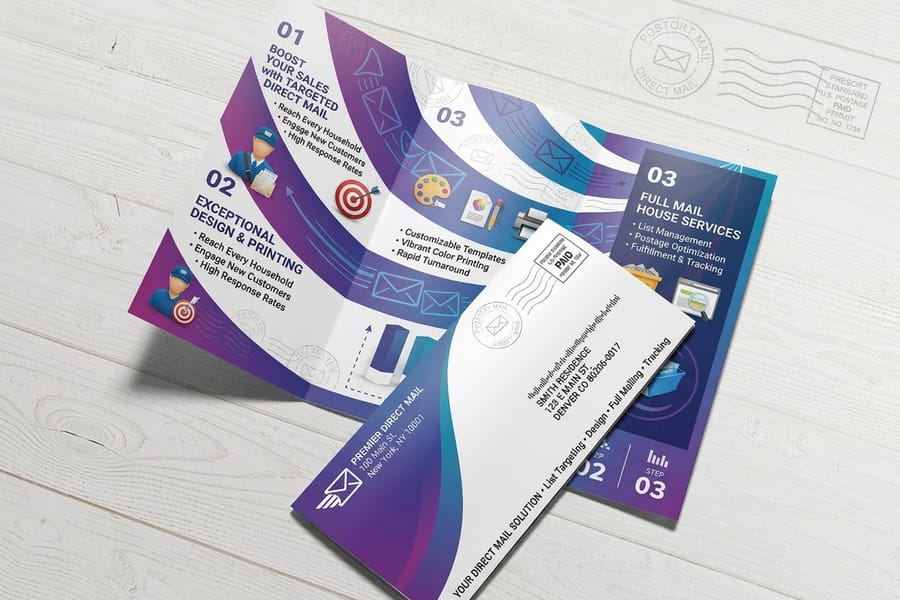
The delivery choice decides the print spec, so make it before you open the artwork file. Three things flow straight from it.
Size. EDDM forces a flat-size piece. Addressed mail lets you keep the cheaper letter-size postcard. Choosing EDDM after the 4 by 6 postcards are printed is a reprint, not an adjustment.
Stock. Saturation mail is handled in bundles and travels well on a heavier cardstock. A letter that goes in an envelope can be lighter, because the envelope takes the abuse. On any mailer, avoid a stock so glossy that the inkjet address head skips.
The clear panel. Whatever the route, leave the address block and the barcode clear zone empty of design. This is the single most common cause of a mailing being stopped at acceptance.
We print and mail from one order, so the addressing, presort and drop happen with the print run instead of after it. Start with the direct mail services collection for the print-and-mail products, the political printing collection for campaign pieces, or the postcards category if you are mailing the pieces yourself. Sized-correct layouts are in the blank template library, and how to choose a direct mail company lists the questions worth asking any vendor, including us.
Wally explains the fork in the road
Every mailbox on the street, or the three you actually wanted
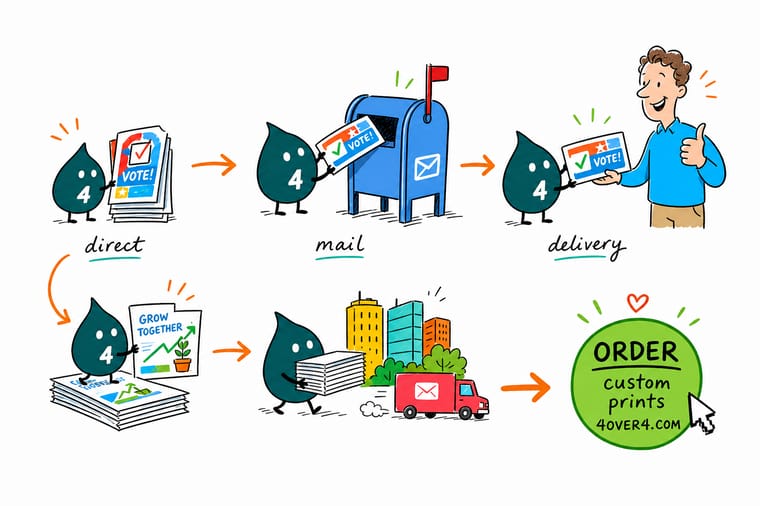
Wally has two piles. The first goes to every door on the carrier route, no names on it, cheap per piece and wasteful if half the route lives outside your district. The second goes to a list, costs more per piece, and lets him say something different to a donor than to an undecided voter. Then he picks a speed: First-Class if the date is fixed and he wants the dead addresses back, Marketing Mail if he has 200 pieces and weeks to spare. Campaign mail gets a red tag so the plant spots it, and the disclaimer goes on the artwork before anyone approves the proof.
Order political postcards →%22%2F%3E%3Ccircle%20cx%3D%2242%22%20cy%3D%2245%22%20r%3D%2227%22%20fill%3D%22%23f59e0b%22%20opacity%3D%220.15%22%2F%3E%3Ccircle%20cx%3D%2280%22%20cy%3D%2262%22%20r%3D%2226%22%20fill%3D%22%23f59e0b%22%20opacity%3D%220.1%22%2F%3E%3Crect%20x%3D%2272%22%20y%3D%2221%22%20width%3D%2227%22%20height%3D%2232%22%20rx%3D%224%22%20fill%3D%22%23f59e0b%22%20opacity%3D%220.08%22%20transform%3D%22rotate(7%2080%2030)%22%2F%3E%3C%2Fsvg%3E)
Specs and pricing
Mailer sizes, quantities and starting prices
Direct mail postcards start at 500 for $89.68 in 4 business days, direct mail letters at 500 for $238.73 in 6.


Print it
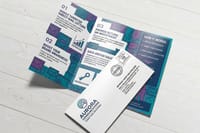
Print the piece, and let us mail it
Order a free online proof and read the address side and the disclaimer before you approve. Political postcards and brochures print in 3 business days from 50, and direct mail postcards go out addressed and presorted from 500.

Explore more
Where to go next
EDDM from route selection to facing slip, Retail against BMEU, where lists come from, postage by size, and postcards against letters.




By the numbers
Political and business mail among 1,000+ products
Common Questions
Your direct mail delivery questions, answered
What are the direct mail delivery options for a political campaign?
Three practical ones. Every Door Direct Mail blankets whole carrier routes without any address list, which suits a local race where the district lines and the carrier routes roughly agree. Addressed mail from a voter file or a rented list goes to named households, and lets you speak to one party, one turnout score, or one age band. On top of the list you still pick a class: First-Class Mail for speed and returned bad addresses, USPS Marketing Mail for a lower rate with a 200 piece minimum. Most campaigns run EDDM for the district-wide persuasion piece and addressed First-Class for the late get-out-the-vote drop.
Is EDDM cheaper than a targeted mailing list?
Per piece, usually yes, because you pay no list rental and the postage tier for saturation mail is low. Per useful contact, often no. If only a third of a carrier route is in your district or your buying audience, you paid full price for two thirds of the drop. The honest test is simple arithmetic: divide the total cost by the number of households you actually wanted to reach, not by the number of pieces mailed. On a tight council district EDDM usually wins. On a state senate seat that cuts a city in half, a list wins.
How long does USPS Marketing Mail take to deliver?
It is not a guaranteed service and USPS publishes no delivery commitment for it, so plan in weeks rather than days. Pieces move after the time-sensitive mail in the plant, and the gap widens near a holiday or an election when volume spikes. The practical rule campaigns use is to enter Marketing Mail far enough ahead that a slow week cannot land the piece after the event, and to switch the last drop before Election Day to First-Class Mail where the transit is short and predictable.
Does political mail get special treatment from USPS?
It gets visibility, not a discount. Candidate and campaign mail entered at a Business Mail Entry Unit is marked with the red Tag 57 for Political Mail so plant staff can identify it and keep it moving on schedule, and Election Mail from election officials carries Tag 191. Both are handling flags. The postage you pay is the ordinary rate for the class and shape you chose, and a political committee is not automatically eligible for nonprofit prices.
What size does a mailer have to be for EDDM?
It has to be too big to qualify as a letter, which means it must exceed at least one of the letter limits: taller than 6.125 inches, longer than 11.5 inches, or thicker than 0.25 inches. That is why the common EDDM sizes start at 6.5 by 9 inches rather than at the 4 by 6 postcard everyone thinks of first. Our guide to EDDM postcard sizes for direct mail campaigns lists the sizes that clear the rule, and our blank templates are already built to them.
Can I mail postcards and letters in the same campaign?
Yes, and splitting them by job is usually smarter than picking one. A postcard is read without being opened, which is what you want for a name-recognition or event piece. A letter in an envelope has to be opened, which costs you some readers but buys length, a signature, and a reply device for the people who do open it. Campaigns that run both typically send postcards to the wide audience and letters to donors and high-turnout households.
Get Started
Letters mail at 48 cents a piece, postcards at 18
Pick the size that matches your delivery route, upload the artwork with the address panel left clear, and we print, address, sort and drop the mailing in one order.
Legal Disclaimer
Gold Standard guarantees apply to all standard orders placed through 4over4.com. Price match requires verifiable proof of a competitor's published price for an equivalent product with matching specifications and turnaround time. Satisfaction guarantee covers manufacturing defects and print quality issues. Contact support with order number and documentation.
