
How Mail Out Advertising Works and What It Really Costs


What mail out advertising is, why a printed offer still pulls buyers, which formats fit which jobs, and the postage rules that decide the size before your designer opens a file.
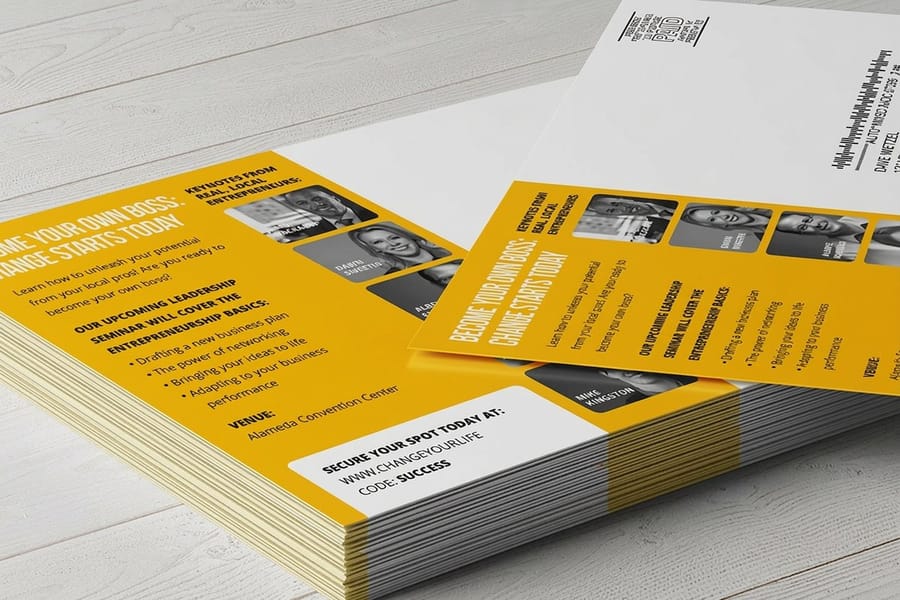
Mail out advertising is paid advertising delivered as a printed piece to a physical address: a postcard, flyer, brochure or letter that a carrier puts in the mailbox. It runs two ways. Saturation mail covers every address on the carrier routes you choose, which is what EDDM does, and targeted mail goes to a list of named households you built or rented. The size of the piece decides the postage tier, so pick the rate first and design inside it.
Quick answer
An offer on paper, delivered to an address
Mail out advertising puts a printed offer in a mailbox, either across every address on a carrier route or to a list of households you selected. It reaches people who never gave you an email address, and it charges you for every piece whether they read it or not, which is why the offer and the list matter more than the artwork. Postage follows dimensions: up to 4.25 by 6 inches you pay the postcard rate, above that the letter rate, and above 6.125 inches tall the piece becomes flat size and qualifies for EDDM.
What Mail Out Advertising Is, and the Two Shapes It Takes
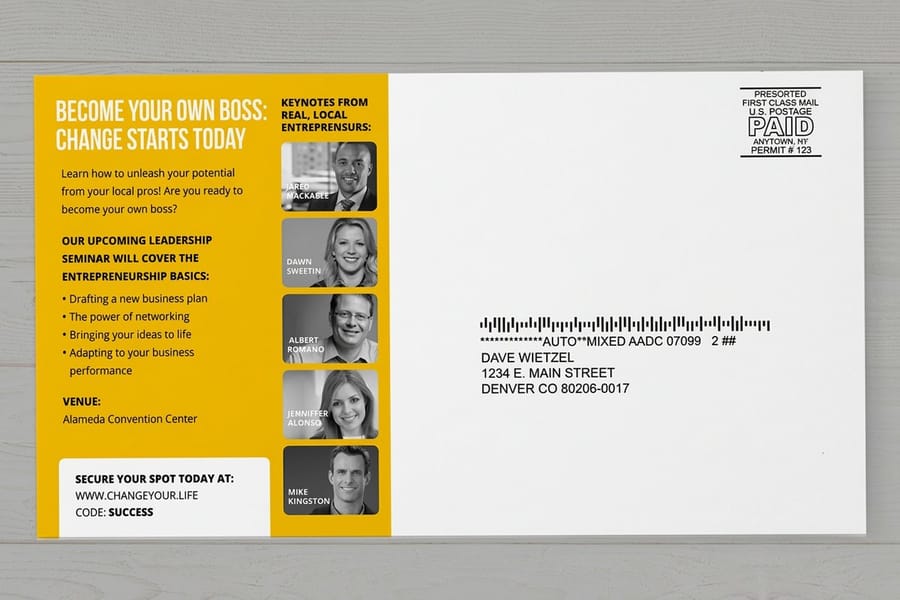
Mail out advertising covers any paid printed piece a postal carrier hands to a household or a business. The trade calls it direct mail, small business owners call it mailers, and the terms describe the same thing: an offer on paper, delivered to an address.
The split that matters is how you choose who gets it.
Saturation mail buys coverage. You pick carrier routes on a map and every address on those routes receives the piece, with no names and no list. Every Door Direct Mail Retail is the version most small businesses use, because it needs no mailing permit and no list purchase. The catch is baked into the rules: the piece has to be flat size, and you are limited to 5,000 pieces per ZIP code per day. Our guide to Every Door Direct Mail walks through route selection and the paperwork.
Targeted mail buys precision. Each piece carries an individual address, so you can mail only households that match a filter: income band, home value, length of residence, a recent move, a lapsed purchase in your own records. You pay more per piece and you need a real list, whether you built it from your customer file or rented it. Start with how to build or rent a mailing list before you spend anything on printing.
Neither one is a category of product. A direct mail postcard can run either way, and so can a flyer or a folded brochure. What changes is the size you have to print at and the data you have to supply. For the wider map of formats, types of direct mail advertising lists them all in one place.
Why It Still Converts, and Where the Money Actually Goes
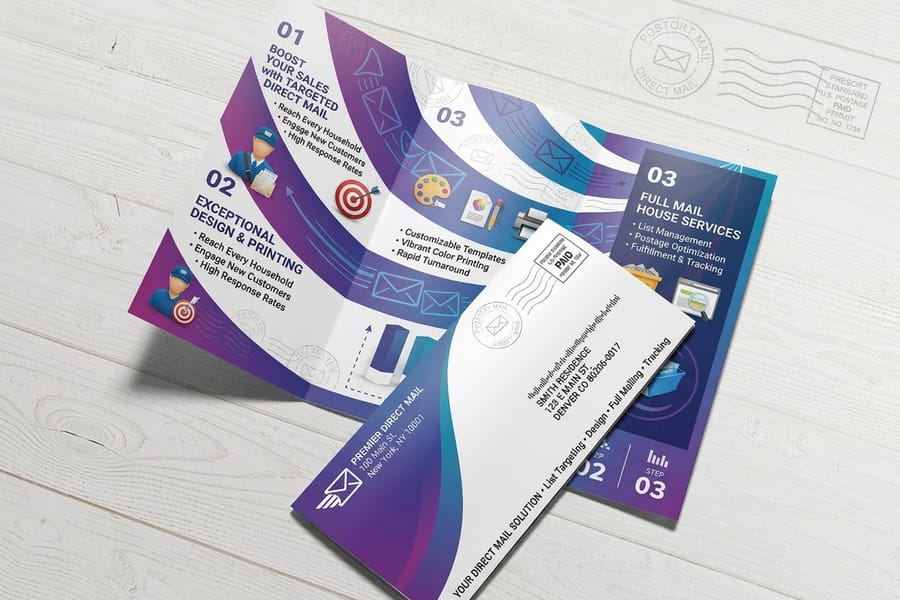
Mail reaches people no digital channel can legally touch. Nobody opted in to a mailbox. You can mail every household within three miles of a new location without a single email address, a follower or a cookie, and the piece sits on a kitchen counter for days instead of scrolling away in seconds.
The honest side of that is cost. A mailing charges you print plus postage on every single piece, whether the recipient reads it or bins it, so the economics only work when the offer is worth a purchase rather than a newsletter signup. Run the number before you design anything: divide your total cost per mailed piece by the profit you make on one sale. That is how many households have to respond for the mailing to break even, and if the answer looks improbable for your list, the fix is a better offer or a smaller list, never a bigger print run.
Two habits separate campaigns that compound from campaigns that get abandoned after one try. First, mail the same list more than once. A household that ignored the first card has a reason to look at the second, and a single drop tells you almost nothing. Second, give the piece one measurable action, a dedicated phone number or a QR code on a campaign landing page, so you can tell whether the list or the offer produced the result. Our campaign playbook covers the cadence, and direct mail cost per piece covers the arithmetic in detail.
Where it fails is predictable. Broad awareness with no offer, a list nobody scrubbed for movers, and a piece that looks like every other card in the stack. Fix the offer first. Design is what makes a good offer get read, not what rescues a weak one, and direct mail design best practices is where to start once the offer is settled.
The Formats That Work, With Real Starting Prices
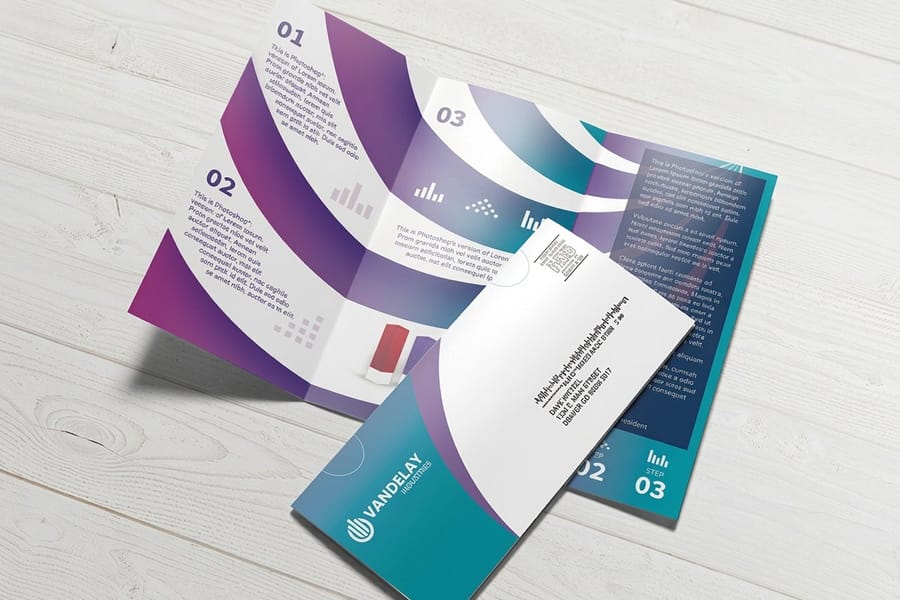
Every format below mails. The difference is how much room the offer needs and how much attention you can ask for before the piece gets flipped over.
| Format | Best for | Starts at | Watch out for |
|---|---|---|---|
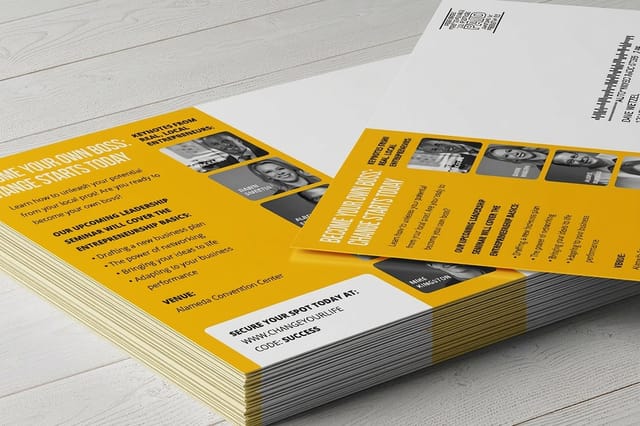
| Direct mail postcards | A single offer, a date, a discount, an open house. No opening required. | $89.68 with mailing included | One side gets read. Put the offer there, not the logo. |
| Standard postcards | Print only, when you or a mail house handle the drop yourselves. | $16.48, print only | No mailing service, so postage and prep are on you. |
| Oversized postcards | EDDM drops and anything that has to stand out in a stack of mail. | $51.62, print only | Above 4.25 by 6 inches you leave the postcard rate behind. |
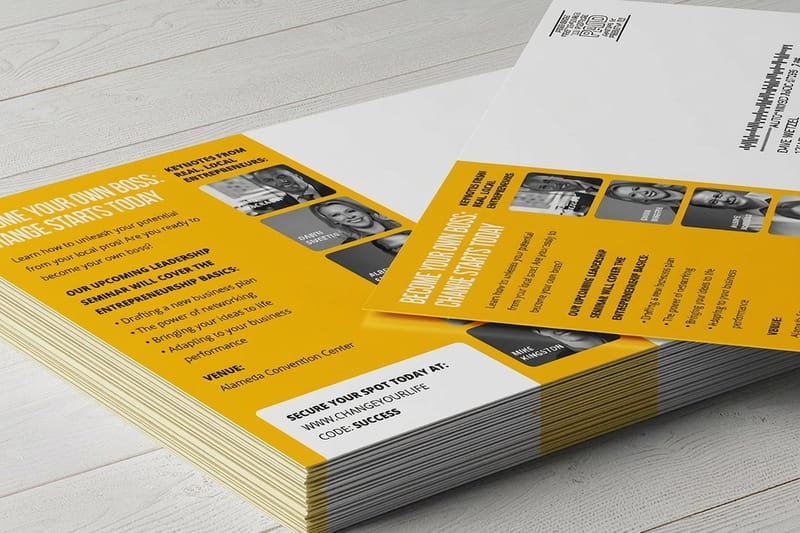
| Direct mail flyers | Menus, service lists, event schedules, anything with several items. | $238.73 with mailing included | Thin stock creases in transit. Weight matters more here. |
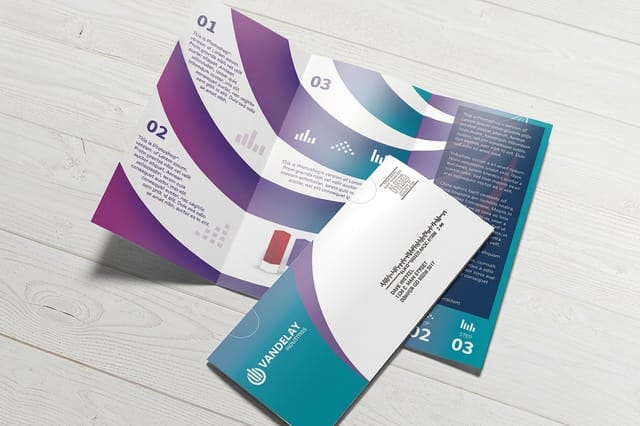
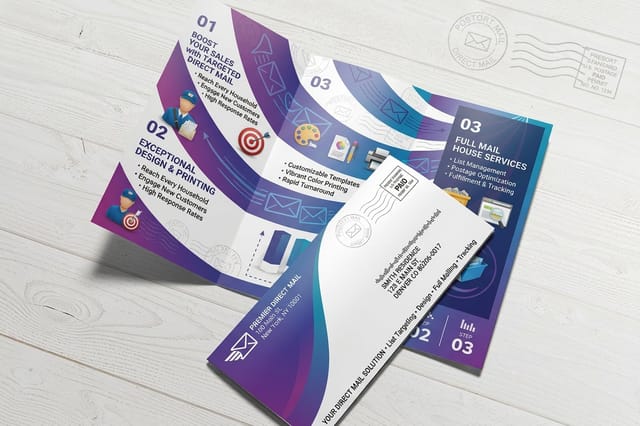
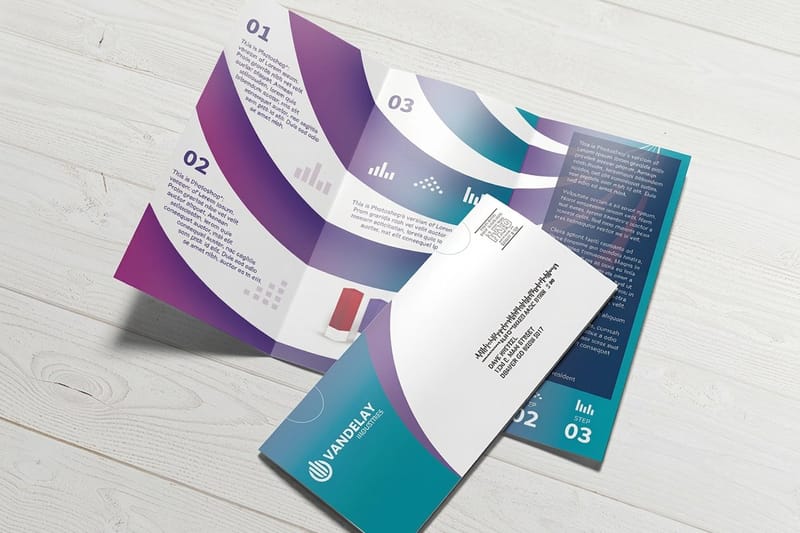
| Direct mail brochures | Considered purchases that need panels: clinics, schools, contractors. | $238.73 with mailing included | Folds add postage weight and a panel nobody reads. |
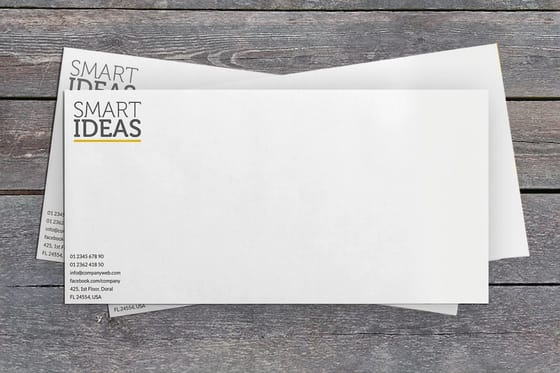
| Printed envelopes | Sales letters, renewals, statements, anything that needs privacy. | $142.99 | The envelope has to earn the open, so the outside is the ad. |
Read the price column carefully, because it hides the real decision. Products labeled direct mail bundle printing with the mailing service, so the address data, the barcode and the postal handoff come with the order. The plain products are print only and cost far less per piece, which suits you when a local mail house already runs your drops or when the cards get handed out rather than mailed. Both live in the direct mail services collection and the wider postcard printing range.
One format choice deserves a warning. A folded piece gives you four panels for the price of one card, and it is the right call when a clinic or a school genuinely needs the space. For a discount, a date and a phone number, folding it just adds a fold nobody opens. Postcards versus letters works through the same trade-off with envelopes.
The Four Checks to Run Before You Send Anything
Most failed mailings were decided before the file was uploaded. These four checks catch the expensive mistakes while they are still free to fix.
- Scrub the list. People move, businesses close, and every dead address is a piece you paid to print and mail into a bin. Run the file against a current address database and deduplicate by household, not by name, so one home does not receive four identical cards.
- Set the size from the postage tier. Decide the rate you want first, then design inside it. Up to 4.25 by 6 inches you pay the postcard rate. Past that, up to 6.125 by 11.5 inches, you pay the letter rate for the same message. Past 6.125 inches tall the piece is flat size, which is the shape EDDM Retail requires. See postage cost by size and rate tier for the current bands.
- Leave the address panel alone. The carrier side needs a clear area for the address block and the barcode, with no artwork running through it. Designers lose this one constantly, and it comes back as a rejected mailing rather than a design note.
- Plan for a delivery spread, not a delivery date. One drop reaches households over a run of days. Make the offer valid for a window, and brief whoever answers the phone for the whole week rather than a single morning.
When the four checks pass, the rest is production. Upload the artwork, pick the quantity and the stock, and add the mailing service if you want the address data and the postal handoff handled with the print. Start with direct mail postcards for a first campaign, or read what direct mail is and how to use it if you are still deciding whether to mail at all.
Wally explains mail out advertising
Pick the list, pick the rate, then design the card
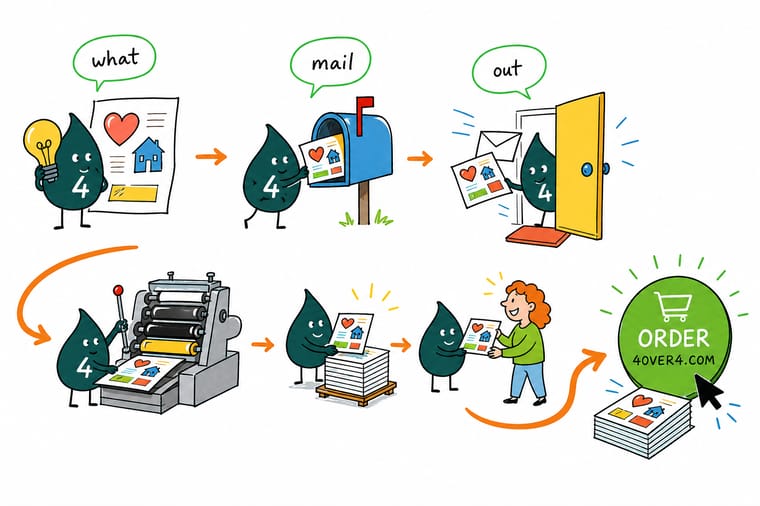
Wally does the boring part first. He decides who gets the mailing, because a good offer sent to the wrong houses is money in a bin. Then he checks the ruler: stay inside 4.25 by 6 inches and the card mails at the postcard rate, go bigger and it pays the letter rate for the same words. Only then does he design, and he keeps the address side clear so the barcode has somewhere to sit. Last, he puts one phone number on the card that appears nowhere else, so he knows exactly what the mailing brought in.
Order direct mail postcards →Specs and pricing
Mailing sizes, stocks and starting prices
Compare the pieces most campaigns mail, with live configuration choices and starting prices straight from the 4OVER4.COM configurator.

Print it
Print and mail it in one order
Explore more
Where to go next
By the numbers
Mailed postcards, flyers and brochures
Common Questions
Your mail out advertising questions, answered
What is mail out advertising?
Mail out advertising is paid advertising that arrives as a physical printed piece at a home or business address. A postcard, flyer, brochure or letter carries the offer, and the postal carrier delivers it. It runs in two shapes. Saturation mail goes to every address on the carrier routes you select, which is what Every Door Direct Mail does. Targeted mail goes to a list of specific addresses you built from customer records or rented from a list broker, and each piece carries an individual address and barcode.
Is mail out advertising the same thing as EDDM?
EDDM is one method inside it. Every Door Direct Mail Retail lets you drop a mailing at the post office without a mailing permit and without any list, choosing carrier routes on a map instead of names. In exchange the piece has to be flat size, larger than a standard postcard, and you are capped at 5,000 pieces per ZIP code per day. Targeted list mail costs more per piece and takes more setup, but it lets you mail only households that match an income band, a home value, a move date or a past purchase.
How much does a mail out campaign cost?
Two costs stack: printing and postage. Printing is the part we quote directly, and direct mail postcards start at $89.68 with the mailing service included, while plain standard postcards you mail yourself start at $16.48. Postage is set by USPS and depends on the size class, the mail class and whether the mailing is presorted. Plan the budget per piece rather than per order, then multiply by the list size, because the list is what makes the number big.
What size should the piece be?
Start from postage, then design. A card up to 4.25 by 6 inches qualifies for the USPS postcard rate, which is the cheapest way to put a printed offer in a mailbox. Anything larger than that, up to 6.125 by 11.5 inches, mails at the letter rate. Go beyond 6.125 inches tall and the piece becomes flat size, which is the minimum shape EDDM Retail accepts. A 6.5 by 9 or 8.5 by 11 card is a common EDDM shape for exactly that reason.
How do I know whether the mailing worked?
Give the piece one measurable action and keep it off every other channel. A phone number used nowhere else, a QR code pointing at a campaign landing page, or a coupon code the staff types at checkout all attribute cleanly. Then hold the rest of the campaign steady and change one variable at a time. If you swap the list and the offer and the format together, a result tells you nothing you can repeat.
How long does it take to land in mailboxes?
Printing and mail prep run on our production schedule, and delivery runs on the postal schedule after that. The important part for staffing is that a mailing does not arrive on a single day. Pieces from one drop reach households across a spread of days, so a phone line or a landing page set up for a one-day rush will miss calls. Keep the offer valid for a window rather than a date, and brief whoever answers the phone for the whole week.
Should I mail a postcard or a letter in an envelope?
A postcard puts the offer in front of someone with no action required, which is why it suits retail promotions, service reminders and open house announcements. An envelope hides the message until it is opened, so it costs you attention, but it buys room for a longer sales letter, a personal tone and enclosures. Printed envelopes start at $142.99. Choose the postcard when the offer fits on one side, and the envelope when the sale needs paragraphs.
Get Started
Direct mail flyers run 500 for $238.73, or 48 cents each
Pick the size that fits your postage budget, upload the artwork, and add the mailing service so the address data and the postal handoff come with the print.
Legal Disclaimer
Gold Standard guarantees apply to all standard orders placed through 4over4.com. Price match requires verifiable proof of a competitor's published price for an equivalent product with matching specifications and turnaround time. Satisfaction guarantee covers manufacturing defects and print quality issues. Contact support with order number and documentation. On-time delivery rate based on tracked orders 1999 to 2026. Individual results may vary based on shipping carrier performance.
