
How to Market Beyond the Inbox When Email Stops Reaching People


Email did not stop working. It stopped being enough on its own. Something changed inside the inbox, a second channel gets picked by the way it fails, and a 90 day plan is enough to test one.
Reaching customers beyond the inbox means adding a channel whose delivery you control, because email now passes an authentication check, a spam filter and an inbox tab, and all three can drop a message without telling you. The practical answers are physical mail, print you hand over, and SMS with real consent. Pick a second channel by how it fails rather than how it sounds, build the measurement into the piece before it prints, and test it on a slice of your list against a holdout group.

Quick answer
Add a channel whose delivery you control
Email is now one route among several, and three of its gates drop messages without reporting it. A second channel is insurance against a policy change you were never consulted on. Physical mail passes no filter, handed print carries the highest intent of anything you can buy, and SMS reaches almost instantly if you handle consent and carrier registration properly. Choose by failure mode, not by fashion, and prove it with a unique code, a unique URL and a holdout group rather than an open rate.
What Actually Changed Inside the Inbox
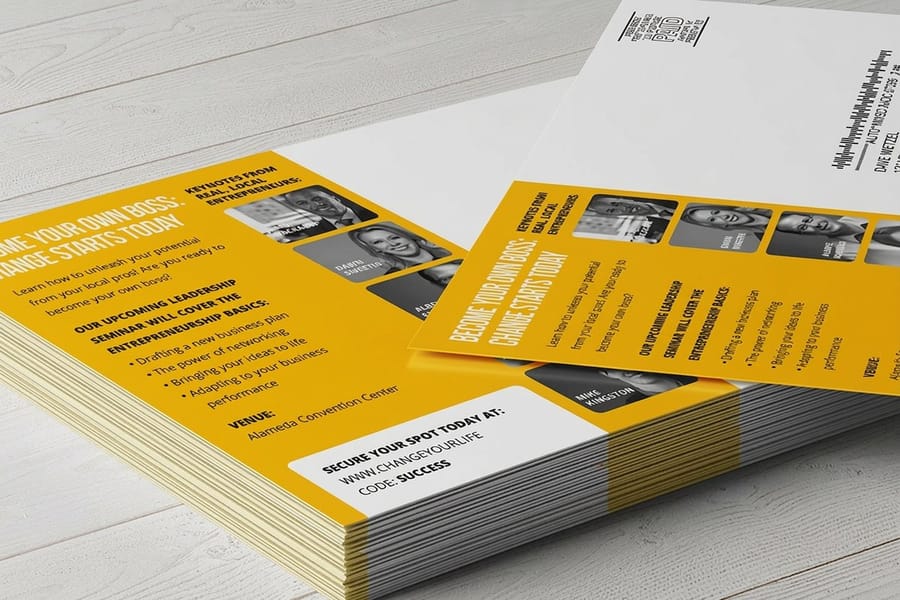
Three changes narrowed the inbox, and none of them are about your subject line.
Authentication became mandatory. Google and Yahoo now require bulk senders to authenticate with SPF and DKIM, publish a DMARC record, include a one-click unsubscribe header, and keep spam complaints under the 0.3 percent threshold they publish. Miss one and the message is rejected or filed as spam. That is a stated requirement from the providers, not a theory about the algorithm.
Open rate stopped measuring opens. Apple Mail Privacy Protection loads remote images on behalf of Apple Mail users, which fires your tracking pixel whether a person read the message or never touched it. Any dashboard still reporting a clean open rate is reporting a mixture of humans and a proxy, and you cannot separate them after the fact.
The inbox got sorted for you. Gmail files most commercial mail under Promotions, where it sits with everything else the customer signed up for. Delivered and seen became two different states.
None of that makes email a bad channel. It is still the cheapest way to reach a list you own, and it is the only channel where someone can reply in the window they read. The mistake is running it as the only channel, because every one of those three gates is controlled by a company that did not consult you and will change the rules again. A second route to the same person is insurance. Direct mail postcards are the most common one because nothing filters them, and if you want the cost comparison against hiring it out, our breakdown of direct mail agency work versus doing it yourself puts the numbers side by side.
Picking the Second and Third Channel

Choose a second channel by how it fails, not by how it sounds. Every channel has one specific weakness, and the right mix is two or three whose weaknesses do not overlap.
| Channel | Feedback speed | Who controls delivery | How it fails |
|---|---|---|---|
| Hours | The mailbox provider | Filtered silently, and the report shows the same flat line as being ignored. | |
| SMS | Minutes | The carrier and your campaign registration | Consent rules are strict, and one opt-out is permanent. |
| Physical mail | One to three weeks | You and USPS | Addresses decay, and nothing can be edited once the run is printed. |
| Handed print | Immediate | You, entirely | It scales only to the number of hands you shake. |
| Social and paid | Hours | The platform | The audience is rented, and reach can be repriced overnight. |
Read the last column. Email and social share a failure mode, because a third party decides who sees you, which is why adding a social account to an email list is not really a second channel at all. Mail and handed print fail for reasons you can see and fix: a wrong address comes back, a stack of flyers that nobody takes is sitting right there on the counter. That visibility is the whole argument for putting something physical in the mix, and the marketing materials range is where most businesses start.
Two channels is the useful minimum. Three is where most small businesses stop, because a fourth usually means nobody is running any of them properly.
Why Mail Still Lands When Nothing Else Does

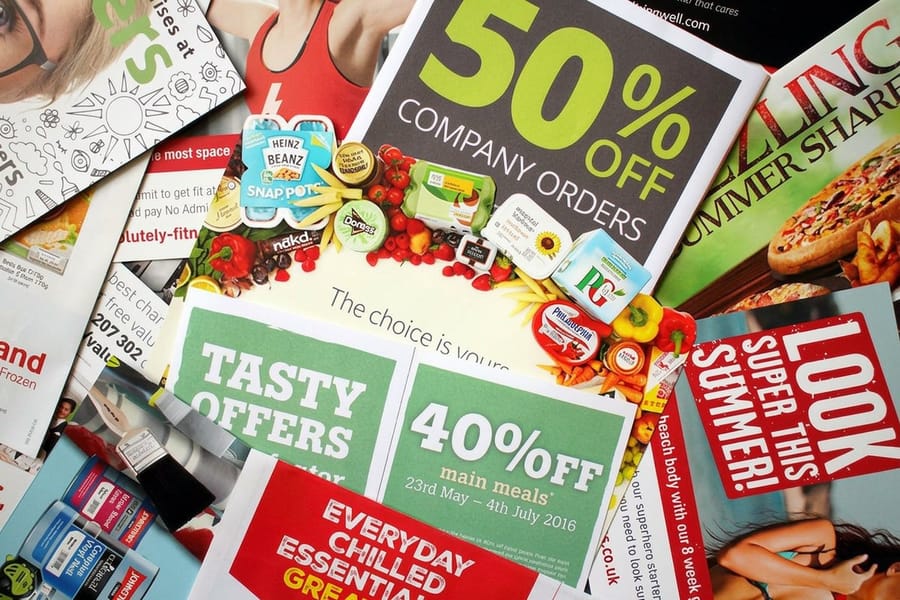
A mailed piece has no spam folder. It arrives, a person picks it up, and the decision to keep it or bin it happens in their hand rather than in a filter. That single fact is why mail keeps earning its place next to a mature email program.
The trade is real and worth stating plainly. Mail is slower, it costs money per piece rather than per thousand, and a typo survives the entire run. Feedback takes weeks instead of hours. Against that, undeliverable pieces physically come back to you, which is the one honest signal the inbox has never provided.
Two ways to target it. A saturation drop covers every address on a carrier route, which suits anyone whose customer is defined by geography such as a restaurant, a dentist, a gym or a roofer. A list drop targets named households from your own customer file or a rented list, which suits anyone selling to a narrower group. The saturation route is cheaper per piece; the list route wastes less paper. Pick by how specific your buyer is.
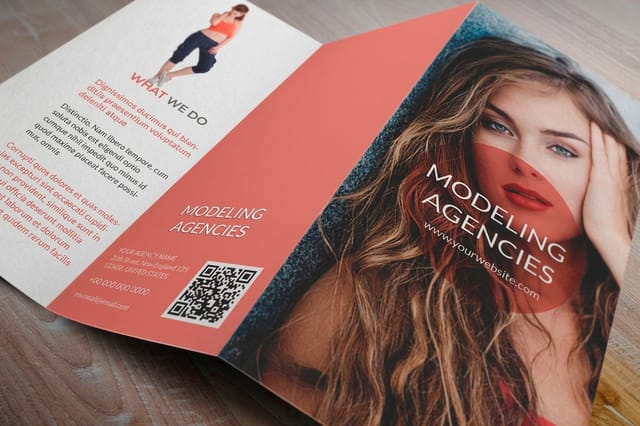
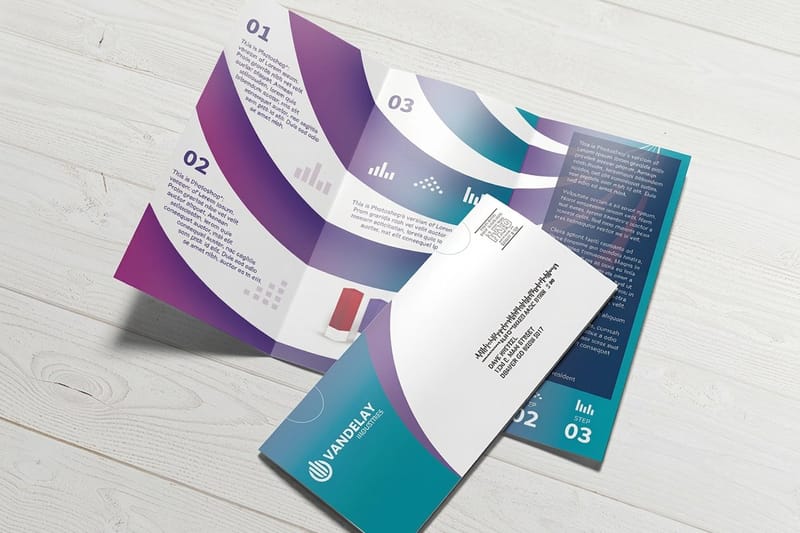
Format follows the message. A postcard starting at $16.48 carries one offer and needs no envelope, so it gets read without being opened. A folded piece hides the offer until someone opens it, which costs you some readers but buys room for detail, and our guide to letter printing and mailing covers when that trade is worth making. Get the mailing panel wrong and USPS will send the lot back, so check the layout rules in how to lay out a postcard for mailing before you go to press, and browse the full direct mail services range if you want the print and the mailing handled in one order.
Clean the list first. USPS forwards mail after a move for a limited period, so a file you have not updated in a year or more is quietly paying postage on people who no longer live there.
The Channels Nobody Can Take Away From You
There is a category worth separating out: channels that keep working even if every platform you use disappeared tomorrow. Three of them matter.
The customer record itself. Not the email address, the record. Name, postal address, phone number, what they bought, when. An email address is one channel key; a full record is three. Most businesses collect only the first because the signup form was designed by an email tool, and then find out at the worst moment that they cannot reach anyone another way. Add a postal field to your checkout and your intake form now, and it will be populated by the time you need it.
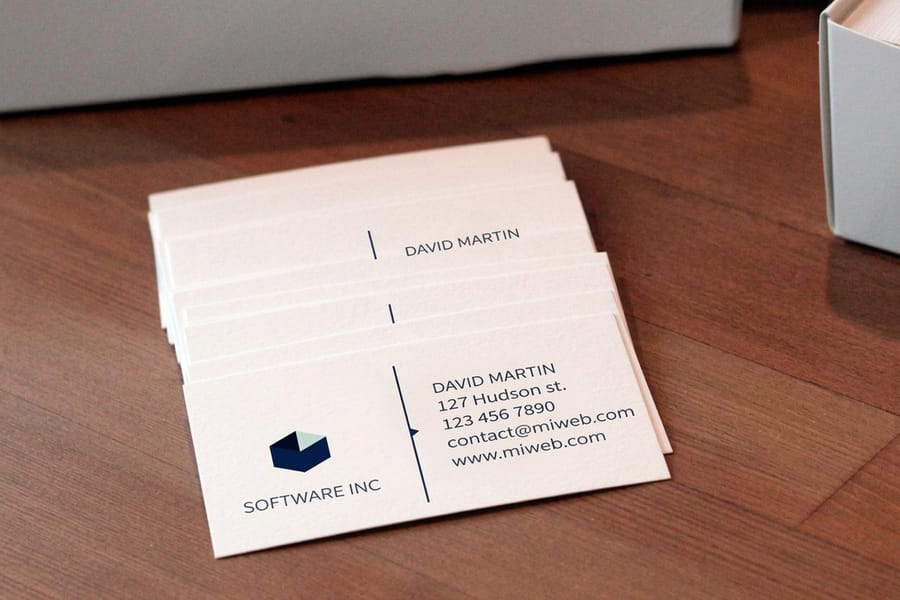
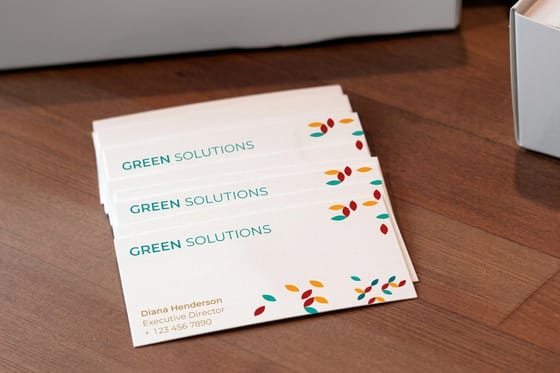
Anything handed over in person. Standard business cards start at $17.57 and remain the highest intent touchpoint in marketing, because someone chose to take it. A card that carries a QR code to a specific landing page also links the physical moment to a measurable one, which is the cheapest attribution you will ever build. The business card range covers the stock and finish options if the card is doing work beyond a name and number.
SMS, run properly. High attention, low tolerance for abuse. Marketing texts in the United States need prior express written consent under the TCPA, and business messaging to mobile numbers goes through 10DLC brand and campaign registration with the carriers. Do that groundwork and SMS delivers close to instantly. Skip it and your numbers get filtered, which is the same problem as email with a legal bill attached.
The pattern behind all three: own the connection, not just the account.
A 90 Day Plan to Stand Up a Second Channel
Adding a channel fails when it starts as a big launch. Run it as a small test with a number at the end, and it either earns a second round or it tells you something useful.
- Days 1 to 10. Audit what you can already reach. Export your list and count how many records carry a postal address and a phone number, not just an email. That count is your real reach, and it is usually smaller than the subscriber number people quote.
- Days 11 to 20. Fix the intake. Add address and mobile fields to checkout, intake forms and the in-store signup, with clear marketing consent wording for the phone number. Nothing else on this list works without it.
- Days 21 to 30. Pick one offer worth mailing. One offer, one audience, one action. If it reads like your last newsletter, it is not ready.
- Days 31 to 45. Build the measurement before the artwork. A landing URL that appears nowhere else, a promo code unique to the drop, and a tracked phone number. Choose the holdout group now and set it aside.
- Days 46 to 60. Design and proof. Set up from a correctly sized layout in the blank template library, proof the address panel, and read every price and date twice. Print does not have an edit button.
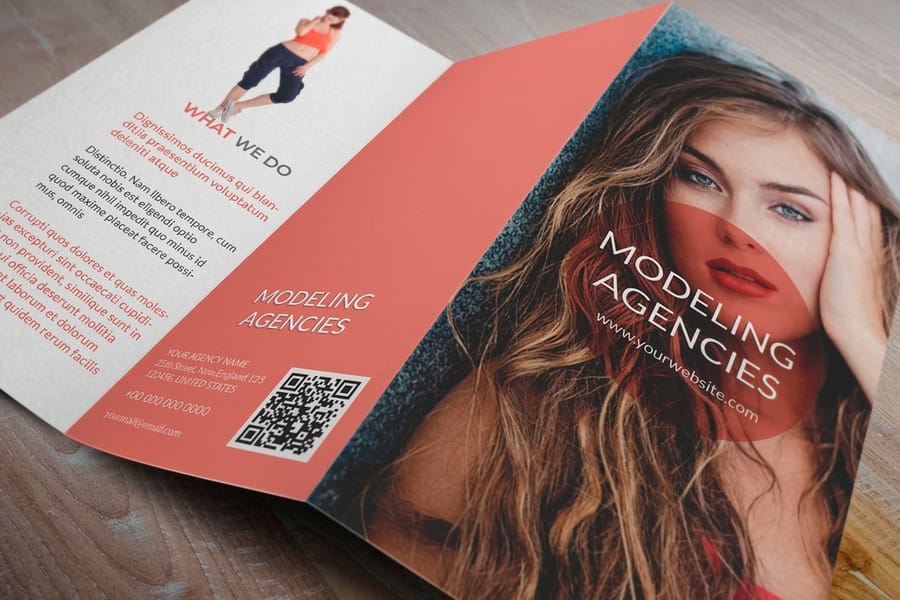
- Days 61 to 70. Print and drop. Send to the test slice, not the whole file. A postcard run is the usual first test; a brochure makes sense when the offer genuinely needs the space to explain itself. Our print and deliver explainer covers how the schedule works from press to doorstep.
- Days 71 to 90. Count the difference. Compare orders from the mailed group against the holdout over four to six weeks. If mail beat the holdout, you have a second channel. If it did not, change the offer before you change the format, because the format is rarely what failed.
Keep the piece and the result together in one file. By the third drop you will have your own numbers, which beats anyone else's benchmark.
Wally explains the second channel
One route can be filtered, the other one cannot
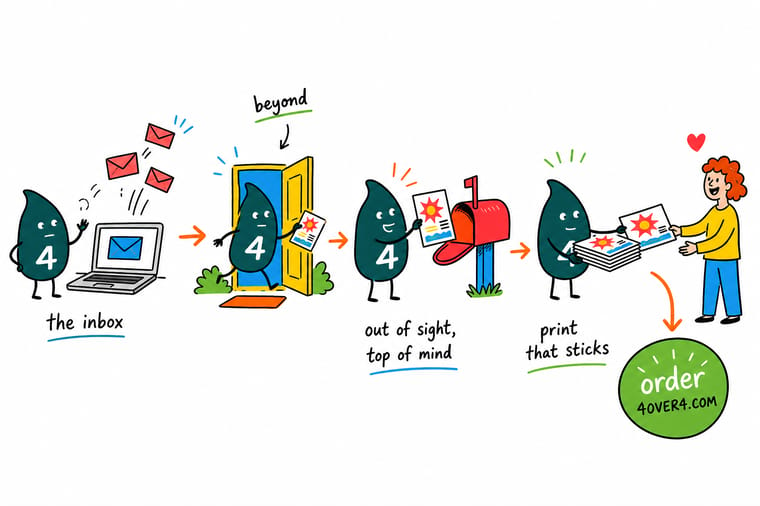
Wally sends the same offer twice. The email meets an authentication check, a spam filter and a Promotions tab, and any one of them can quietly bin it while his report still shows a tidy flat line. The postcard meets a mail carrier and a mailbox, and the only decision happens with the customer holding it. Mail is slower and costs more per person, so Wally does not replace email with it. He runs both, and puts a code on the card that appears nowhere else so he knows which one actually paid.
Order postcards for a first mail test →Specs and pricing
Sizes, stocks and starting prices for a first offline test
Compare the three formats most second channel tests start with, using live configuration choices and starting prices straight from the 4OVER4.COM configurator.



Print it
Put the offer somewhere no filter can reach it


Explore more
Where to go next


By the numbers
The print side of your channel mix, handled
Common Questions
Your questions about life after the inbox, answered
Is email marketing dead?
No, and anyone telling you that is selling something else. Email is still the cheapest way to reach a list you own, and it is the only channel where a customer can reply in the same window they read. What changed is that email is no longer sufficient on its own. Mailbox providers now sit between you and your subscriber with rules you do not control, and the reporting they hand back cannot tell you the difference between a filtered message and an ignored one. Treat email as one leg of a stool rather than the whole stool.
What is the cheapest second channel to add?
Print something you can hand over, because it has no list, no platform and no monthly fee attached. Standard business cards start at $17.57 at 4OVER4.COM and standard postcards start at $16.48, which makes a first test cost less than a month of most email tools. The catch is that handed print scales only to the number of people you actually meet, so it works for trades, clinics, salons, agencies and anyone with a counter, and poorly for a business whose customers never appear in person.
How do I know a direct mail drop worked without an open rate?
Build the measurement into the piece before it prints. Use a landing page URL that appears nowhere else, a promo code unique to that drop, and a phone number you only put on mail. Then hold back a slice of the list at random and send them nothing. The difference in orders between the mailed group and the holdout group over the following four to six weeks is your real lift, and it is a cleaner number than any open rate ever was.
Do I need permission to text my customers?
Yes. In the United States, marketing texts require prior express written consent under the TCPA, and the consent has to be specific about marketing rather than buried in a general terms box. On top of that, business messaging to mobile numbers runs through 10DLC registration, so you register your brand and campaign with the carriers before volume goes out. Skipping either step gets your numbers filtered or blocked, and the legal exposure on SMS is much sharper than on email.
How often should a mailed piece go out?
For most small businesses, quarterly is the honest starting cadence, with an extra drop tied to a real event such as a seasonal peak or a new location. Monthly mail is expensive and rarely earns its cost unless the average order value is high. There is a second reason not to sit still for a year: addresses decay. USPS forwards mail after a move for a limited period, so a list you have not cleaned in eighteen months will quietly waste a slice of every run.
What should a second channel say that email does not?
Put the offer that needs to be believed on the physical piece. Email is good at reminders, receipts, restocks and anything the customer already expects. Print is better at the thing that needs weight behind it: an opening, a price change, a guarantee, a referral card someone will pass to a neighbor. If your postcard says the same sentence as your last newsletter, you have paid postage to repeat yourself, which is the most common way a first mail test fails.
Get Started
500 direct mail postcards cost $89.68, no spam folder
Pick a size, upload the artwork, and print a short postcard run to a slice of your list. Put a code on it that appears nowhere else, and you will know within six weeks whether it earned its postage.
Legal Disclaimer
Gold Standard guarantees apply to all standard orders placed through 4over4.com. Price match requires verifiable proof of a competitor's published price for an equivalent product with matching specifications and turnaround time. Satisfaction guarantee covers manufacturing defects and print quality issues. Contact support with order number and documentation. On-time delivery rate based on tracked orders 1999 to 2026. Individual results may vary based on shipping carrier performance.
