
Bed and Breakfast Marketing Ideas That Work on a Small Budget


Marcus is our print marketing voice, built from the knowledge of our production team, with over 20 years in printing.
The cheapest advertising that fills rooms at a bed and breakfast is a rack card in the places travelers already stand, backed by two or three postcard mailings a year to past guests and event lists. A rack card run starts at $42.84 and a postcard run at $16.48, so a full season of print costs less than one commission-heavy weekend on a booking site. The rack card is 4" x 9" or 3.5" x 8.5" on 14pt or 16pt cover and the postcard 4" x 6" on 14pt or 16pt gloss, both from 50 pieces in 3 business days; upload a print-ready PDF with 0.125 inch of bleed, and put your best room photo on the front and the booking link or QR code on the back.
B&B print pieces at a glance
| Piece | Size | From | Where it works | Where it fails |
|---|---|---|---|---|
| Rack card | 4 x 9 in, flat | $42.84 | Visitor centers, wineries, museums, full hotels | Anywhere it lies flat on a table and gets buried |
| Brochure | 8.5 x 11 in, tri-fold | $57.11 | Weddings, group stays, anything you have to explain | A rack, where it is thicker and costs more per pick-up |
| Postcard | 4 x 6 in | $16.48 | Past guests, event lists, off-season fill | Cold saturation mail to your own carrier route |
| Flat notecard | 4.25 x 5.5 in | $19.77 | In-room welcome note, thank you after checkout | As an advert, it is a note or it is nothing |
| Business card | 3.5 x 2 in | $17.57 | Referral codes, check-out handouts, local partners | Carrying more than one message |
Prices are the starting run at 4OVER4.COM, 50 pieces for rack cards, brochures and postcards, 25 for notecards and 100 for business cards, and they drop per piece as the quantity climbs. A small inn that restocks five visitor centers can order 250 rack cards a season and reprint when the rates change, rather than 1,000 that outlive the artwork. You can order rack cards straight from the configurator.
Why local print still fills rooms for a small inn
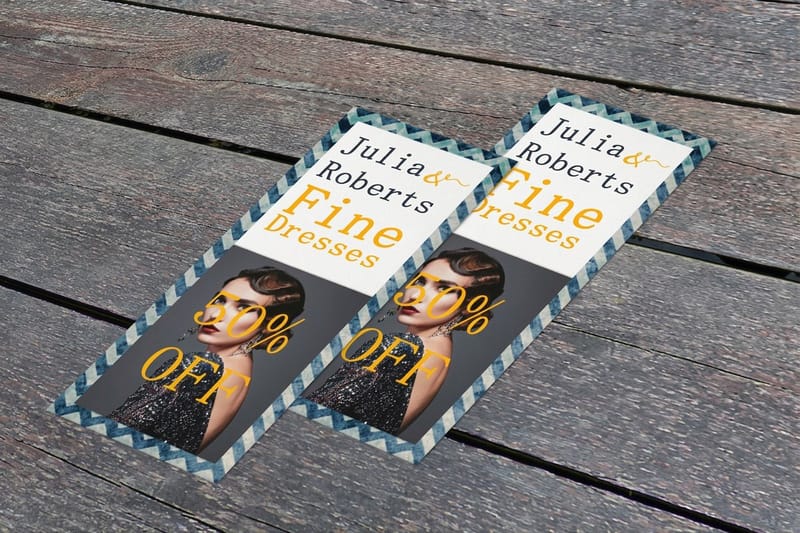
A bed and breakfast competes for the same traveler as a chain hotel, on a budget that would not buy the chain a week of ads. Print wins that fight in one narrow place: the moment a traveler is already in your town, already looking for a room, and standing in front of a rack of cards. You are not buying attention there. You are catching it.
The economics are what make it work. A run of standard rack cards starts at $42.84, and the rack space in most visitor centers, wineries and small museums is free or close to it. Compare that with a booking site commission on a two-night stay and the whole print run pays for itself on the first guest who books direct. New to the format? Read What Are Rack Cards? Sizes, Uses & Design Tips.
The catch is that print does nothing for reach. Nobody in another state sees your rack card. Treat it as the last step in a journey that starts online, and pair it with the one online thing you must own: the direct booking page the card points to. If the card sends people back to a listing site, you have paid to give away a commission.
The one number that decides your budget
Work out what one extra booked night is worth to you after cleaning and breakfast. For most small inns that is somewhere between the price of one night and half of it. Every print decision on this page is easy once you have that figure, because almost every piece here costs less than one night.
That is also the honest test for anything a rep sells you. A regional tourism magazine spread that costs four nights of revenue has to produce four bookings before it breaks even, and it cannot tell you whether it did. A rack card with a booking code can.
What to skip when money is tight
Skip the branded pens, the tote bags and the fridge magnets until the rooms are full. They are memorable and they do not book anything. Once the rooms fill, custom fridge magnets keep your number on the fridge of a guest who wants to come back. Skip glossy full-color brochures for a property you can describe in three photographs. Skip anything printed with dates or rates on it, because you will reprint it the moment either changes.
Spend instead on the two pieces a guest touches: the thing that got them in the door, and the thing that brings them back. Everything in the middle is decoration.
Rack cards and brochures, where travelers already stand
A rack card is 4 by 9 inches and slides into a standard wall pocket. Here is the part most inns get wrong: the pocket covers the card. Only the top band, roughly 1.75 inches, is visible to somebody walking past. That band is your entire advert. Put the name of the inn, the town or landmark, and one reason to stay in it. Save the phone number, the rates and the booking code for the part that only appears once the card is in a hand.
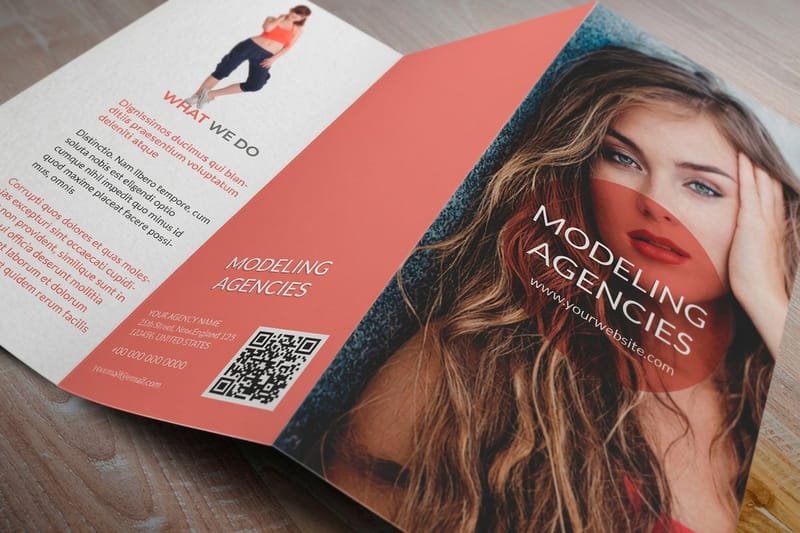
A brochure does a different job. It folds, it holds floor plans and a rate card, and it survives being handed to a bride planning a room block or a family booking three rooms for a reunion. It is also thicker and costs more per piece, which is why a rack full of brochures empties slower than a rack of cards. Our rack cards versus brochures comparison sets out where each one earns its keep.
Place the cards yourself and place them wide. Visitor centers, wineries, the front desk of the hotel that is fully booked on a festival weekend, kayak rentals, the diner everyone stops at. Ask before you leave anything, and restock in person once a month so you can see which locations actually run dry.
Nine placements that cost nothing but the print run
State and county visitor centers. Wineries and breweries with a tasting room. Antique shops and galleries on the main street. The chamber of commerce office. Any hotel that regularly sells out, because their overflow is your booking. Wedding venues within twenty minutes. Kayak, bike and boat rental counters. The trailhead kiosk, if your county allows it. The reception desk of the hospital, which is where families of patients look for a room.
That list is deliberately local. A wider list of places to leave print covers the same idea for other kinds of business, and most of it transfers.
The brochure that is worth printing
One tri-fold, 8.5 by 11 inches folded to 3.67 by 8.5, with a room on each panel, a small map, and no prices. Standard brochures start at $57.11. The fold matters more than people expect: a tri-fold reveals one panel at a time, so the first thing a reader sees is the panel you put on the outside. If you are unsure, our guide to brochure folds shows what each fold reveals in what order.
Print it once, print it well, and reprint only when the rooms change. Leaving prices off is what makes a two-year print run possible, and it is the single cheapest decision on this page.
Direct mail that reaches people who would actually book
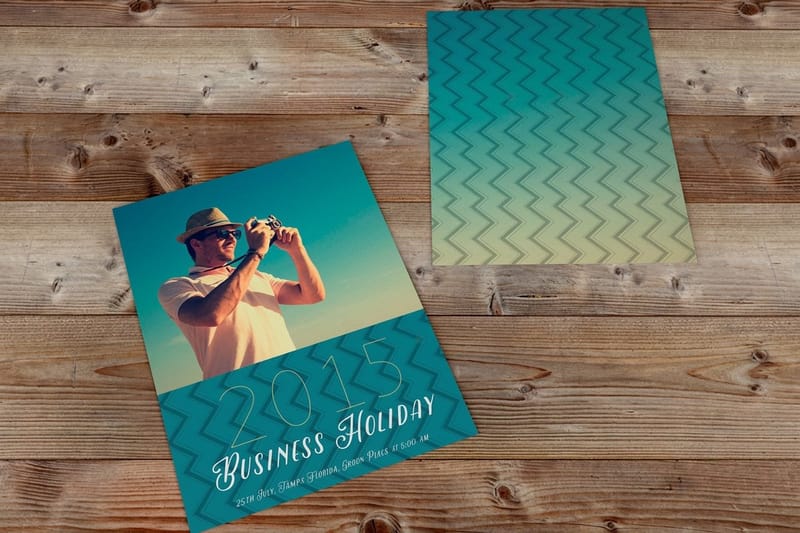
Direct mail for an inn lives or dies on the list. Saturation mail to your own carrier route is cheap and almost useless, because your neighbors are not going to book a room in their own town. The lists that work are past guests, people who enquired and did not book, and attendees of events that bring visitors to your area.
Keep the format at 4 by 6 inches. USPS charges the postcard rate only up to 4.25 by 6 inches and a minimum of 3.5 by 5 inches, so a 5 by 7 card jumps to the letter rate. Across 500 pieces that difference is real money for no extra effect. Standard postcards start at $16.48, and our breakdown of direct mail cost per piece shows how print, postage and list stack up.
Send in the off-season, not the peak. A card that lands in early February offering a midweek winter rate is doing a job. The same card in June is competing with your own fully booked calendar. If the mechanics are new to you, the five steps to send direct mail postcards covers addressing, sorting and drop-off.
The three mailings worth doing every year
One anniversary card to every guest who stayed twelve months ago, with a midweek rate. One off-season card to everyone who enquired in the last two years but did not book. One card to a bought or partnered list built around a local event, mailed six weeks out, when accommodation is the thing every attendee is still searching for.
Print the same artwork for all three and change one line. The design cost is paid once and the print run gets cheaper as the quantity climbs.
What goes on the card
One photograph that shows a room a person can imagine sleeping in, a rate they can act on, a date range, and a booking code. Nothing else. The address side is legally spoken for by the address block and the indicia, so treat it as half a canvas, not a full one. Our postcard layout guide for mailing shows where the clear zones fall.
Set artwork at 300 DPI in CMYK with 0.125 inch bleed on every side, and keep anything you care about a quarter inch inside the trim.
In-room print and branded amenities
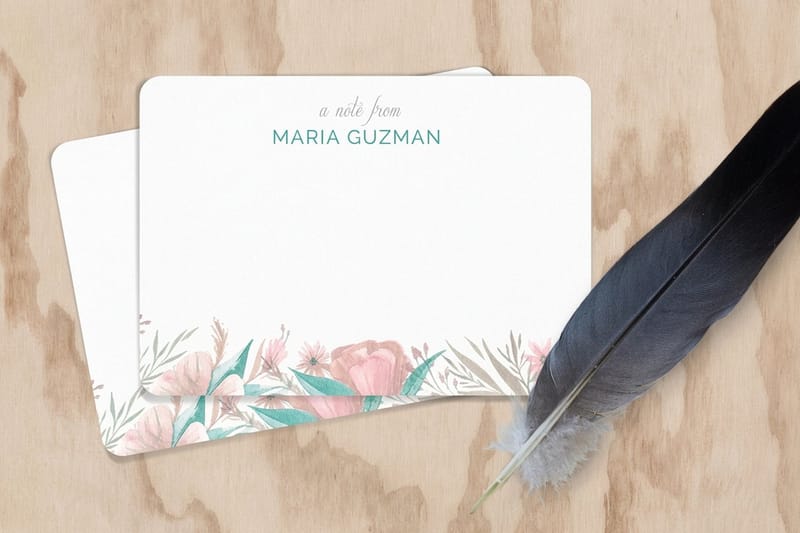
The cheapest piece of print in this whole article is a flat notecard at $19.77 with the name of the inn on it, left on the pillow with three handwritten lines. Guests photograph those. A printed card that says welcome does nothing; a card in your own handwriting that names the guest and recommends where to eat gets carried home.
The in-room folder is the other piece that earns its ink. Breakfast times, the wifi password, checkout, and a page of local recommendations you actually believe in. Print it once on a stock heavy enough to survive a season of handling, and leave the room rate out of it so it never expires.
Branded amenities are the place to stay disciplined. Drink coasters start at $10.98 and are one of the few items a guest will genuinely take, but they only work if the design is something a person would keep on a table at home. If the answer is no, the money is better spent on the notecards. Compare shapes and stocks across drink coasters printing before you order.
A local partner swap that costs one print run
Print coasters with your inn on one side and leave a stack at the cafe or the tasting room down the road, in exchange for their card in your guest folder. Both parties get in front of visitors who are already spending money locally, and neither pays for media. Sort the artwork out first so their name sits on it comfortably, because a partner who feels like a billboard will not restock.
The same trade works with a wedding venue, a kayak rental or a bookshop. What makes it stick is restocking in person, which is a monthly hour, not a budget line.
Referral cards, reviews and repeat-stay offers
A guest leaving happy is the cheapest marketing an inn will ever have, and most inns waste it. Hand over a business card at checkout with a referral code on the back and a line that says what the friend gets. Standard business cards start at $17.57, so a year of them costs about the same as one night of revenue.
Reviews follow the same rule. Ask in person, at checkout, while the guest is still saying how much they enjoyed it, and give them a card with the review link on it so the ask survives the drive home. A card in a pocket is remembered; an email two days later is not. Thank-you notes work the same way, and the thank-you card ideas we collected for small businesses transfer directly to an inn.
Quantity and price
Rack card pricing and specs
Live configurator numbers for standard rack cards, where the per piece cost drops as the run grows.
| Quantity | Price Per Unit | Total |
|---|---|---|
| 50 | 85.7¢ | $42.84 |
| 100 | 60.4¢ | $60.42 |
| 200 | 31.2¢ | $62.40 |
| 300 | 25.5¢ | $76.45 |
| 400 | 22.6¢ | $90.51 |
| 500 | 20.9¢ | $104.57 |

You can also earn coins on every order and put them against the next print run, which matters when your marketing calendar is three or four small runs a year.
Seasonal and event tie-ins
Every inn has a shoulder season it complains about and a local event it under-uses. Both are print problems. For the shoulder season, print one postcard that sells a reason to visit when nobody else is selling one: a quiet week, a fireplace, a rate that makes a Tuesday worth taking off work. For the event, print early and place close.
Print it
Rack cards, ready for the rack
4 by 9 inches on heavy stock, sized to the pockets in every visitor center.
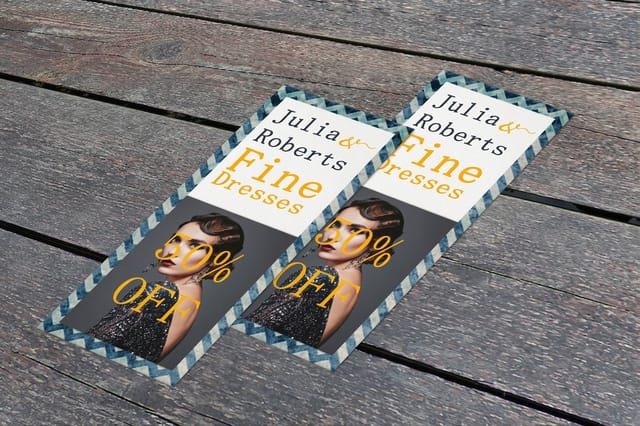
Six weeks before a festival, fair or race, accommodation is the thing every attendee still has open in a browser tab. That is when a postcard to the event list lands well, and when a stack of rack cards at the event office or the host venue does more than the same stack does in July. Work the calendar backwards from the event date and give yourself time for proofing and shipping, because the one thing that ruins an event tie-in is print that arrives the week after. Longer-run mailings and letters follow the same timing logic, set out in our complete guide to business mailers.
Stock is worth a moment here. A rack card on a light stock curls in a humid lobby and stops standing straight in the pocket, which is the fastest way to look like the cheapest card in the rack. Go heavier than you think you need on anything that lives upright for a season, and lighter on anything mailed, where weight is postage.
Choosing what to print for your kind of property
The right mix depends on where guests come from and why they stay.
- Four to six room inns. One rack card, one tri-fold brochure, notecards for the rooms. Skip everything else until the shoulder season is full.
- Farm stays and rural B&Bs. Lead with the drive: a rack card at the nearest highway visitor center does more than anything in your own village.
- Wedding and event properties. The brochure does the work here, because a bride needs floor plans and capacities in a form she can hand to somebody else.
- Historic and heritage houses. The house is the product. Spend the print budget on photography and one heavyweight brochure that reads like a small guidebook.
- Inns in festival towns. Time a postcard drop to the event list six weeks out and hold rooms for it. That single mailing outperforms year-round advertising.
Rack card blanks sized to the pocket
If nobody at the inn is a designer, start from a sized blank rather than a blank artboard. The 4" x 9" rack card blank puts the headline in the top third of the card, the part that shows above a rack pocket, with 0.125 inch of bleed and the safe area already marked, so your text lands where travelers can read it. Pull one from the blank template library, or start from a design template and change the photographs.
Start fast
Rack card blanks sized to the pocket
Rack card templates and exact size blanks so artwork lands inside the cut line first time.

Wally sets up the rack card that gets picked up
The top band is the whole advert
Print at 4 by 9 inches, put the inn name, the town and one reason to stay in the top 1.75 inches, and keep rates and dates off the card so one run lasts two seasons. Set files at 300 DPI in CMYK with 0.125 inch bleed on all four sides, choose a heavy stock so the card stands straight in a humid lobby, and 4OVER4.COM ships the run in time for the season.
Order rack cards →What to remember about marketing a B&B on a budget
Design rules that hold for every piece
- Design the top 1.75 inches first. That band is all a passing traveler sees of a rack card in a pocket. Name, town, one reason to stay. Everything else waits for the pick-up.
- Leave rates and dates off. Anything with a price or a year on it has a shelf life of one season. Put the changing information behind a booking code or a short URL instead.
- One photograph, not six. A single well-lit picture of a bed a person wants to sleep in beats a collage every time. Collages read as a listing, not an invitation.
- Give every piece a trackable code. A booking code per placement tells you which visitor center is working. Without it you are reprinting on instinct.
- Set up files properly. CMYK, 300 DPI, 0.125 inch bleed on every side, and important content a quarter inch inside the trim line. Grab a sized blank rather than guessing.
Explore more
More ways to print and promote your inn
Flat notecards run 25 for $19.77 and drink coasters 10 for $10.98, the two smallest pieces a guest takes home.
Product Standard Rack Cards 4 by 9 inches, the piece that catches travelers in town. Product Standard Brochures Tri-fold room and venue information you can hand over. Product Standard Postcards Off-season and past-guest mailings at the postcard rate. Product Flat Notecards The handwritten welcome note guests take home. 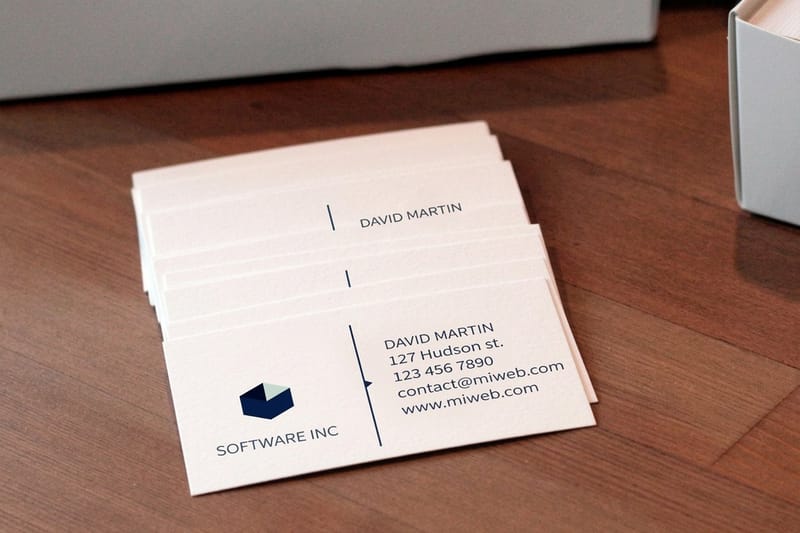 Product Standard Business Cards Referral codes and check-out handouts for repeat stays. Category Rack Card Printing Every rack card size, stock and finish in one place.
 Ready to print for the season?
Pick your size, upload artwork or start from a free template, and 4OVER4.COM prints it sharp on heavy stock in time for the racks.
Common questions about bed and breakfast advertising
What is the cheapest way to advertise a bed and breakfast?
Rack cards placed in local visitor centers, wineries, rental counters and the lobbies of hotels that sell out. A run of standard rack cards starts at $42.84 at 4OVER4.COM and most of those racks cost nothing to use, so the whole spend is the print run and the hour a month it takes to restock. It works because it catches travelers who are already in your area and already looking for a room, which is the only moment a four-room inn can outcompete a chain on equal terms. Give each location its own booking code so you can see which racks are earning their space.
What size should a bed and breakfast rack card be?
Standard is 4 by 9 inches, which fits the pockets used in almost every visitor center and hotel display. The important detail is that the pocket covers most of the card, leaving roughly the top 1.75 inches visible to somebody walking past. Design that band as your advert: the name of the inn, the town or the landmark, and one reason to stay. Rates, phone number and booking code belong lower down where they are read after the card is picked up. Set the file at 300 DPI in CMYK with 0.125 inch bleed on all four sides.
Does direct mail work for a small inn?
It works when the list is right and fails when it is not. Mailing your own carrier route is cheap and pointless, because people do not book a room in the town they live in. The lists that produce bookings are past guests, enquiries that never converted, and attendees of an event that brings visitors to your area. Send in the off-season with a midweek rate and a booking code, keep the card at 4 by 6 inches so it stays at the USPS postcard rate, and mail six weeks ahead of an event while attendees are still searching for accommodation. Standard postcards start at $16.48.
How much should a B&B spend on printed marketing in a year?
Start from what one extra booked night is worth to you after cleaning and breakfast, then treat that as the ceiling for any single piece. For most small inns a full year of print is one rack card run, one brochure run, notecards for the rooms and two or three postcard drops. That is a few hundred dollars total, which is less than one commission-heavy weekend on a booking site. Anything a rep sells you above that number has to be able to prove it produced bookings, and most regional magazine advertising cannot.
Should I put my rates on printed materials?
No. Rates and dates are the two things that force a reprint, and they change more often than anything else about a property. Point people at a booking code or a short URL instead, then update the rate behind it whenever you like. The exception is a seasonal postcard built around one specific offer, where the rate is the entire message and the card has a deliberate shelf life of a few weeks. Everything meant to sit in a rack for a season should be free of numbers that expire.
