
Bar Sign Ideas That Sell Drinks, From Neon-Look Wall Signs to Chalkboard Menus


Sofia is our design and templates voice, built from the knowledge of our production team, with over 20 years in printing.
A bar needs three signs, not one: a permanent panel for the name, a rewritable board for what is only true tonight, and small repeat pieces on the tables and the glass. Sort every message by how often it changes and the material picks itself, which is why a price should never be printed on acrylic and a specials board should never be printed at all.
Bar sign positions at a glance
| Position | Typical panel size | What it says | How it is used | Product at 4OVER4 |
|---|---|---|---|---|
| Back bar wall | 18 x 24 in and up | Bar name, one line, nothing perishable | Photo backdrop, the sign people stand under | Acrylic signs |
| Specials board | 18 x 24 in or 24 x 36 in | Tonight only: drink, price, cut-off time | Rewritten by staff every shift | Dry erase aluminum signs |
| Above the taps | 24 x 36 in | Draft list, ABV, pour sizes | Read from the far side of the room | Aluminum signs |
| Front window | 12 x 18 in to 24 x 36 in | Hours, happy hour window, live music night | Read from the pavement, removable | White or clear window clings |
| On the table | 4 x 6 in tent, 4 in coaster | One drink, one price, one reason | The offer at arm’s length while they wait | Table tents and drink coasters |
Measure from where a customer actually stands, not from the wall. A draft list read from the door needs a bigger panel than the same list read from a stool. You can order acrylic signs in a custom size straight from the configurator.
The three signs every bar actually needs
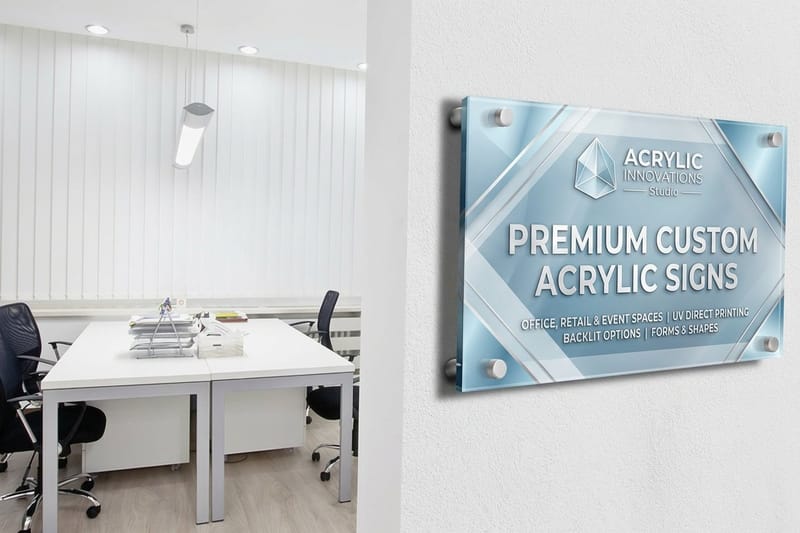
Most bars solve signage by buying one big sign and then taping printer paper to everything else. The set that works is three pieces doing three different jobs. One permanent panel carries the name and never changes. One rewritable board carries whatever is true only tonight. A handful of small repeat pieces on the tables, the glass and under the drinks put the offer where somebody is already looking.
Separate them by how often the message changes and the material choice makes itself. Anything permanent can be printed once on acrylic or aluminum and forgotten. Anything that changes nightly should never be printed at all, because you will be reprinting it every Tuesday. Anything in between, a monthly cocktail list or a seasonal takeover, is a cheap short-run print you replace on purpose.
The mistake that costs the most is putting a perishable message on a permanent substrate. A beautiful $200 acrylic panel with a price on it is worthless the moment the price moves. Keep prices, times and dates on the rewritable board or on something you expect to bin.
Sizing to the room, not to the wall
Signwriters work to roughly one inch of capital letter height for every ten feet a person reads from. A table tent read at arm’s length needs almost nothing. A draft list read from the door of a 40 foot room needs capitals around four inches tall, which is a bigger panel than most people plan for.
Bars break that rule in one direction: the room is dark, so contrast matters more than size. Pale type on a deep ground carries further in low light than dark type on a pale ground at the same height. Our guide to sign colors and visibility works through the pairings that hold up, and seven types of signage and where each one works is the wider map if you are starting from nothing.
What the bar environment does to a sign
Behind a bar there is water, citrus, alcohol and heat from the glasswasher. Uncoated paper near a service well goes soft in a week. Coated card lasts longer and still curls. Rigid substrates and laminated surfaces are the ones that survive being wiped down twice a shift.
One rule saves reprints: if staff will wipe it, it has to be wipeable. That means acrylic, aluminum, styrene or a laminated face, not a poster in a frame that somebody sprays cleaner onto.
Twelve bar sign ideas worth printing
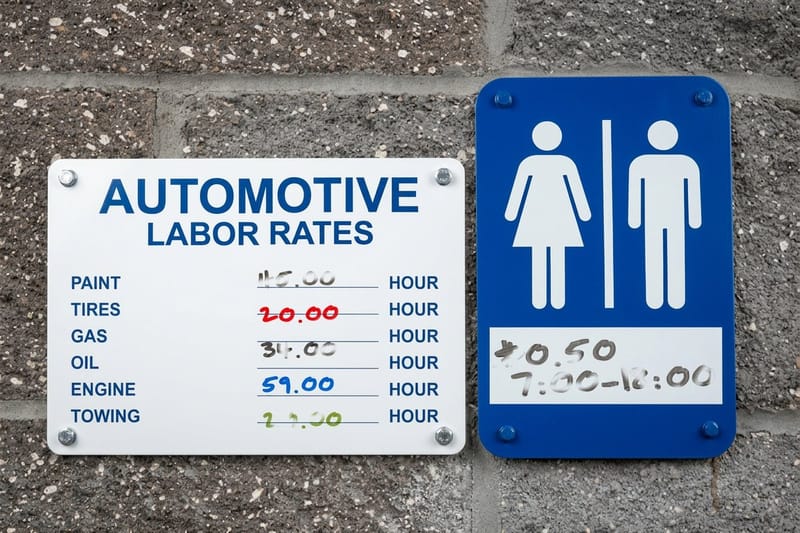
These twelve cover the whole room, from the wall people photograph to the coaster under the third pint. They are grouped by where they sit rather than by price, because the position decides the material long before the budget does.
None of them need a big commitment to test. Drink coasters start at $10.98 and white window clings at $25, which is cheap enough to try a message for one month and change it if the bar staff say nobody read it.
Ideas one to six: the walls and the windows
1. A neon-look name panel. Print the bar name in a tube-style script on acrylic, mount it proud of a dark wall, and put a light on it. Printed ink has no glow of its own, so the neon read comes from contrast and from the light you aim at it. Done properly it becomes the wall everyone photographs, which is free distribution every weekend.
2. A rewritable specials board. A dry erase aluminum sign with your logo and frame printed permanently, and the drink and price written in liquid chalk marker. It wipes clean without the ghosting a real slate board picks up after a season. Compare it against the traditional option in our chalkboard signs guide.
3. The draft list above the taps. One aluminum panel with the beers etched into the layout as fixed slots, and a strip of dry erase or a clip rail for the beer that rotates. It reads from the door and it stops the bartender reciting the list forty times a night.
4. Window hours and the happy hour window. Window clings peel off and go back on, which suits a message that changes with the season. White blocks the glass and reads hard from the pavement. Clear lets the room show through and looks better from inside. Check the local liquor board before you put a price in a window, because some states restrict alcohol prices advertised to the street.
5. A sidewalk A-frame with exactly one offer. A Signicade A-frame outside carries one line, not a menu. People walking past give it under two seconds. Our A-frame sign boards guide covers weighting and wind, and the sidewalk signage guide covers the pavement rules worth knowing first.
6. Wayfinding that is not a printed sheet of paper. Restrooms, patio, order here, kitchen closes at eleven. Small aluminum or styrene plates, one typeface, mounted at the same height throughout. It is the cheapest thing on this list and it is the one guests notice when it is missing.
Ideas seven to twelve: the tables and the nights
7. Table tents for the drink you want to move. A table tent has two faces, so run the cocktail on one and the food or the loyalty sign-up on the other. Turn the drink side toward the door. There are more layout ideas in ten daring designs for table tents.
8. Printed coasters as the thing they take home. A custom coaster is the only sign in the bar a customer will pick up and turn over. Keep it to a mark and a handle, not a paragraph. The pulpboard coaster guide explains how absorbent stock changes what artwork survives a wet glass. Compare the custom coasters range before you pick a stock.
9. Event signage for trivia, live music and sports nights. A retractable banner that lives in a cupboard and comes out on the night beats a poster you tape up and peel off. The pull-up banner guide covers the stands, and nightclub flyer design covers the print that goes out to promote the same night.
10. A menu at the rail, not just on the board. A laminated menu wipes down and survives a spilled drink, which a card menu at a bar does not. Menu layout that sells is worth reading before you set the cocktail list.
11. The legal notices, designed on purpose. Age checks, last orders, occupancy, allergen notices. They are going on the wall whether you like it or not, so print them in your own typeface on the same substrate as everything else instead of leaving a curled photocopy by the door.
12. A seasonal takeover set. One short run of clings, tents and coasters that changes for a holiday, a sports final or an anniversary. Short runs are cheap, the room feels different for a fortnight, and regulars notice the effort more than they notice a new cocktail.
Materials, light and what each one costs
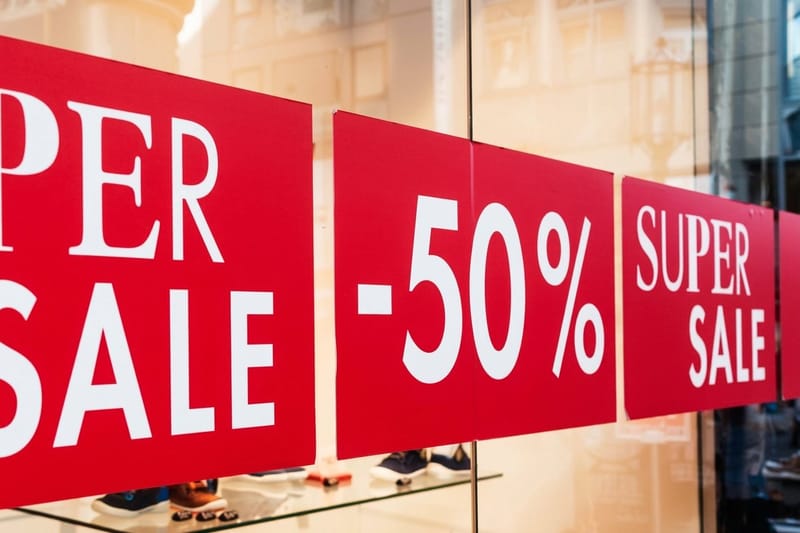
Three decisions set the price and the lifespan of a bar sign: the substrate, how the sign is lit, and whether the message is permanent or perishable. Artwork is the easy part.
Substrate is the durability call. Acrylic reads premium, takes a spot light well and is the right answer for the one panel people photograph. Aluminum is the default for anything mounted high or handled by staff. Styrene is the cheap rigid option for short-lived interior pieces. Clings and coasters are consumables by design, which is exactly why they suit messages that move.
Lighting is where neon-style signs succeed or fail. A printed panel under flat ceiling light looks like a graphic. The same panel on a dark wall with a track light raking across it, or standing off the wall with an LED strip behind it, reads as a glowing sign. If you are choosing between a printed neon-look panel and real gas neon, the honest trade is that neon glows on its own and costs many times more, while a printed panel costs a fraction and depends entirely on the light you give it.
Matching stock to where the sign lives
For the back bar wall, use acrylic and mount it with standoffs so it throws a shadow. For anything above the taps or in a corridor, use aluminum, because it stays flat and takes a wipe. For a specials board, use a dry erase aluminum panel with the permanent parts of the design already printed on it. For glass, use clings so you can lift them without solvent, and read the window cling application guide before the first one goes up crooked.
Prices give you the shape of a budget: white window clings from $25, dry erase aluminum from $47.22, laminated menus from $57.11, acrylic signs from $152.72 and a Signicade A-frame from $182.32. Browse the whole set in large format printing.
Bar sign pricing and specs at 4OVER4.COM
For a bar, three signs cover most walls. Aluminum signs start at $36.00 on .040" aluminum at 12" x 18", 18" x 24" or 24" x 36", with 0.75" rounded corners and drilled holes for mounting above the taps. Dry erase aluminum signs start at $47.22 in the same sizes, for a specials board you rewrite every night. Acrylic signs start at $152.72 on 1/4" plexiglass at 16" x 24" to 24" x 36", for the logo wall. All three print from a single sign in 4 business days, and the table below shows how the price moves by size and quantity.
Quantity and price
Bar sign pricing and options
Live configurator numbers for the acrylic panel most bars use as the permanent name sign, next to the ink, corner and drilling options on the dry erase specials board.
| Quantity | Price Per Unit | Total |
|---|---|---|
| 1 | $152.72 | $152.72 |
You can also earn coins on every order and put them against the next set of clings or coasters, which matters when you reprint seasonal pieces four times a year.
Substrate and finish, how they work with bar light
Substrate and lighting work together, and in a bar the lighting usually wins. A gloss face throws back every spot in the ceiling, which turns a sign into a mirror at exactly the angle people read it from. A matte or satin face kills that reflection and holds its contrast in a dim room; a dry erase laminate over aluminum sits between the two, so angle a specials board a few degrees down from the ceiling lights. Acrylic reads premium and takes a raking light beautifully; aluminum stays flat, wipes down and survives being mounted high, which is why it is the default above the taps. Our aluminum signage guide covers gauges and mounting, and the acrylic sign buyer’s guide covers thickness and standoffs.
Print it
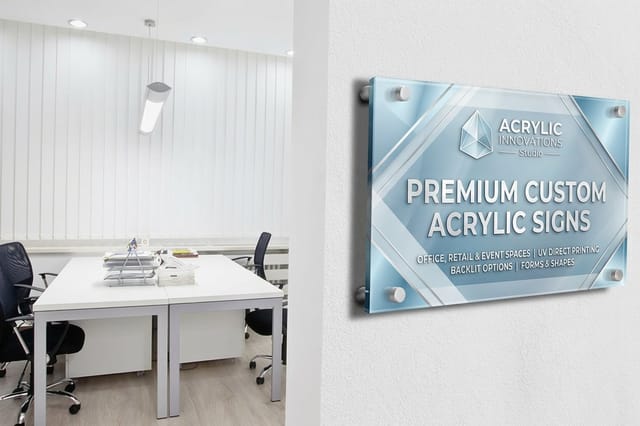
Acrylic signs, ready to mount
The permanent panel for the back bar wall, printed on clear or white acrylic and cut to your size.
Finish also decides how long a sign survives service. A laminate over an interior panel takes the abrasion and the cleaning spray instead of the ink, which is the difference between a wayfinding plate that still looks new next summer and one that has been scrubbed pale. For glass, clings are the removable option and vinyl is the semi-permanent one, and choosing window signage works through which one your window wants. If the bar also sells its own beer, beer labelling and compliance is the next thing to read.
What to print for your kind of bar
Different rooms need different sets, so this is the set by venue type.
- Cocktail bars. One acrylic name panel lit properly, and everything else small and changeable. The room is the brand, so the signage should be quiet and expensive-looking rather than loud.
- Sports bars. Fixture lists and kick-off times change weekly, so keep them on a dry erase panel and reserve print for the permanent pieces above the taps.
- Breweries and taprooms. The draft list is the main sign. Fixed slots on aluminum with a rewritable strip for the rotating tap, plus coasters that carry the beer names home.
- Nightclubs and live venues. Event signage does the work. Retractable banners for the night, window clings for the run of dates, and flyers to match the artwork.
- Hotel and restaurant bars. Wayfinding and hours matter more than specials. Consistent plates, one typeface, and a laminated menu at the rail that survives being handled all evening.
- Private event venues. Everything on the wall should be swappable, because the room changes identity per booking. Clings, tents and A-frames rather than permanent panels.
Print-ready blanks for signs
Blanks save the most common reprint, which is artwork that runs off the trim. Pick the blank for the exact panel, 12" x 18", 18" x 24" or 24" x 36" for aluminum and 16" x 24" to 24" x 36" for acrylic, and keep text clear of the corner radius and the drill holes, where a mounting screw will cover it. Bleed and cut lines are already marked, so a panel comes back the size you drew it. Grab one from the blank template library before you start the layout.
Start fast
Print-ready sign blanks
Exact size blanks for aluminum sign panels, with bleed and trim already in place.
Wally lights the neon-look sign properly
Ink has no glow, so the wall and the lamp do the work
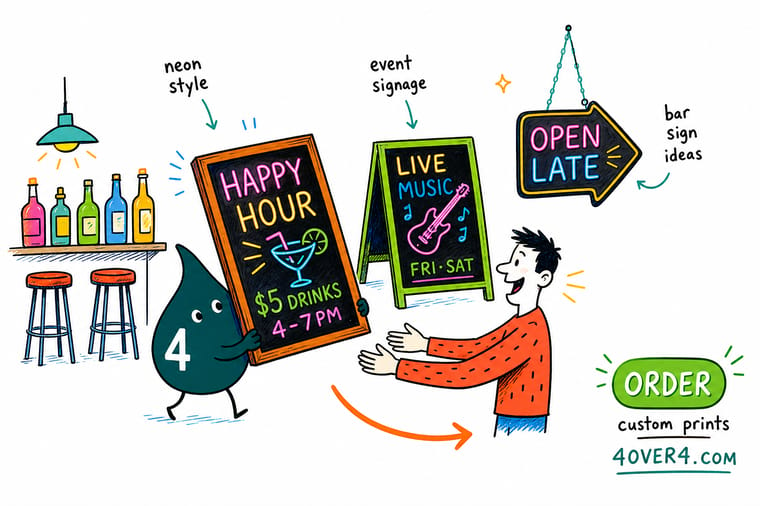
Print the bar name on acrylic, mount it on standoffs so it stands off a dark wall, then rake a track light or an LED strip across it. Keep prices and times on a dry erase panel instead, set your smallest cap height to one inch per ten feet of viewing distance, and 4OVER4.COM cuts the panel to your size on premium acrylic.
Order acrylic signs →What survives a dark room and a wet rag
Design tips that hold up in a dark room
- One message per sign. A sign with four offers on it communicates none of them. Give each piece one job and let the position decide which job it gets.
- Contrast before size. In a dark room, a pale line on a deep ground reads further than the same words larger in low contrast. Test the artwork under the actual bar lighting, not on a bright monitor.
- Keep prices off permanent stock. Prices, times and dates belong on the rewritable board or a consumable. The moment they go on acrylic you have bought a sign with an expiry date.
- Set the type for a glance. Nobody stands and reads in a bar. Cut every sign to the shortest phrase that still makes sense, then set it two sizes larger than felt necessary.
- Match the substrate across the room. Same stock, same finish, same mounting height for the small pieces. A mixed set of materials is what makes a good bar look improvised.
Explore more
More ways to sign and promote the bar
Drink coasters run 10 for $10.98 on 48pt uncoated and a Signicade A-frame starts at $182.32.
Product Acrylic Signs The premium panel for the wall people photograph. Product Dry Erase Aluminum Signs Printed frame, rewritable middle, no chalk dust. 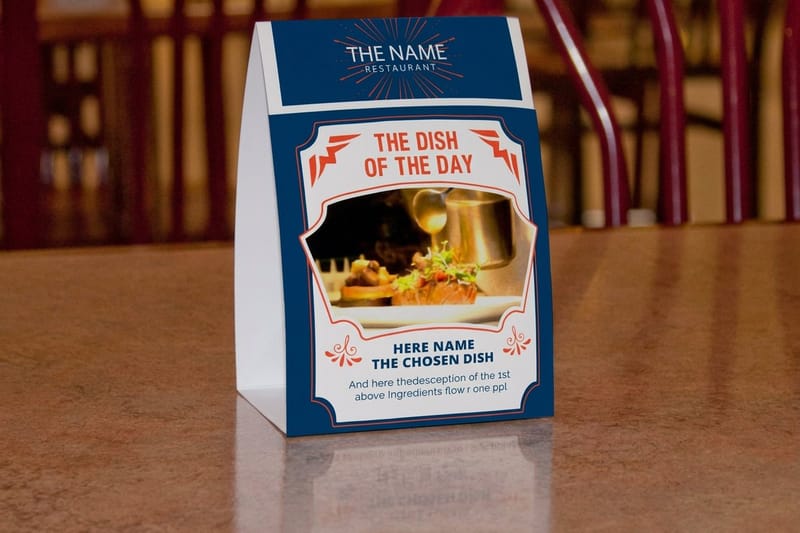 Product Table Tents Two faces for the drink and the sign-up. Product White Window Clings Peel off, put back, change with the season.
 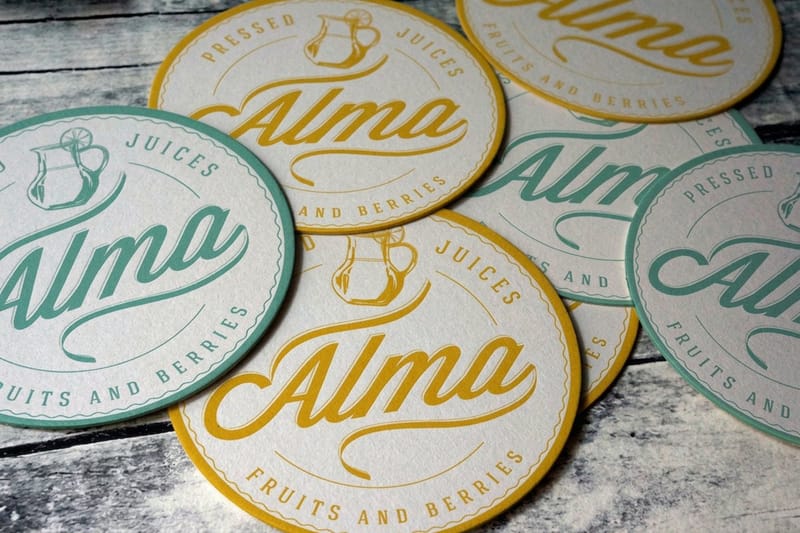 Product Drink Coasters The only sign a customer picks up and turns over.
  Category Large Format Printing Every sign, banner and panel size in one place.
 Ready to print the set?
Pick the panel, drop in your design or a free blank, and 4OVER4.COM prints it sharp on acrylic, aluminum or cling, as fast as your opening night needs.
Common questions about bar signs
Can you print a sign that actually looks like neon?
You can get very close, but understand what you are buying. A printed panel has no light source, so a neon-look script printed on acrylic reads as a graphic under flat ceiling light. Give the same panel a dark wall, mount it on standoffs so it casts a shadow, and rake a track light or an LED strip across it, and it reads as a glowing sign from across the room. Real gas neon glows on its own and costs many times more, and it also breaks, hums and needs a transformer. For most bars the printed acrylic panel plus good lighting is the better spend. Acrylic signs at 4OVER4.COM start at $152.72.
What is the best sign for daily drink specials?
A dry erase aluminum panel with your logo, frame and headings already printed on it, written in with liquid chalk markers. It gives you a board that looks designed rather than improvised, and it survives the thing that kills real chalkboards, which is chalk dust meeting a wet bar rag. Slate boards also ghost after a season of use, so the old writing shows through the new. Dry erase aluminum signs start at $47.22. Keep the printed part to the things that never change, because that is the whole point of the format.
Should bar window signs be clear or white cling?
White cling if the message has to win from the pavement, clear cling if the view out of the window matters. White has an opaque ground, so the type holds its contrast against whatever is happening behind the glass, day or night. Clear lets the room show through, which looks better from inside and suits a logo or an outline mark more than a block of copy. White window clings start at $25 and clear at $30. If you are covering a lot of glass, work through our guide to choosing window signage first, because a fully blocked window changes the feel of the room more than people expect.
How large does the type need to be to read across a bar?
Work from about one inch of capital letter height for every ten feet of viewing distance. A table tent read at arm’s length is fine at a quarter inch. A draft list read from the door of a 40 foot room wants capitals near four inches, which usually means a 24 by 36 inch panel rather than the 18 by 24 most people order. Then adjust for the light: bars are dark, and the rule assumes normal room lighting. If in doubt, print the artwork at size on cheap stock, tape it up and stand where a customer stands.
What signage do I need for a one-off event night?
Three pieces cover almost any event night. A retractable banner by the door with the event name and the time, because it goes up in a minute and lives in a cupboard between nights. A set of table tents so people sitting down know what is happening. And window clings on the glass with the run of dates, so people walking past this week know about next week. Everything else is optional. Print the tents and clings as a short run you expect to replace, and keep the banner artwork generic enough to reuse across the season.
