
11 Chiropractic Postcards That Bring Patients Back


Nadia is our customer education voice, built from the knowledge of our production team, with over 20 years in printing.
Why Postcards Still Refill a Chiropractic Schedule

Chiropractic reactivation postcards bring back the patient who felt better and quietly stopped coming, mailed before the practice name fades. The acute pain resolves, the maintenance visits slide, and a chart that once had a weekly cadence goes silent. Nothing about that patient changed. The reminder simply stopped reaching them.
A reminder postcard reaches them anyway. It does not sit behind a promotions tab, it does not need a phone number that still works, and it does not depend on a patient opening an app. It gets carried from the mailbox to the kitchen counter.
That physical persistence is the whole advantage. A card with a spine graphic and one clear line of copy stays in the room where the family calendar lives.
It arrives where your email does not
Practice management software sends the reminder, the filter catches it, and the patient never knows. A postcard has no filter between the press and the counter.
It reaches the patient who already trusts you
A lapsed patient is not a cold lead. They have already been on your table, already know your name, already felt the difference. The card does not have to sell chiropractic. It only has to remind them that rebooking is one call away.
It carries a date and a reason
The strongest recall cards name a specific window, not a vague invitation. A card that says your six month re-evaluation is due this month gives the patient a reason that feels clinical rather than promotional, which is exactly the tone a healthcare mailing should hold. Save the offer language for promotional cards sent on their own schedule.
It is cheap enough to repeat
At postcard pricing, a practice can put a card in front of every inactive patient each quarter for a known cost: 500 postcards run $51.62.
Shop the mailing
Postcards built for practice mailings
Recall cards, reactivation cards, and neighborhood drops in one place.

Chiropractic Reactivation Postcards in Five Steps
A chiropractic reactivation postcard goes to a patient who has drifted out of care. It names the gap without judgment, removes the friction of coming back, and gives one way to book.
- 1. Pull the list. Export every patient whose last visit falls 60 to 180 days back.
- 2. Write two sentences. One that acknowledges the gap, one that makes returning easy. The reactivation lines in the copy section below are ready to adapt.
- 3. Pick the size and stock. A 4" x 6" card on 14pt Gloss Cover covers a plain reactivation; step up to 6" x 9" when the card carries a map or new hours, and to 16pt Uncoated Cover when the front desk signs each card by hand.
- 4. Mail in a steady rhythm. Send the first card as soon as a patient lands on the list, then move non-responders to the quarterly list for up to two years.
- 5. Track every card. Give the card its own booking page or ask at check in which card brought the patient back, so the next run goes to the list that answers.
11 Chiropractic Postcard Ideas That Get Patients Rebooking
Every card below solves one specific gap in a chiropractic schedule. Pick the two or three that match the holes in your own book rather than mailing all eleven at once. A practice with a full new patient pipeline and a leaky retention rate needs different cards than a new office trying to fill mornings.
Run each idea on standard postcards first. The seasonal ideas have their own designs, such as back to school postcards for the fall spine check.
- The six month re-evaluation card. Clinical, dated, and impossible to read as a sales pitch. It sounds like the chart is talking, not the front desk.
- The lapsed patient reactivation card. For the patient who has drifted out of care. One sentence acknowledging the gap, one sentence removing the friction of coming back.
- The posture and desk pain card. Targets the office worker segment with a specific symptom list rather than a generic wellness message. Mail it in the first weeks of a new quarter.
- The back to school spine check card. Backpack weight, growth spurts, and fall sports all hit at once, so the card speaks to parents about their children.
- The new patient neighborhood card. Mailed to carrier routes within a ten minute drive, with your intersection named on the card so recipients place you instantly.
- The referral thank you card. Sent to the patient who referred, not the one referred in. A thank you rewards the behavior you want repeated, without a discount.
- The insurance year end card. Many plans reset their benefits at the end of the year, and a patient may not track that. The deadline makes this card time bound and useful.
- The auto accident recovery card. For personal injury patients midway through a care plan who start feeling better and stop early. Reframe the remaining visits as finishing the work.
- The summer holiday check in card. Travel, gardening, and long drives wreck lower backs. A 4th of July Postcard turns a slow season into a booked one.
- The wellness plan renewal card. Mailed three weeks before the plan expires so the conversation happens before the lapse, not after it.
- The practice milestone card. A new adjusting table, a second doctor, extended Saturday hours. News gives a dormant patient a reason to look again without feeling marketed to.
Print picks
Three postcard formats worth a look
Live prices, ready to customize with your practice details.
 Standard Postcards From $16.48 for 50 The everyday recall and reactivation card, from a 4 x 6 reminder to a 6 x 9 with a map.
  Back to School Postcards From $16.48 for 50 The fall spine check card for families, mailed as backpacks and school sports start.
  3D Lenticular Postcards From $1,097.28 for 500 A 2 to 4 frame flip on a 31pt lens for the one mailing a year that has to stand out.
 Reminder Copy vs Reactivation Copy
These two cards look similar and perform very differently, because they speak to patients in opposite emotional positions. A reminder goes to someone still inside your care plan who simply lost the thread of the schedule. A reactivation goes to someone who has drifted far enough that returning feels like an admission they let something slip.
Reminder copy is short, administrative, and confident. It assumes the appointment is happening and only confirms the logistics. Reactivation copy has to do emotional work first, removing any hint of judgment before it asks for anything at all.
- Reminder. Your next adjustment is due the week of the 14th. Call the office or book online and we will hold your usual time slot.
- Reminder. It has been six months since your last spinal evaluation. Book this month and we will hold your usual time.
- Reactivation. It has been a while. No lecture, no catch up paperwork. Bring your last visit date and we will pick up where the care plan left off.
- Reactivation. Life gets busy and the back pays for it. If yours has been talking to you again, one visit gets you ahead of it.
- Reactivation. Your chart is still here and your intake is still on file. One call and you are back on the table this week.
Notice what is missing from all five: exclamation points, stock photography language, and discounts. Let the copy carry the return.
Postcards for New Patient Acquisition in Your Zip Codes
Recall mailings protect the patients you have. Acquisition mailings are a different discipline, and a common mistake is treating a neighborhood drop like a recall card with a new address list. A stranger has no relationship with your practice, so the card has to earn attention in the two seconds between the mailbox and the trash.
Geography does most of the work, so name the intersection, the plaza, or the landmark on the front of the card. Recipients who recognize the location file you as a local option instead of an advertisement.
- Lead with a symptom, not a service. Lower back pain that flares when you stand up beats the phrase spinal decompression therapy every time on a cold mailing.
- Name the neighborhood. A card that says two blocks from the elementary school gets read by parents who drive past you daily without knowing you exist.
- Print the parking situation. Free lot, street level entrance, no stairs. Practical details remove more hesitation than a testimonial.
- Give one path to book. A phone number and a short booking link, nothing else. A second option splits the reader's attention.
- Mail the same route three times. Recognition compounds. A single drop into a new carrier route is easy to write off too early.
Keep the back of the card disciplined. The address block, the barcode clear zone, and the postal indicia have fixed requirements, and crowding them is the fastest way to get a mailing rejected. Our guide to what goes on the back of a postcard walks through the exact layout so your artwork clears the first time.
Sizing and Pricing a Practice Mailing
Postcard pricing steps down with volume, from 50 cards up to 100,000, so plan a full year of mailings and print the shared elements in one run rather than reordering four times.
Size is the next lever after quantity. A 4" x 6" card is the default for recall and reminder mailings. The larger sizes, 5" x 7", 5.5" x 8.5", 6" x 9" and 6" x 11", pay off only when the card carries an offer, a map, or a care plan explanation that a smaller piece cannot hold without turning into fine print.
The pricing and specification tables below pull live numbers from the configurator, so you can plan a real budget before you commit to artwork. Every quantity break is visible, which makes it easy to see where stepping up to the next tier costs almost nothing per piece.
Quantity and price
Postcard pricing and specifications
Real configurator numbers. The more you print in one run, the less each card costs.
| Quantity | Price Per Unit | Total |
|---|---|---|
| 50 | 33.0¢ | $16.48 |
| 100 | 24.2¢ | $24.16 |
| 200 | 15.9¢ | $31.86 |
| 300 | 12.8¢ | $38.45 |
| 400 | 11.3¢ | $45.04 |
| 500 | 10.3¢ | $51.62 |

How Often to Mail and When to Stop
Frequency is where most chiropractic mailing programs quietly fail. One card produces a small bump that looks like a failure. Four cards across a year produce a pattern the patient starts to expect, and that expectation is what actually drives rebooking behavior.
A workable default is quarterly to your inactive list and twice a year to your active maintenance patients, with a seasonal card layered in where it fits the practice. Active patients need fewer cards because your front desk is already scheduling them. Inactive patients need the repetition because you are competing with forgetting, not with another chiropractor.
- Zero to 60 days inactive. Leave it to the front desk and the automated reminder. A card this early reads as pushy.
- 60 to 180 days inactive. The core reactivation window. This is where postcards earn their keep and where your best copy belongs.
- 180 days to two years. Mail quarterly with a lighter touch. Practice news, new services, and seasonal cards work better here than clinical recall language.
- Past two years with no response. Move them to an annual card only, or take them off the list.
- Any returned mail. Suppress the address immediately. A list that quietly decays costs you the same postage as a list that converts.
When a mailing has to break through to a list that has ignored three ordinary cards, change the format rather than the copy. A card that moves in the hand does not get sorted like the rest of the stack.
Break through
3D lenticular postcards
Motion print for the annual reactivation push, when the list has ignored every ordinary card.

Wellness Plan and Care Plan Renewal Cards
Pair it up
Cards patients keep between visits
An appointment card handed over at checkout keeps the next visit in the patient's wallet between mailings.

A care plan renewal card may be the most valuable mailing a chiropractic office sends. A patient who renews a twelve visit maintenance plan commits to twelve visits in one decision, and the card that prompts it costs the same as any other postcard.
Timing is the whole game. Mail three weeks before the plan expires so the conversation happens while the patient is still in the rhythm of coming in. A renewal card that arrives after the lapse is no longer a renewal card, it is a reactivation card with worse odds.
- State the expiration date on the card. Specificity converts. A visible date turns a passive reminder into a decision the patient has to make this week.
- Show what the plan already covered. Visits completed and progress made give the renewal a track record rather than a price tag.
- Offer the conversation, not the transaction. Ask them to talk to the doctor at their next visit instead of demanding a payment decision by mail.
- Send one follow up only. If the renewal card and one follow up both go unanswered, the patient has decided. Move them to the quarterly list.
A small punch card or visit tracker sitting in a patient wallet does quiet work between mailings. Our walkthrough on how to create loyalty cards covers the layouts and stocks that hold up to months of daily handling.
Wording, Privacy, and What Not to Print
A postcard is an open document. Anyone who handles it between your printer and your patient can read every word on it, which puts a healthcare mailing in a category that a restaurant flyer never has to think about. That single fact should shape every line you write.
The safe pattern is simple. Never print a diagnosis, a treatment, a condition, or anything that identifies why a specific person is a patient. Keep the front generic enough that it could be mailed to anyone in your community, and keep the personal detail limited to the name and address block where it belongs.
- Do not print conditions. Sciatica, herniated disc, and accident related care never belong on a mailed card addressed to an individual.
- Do not print visit history. Your last adjustment was on the 4th is a detail that belongs in a sealed envelope or a portal message.
- Do write to the category. Patients on maintenance care typically schedule a six month evaluation is safe, accurate, and still specific.
- Do include your practice identity. Practice name, doctor name, address, phone, and hours. A card without an address reads as a mass mailing.
- Do keep claims defensible. Avoid outcome promises and cure language. Describe the visit, not the result.
Comparing formats side by side before you commit is worth the ten minutes. Stock weight, finish, and turnaround change how a card feels in the hand, and a mailing that patients associate with a healthcare practice should feel closer to a clinical card than a coupon.
Compare formats
Popular postcards, side by side
Stock, size, turnaround and starting price for the most ordered postcards.
 Standard Postcards |  Metallic Foil Postcards | 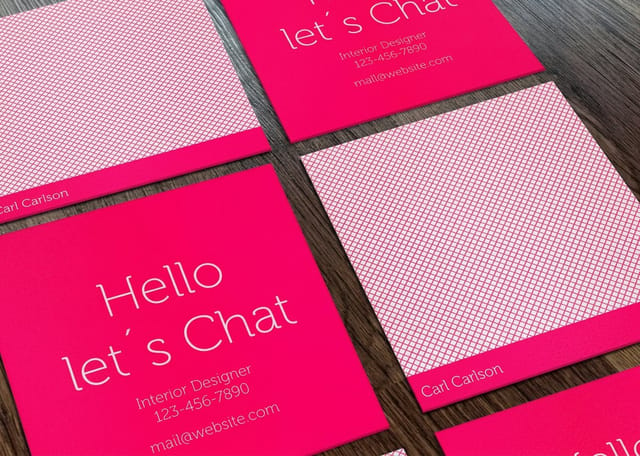 Mini Cards | 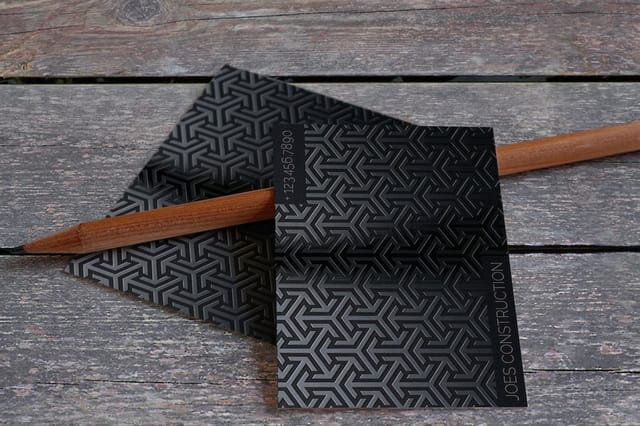 Spot UV Postcards | |
|---|---|---|---|---|
| Min price | $16.48 | $421.91 | $17.57 | $190.02 |
| Paper / stock | 14pt Gloss Cover | 16 Point Silk Laminated | 14pt Gloss Cover | 16pt Gloss Cover |
| Finish | Standard Finish | - | Standard Finish | - |
| Size | 2.5" x 2.5" | 4" x 6" | 2" x 2" | 2" x 6" |
| Default qty | 50 | 500 | 100 | 1,000 |
| Turnaround | 3 business days | 7 business days | 3 business days | 5 business days |
| Rating | ||||
| View & customize | View & customize | View & customize | View & customize |
Getting the Cards Designed, Printed, and Out the Door
The gap between a good postcard plan and a mailed postcard is usually artwork. Practices stall for weeks waiting on a design that never gets finished, and the recall window passes. Starting from a print ready layout closes that gap to an afternoon.
Set the file up correctly once and every future mailing becomes a text swap. Build at full bleed, keep all copy and your logo inside the safe margin, supply images at high resolution, and export a flattened print ready file. Then keep the layout on file so the year end insurance card and the spring reactivation card come from the same master.
Match the format to the mailing
- Recall and reminder cards. A 4 x 6 card on 100# Silk/Matte Cover, so a handwritten note from the front desk still takes ink.
- Neighborhood acquisition drops. 14pt or 16pt Gloss Cover, with High Gloss UV coating if you want more color punch, since these cards compete visually.
- Care plan renewals. 16pt or 18pt Uncoated Cover. It reads as correspondence from a practice, not advertising.
Start fast
Postcard templates and print-ready blanks
Free layouts plus exact-size blanks so your recall card is ready the same afternoon.










Wally helps you pick the right patient card
The right message first, then the right postcard to print it on
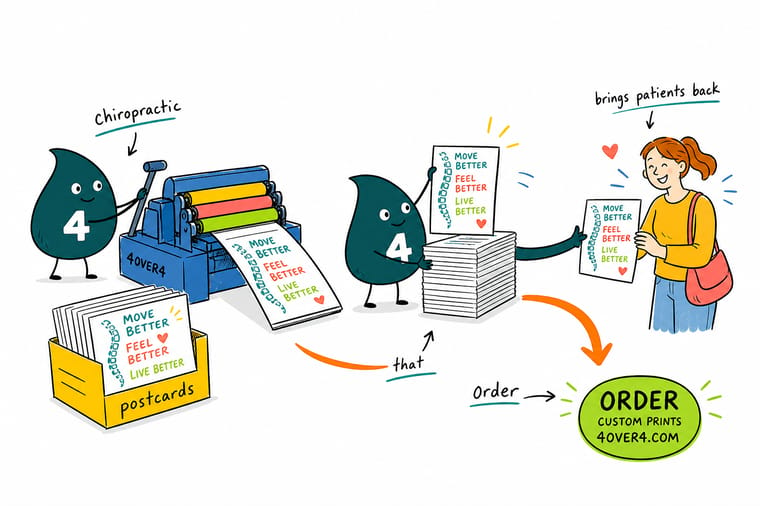
Not sure whether to send a reminder or a reactivation? Ask one question: is this patient still inside a care plan, or have they drifted past 60 days? Still inside means a short administrative card that confirms the next visit. Drifted means a warmer card that removes the awkwardness of coming back. Print the reminder on a matte standard postcard, save the specialty format for the annual push, and never put a condition on the artwork.
Design your practice postcards →What to Remember Before the First Mailing
Guides
Get the card right before it goes to press
The USPS clear zones on the mailing side, wallet-size visit trackers for care plans, and more marketing for chiropractors and healthcare practices.
 Guide What Goes on the Back of a Postcard Address block, message space, and the clear zones USPS requires.
  Guide How to Create Loyalty Cards Visit trackers and care plan cards patients keep in a wallet.
 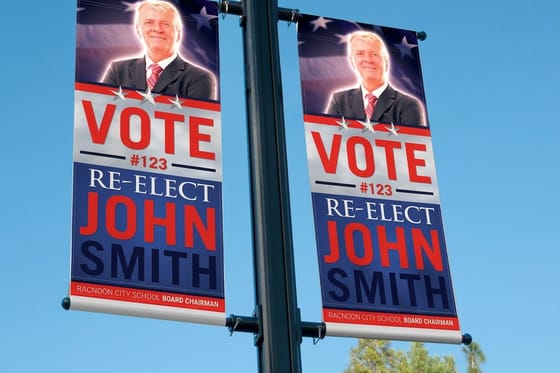 Article Marketing Strategies for Chiropractors Five ways to grow a practice beyond the mailbox.
 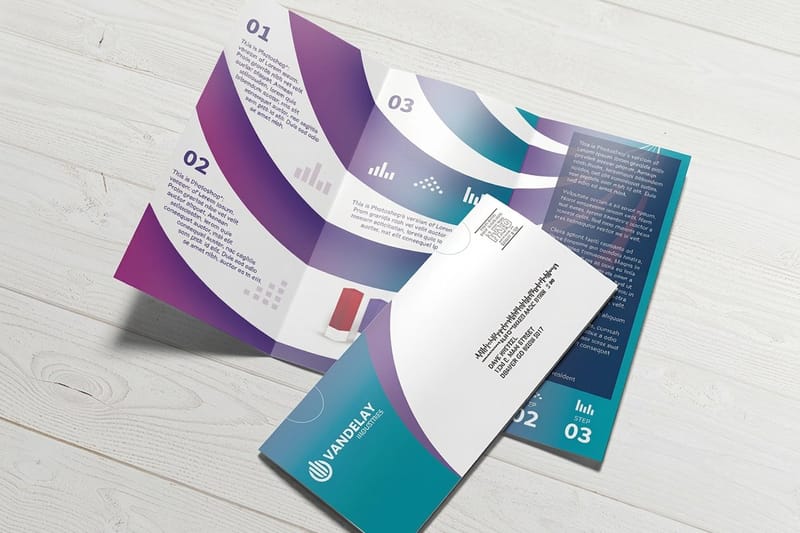 Article Healthcare Direct Mail Ideas Mailers that get patients to call and book.
 Explore more
More print that fills a patient schedule
Postcards for recall and seasonal mailings, appointment cards for checkout, the medical print pack, and ideas from other practices.
 Shop Postcards Printing Every size, stock, and finish for a practice mailing. Product Standard Postcards The everyday recall card in 14 sizes.
  Product Back to School Postcards Seasonal recall cards for the fall schedule reset.
 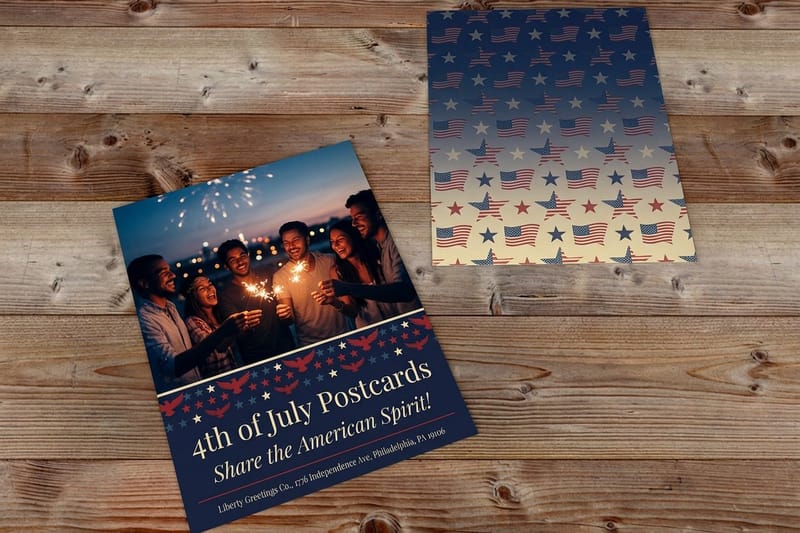 Product 4th of July Postcards A summer hook for the slowest weeks on the book.
  Product 3D Lenticular Postcards A 2 to 4 frame flip on a 31pt lens.
  Product Medical Appointment Cards The next visit, written on a wallet card at checkout. Article Physical Therapy Marketing Ideas Patient marketing from a neighboring practice type.
  Article Doctor Office Marketing Ideas Ways a medical office attracts new patients.
  Kit Medical Client Winning Print Pack The full print set for a healthcare practice.
 Ready to put your schedule back in front of your patients?
Pick the two cards that match the gaps in your book and get the first mailing in the box before the next recall window closes.
Chiropractic Postcard Questions Answered
What are chiropractic reminder postcards?
A chiropractic reminder postcard is a mailed card that prompts a patient to schedule their next visit, re-evaluation, or care plan renewal. It differs from a general marketing flyer in tone and purpose: the copy is clinical and administrative rather than promotional, and it goes to people already in your patient records instead of a cold list. Because a postcard is readable by anyone who handles it, the card carries no diagnosis or treatment detail, only the practice identity and a clear way to book.
How do I choose the right chiropractic reminder postcards?
Start from the gap in your schedule rather than the design. If maintenance patients are drifting, start with the six month re-evaluation card. If your book is full but new patients are thin, a neighborhood acquisition card mailed to nearby carrier routes does the work instead.
What do chiropractic reminder postcards cost and how are prices set?
Standard Postcards start at $16.48 for 50, and the final price is set by quantity, size, paper stock, and options such as printing both sides, High Gloss UV coating and rounded corners. Quantity moves the number most, because press setup is a fixed cost spread across the run. Postage is separate from the print price.
What sizes, stocks, and finishes are available for chiropractic reminder postcards?
The finish choice is Standard Finish or an optional High Gloss UV coating. Rounded corners come at a 1/8 or 3/8 inch radius. Variable data prints a different name or code on each card, so each mailing list can carry its own tracking code.
How long do chiropractic reminder postcards take to print and ship?
Turnaround depends on the product, the quantity, and the finish you select, and every option shows its production time in the configurator before you order. Standard Postcards offer same day and 1 to 3 day production, while 3D lenticular postcards take 15 or 22 business days. Plan backward from the mailing date rather than the print date: build in production time, transit time to your office or mail house, and the postal delivery window, then place the order so recall cards land 7 to 10 days ahead of the appointment window you want patients to fill.
