
10 Best Glues for Foam Board


Tobias is our voice for cutting, binding and large format, built from the knowledge of our production team, with over 20 years in printing.
The Right Glue Depends on What You Are Gluing
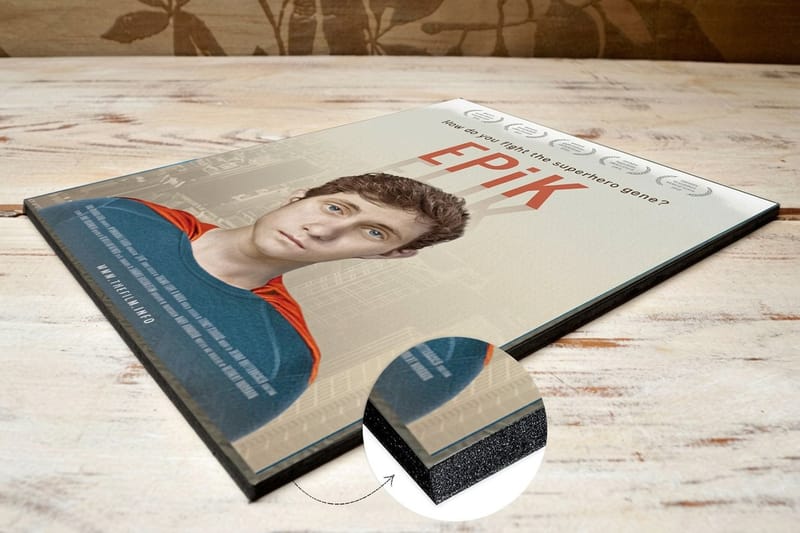
Craft foam board is a sheet of polystyrene about 3/16 of an inch thick with a paper face on each side, and it reacts to adhesive in two places. The paper face takes water based glue, tape and light spray without trouble, while the foam core dissolves under solvents and leaves a dented crater. So pick the glue by the job: a flat photo mount needs a dry or low moisture bond on the paper face, a corner join needs a glue that grabs fast without heat, and a model needs one that sands flush.
A science fair board, a trade show sign, a wedding welcome board or a photo for a gallery wall can arrive already mounted, printed on foam core or as mounted prints. Glue stays the right call for models, terrain, dioramas and joins, and the ten picks below cover those.
This piece ranks ten adhesives that work on foam board and names the ones to avoid. For the board itself, the foam board printing guide covers sizes and shapes.
Shop the range
Foam core printing
Rigid boards, posters and signs, printed and mounted before they ship.

Foam board insulation is a different job
Two very different products share the name. Craft foam board, or foam core, is a thin polystyrene sheet with a paper face on each side, and that is what the rest of this page is about. Rigid foam board insulation is a construction panel, usually expanded polystyrene, extruded polystyrene or polyisocyanurate, sold in sheets for walls, basements and roofs. An adhesive that suits one will often ruin the other.
For insulation panels the rule is the same rule that governs the craft board, only the stakes are higher. Solvent based construction adhesive eats expanded and extruded polystyrene, so the panel pits behind the bead and the bond fails months later where nobody can see it.
- Read the label rather than the aisle. A tube in the construction adhesive section is not automatically foam safe.
- Run beads rather than a solid sheet of glue, so the panel can move a little with temperature.
- Press the panel, pull it back, then set it again if the tube calls for an open time.
- Add mechanical fasteners wherever the panel carries weight, because adhesive on a wall is a bonding aid and not a fixing.
Polyisocyanurate with a foil face handles solvents better than bare polystyrene, but the foil is what most adhesives grip, so surface prep matters more than the tube. None of that applies to a photo mount, which is the job the ten picks below are ranked for.
The 10 Best Glues for Foam Board
Glues that melt foam board, avoid these
Rule these out before you spend anything. The core of a foam board is expanded polystyrene, and the solvents in the products below dissolve it on contact, so the panel pits, sinks, and drags the paper face down with it. No amount of clamping fixes a melted core.
- Standard super glue on bare foam. Cyanoacrylate reacts with polystyrene and burns a crater where the drop lands, so any glue that reaches a cut edge or an exposed core eats it from the inside out.
- Solvent contact cement. Contact adhesives carried in toluene or acetone soften the foam the moment they touch it, so the two faces bond while the core collapses in the middle.
- Spray adhesives labelled heavy-duty or industrial. Those cans are built for wood, metal, and laminate, and the solvent load pits the core and buckles the paper face. If the can does not say foam-safe or polystyrene-safe, treat it as unsafe.
The ten, ranked from most forgiving
Ranked by how forgiving and foam-safe they are for everyday mounting and building. The top five end with the same four checks so you can scan: what it is best for, how fast it sets, whether it is foam-safe, and what it costs. Test any adhesive on a scrap first, since foam is unforgiving of a bad reaction.
- Foam-safe craft glue. Purpose-made adhesives are the safest bet: they grip the paper face without attacking the foam and dry clear. The go-to for anything delicate. Best for paper-faced mounting and small craft joins. Tacky in minutes, clear once cured. Foam-safe: yes. Cost: low.
- Double-sided mounting tape. No wet mess, no drying time, and no warp from moisture. The cleanest way to mount a flat print for a display. Best for flat mounts on the paper face. Holds the second you press it. Foam-safe: yes. Cost: low by the roll.
- Repositionable spray adhesive. A light, even coat ideal for mounting photos and paper. Lets you lift and realign before it sets, which saves a wrinkled print. Best for photos and thin paper you need to line up straight. Tacky in under a minute, movable for a few minutes after. Foam-safe: yes on craft-grade cans, so read the label. Cost: medium.
- Permanent spray adhesive. A stronger spray for a lasting bond across a full panel. Spray light and even, since too much soaks the paper and buckles it. Best for full-panel mounts that must never lift. Grabs on contact, so you get one shot at placement. Foam-safe: only if the can says so, test first. Cost: medium.
- PVA white craft glue. Cheap, water-based, and foam-safe. Great for crafts and light joins, though the water content can warp a large flat mount if you overapply. Best for models, terrain, and bare foam edges. Grabs in minutes, cures hard overnight. Foam-safe: yes. Cost: the lowest on this list.
- Hot glue, low temperature. Fast and strong for joining panels and building models. Use the low-temp setting, since high heat can melt the foam core.
- Glue dots and glue tabs. Instant, mess-free spots for light mounting and quick assembly. Perfect for a classroom or a fast craft.
- Rubber cement. A classic paper mount that stays flexible and can be repositioned. Use it on the paper face only, away from cut edges, and expect it to let go over time.
- Foam-safe cyanoacrylate. Specialty foam-safe super glues bond fast for models and small joins. Standard super glue can fog or eat foam, so buy the foam-safe kind.
- Epoxy for heavy joins. For a structural bond that must hold weight, a slow-cure epoxy grips hard. Overkill for mounting a print, but right for a build.
Print picks
Boards printed and mounted for you
Live prices, ready to customize with your artwork mounted on rigid board.
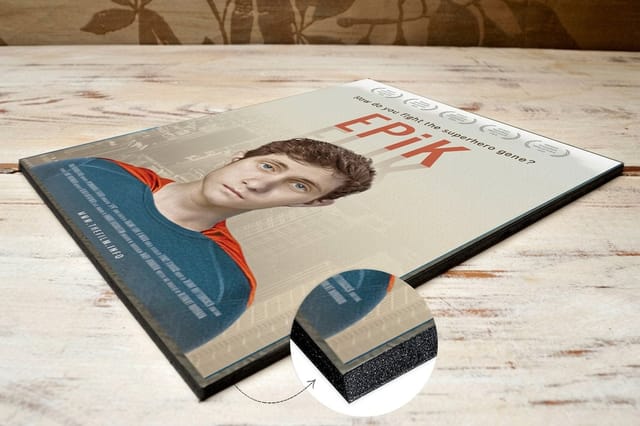 Foam Core $49.99 each Your artwork printed and mounted on rigid foam board, so you never open a can of spray.
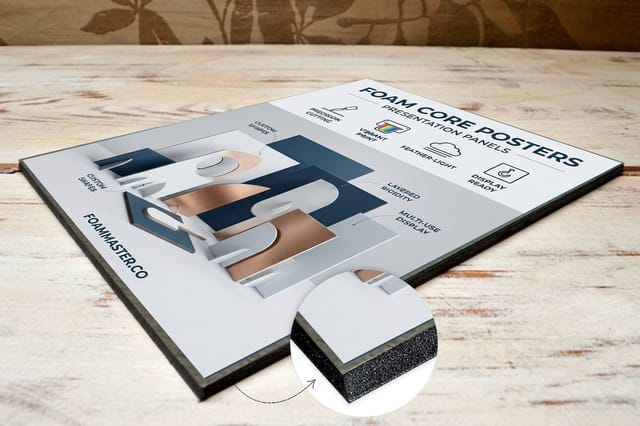 Foam Core Posters $49.99 each A poster that stands on its own, bonded flat across the whole panel and ready to display.
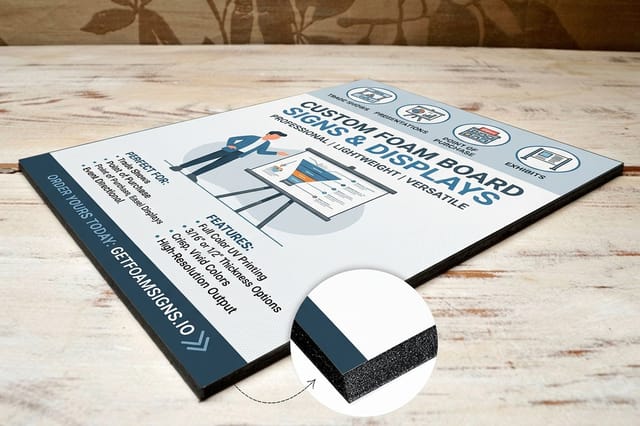 Foam Core Signs $49.99 each A lightweight rigid sign for events, retail, and presentations, printed sharp edge to edge.
 Mounted Prints $39.99 each Photos and art mounted from 8 x 10 up to 40 x 60 inches.
Mounting a Print? Skip the Glue Entirely
If the goal is a printed image on a rigid board for a presentation, a photo display, a sign or a science fair, gluing is the hard way to get there. A hand mounted print fights moisture warp, trapped bubbles and lifting edges. A printed board skips all three: you choose 10.4 mil semi gloss, 10.4 mil hi gloss or 32# bright white uncoated paper, and add a 3 mil gloss lamination if the board will get handled.
When 4OVER4.COM prints your artwork onto foam core, the print is mounted flat across the entire panel in our plant, edge to edge, before it ships. You get a rigid board with no air pockets to smooth out. For a standing display, foam core posters and foam core signs come ready to prop or hang.
Comparing rigid substrates for a build or a display? The foam board vs Sintra board guide and the gator board and foam board guide lay out the differences.
DIY Mount vs Ordering a Printed Board
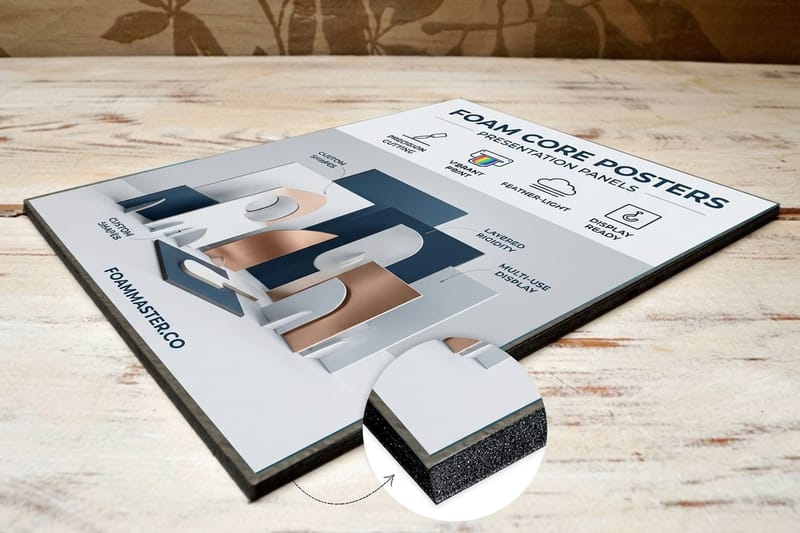
Gluing a print to foam board makes sense for a craft or a model, where the adhesive is part of the build. For a flat display, compare the time and the materials before you pick.
Add up the DIY route: the blank board, a print from somewhere else, a can of spray adhesive or a roll of mounting tape, and the time it takes to lay the print down without a bubble.
What a Printed Foam Board Actually Costs
The starting price buys a 16 x 20 inch print on 10.4 mil semi gloss paper, mounted on 3/16 inch white foam core, with no lamination and a 4 business day turnaround. Larger sizes, hi gloss paper and lamination move the price up, and a faster turnaround adds a percentage to the total: 25 percent for 3 days, 40 percent for 2 and 50 percent for 1. The specs below show every paper, board and lamination choice.
Quantity and price
Foam core pricing and specs
Real configurator numbers. Compare against a blank board plus a print plus adhesive, and count your time too.
| Quantity | Price Per Unit | Total |
|---|---|---|
| 1 | $49.99 | $49.99 |
For a Photo or Art Print, Go Mounted

A mounted print gives a photo or an art print body, so it stands on a shelf or an easel with no frame. Mounted prints start at $39.99 for an 8 x 10 and run up to 40 x 60 inches. Hi gloss paper suits a color photograph, the 32# bright white uncoated sheet reads closer to fine art paper, and black foam core gives a dark edge around the image.
For photos and art
Mounted prints
Artwork bonded flat and rigid so it stands without a frame.
Compare Rigid Print Options
Foam Core, Foam Core Posters and Foam Core Signs share the same sizes, the same three papers and the same white or black 3/16 inch board. Mounted Prints add an 8 x 10 and a 26 x 32. One limit applies to all of them: 30 x 40 inches is the largest board UPS will carry, so a 36 x 48 or 40 x 60 goes out by customer pickup or messenger.
Compare options
Popular foam core prints, side by side
Size, finish, quantity, turnaround, and from-price across our most ordered rigid prints.
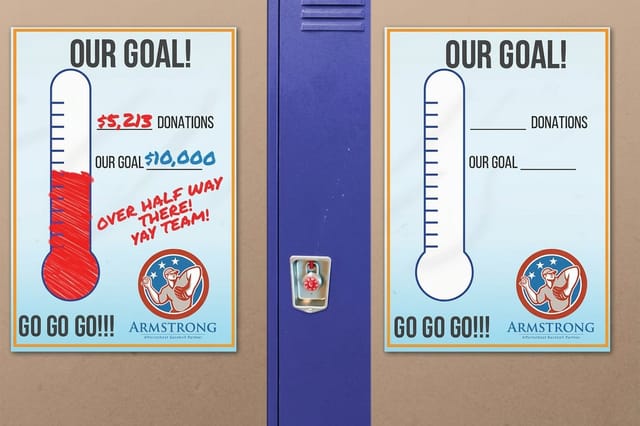 Dry Erase Foamcore | 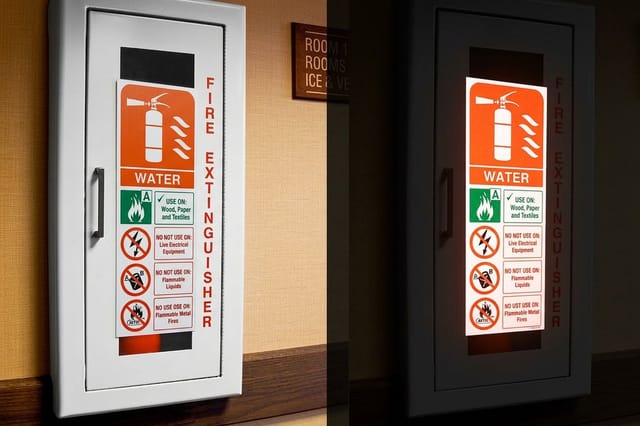 Reflective Foamcore | Foam Core Signs | 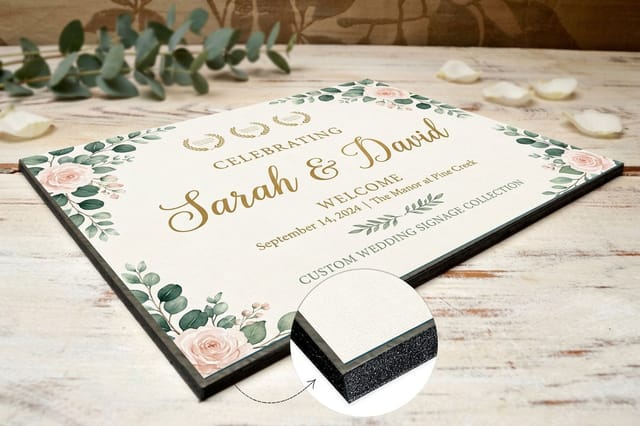 Wedding Foam Core | |
|---|---|---|---|---|
| Min price | $45.00 | $39.00 | $49.99 | $49.99 |
| Paper / stock | 3/16" White Foam Core | 3/16" White Foam Core | 10.4 mil Semi Gloss | 10.4 mil Semi Gloss |
| Finish | Dry Erase Lamination | Reflective Film | - | - |
| Size | Any Size | Any Size | 16" x 20" | 16" x 20" |
| Default qty | 1 | 1 | 1 | 1 |
| Turnaround | 4 business days | 4 business days | 4 business days | 4 business days |
| Rating | ||||
| View & customize | View & customize | View & customize | View & customize |
Need a Big Flat Print Instead?
Sometimes the project does not need a rigid board at all, only a large flat print you can hang or frame yourself. Posters run from 11 x 17 to 22 x 28 inches on nine stocks, from 70# uncoated text to 15pt synthetic plastic, and 50 cost $108.75, about $2.17 a sheet. You can always mount one later with a foam safe adhesive from the list above.
Just need a big print?
Posters
A large flat print you can hang or frame your own way, and mount later if you like.

Wally weighs glue against a printed board
Foam-safe adhesives, and when to skip them
Foam board takes some glues beautifully and buckles under others, and a few solvents eat the foam outright. Use foam-safe craft glue, mounting tape, or a light spray for crafts and models. But for a flat display, skip the glue: a print bonded directly onto the board by 4OVER4.COM lies flatter, lasts longer, and often costs less than a DIY mount.
Print on foam board, no glue needed →Getting a clean bond without warping the board
Explore more
Boards, substrates and posters to print instead
Twelve pages, from the foam core print and the Sintra comparison to posters for a print you mount yourself.
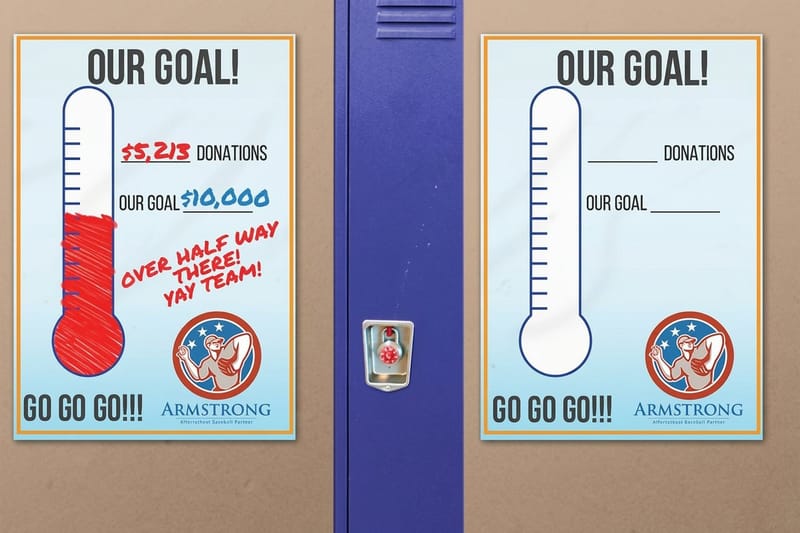 Collection Foam Core Printing Rigid boards, posters, and signs, no glue needed.
 Shop Mounted Print Printing Photos and art bonded flat and rigid. Product Foam Core Posters A poster that stands on its own.
 Guide Foam Board Sizes and Shapes Pick the right board for your project.
 Guides Substrate Selection Choose the right rigid material.
 Article Creative Poster Ideas Inspiration for your next big print.
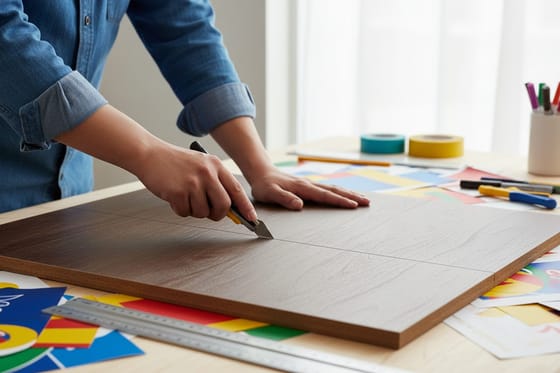 Guide Gator Board vs Foam Board How the two rigid boards differ for a build or a display. Product Foam Core Signs Lightweight rigid signs, printed sharp.
 Benefit Same Day Printing Products that ship the day you order, mounted prints included.
 Service Online Design Templates Set up artwork for a rigid print.
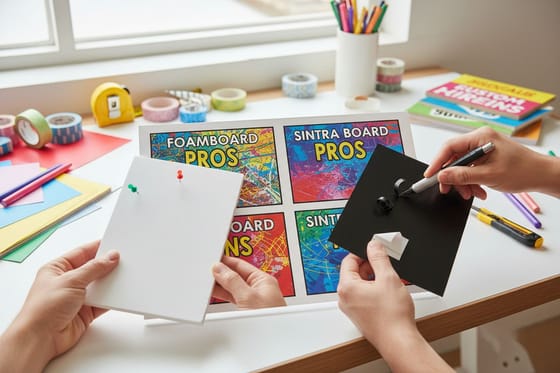 Guide Foam Board vs Sintra Which rigid substrate fits your build.
 Product Posters A big flat print to display your own way.
Print it flat on 3/16 inch foam core
Pick a size, upload the artwork, and the board arrives mounted and ready to stand.
Foam board glue, sorted out
What is the best glue for foam board insulation?
A construction adhesive whose label names foam board or polystyrene and that is sold as low solvent. A standard solvent based construction adhesive dissolves expanded and extruded polystyrene, so the bead sinks into the panel and the bond gives way later.
What is the best way to attach foam board insulation?
Use both adhesive and fasteners. Foam safe construction adhesive in beads holds the panel flat against the wall, and plastic capped fasteners or furring strips carry the real load and stop the sheet bowing. Tape the seams afterwards so air does not run behind the panel. Check the instructions for the panel you bought, because polyiso and polystyrene are fixed differently.
What type of adhesive is best for gluing foam to foam?
Water based PVA, because it bonds bare foam to bare foam without dissolving either face. Spread a thin coat on both edges, pin or tape the joint while it sets, and leave it overnight before you load it.
Can you use hot glue on foam board?
Yes, on the low-temperature setting. A low-temp gun runs cool enough that the bead skins over on the paper face before the heat reaches the polystyrene underneath, which is why it is the fastest way to join corners, braces, and model parts. A standard high-temp gun is a different story, because the glue goes down hot enough to melt a channel straight through the core and the panel dents along every bead. Lay short beads, press the parts together right away, and keep the nozzle off bare foam edges.
Does Gorilla Glue work on foam board?
Some of the range does, and one part of it will ruin the board. The white and clear water-based school-glue style formulas behave like any other PVA and are safe on both the paper face and the core. The original polyurethane Gorilla Glue expands as it cures and wants clamping, and that expansion lifts the paper face away from the foam, so a flat mount comes out lumpy. The super glue formula is cyanoacrylate and eats bare foam on contact. If the label does not say it is safe for foam or polystyrene, test it on an offcut before it goes near the real piece.
What is the best glue for foam board terrain and models?
PVA white craft glue for the structural joins, because it dries hard, sands back flush, and never attacks the core. Low-temperature hot glue for corners and braces you need to hold immediately, laid in short beads so nothing pools against bare foam. Foam-safe craft glue for delicate parts and thin paper detailing where you want a clear, invisible line. Keep super glue and solvent contact cement off the build entirely, since one drop on an exposed edge melts a hole you cannot fill.
What is the best glue for foam board?
Foam-safe craft glue and double-sided mounting tape, because they grip the paper face, leave the core alone and add little or no moisture. For a photo, a light coat of repositionable spray lets you line the print up before it sets.
Why does my glued foam board keep warping?
Moisture is the usual culprit. Wet glues, especially water-based ones and heavy sprays, soak into the paper face unevenly, and as it dries the paper shrinks and pulls the board into a warp or a bubble. Applying too much adhesive or working on a large flat mount makes it worse. Dry adhesives like mounting tape and glue dots avoid the problem.