
The 3-Piece Embossed and Debossed Stationery Suite Buyers Remember
Flat printing is judged with the eyes. Pressed printing is judged with the fingers, and that second judgment is the one people remember. This suite pairs a debossed card, an embossed card and an embossed notebook so a single mark shows up three ways across the moments that matter most.
The embossed and debossed stationery suite is three pieces built around pressure instead of ink. Debossed business cards press the mark into the sheet for a quiet, modern read. Embossed business cards raise it so it catches light at every angle. Embossed notebooks carry the same artwork onto a cover that stays on a desk for months. Printed together, the three share stock, depth and finish.
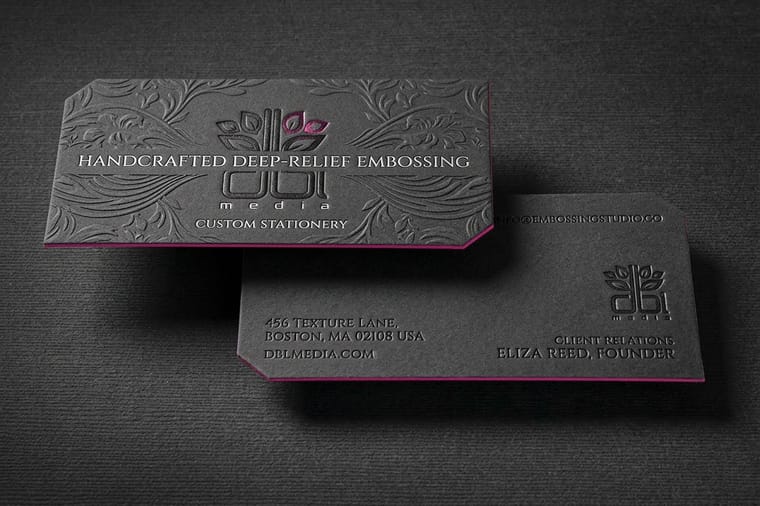
The picks
Cards at 250, notebooks at 50
Start here. These are the three products the suite is built from, each priced live on its own page. Configure quantity, stock and turnaround, and the total updates as you go, so nothing about the cost of pressed printing stays a mystery.

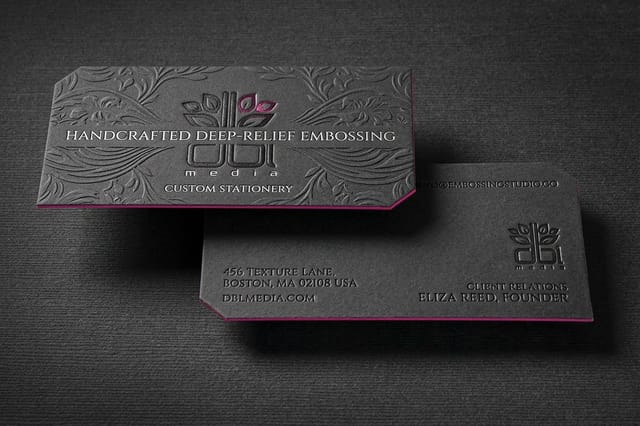
Design and print help
One die, three pieces that share it
The suite only works if every piece carries the same mark at the same proportion. These are the tools that make that easy before anything goes to press.
How they work together
Print in the order the mark travels
Each piece owns a different stage of the relationship, from the card that leaves your hand to the notebook that stays behind on someone else's desk.
The card is the piece that travels. Press the logo into a thick uncoated sheet and it survives a wallet, a pocket and a week on a desk without looking tired.
Raised artwork throws a small shadow at every angle. Use it for the front-of-house card, the one handed over at a pitch or a signing table.
A notebook with your mark pressed into the cover stays in the room for months, which is longer than any card, brochure or mailer will last.
1. Debossed business cards: the quiet mark that people run a thumb across
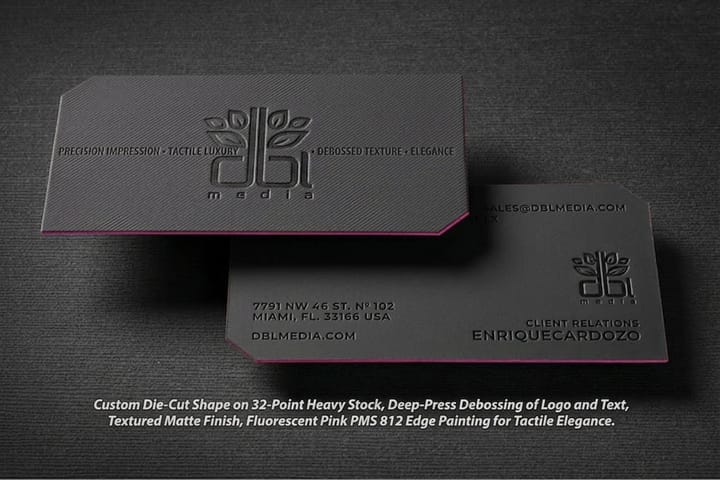
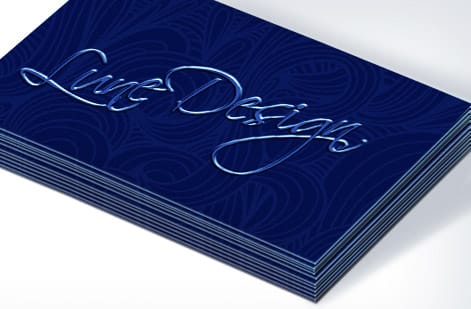
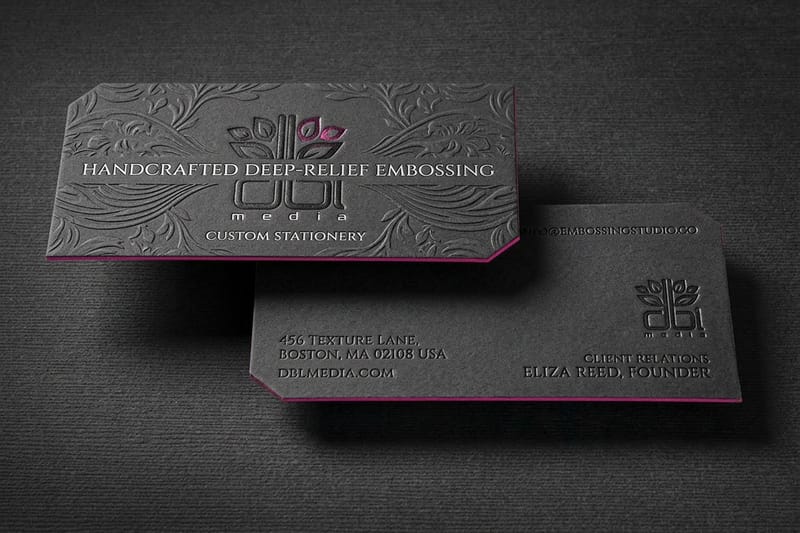
A debossed card is the most restrained way to spend money on paper and have it show. The die presses your artwork down into the sheet, so the mark reads as a shadow rather than a shape sitting on top of the stock. There is nothing to scuff off, nothing to fade, and no gloss to date the design in three years.
The effect depends almost entirely on the sheet. A thick uncoated stock has enough fiber to hold a deep, crisp impression and enough surface tooth to catch the light along the edge of the press. If you are still weighing which direction of pressure suits your logo, our embossed vs debossed guide walks through both, and the MOO stationery alternative comparison covers what changes when texture leads the brief.
Keep the pressed area to one element. A single debossed mark with clean space around it looks deliberate. Three pressed areas on one card looks like a sampler.
2. Embossed business cards: the version that catches the light

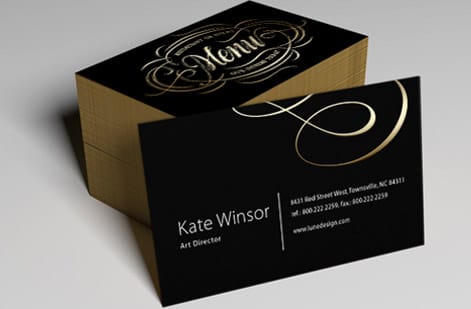
Embossing pushes the sheet up from behind, so the mark stands proud of the card and throws a small shadow that moves as the card is turned. That movement is the whole point. A flat card is read once and filed, while a raised card gets tilted, examined and handed to the person sitting next to them.
Use the embossed version where the handover matters most: the pitch, the signing table, the front of the sample kit. Pair it with a matching letterhead if your paperwork travels too, and the letterhead printing comparison shows how the same mark carries across formats. For a broader look at where budget stationery stops short, read the Vistaprint stationery alternative breakdown.
One practical note: whatever sits directly behind the embossed area on the reverse will show a soft recess. Design that side with the impression in mind and keep dense type away from it.
3. Embossed notebooks: the piece that stays in the room for months
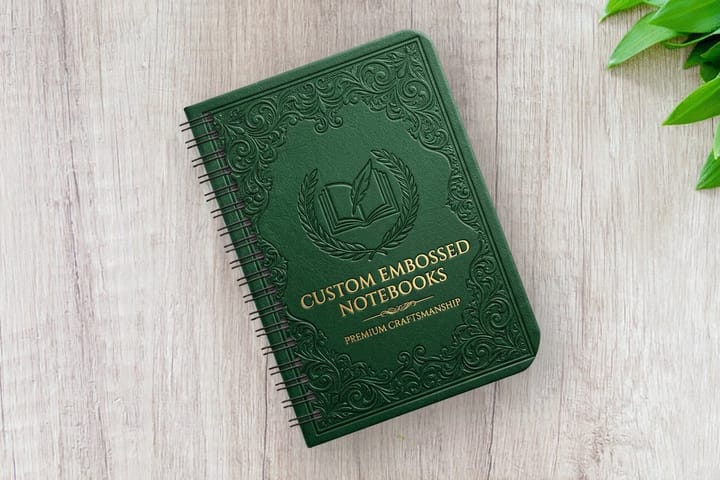
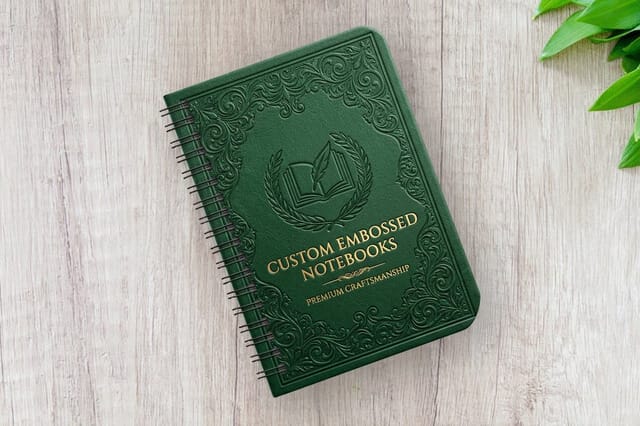
Cards leave the room. Notebooks stay. A cover with your mark pressed into it sits on a desk through every meeting for the length of a project, which makes it the longest-running piece in the suite by a wide margin. It is the reason notebooks work as onboarding gifts, event handouts and client kits when a printed folder would go straight in a drawer.
Cover board takes pressure differently from card stock, so the mark can go larger and deeper without losing edge definition. That makes it the right place to use a full monogram or a crest rather than a small logo lockup. If you are shaping the mark itself, monogram ideas for stationery is a useful reference for proportion, and branding strategies across naming and packaging covers how the printed set fits the wider identity.
Notebooks also carry occasions well. They work as graduation keepsakes alongside custom grad stationery, and as favors beside ceremony programs when the same monogram runs through the day.
Specs and pricing
Embossed business card specs, and what 250 buys
The business card sets the stock weight and the depth of the press for everything else in the set, so start with its specs and work outward.
| Quantity | Price Per Unit | Total |
|---|---|---|
| 250 | $1.01 | $251.36 |
| 500 | 65.4¢ | $327.15 |
| 1,000 | 37.8¢ | $377.68 |
| 2,000 | 36.6¢ | $731.35 |
Wally explains the suite
Three pieces, one pressed mark, printed to be touched
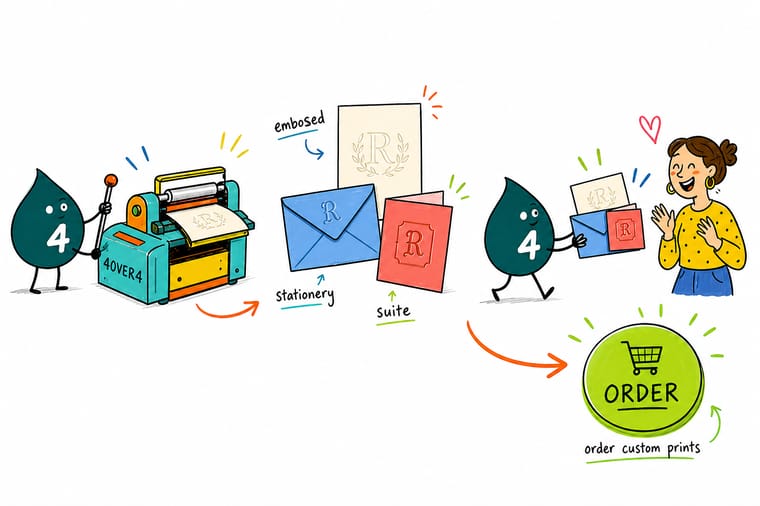
Wally thinks of embossing as printing with pressure instead of ink. A metal die squeezes the sheet, and the mark either lifts up or sinks in depending on which way the pressure runs. His rule for the suite is simple: pick one element to press, give it room to breathe, and use the same artwork on all three pieces. Feel a stock sample first, then order the set together.
Shop the embossing collection →See it in use
Embossed work from our own bindery
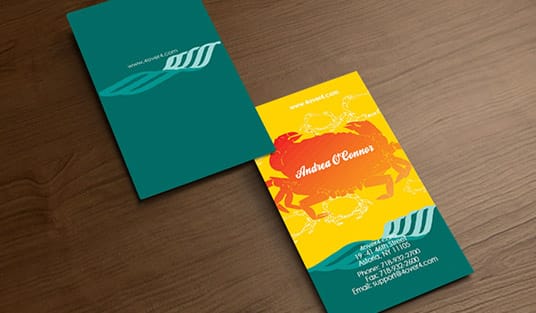
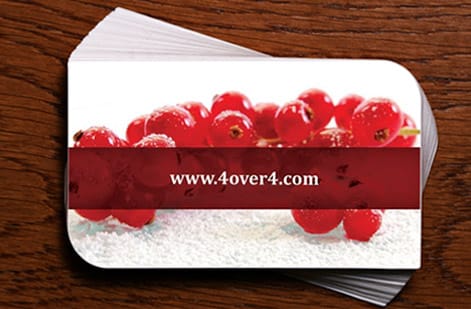
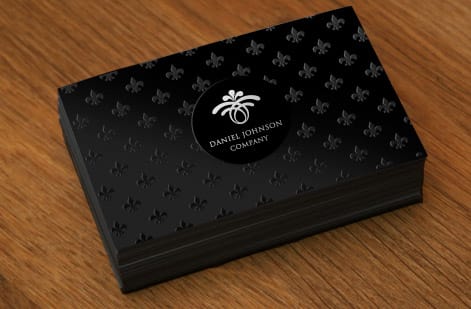
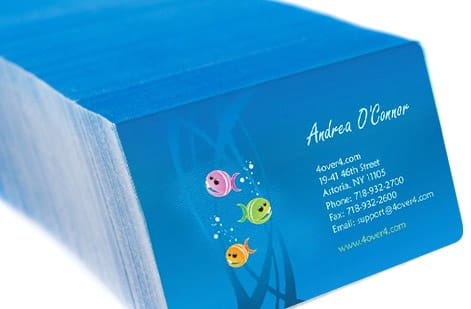

Explore more
Where to go next

By the numbers
One suite, pressed to be remembered
Common Questions
Common questions about the embossed stationery suite
What is the embossed and debossed stationery suite?
It is a three-piece set built around pressed artwork rather than printed artwork. Debossed business cards push the mark into the sheet, embossed business cards raise it above the surface, and embossed notebooks carry the same mark into a piece that lives on a desk. Ordered together, the three share stock feel, die depth and finish, so the identity holds across every touchpoint.
What is the difference between embossing and debossing?
Both use a metal die and pressure, and the difference is direction. Embossing pushes the sheet up from behind so the artwork sits proud of the surface and catches light. Debossing presses down from the front so the artwork sinks into the paper and reads as a shadow. Same tooling logic, two opposite effects, and the choice sets the tone of the entire suite.
Do I need all three pieces?
No, but the set is built to compound. One card proves the standard, the second card gives you a version for the moments that call for shine, and the notebook keeps the mark in front of someone long after the meeting. Start with the card that matches how you actually hand things over, then add the notebook when you have an event, an onboarding kit or a client gift to fill.
What artwork works best for embossing and debossing?
Solid shapes with clean edges. A logo, a monogram, a wordmark set in a weight that will not disappear under pressure, or a simple rule. Very fine hairlines, small serif text under about eight points and dense halftones lose definition because the paper fibers cannot hold that much detail. If the artwork reads clearly as a silhouette, it will press cleanly.
Can I combine embossing with printed color?
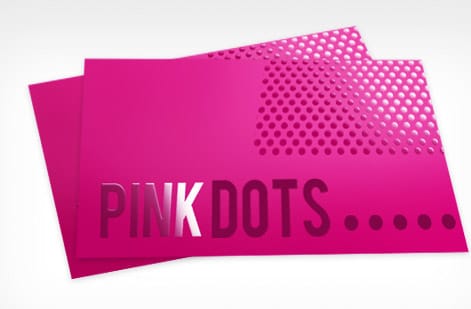
Yes, and registering a pressed mark to a printed area is one of the strongest looks in stationery. The usual approach is a blind press with no ink at all, letting texture and shadow do the work. If you want color, keep the ink to one area and give the pressed element room, because color and pressure competing in the same square inch flattens both.
What does the embossed stationery suite cost to print?
Each piece is priced live on its own product page and the number moves with quantity, stock and turnaround, so the calculator is the only honest answer. Debossed and embossed business cards start at $251.36 and embossed notebooks start at $763.37. Configure the quantity you actually need on each page and the total updates before you add anything to the cart.
How do I keep the three pieces looking like one set?
Lock three things and repeat them everywhere. Use one version of the mark at one proportion, keep the same generous clear space around it on every piece, and pick a single stock family so the color and texture of the paper never shifts between items. Once those three are fixed, mixing a raised card with a pressed cover reads as intentional range rather than a mismatch.
Get Started
Embossed business cards start at 250 for $251.36
Order the debossed card, the embossed card and the embossed notebook together and the stock, the depth and the finish stay identical across the set. Configure each piece live and see the price before you commit.
Legal Disclaimer
Gold Standard guarantees apply to all standard orders placed through 4over4.com. Price match requires verifiable proof of a competitor's published price for an equivalent product with matching specifications and turnaround time. Satisfaction guarantee covers manufacturing defects and print quality issues. Contact support with order number and documentation. On-time delivery rate based on tracked orders 1999 to 2026. Individual results may vary based on shipping carrier performance.
