
Embossing vs Debossing, and When to Use Each


Embossing raises your design off the surface, debossing presses it in. Both use a metal die and pressure to create texture you can feel. The stock has to be thick enough to hold the shape, which is why these run on 32pt and up.
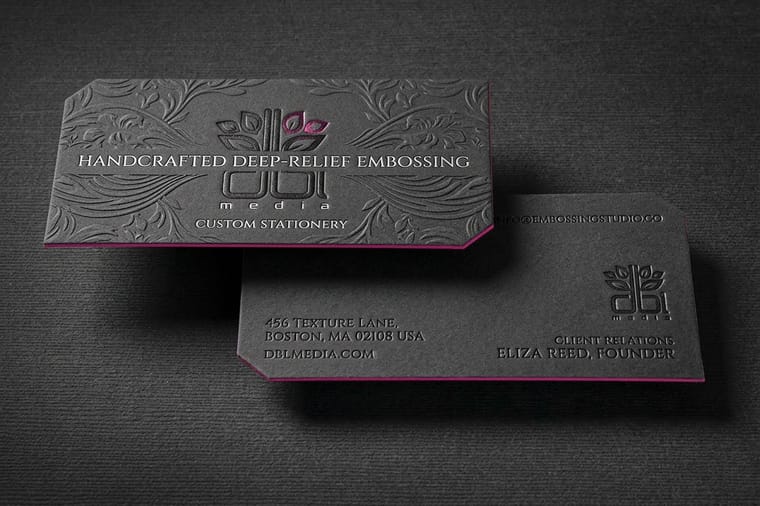
Embossing raises a design above the paper, debossing presses it below the surface, and both are created by pressing the stock between a metal die and pressure with no ink required. Embossing catches light on the raised peak, debossing collects shadow in the recess. Choose embossing to make a logo pop out, debossing for a subtle, tactile impression. 4OVER4 offers both.
Start here
A die, a stock, and the pressure between
Embossing and debossing are two sides of the same process, pressing paper between a metal die and counterforce to create texture. Embossing raises the design so it catches light, debossing presses it in so it holds shadow. Neither needs ink, though you can add ink or foil for contrast. This guide covers how each works, 3D embossing, the best stocks, blind versus registered, and where each technique shines, then funnels you to the right product.
What is debossing?
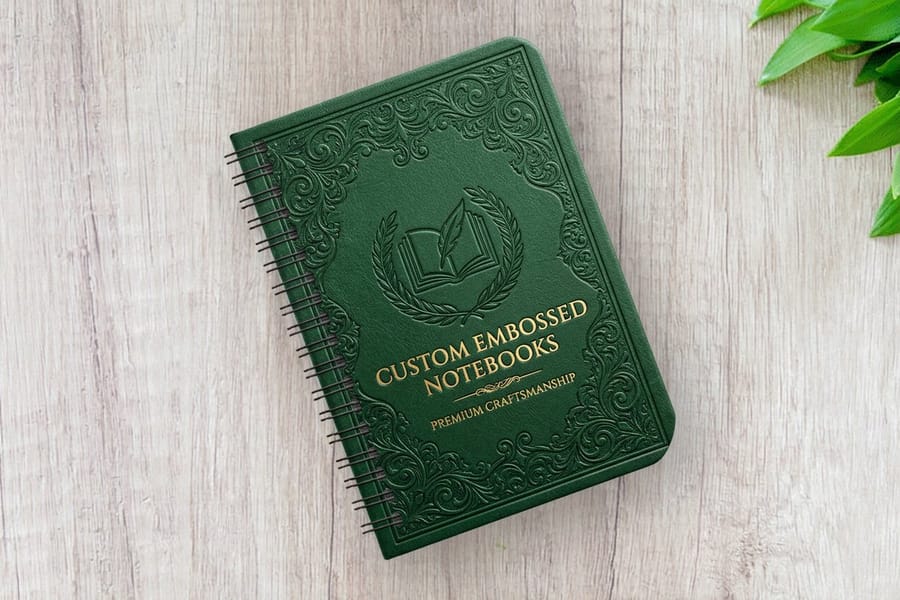
Debossing is a printing technique that presses a design down into the surface of the paper, leaving a recessed impression that sits below the paper plane. A metal die stamps the shape into the stock under pressure, so the mark is formed by the paper itself and reads as texture, with or without ink.
Embossing does the same job in reverse and pushes the design up instead. Because both are pressed rather than printed, a blind deboss carries no ink at all, while a registered deboss is aligned to printed or foiled artwork so the recess falls exactly on the logo. Thick, soft, uncoated and cotton stocks take the deepest and cleanest recess, which is why debossing suits minimalist branding, luxury packaging, and the pieces in our debossing collection. Choose a raised mark instead when you want the logo to stand up and catch the light, as it does on embossed business cards.
How embossing works
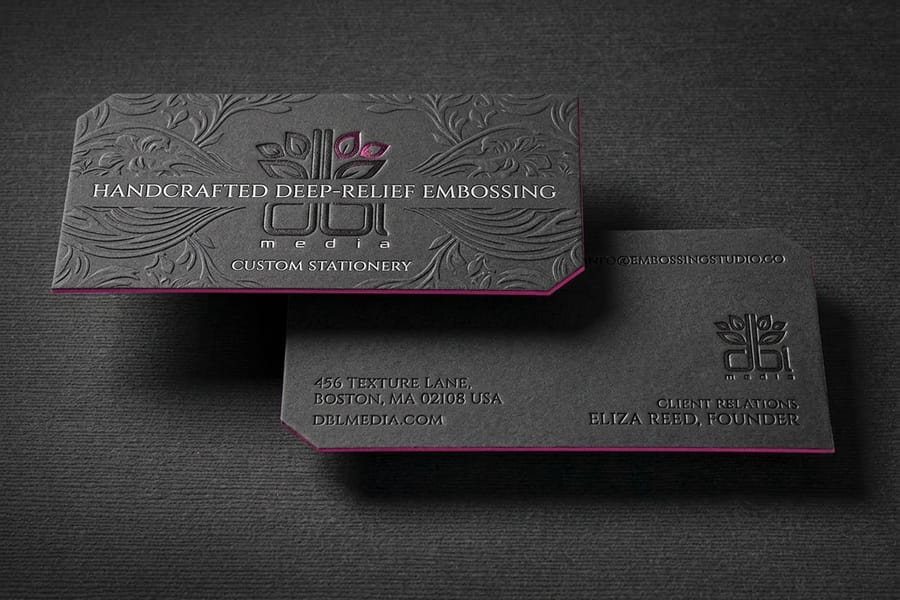
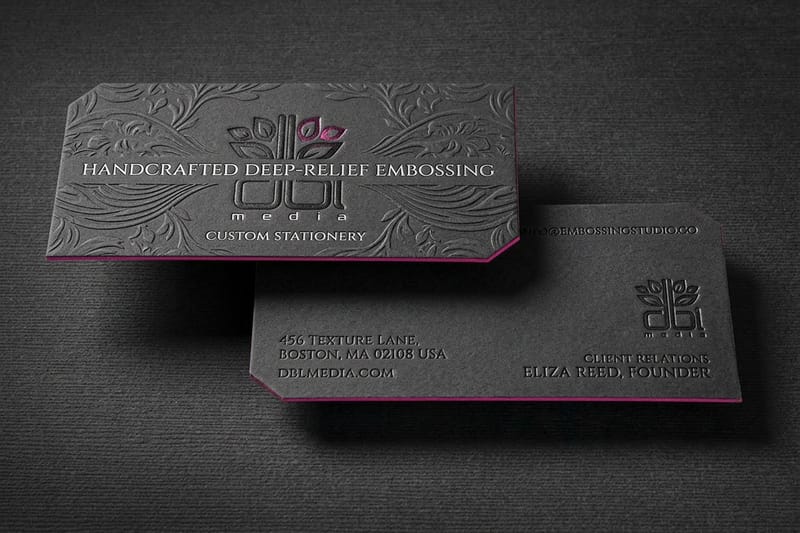
Embossing raises a design above the surface of the paper. It uses two matched metal dies, a raised die and a recessed counter die. The stock is pressed between them under heat and pressure, forcing the paper up into the shape. The result stands proud of the surface, so it catches highlights on its raised edges and creates a tactile bump you feel before you read it. The same press stroke leaves a hollow on the reverse of the sheet, which is why the stock has to be heavy enough to carry the shape without cracking along the edges of the die.
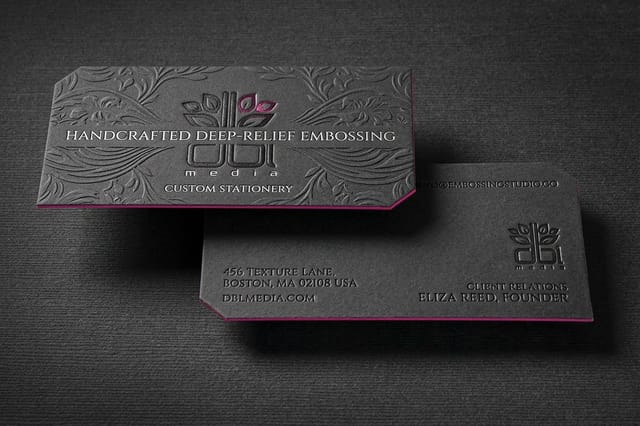
Because the paper itself is reshaped, embossing needs no ink to be visible, though it is often combined with ink or foil for extra contrast. It is a favorite for logos and monograms on embossed business cards and presentation folders, where a raised mark signals quality the instant someone picks up the piece. If you want to see the option range first, our embossing collection shows what the technique does across products.
How debossing works
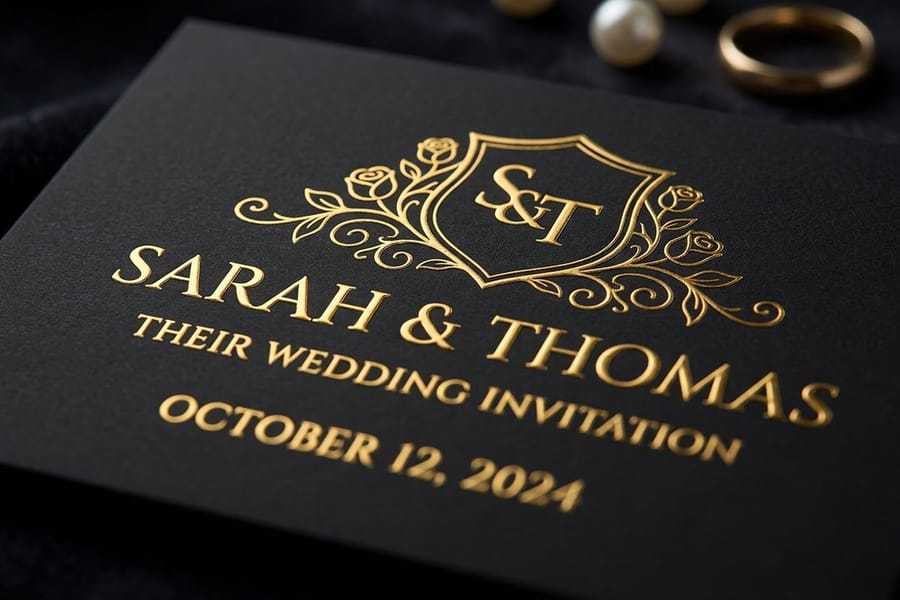
Debossing is the mirror image. Instead of raising the design, it presses it into the surface, leaving a recessed impression below the paper plane. The tooling is the same idea in reverse, a die pushes the shape down into the stock. Where an emboss catches light on its peak, a deboss collects a soft shadow in its recess, giving a quieter, more understated effect.
Debossing feels subtle and refined, which is why it suits minimalist branding, luxury packaging, and pieces where you want texture without anything standing up to snag or scuff. It works beautifully on thick, soft stocks that take a deep, clean impression. How deep that impression can go is set by the caliper of the sheet, meaning its thickness rather than its weight alone: the thicker and softer the stock, the further the die can travel before the fibers stretch and split, so heavy uncoated and cotton sheets hold a crisp recess, while thin, hard, coated stock bottoms out early and can telegraph a faint ghost of the shape on the back. Large solid shapes ask the paper to move more than fine line work does, so keep type weights, rules, and serifs bold enough to survive the squeeze, and expect a soft, rounded shoulder at the edge of the recess rather than a knife edge. Explore how it reads across products in our debossing collection.
What 3D embossing is
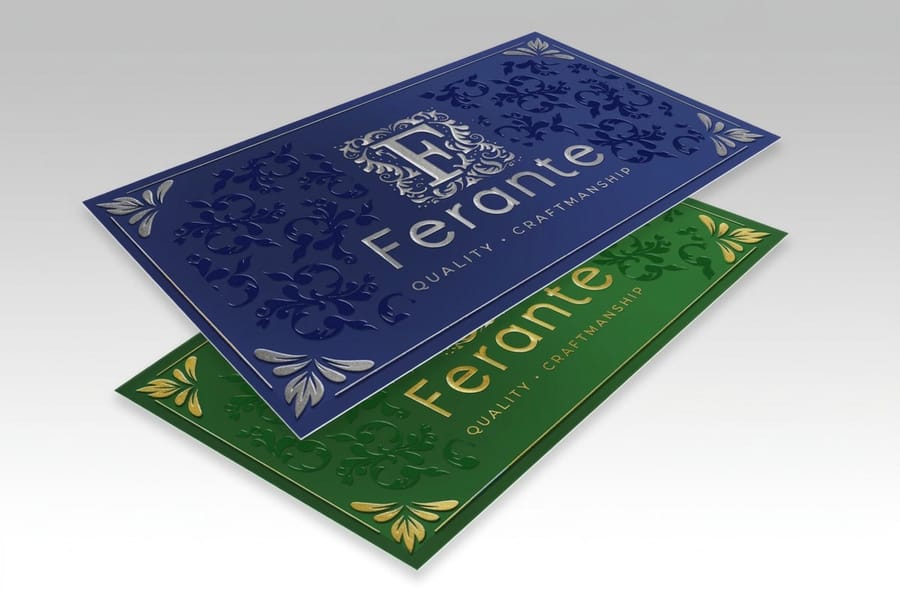
Standard embossing is single level, the design is raised to one height. 3D embossing, sometimes called sculptured or multi level embossing, uses a die cut to several depths so the raised shape has contour, like a tiny relief sculpture. Curves and gradients in height let a logo or emblem look dimensional rather than a flat bump lifted off the page.
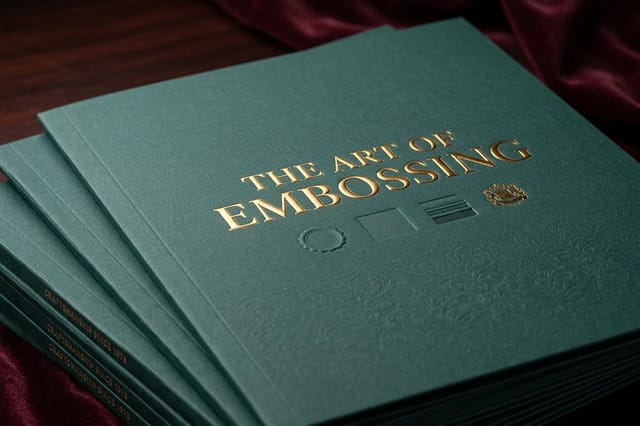
3D embossing needs a custom sculpted die and a stock that can hold fine gradation, so it costs more and suits heavier, higher quality paper. It is the choice for a crest, seal, or premium logo you want to feel genuinely sculpted. Related raised effects like dual raised cards layer texture for a similar sense of depth.
Best paper stocks for embossing and debossing
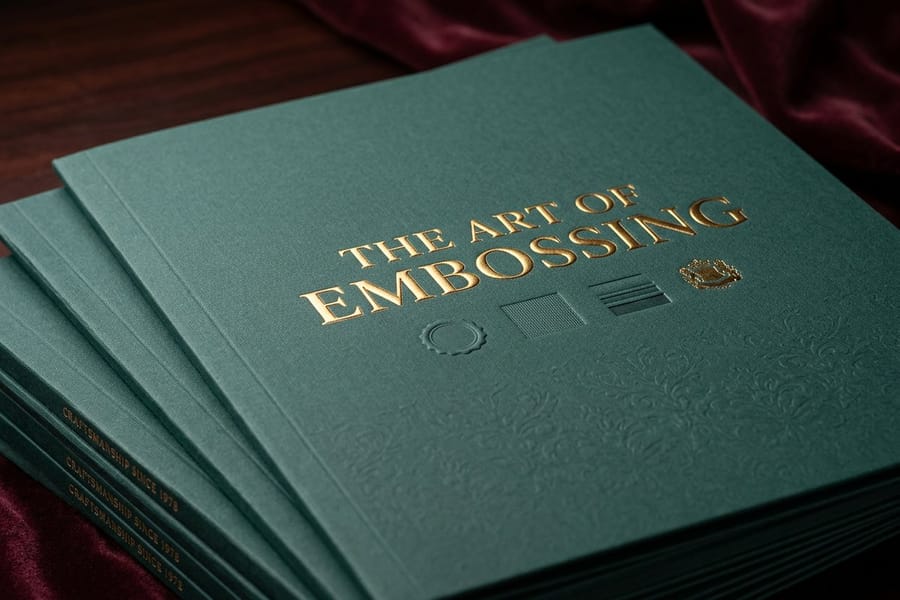
Stock decides whether an impression is crisp or mushy. Both techniques want a heavier weight, because thin paper can crack or fail to hold the shape. Uncoated, textured, and cotton stocks take an especially clean, well defined impression and are the classic choice. Soft, thick stocks are ideal for a deep deboss.
Heavily coated or very thin stocks fight the process, the coating can crack on a sharp emboss and thin paper distorts on the back. Keep the design bold enough to survive too, very fine lines and tiny type can lose definition when raised or pressed, so simple, confident shapes reproduce best. Matching the effect to the right stock is the same discipline as choosing any premium finish in our finishes hub.
Blind vs registered, and reverse side impressions
Blind embossing or debossing means the shape is formed with no ink and no foil, just the raised or recessed texture in the bare stock. It is elegant and tonal, the design shows through light and shadow alone. Registered embossing aligns the texture precisely to printed or foiled artwork, so the raised or pressed shape sits exactly on top of an ink or foil element for a layered, deliberate effect.
One thing to plan for, an impression on one side leaves a faint reverse image on the other. On a single sided piece that is invisible, but on a two sided card you design around it, keeping the back clear behind a heavy emboss. For foil plus texture combinations, our guide on setting up files for foil covers the extra layer your file needs.
Where embossing and debossing shine
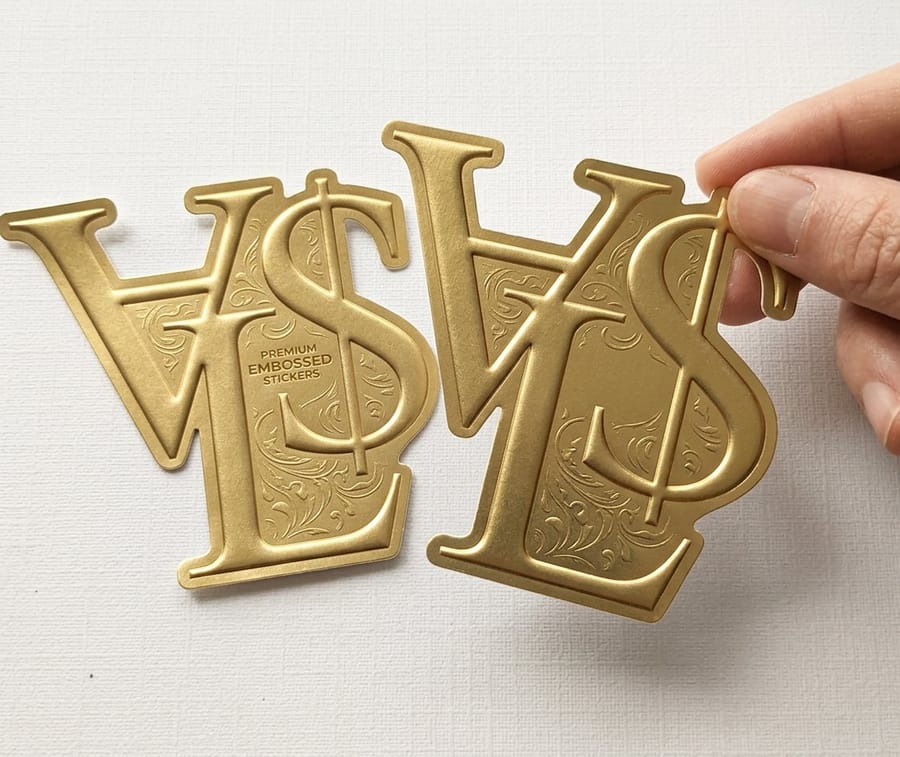
Reach for embossing when you want a mark to pop out and grab attention, a raised logo on a business card, a lifted title on a folder, a seal on a certificate. It signals premium the moment the piece is handled. Reach for debossing when you want understated texture, a pressed monogram on luxury packaging, a subtle brand mark on a folder, anything where restraint reads as sophistication.
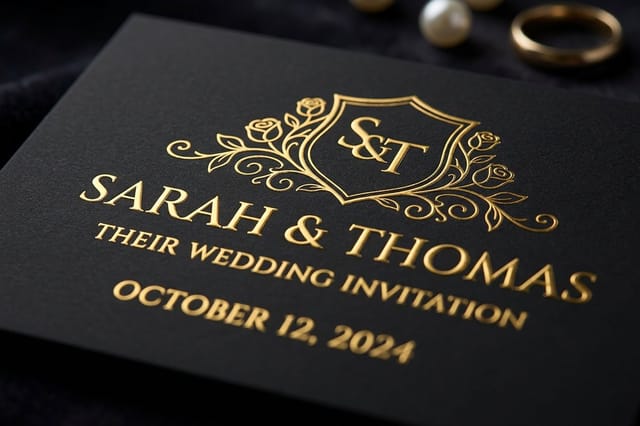
Since 4OVER4 offers both, you can even use them together, an embossed logo with a debossed border, or a blind deboss paired with foil. Cards, hang tags, presentation folders, and invitations are the natural homes for both effects. When you know which direction fits your brand, order embossing from the embossing collection or debossing from the debossing collection.
Wally shows you which way the texture goes
Up for impact, in for restraint
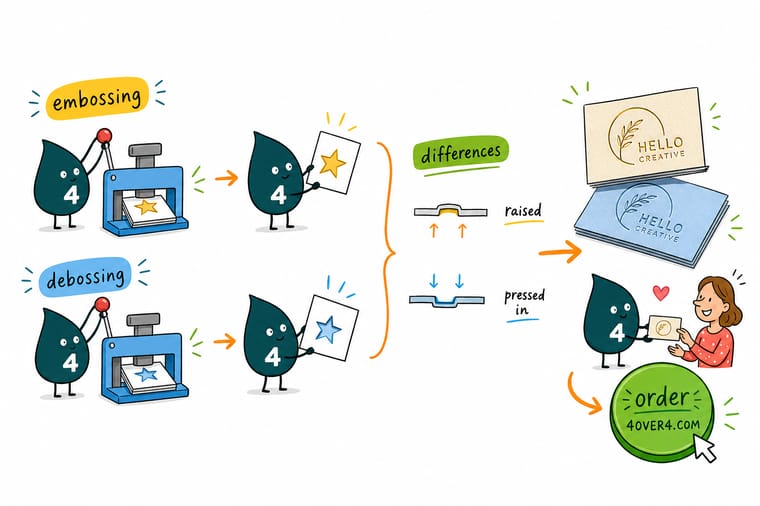
Wally presses one logo up so it catches the light and one logo in so it holds a soft shadow, same die, opposite directions. He picks a heavy, uncoated stock that keeps the impression crisp, keeps the shapes bold, and decides blind or registered before the file leaves his desk. Because 4OVER4 does both, Wally helps you choose the effect that fits the brand, then prints it.
Order embossed printing →Quick reference
Embossing vs debossing, at a glance
A quick side by side of the two techniques and what each does best.
| Trait | Embossing / Debossing | Why it matters |
|---|---|---|
| Direction | Raised up / pressed in | Sets whether the design stands proud or sinks below the surface. |
| Light | Catches highlight / holds shadow | Decides how the texture reads on the page and in the hand. |
| Ink | None required (blind), or add foil | The texture is pressure, so ink and foil are optional contrast. |
| Best stock | Heavy, uncoated, cotton | Holds a crisp impression, where thin or coated stock resists. |
| Feel | Bold statement / subtle refinement | Match the mood, emboss for impact, deboss for restraint. |
| Two sided art | Plan for a reverse impression | A texture on one side leaves a faint image on the other. |
Step by step
Order embossed or debossed printing in 6 steps
- Pick the direction Choose embossing to raise the design or debossing to press it in.
- Choose blind or registered Decide whether the texture stands alone or aligns to printed or foil art.
- Select a heavy stock Go for a thicker, uncoated, or cotton stock that holds a clean impression.
- Keep the design bold Use confident shapes and avoid hairline detail that can lose definition.
- Plan the reverse side On two sided pieces, keep the back clear behind a heavy emboss or deboss.
- Choose the product and order Pick a card, folder, or invitation, set the options, and watch the live price.
Specs and pricing
Embossed printing specs and live pricing
Once you have chosen your effect and stock, the product options set the price. Embossed business cards run 250 for $251.36, which is $1.01 each.
| Quantity | Price Per Unit | Total |
|---|---|---|
| 250 | $1.01 | $251.36 |
| 500 | 65.4¢ | $327.15 |
| 1,000 | 37.8¢ | $377.68 |
| 2,000 | 36.6¢ | $731.35 |
Print it
Print embossed or debossed pieces at 4OVER4
See it in use
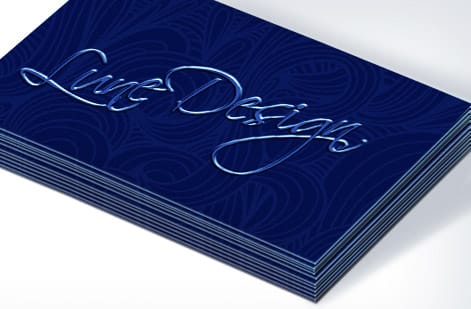
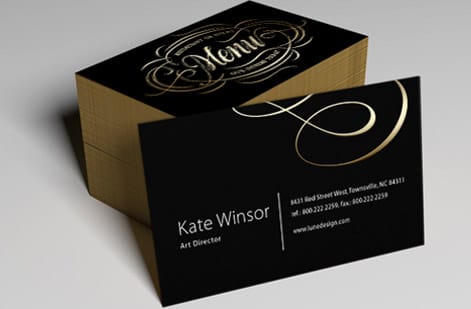
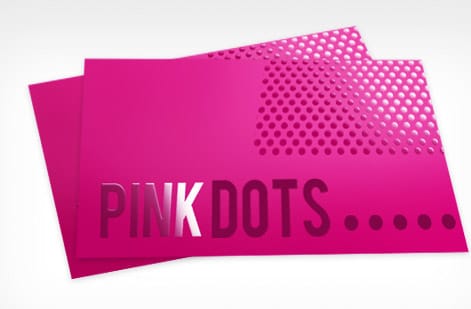
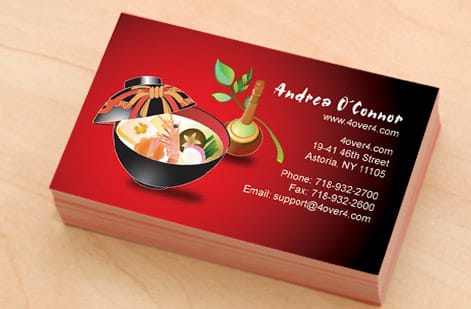
Dies we struck into laminated stock
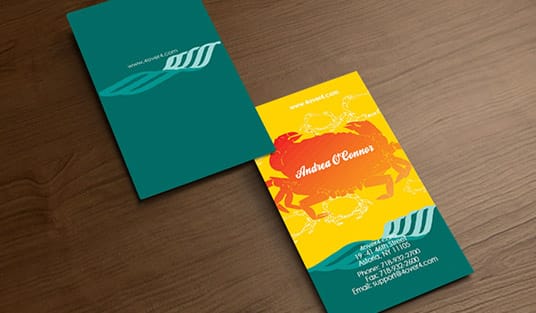
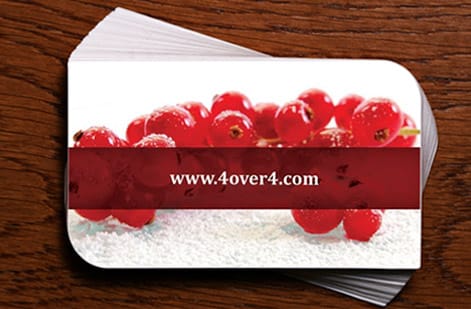
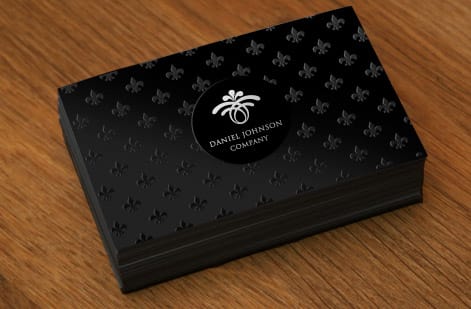
Explore more
Where to go next

By the numbers
Sixty stocks that take a die either way
Common Questions
Common questions about embossing and debossing
What is the difference between embossing and debossing?
Embossing raises a design above the surface of the paper, while debossing presses it below the surface. Both are made the same way, by pressing the stock between a metal die and counterforce under pressure, so neither strictly needs ink. The visible difference is how they catch light, an emboss highlights on its raised peak, a deboss gathers shadow in its recess. Embossing makes a mark pop out, debossing gives a subtle, tactile impression.
What is debossing?
Debossing presses a design down into the paper so it sits below the surface as a recessed impression. A metal die stamps the shape into the stock under pressure, so the mark is formed by the paper itself and needs no ink to be visible. Blind debossing leaves it ink free, registered debossing lines the recess up with printed or foiled artwork, and heavier uncoated or cotton stocks hold the deepest, cleanest impression. It is the quiet option, used on luxury packaging, invitations, and minimalist branding.
What is embossing?
Embossing raises a design above the paper using two matched metal dies, a raised die and a recessed counter die, with the stock pressed between them under heat and pressure. The shape stands proud of the surface, catches highlights along its raised edges, and can be left blind or paired with ink or foil for contrast. Multi level 3D embossing sculpts the die in steps for extra depth, which is why embossing is the usual choice for logos and monograms on business cards and presentation folders.
Which costs more, embossing or debossing?
Neither one is inherently the expensive technique, because both are pressed with the same kind of tooling. What moves the price is the die, its size, how much fine detail it carries, and whether it is a single level die or a sculpted multi level 3D die, which costs more. After that it is the product, the stock, and the quantity, and the per piece cost drops as the quantity climbs. Configure the piece on the product page and the price updates live before you commit.
Raised off the sheet or pressed into it?
Match the effect to the mood. Choose embossing when you want a logo or title to stand up and grab attention, ideal for business cards, folders, and certificates. Choose debossing when you want understated, refined texture, ideal for luxury packaging and minimalist branding. Consider blind for a tonal, ink free look or registered to align the texture with printed or foiled art, and pick a heavy, uncoated stock so the impression stays crisp.
What do embossing and debossing cost and how is pricing set?
Price is set by the product, the stock, the size of the die and impression, and the quantity, with specialty effects like 3D embossing costing more because they need a sculpted die. You choose the product and options in the configurator and the price updates live, and the per piece cost drops as the quantity climbs. Because both techniques are available across cards, folders, and invitations, you can pick the format that fits your budget and brand.
What sizes, stocks, and finishes are available?
Embossing and debossing are offered across premium products like business cards, presentation folders, invitations, and hang tags, on heavier and cotton stocks that hold a clean impression, and can be combined with ink or foil. Options include blind, registered, and multi level 3D embossing. The live specs panel on each product page lists the exact sizes, stocks, and finish combinations so you can build the piece your brand needs.
How long does embossed or debossed printing take?
Turnaround depends on the product, whether a custom die is needed, and the quantity, and the current lead time shows on the product page as you configure the job. Specialty effects like 3D embossing or registered foil can add time because of the tooling and extra alignment. Once you upload artwork, our free file check reviews it before production so a setup issue does not delay the run, and shipping speeds are shown at checkout.
Get Started
Order 100 dual raised business cards from $149.00
Print embossed or debossed pieces at 4OVER4, choose a heavy stock and a blind or registered effect, and see it come to life on cards, folders, and invitations. Adjust the product and quantity and watch your price update live.
Legal Disclaimer
Gold Standard guarantees apply to all standard orders placed through 4over4.com. Price match requires verifiable proof of a competitor's published price for an equivalent product with matching specifications and turnaround time. Satisfaction guarantee covers manufacturing defects and print quality issues. Contact support with order number and documentation. On-time delivery rate based on tracked orders 1999 to 2026. Individual results may vary based on shipping carrier performance.
