
The 9-Product Convenience Store Pack That Drives Foot Traffic
A corner store is an impulse business, and impulses are triggered by signage. These are the nine print pieces that work the street, steer the aisles, and grow the basket at the register, week after week.
The convenience store pack is nine print pieces that trigger and upsize impulse purchases: window clings, a signicade A-frame, posters, retail counter cards, floor graphics, flyers, retail banners, a feather flag, and fridge magnets. The window, sidewalk, road, and curb flag pull customers in, posters and floor graphics route them past the margin shelves, and the counter card, weekly flyer, and take-home magnet grow the basket and script the next visit.
The picks
Nine products, from the pump-side flag to the floor graphic
Start here. These are the nine products in the pack, numbered in the order a store usually deploys them, each priced live from the configurator. Use one deal layout from glass to floor, then read on for what each piece earns.
Design and print help
One store voice, every week
Deal signage only builds a brand when every week ships in the same voice. Lock one deal layout at poster size and reuse it on the pieces you swap most often: clings from 11 x 17 up to 40 x 60 inches that print in 3 business days, A-frame panels, and counter cards from 8.5 x 11 to 11 x 17 inches that print in 2. Keep the price in the same color and position on all three so a regular spots the deal before reading it. These 4OVER4.COM services keep the look consistent through constant rotation.
How they work together
From the curb to the counter, in three moves
Each piece owns a zone: the street, the aisles, the register. Print the whole pack and every zone sells.
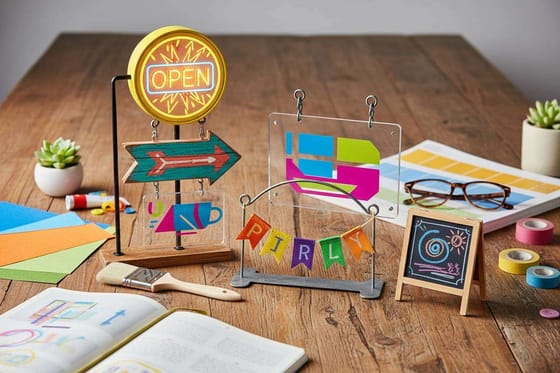
The glass, the sidewalk, and the road each get their own message. Deals on the window, today's special on the A-frame, the big claims on the banner, and a feather flag waving OPEN at the curb pull people through the door.
Once inside, posters flag the combo deals at eye level while floor graphics route traffic past the aisles that earn. The store layout becomes a sales script.
The counter card upsells at the register, the weekly flyer rides home in the bag to script the next visit, and a fridge magnet with your hours and number keeps the store one glance away at home. Every checkout plants the following one.
1. Window clings: the deal wall facing the sidewalk
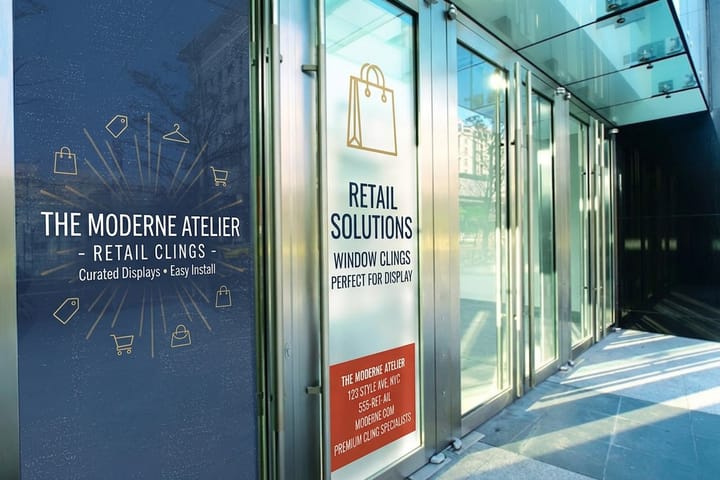
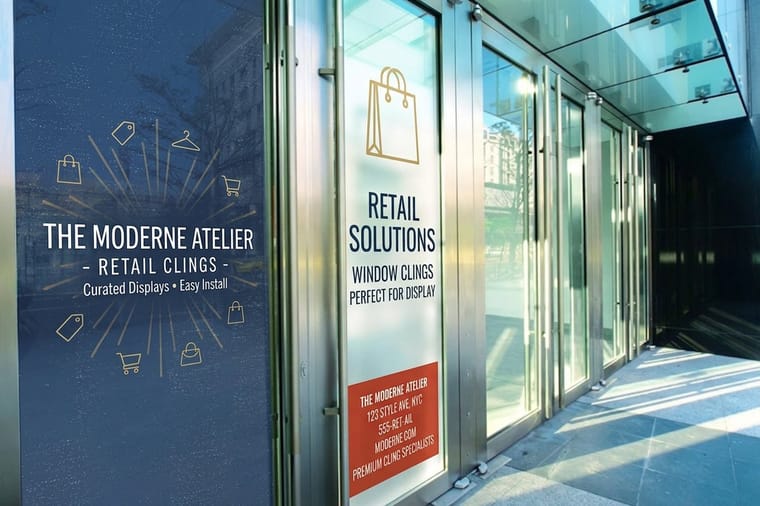
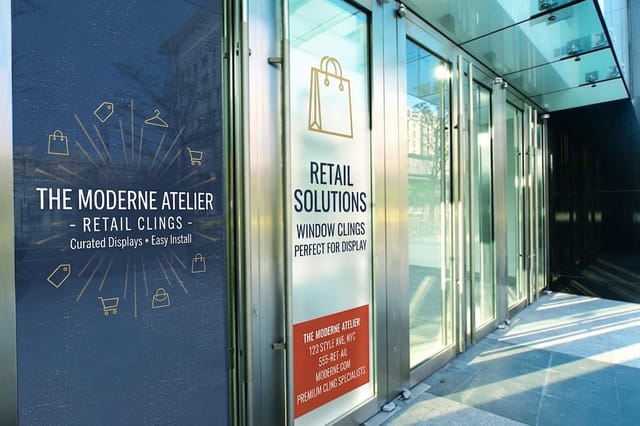
A convenience store window is prime advertising real estate that is often filled with faded posters from suppliers. Take it back. Clings put your own deals on the glass, the two-for coffee, the case price on water, the new hot food program, in color, changed as often as the promotions rotate.
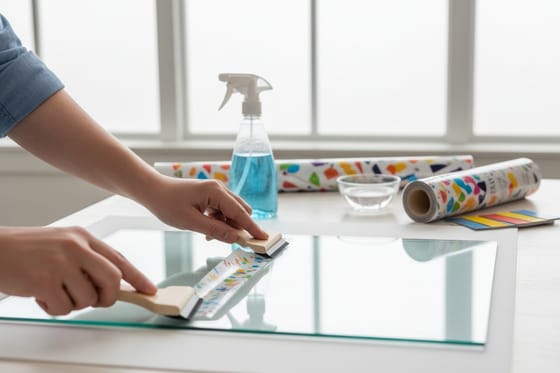
Because clings apply and peel cleanly, the weekly refresh takes minutes and zero residue. The technique in how to apply window clings gets a bubble-free result on the first try, and the reusability rundown in custom window clings shows how one set serves recurring promotions.
Write for two audiences at once: huge price numerals for the drivers at the light, and the details at eye level for the walk-ups. The glass is big enough for both.
2. A-frames: the sidewalk interruption that works
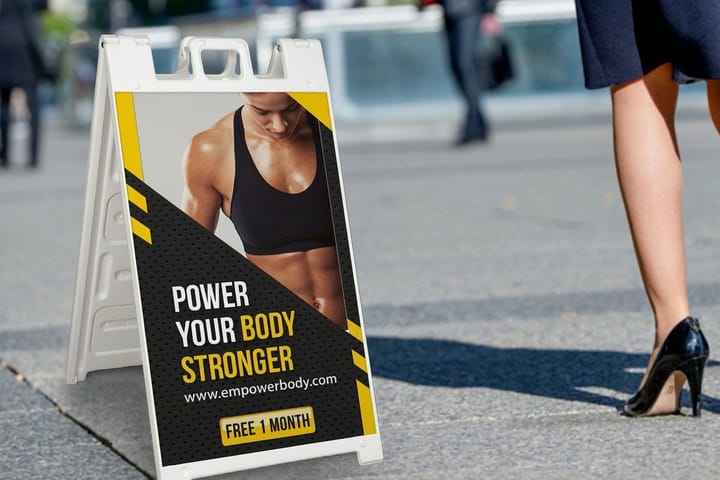
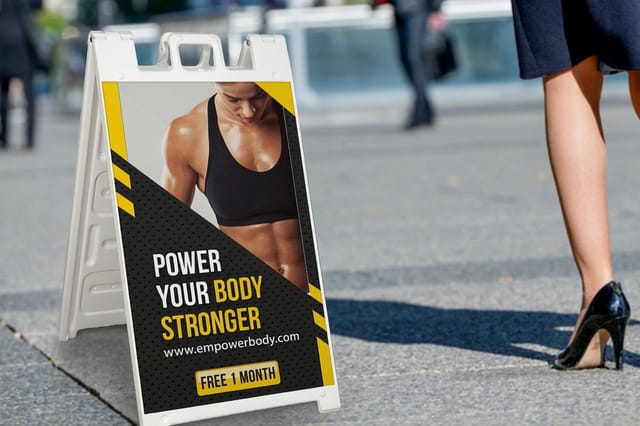
Foot traffic walks past a storefront on autopilot. An A-frame breaks the pattern by standing in the path with one message: iced coffee 99 cents, lotto jackpot tonight, fresh sandwiches until 2. It is the only sign a pedestrian physically walks around, which is exactly why it converts.
The Signicade kit is a white plastic 25 x 45 inch frame with two printed 24 x 36 inch corrugated plastic panels, the same art or different art on each side. Reprint the panels when the window clings change so the sidewalk and the glass tell one story. More ways to work the storefront are in storefront sign ideas.
Position it legally and kindly: visible from both walking directions, never blocking the path. The sign should interrupt attention, not ankles.
3. Posters: eye-level selling inside the store
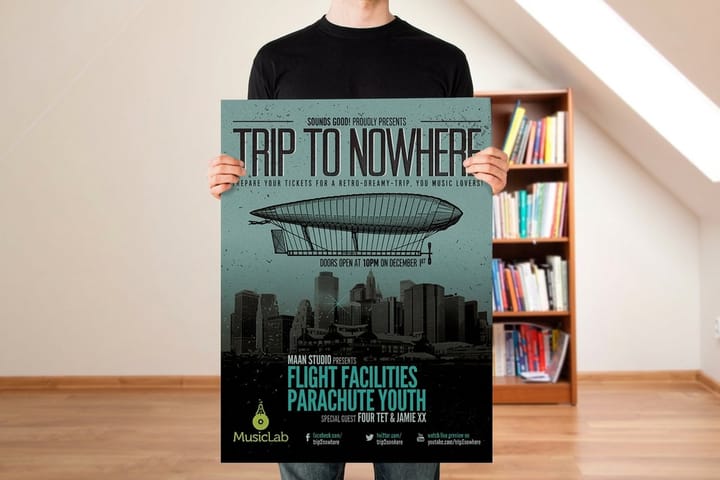
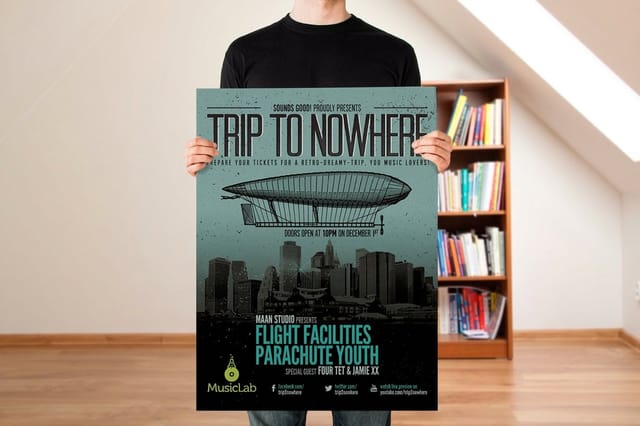
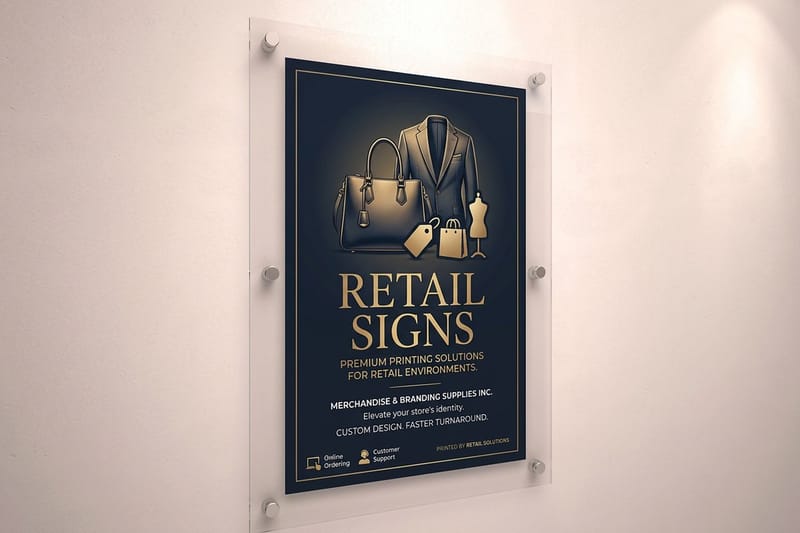
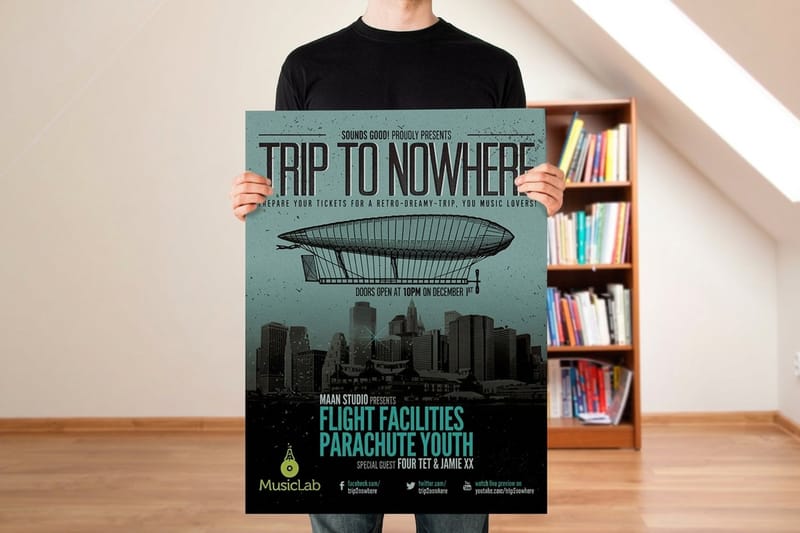
Once a customer is inside, the selling is not done, it has just moved to the walls. A poster above the cooler sells the combo, one by the coffee station sells the pastry, one at the register sells the phone accessories rack nobody notices. Each is a silent employee stationed at the decision point it owns.
Design them like billboards, not documents: one product, one price, one image. Match sizes to the wall using the large-format poster size guide, and browse formats under posters printing. Frames or clean rails beat tape; a straight poster reads as a promotion, a sagging one as neglect.
Audit them monthly. An expired deal on the wall costs trust at the register, and trust is the actual product a corner store sells.
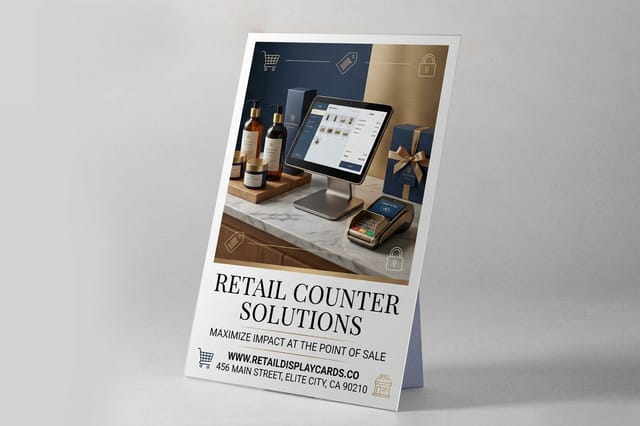
4. Counter cards: the upsell at the moment of payment
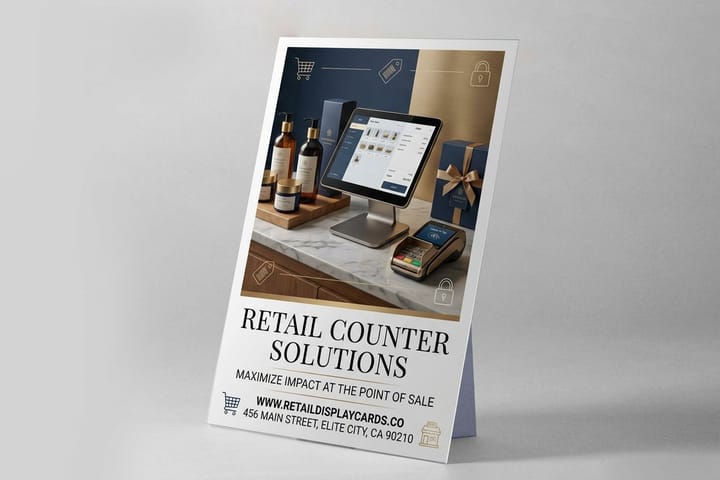
Every customer in the store ends up at the counter with their wallet already open, and whatever stands there gets read while the card machine thinks. A counter card is a well-placed salesperson: add a candy bar for a dollar, join the coffee club, try the new energy line.
Keep it to one offer in big type with the price doing the talking, and swap it whenever your margins shift. A rigid card with a built-in easel stands cleanly next to the register without furniture. Configure sizes and stocks at retail counter cards and print a small stack per promotion so a coffee spill never leaves the counter bare.
Track it the simple way: register clerks know within a week whether the add-on is moving. When it stalls, change the card, not the clerk's pitch.
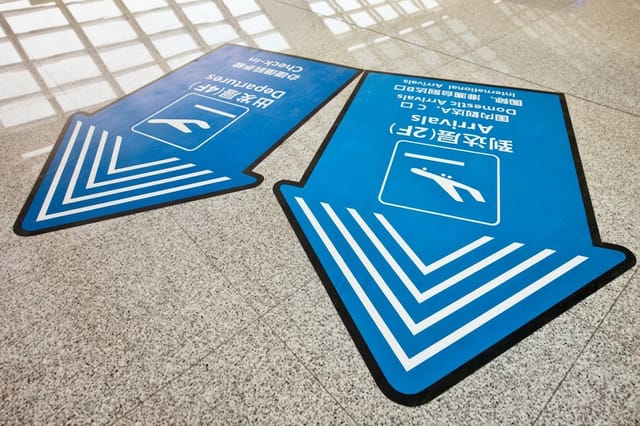
5. Floor graphics: the aisle route you choose for them
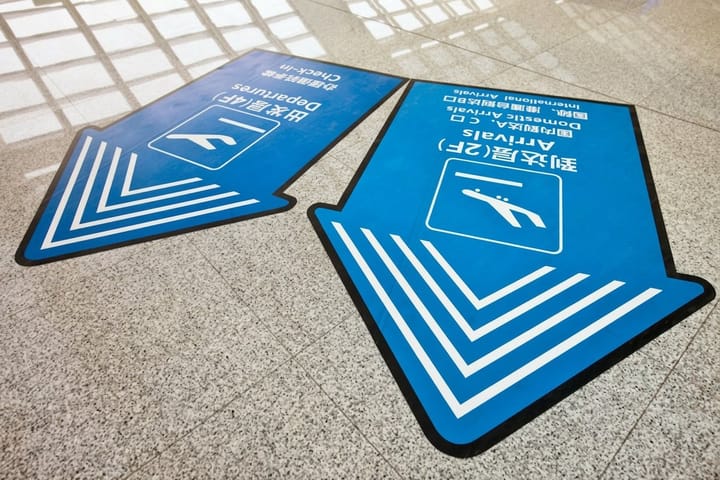
Customers walk into a convenience store with a mission, milk, smokes, a snack, and a route burned in by habit. Floor graphics rewrite the route. An arrow from the door toward the promo aisle, a deal spot in front of the seasonal display, paw prints to the pet shelf: people tend to follow floor cues.
They print on flexible floor vinyl, as rectangles from 9 x 18 inches or circles from 12 to 48 inches. Use a few decisive graphics rather than a carpet of them; the floor should have one or two things to say. See materials and shapes at floor graphics.
Put one graphic where it earns the most: the junction where customers turn toward the register instead of the high-margin aisle. That single redirect is the one to get right.
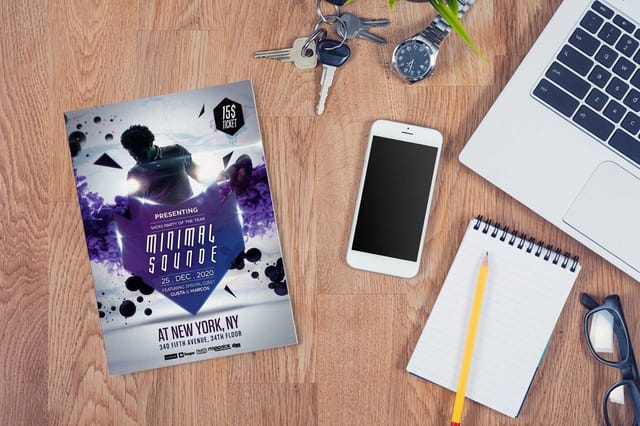
6. Flyers: the weekly specials that ride home in the bag
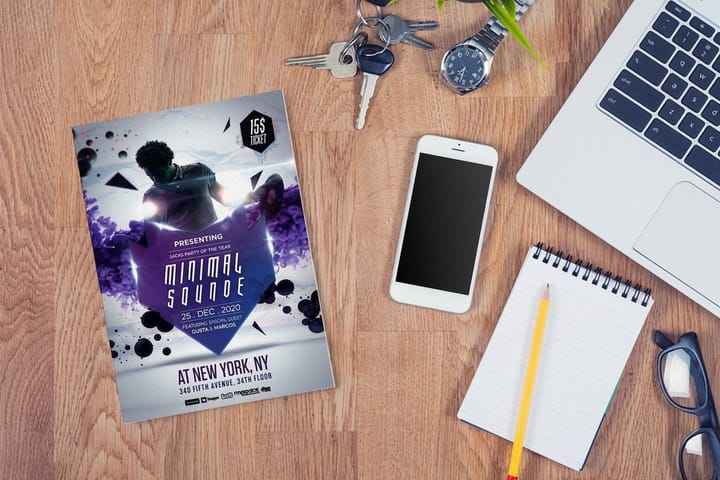
The grocery chains never stopped printing weekly circulars, because they work. A corner store version, one page, five loud deals with prices, this week's dates, does the same job at neighborhood scale: it scripts the next visit before the current one ends. Bag one with every purchase and drop the rest within your walking radius.
Lead with the deal people cross streets for, milk, eggs, the coffee combo, and let it pull the rest of the page. The layout discipline in how to design flyers applies, and flyer distribution best practices covers the drops that stay welcome. The price per flyer drops as the run grows.
Date every flyer and honor the dates exactly. The circular is a promise, and a corner store lives on kept promises.
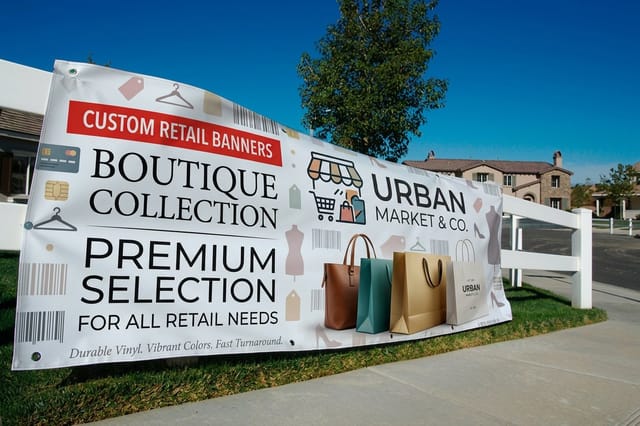
7. Retail banners: the claims that pull drivers off the road
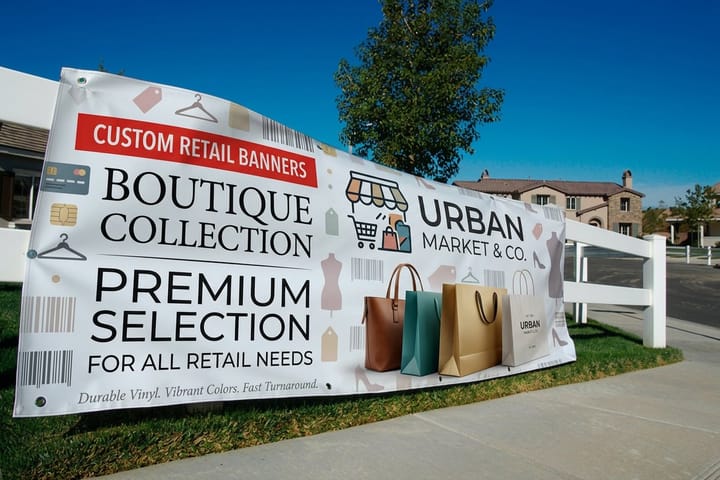
Drivers decide to stop in the seconds before your parking lot, and they decide on big, simple claims: cold drinks, ATM inside, hot food, now open. A banner across the facade or fence is how those claims reach the road, in letters sized for forty miles an hour.
One claim per banner, maximum contrast, no phone numbers or paragraphs. They print on 13oz outdoor or 15oz blackout vinyl, and optional grommets make seasonal swaps quick. Match the width to your frontage with standard banner sizes, and pick the right material for wind exposure via banner material types.
Rotate seasonally: iced drinks all summer, hot coffee all winter. The road audience is the same cars daily, and a banner that changes keeps earning their glance.
8. Feather flags: the OPEN sign that actually moves
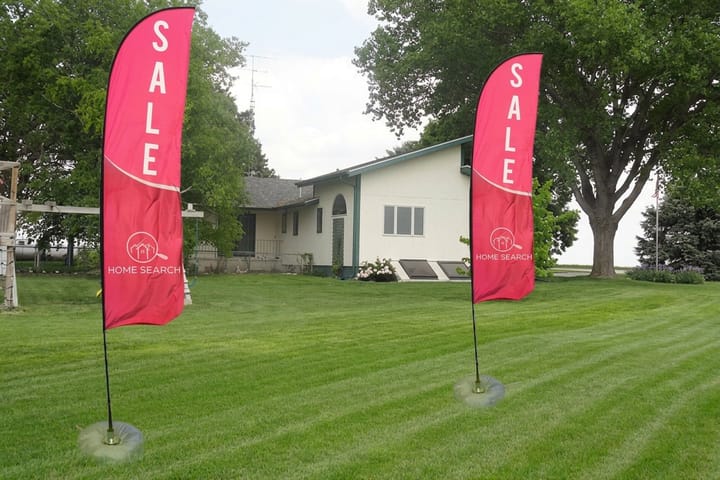
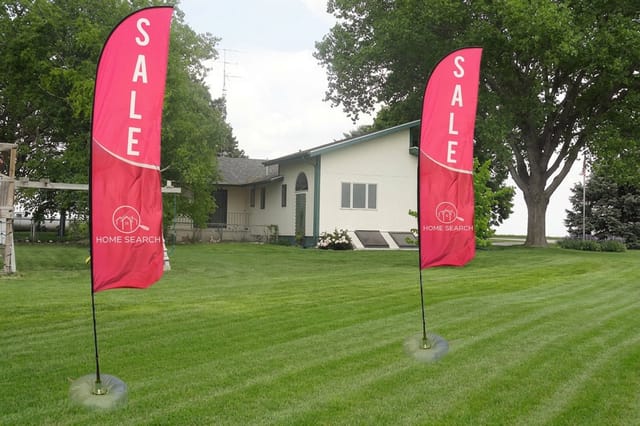
Everything else on your storefront is static, and static is what the eye learns to ignore. A feather flag moves with every breeze, and motion is hard for the eye to ignore. Planted at the curb, an OPEN or COLD DRINKS flag announces the store to both ends of the block and to every car slowing for the light.
Keep the message to one or two words stacked vertically, in your store colors, because the flag is read in motion and at distance. The comparison in yard signs vs A-frames vs banners maps where each street piece earns its spot, and types of banners covers the materials and costs across the whole outdoor set.
Bring it in at close and set it out at open. That daily ritual costs a minute and tells the whole street, every morning, that the store is alive and ready.
9. Magnets: the store number on the neighborhood fridge
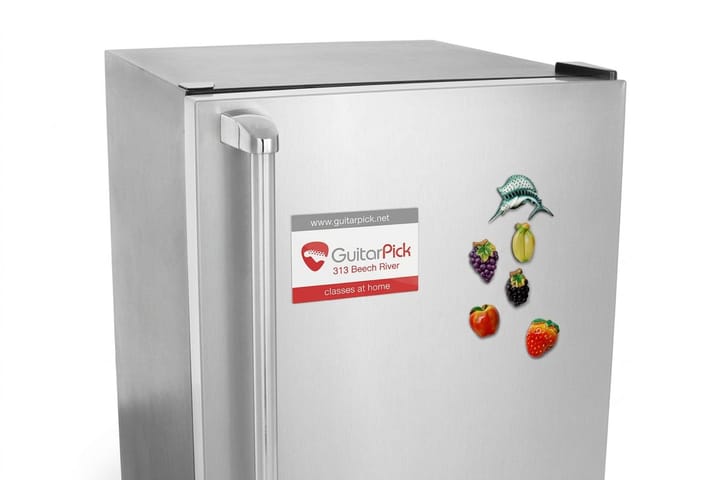
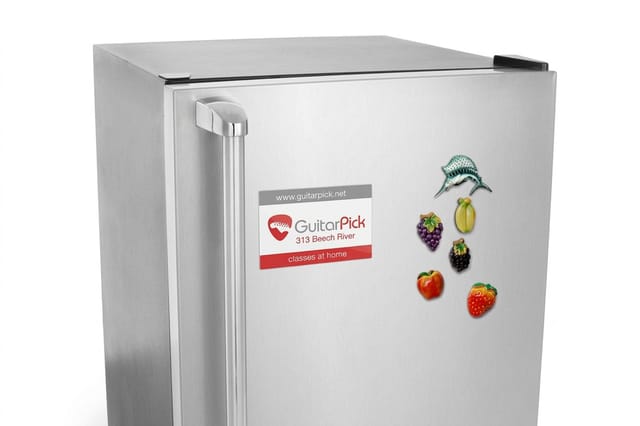
A corner store lives on proximity and habit, and nothing installs a habit like a magnet on the fridge. Your name, hours, and phone number sit in the one spot every household looks at a dozen times a day, so the moment someone runs out of milk or wants a sandwich called in, the store is one glance and one block away.
Design it like a tiny billboard: store name big, hours and number legible, one line for whatever you want to be known for, lotto, hot food, late hours. Our guide to making custom magnets covers sizes and stocks, and magnets vs stickers explains why the magnet earns years on the fridge while paper gets tossed.
Drop one in the bag with every larger purchase for a month. The magnet is a standing ad that does not expire.

Specs and pricing
Anchor the pack: window cling specs and live pricing
The window cling is the piece that rotates weekly, so it sets the rhythm. Here are the live specs and price-per-unit for retail window clings at 4OVER4.COM, straight from the configurator.

| Quantity | Price Per Unit | Total |
|---|---|---|
| 1 | $30.00 | $30.00 |
Wally explains the pack
Nine pieces, one store, selling at every step
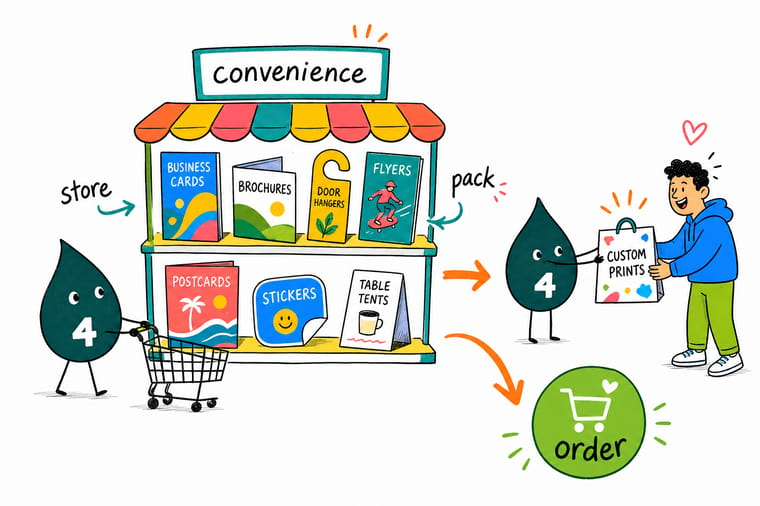
Wally walks the pack like a customer. The banner catches him at the wheel, the feather flag waves him toward the curb, the A-frame stops him on the sidewalk, the clings hand him a reason at the door. Inside, the floor arrows walk him past the deal poster, and at the register the counter card adds one more item to the basket, with the weekly flyer and a fridge magnet in the bag scripting his next trip. Print all nine at 4OVER4 in one run and the whole walk wears the same colors.
Shop retail printing →
Explore more
Where to go next
By the numbers
One pack, printed to move product
Common Questions
Common questions about the convenience store pack
What is in the convenience store pack?
Nine print pieces that work a convenience store from the curb to the counter: retail window clings, a signicade A-frame, posters, retail counter cards, floor graphics, flyers, retail banners, a feather flag, and fridge magnets. The street pieces pull customers in, the in-store pieces steer them past the margin shelves, and the counter, flyer, and magnet pieces grow the basket and book the next visit.
What should a corner store print first?
Window clings and an A-frame. The window is your biggest free ad space and clings make it changeable week to week, while the A-frame physically interrupts sidewalk traffic with today's deal. Both work from day one and both are quick to refresh.
How often should window signage change?
Weekly, matching your promotion cycle. Clings peel and reapply without residue, so the same glass can carry the soda deal this week and the coffee combo next week. A window that changes trains daily passersby to check it, and that habit is worth more than any single promotion you will ever run.
Do floor graphics actually change behavior?
Yes, because people navigate stores looking down more than up. An arrow or deal spot on the floor is seen by people who cross it, and it steers traffic toward aisles customers skip, seasonal displays, and new products. They print on flexible floor vinyl.
What makes a counter card effective?
One offer, readable in the three seconds while the card machine thinks. The add-on candy deal, the loyalty punch card, the new energy drink. The customer at the register has wallet in hand and decision fatigue at zero, which makes the counter a strong signage spot. Rotate the card with your margins, not the calendar.
Are paper flyers still worth it for a convenience store?
Within a five-block radius, absolutely. A weekly specials flyer dropped in the bag with every purchase and at the apartment buildings nearby reaches the exact households that can walk to you. Keep it to a handful of loud deals with prices, and date it so the deals create urgency. The response is measurable at the register within days.
Can I reorder pieces on a weekly cycle?
Yes. Each product has its own configurator, so clings, counter cards, and flyers reprint per promotion while the banner, A-frame, and floor arrows carry the standing brand. Keep the store name and colors identical across both layers and every weekly deal still reads as one store.
Get Started
Fifty posters print for $108.75 in 5 business days
Order the full convenience store pack from 4OVER4.COM one piece at a time on each product page. Adjust size, finish, and quantity on any product and watch the price update live.
Legal Disclaimer
Gold Standard guarantees apply to all standard orders placed through 4over4.com. Price match requires verifiable proof of a competitor's published price for an equivalent product with matching specifications and turnaround time. Satisfaction guarantee covers manufacturing defects and print quality issues. Contact support with order number and documentation.
