11 Coffee Shop Print Essentials That Create Regulars
A coffee shop lives on regulars, and you build them one visit at a time. These are the eleven print pieces that do the making, from the window cling that earns the first visit to the gift certificate that recruits the next one.
The coffee shop essentials are eleven print pieces that turn foot traffic into regulars: menus, window clings, business cards, drink coasters, die-cut stickers, gift certificates, table tents, a sidewalk A-frame, event flyers, bakery boxes, and plastic gift cards. The sidewalk and window pull people in, the menu and table pieces make the first visit land, and the register and to-go pieces send every customer out carrying a reason to return.
The picks
Eleven products, from the window decal to the bakery box
Start here. These are the eleven products in the set, numbered in the order a new shop usually needs them, each priced live from the configurator. Quantities start where the press run sets them: coasters from 10, menus from 50, and table tents, bakery boxes and plastic gift cards from 250. Order them together in one checkout, then read on for what each piece does.

Design and print help
One look from window to coaster
A cafe brand is built from repetition. Your logo has to hold on a 4 inch coaster of 48pt board, a 2 x 3.5 inch business card, a clear window cling as large as 40 x 60 inches and the lid of a 5 x 7 inch bakery box, so test it at the coaster size first. These 4OVER4.COM services keep your logo, colors, and type identical across all eleven pieces without a designer on retainer.
How they work together
Where each piece works, from the curb to the register
The A-frame and the clings work the curb, the menu and the tents work the table, and the cards and certificates work the register. Print the whole sequence and the street, the table, and the register all keep working for the shop.
The glass introduces the shop to everyone who passes, all day, for the price of one print run. Hours, the seasonal drink, and the wifi sign work before anyone orders, and the sandwich board pulls in the walker who would have kept going.
The menu makes the order easy, the table tent sells the pastry pairing, the coaster brands every photo taken at the table, and the bakery box carries the visit out the door and keeps advertising once the customer gets home. The visit does the marketing.
The card carries your catering offer to an office, the certificate recruits a friend, the sticker keeps your name on the laptop that sits in your window seat, the flyer pulls in the neighbor who has never walked in, and the gift card keeps the loyalty balance for every regular sitting in their wallet.
1. The menu every customer reads twice
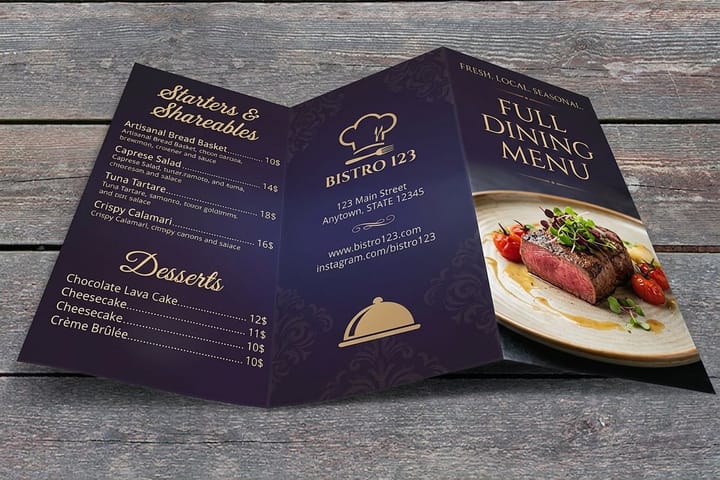
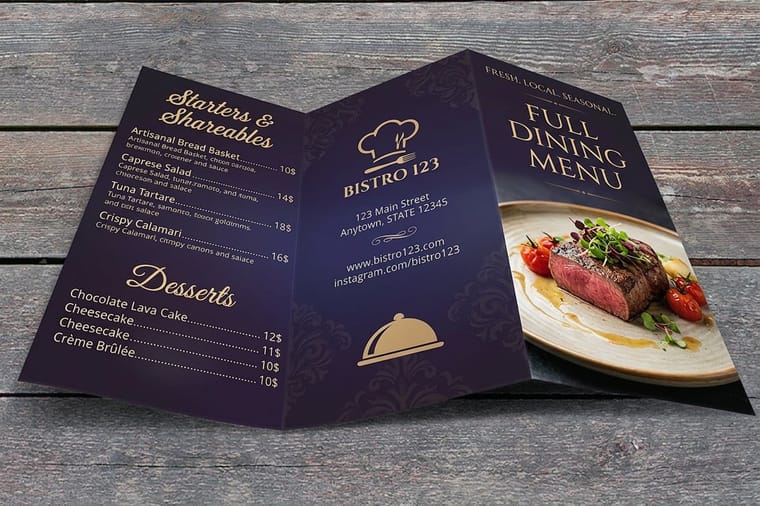
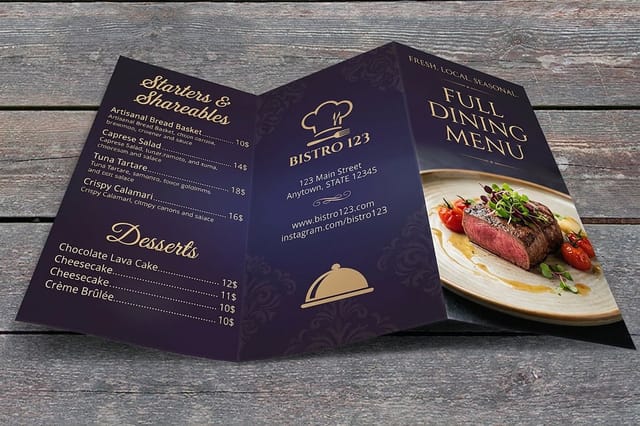
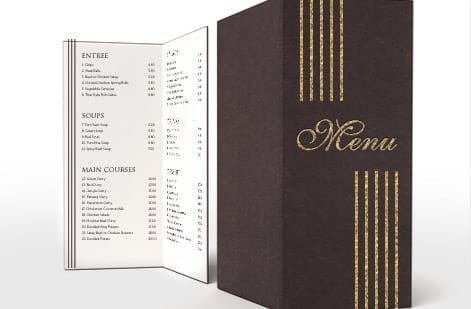
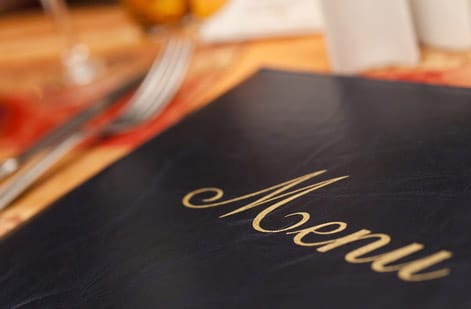
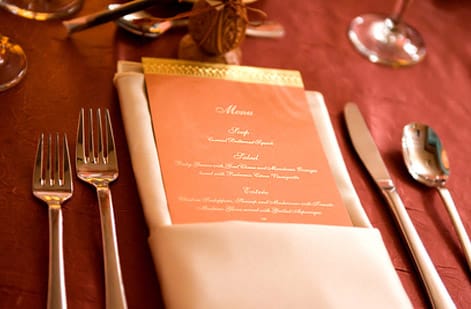
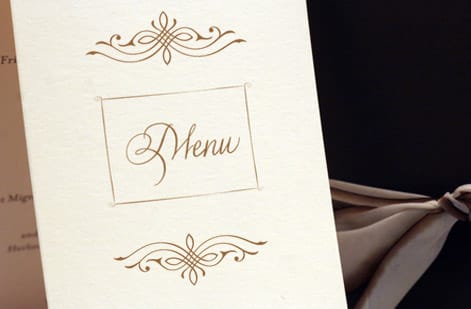
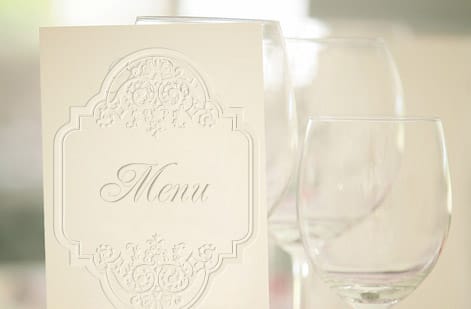
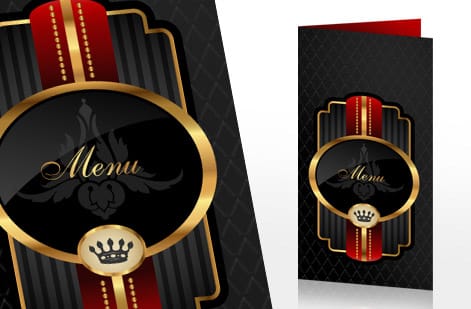
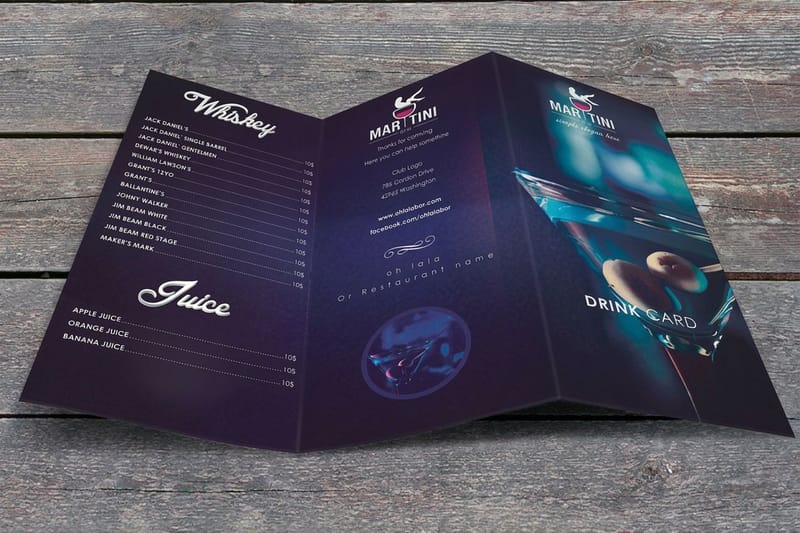
The menu is the one print piece every customer in your shop reads. It is where a first-timer decides whether you are a serious coffee program or a place with a machine, and they decide it partly from the paper in their hands. A crisp menu with clear sections and honest prices reads as confidence.
Keep the layout tight: drinks first, food second, one house specialty given room to breathe. If you want to build the layout yourself before printing, the walkthrough on making custom menu cards covers structure and type choices, and the full range of formats lives under menus printing. A rebrand built around the menu can carry a whole shop, as the story of a restaurant that rebranded with custom menus shows.
Print more than you think you need. Menus get creased, splashed, and pocketed, and a tired menu on a clean counter undoes the impression the counter earned.
2. Window clings that talk to the street
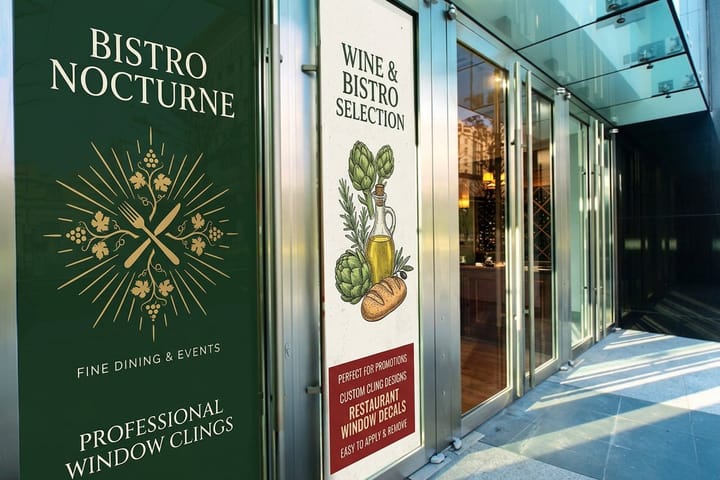
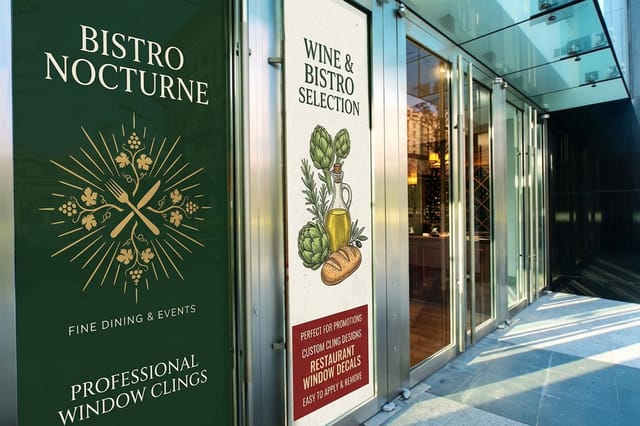
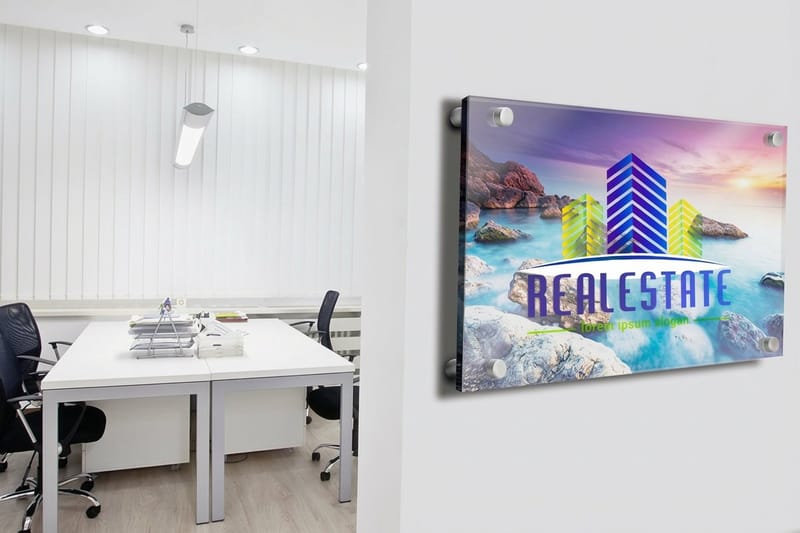
Many more people pass your window than walk in, and the glass is the only marketing surface that reaches all of them. Clings turn that surface into a sign you can change with the seasons: the new oat milk latte in October, iced flights in June, the quiet back room for remote workers all year round.
Because clings apply and peel without residue, you can rotate messages as often as your menu changes without commitment. Application takes minutes when you follow the steps in the guide on how to apply window clings, and a squeegee and patience are the only tools involved.
Write for a walking pace. Five words readable from across the street beat a paragraph readable from the door, and your hours should be legible from a car at the light.
Configure restaurant window clings from $30 for one 11 x 17 cling
3. Register business cards that book the catering order
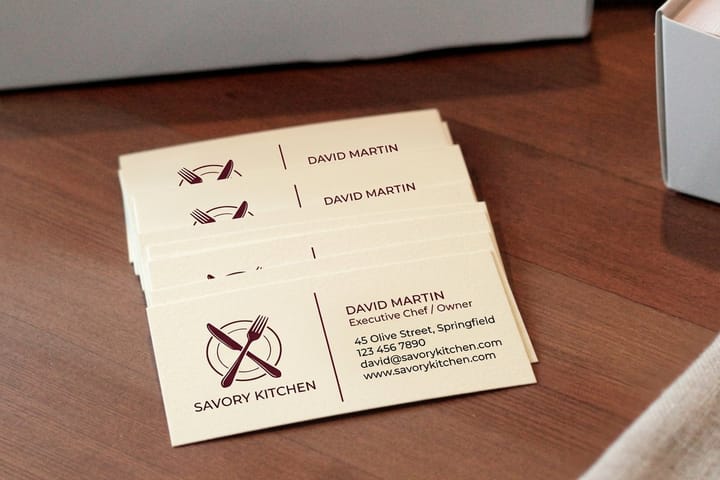
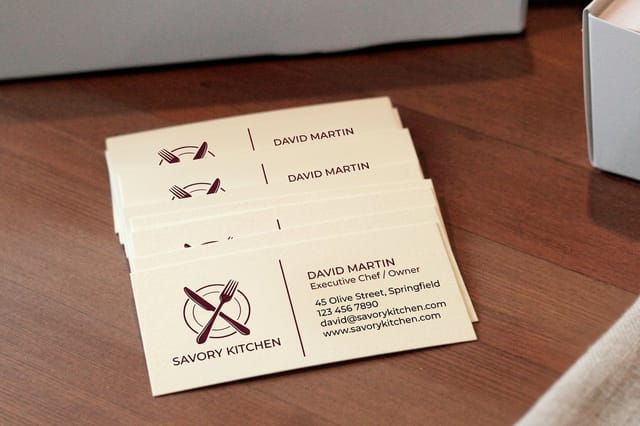
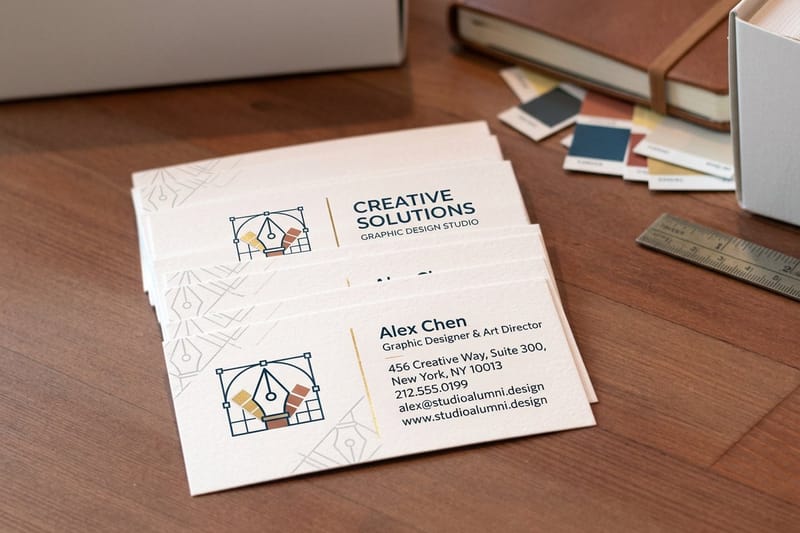
A coffee shop business card does a different job than a freelancer's. It sits in a small stand by the register and gets taken by the office manager who just realized your shop could cater the Tuesday meeting, the event planner who liked the pastries, the regular who wants to recommend you properly.
Put the things people ask for on the back: catering contact, order-ahead link or QR code, hours. Choose a stock heavy enough to survive a wallet, because the card is often retrieved weeks later. The broader business card printing range covers finishes from matte to soft touch if you want the card to feel like your shop looks.
Refill the stand every morning the way you refill the napkins. An empty card stand is a catering inquiry that went to the shop up the block.
4. A coaster under every photographed latte
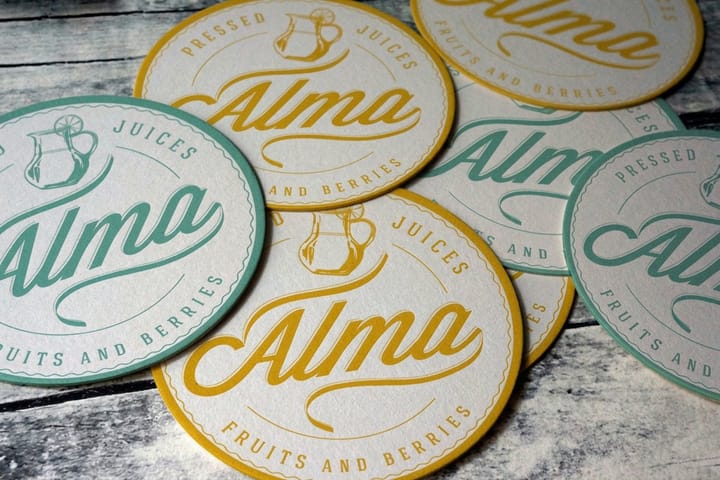
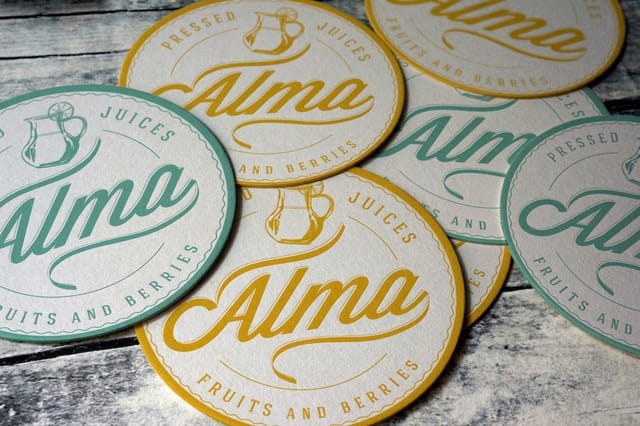
People photograph coffee. They do not photograph your sign, your menu, or your loyalty card, but the latte art gets shared constantly, and whatever sits under the cup is in the frame. A branded coaster is how your shop name ends up in photos you never asked for and never paid to place.
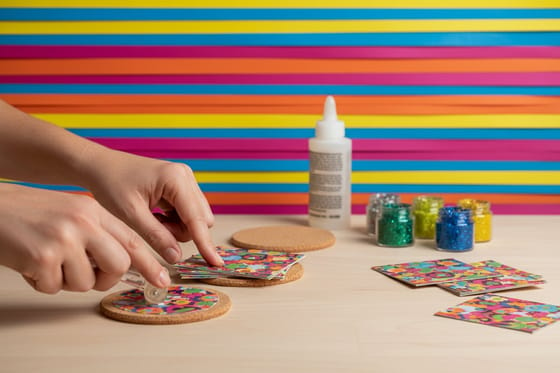
Coasters also do operational work: they protect tables, they mark a served seat, and they give a waiting customer something to read. Print the logo on one side and something worth flipping for on the other, a loyalty prompt or the story of your roaster. If you are curious what goes into making them, the guide on how to make coasters compares homemade and press-printed coasters.
At the starting price of a few cups of coffee, coasters are the lowest-risk item in the set. Order generously and let some walk away, because a coaster on someone's home desk is still advertising.
5. Die-cut stickers for the laptops in your window seats
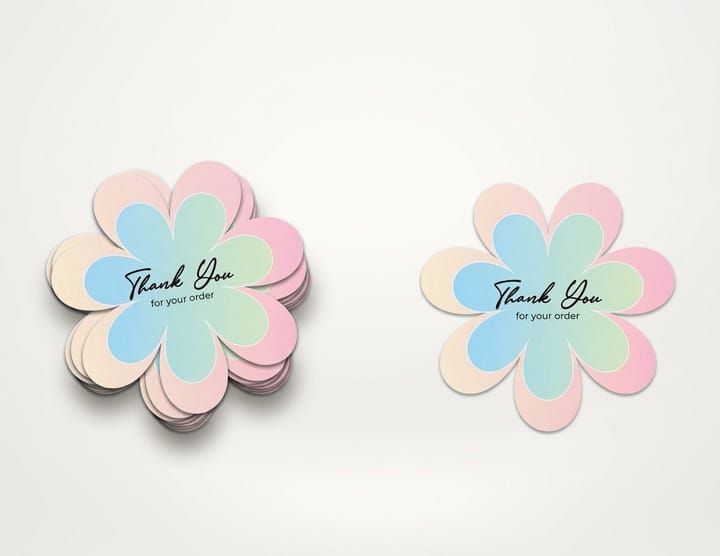
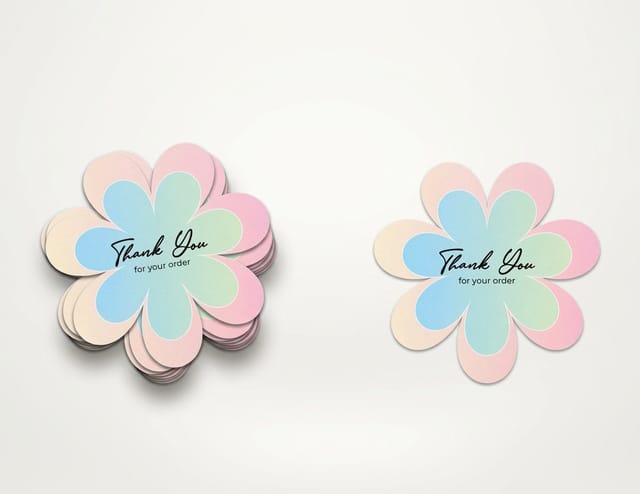
Look around a busy coffee shop and count the laptops. Every lid is a small billboard, and stickers are how your logo gets there. A well-designed die-cut sticker, shaped to your mark rather than trapped in a square, is the kind of thing regulars ask for.
Give them away with a purchase or sell them at the register for pocket change. Pick white vinyl for a sticker headed for a water bottle, from 25 stickers for $93.37. The guide on how to make stickers walks through materials and cut styles, and the wider sticker printing range covers everything from minis to bumper size.
Design for the laptop, not the invoice: bold shape, two colors, no phone number. A sticker that looks like an ad stays in the drawer, a sticker that looks like a badge gets applied.
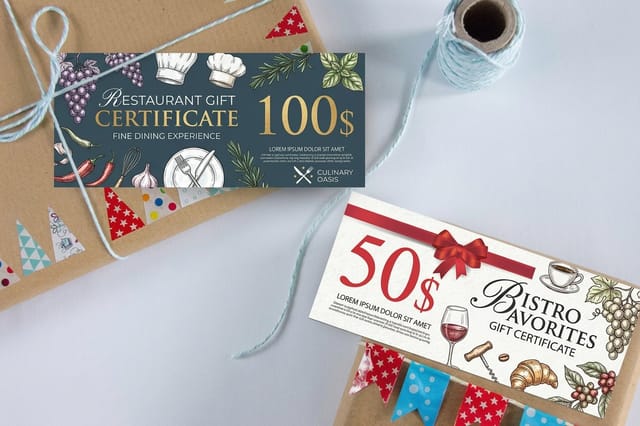
6. Gift certificates that collect revenue before the coffee is made
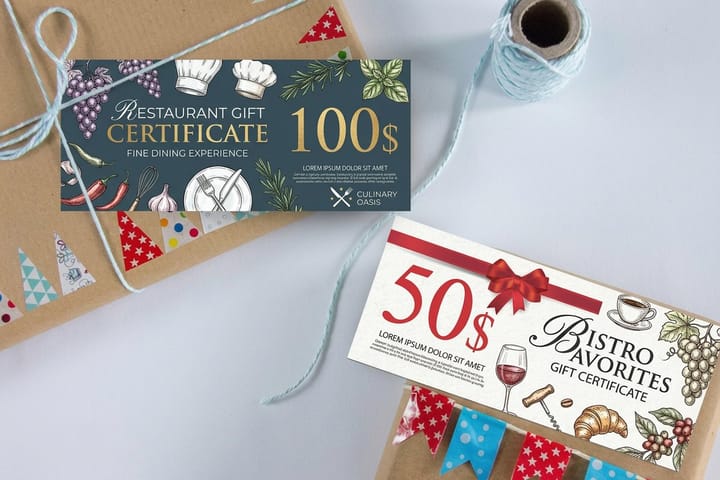
A gift certificate is the only item in this set that collects money before you make anything. A regular buys one for a coworker, and you bank the sale today while the visit happens next month. For a young shop smoothing out unpredictable weeks, that timing is worth more than the margin.
The second job is recruitment. Certificates are often redeemed by someone who has never been in, arriving with a positive expectation because the certificate was a gift from someone they trust. Display them at the register where gift decisions happen, and keep denominations simple. Ideas for making one feel like a real present live in the piece on personalized gift ideas.
Push them hard in December and before holidays, but keep a stack visible year-round. Birthdays do not cluster conveniently.
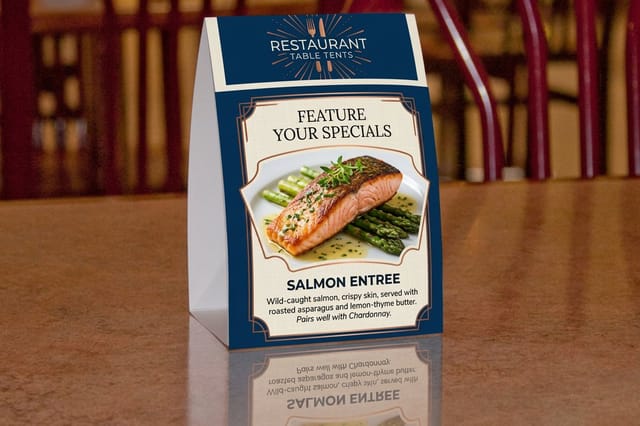
7. Table tents that sell the pastry pairing
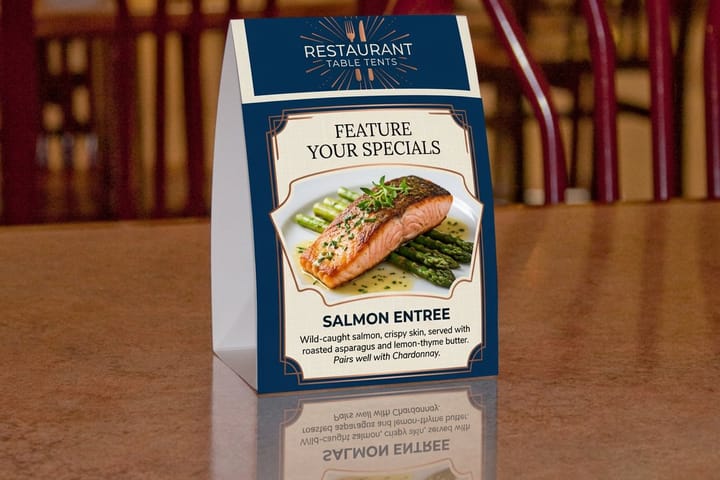
A seated customer with a drink in hand is your most receptive audience, and the table tent is the only staff member talking to them. One well-placed tent sells the pastry pairing, announces the loyalty program, or fills the quiet weekday afternoons with a happy hour, all without interrupting the barista's line.
The discipline is the same as the window: one message per tent, changed on a schedule. A tent that has said the same thing for six months becomes furniture. Tents print flat on 14pt gloss cover and fold into a 4 x 6 card, from 250 for $554.39, so plan the next quarter's batch alongside your menus.
Start with your highest-margin add-on.
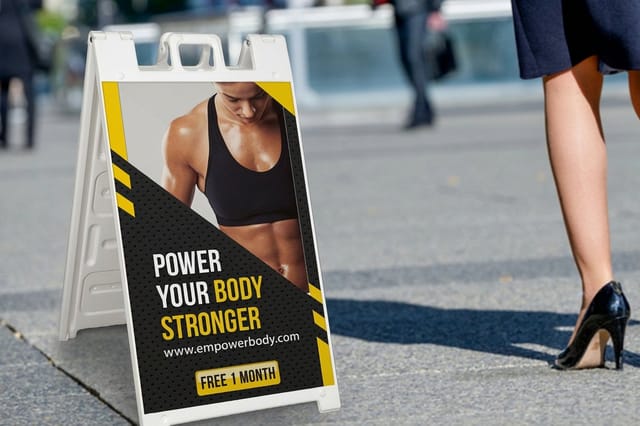
8. An A-frame that stops walkers before the window
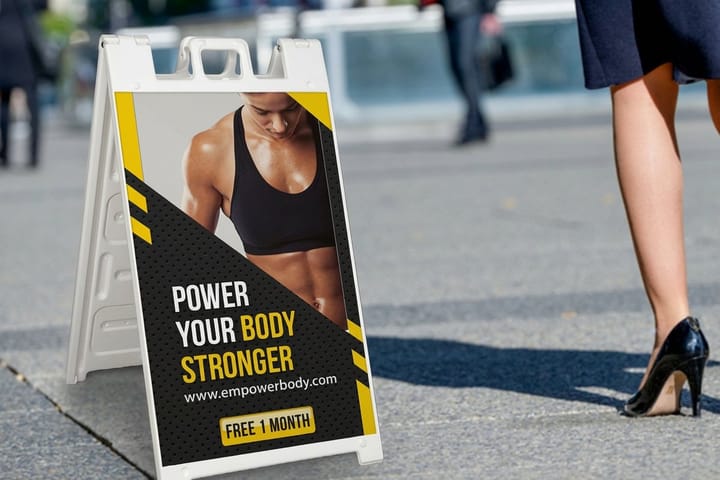
The window talks to people who look up; the A-frame talks to people looking at their phones. Planted in the walking line, a sidewalk sign is the first thing a passerby physically navigates around, which makes it the shop's best shot at stopping someone who had no plan to stop. The day's roast, the seasonal drink, the five-words-or-fewer joke that makes someone smile and turn in.
A Signicade kit is a white plastic frame with two printed 24 x 36 corrugated plastic panels, the same art or different art on each side, for $182.32. Put the morning offer on one side and the afternoon slow-hours deal on the other. Keep the type big enough to read at a stroller's pace and the message short enough to finish before passing the door. The comparison in signicade vs aluminum vs plastic A-frames covers which build holds up best on a sidewalk, and the layout advice in the guide to signage design keeps the message readable at a glance.
Bring it in at close and it keeps working day after day.
9. Event flyers handed out around the neighborhood
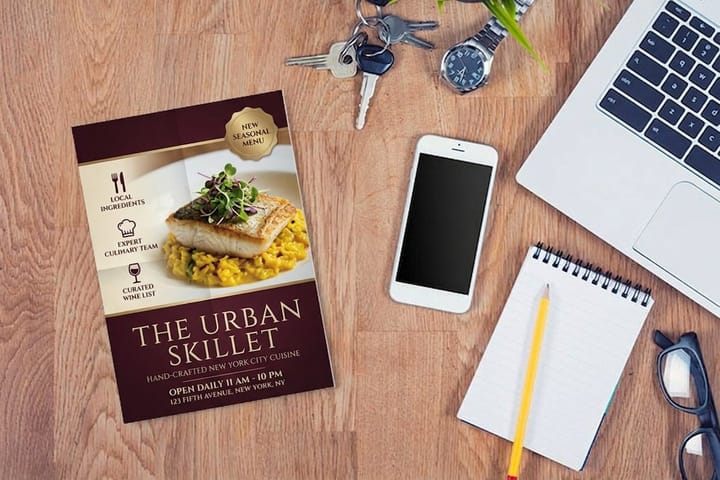
Everything else in this set works inside or just outside the shop. The flyer is the piece that leaves the block: the grand opening, the live acoustic night, the latte art throwdown, handed out at the farmers market and pinned at the gym, the bookstore, and the co-working space where your future regulars already spend their week.
Give each flyer one event and one date, lead with the image, and put the address where a glance finds it. The focal-point rules in how to design flyers keep it readable at arm's length, and flyer distribution best practices covers the etiquette of counters and boards so the stack gets displayed.
Print a fresh run per event rather than a generic evergreen flyer. A dated flyer creates urgency; an undated one wallpapers a board forever and gets ignored just as long.
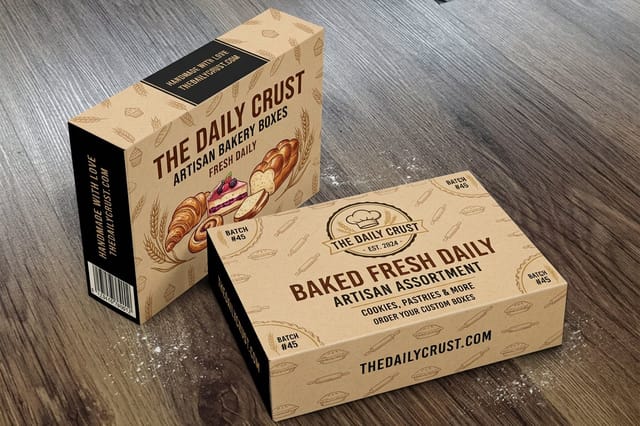
10. Branded bakery boxes that land on office tables
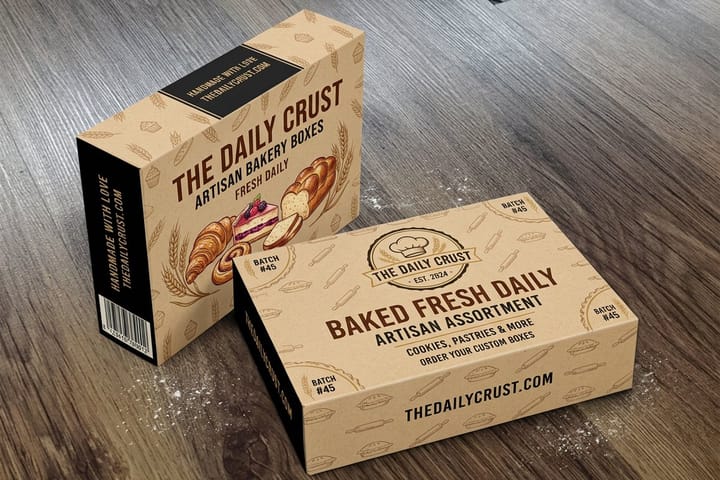
A few pastries in a plain white box is a missed ad. The same pastries in a branded box lands on a conference table in front of ten people who did not choose your shop, with your name on the lid the whole meeting. To-go and catering orders are the moments your brand travels furthest, and the box is the vehicle.
Print the logo big on the lid, the shop name and order line on the side that faces outward on a shelf, and keep the inside plain. One of the two box sizes, 5 x 7 x 1.7 or 5.5 x 5.5 x 2.625 inches, that fits your bestsellers covers most orders without a packaging closet. The same one-look discipline that runs the rest of this set applies here: box, cup, and menu should read as the same shop, and the six key principles of logo design keep the mark working at lid scale.
Charge nothing extra and treat the cost as media. A branded box in a break room is a tasting and an ad running at once.
11. Plastic gift cards that keep the loyalty balance in wallets
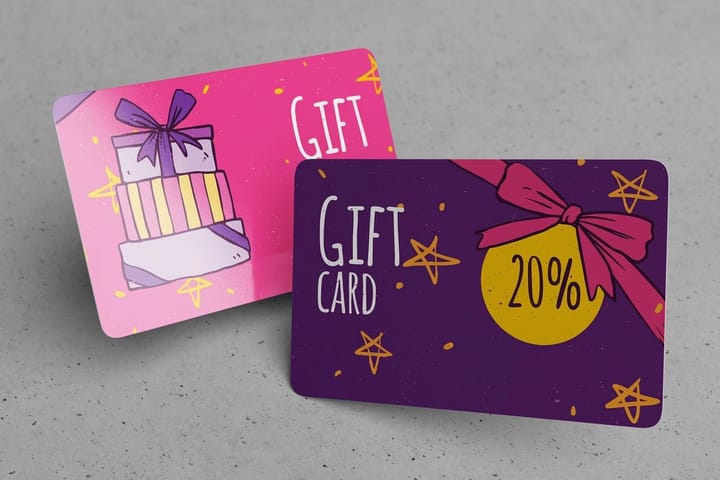
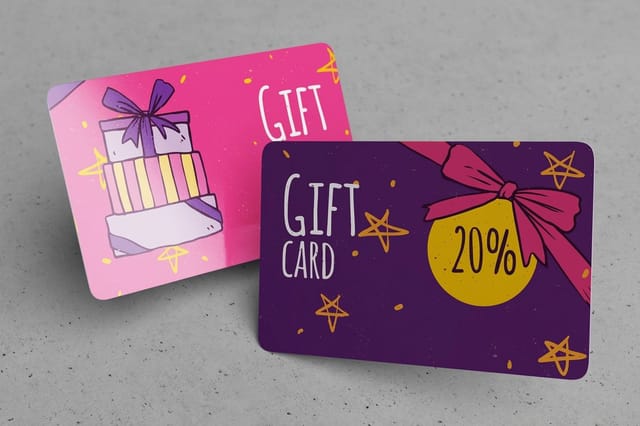
The paper certificate recruits a new customer once; the plastic card keeps one coming back. A durable gift card doubles as the loyalty card, the reload card, and the small gift a regular grabs at the register, and unlike paper it survives months in a wallet, which is where you want your logo living between visits.
Print them like a bank card: clean front with the mark, the mechanics on the back. A card that feels premium has a reason to be kept, and a kept card is a standing reminder that the next coffee is already decided. Stock a small display at the register for gifting season and offer a reload bonus that makes the card the cheaper way to pay. The material breakdown in the guide to 30mil plastic card materials explains why the thickness matters, and the guide to loyalty cards covers stamp-style versus balance-style programs for a counter this size.
The unit cost is higher than paper, and it should be. This is the piece of the set a customer carries every day, and it is the one that pays you in habits.
Specs and pricing
Menu specs, stock by stock
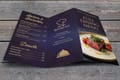
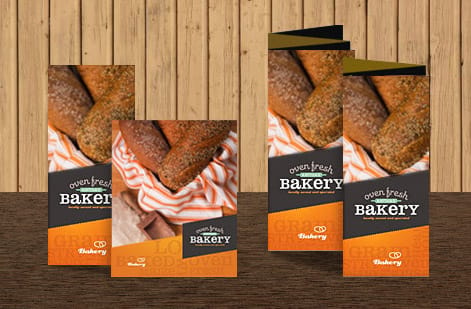
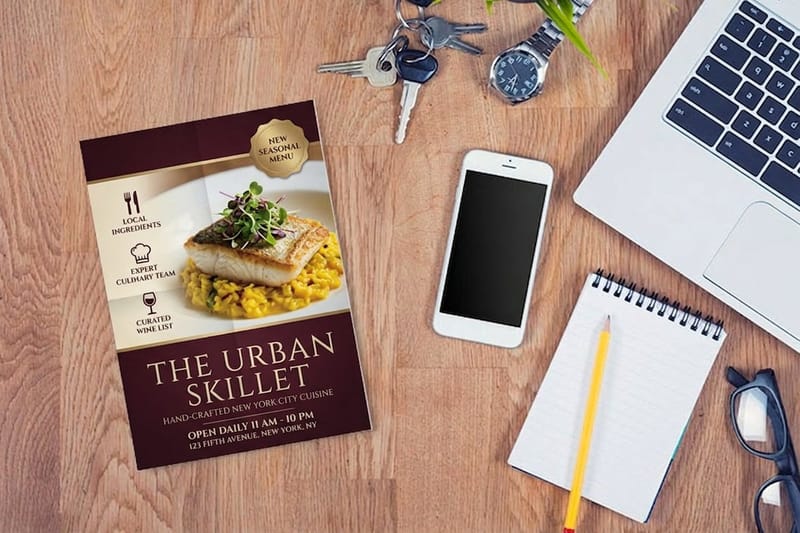
The menu is the piece every customer touches, so it sets the standard for the rest. Here are the live specs and price-per-unit for restaurant menus at 4OVER4.COM, straight from the configurator.
| Quantity | Price Per Unit | Total |
|---|---|---|
| 50 | $1.14 | $57.11 |
| 100 | 82.4¢ | $82.38 |
| 200 | 53.3¢ | $106.55 |
| 300 | 41.0¢ | $123.02 |
| 400 | 34.9¢ | $139.49 |
| 500 | 31.2¢ | $155.97 |
| 600 | 26.7¢ | $160.36 |
| 700 | 23.5¢ | $164.75 |
Wally explains the set
Eleven pieces, one shop, printed to make regulars
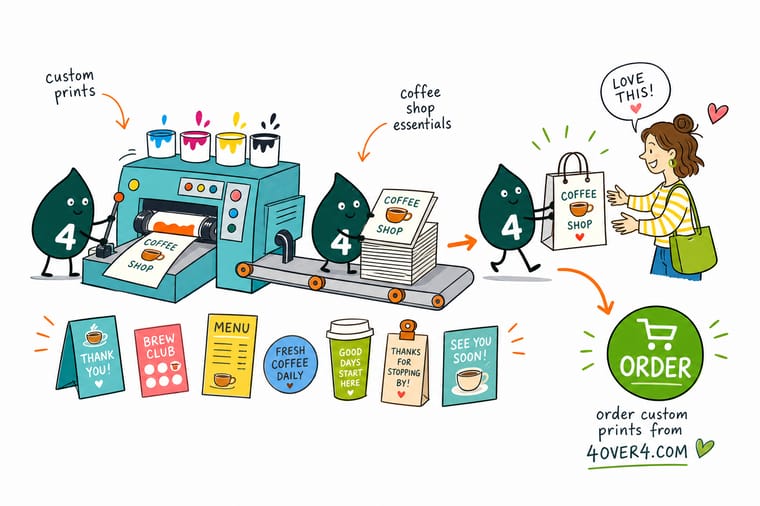
Wally sees a coffee shop as a loop, not a room. The A-frame and window cling start it, the menu and table tent make the first visit worth repeating, and the coaster, sticker, bakery box, and gift cards ride home with the customer to start the loop again. Print all eleven at 4OVER4 in one run and the loop wears the same colors at every step.
Shop restaurant printing →See it in use
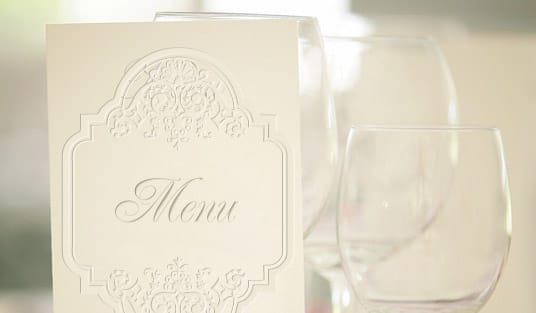
Restaurant menus from our press

Explore more
Where to go next

By the numbers
One set, printed to open strong
Common Questions
Common questions about the coffee shop essentials
What is in the coffee shop essentials set?
Eleven print pieces that cover a cafe from the sidewalk to the second visit: restaurant menus, window clings, business cards, drink coasters, die-cut stickers, gift certificates, table tents, a signicade A-frame, restaurant flyers, bakery boxes, and plastic gift cards. The window and sidewalk pieces pull people in, the table and packaging pieces improve the first visit, and the register pieces bring customers back.
What should a new coffee shop print first?
Menus and window clings. The menu is read by every customer and sets the tone for the shop, while clings announce you to the street before anyone has tried the coffee. Add coasters and table tents once the seating area is live, then use gift certificates and stickers to turn the first regulars into recruiters.
Do drink coasters earn their cost?
They are the least expensive item in the set and among the most photographed. Coffee drinks get shared online constantly, and a branded coaster puts your name inside every one of those photos. Coasters also keep tables cleaner, which saves wiping time on a packed morning. Coasters start at 10 for $10.98.
How do gift certificates help a shop that just opened?
They collect money before the coffee is made. A regular buys one for a coworker, you keep the cash now, and the coworker walks in later as a brand-new customer with the visit already paid for. In the early months, when the register is unpredictable, that upfront cash helps steady the slow weeks.
What goes on a coffee shop table tent?
One offer, not the whole menu. The pastry that pairs with the seasonal latte, the loyalty program, or the weekday happy hour. Table tents work because a seated customer reads whatever is in front of them, so give that attention one clear job. Rotate the message monthly so regulars keep noticing it.
How do I keep eleven pieces looking like one brand?
Repeat your logo, two brand colors, and one typeface on every piece, from the window cling to the coaster to the sandwich board on the sidewalk. Start each layout from a shared template so the same teal is specified on paper, vinyl, plastic, and coaster board, and ask for a free online proof on each piece. Consistency is what makes a small shop feel established.
Can I reorder just one piece when it runs out?
Yes. Every piece has its own configurator, so when the coasters run low you reorder coasters alone, at the same 4 inch size and the same 48pt or 64pt board you chose the first time. Watch the lead times: coasters print in 4 business days and business cards in 3, but plastic gift cards take 15, so reorder those before the display empties. Keep the print files in one folder and every reorder matches the first run.
Get Started
Plastic gift cards take 15 business days, so order those first
Restaurant business cards are 100 for $17.57 and print in 3 business days. Coasters start at 10 for $10.98, and plastic gift cards are 250 for $226.11 with a 15 business day turnaround.
Legal Disclaimer
Gold Standard guarantees apply to all standard orders placed through 4over4.com. Price match requires verifiable proof of a competitor's published price for an equivalent product with matching specifications and turnaround time. Satisfaction guarantee covers manufacturing defects and print quality issues. Contact support with order number and documentation.